Portada » Initiatives » Awards » Building Arts Awards » Laureates » Laureates 2026
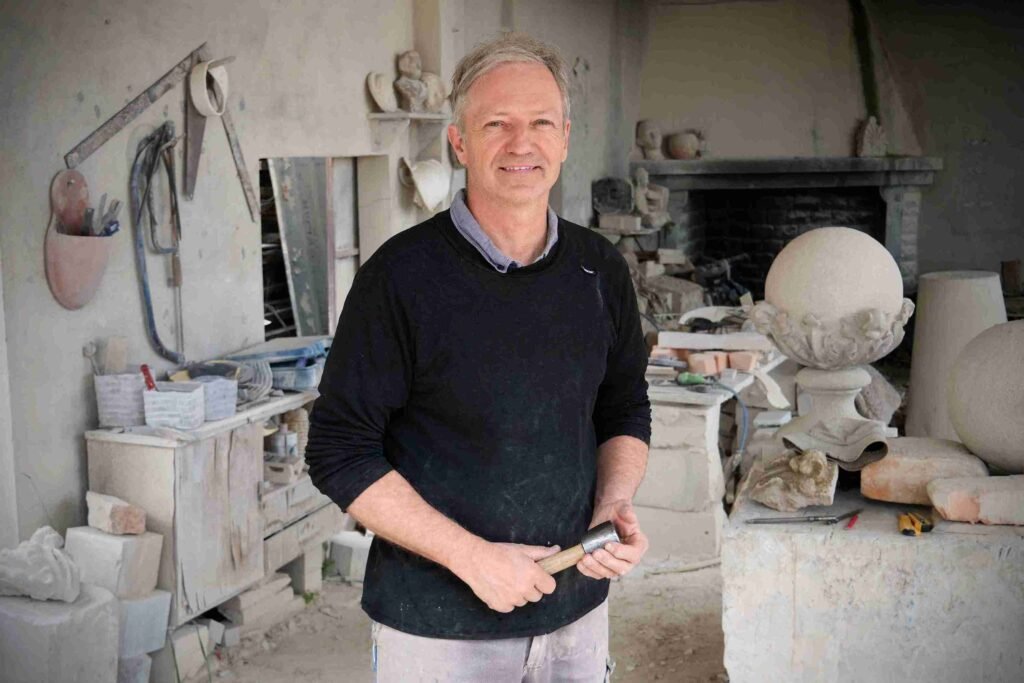
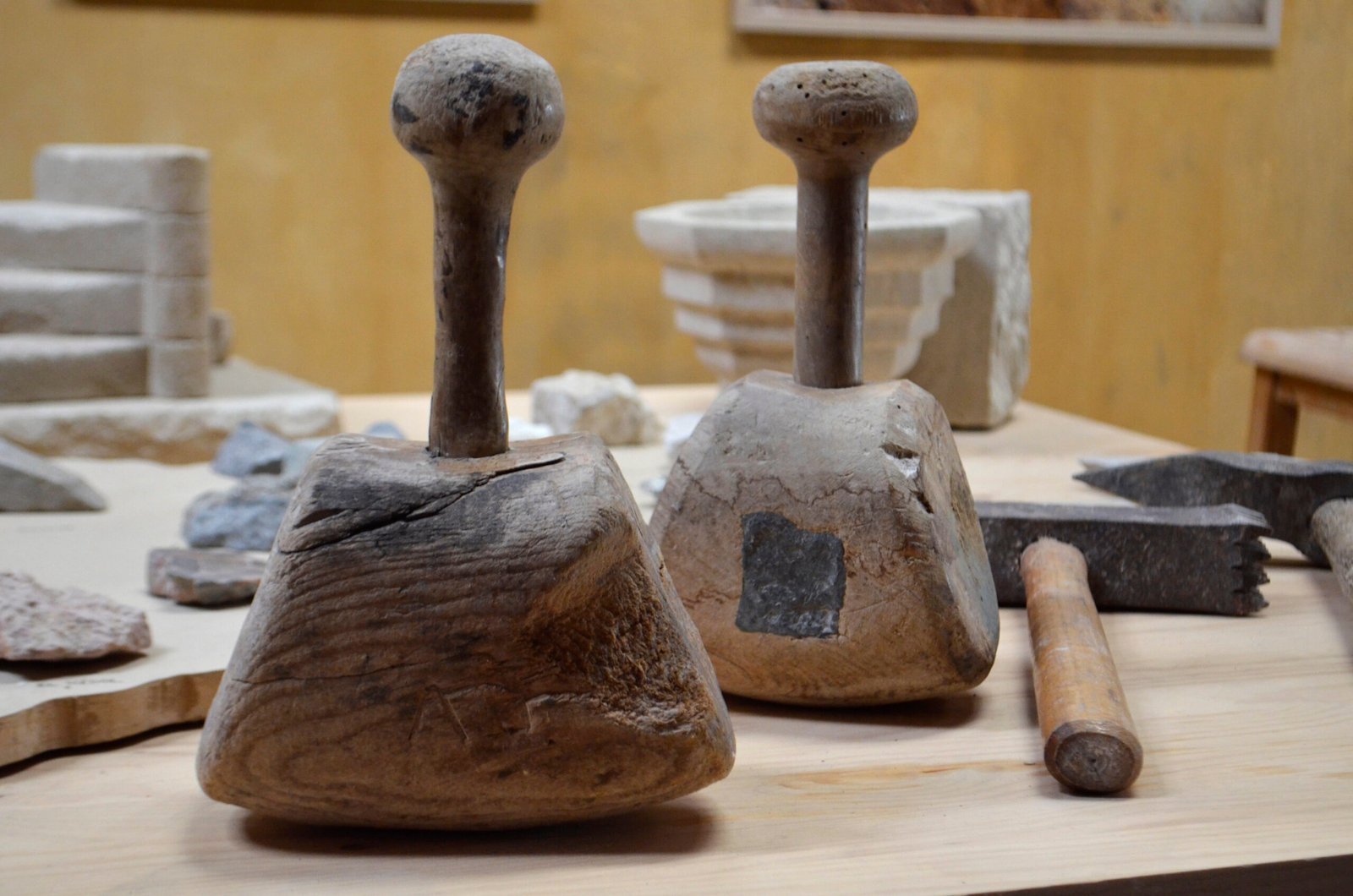
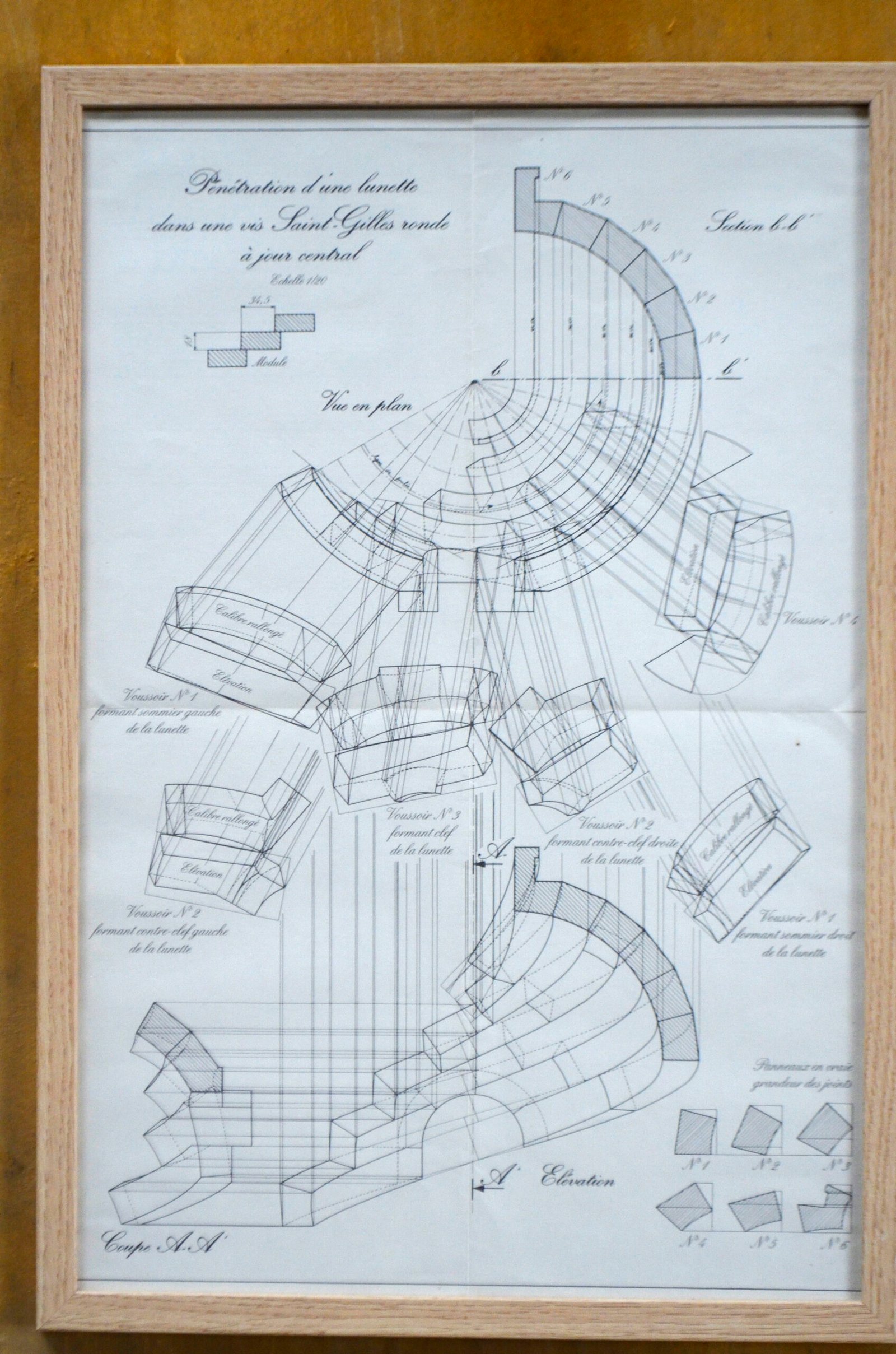
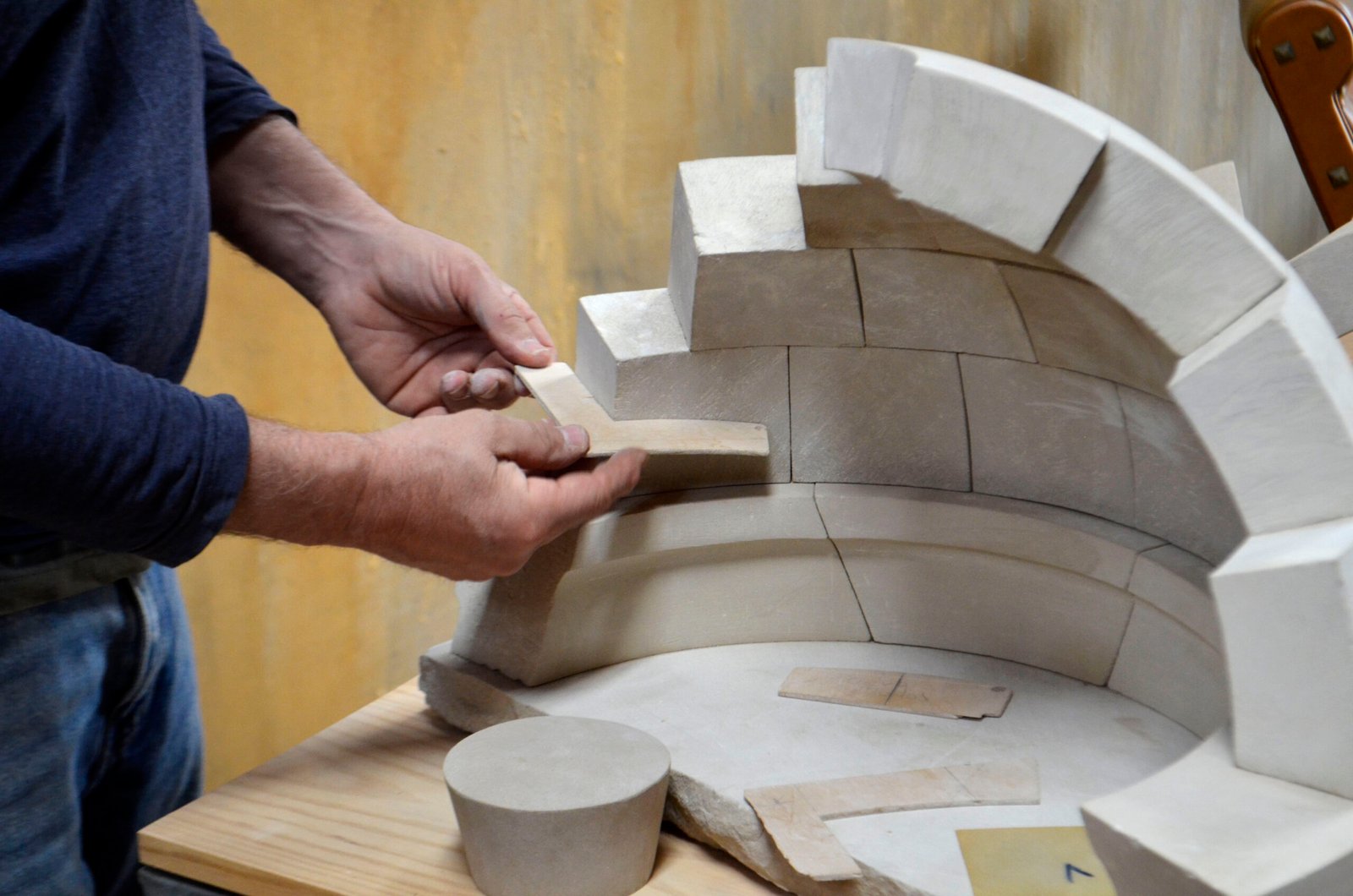
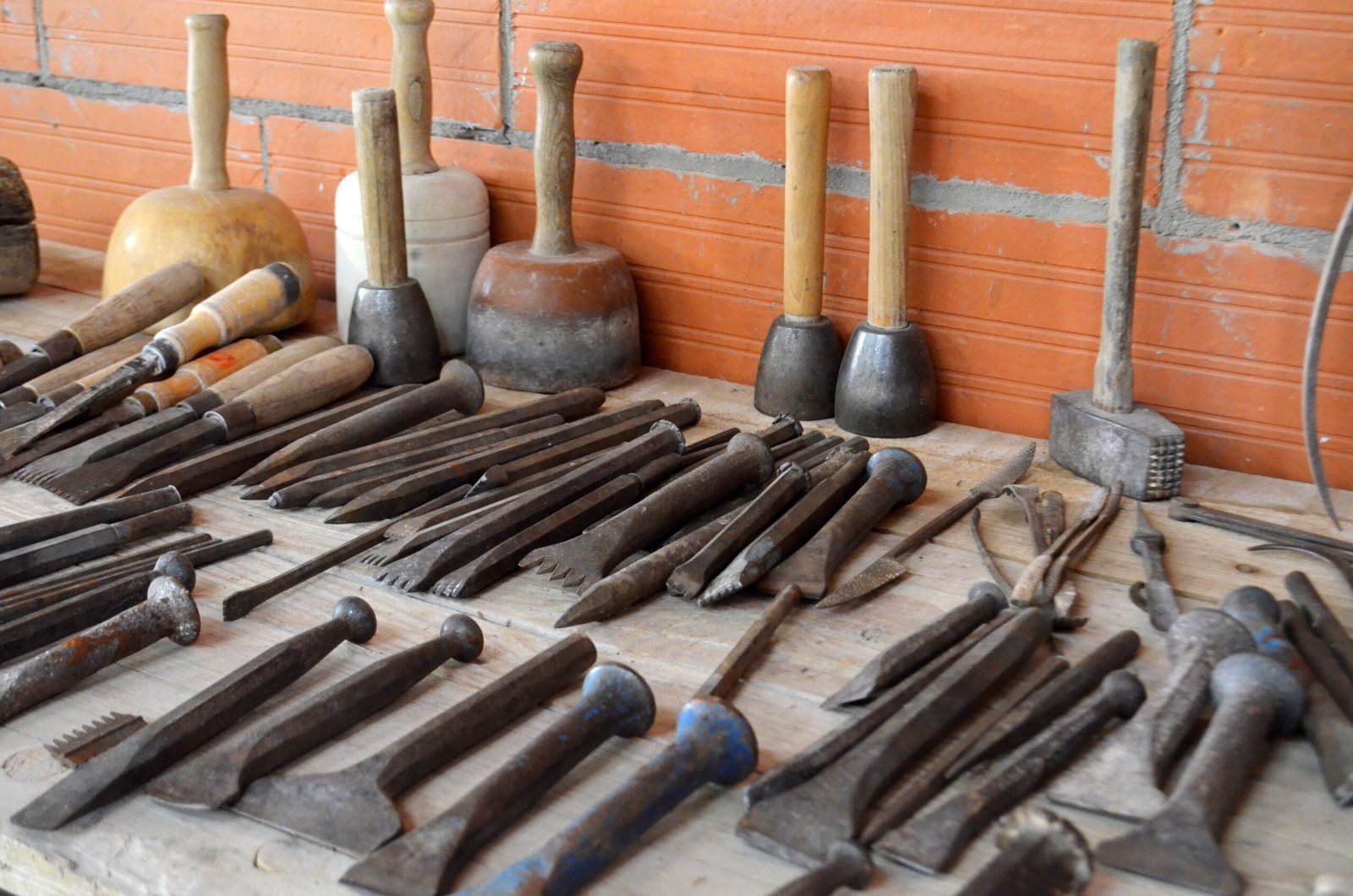
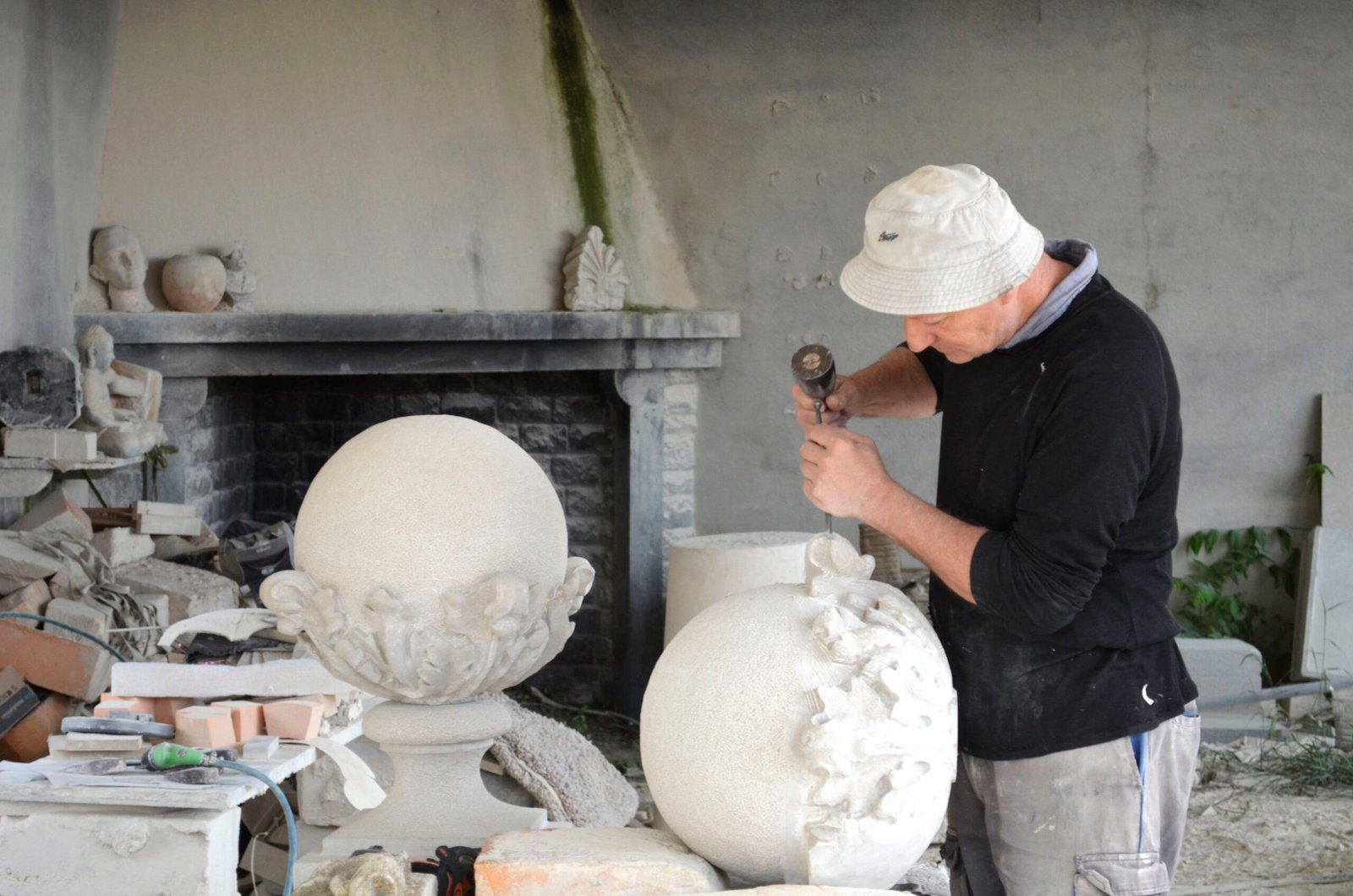
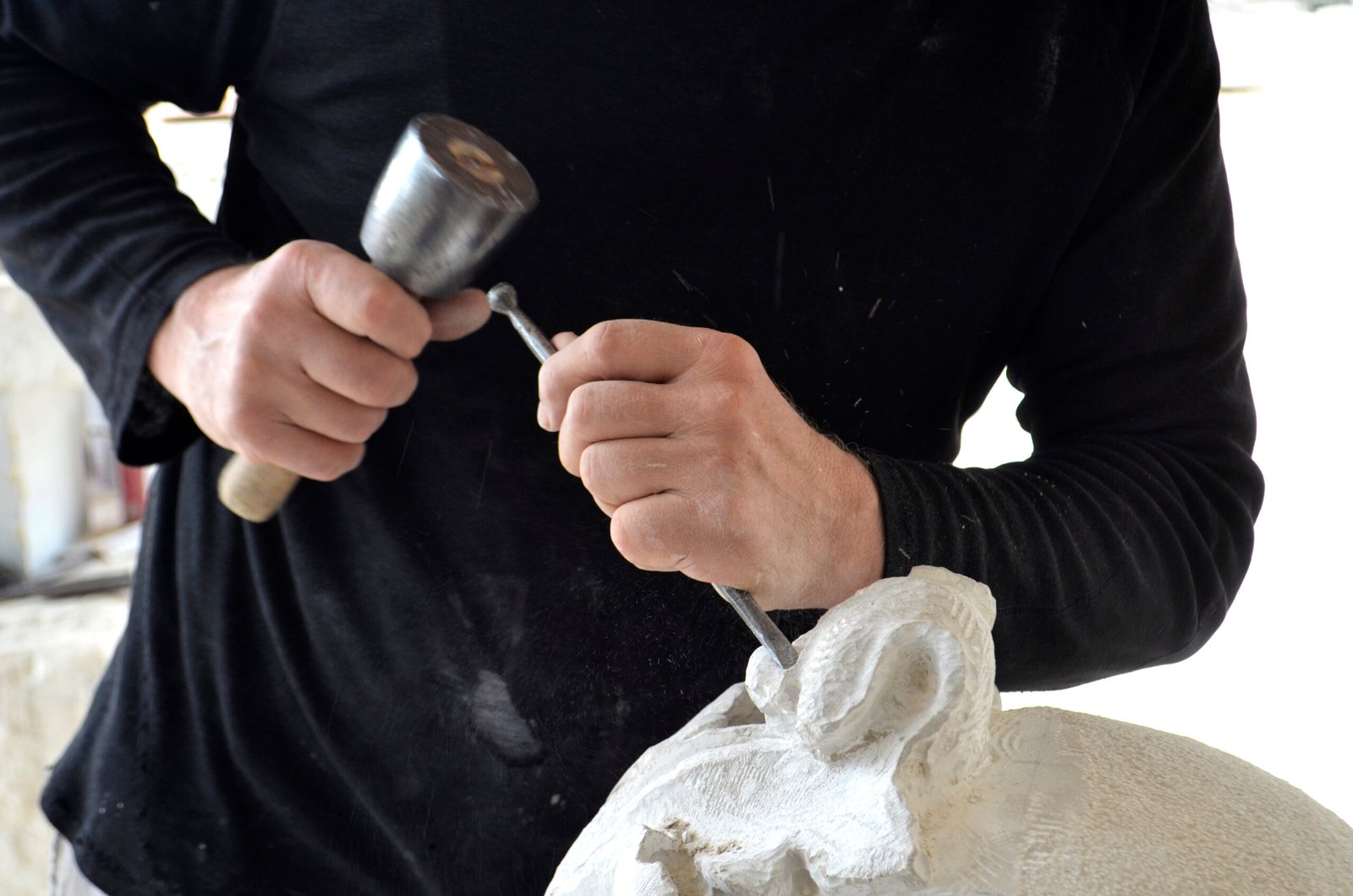
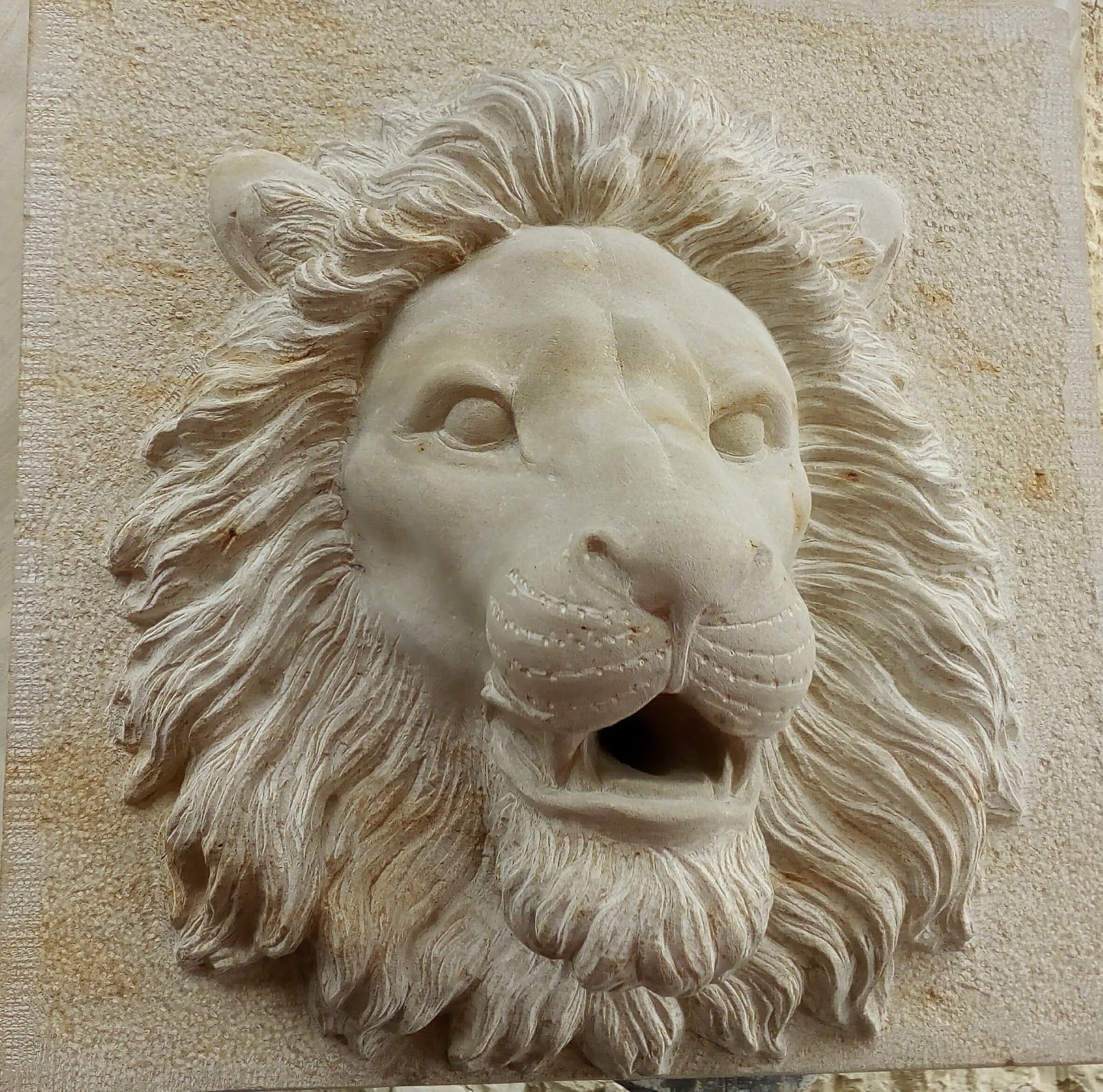
Gaëtan Chapel is a master stonemason and sculptor, specialized in stone-carving, ornamental sculpture, and architectural heritage restoration. Born in Belgium, he began learning the trade in the early nineties on discovering his vocation for stonework. Since then he has pursued an international career that has led him to train and work in Belgium, France, the UK, and Spain, where he has participated in major heritage restoration projects.
His early years of learning were in restoration projects on the Cathedral and City Hall of Brussels. He then received a grant from Fondation Roi Baudouin that enabled him to specialize in ornamental sculpture and heritage preservation in France, where he worked on the cathedrals of Rouen and Reims. Later he went on to England, where he joined the works department at Salisbury Cathedral and the firm Linford-Bridgeman. Over these years he received further training alongside various masters in workshops in different countries, which experience Gaëtan regards as vital to understanding the technical and cultural diversity involved in the stonemason’s trade.
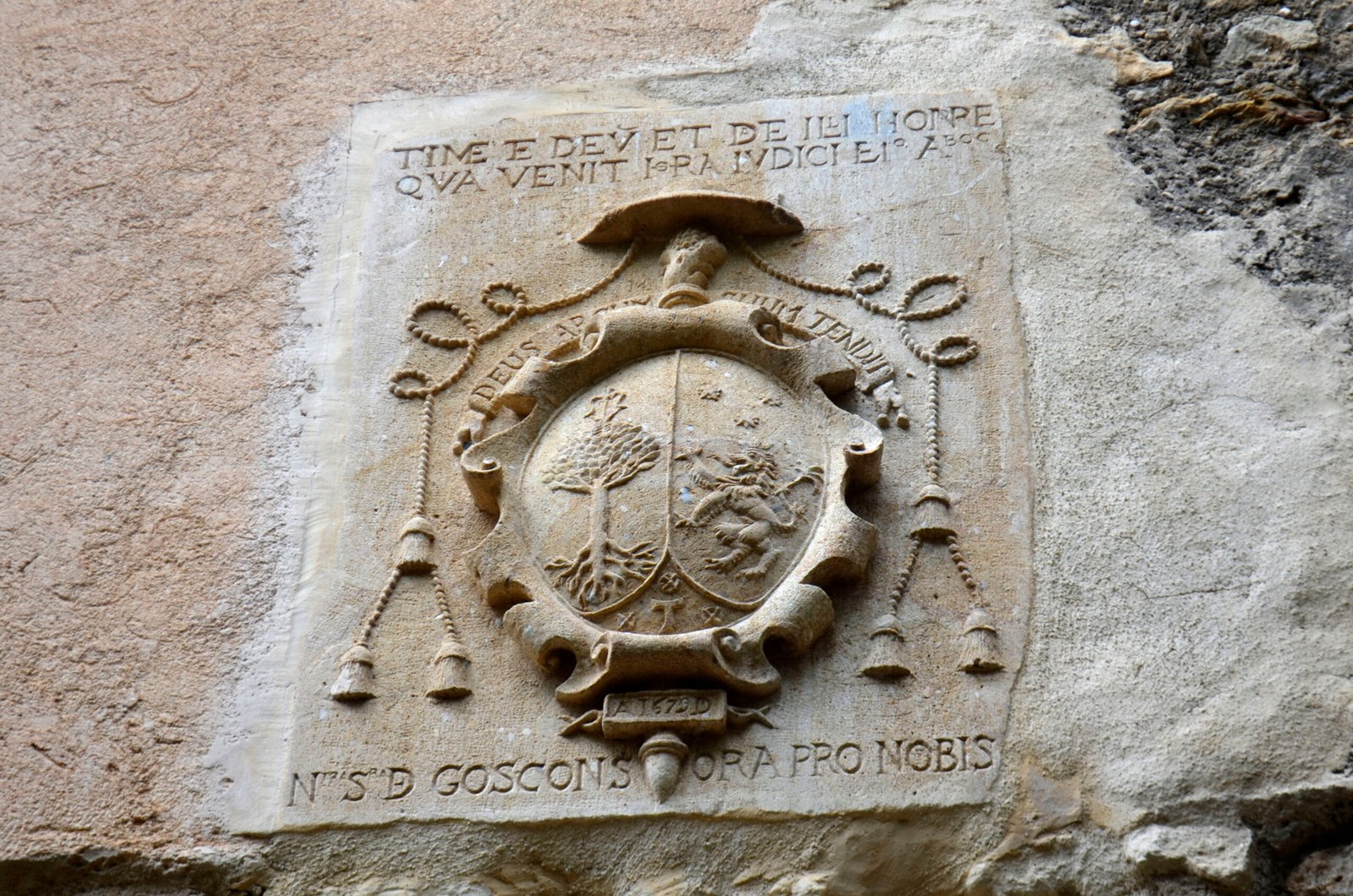
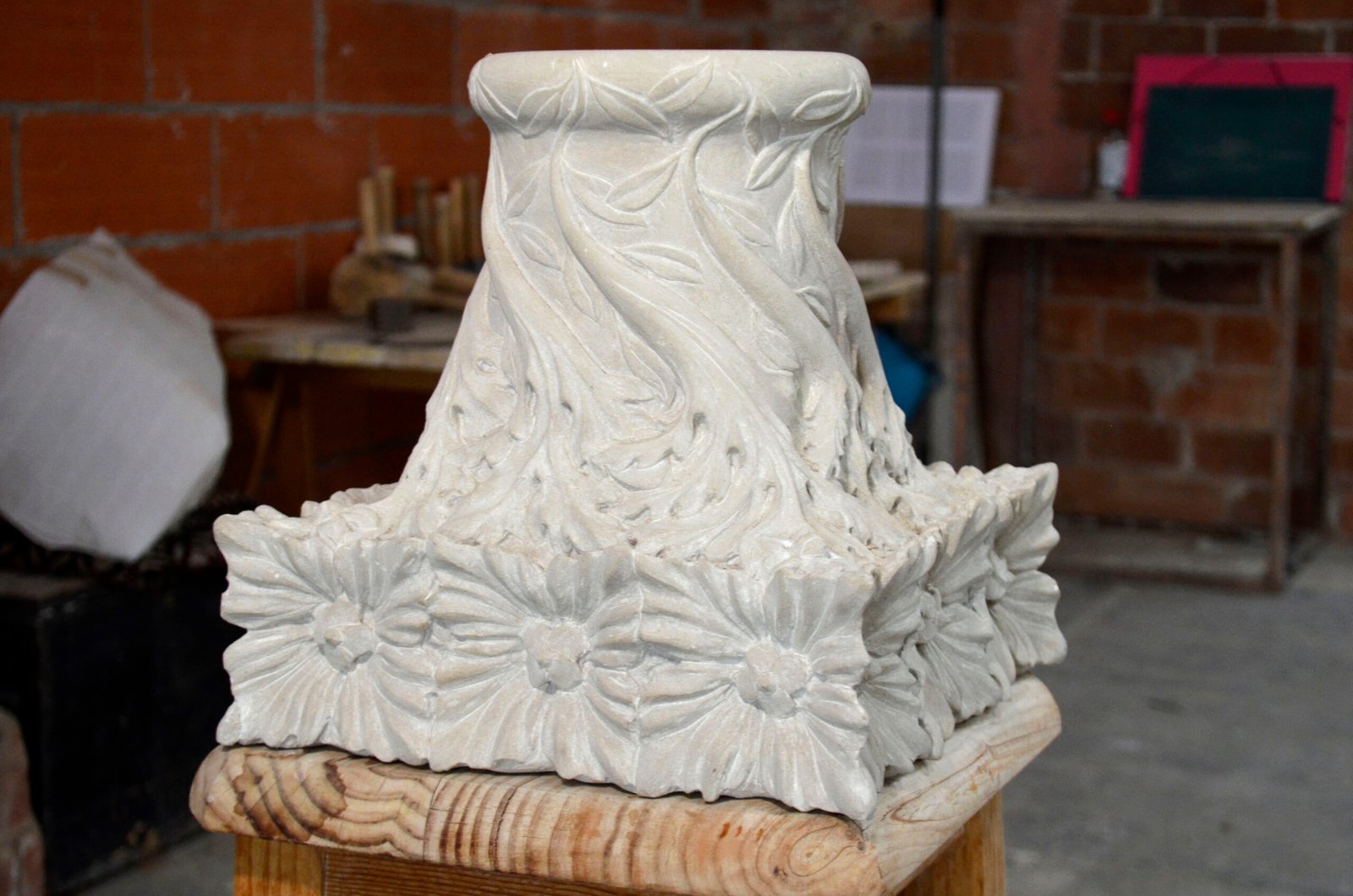
Since 1999 he has lived in Catalonia, where he engages chiefly in the restoration of historic buildings and the carving of stone architectural and sculptural elements. In his workshop he makes arches, stairs, traceries, capitals, rose windows, coats of arms, and other ornamental motifs, daily employing traditional stonemason’s and sculptor’s techniques. His most recent projects notably include various jobs at Barcelona Cathedral, Mallorca Cathedral, and the Convent of Santo Domingo in Gerona.
For Gaëtan, an essential part of the trade is apprehending stone as a material inseparable from the landscape, the architecture, and the building traditions of which it is a part. Throughout his career he has attached importance to conserving the knowledge associated with local stone, to how it is quarried, and to the particular techniques developed historically to work it. As opposed to the progressive homogenization of materials and building processes, Gaëtan advocates a practice linked to the geological and architectural diversity of each place.
Over the years he has also done important work to popularize and pass on his trade. In 2025, in La Bisbal del Ampurdán, he founded Espai Pedra, a center devoted to disseminating the stonemason’s craft through workshops, events, and other training. His work reflects a way of understanding the trade closely linked to the land, to the continuity of traditional knowledge, and to the preservation of a built heritage that can be maintained only through experience built up and handed down through generations of stonemasons.
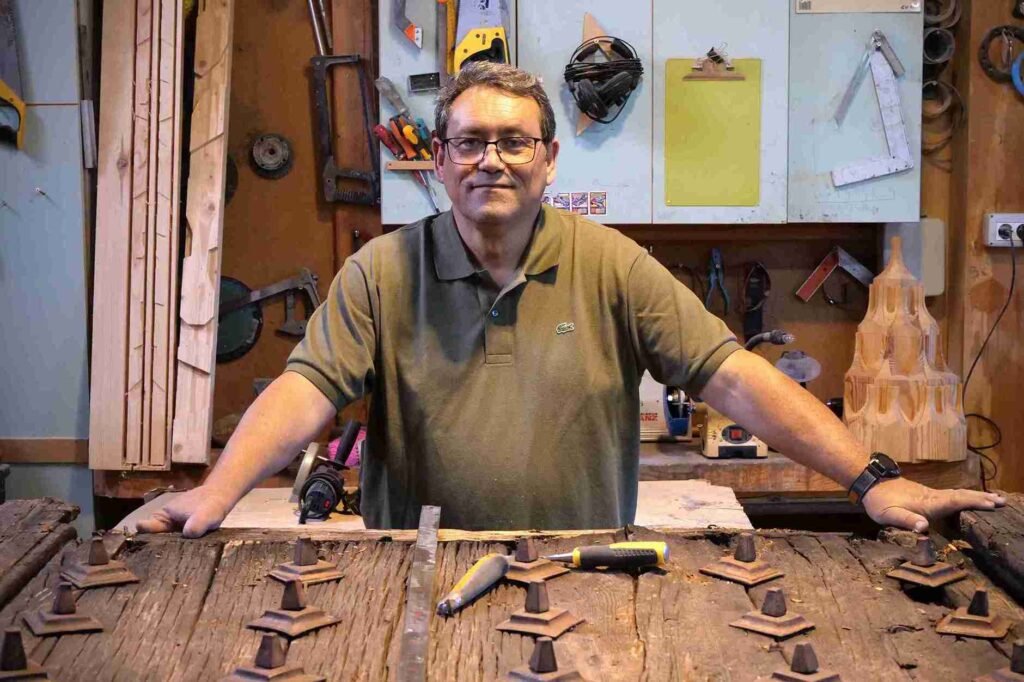
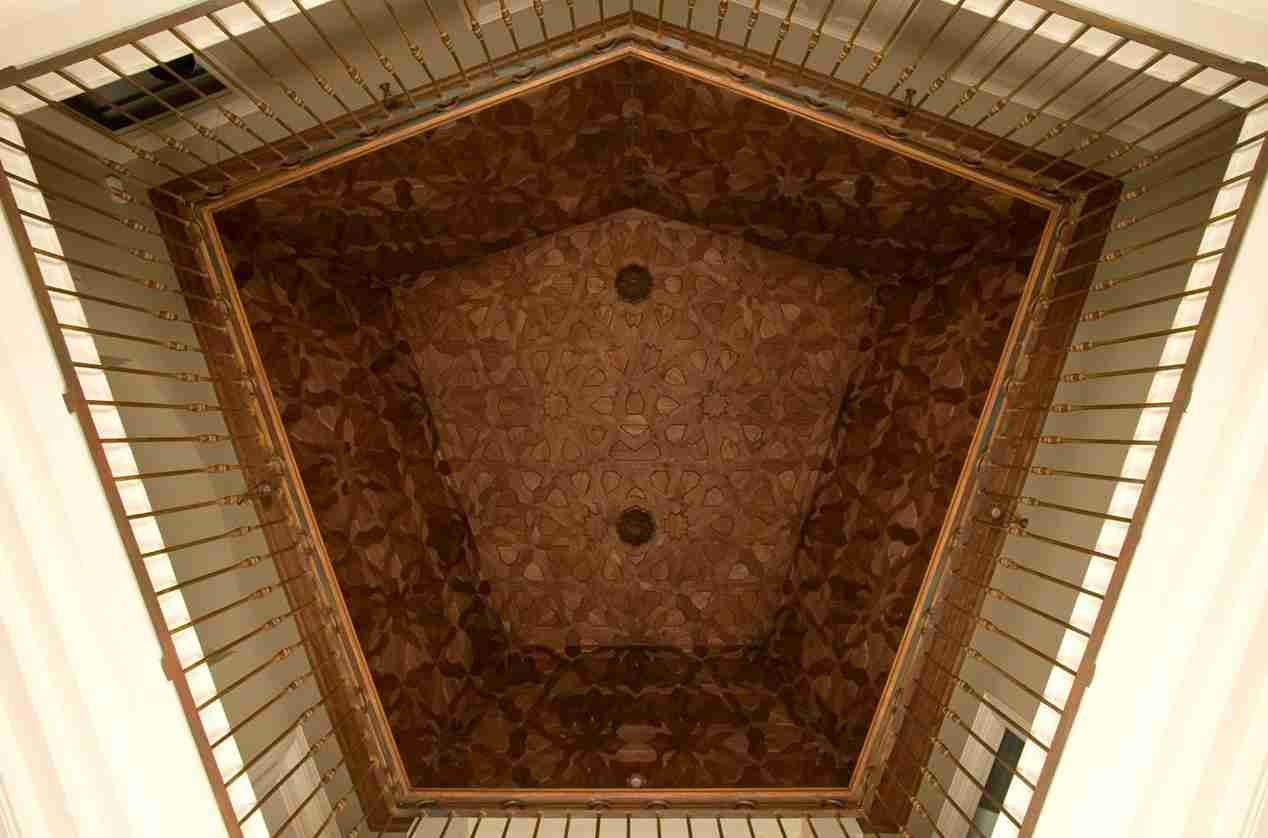
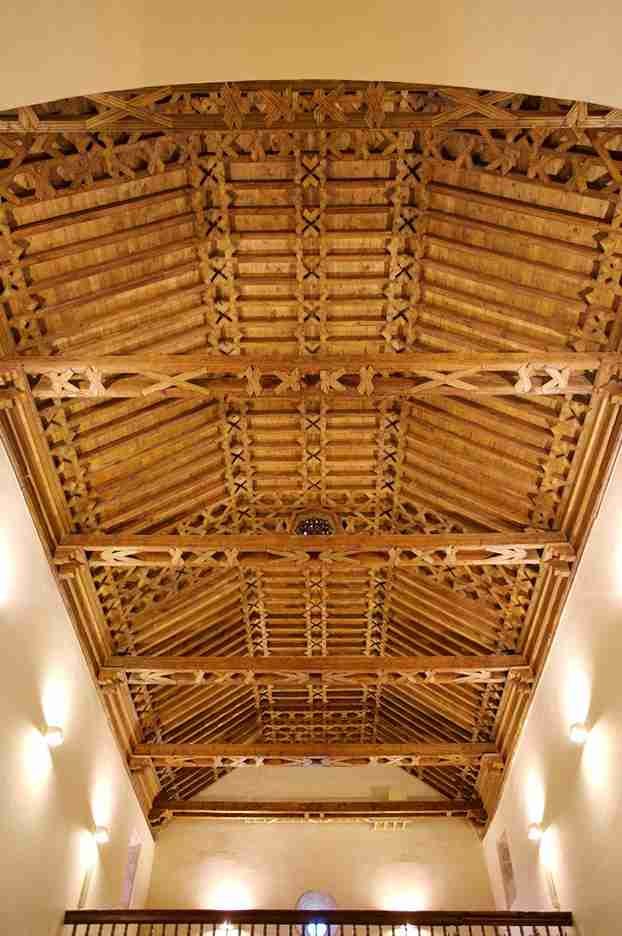
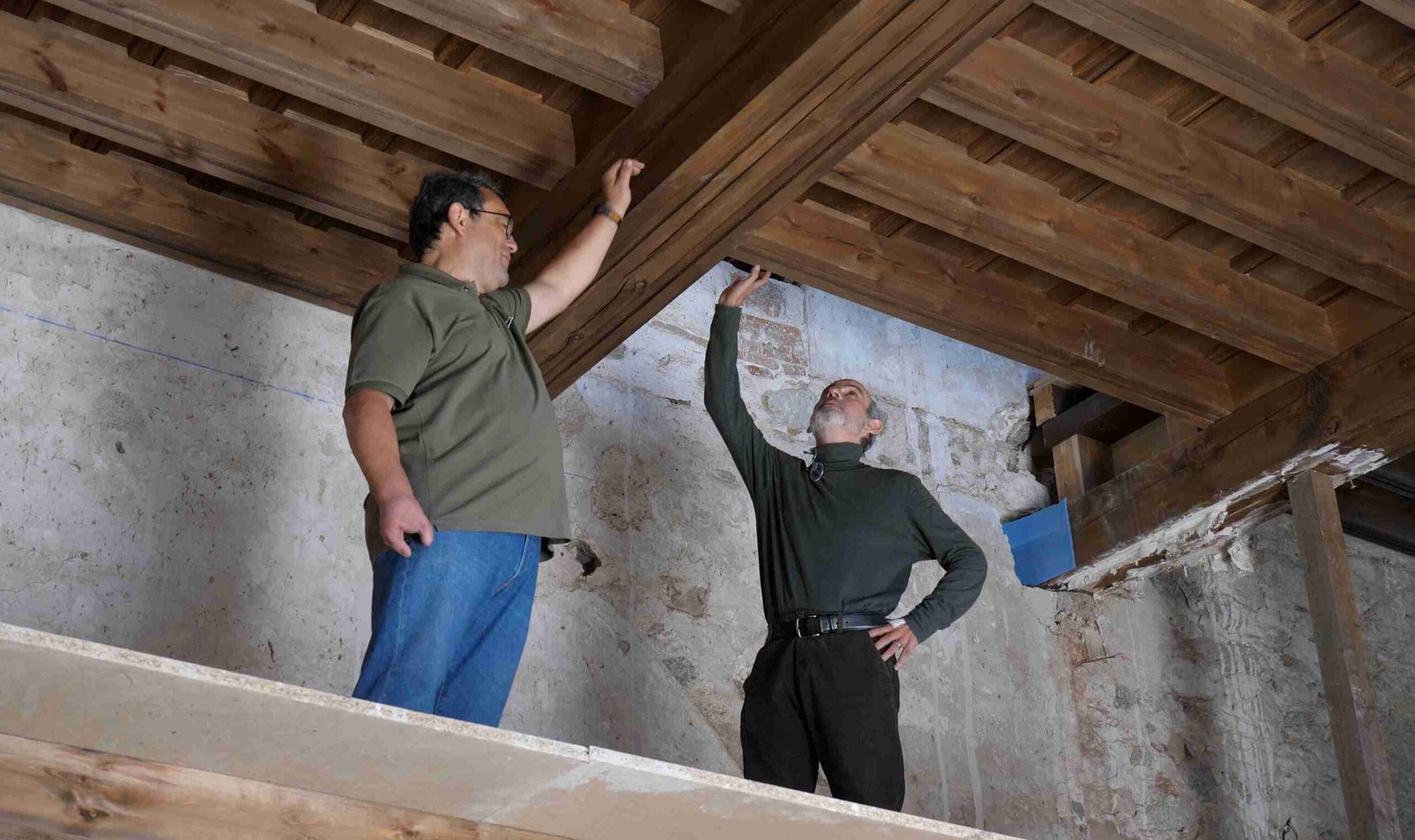
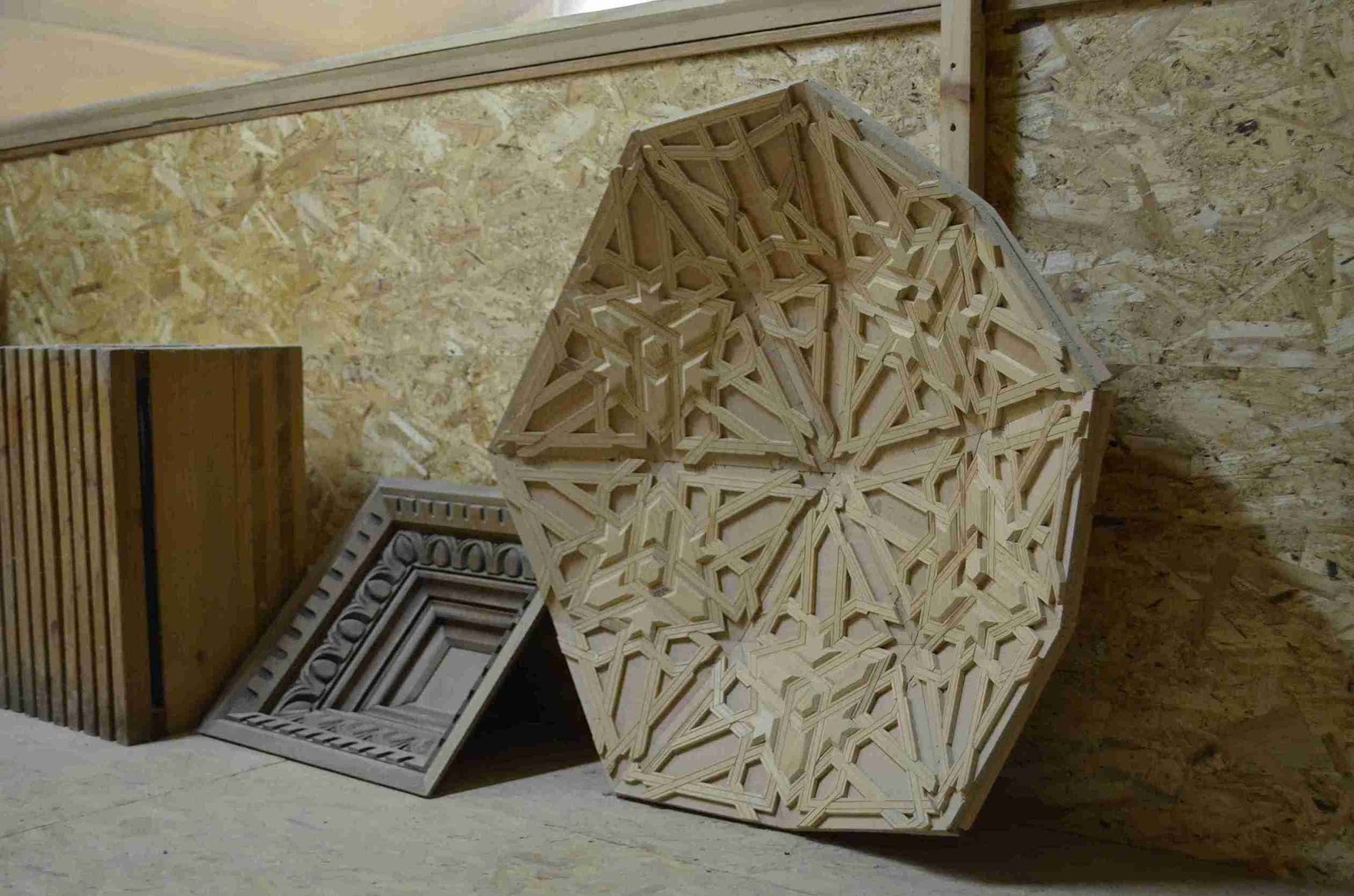
Ramón Cañil González is a master carpenter specialized in structural woodwork and in building and restoring Mudéjar ceilings and other wooden structures. From his workshop in Rascafría, in the mountains north of Madrid, his craft has for more than 25 years been closely linked to the recovery of historical woodworking techniques and the execution of structures of particular geometric and constructional complexity.
He began learning the trade in the family woodshop, where he was trained by his father in traditional carpentry work. That early experience, chiefly linked to the region’s vernacular carpentry and building needs, laid the basis of a craftsmanship which would later evolve toward Mudéjar carpentry and historical woodwork. An encounter with the scholar Enrique Nuere on one of his worksites was a defining moment in his career. They began a collaboration that led him to explore the design and realization of complex structures along with a way of understanding carpentry based on the study of historical techniques and experimental work in the woodshop.
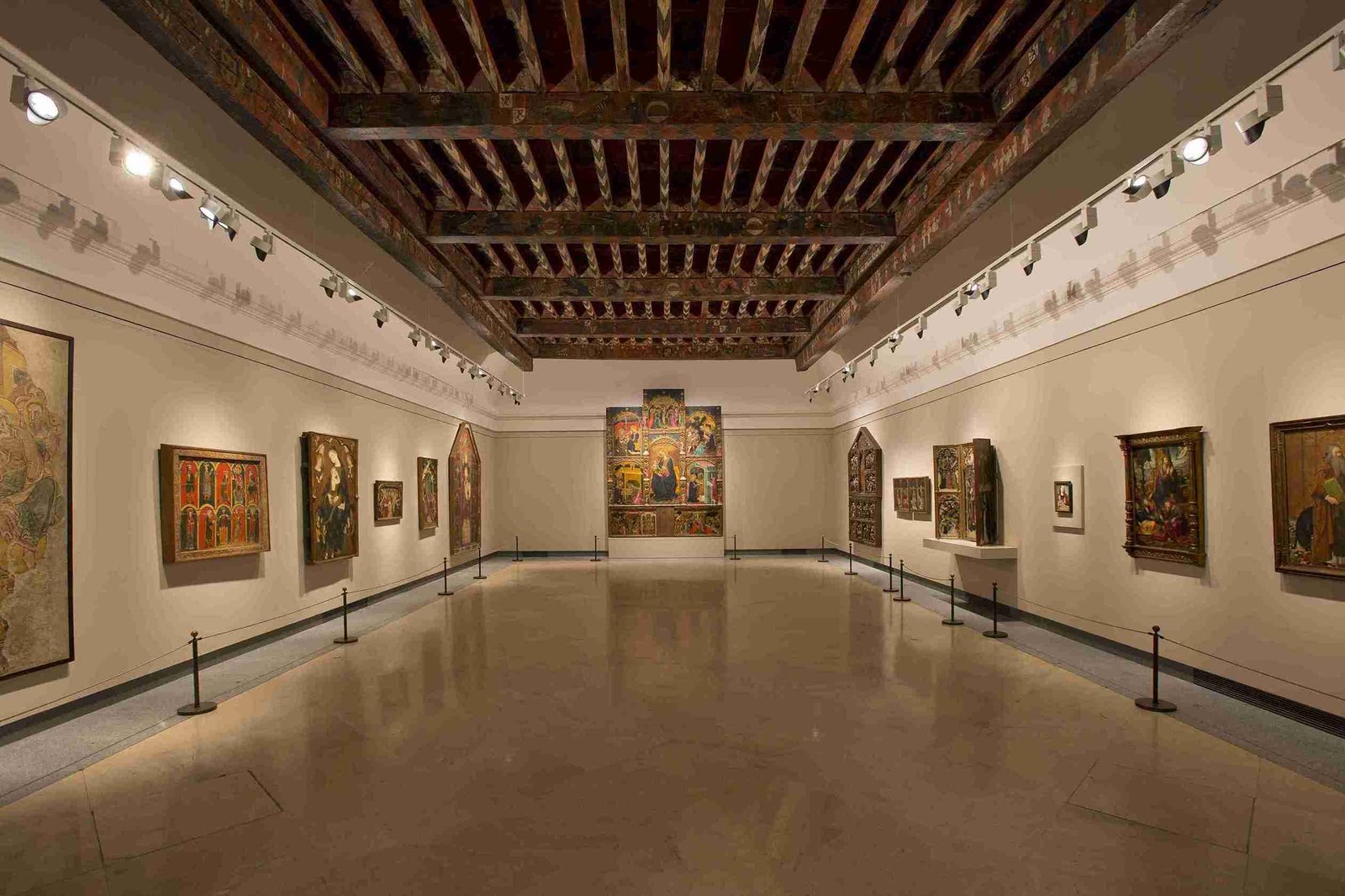
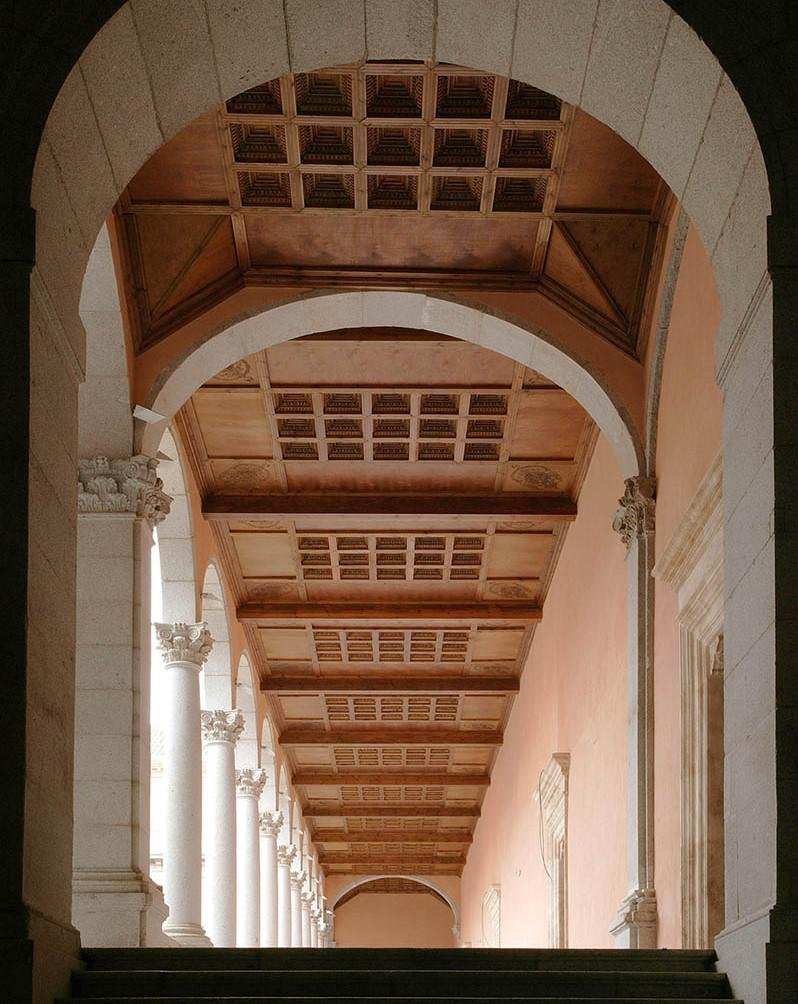
Accordingly his work includes both the restoration of historic roofs and Mudéjar ceilings and the execution of new wooden structures of great technical complexity. Over the years he has taken part in major heritage restoration projects, such as on the Mudéjar ceilings of the galleries of the Alcázar Palace in Toledo or various restorations at the Monastery of Santa María de El Paular or the Thyssen Museum in Málaga, along with other tasks such as the assembly of a Mudéjar ceiling from the Várez Fisa collection at the Prado Museum.
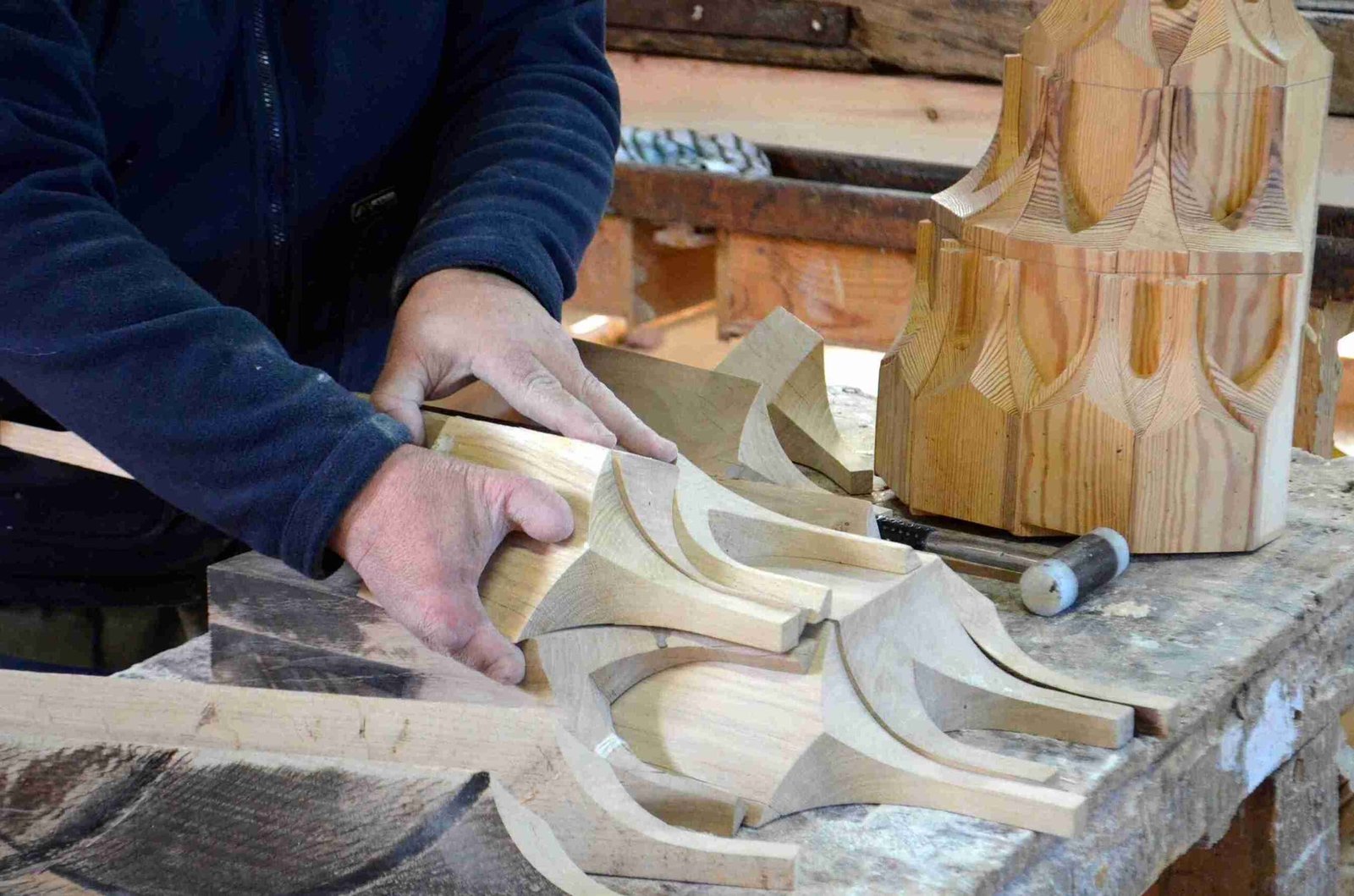
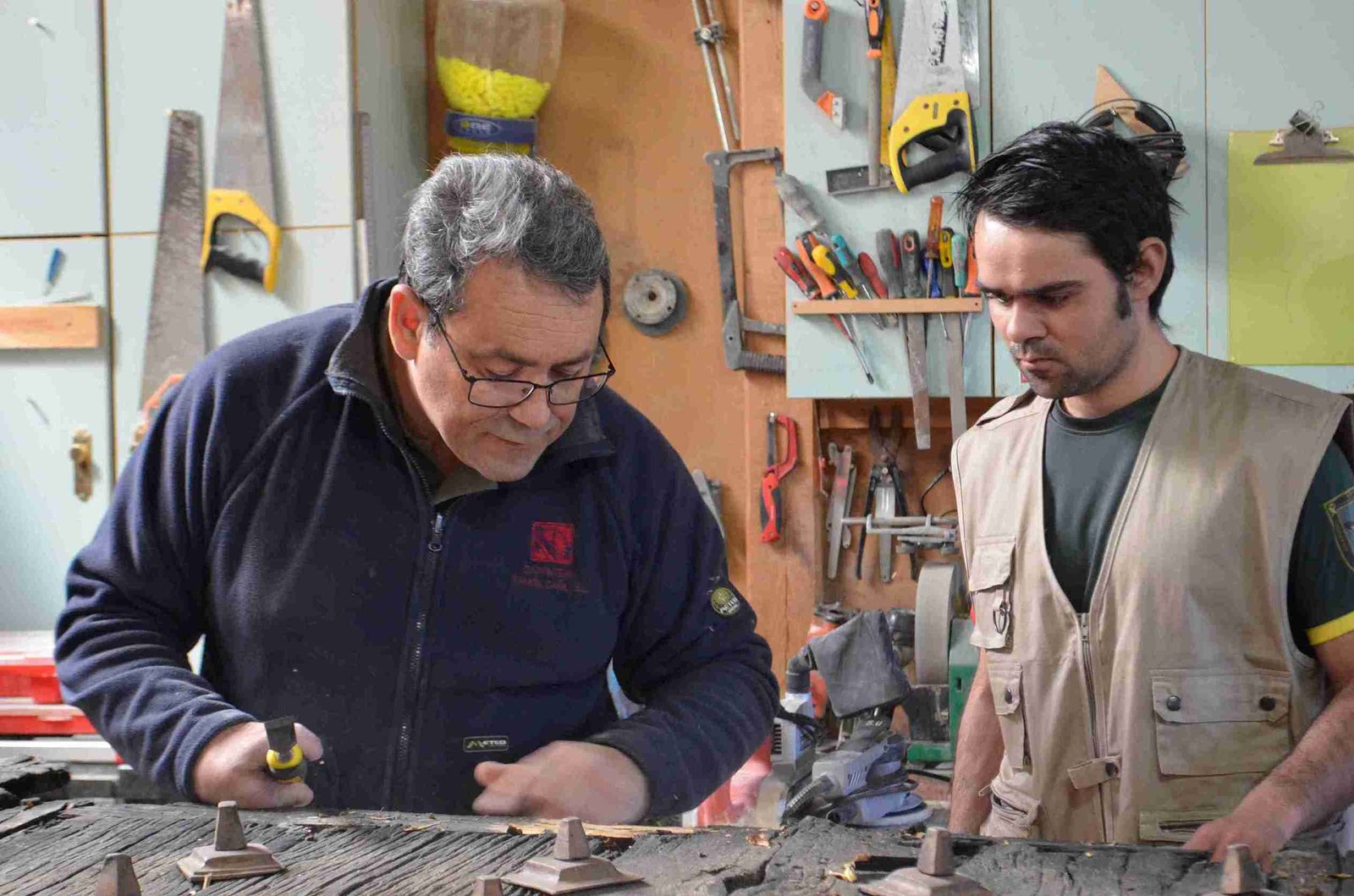
In many of his projects he combines traditional carpentry procedures with contemporary calculation and design methods and machinery. His workshop tasks always set out from a precise study and layout of the structure, followed by the selection of wood and manufacture and preassembly of parts prior to final assembly on site. For Ramón, this prior stage is essential, especially in one-of-a-kind structures and complex Mudéjar ceilings in which every joint and every segment must be realized with a precision that is hard to achieve in the field.
A relationship with the landscape and the material culture of the Sierra de Guadarrama is also prominent in his way of apprehending the trade. Much of his output is made with slow-growing woods from the pine forests around Valsaín and El Paular. In Rascafría, Ramón keeps up a practice involving the continuation and updating of Iberian traditions of architecture in wood.
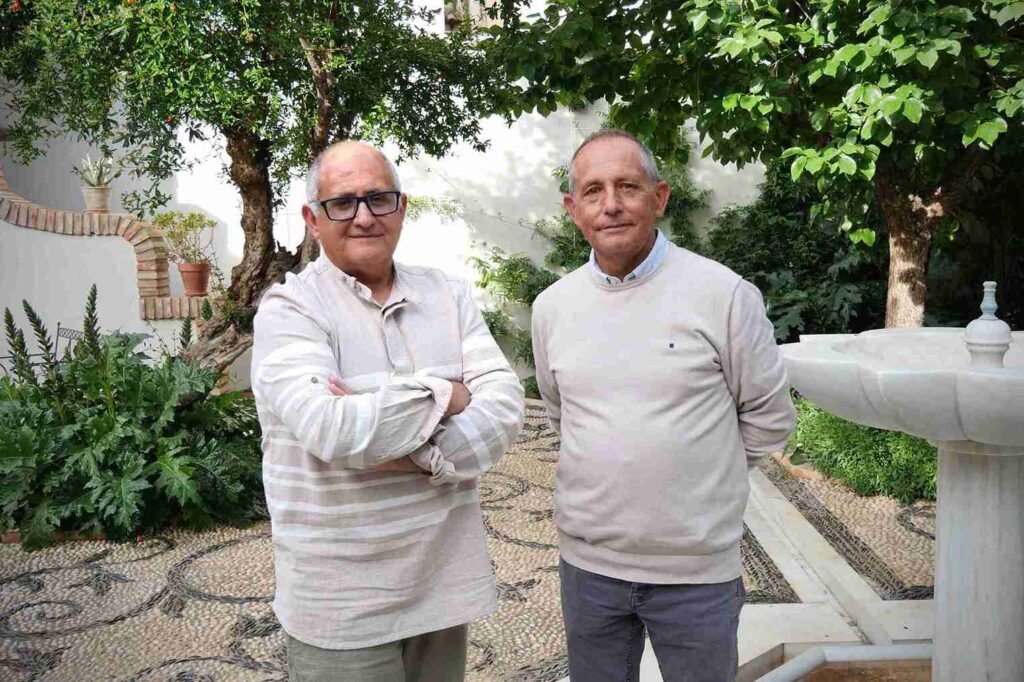
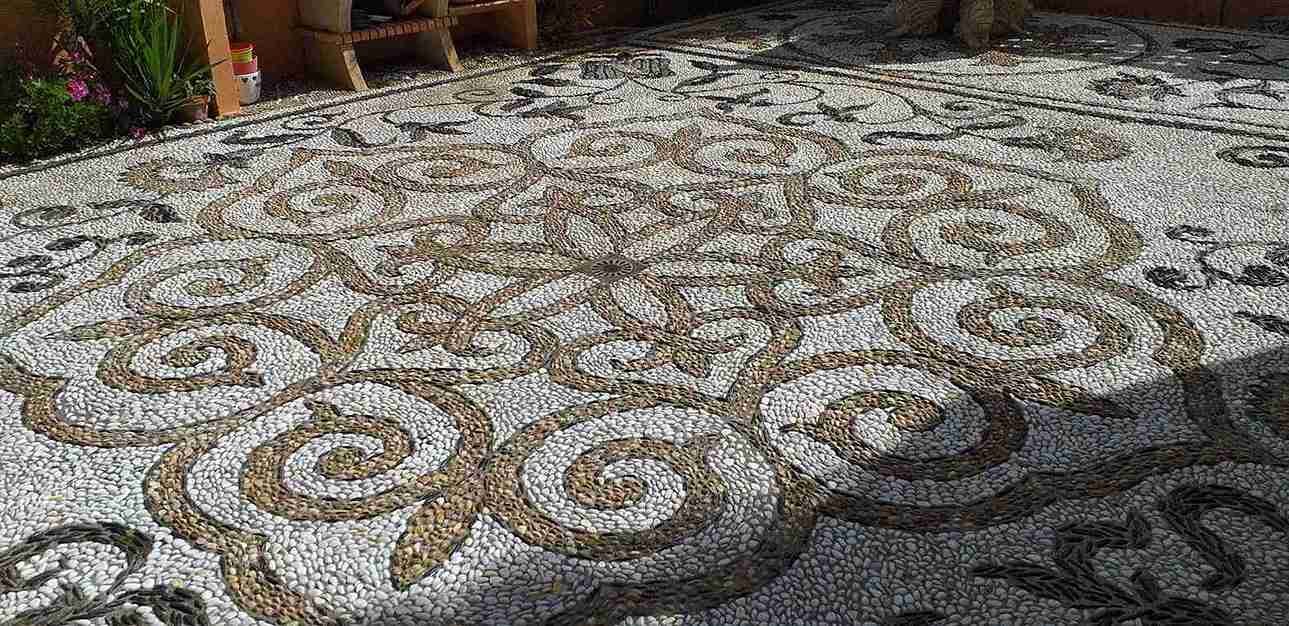
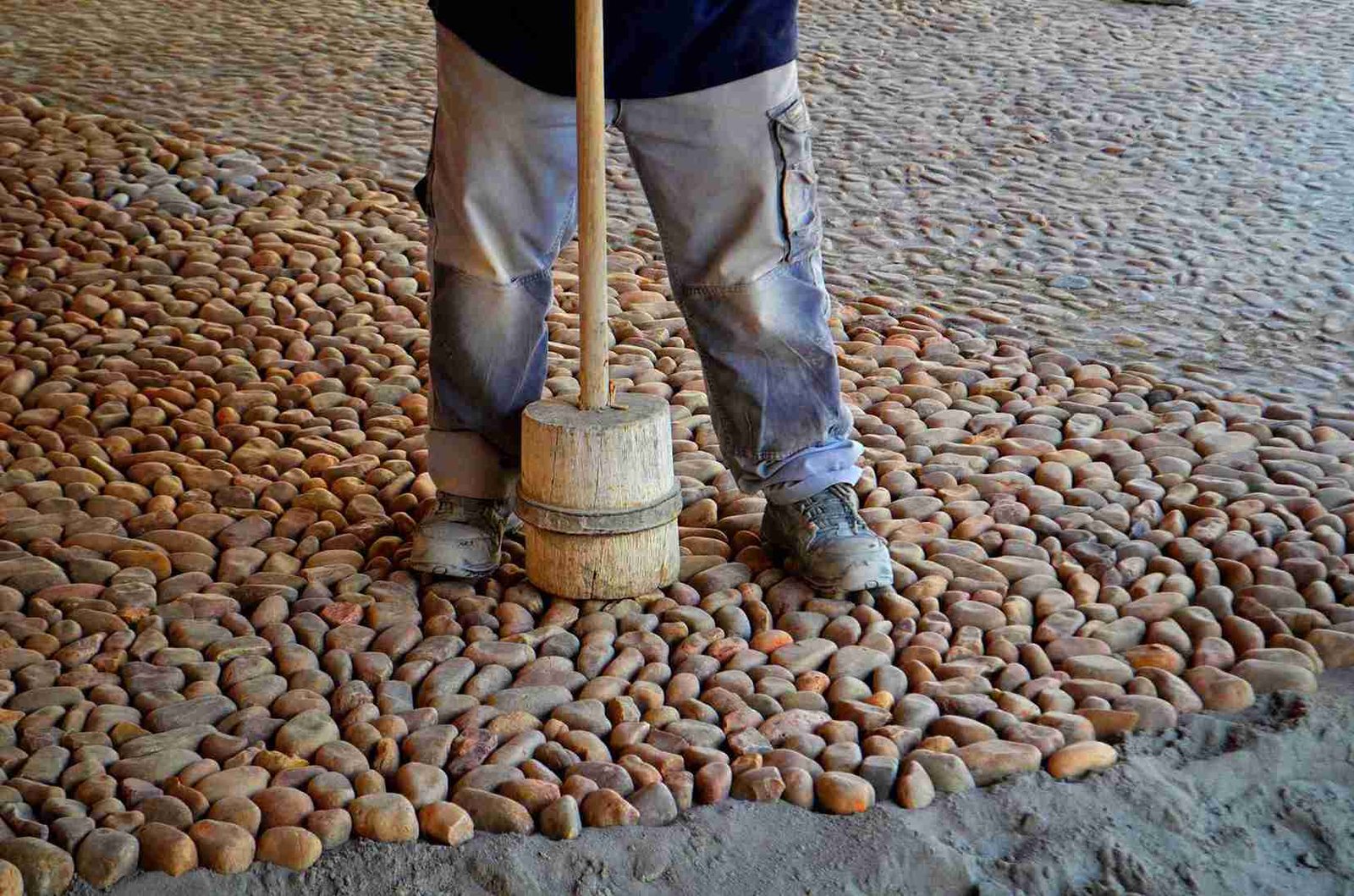
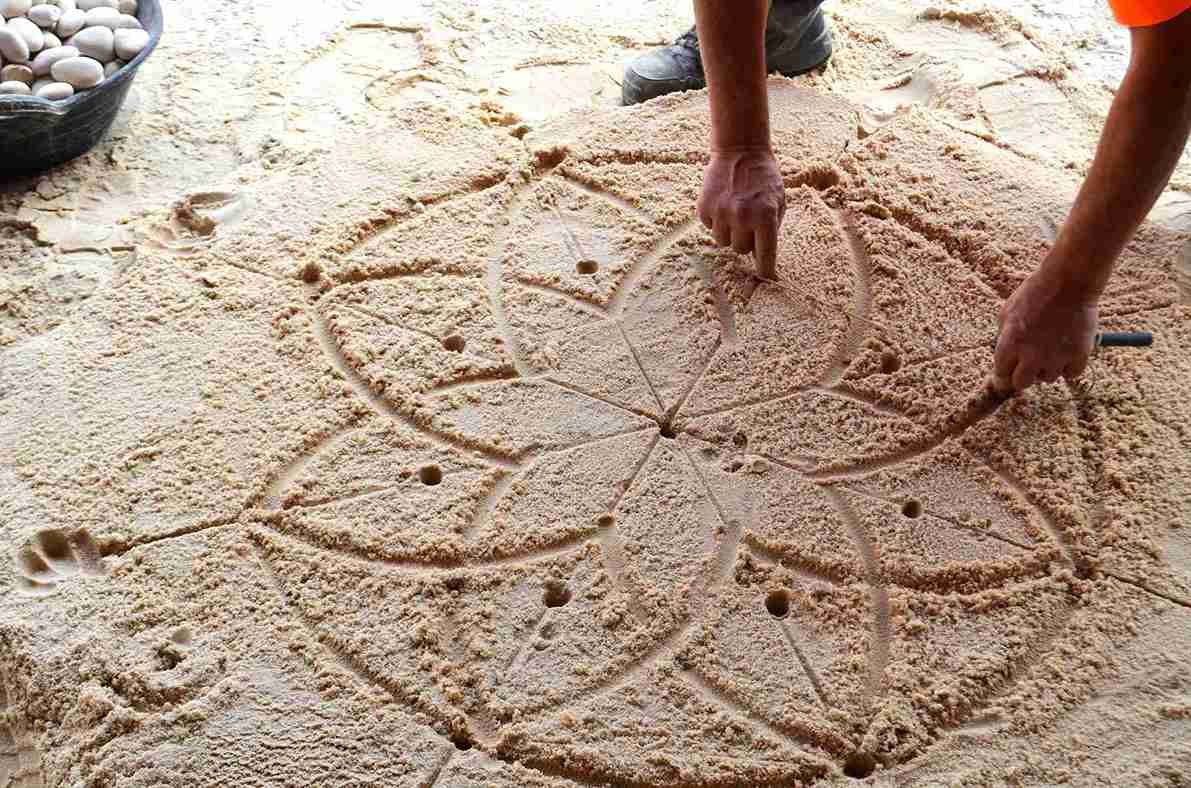
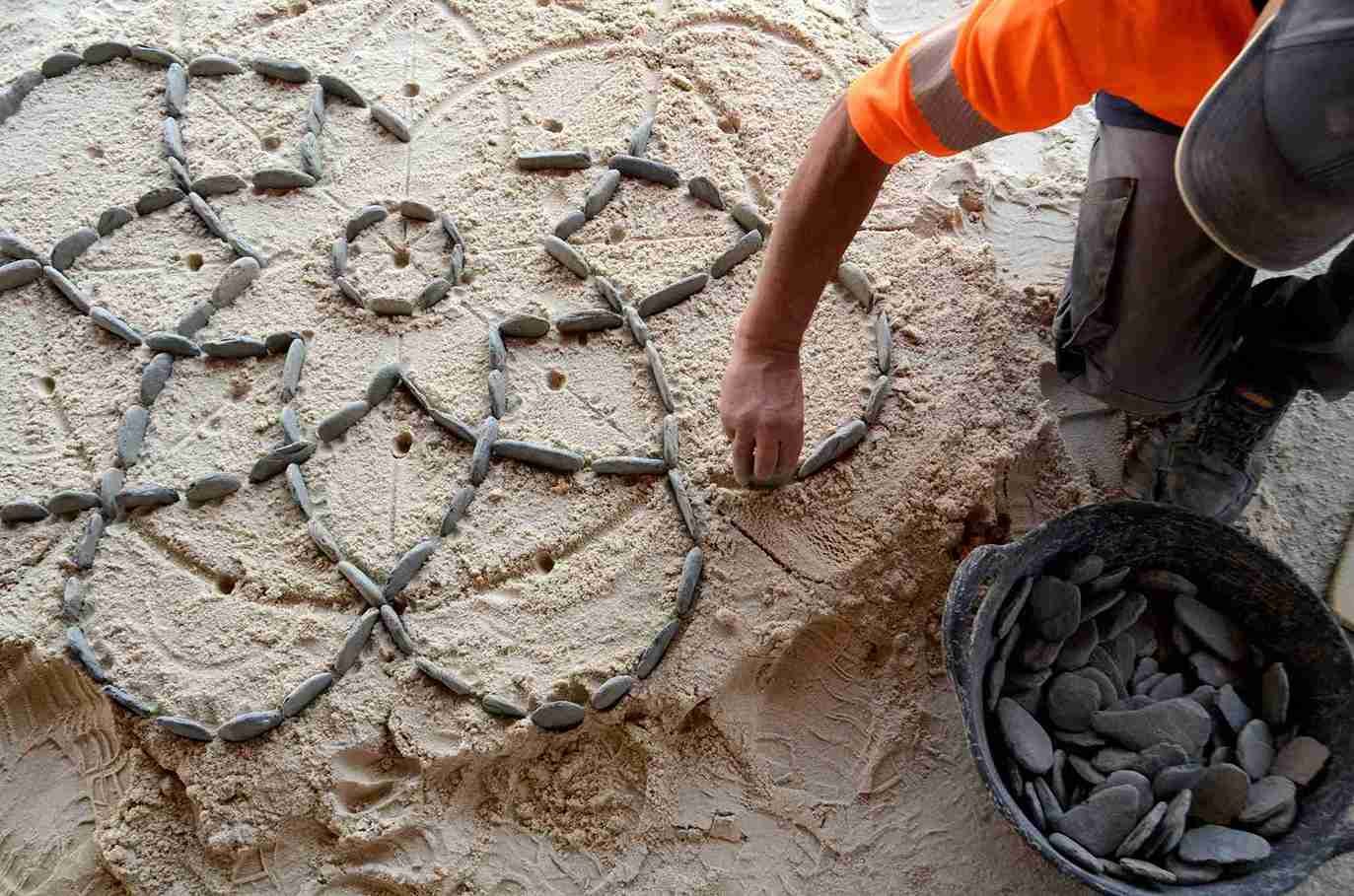
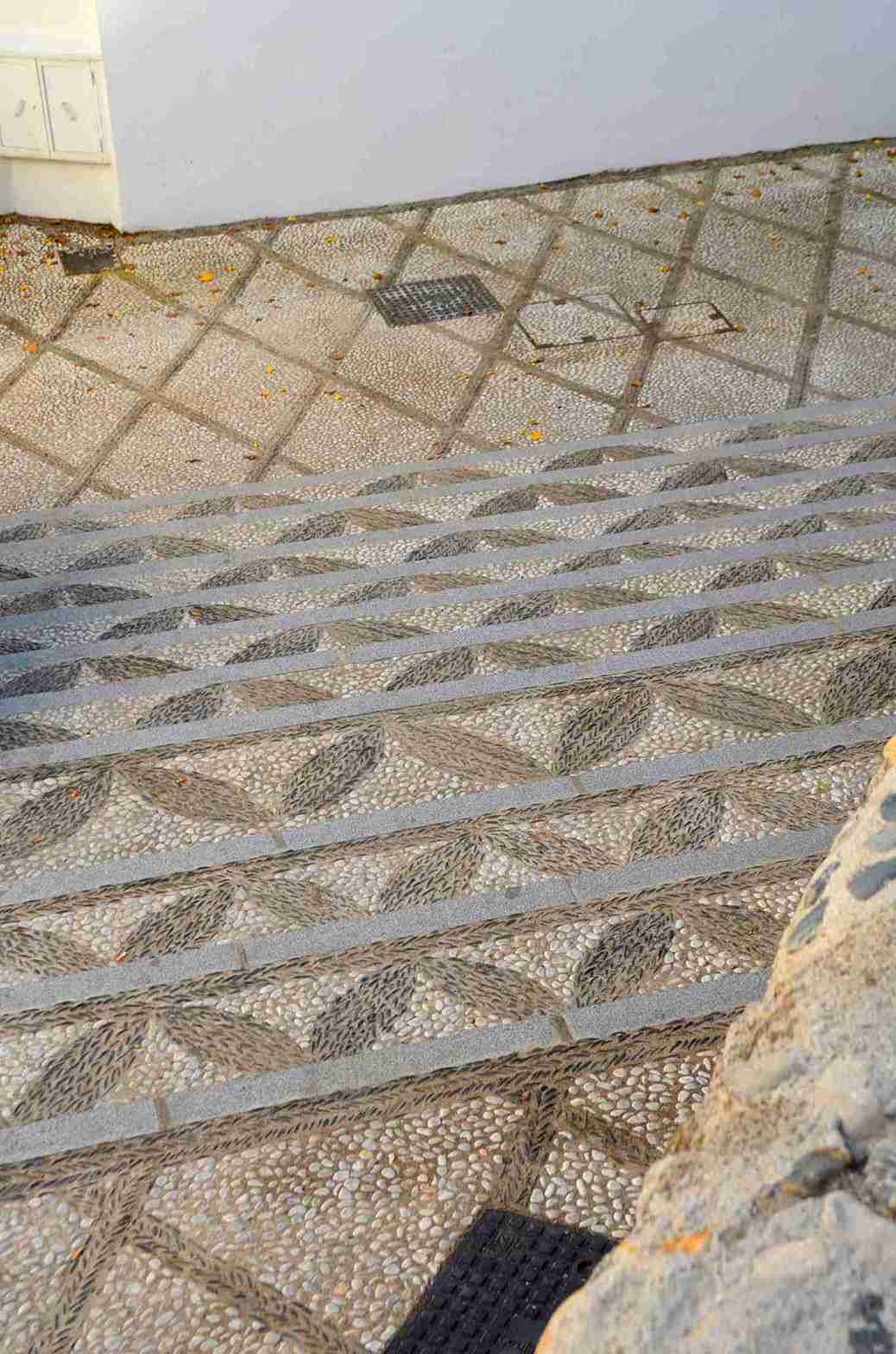
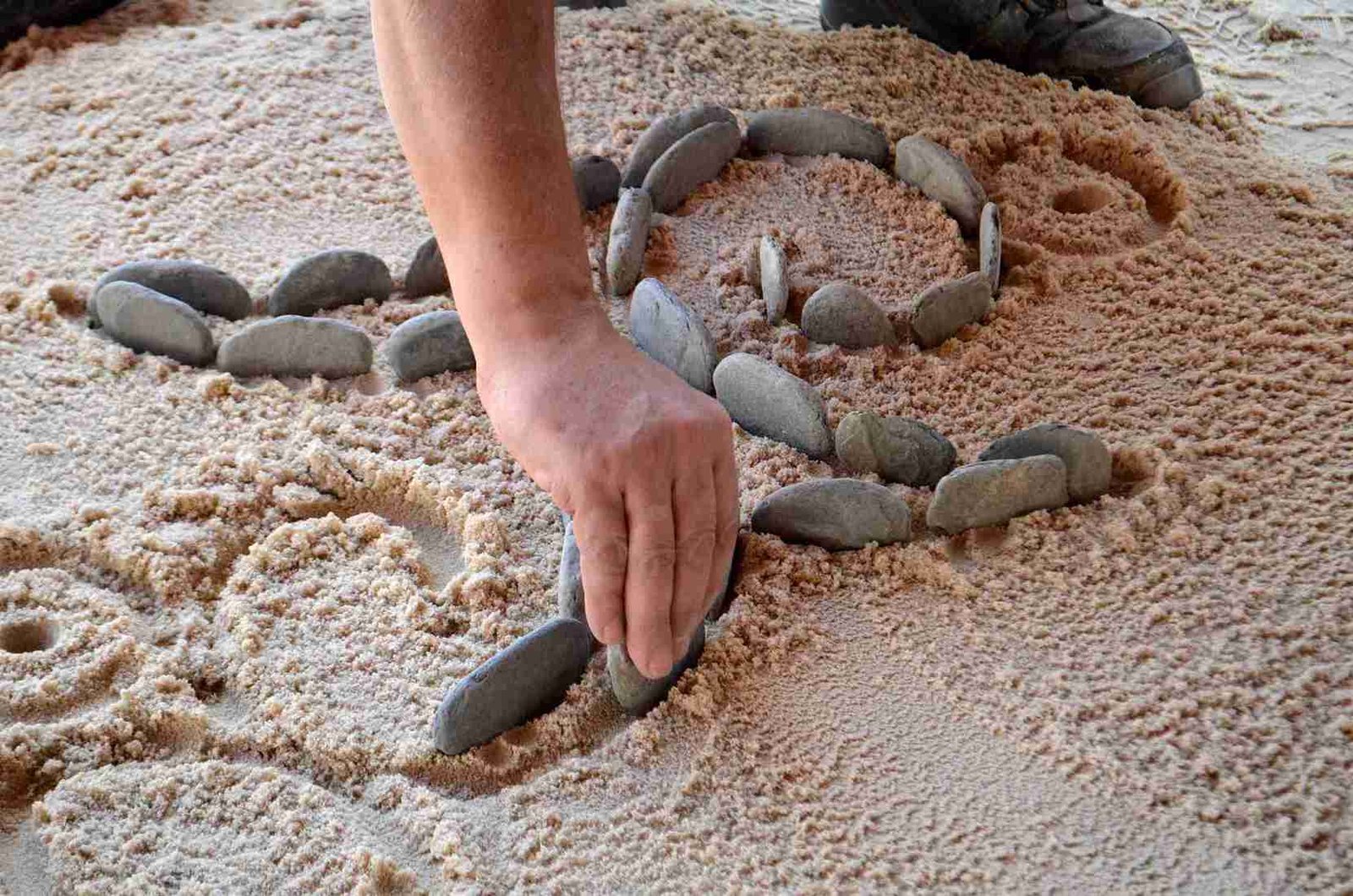
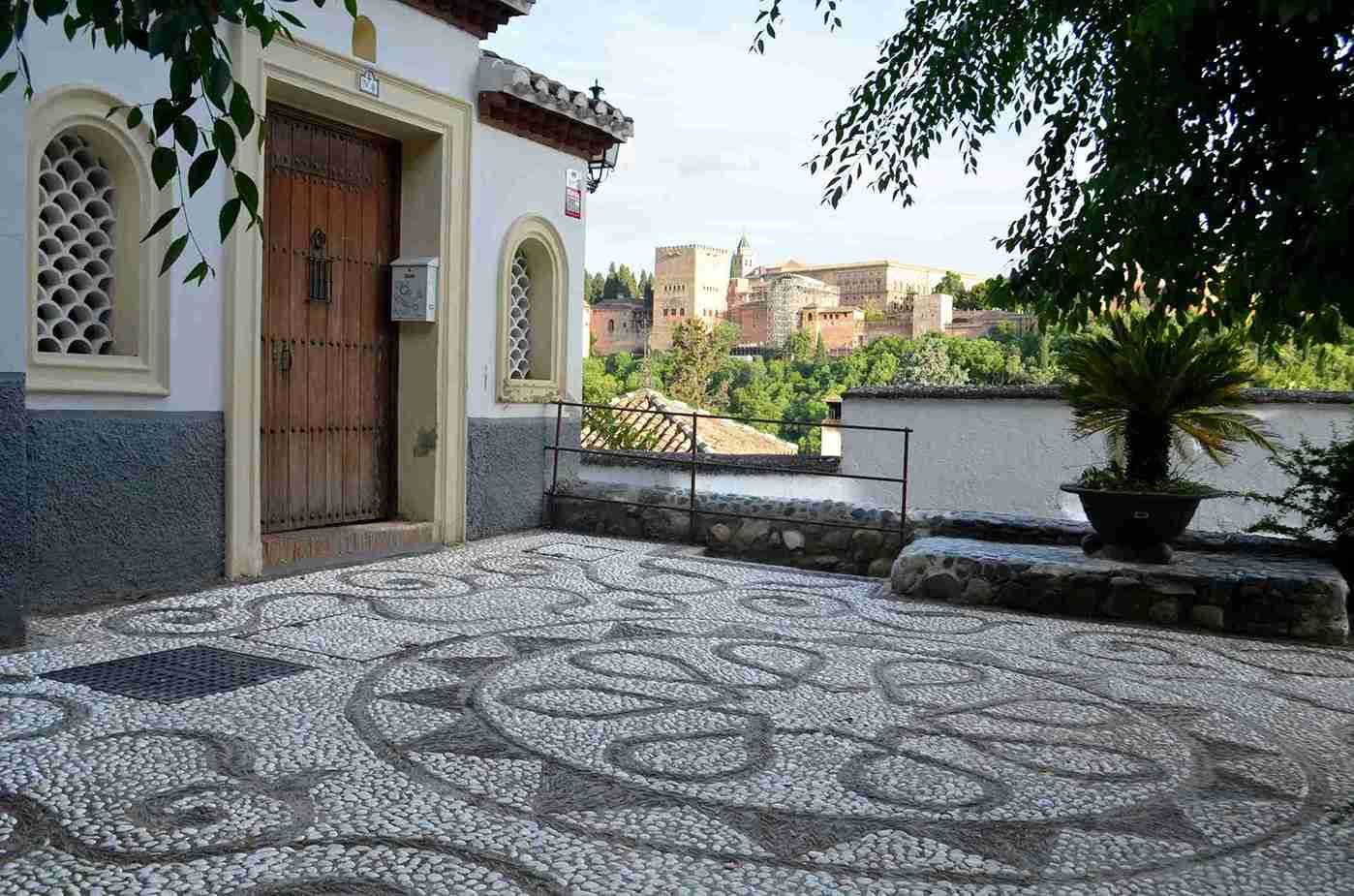
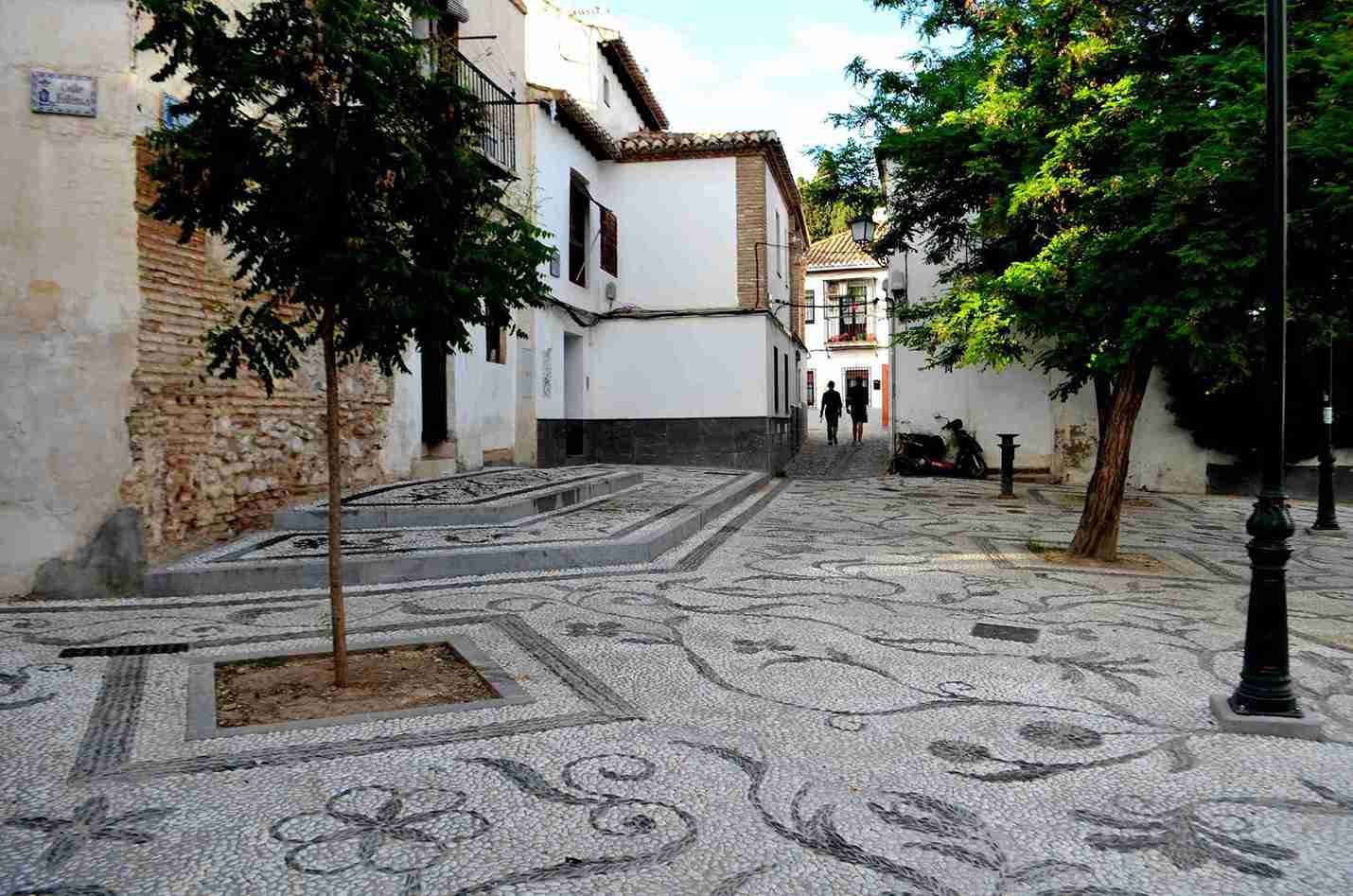
Manuel J. Pérez Entrena and Jacinto J. Pérez Entrena are master cobblers whose family firm, Empedrados Los Picantes S.L., has for four generations been devoted to making traditional cobble and pebble pavements. From Granada, and linked to the Albaicín quarter, they ply a trade that is part of the city’s identity, as cobble paving is one of the most characteristic features of the traditional townscape.
They began learning the trade with their father, Jacinto Pérez Moya, who had in turn inherited his craft from former generations. Essential to the know-how transmitted from father to sons were daily work in the field and constant practice. The two brothers were surrounded by cobbles from a tender age and accustomed to observing the designs, motifs, and compositions adorning the old streets and squares of Granada, a city in which this trade has attained a particular technical and ornamental opulence.
Over their career they have worked in many heritage ensembles, such as the Alhambra and the Generalife, the Basilica of the Annunciation in Nazareth, the Granada Archaeological Museum, the Museum of Romanticism in Madrid, the Jabalquinto Palace in Baeza, or various historic convents and squares and streets in the Albaicín quarter. Their work ranges from simple paving for vehicle traffic to artistic compositions of particular geometric and decorative complexity.
Granadan cobblestone has singularities that set it apart from other Iberian paving traditions. Many of its designs involve slate pieces in herringbone pattern, a technique linked to the basin of the rivers Genil and Darro. These geometric configurations lead on to highly diverse compositions, from plant motifs and floral arabesques to ornamental borders, interlaced bands, and traditional geometric patterns. In this trade the design is created directly on the ground without templates.
Over the years Manuel and Jacinto have maintained a way of working based on the continuity of traditional procedures and a very direct relationship between design and manual execution. Today they are one of the last generations of masters of the art of Granadan cobbling, a trade whose renewal is increasingly problematic given its physical toughness and the high degree of technical precision required. Even so, they continue to develop new designs and extend a repertoire which they regard as inseparable from Granada’s architecture and urban identity.
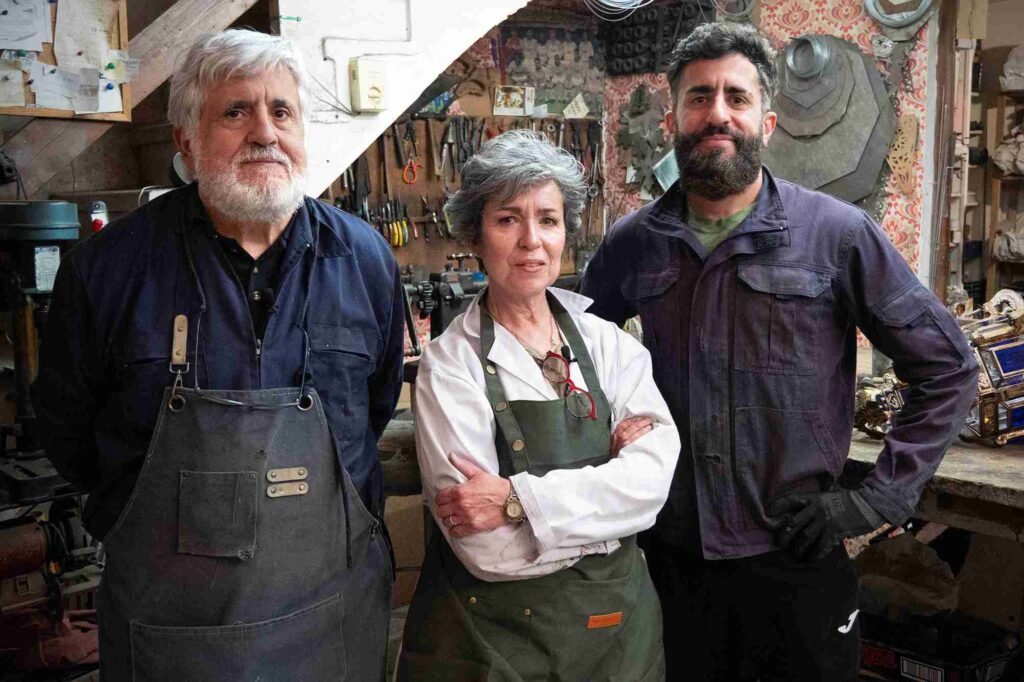
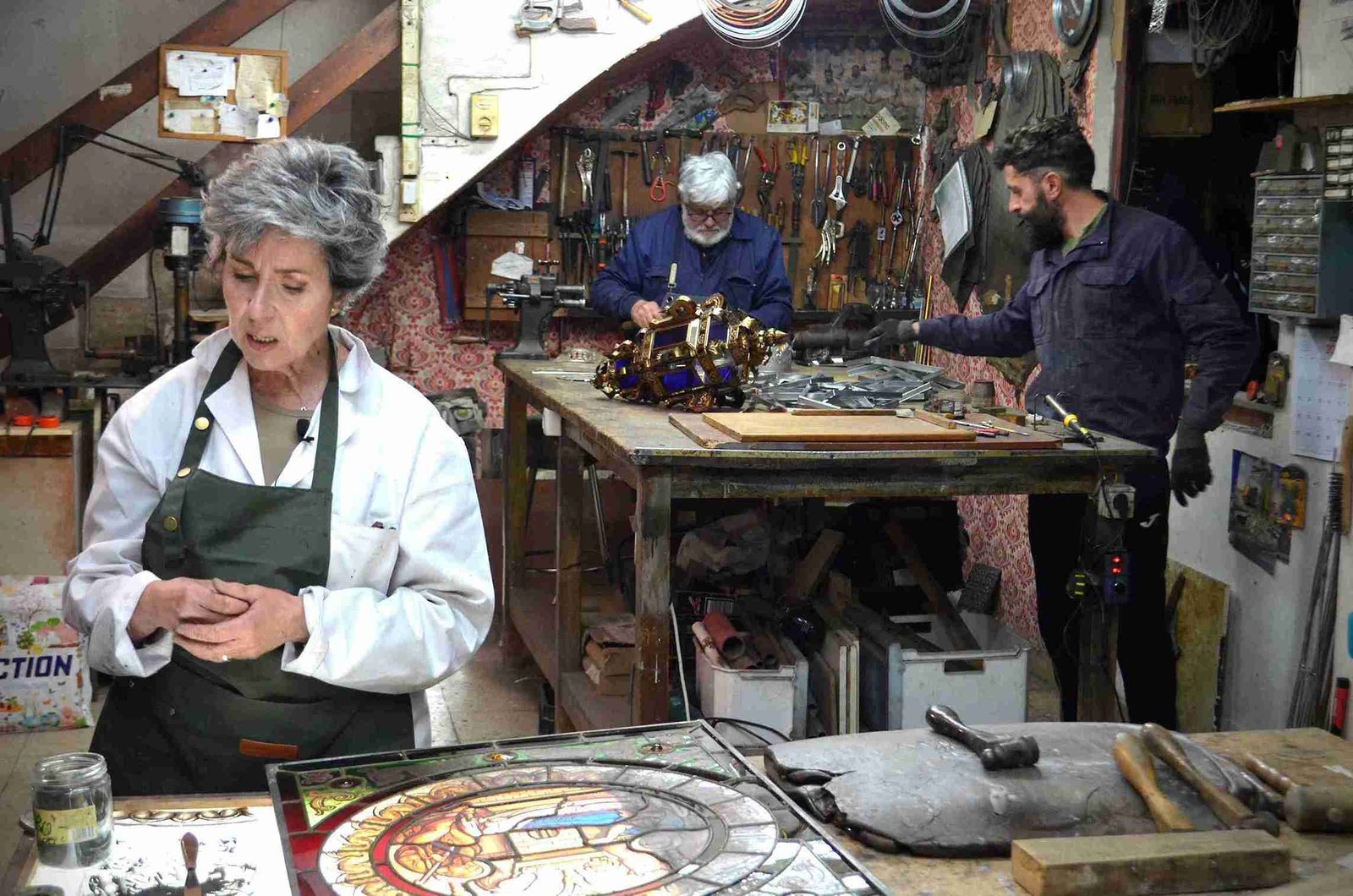
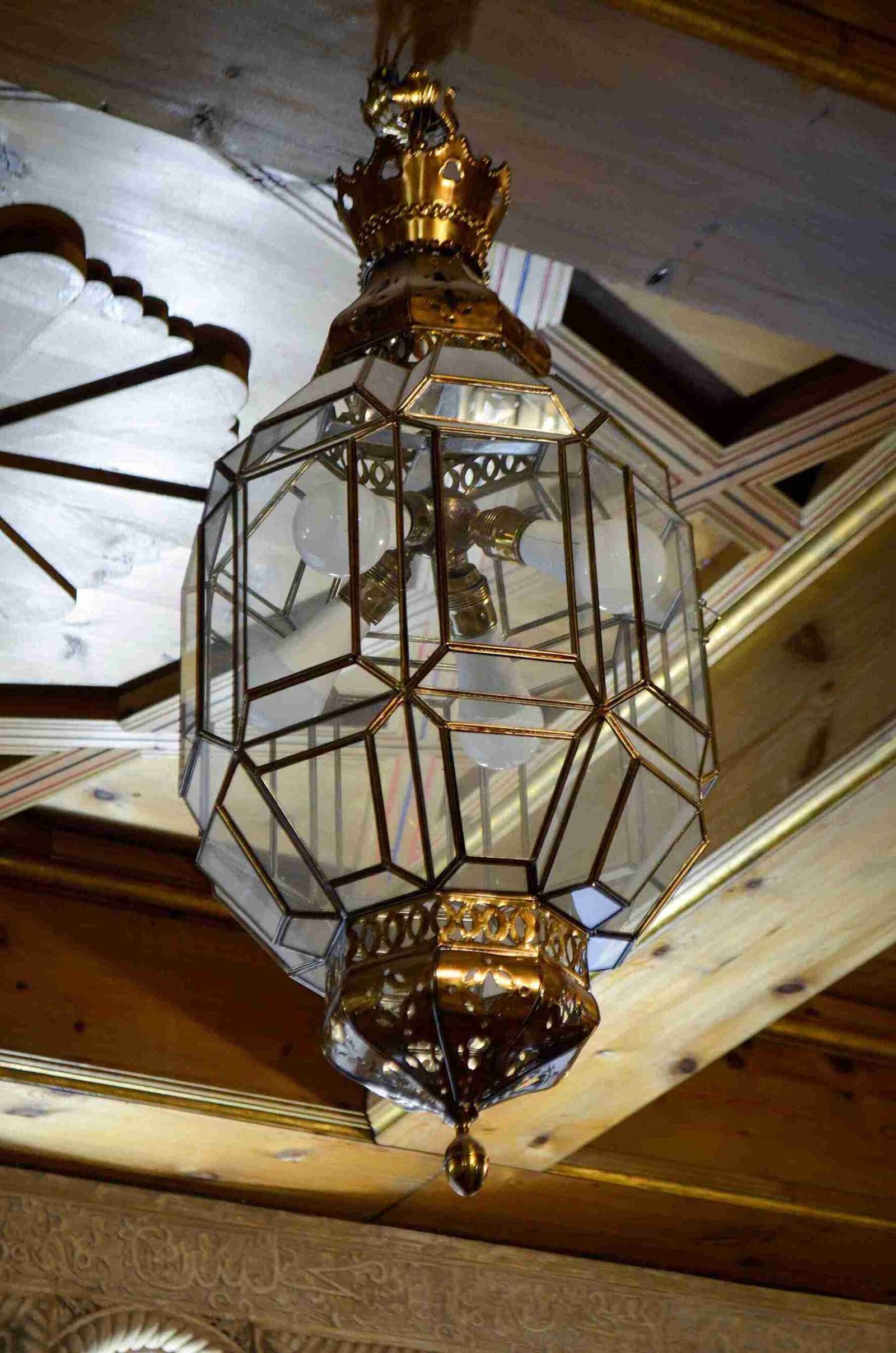
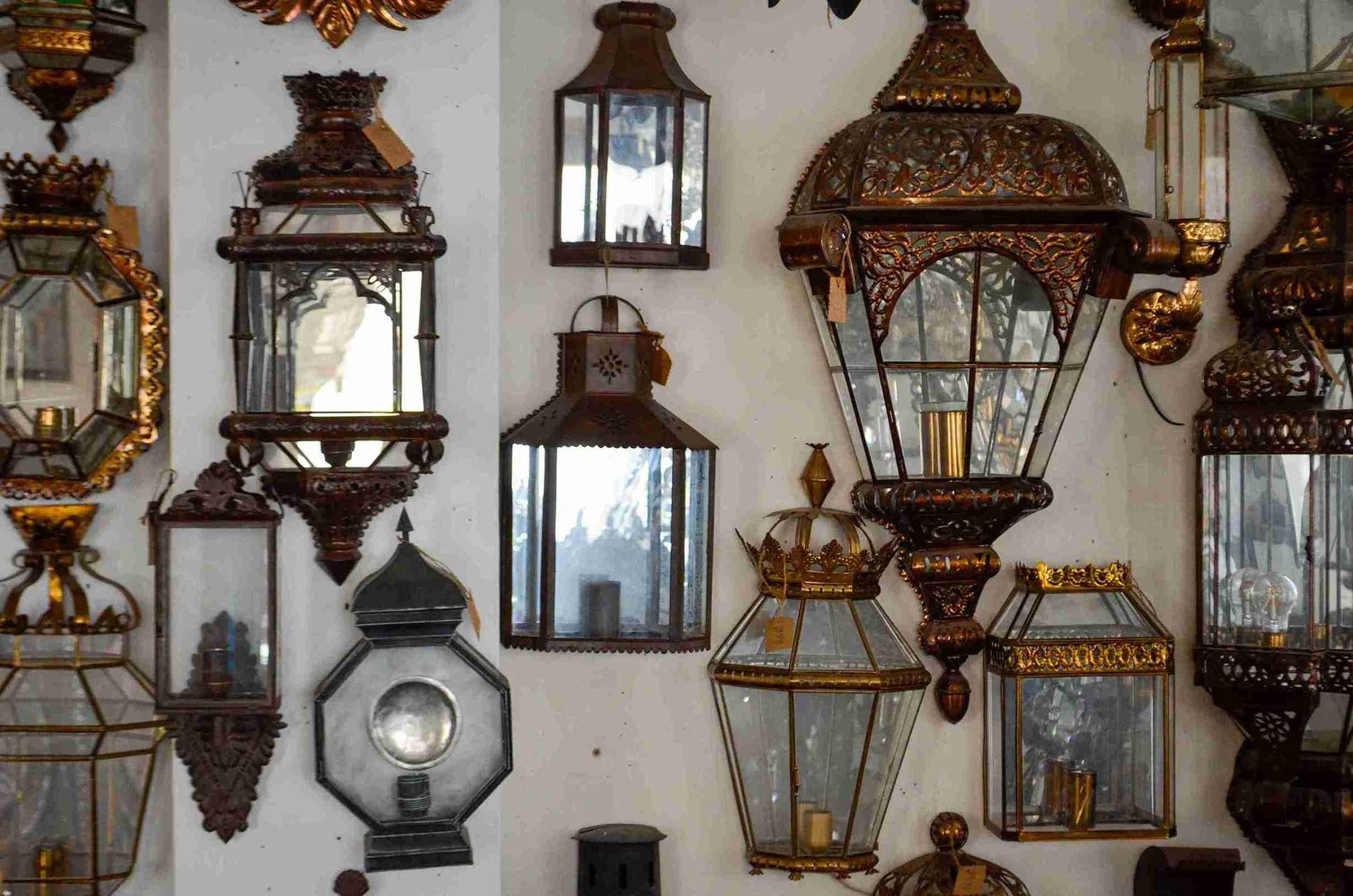
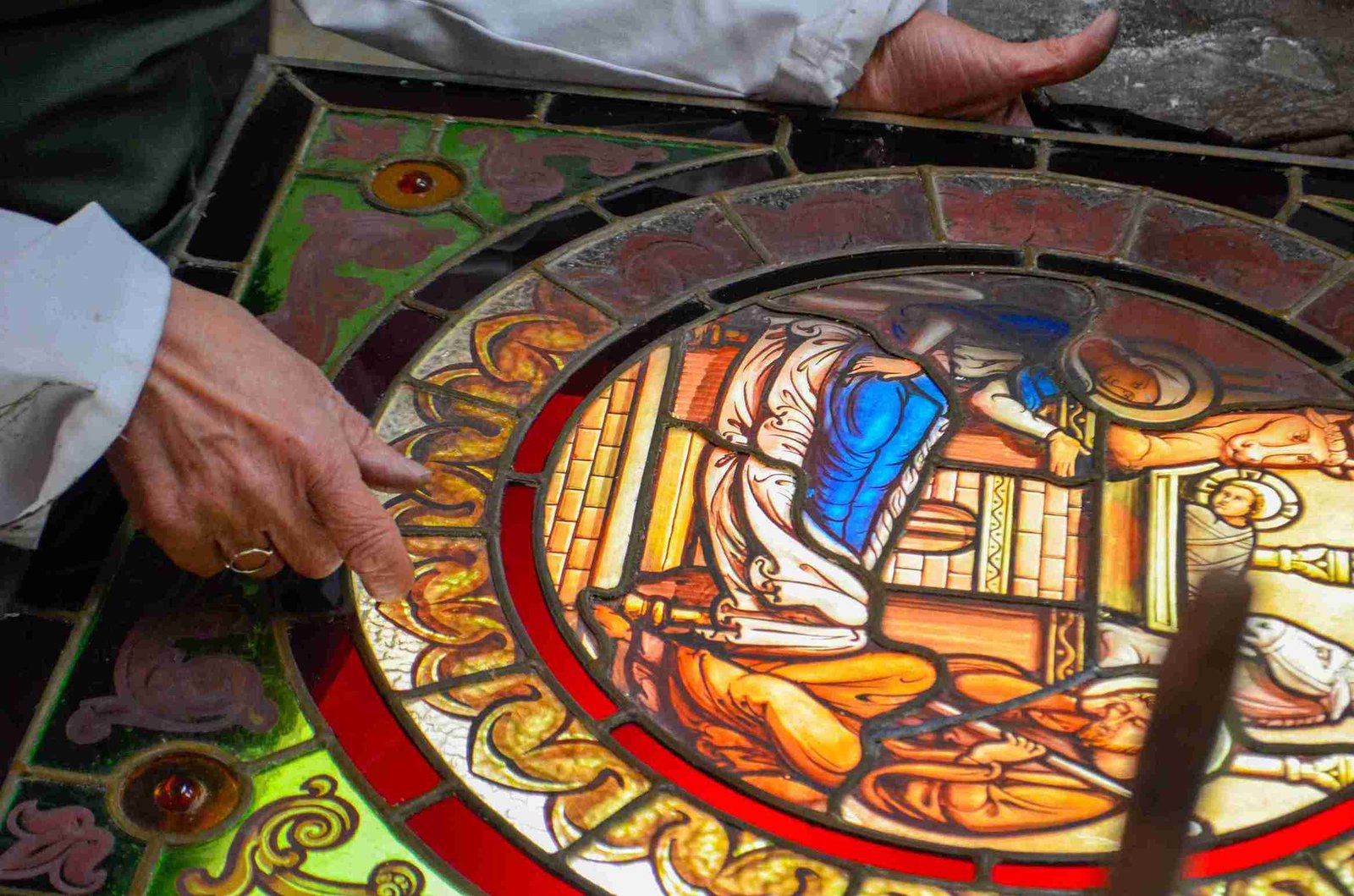
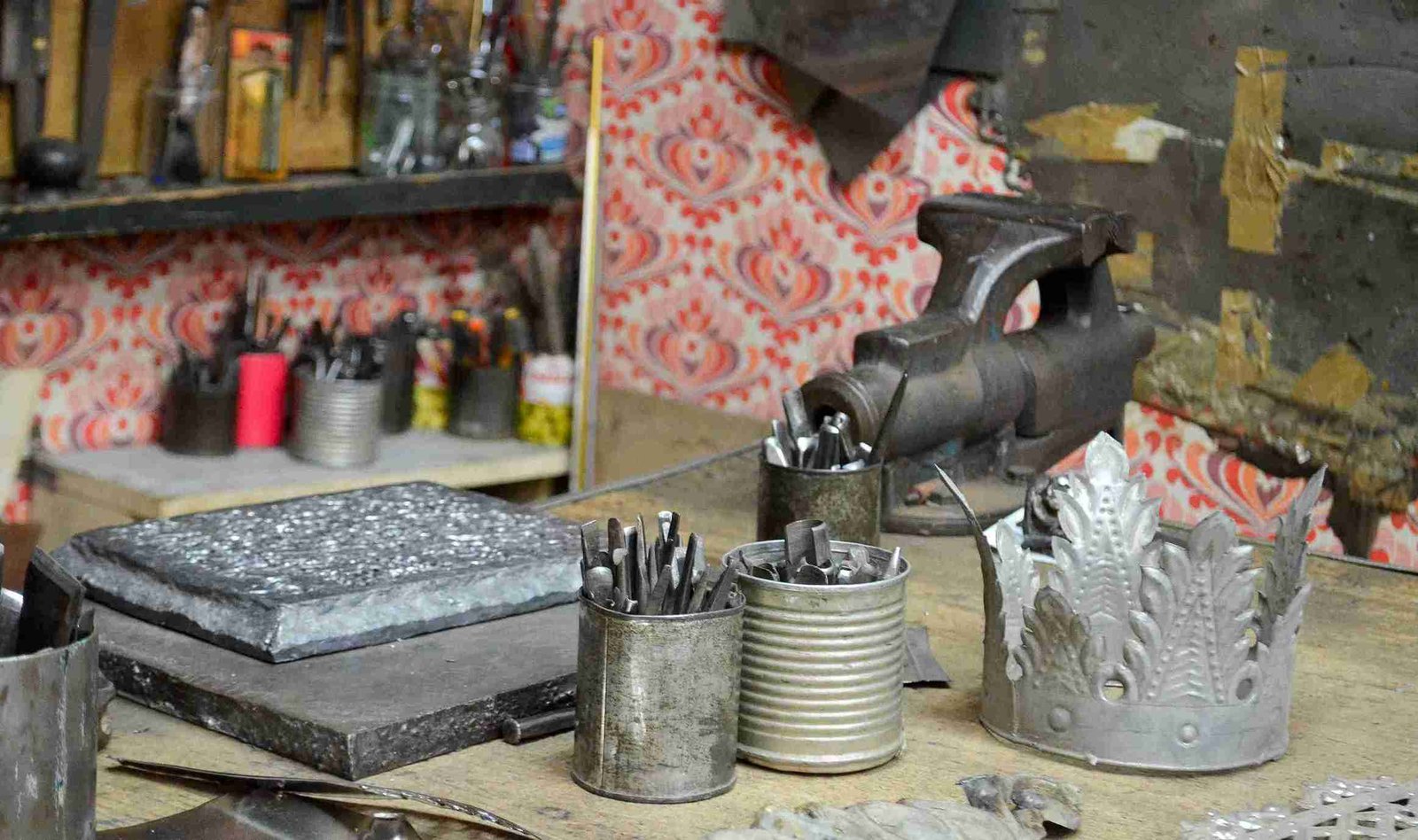
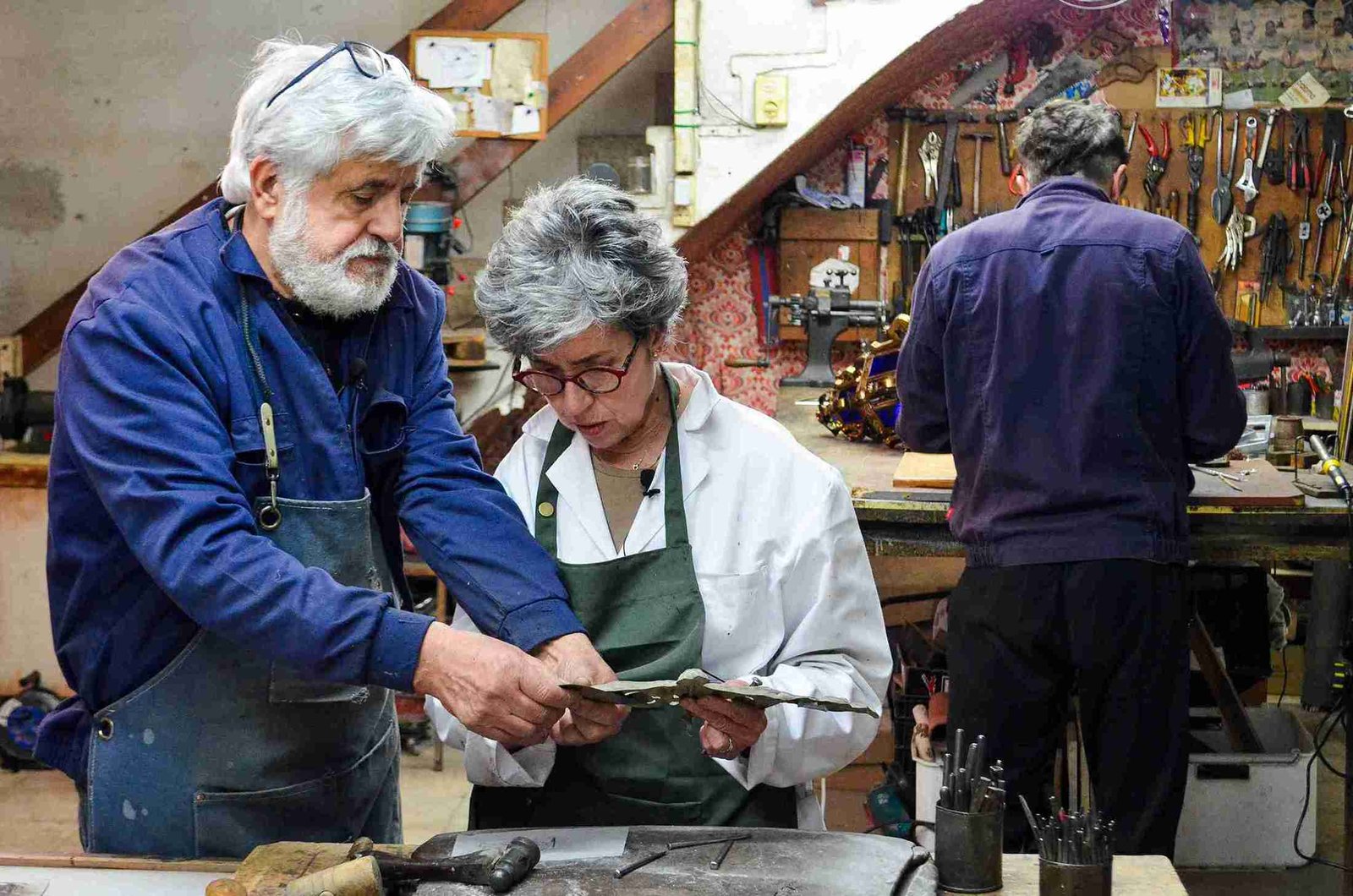
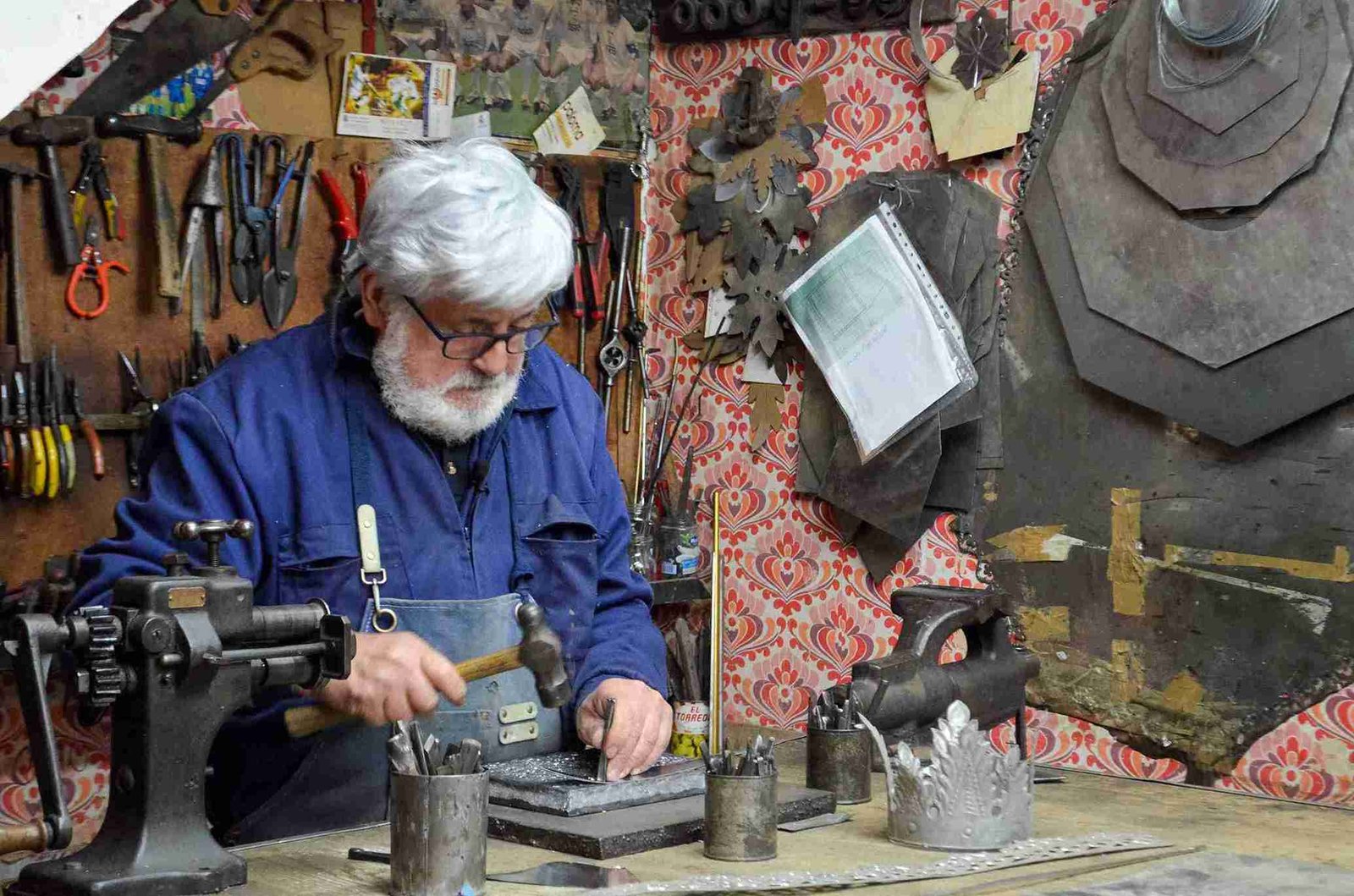
Concepción Potenciano and José Antonio Sierra head the Toledo workshop Hijos de Francisco Potenciano, a benchmark in the field of craft glass- and metalwork with a track record of over seventy years. Heirs to a family tradition handed down from generation to generation, they continue a trade that combines work with tinplate and other metals with artistic stained glass, with its roots in the artisan material culture of the city of Toledo.
The firm was founded by Francisco Potenciano, Concepción’s father, who passed the trade on to her through daily practice and tasks in the family workshop. Concepción was surrounded by its tools from a tender age, which experience allowed her to develop a particular sensibility for drawing, color, and composition. José Antonio Sierra, for his part, learned the trade directly alongside Francisco Potenciano through years of joint work. The couple continue the tradition today with their son, maintaining the workshop’s family character and ensuring the continuity of a knowledge that is transmitted chiefly through practice.
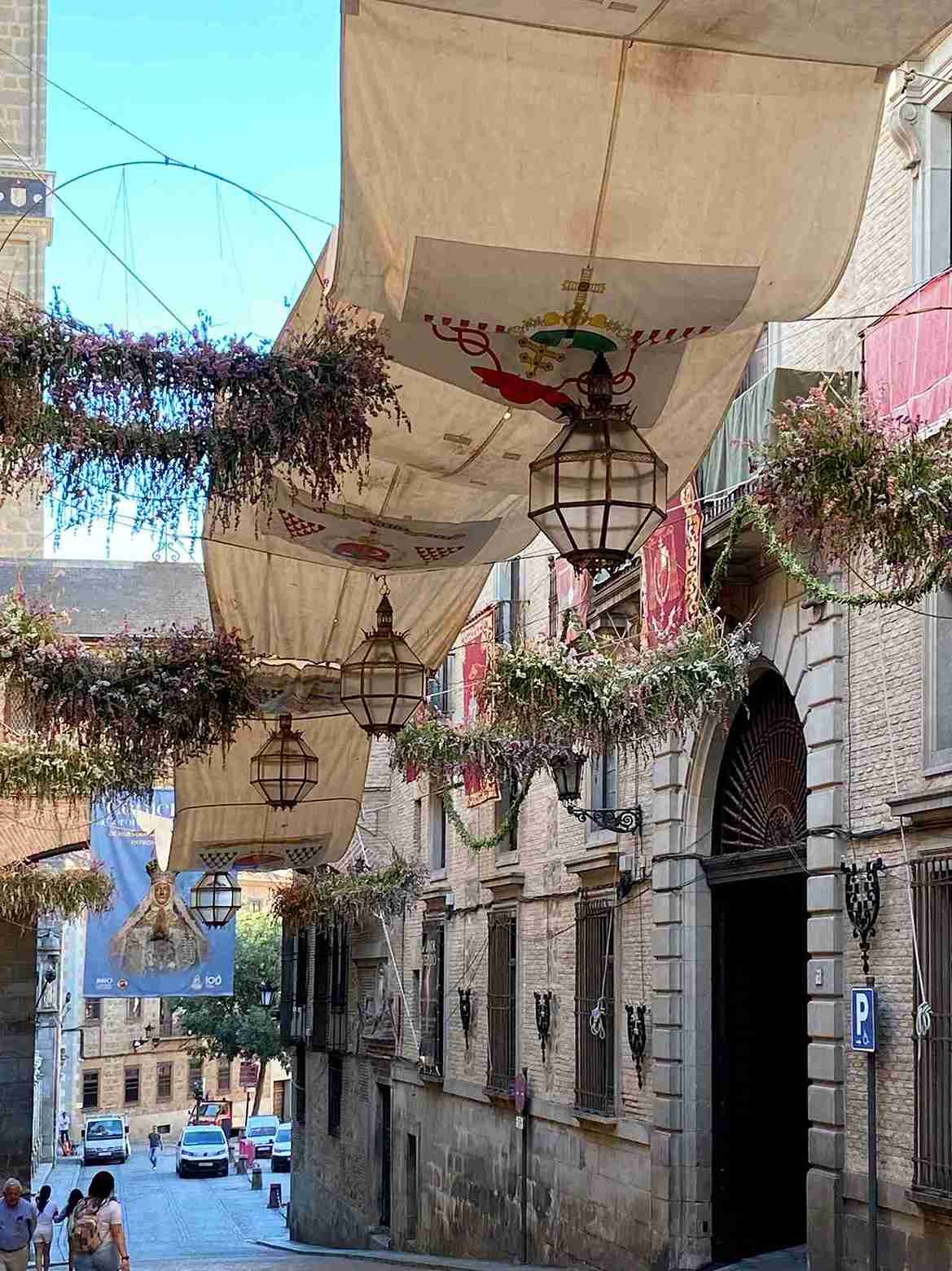
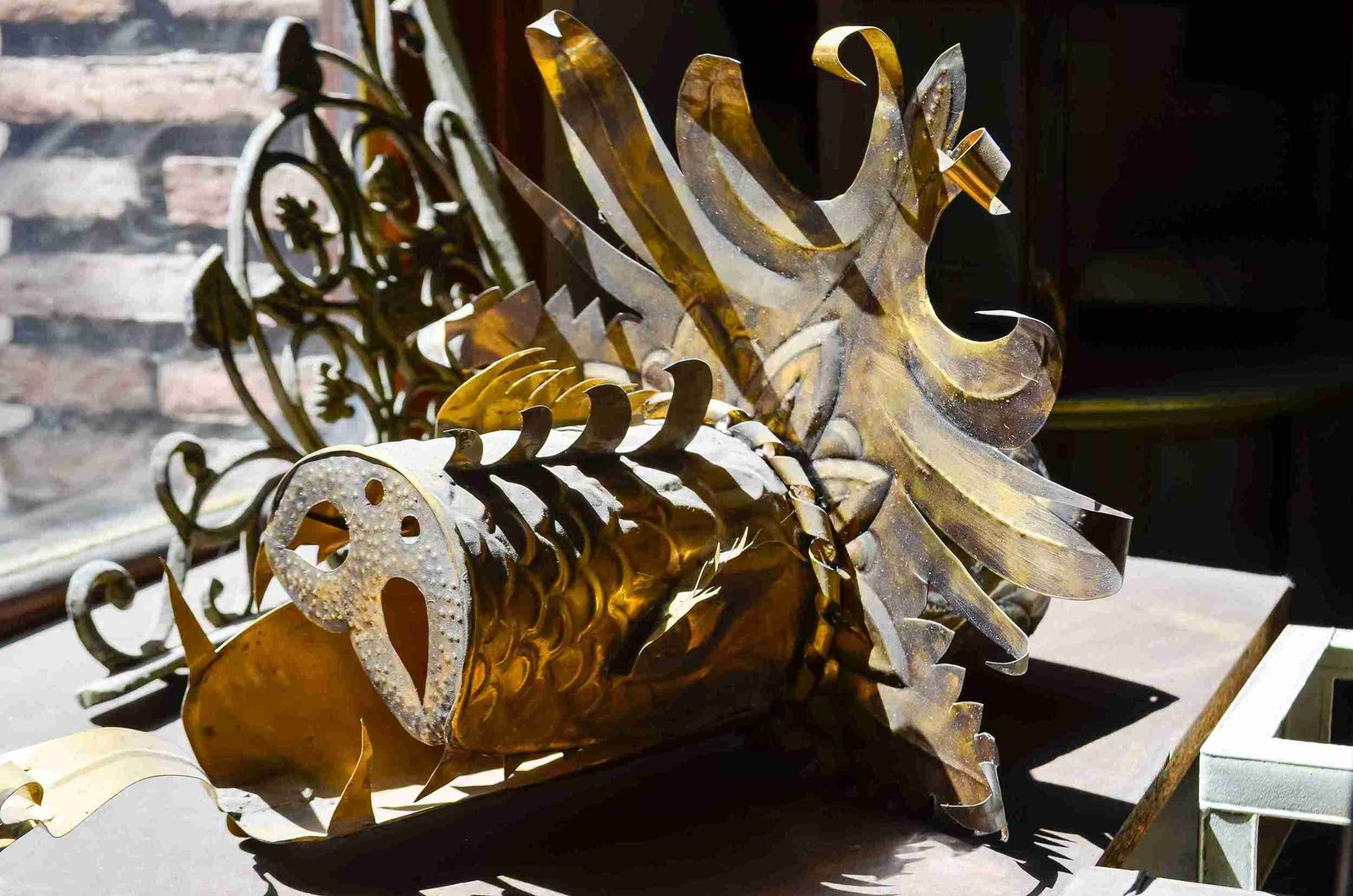
Their work includes the reproduction, restoration, and design of streetlights, lamps, leaded stained glass, and other architectural and decorative elements such as gargoyles, lattices, flashing, cornices, or metal roofing. Many of their designs draw on the architecture of Toledo, whose ornamental and monumental wealth is a constant source of references and motifs in their output.
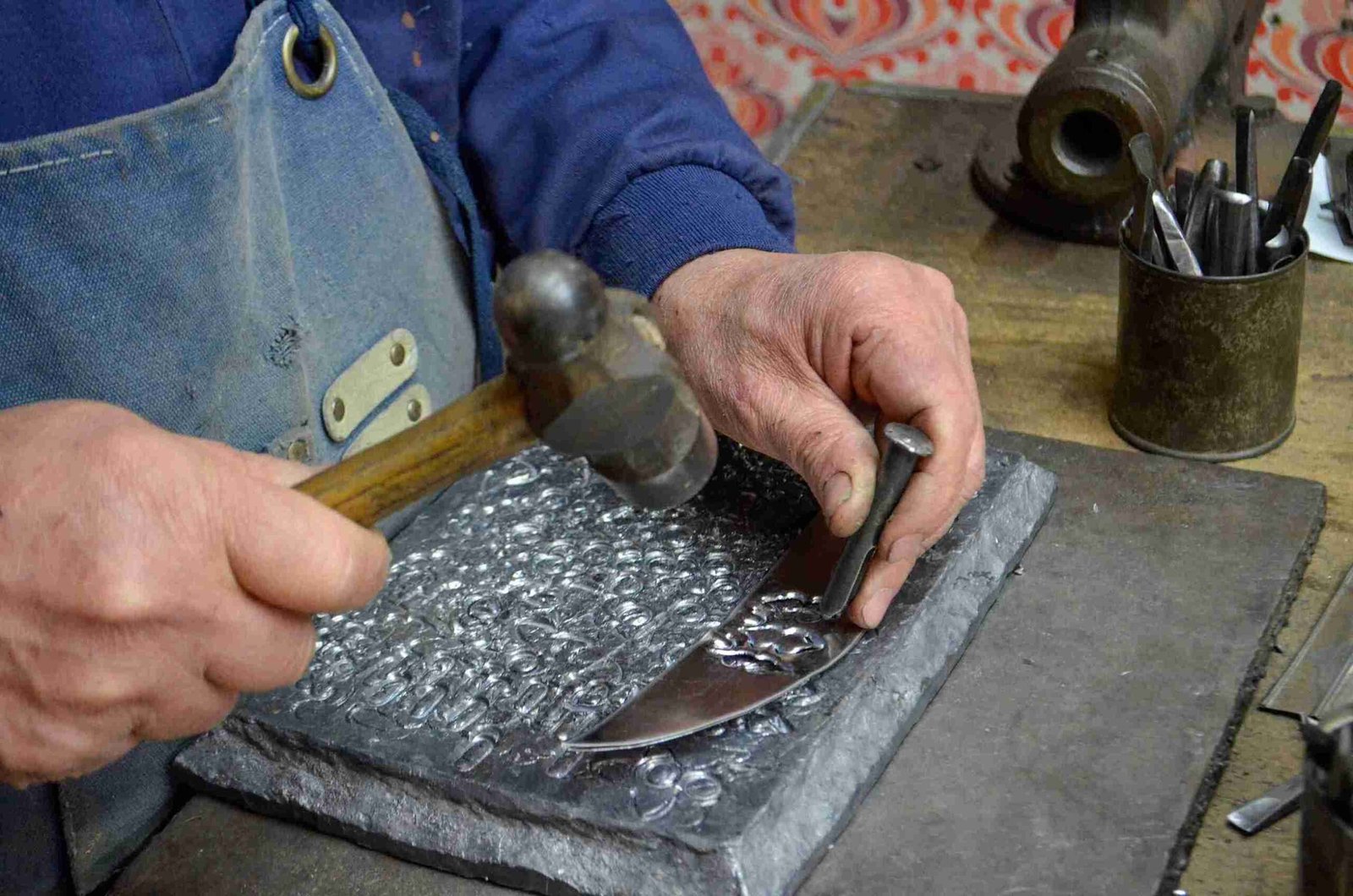
Every day in their workshop they employ various techniques of craft metal- and glasswork. From an initial drawing, parts are cut, shaped, and assembled manually with procedures requiring great technical mastery and precision. They work materials such as tinplate, zinc, copper, brass, tin, or leaded glass, producing objects by wholly manual processes based on workmanship with the trade’s traditional tools.
The history of Hijos de Francisco Potenciano also reflects the complexity of crafts that require a simultaneous command of highly diverse disciplines: drawing, metalwork, polychrome work, glass-cutting and lead came, or ornamental restoration. This combined knowledge acquired over decades of practice has allowed the workshop to breathe life into craft procedures now mastered by only a few artisans.
Over their career they have participated in major restoration projects for the heritage agency Patrimonio Nacional as well as other institutions, working in places with particular historic and heritage significance, such as the Royal Palace of El Pardo, the Royal Palace of Madrid, the Royal Monastery of El Escorial, the Royal Palace of Aranjuez, the Royal Glassworks of La Granja, and various historic sites in Toledo.
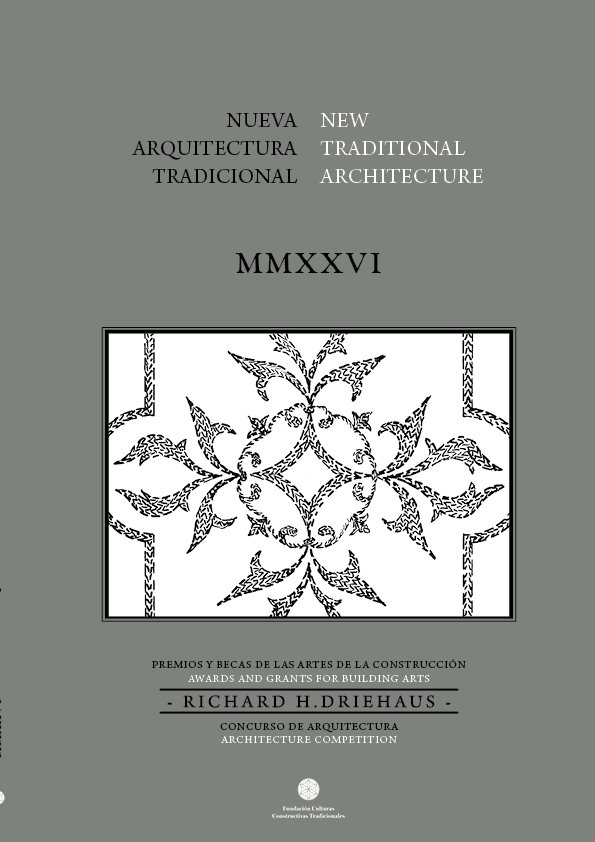
It was published in June 2026 on the occasion of the award ceremony held at the Archaeological Museum of Madrid.
This publication presents the results of the first phase of the Richard H. Driehaus Architecture Competition, the 2026 Building Arts Awards, and the 2025–2026 Building Arts Grants, initiatives organized by the Traditional Building Cultures Foundation with the support of the Spanish Ministry of Culture and the collaboration of INTBAU Spain, the Higher Council of the Colleges of Architects of Spain, and other institutions.
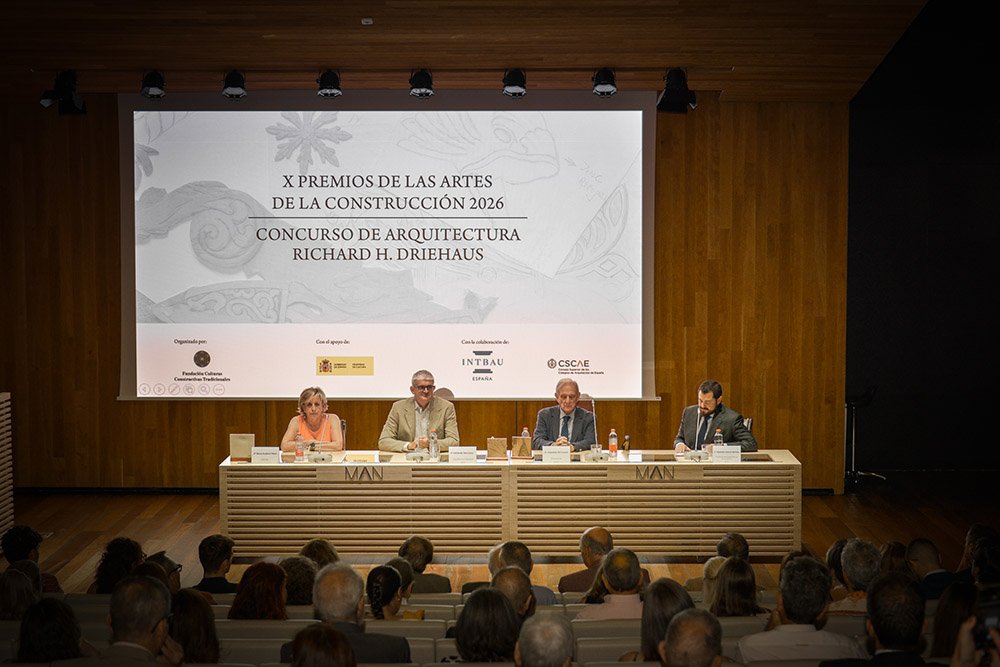
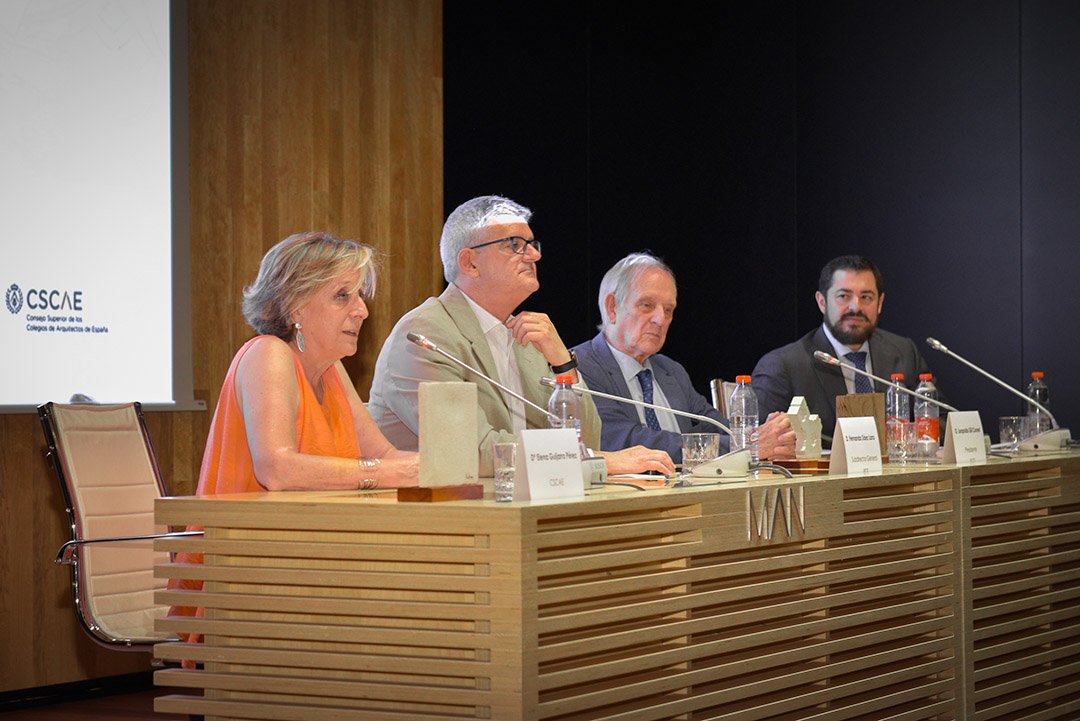
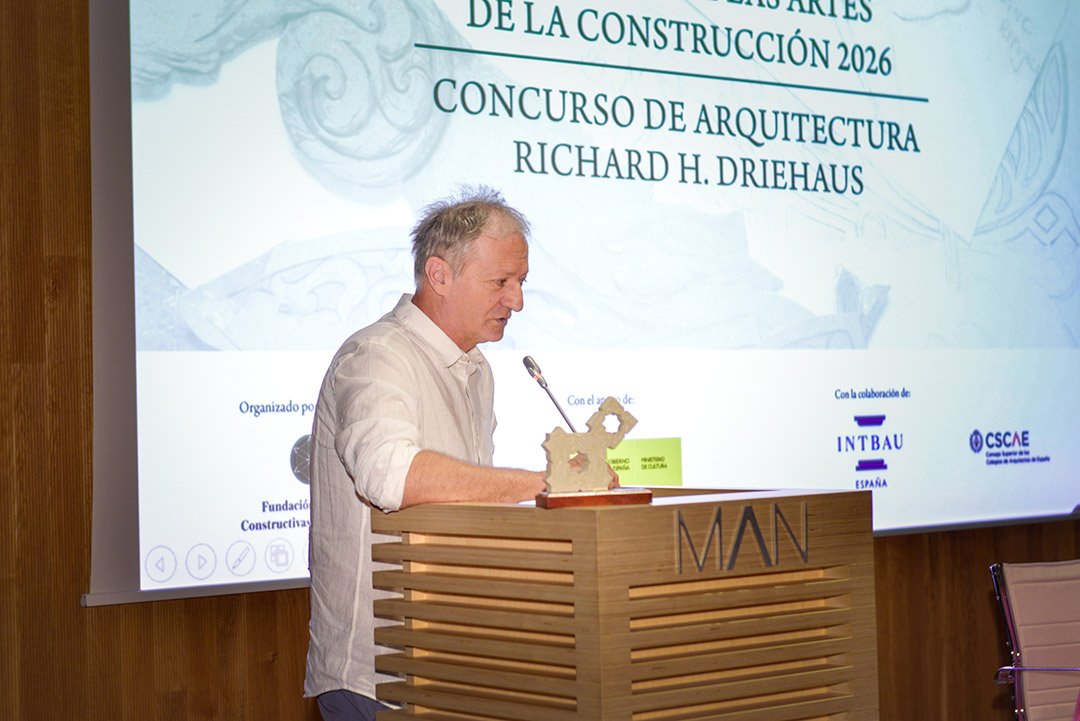
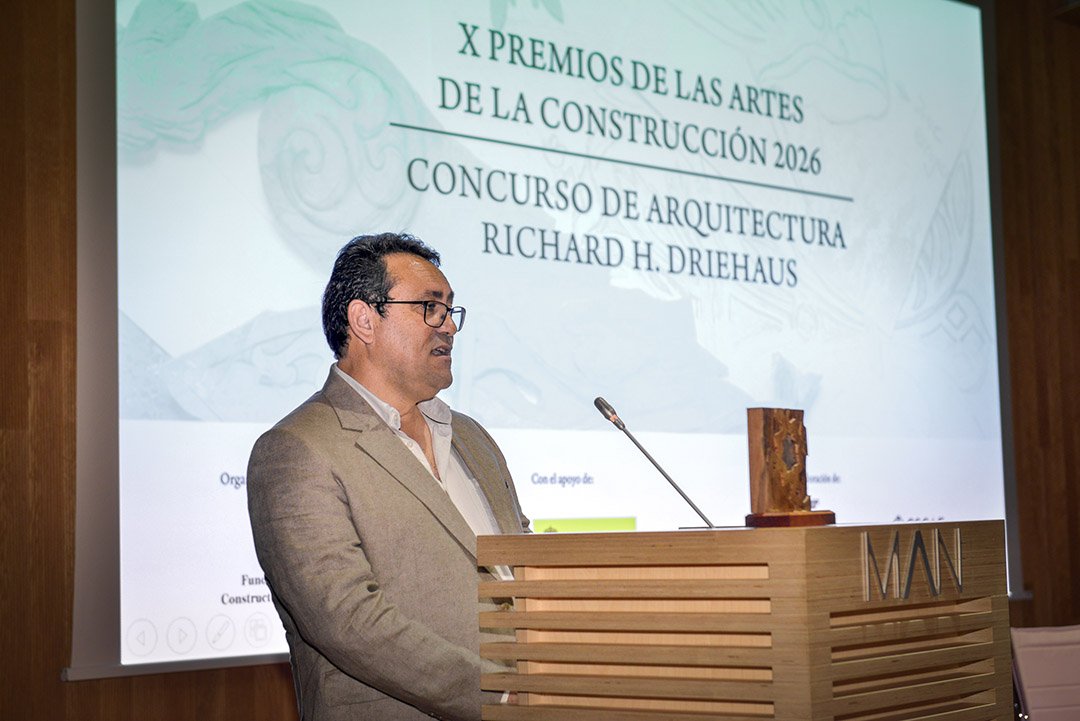
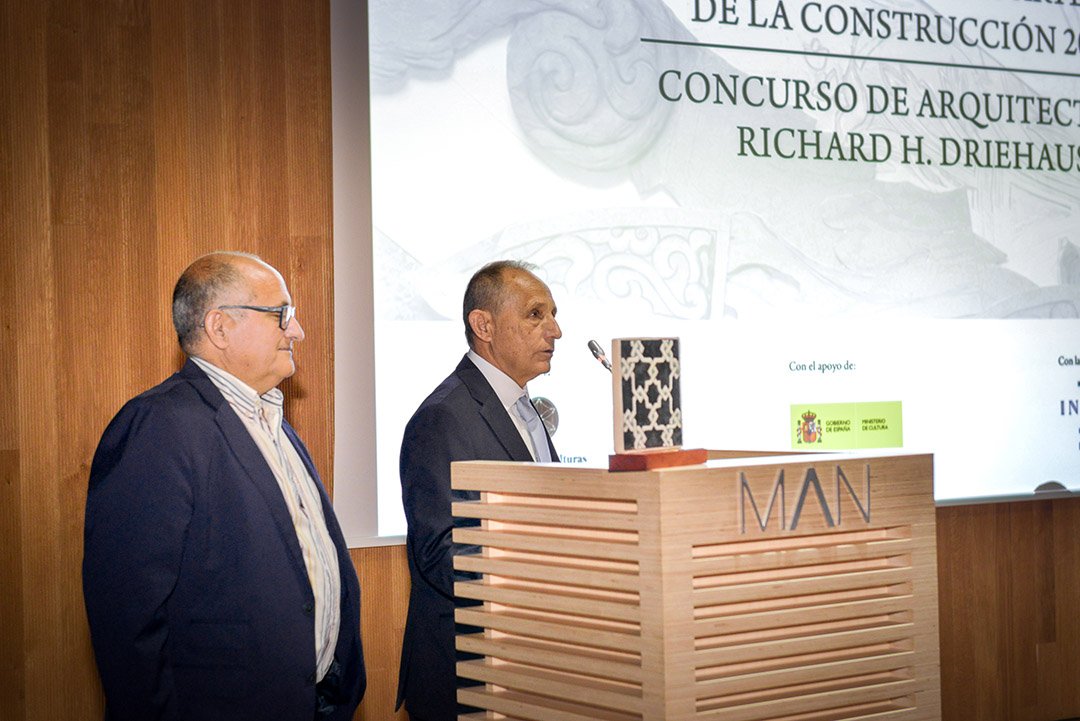
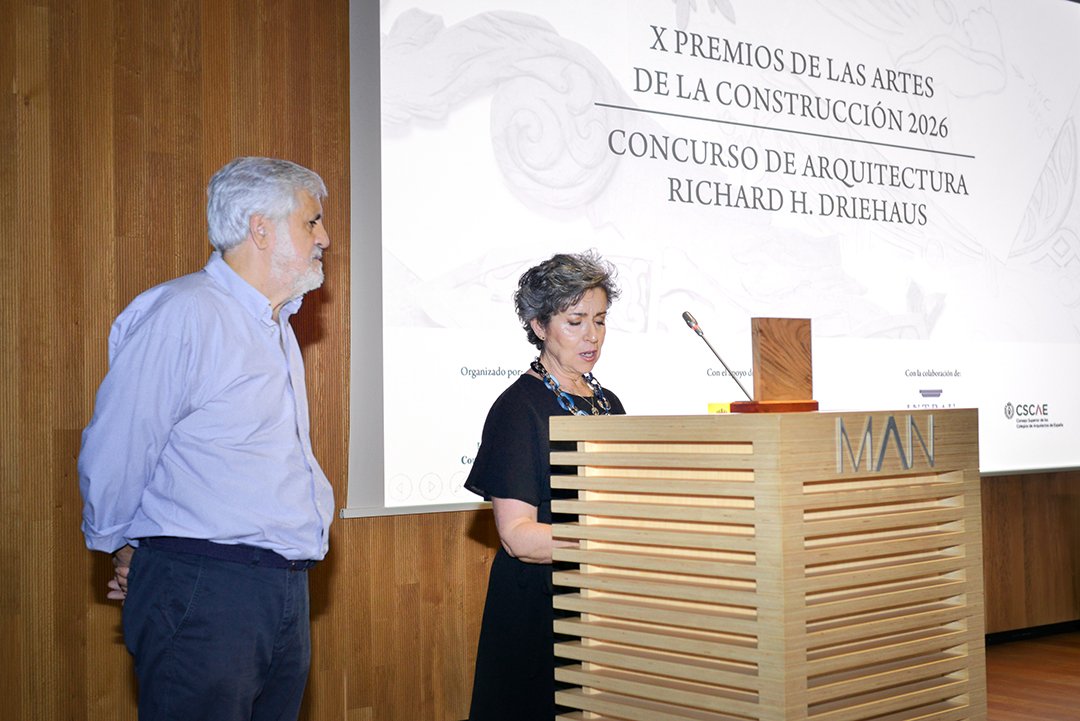
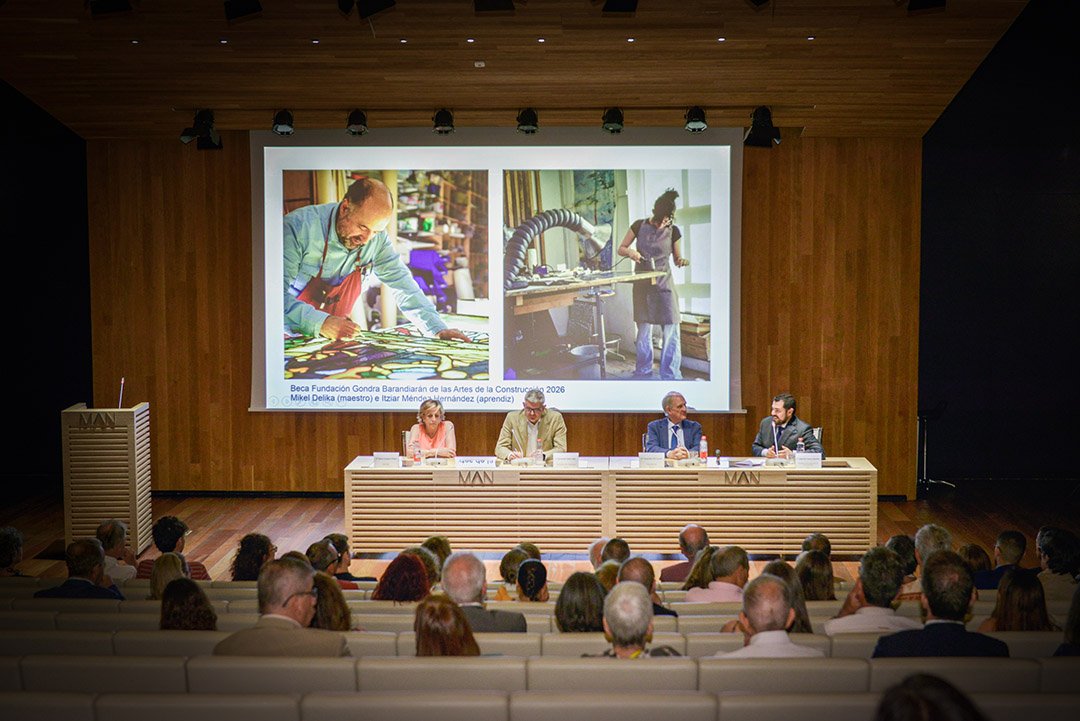
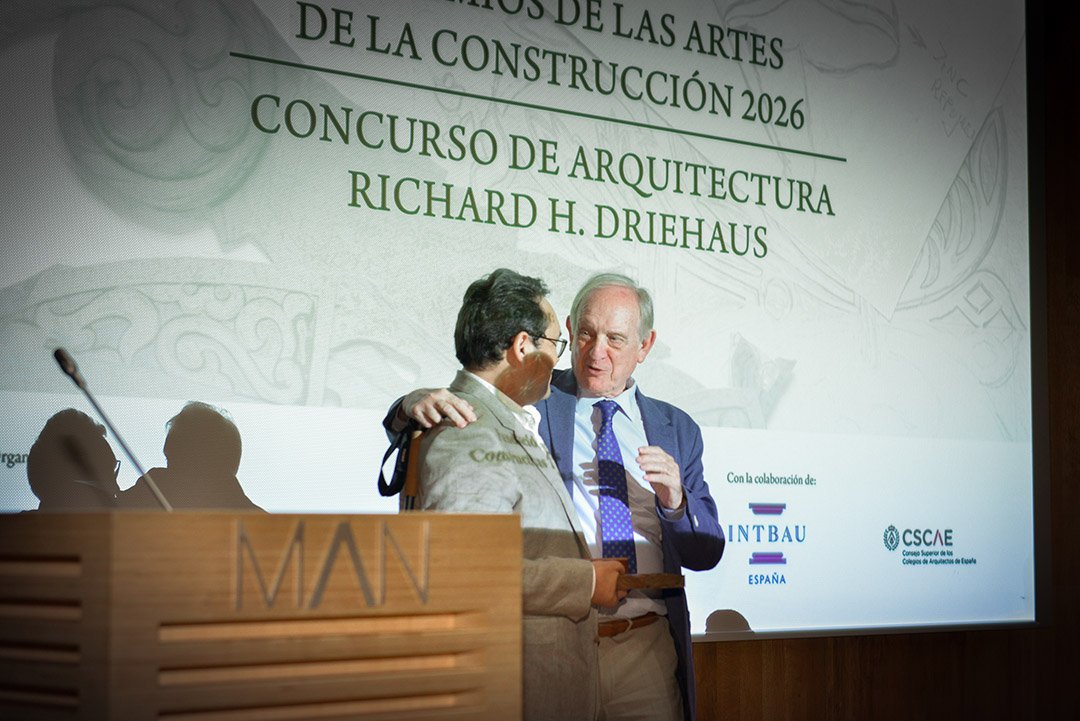
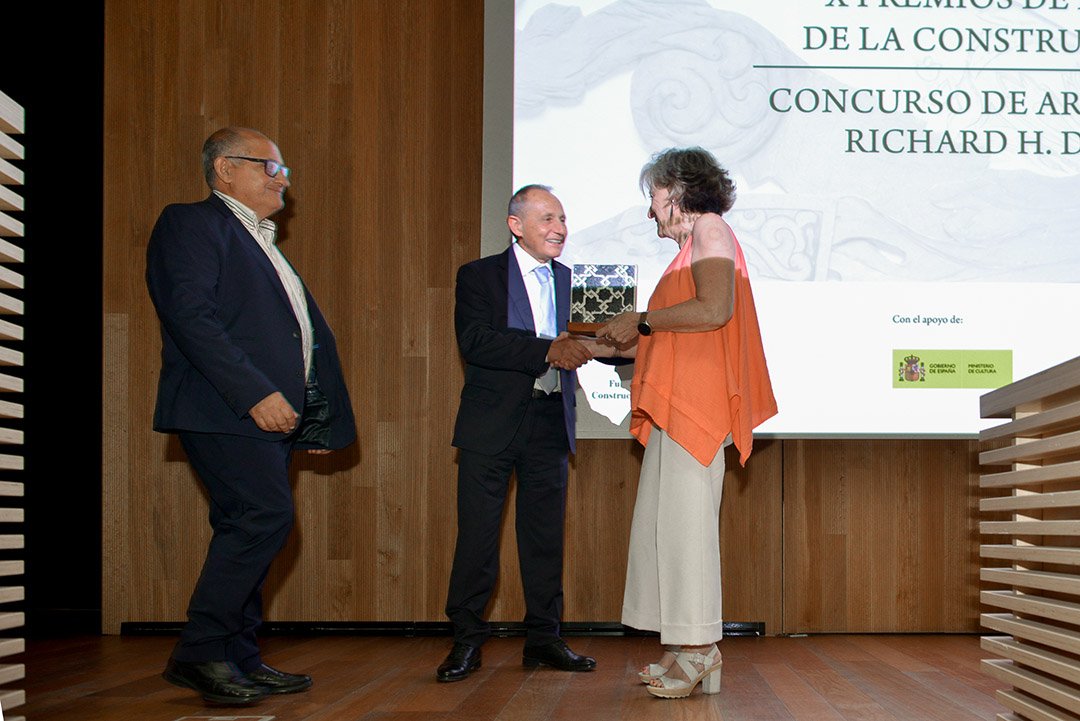
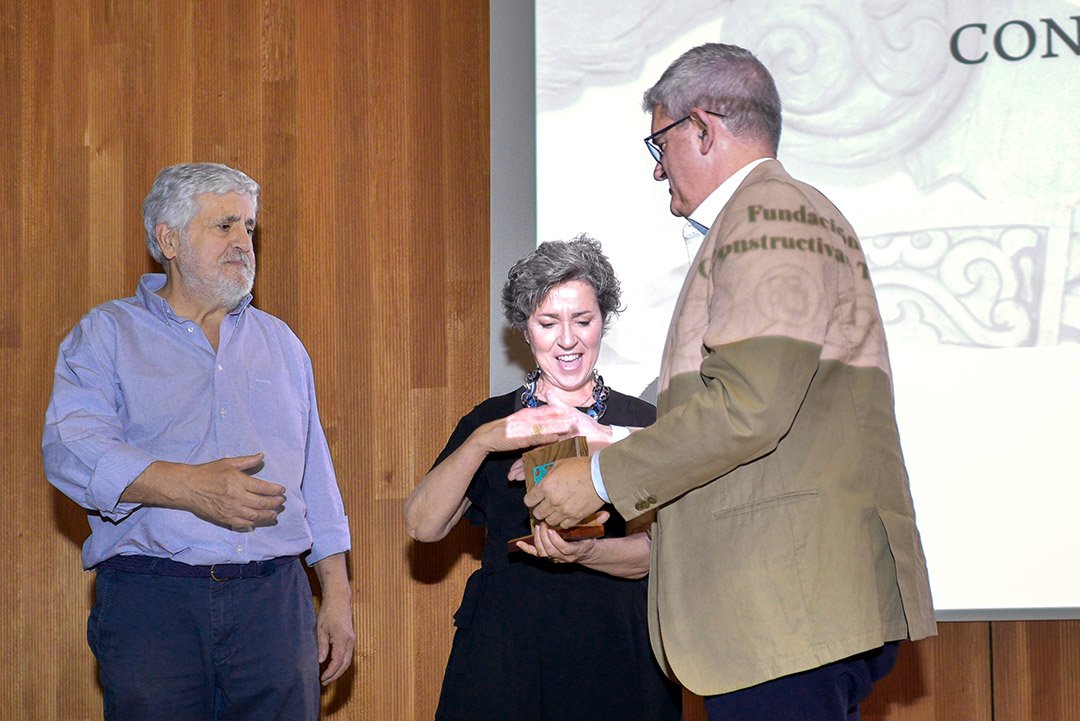
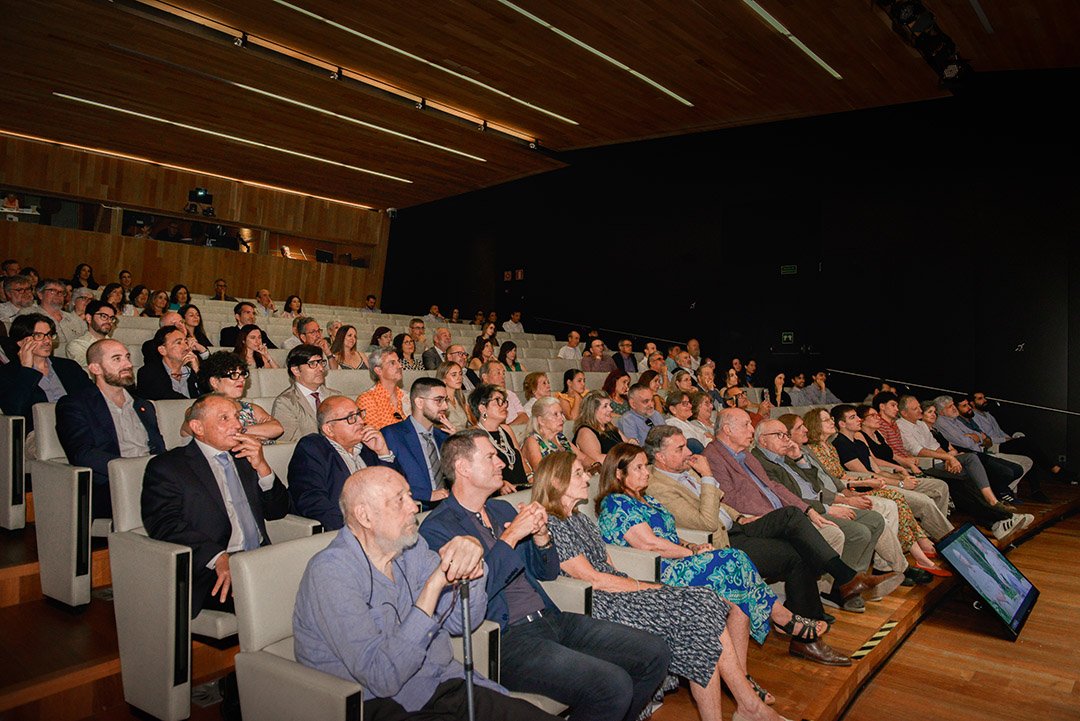
The 2026 Building Arts Awards Ceremony took place on June 18 at the National Archaeological Museum.
The ceremony was presided over by Fernando Sáez Lara, Deputy Director General of the Spanish Cultural Heritage Institute; Leopoldo Gil Cornet, President of the Traditional Building Cultures Foundation; Elena Guijarro Pérez, representing the Higher Council of the Associations of Architects of Spain; and Alejandro García Hermida, Executive Director of the Foundation and Chair of the Awards Jury.
This initiative is promoted by the Traditional Building Cultures Foundation, with the support of the Ministry of Culture and the collaboration of INTBAU Spain and the Higher Council of the Associations of Architects of Spain.