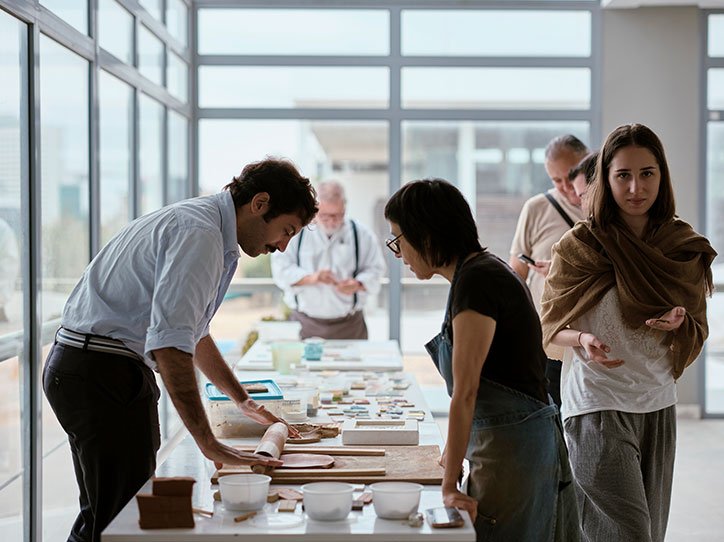
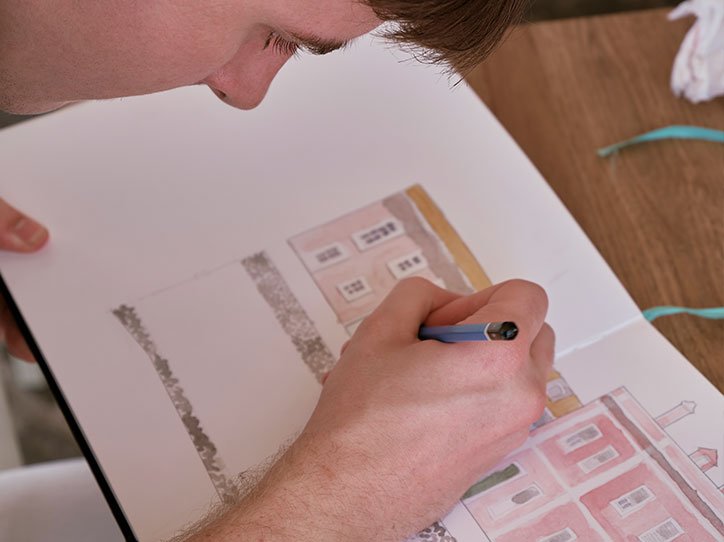
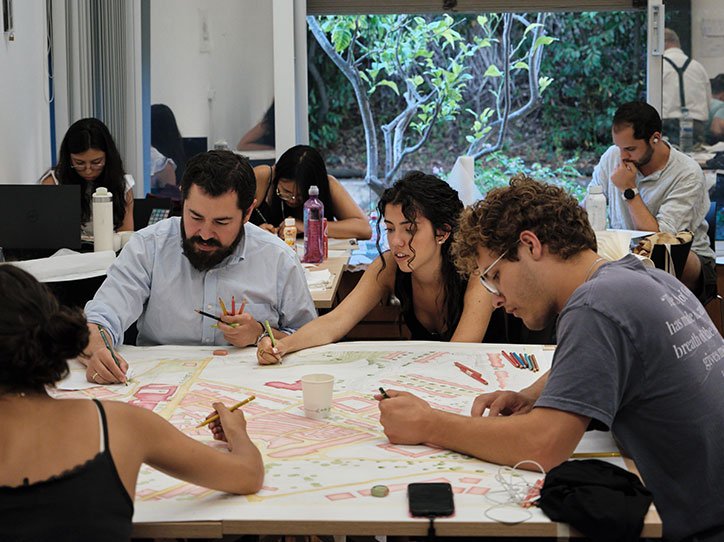
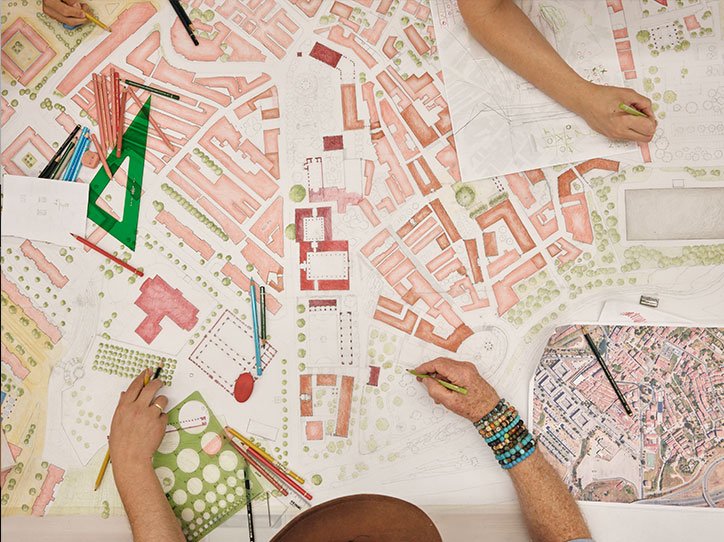
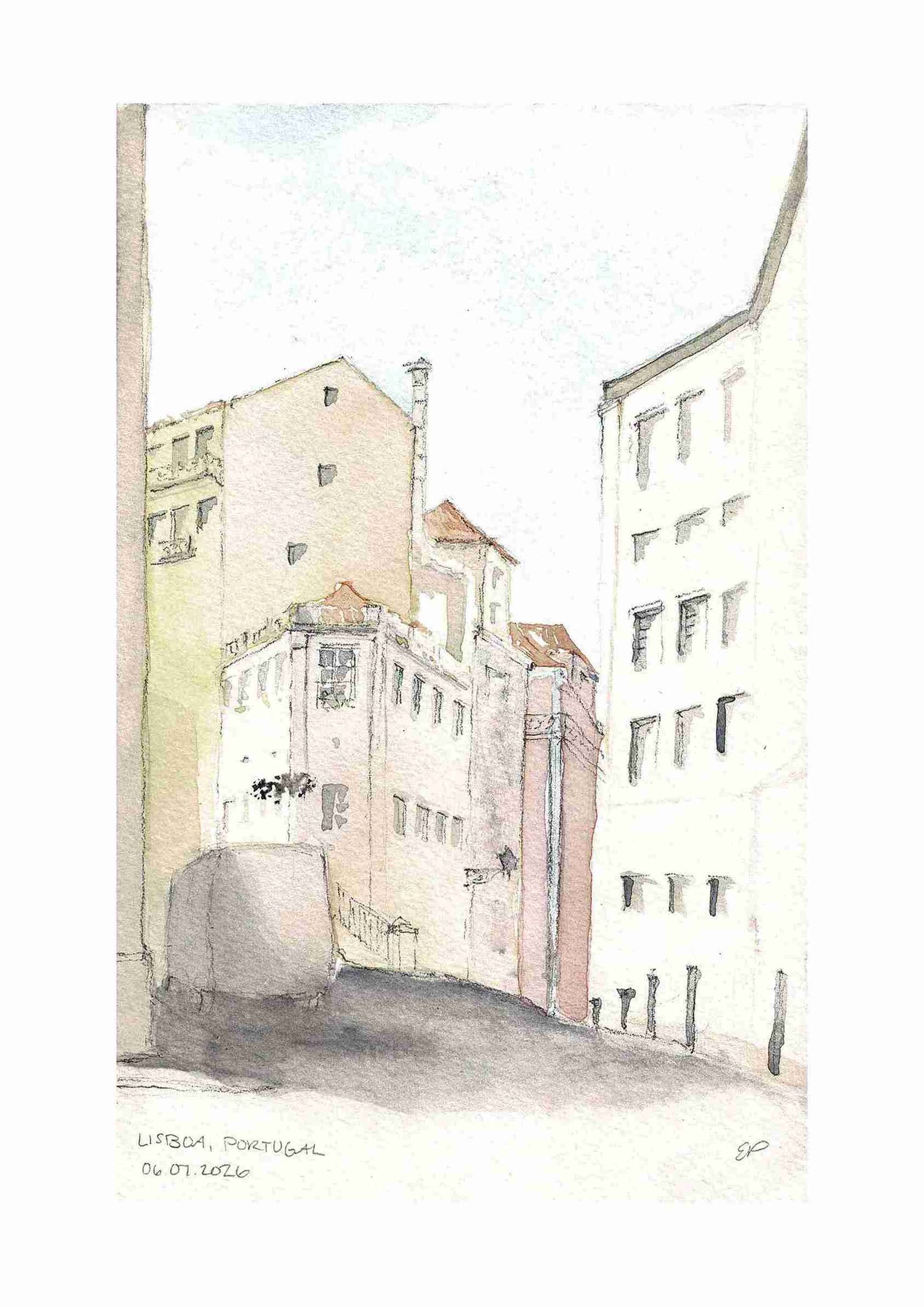
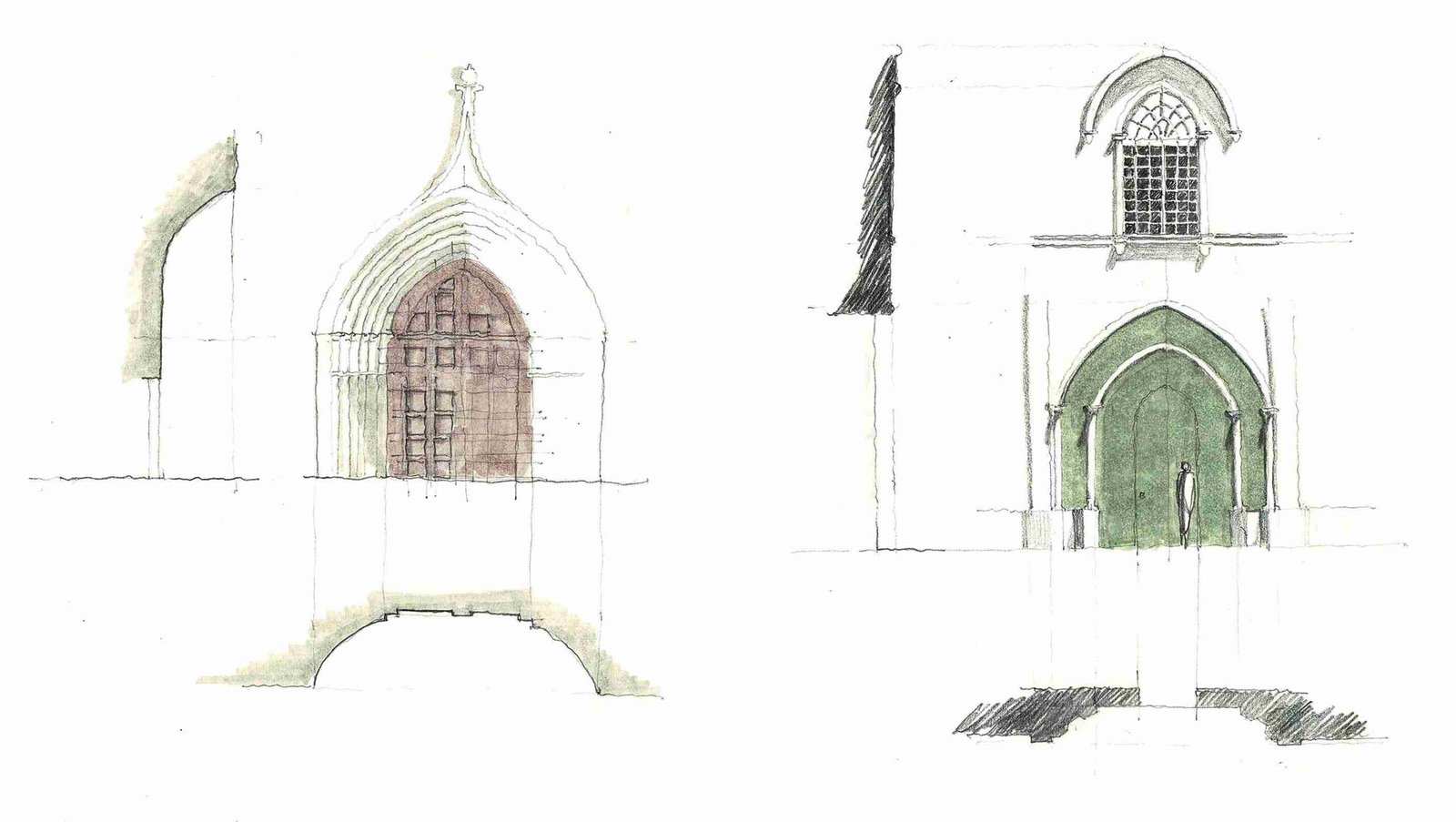
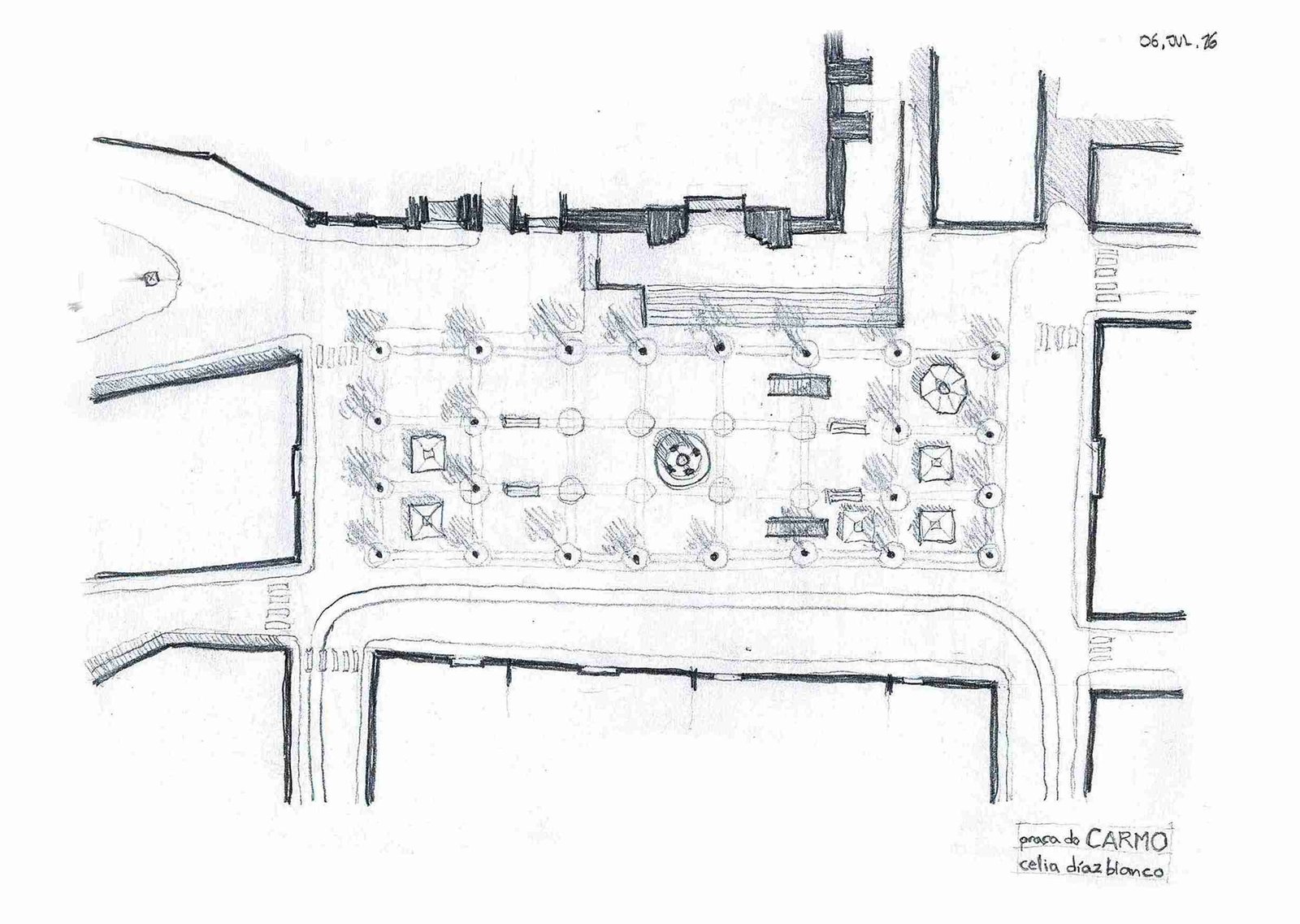
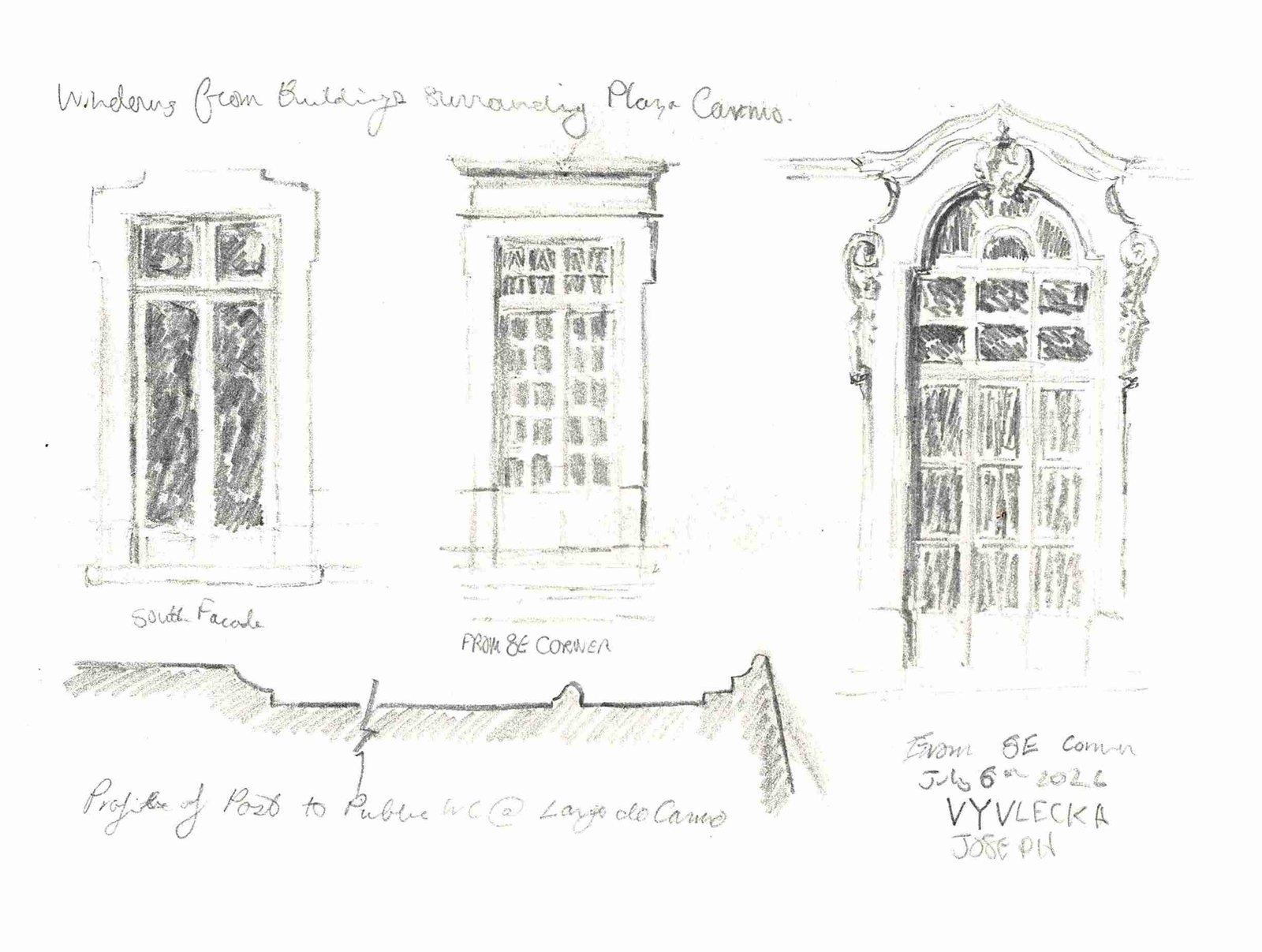
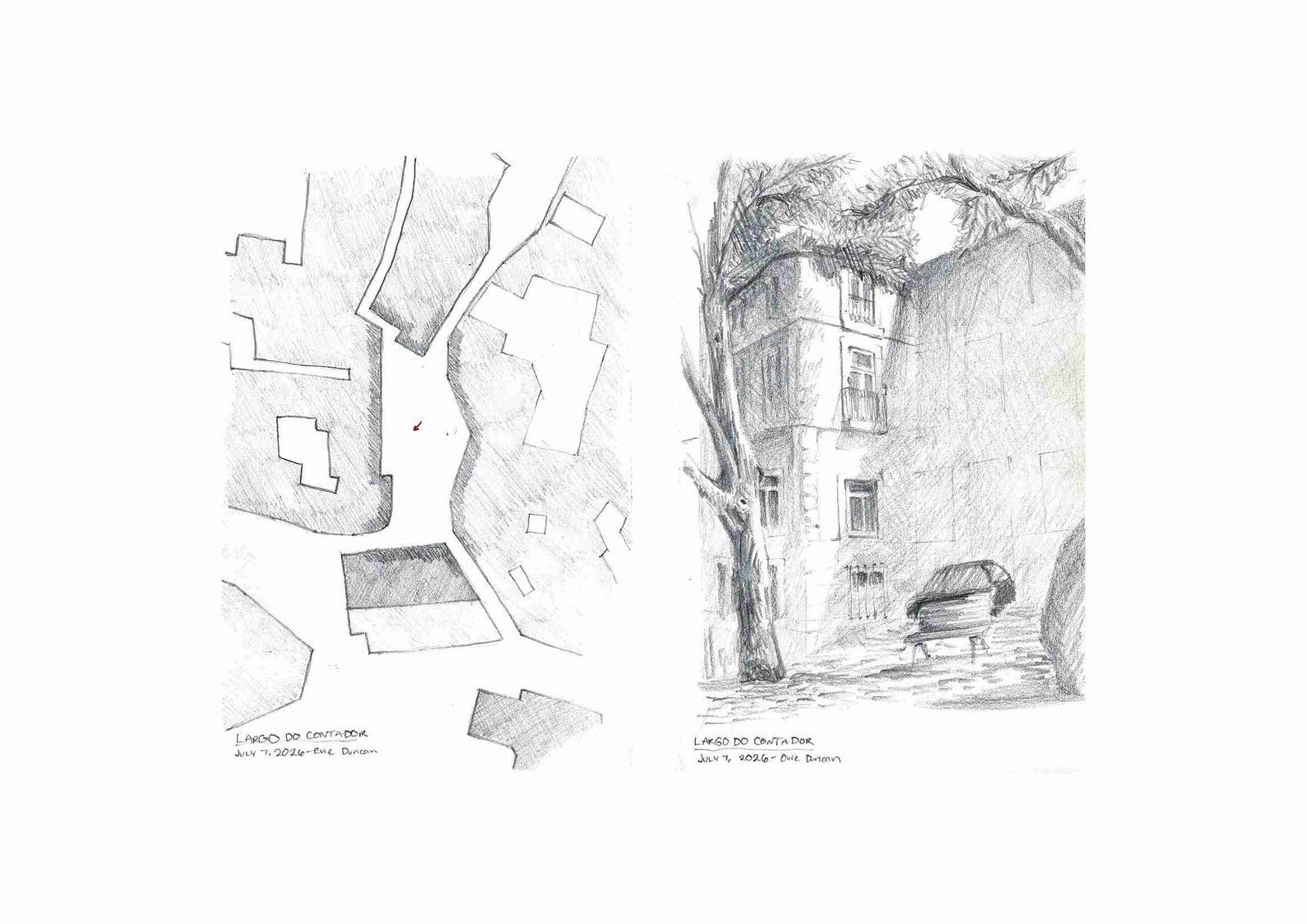
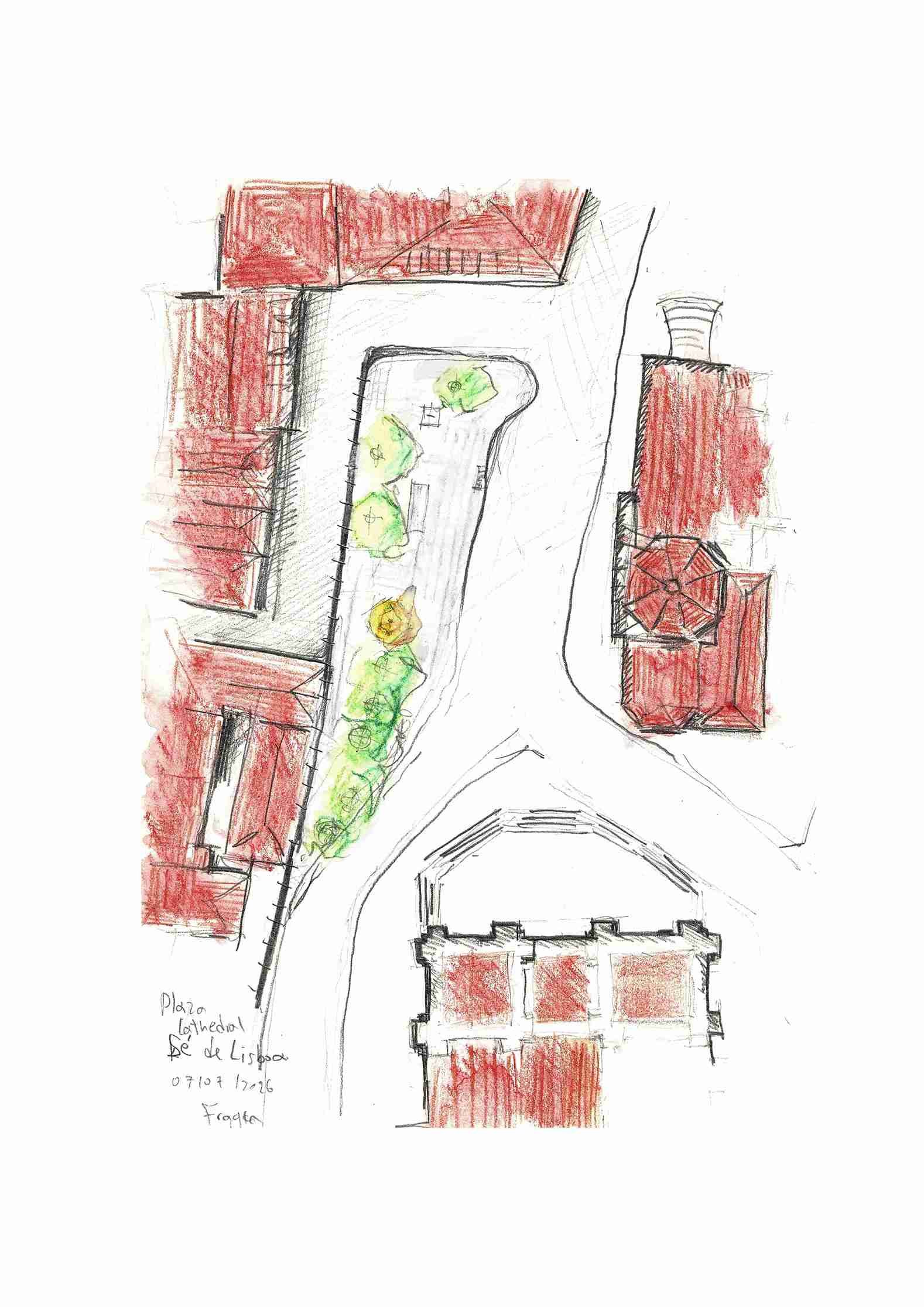
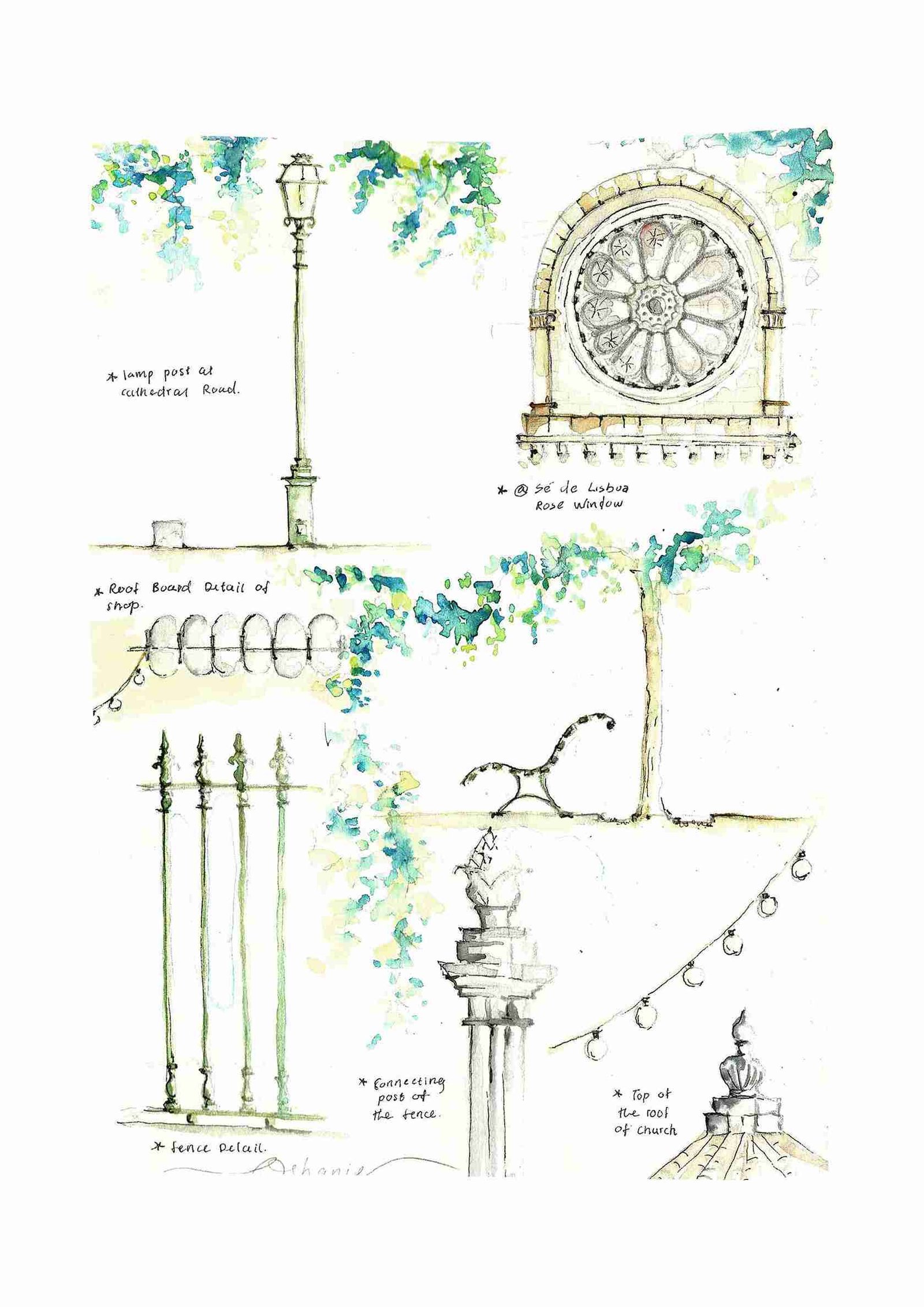
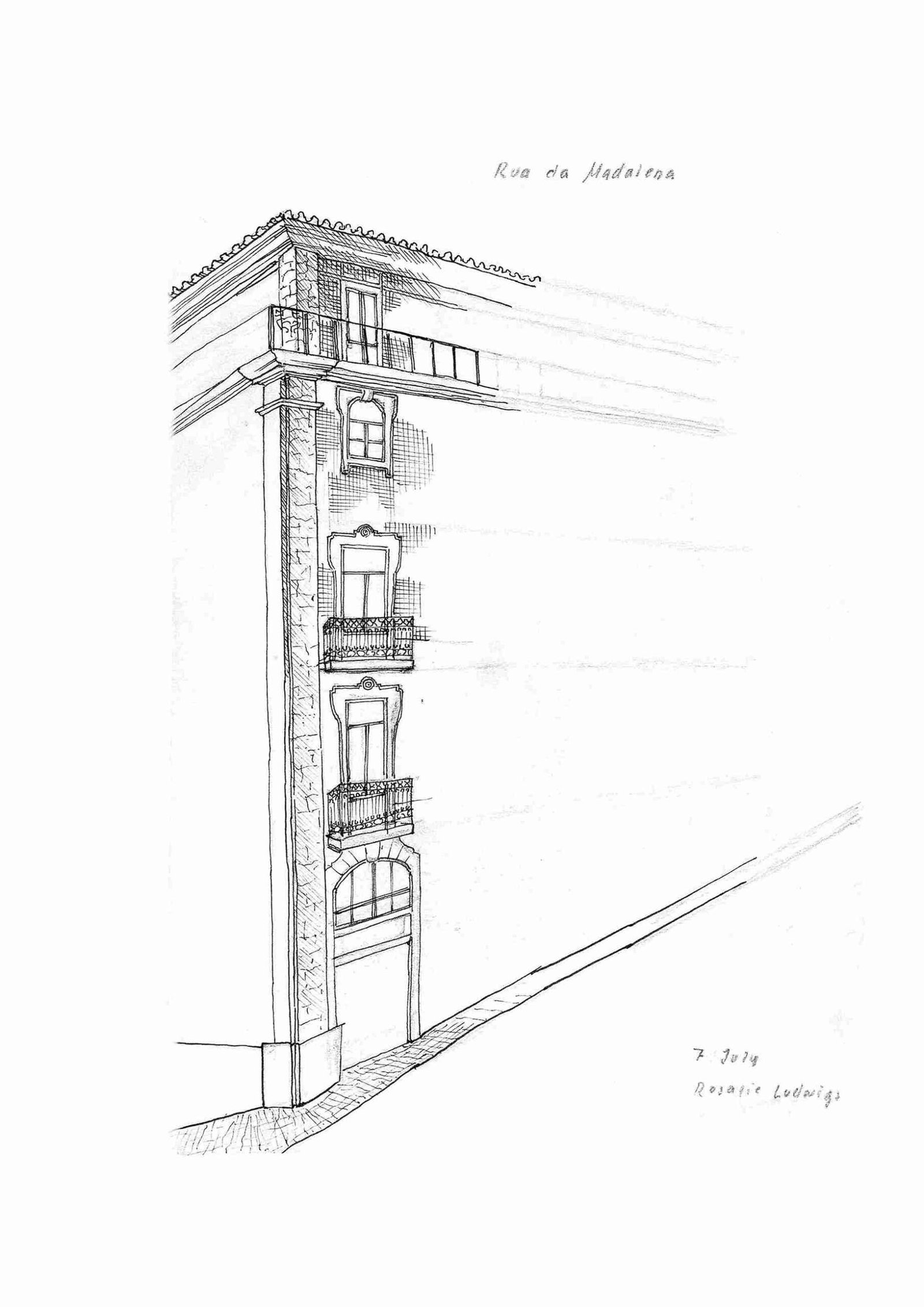
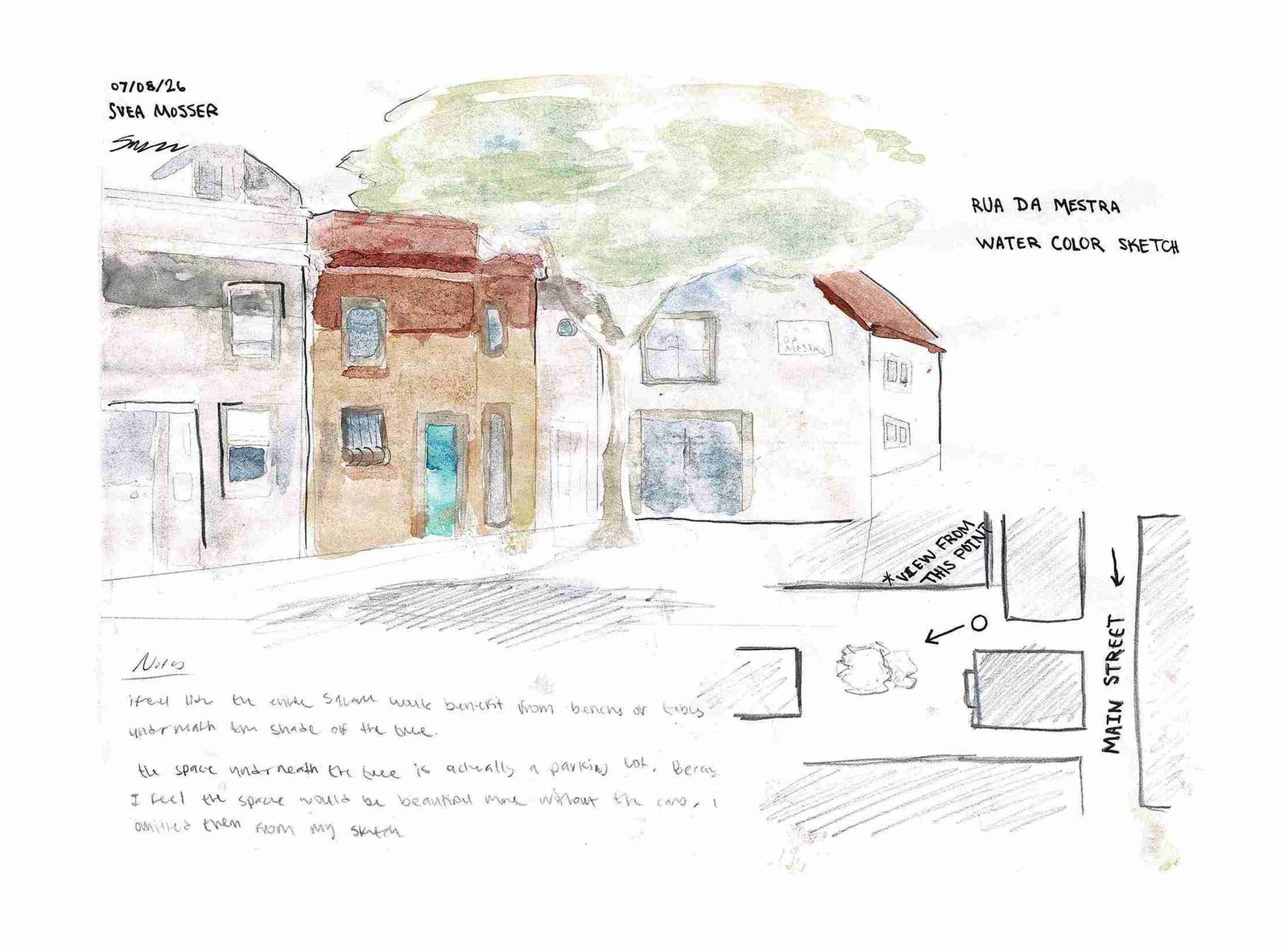
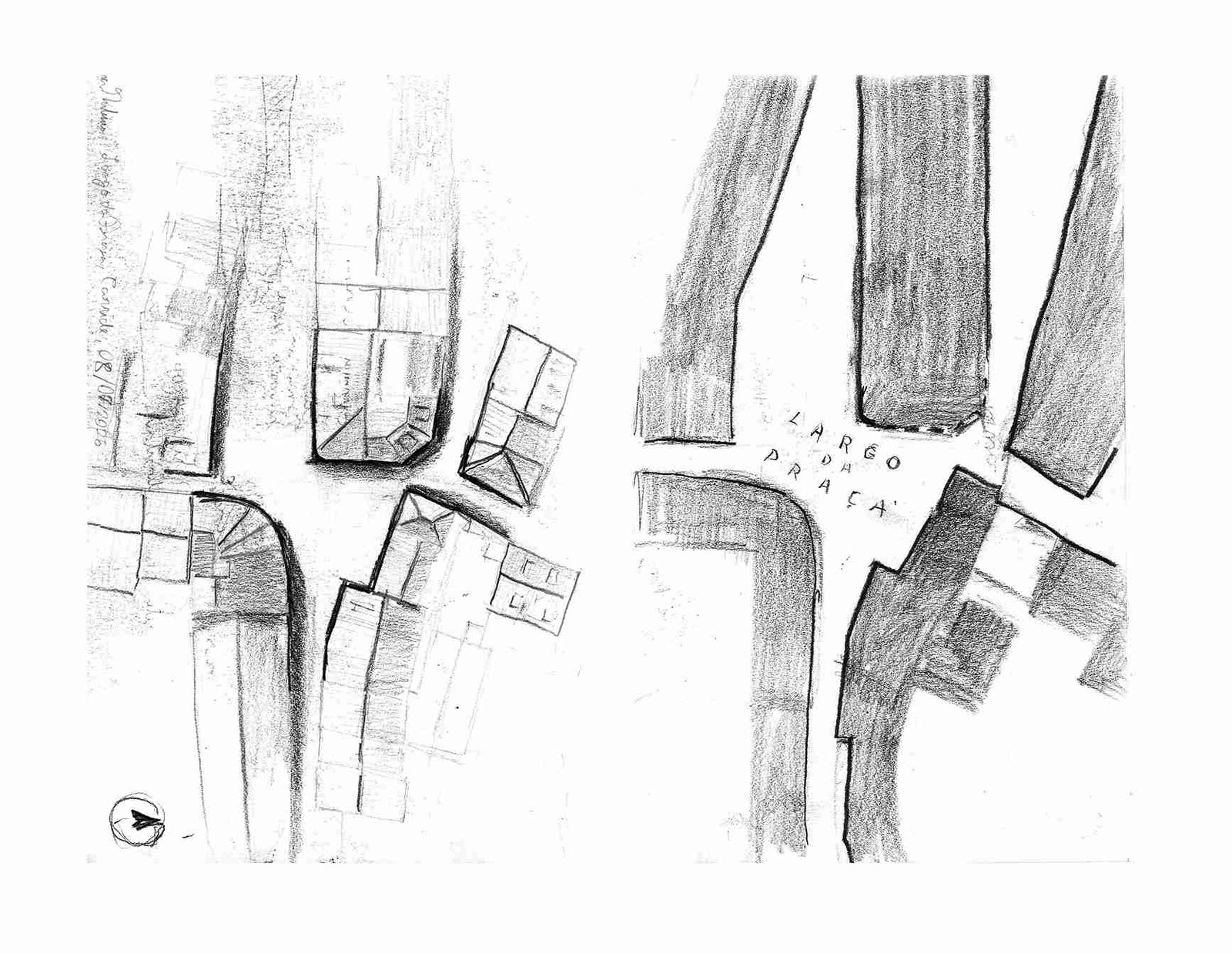
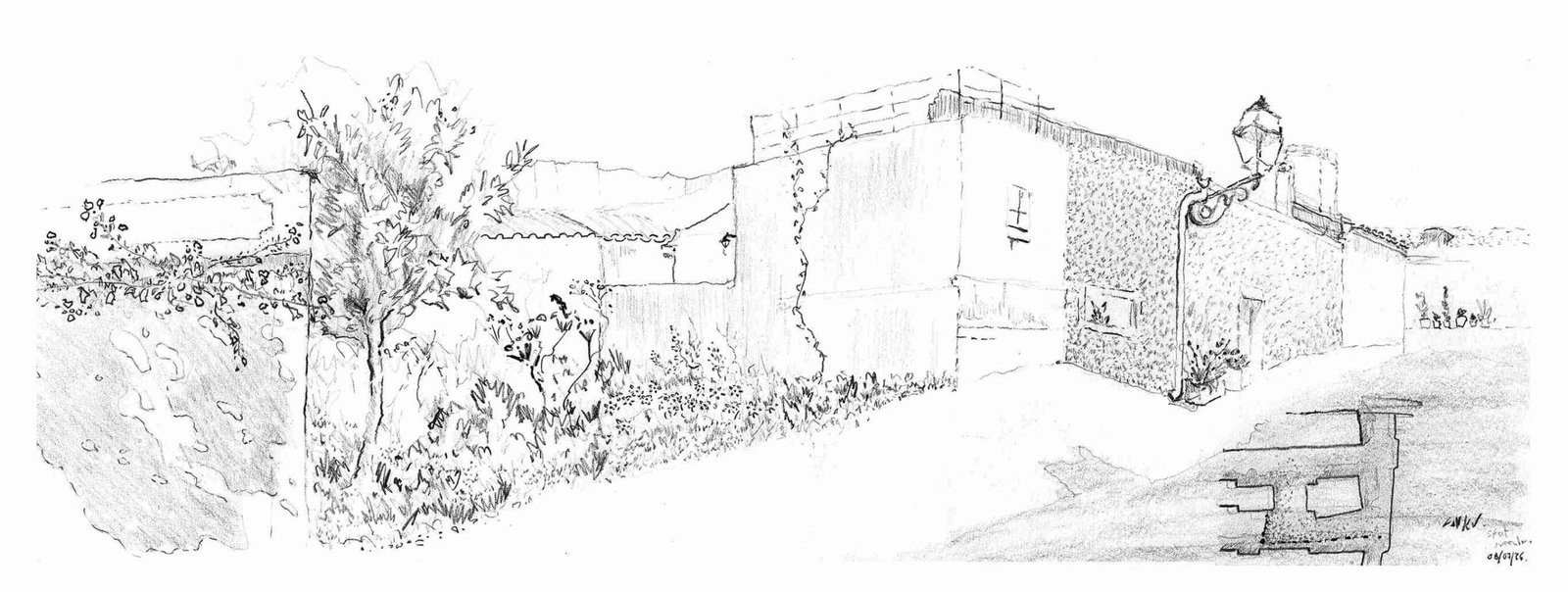
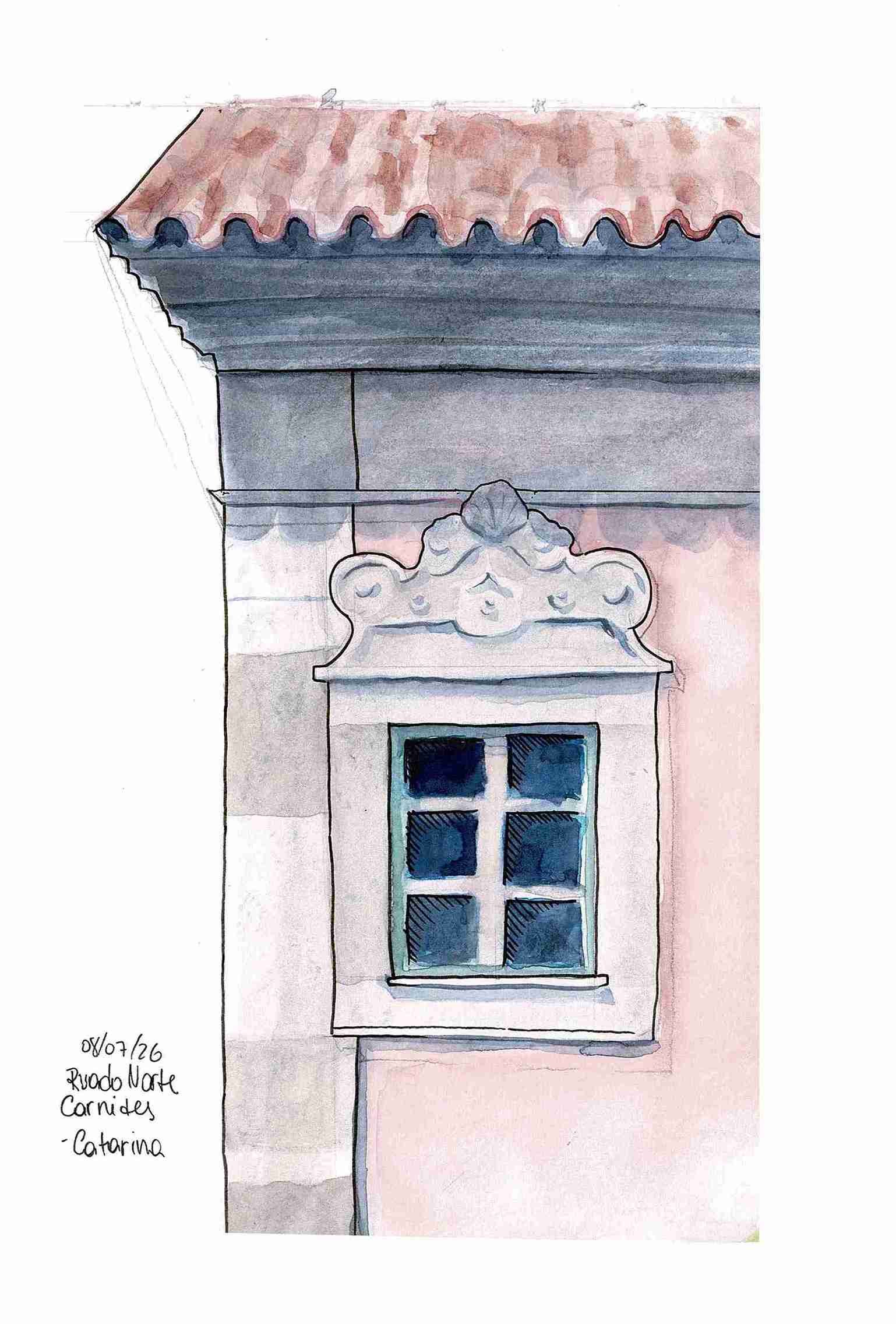
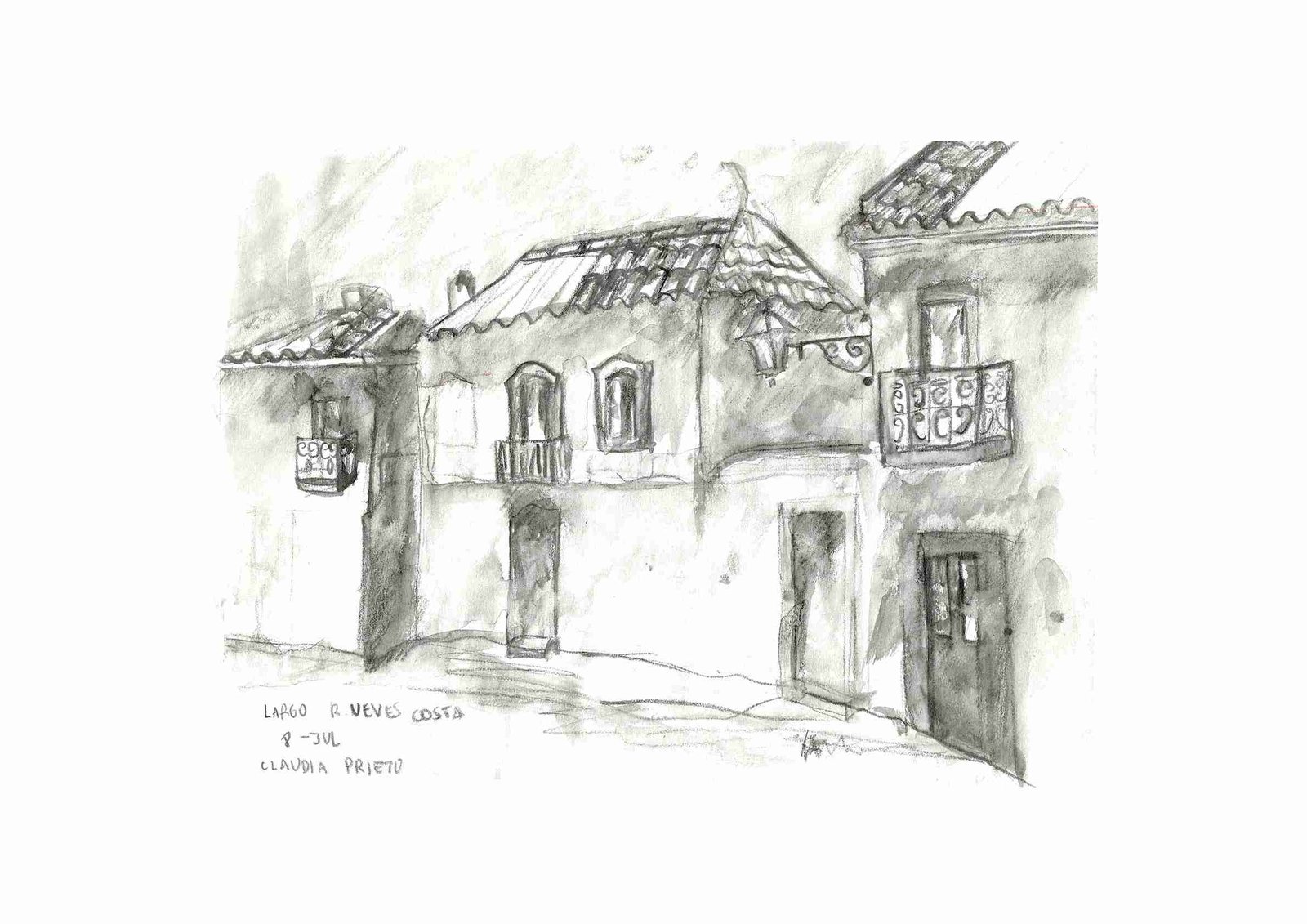
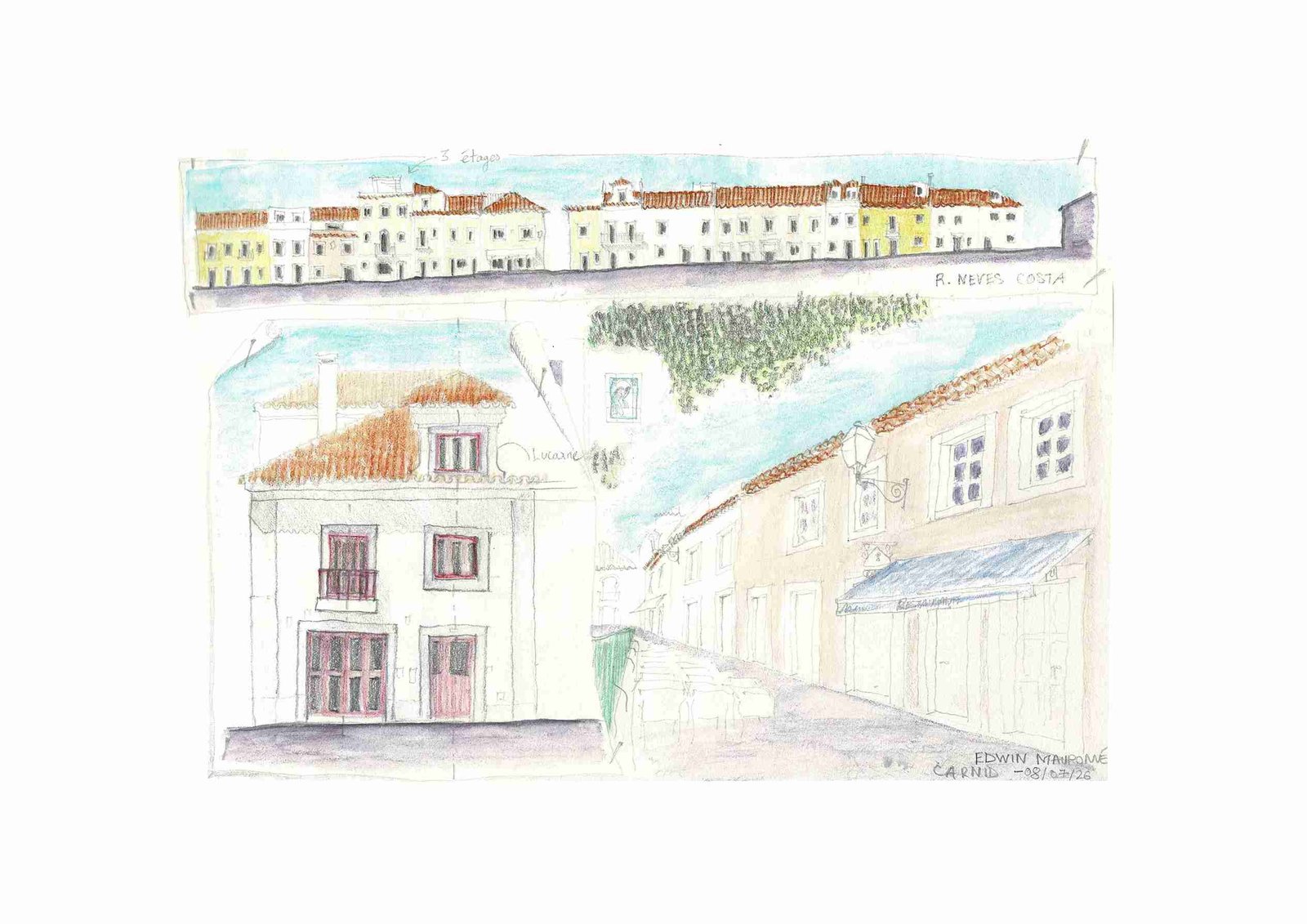
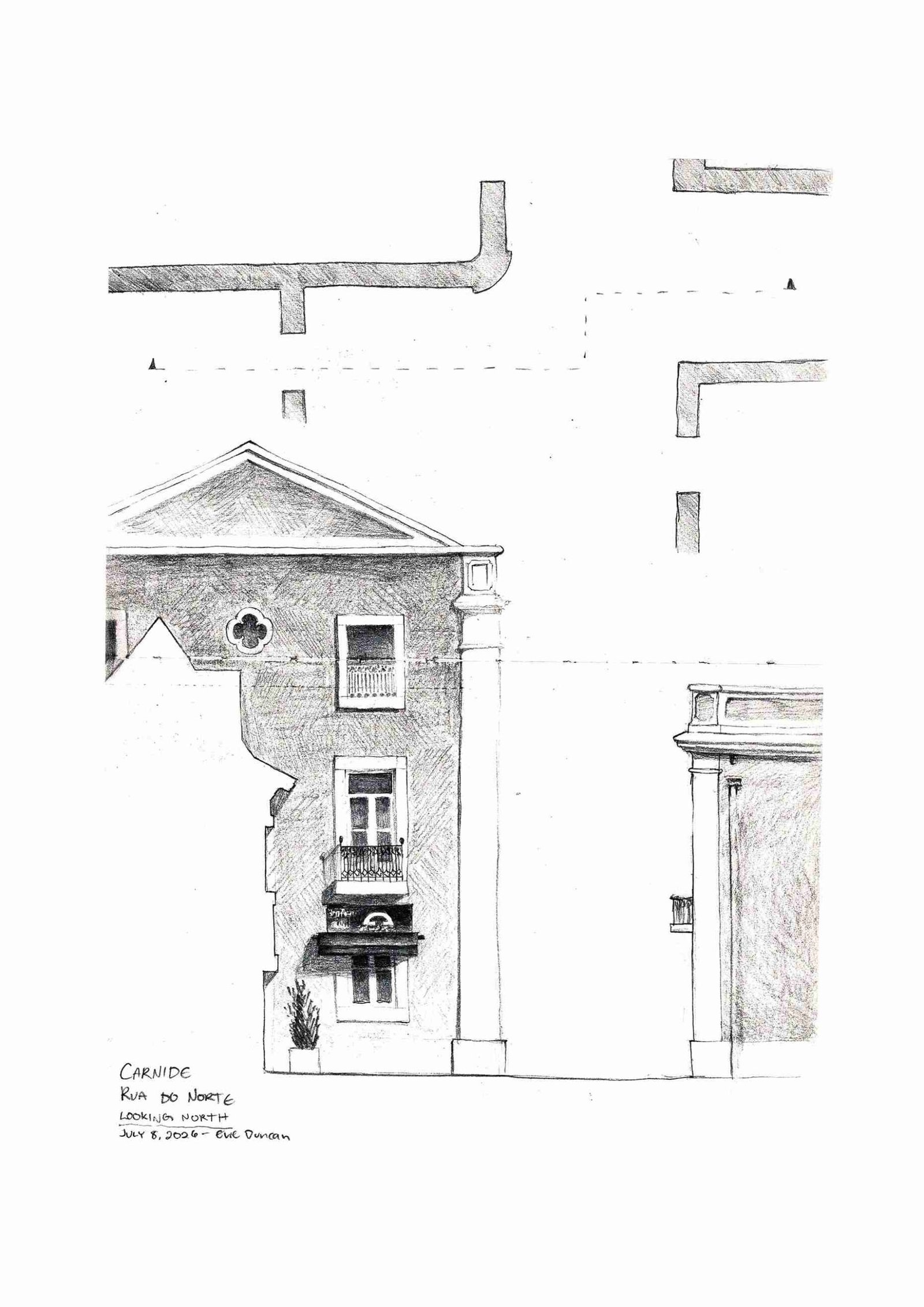
The program was organized by the Traditional Building Cultures Foundation, thanks to Richard H. Driehaus, with the support of the Lisbon City Council, Universidade NOVA de Lisboa, Fundação Serra Henriques, INTBAU Portugal, INTBAU Spain, and José Baganha & Arquitectos Associados, Lda. A number of scholarships were also awarded thanks to the Richard Hampton Jenrette Foundation, Enero Arquitectura, Fundação Serra Henriques, Heure Bleue Architecture, Lucien Steil, and Fundación Arquia. The Summer School was also organized in collaboration with the schools of architecture at the University of Notre Dame, the University of Miami, the Universidad Politécnica de Madrid, the Universidad del País Vasco, the Universidade de Lisboa, the Instituto Universitário de Lisboa, and the Universidade Portucalense, as well as the Centro de Investigación de Arquitectura Tradicional (CIAT).
The teaching and organizing team consisted of Alejandro García Hermida (Universidad Politécnica de Madrid | Traditional Building Cultures Foundation | INTBAU Spain), Guillermo Gil Fernández (Traditional Building Cultures Foundation | INTBAU Spain), Rebeca Gómez-Gordo Villa (Traditional Building Cultures Foundation | INTBAU Spain), Felipe Barrero Giraldo (Traditional Building Cultures Foundation), Larisa Hățiș (Traditional Building Cultures Foundation), José Baganha (Traditional Building Cultures Foundation | INTBAU Portugal), Aritz Díez Oronoz (Universidad del País Vasco), Imanol Iparraguirre Barbero (Universidad del País Vasco), Ana Álvarez (Martinez Alvarez Architects), Frank Martínez (University of Miami), Fernando Cerqueira Barros (Faculdade de Arquitectura da Universidade do Porto), and Lucien Steil (University of Notre Dame).
The invited lecturers were Maria Manuela Abreu (Universidade de Lisboa), Thiago Braddell (architect), Patrícia Bernardo (Lisbon City Council), António Amado (Universidade de Lisboa), Álvaro Fernandes (Lisbon City Council), Leopoldo Gil Cornet (Traditional Building Cultures Foundation | INTBAU Spain), António Folgado (Centro de Informação Urbana de Lisboa – CIUL), Ana Marçal (Centro de Informação Urbana de Lisboa – CIUL), Rui Florentino (Universidade Portucalense), Paulo Pardelha (Lisbon City Council), João Santa-Rita (architect), Luís Paulo Ribeiro (landscape architect), Carlos Dias Coelho (Universidade de Lisboa), Paulo Diogo (Lisbon City Council), and Miguel Amado (architect).
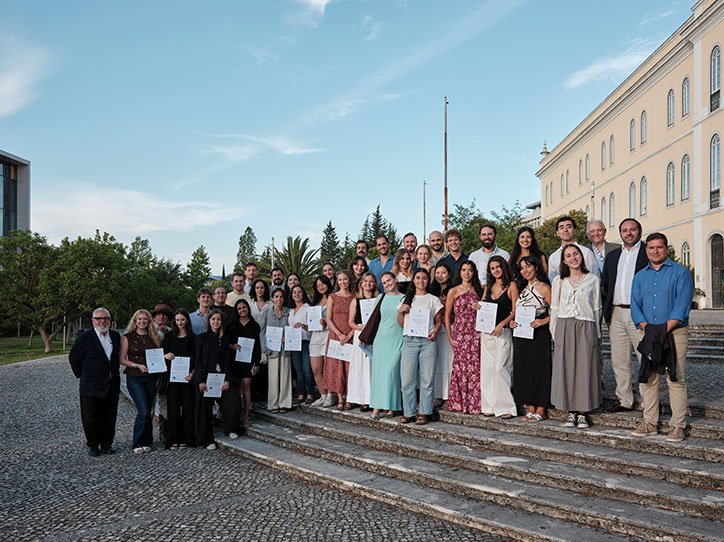
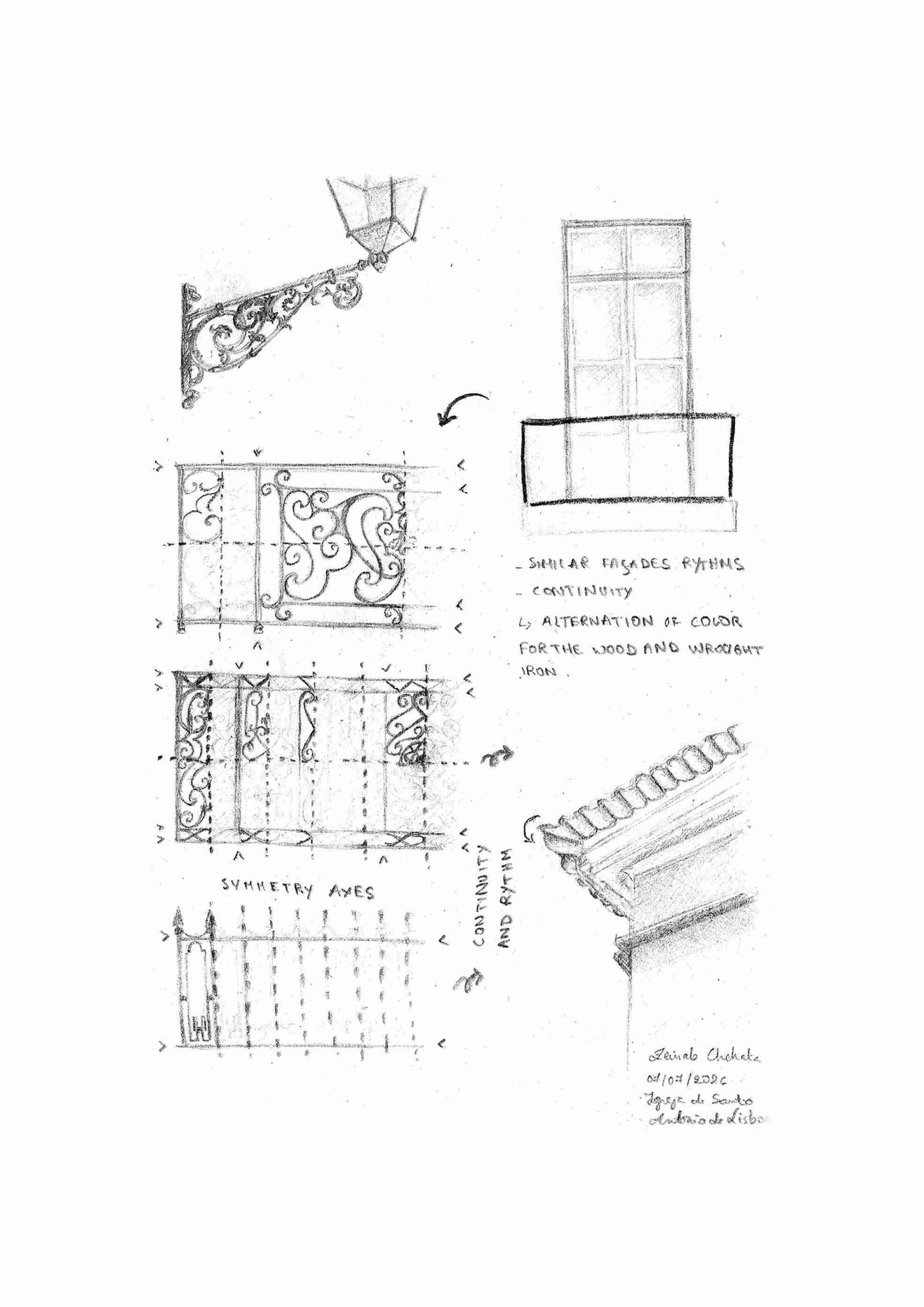
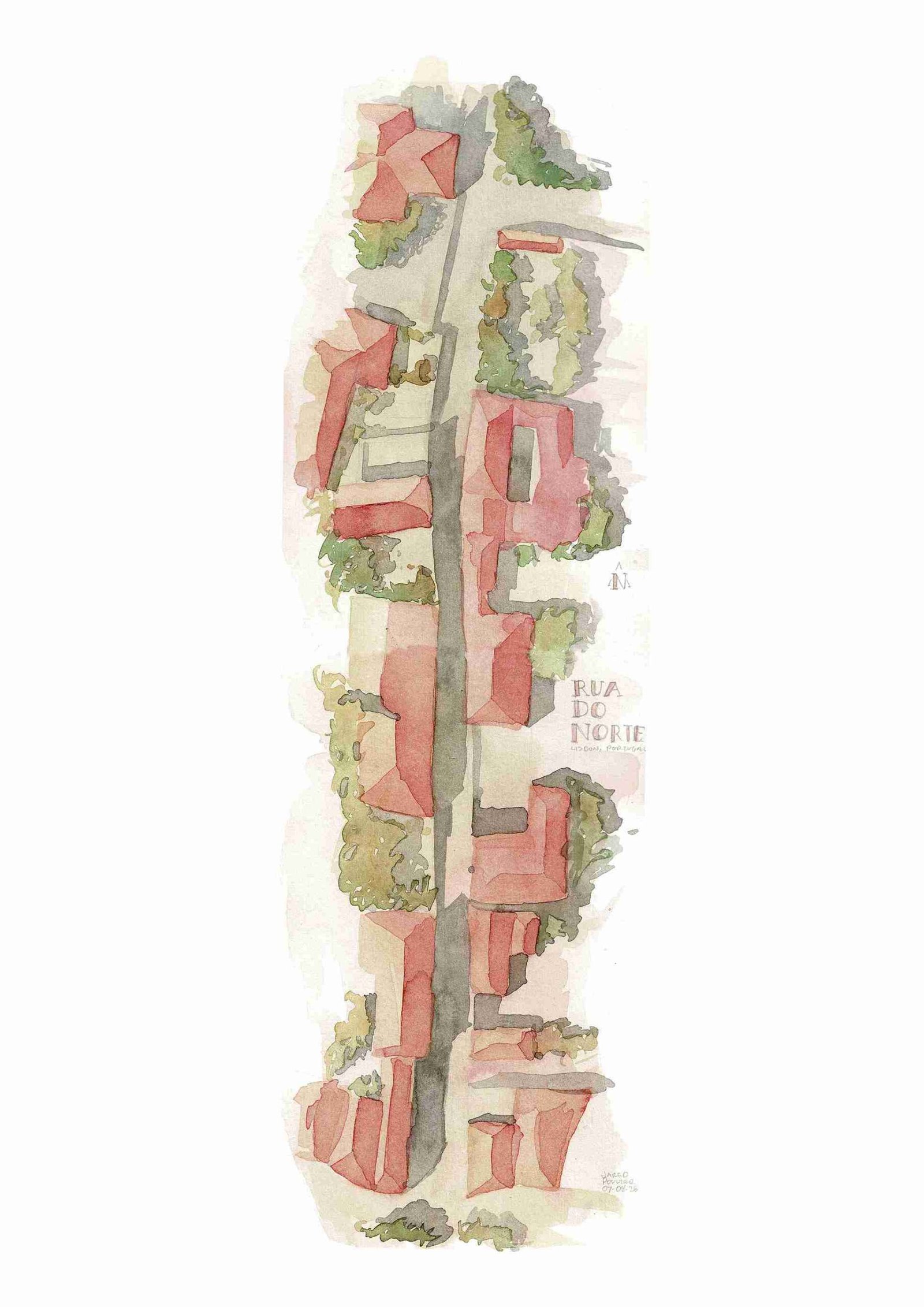
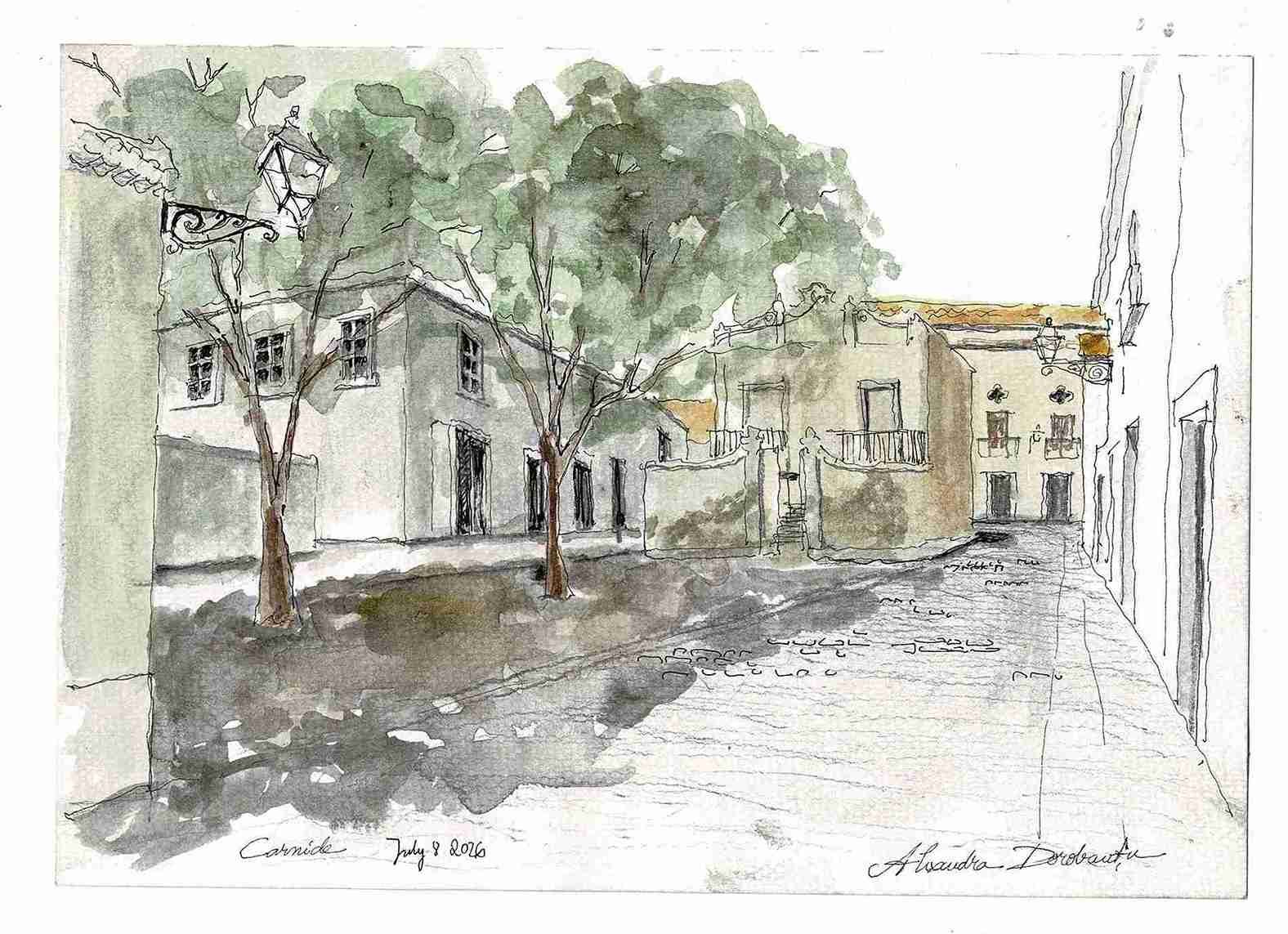
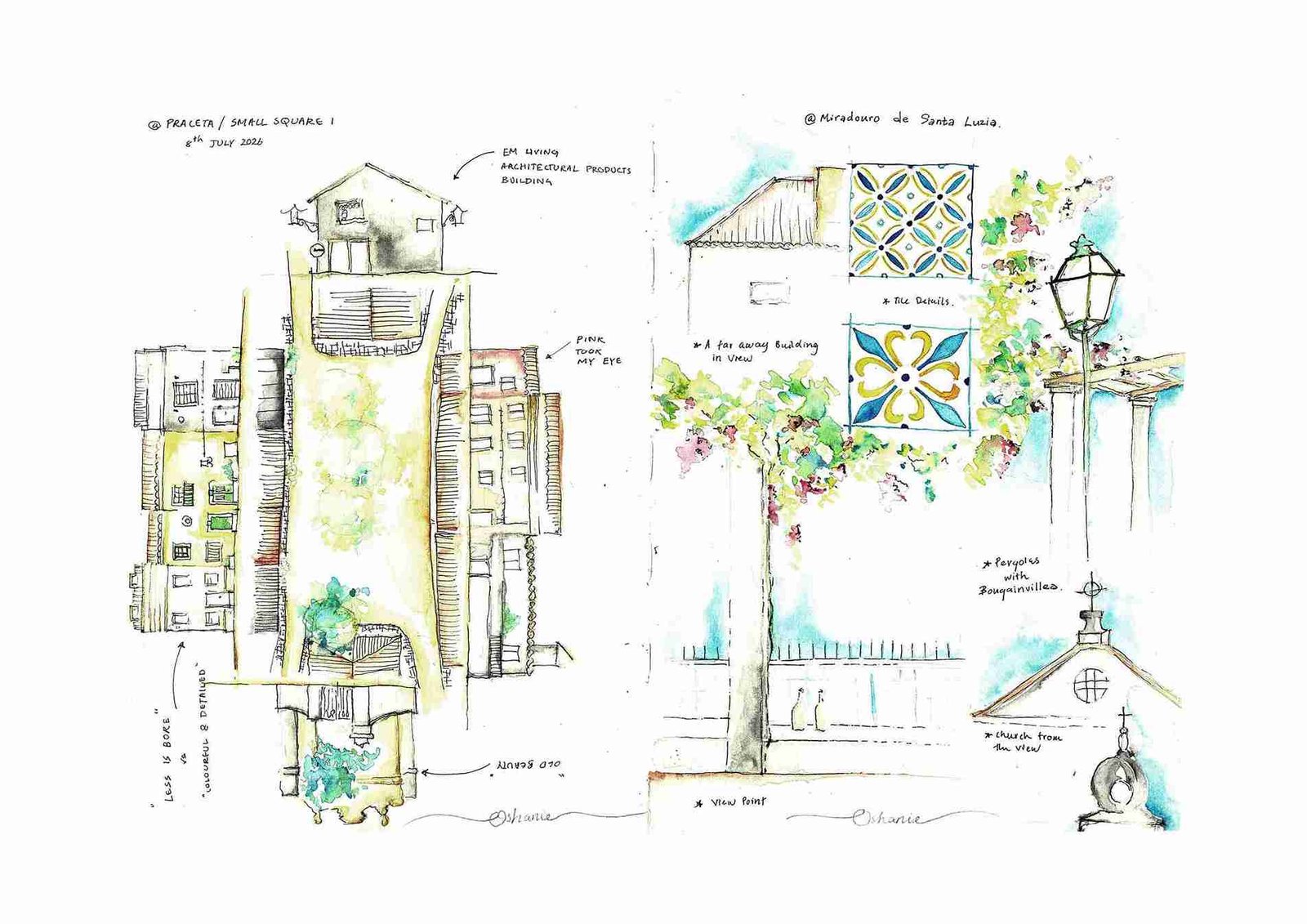
And the participants were Fragka Adami (Greece), Tarus Anca Andreea (Romania), Celia Díaz Blanco (Spain), Barbara Silva Domingos Brandão (Portugal), Claudia Prieto Castro (Spain), Zeinab Chehata (Tunisia), João Cabral da Câmara Vieira da Cruz (Portugal), Maria-Alexandra Dorobantu (Romania), Evelyn Duncan (United States), Adrián Artero González (Spain), Carmen Goyena (Spain), Jorge García Hernanz (Spain), Rosalie Ludwigs (Sweden), Edwin Maupomé (France), Julia McGibbon (United States), Sophia McNiff (United States), Svea Mosser (United States), Emily Pederson (United States), Patricia Llerena Perez (United States), Anna Castellet Portolés (Spain), Jared Poulter (United States), Oshanie Kumudika Rammuthupura (Sri Lanka), Daniela Meneses de Resende (Brazil), Afonso Duarte Bastos da Silva de Mendes Ribeiro (Portugal), Katia Sondang Sitompul (Mexico), Catarina Castro de Souza (Brazil), Katja Turella (Germany), Joseph Vyvlecka (United States), Landon Warner (United States), and Laura Falqueto Yamane (Brazil).
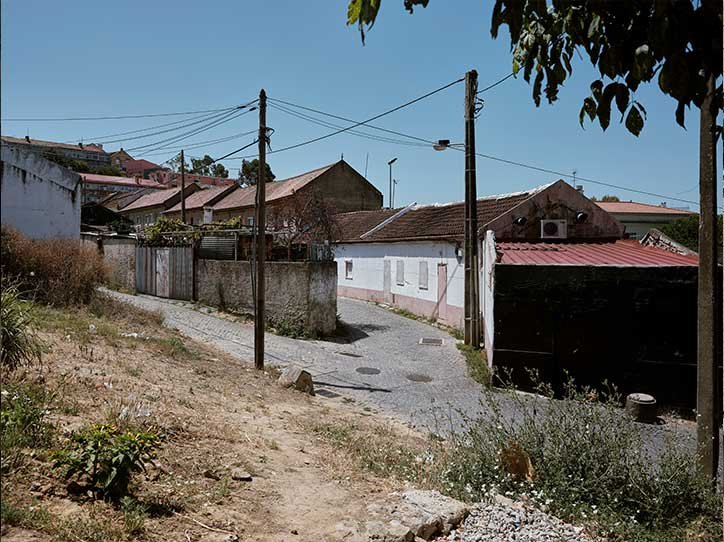
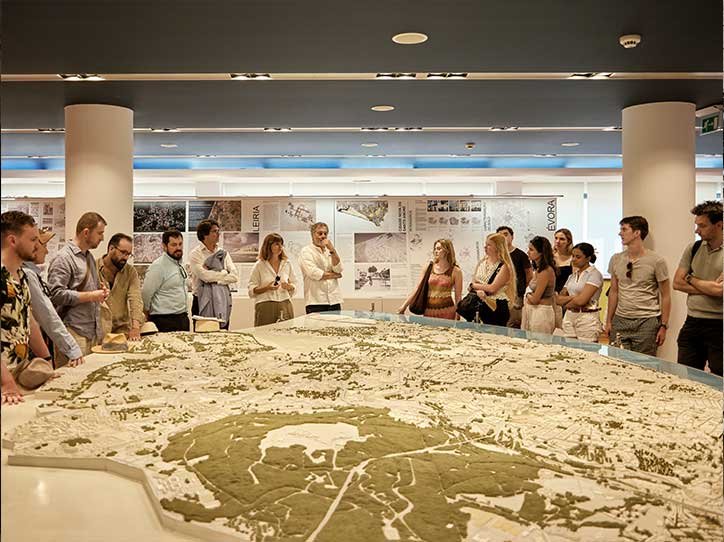
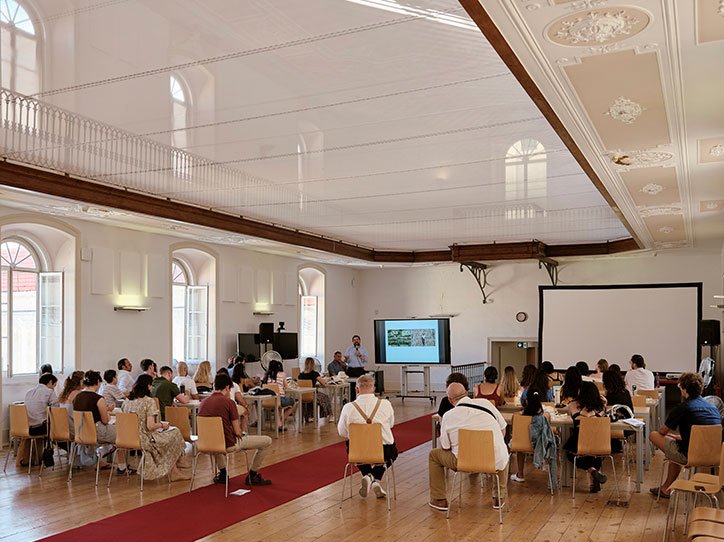
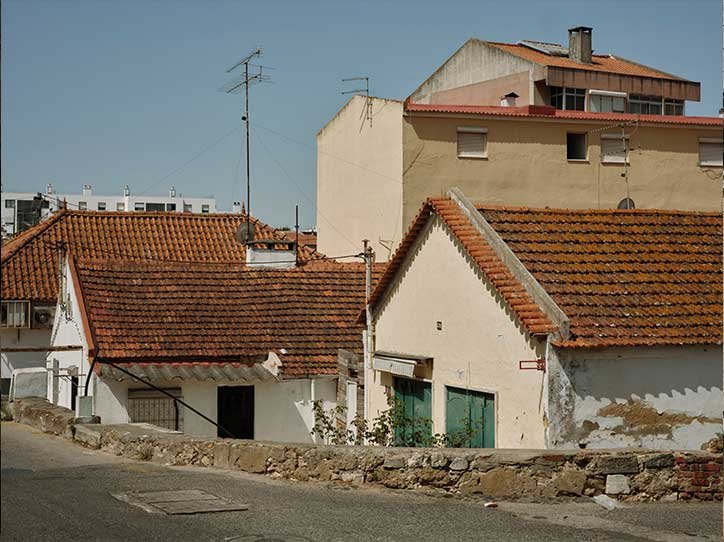
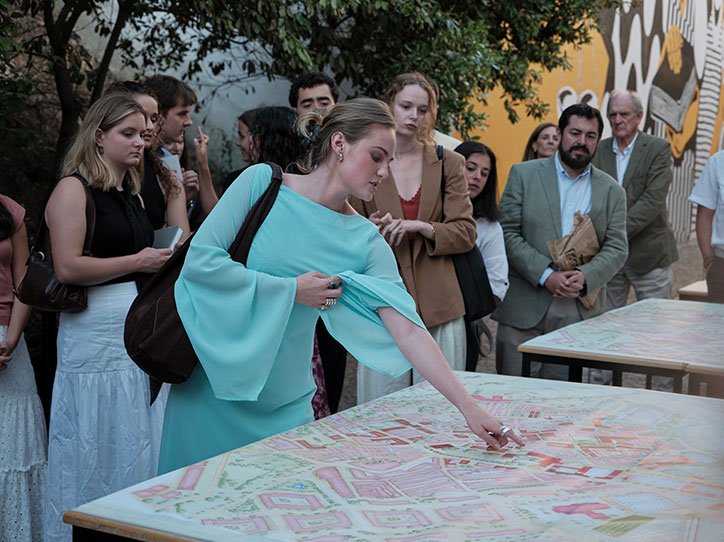
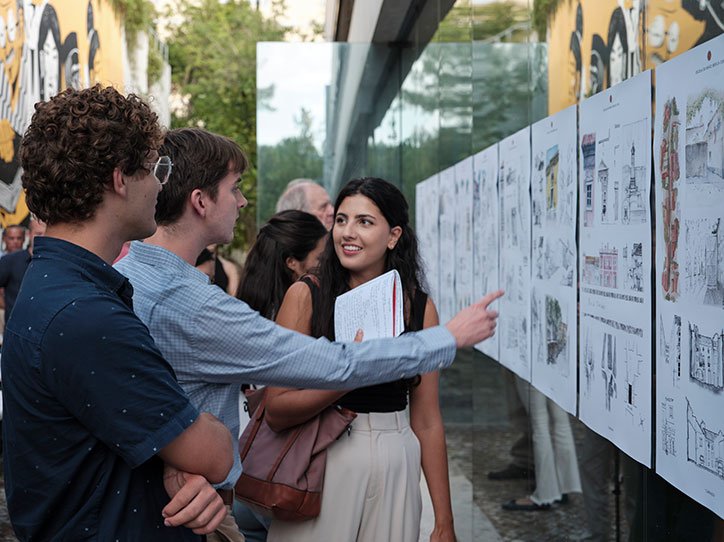
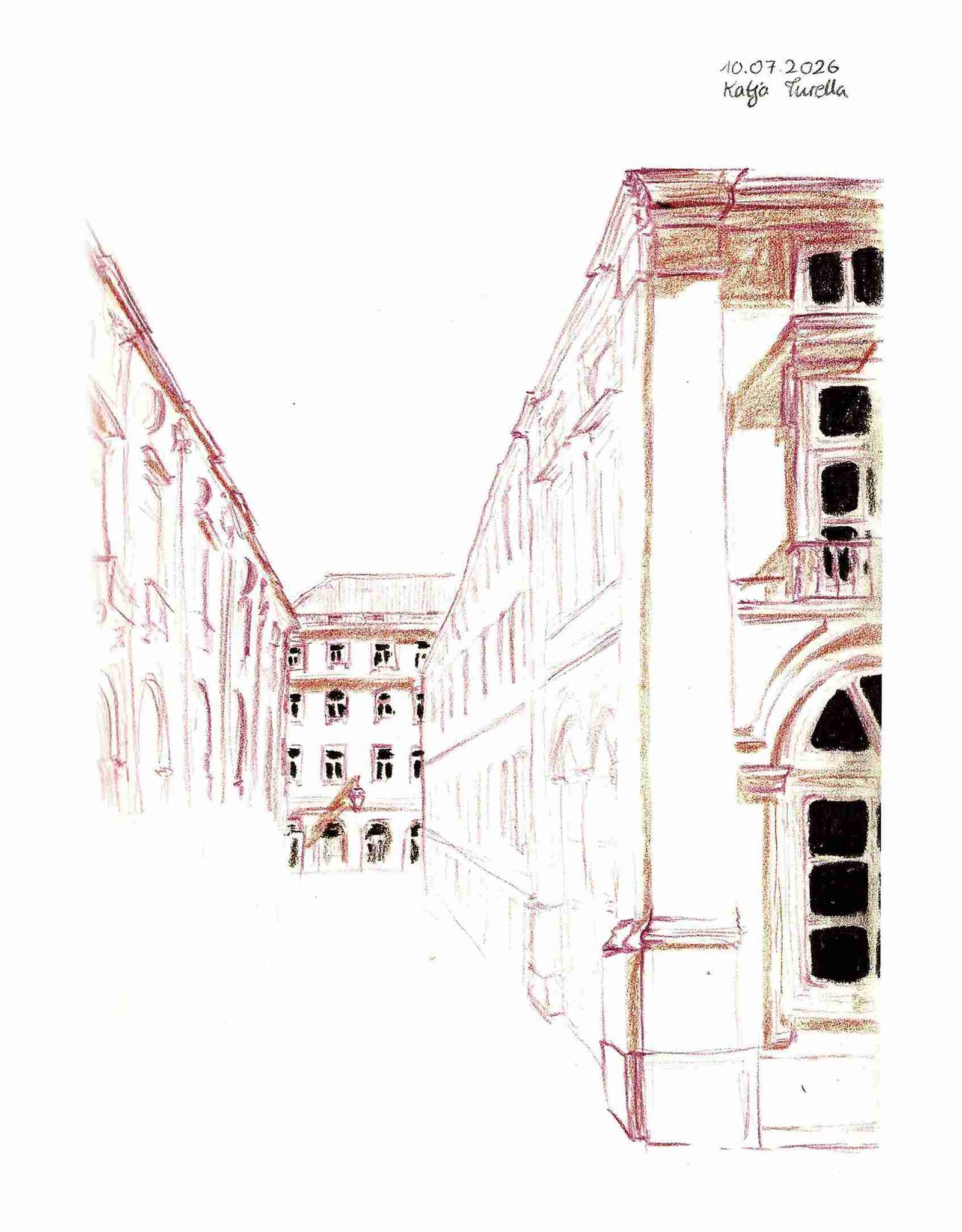
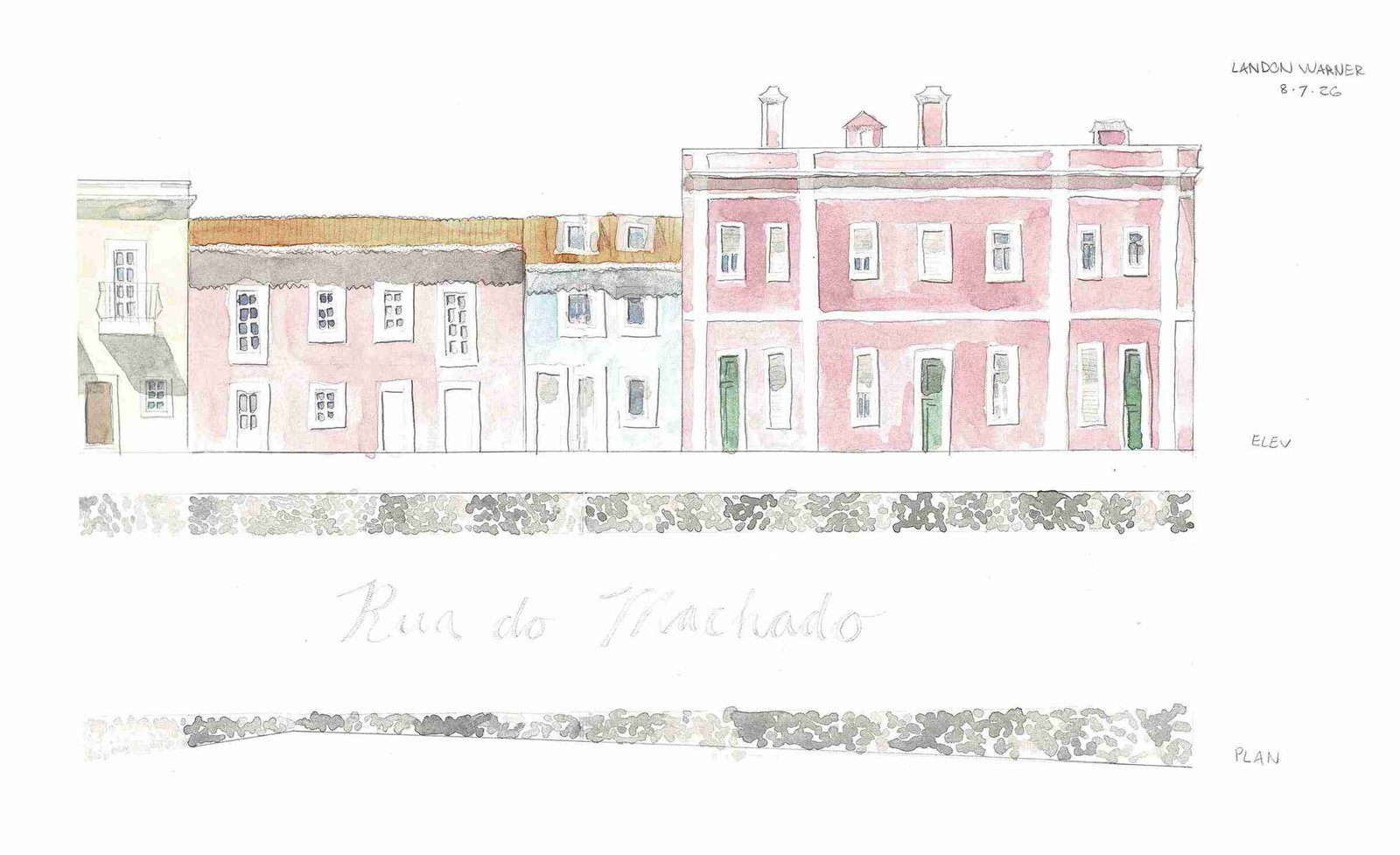
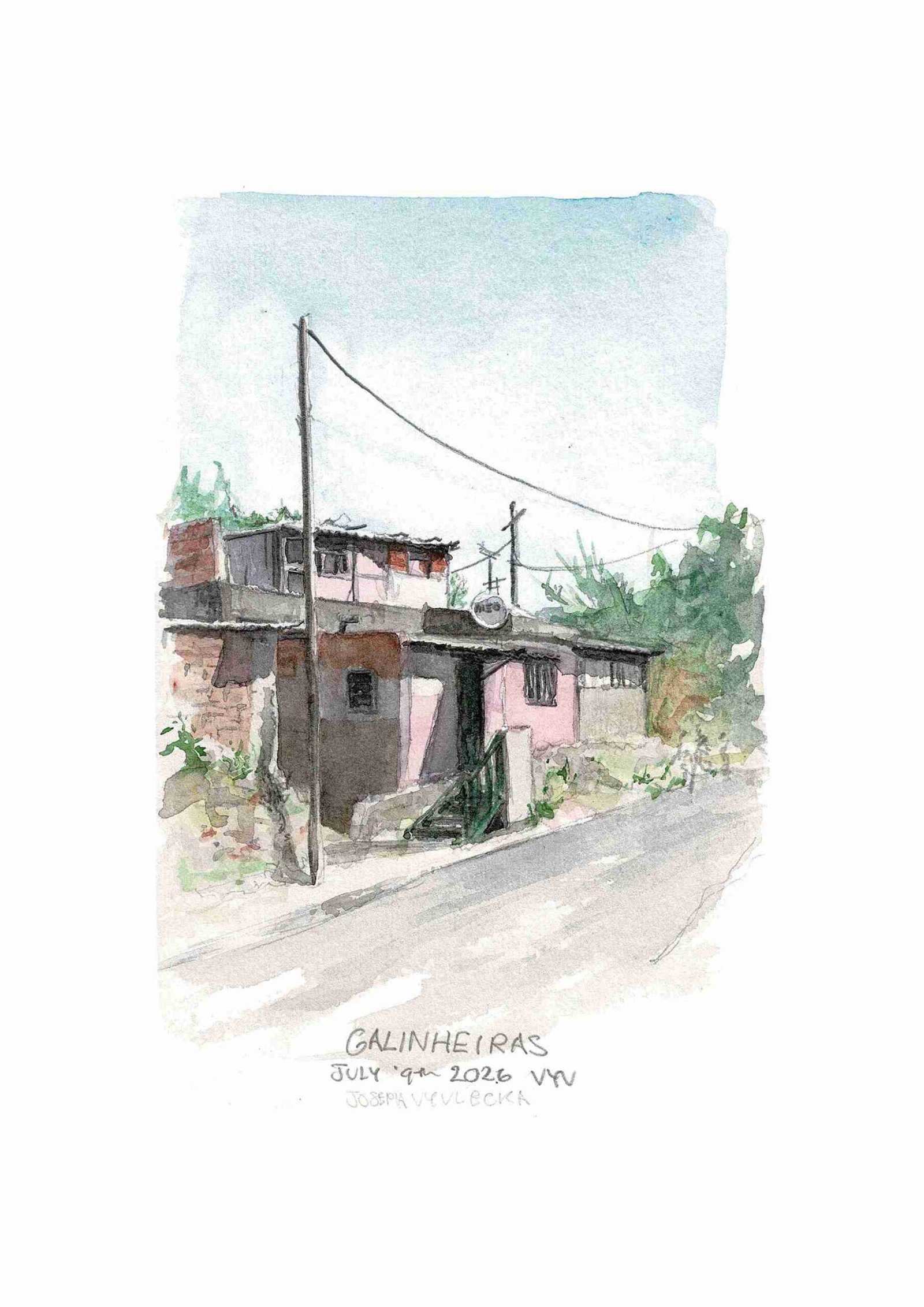
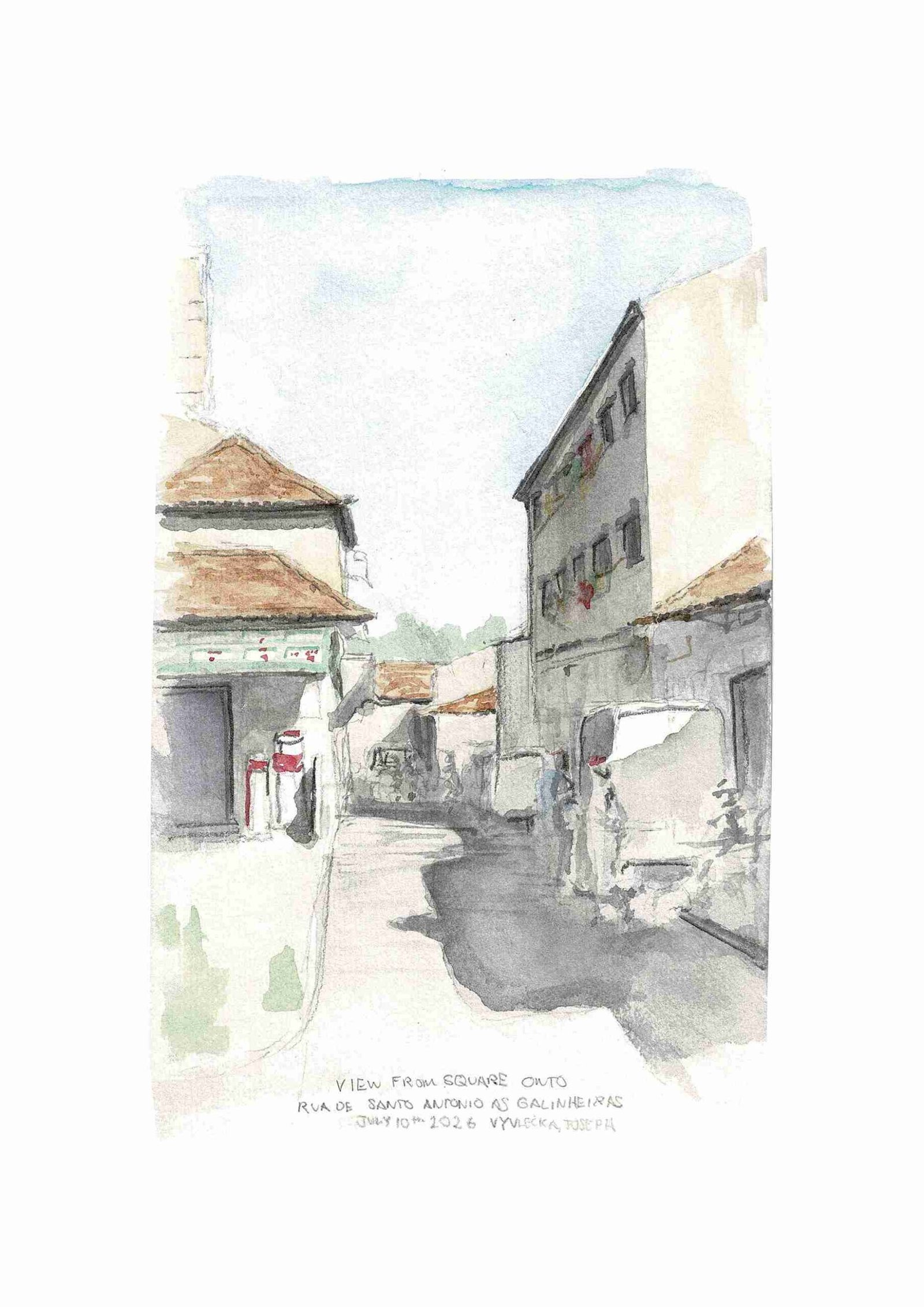
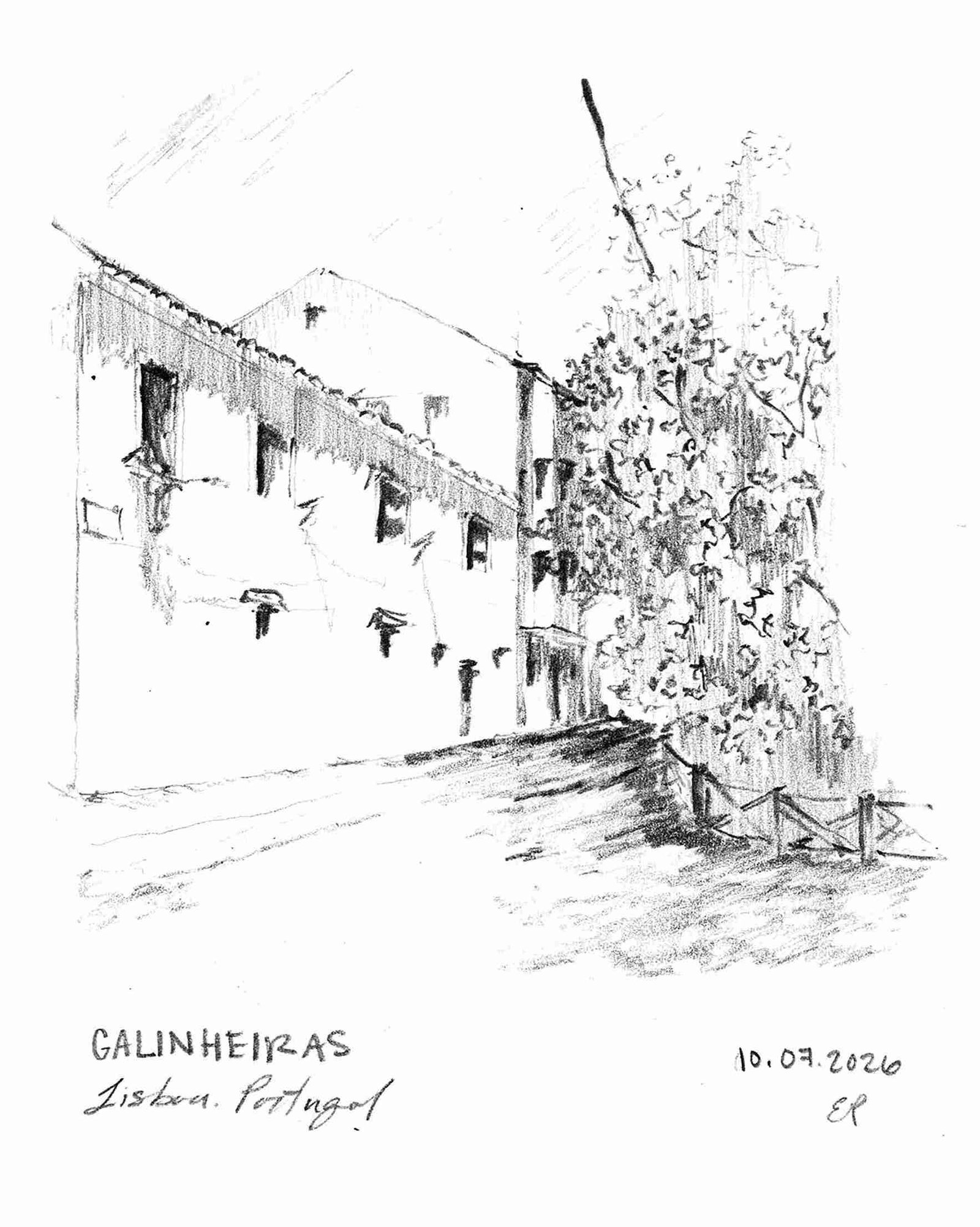
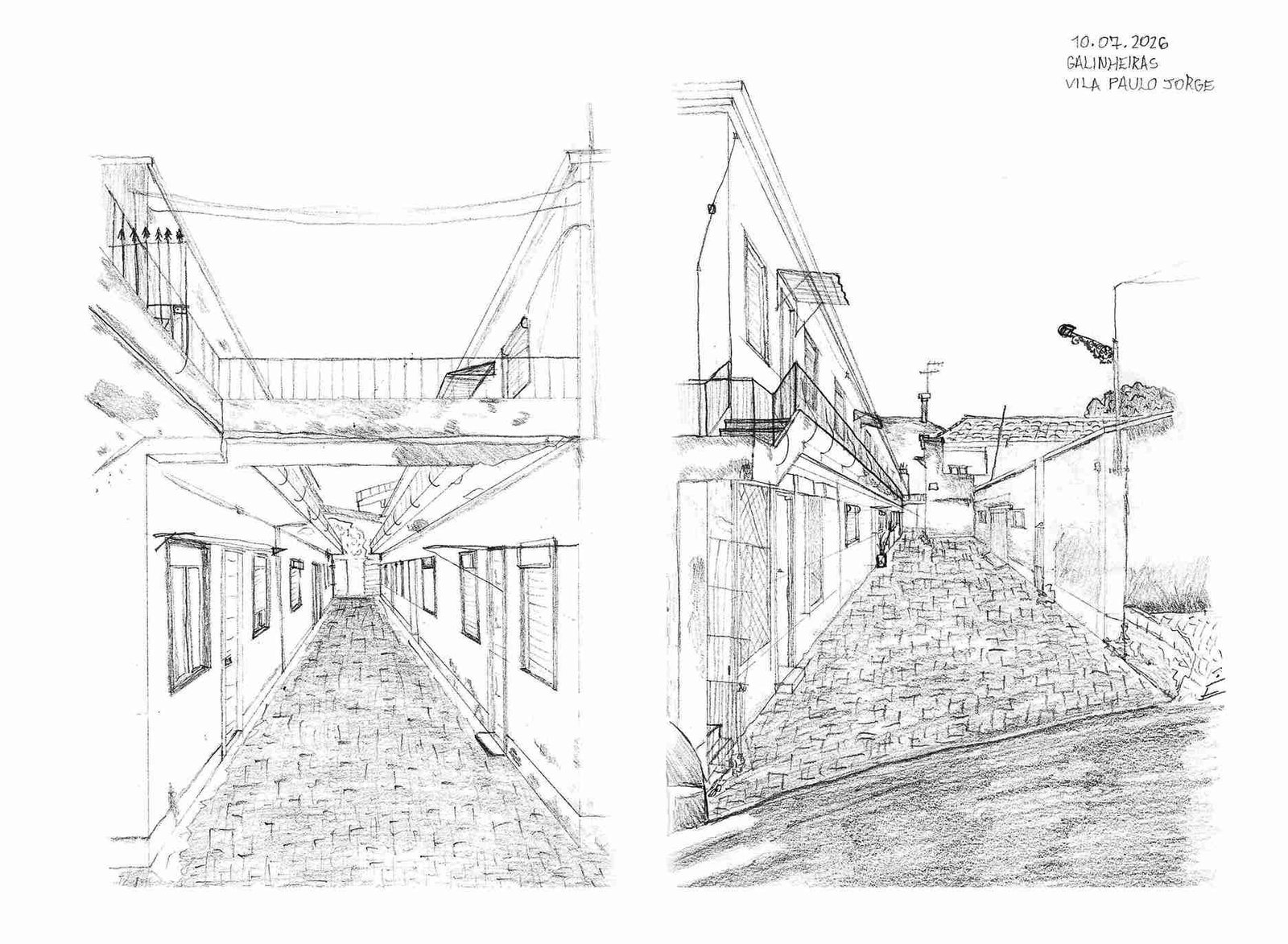
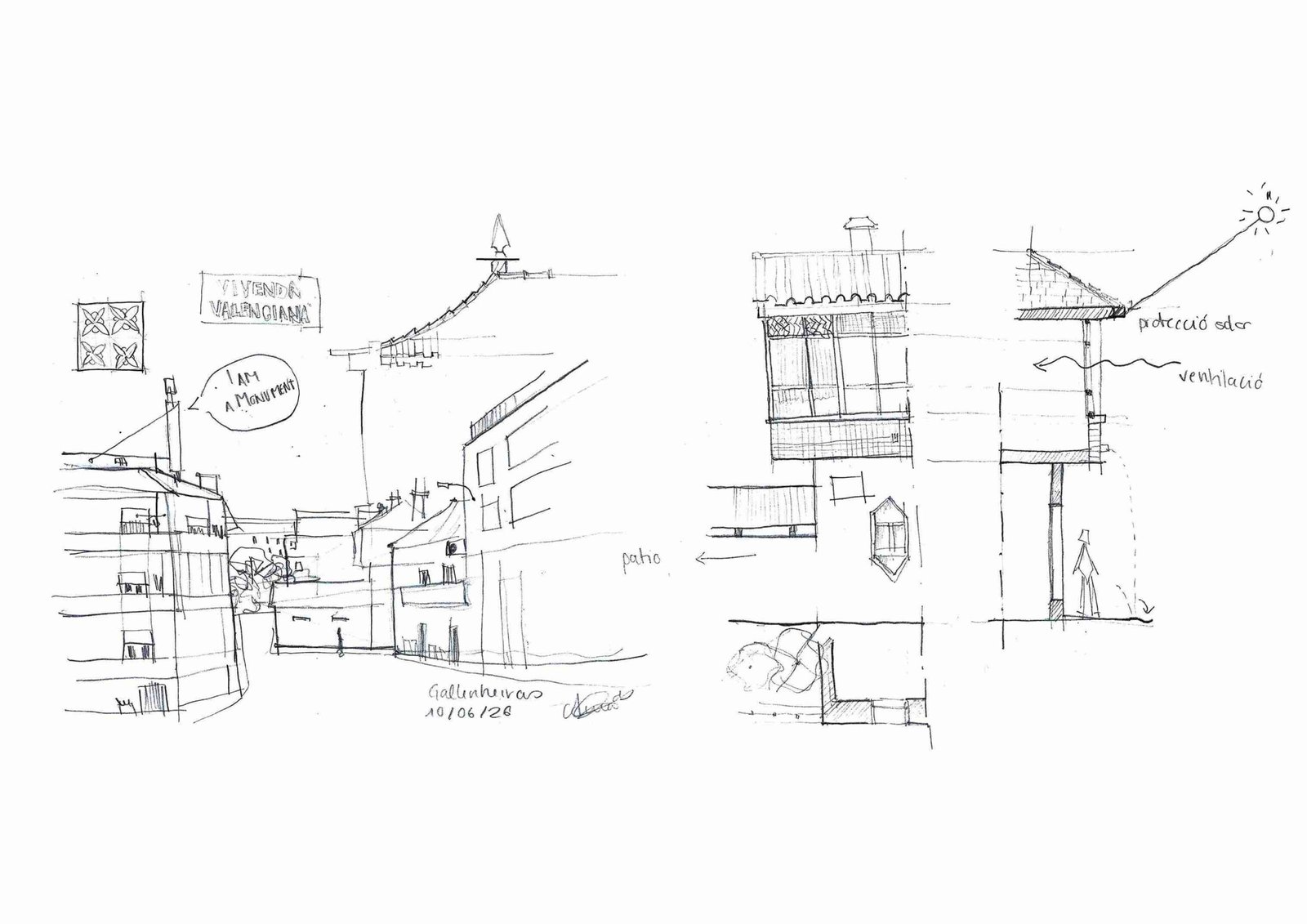
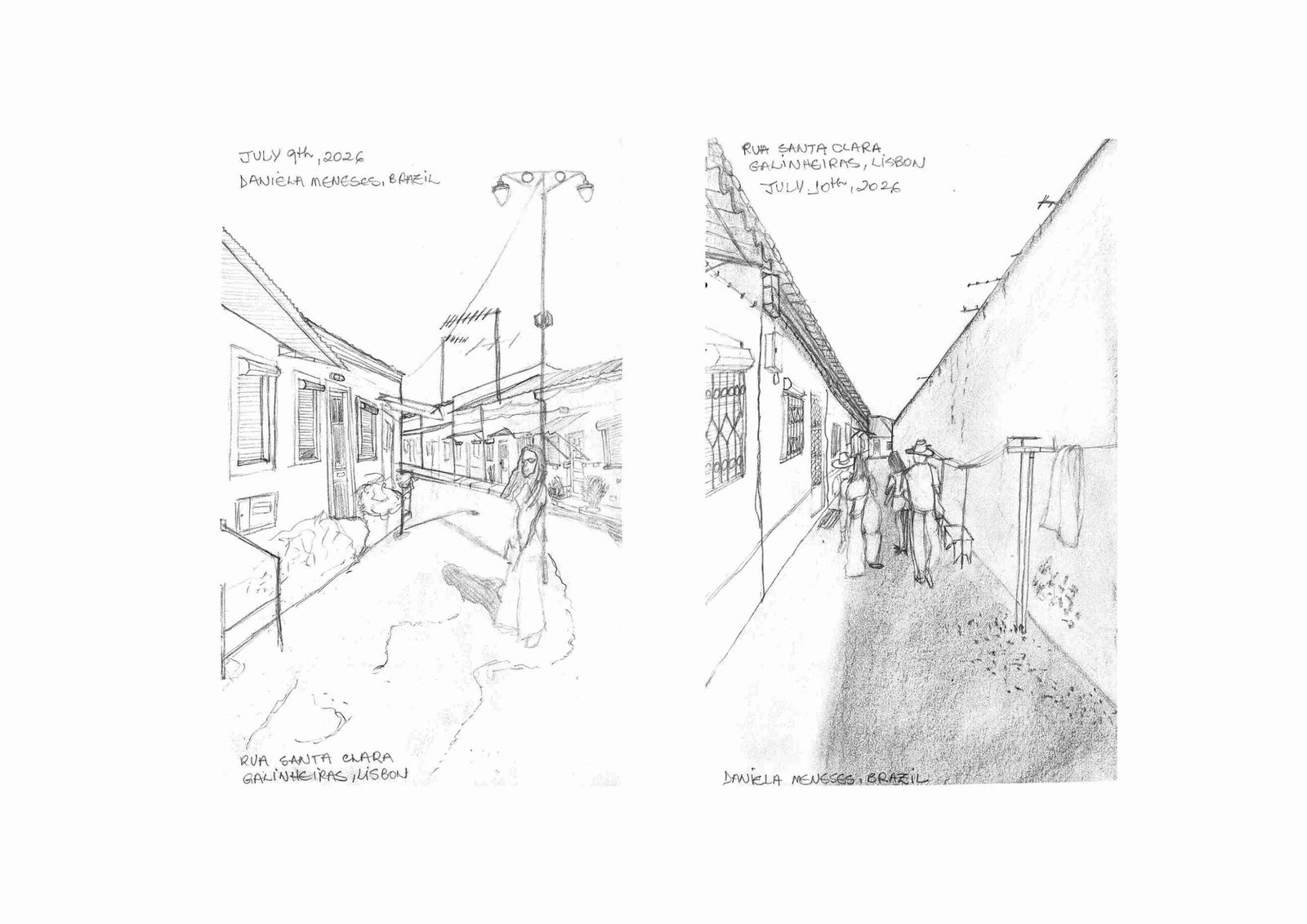
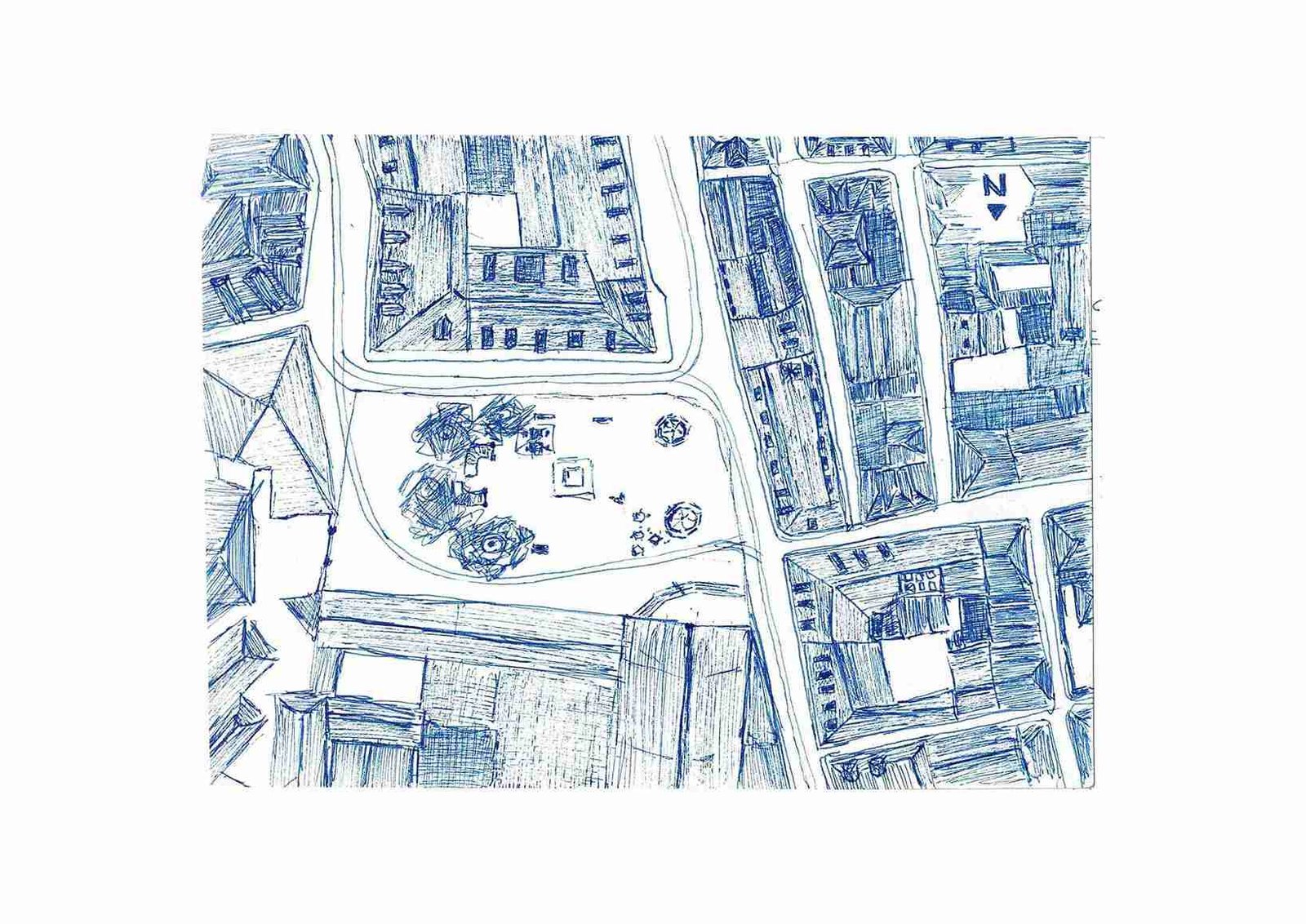
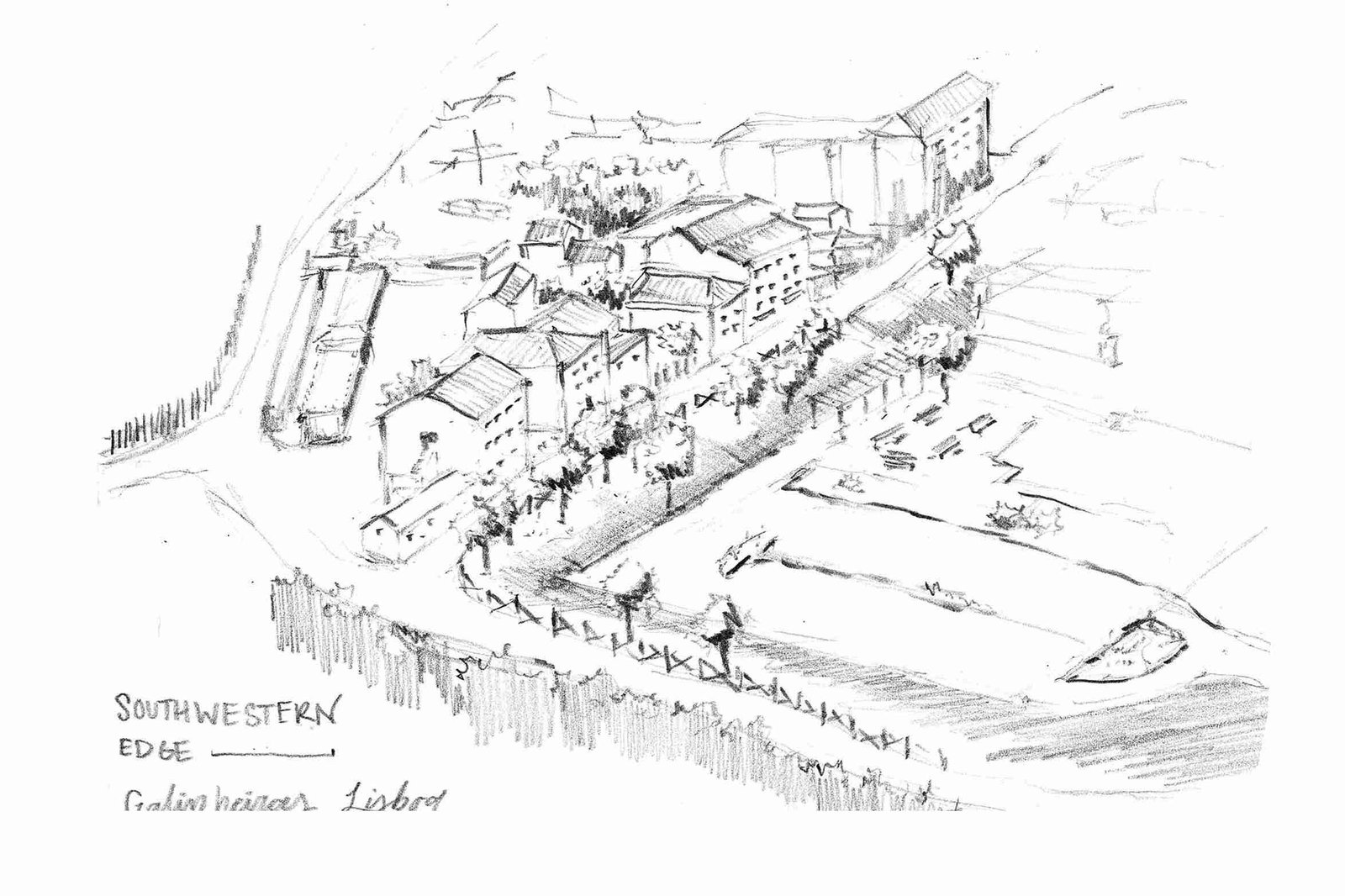
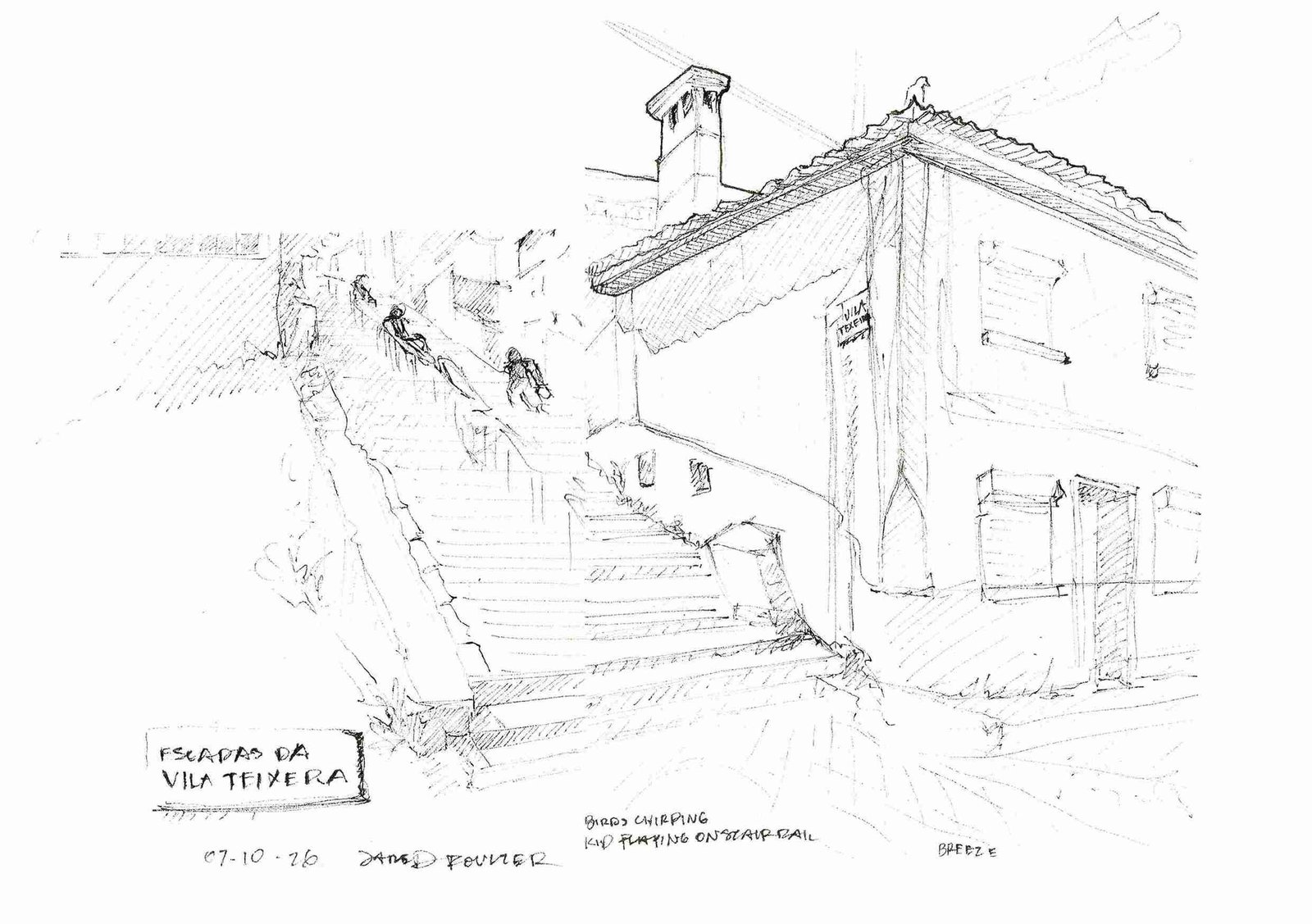
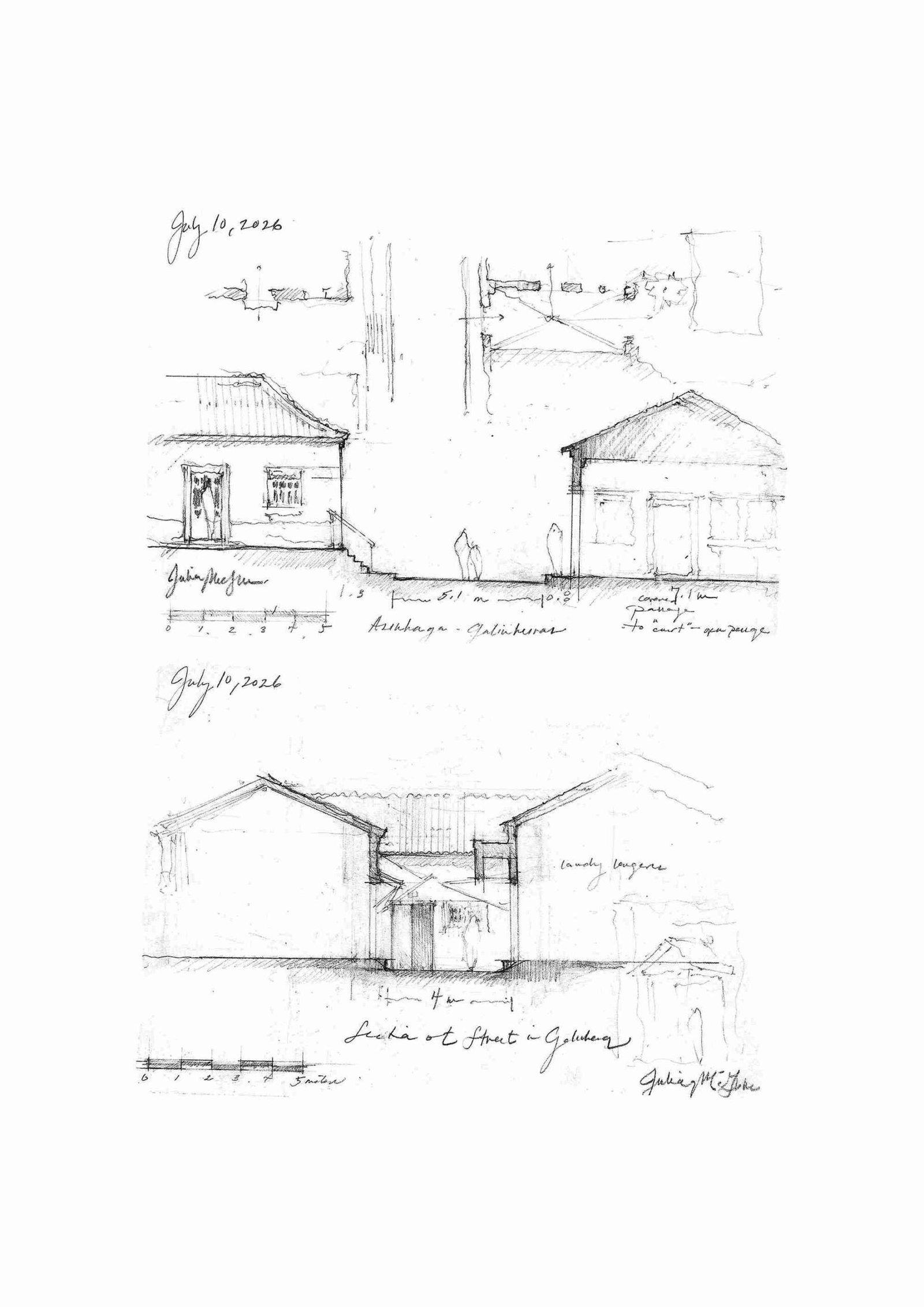
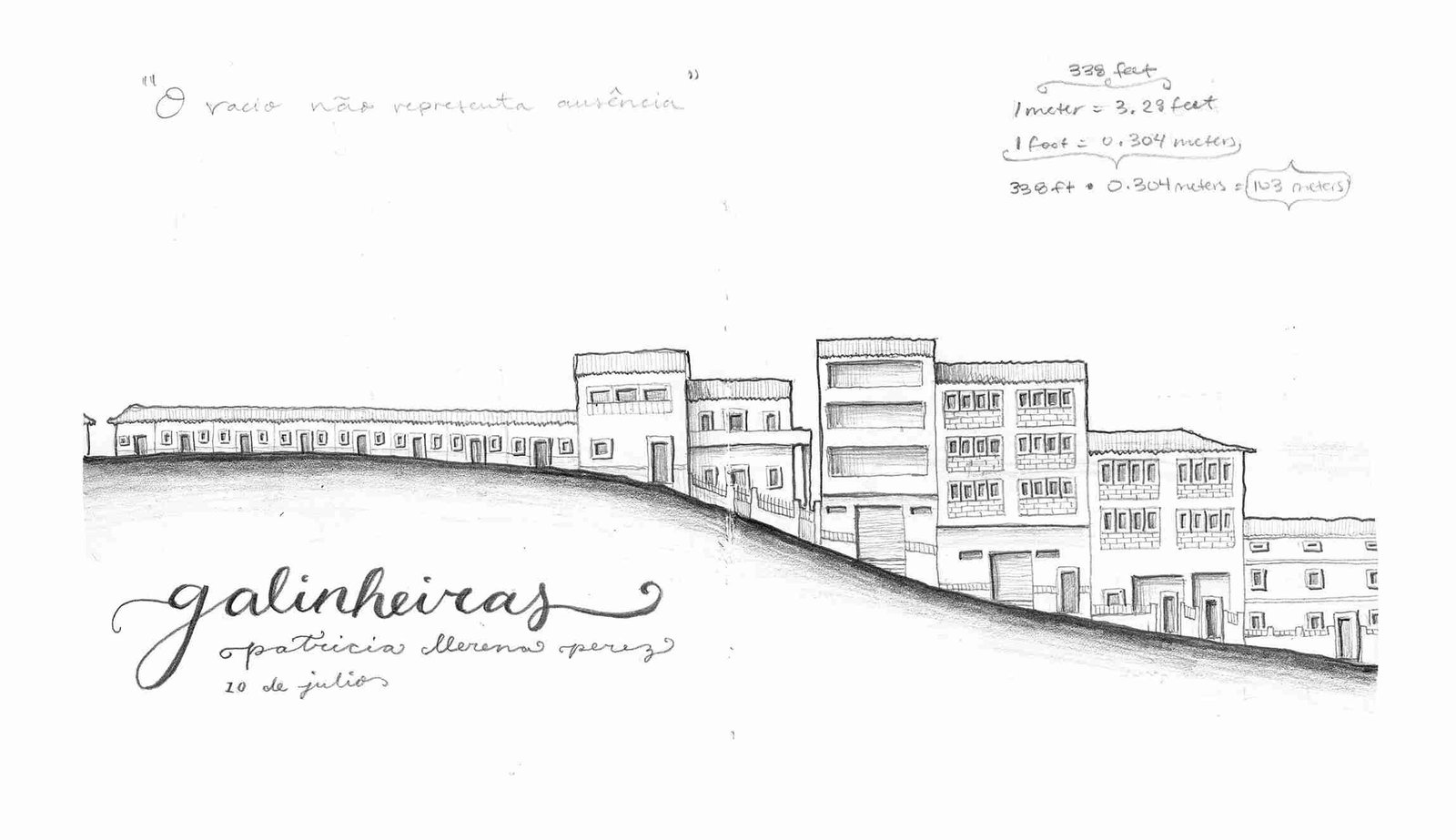
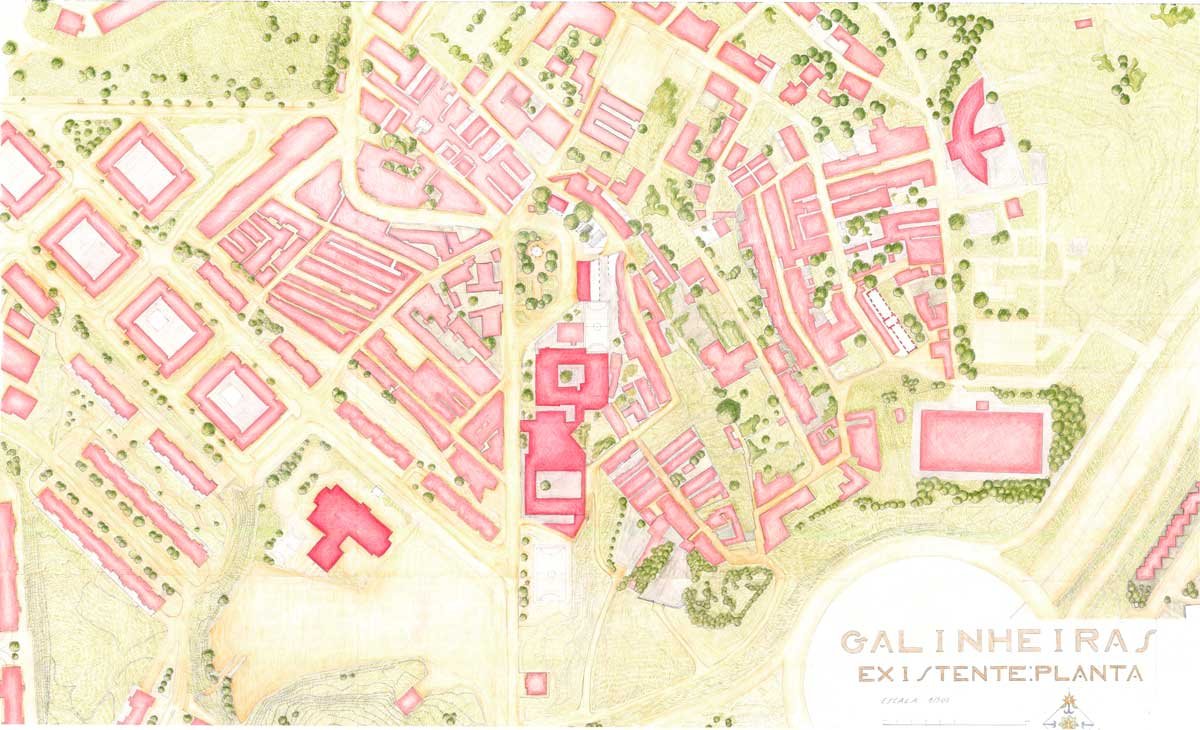
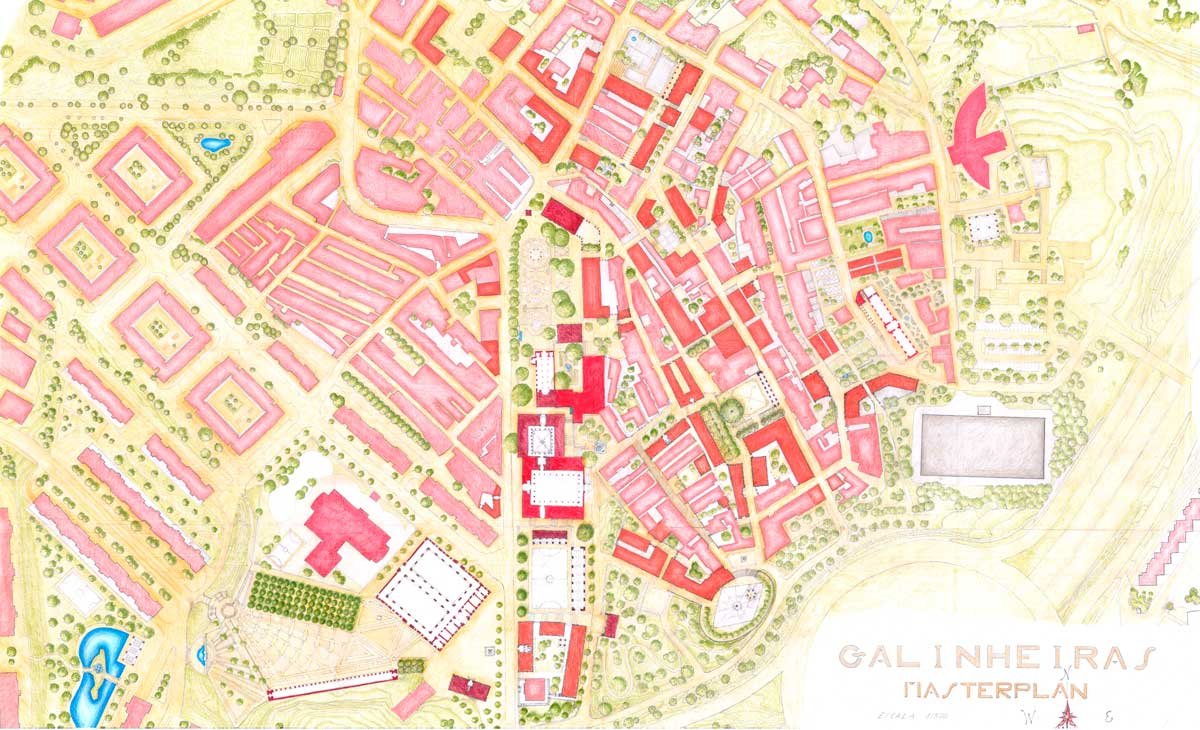
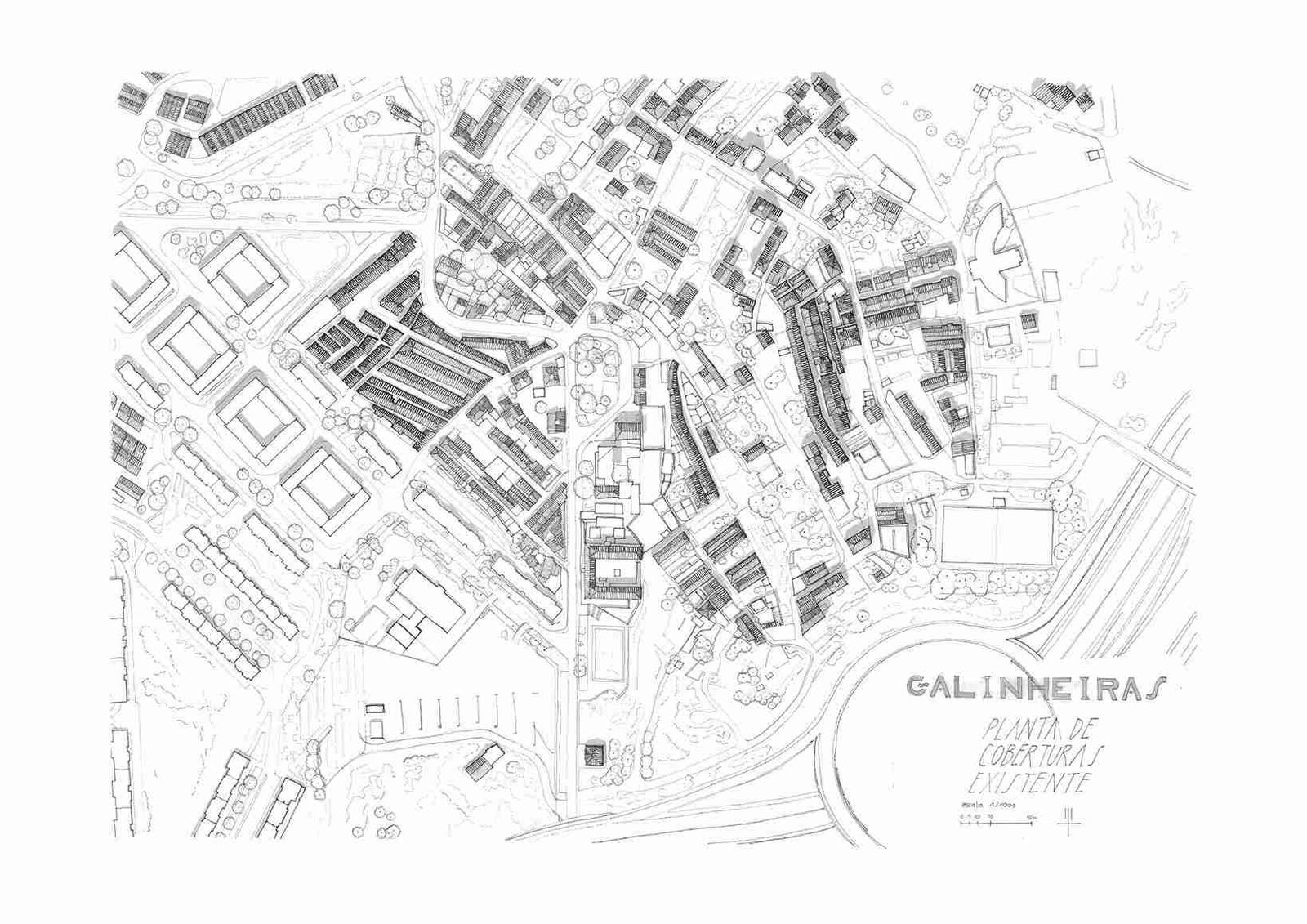
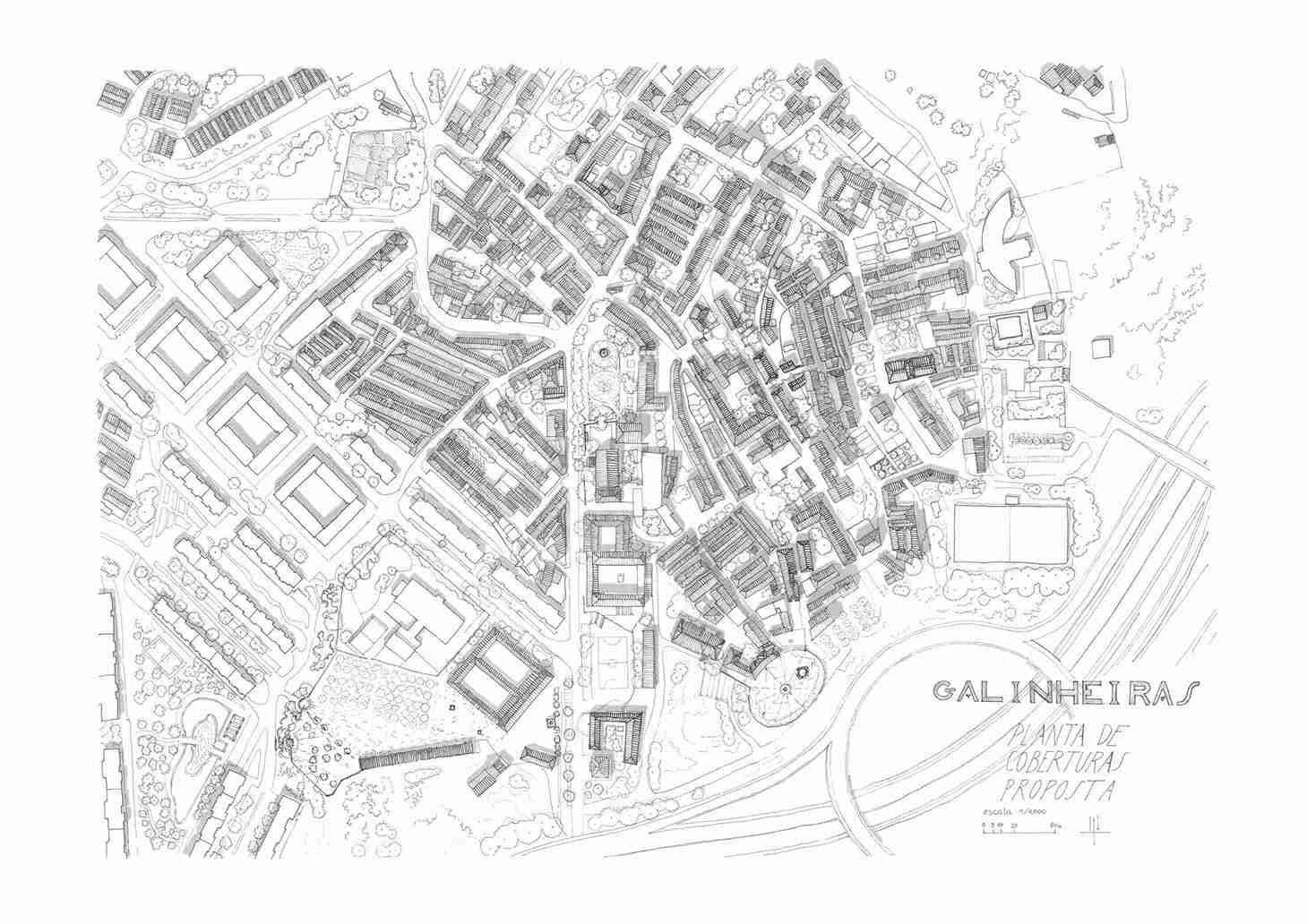
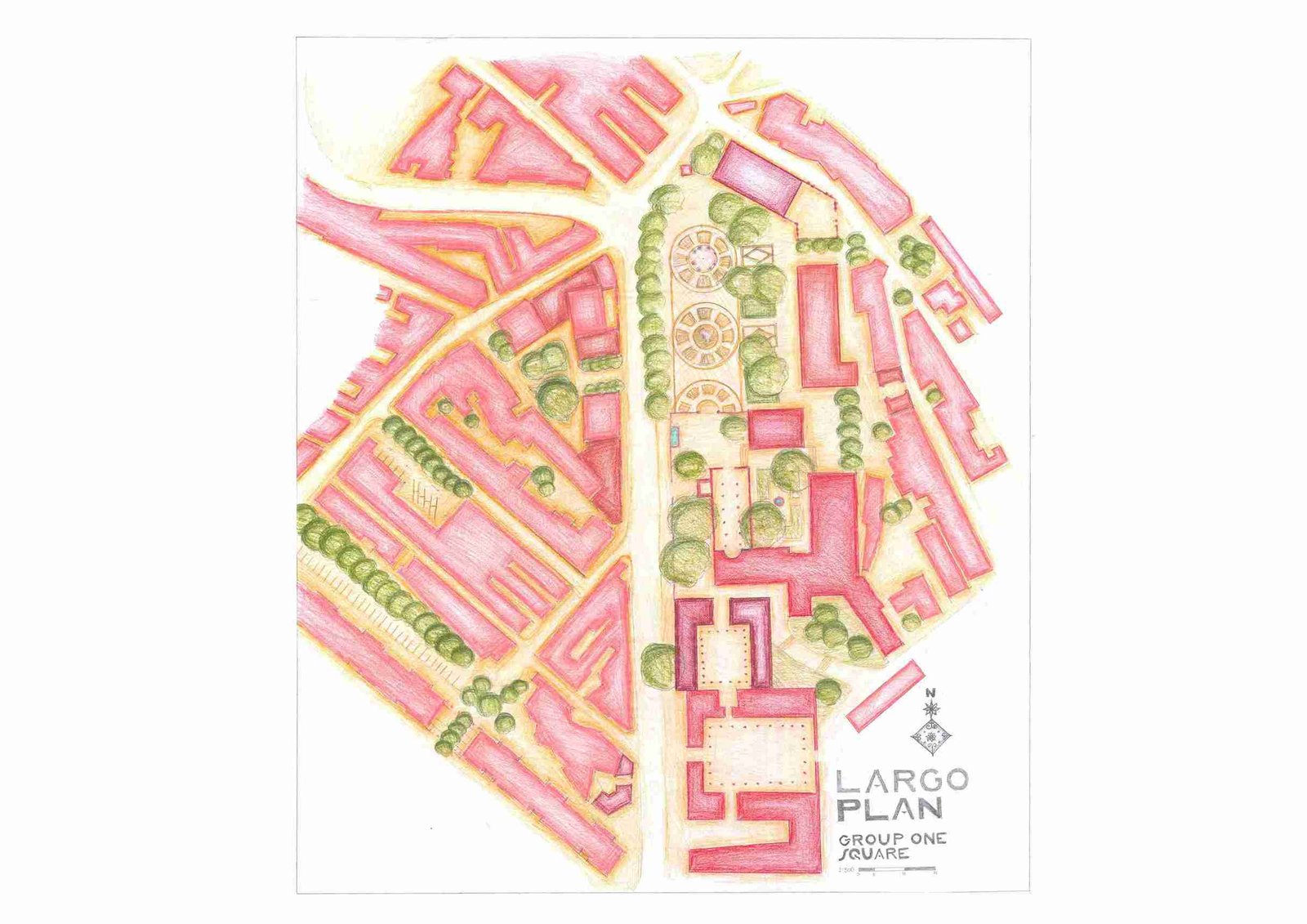
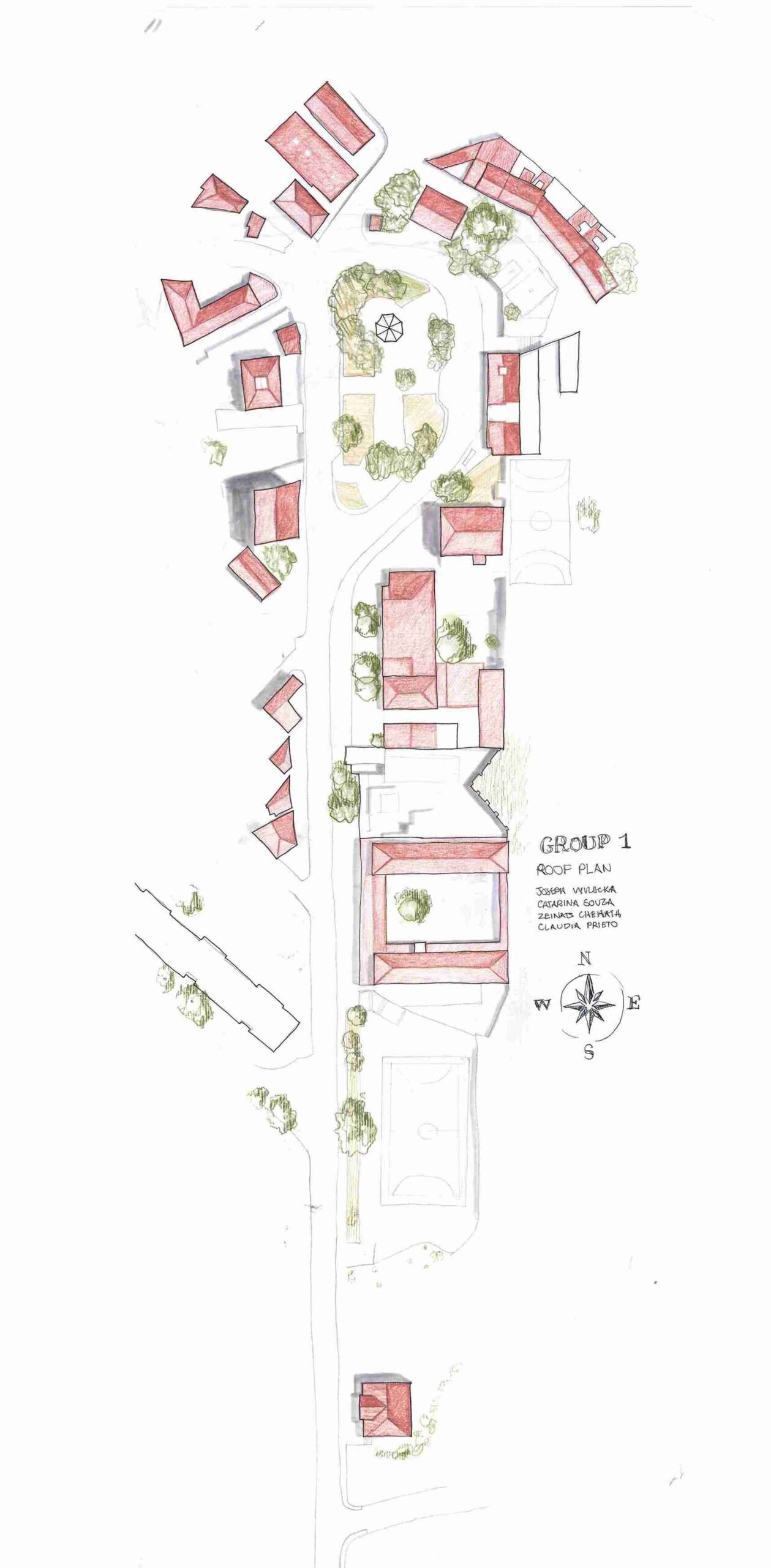
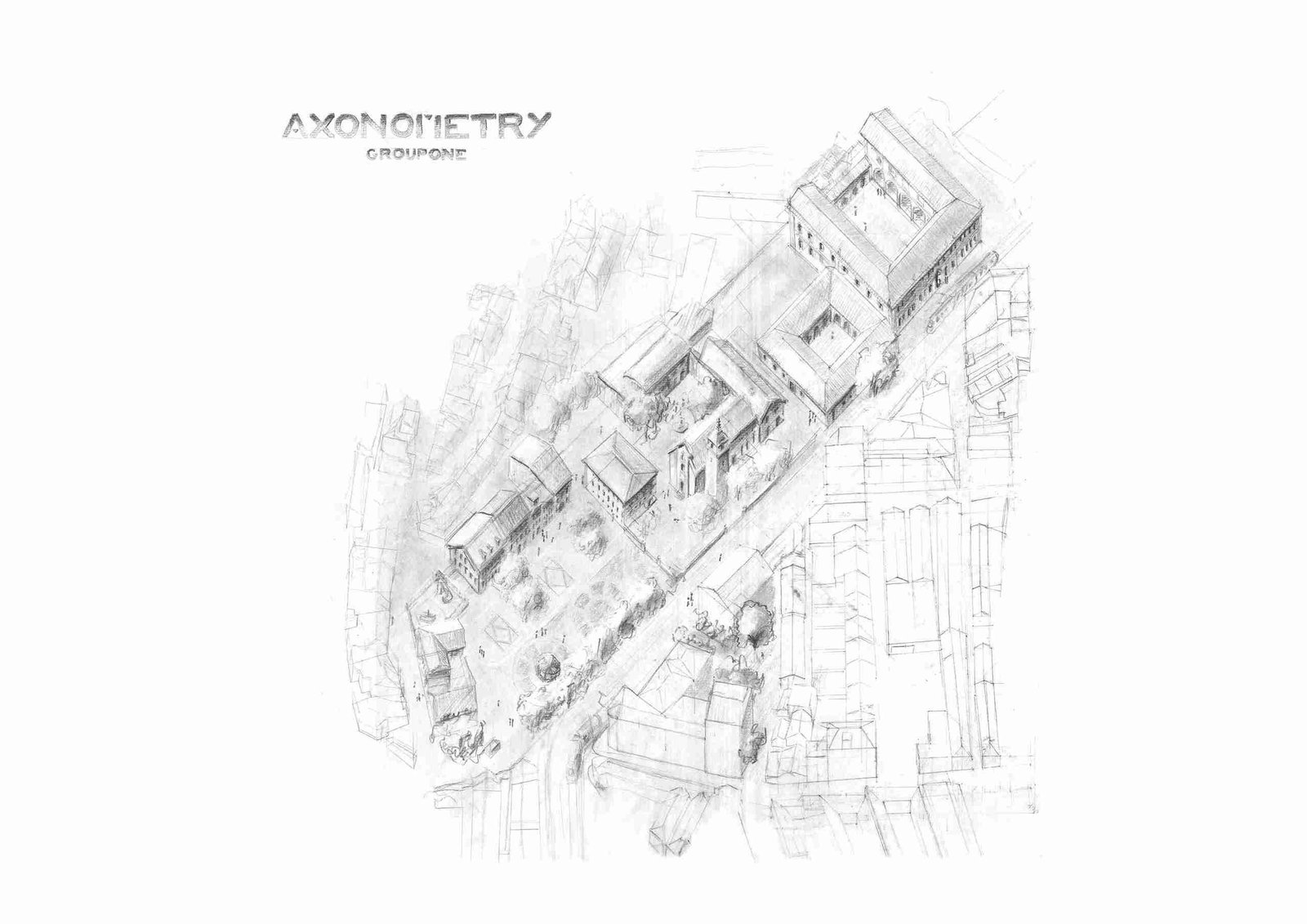
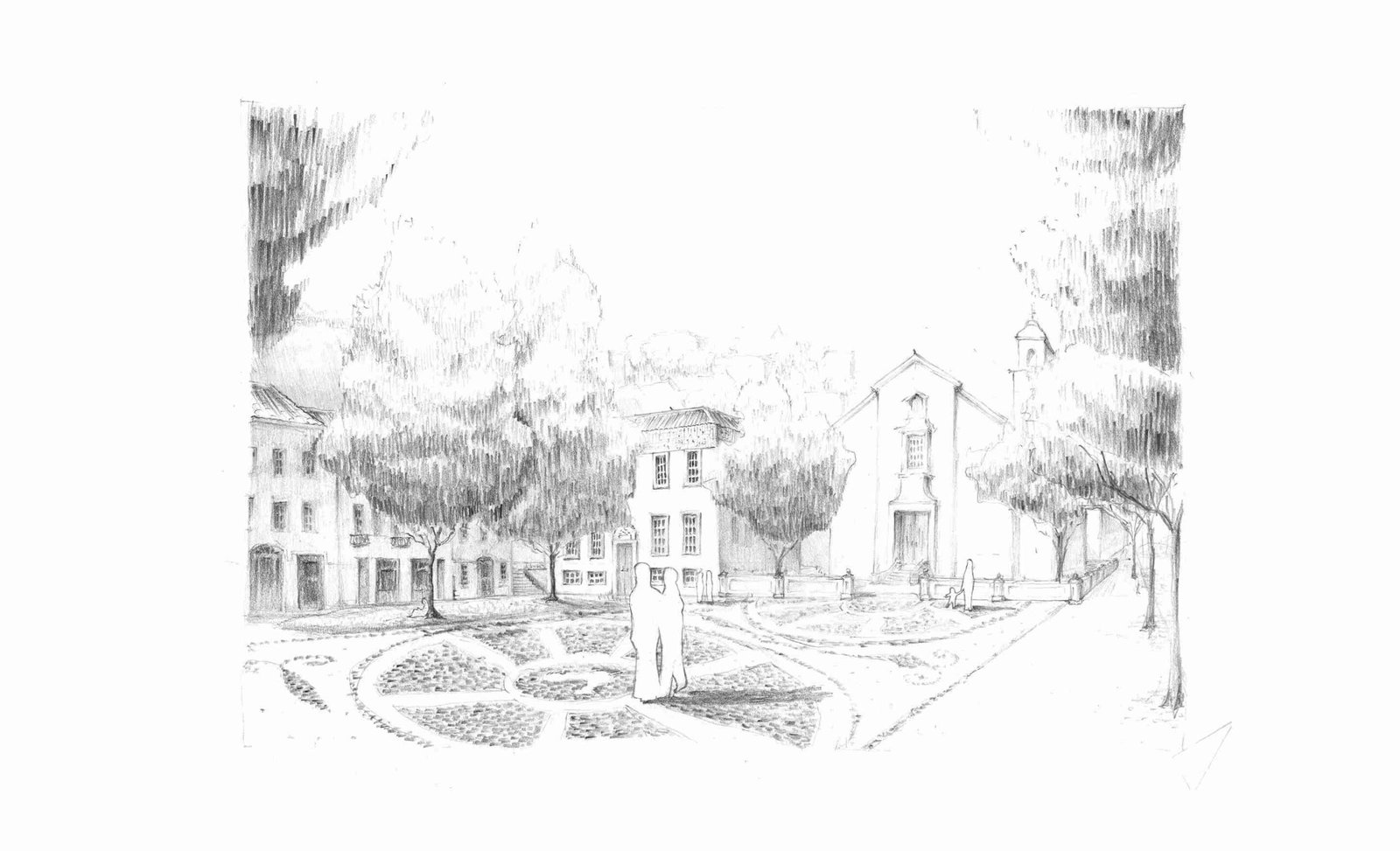
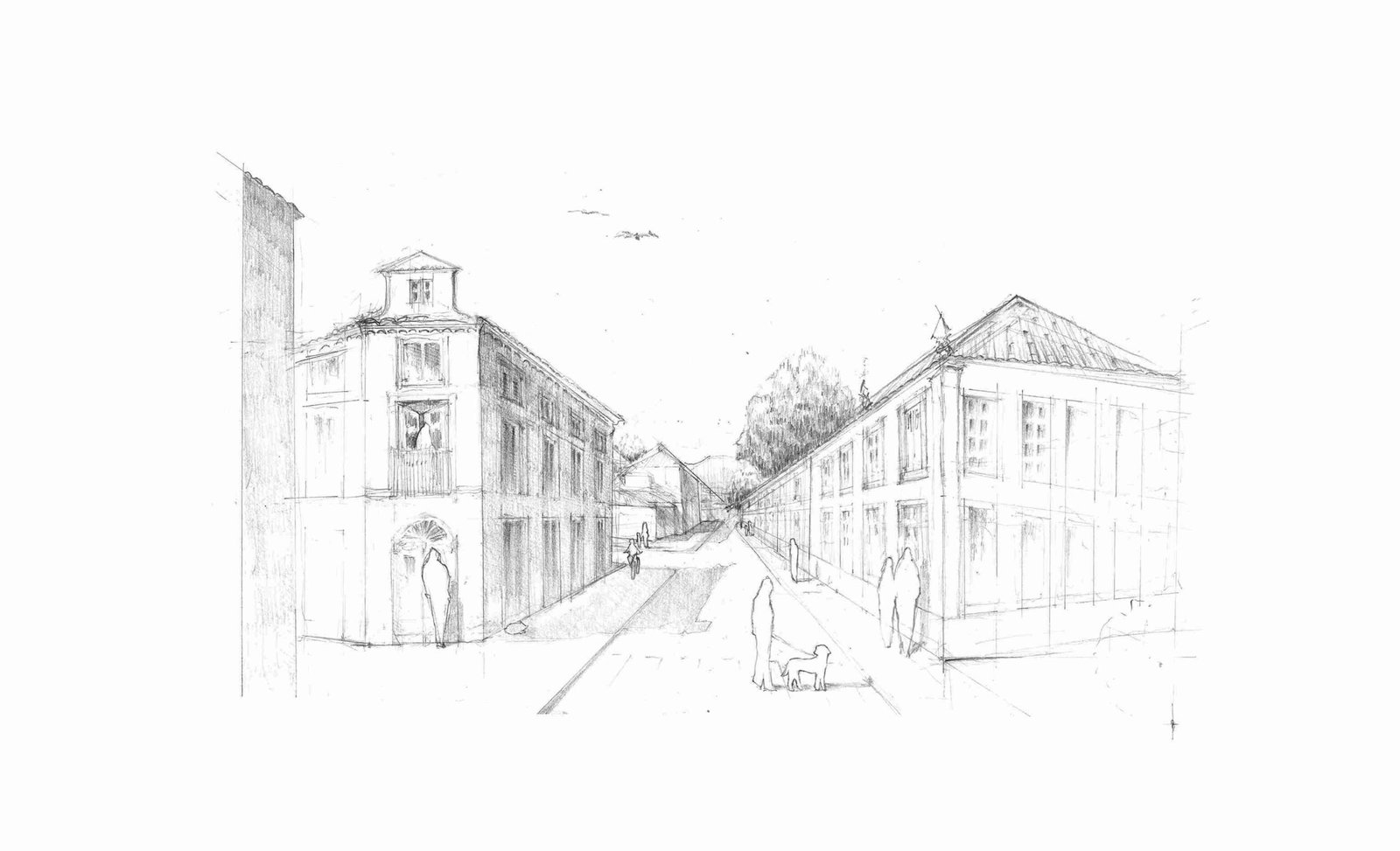
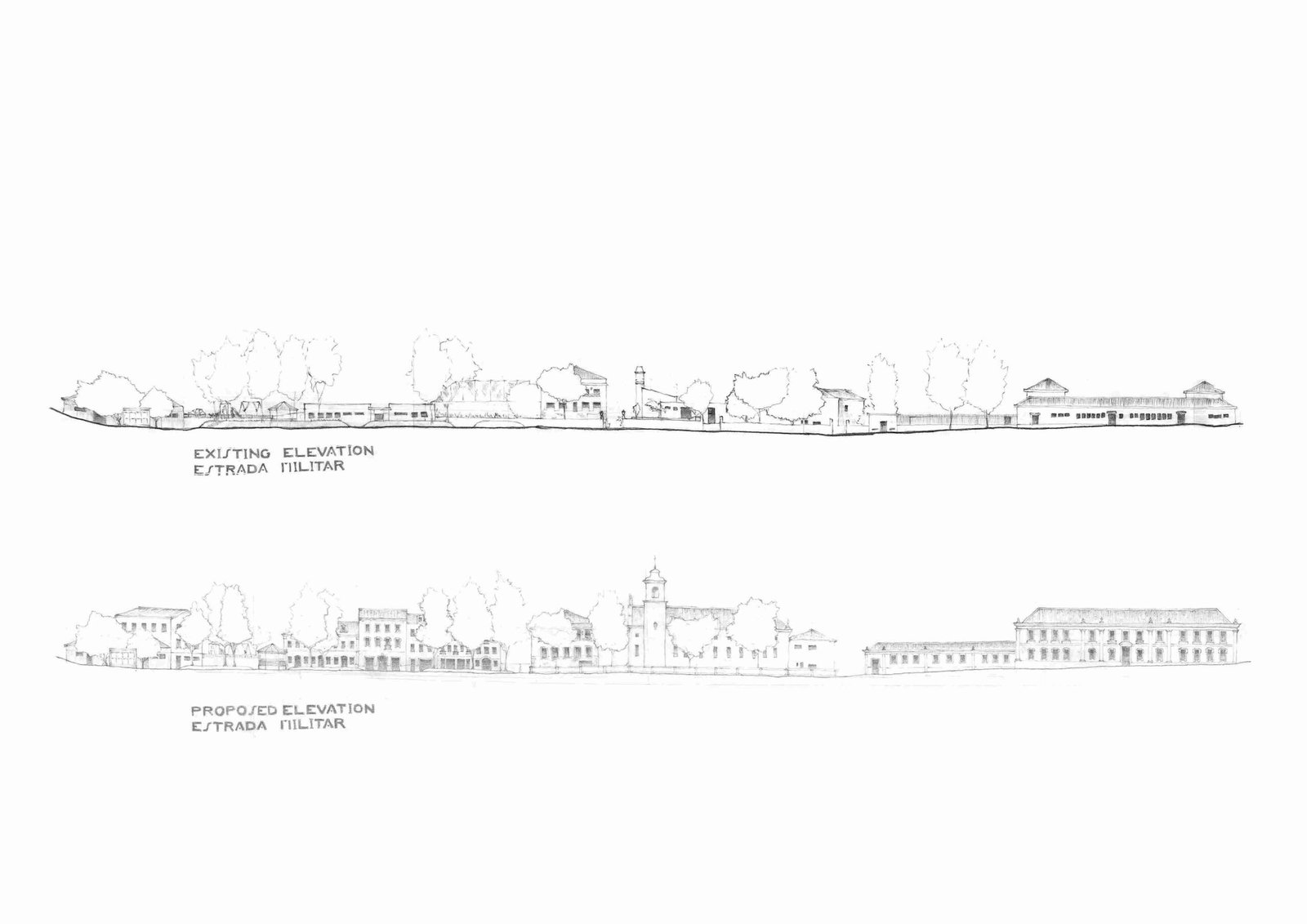
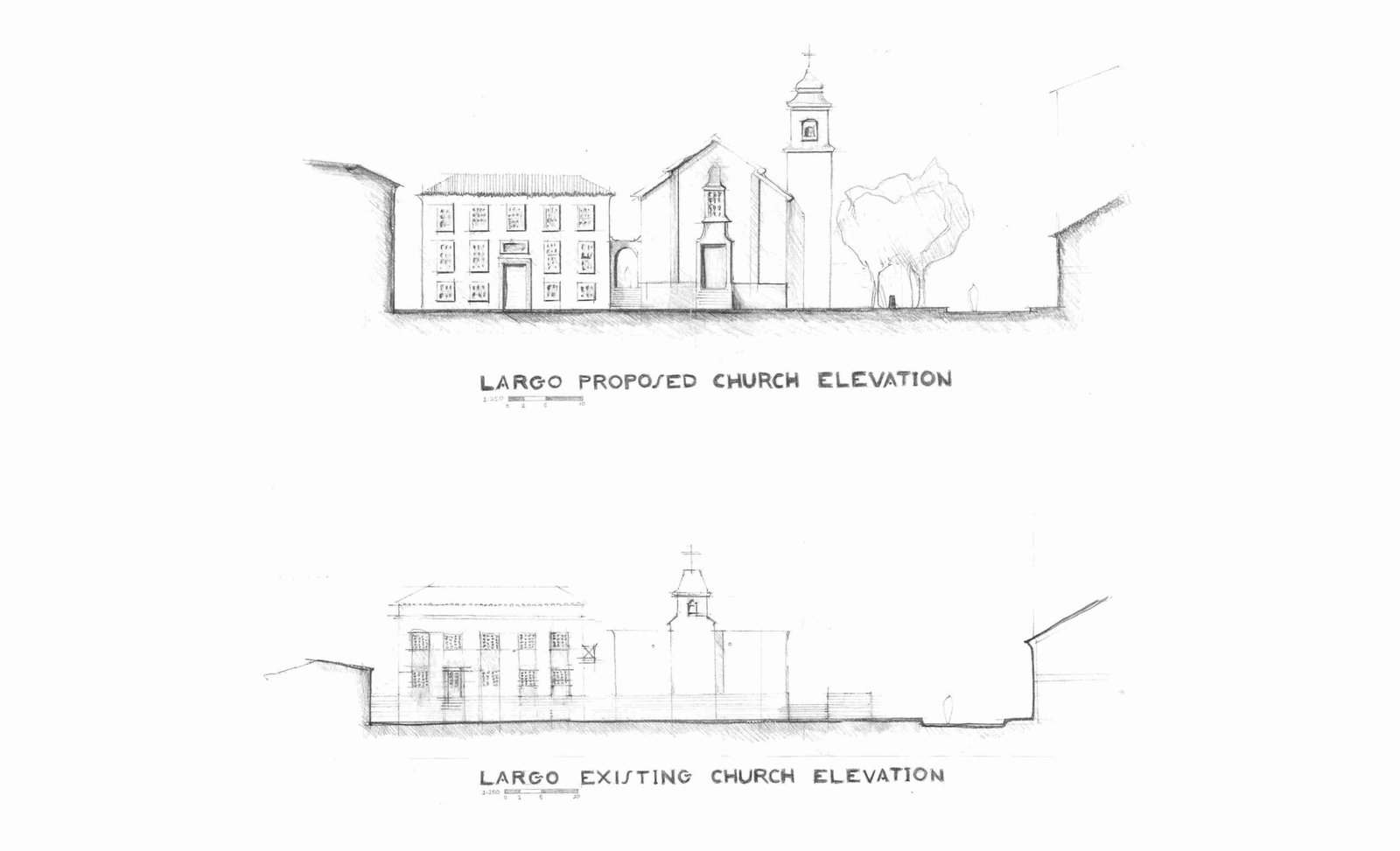
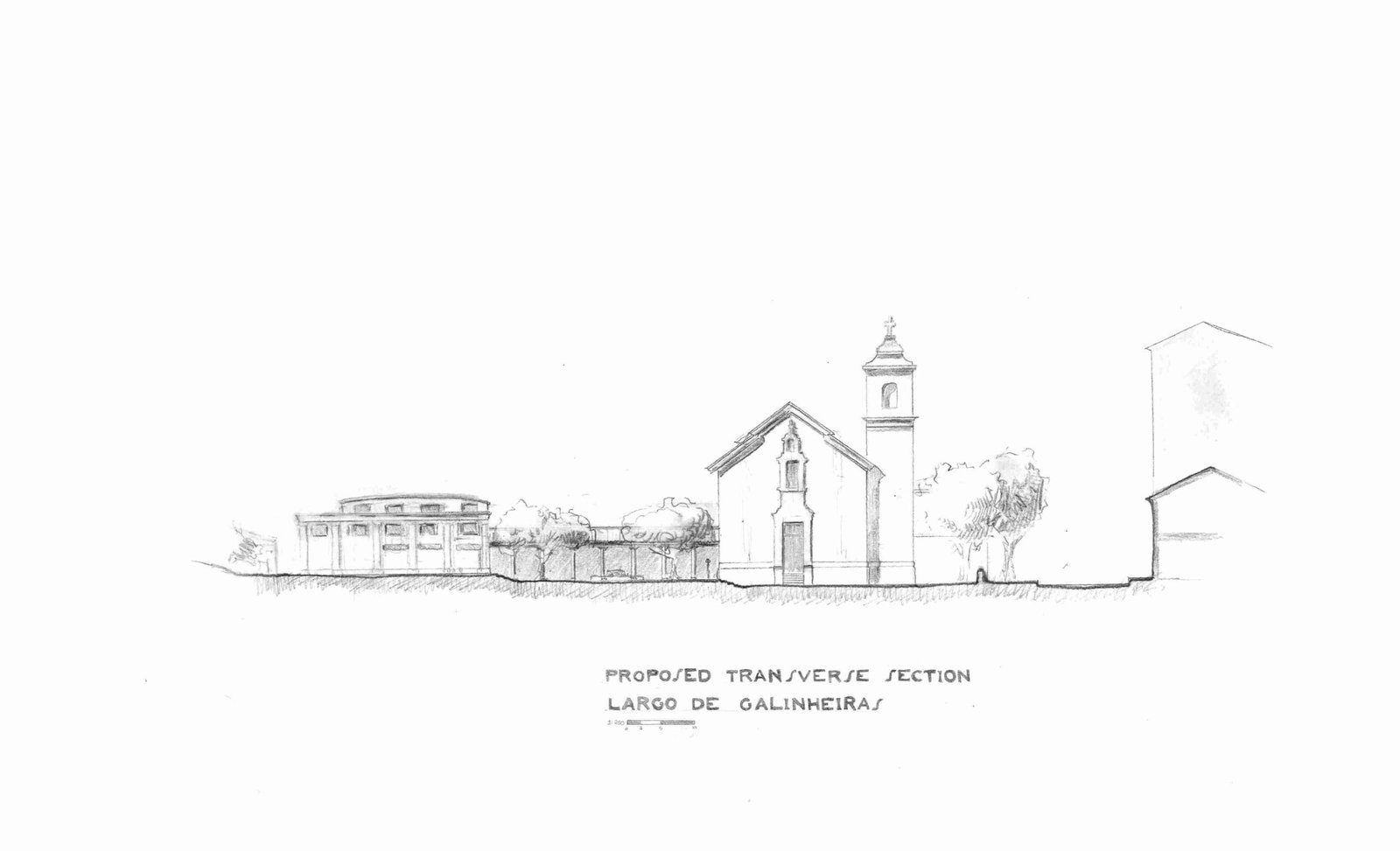
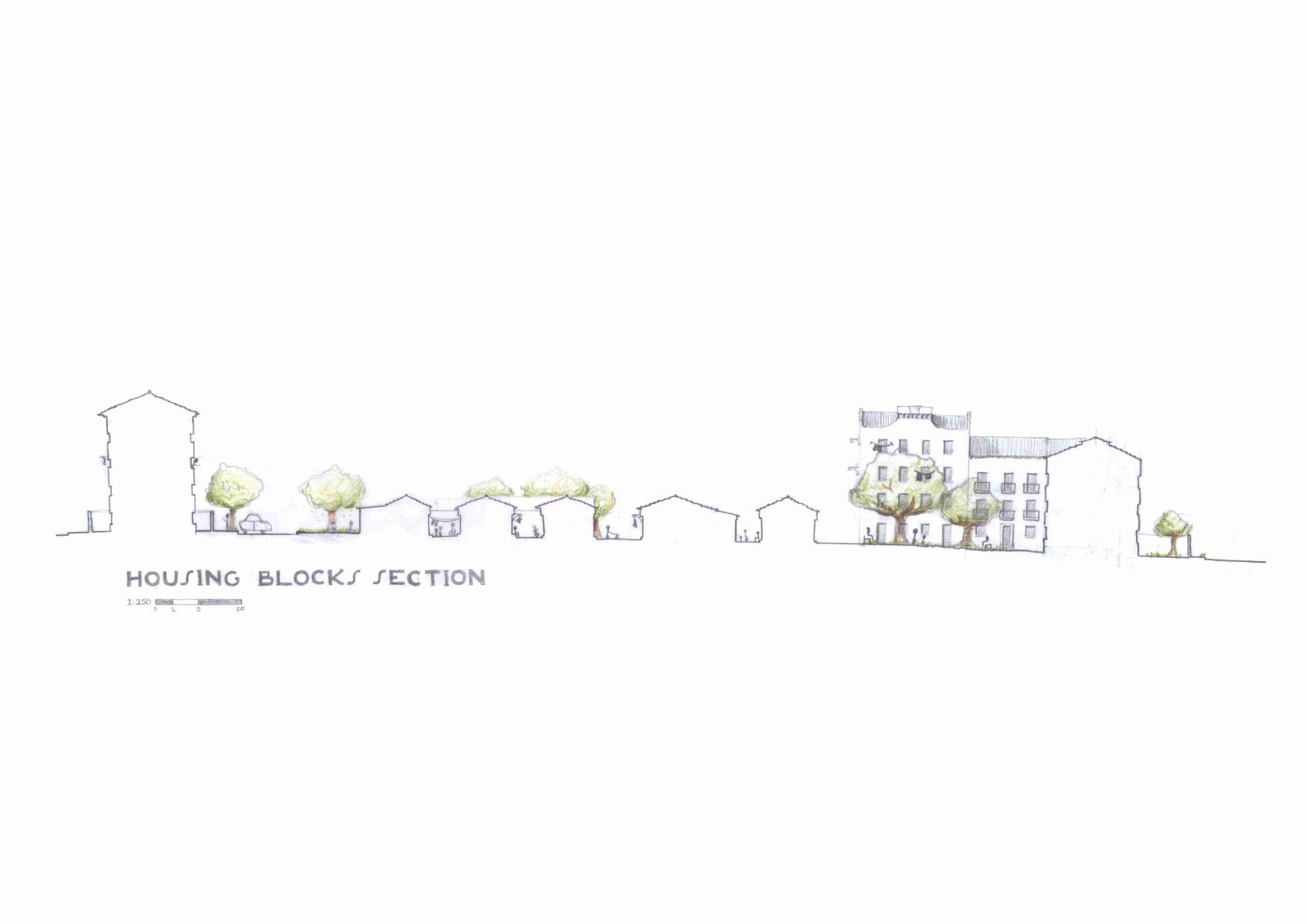
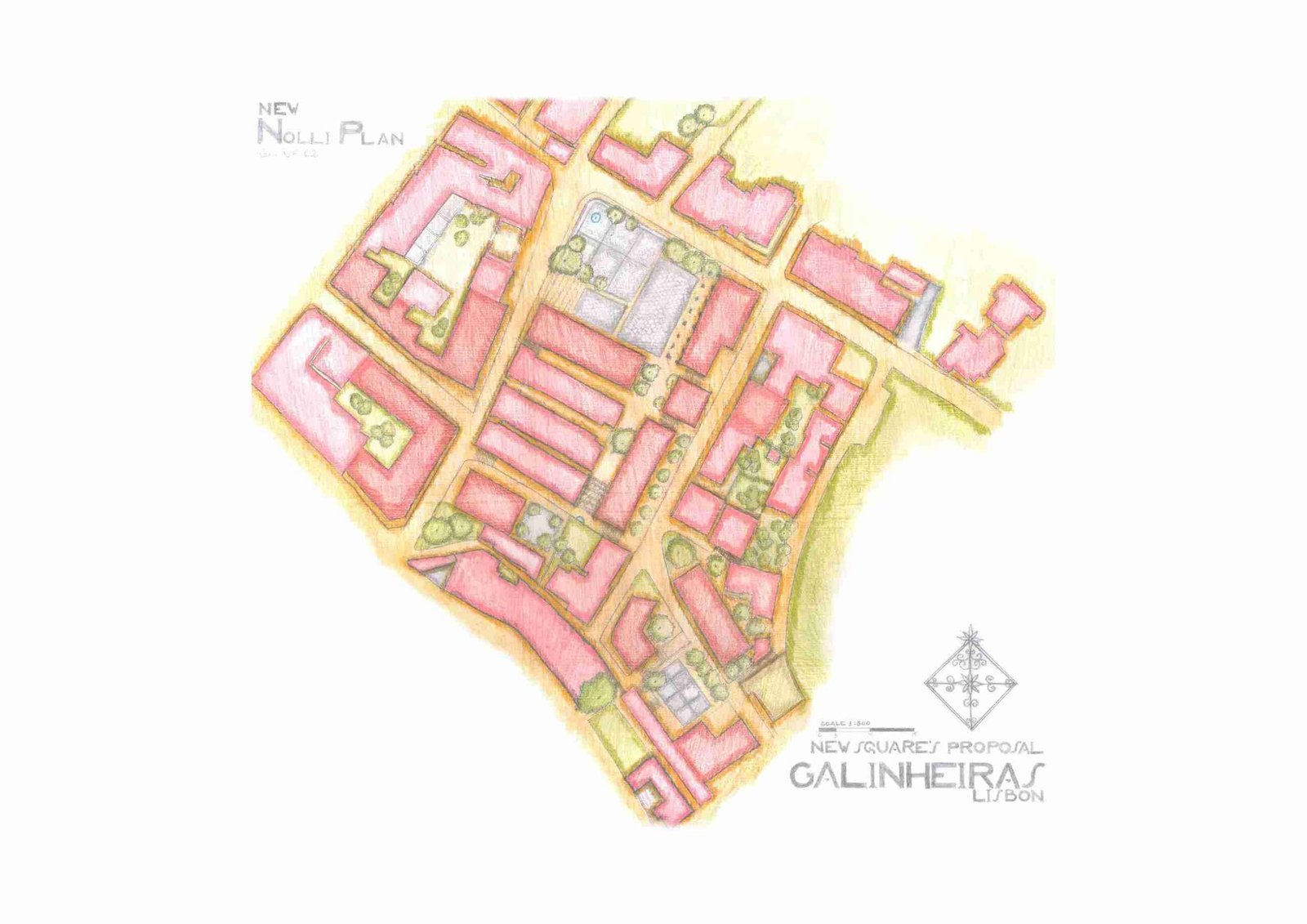
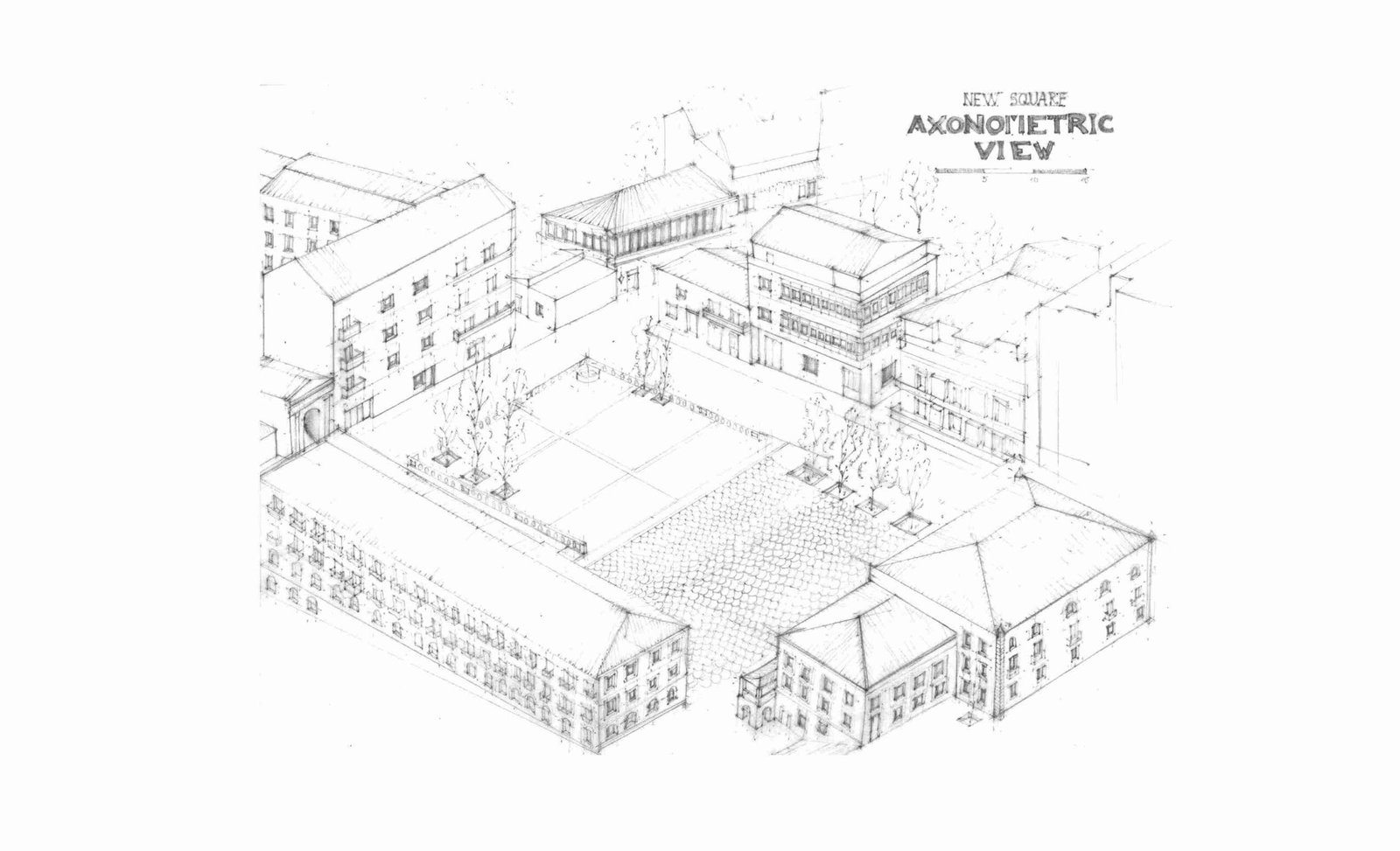
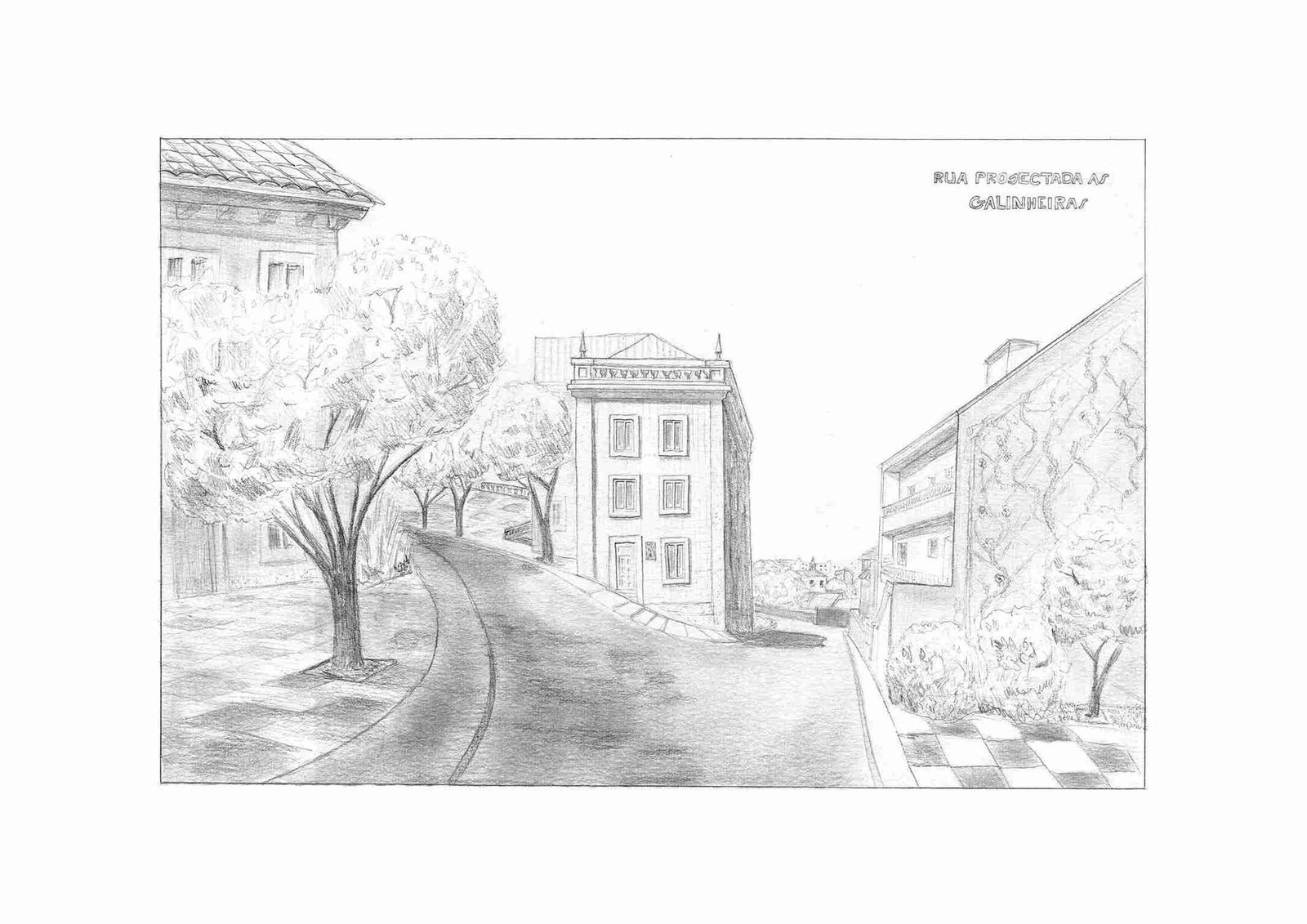
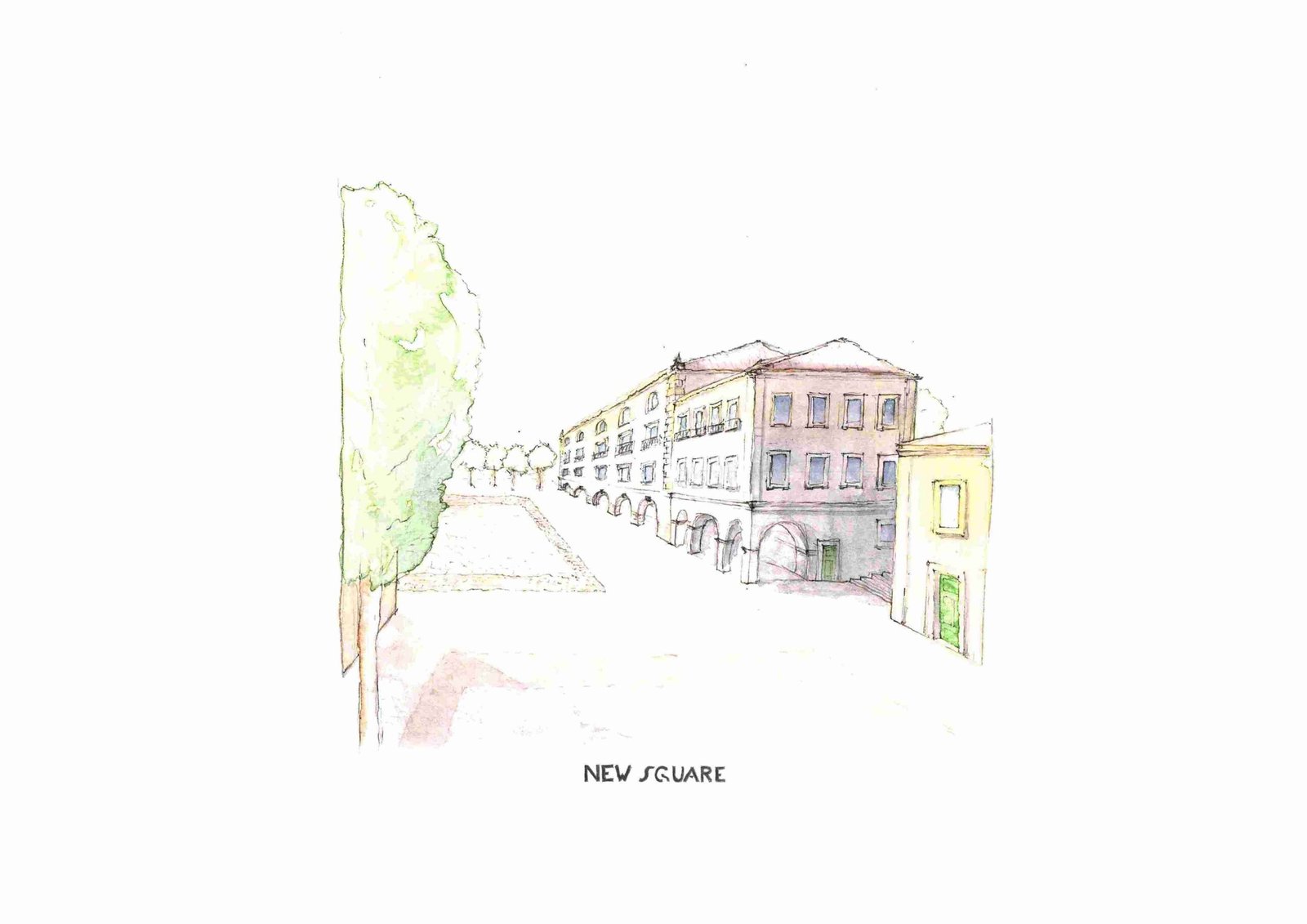
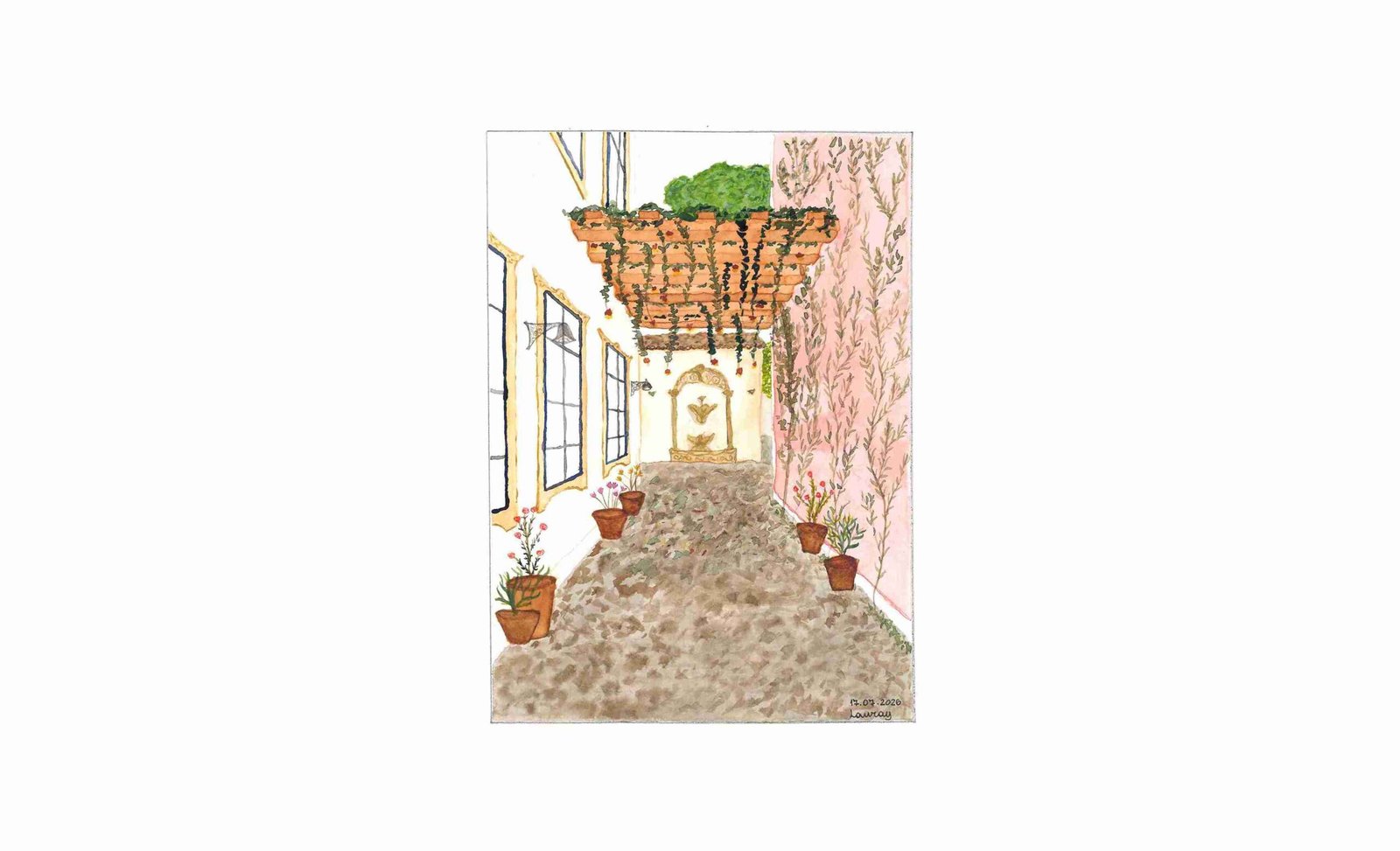
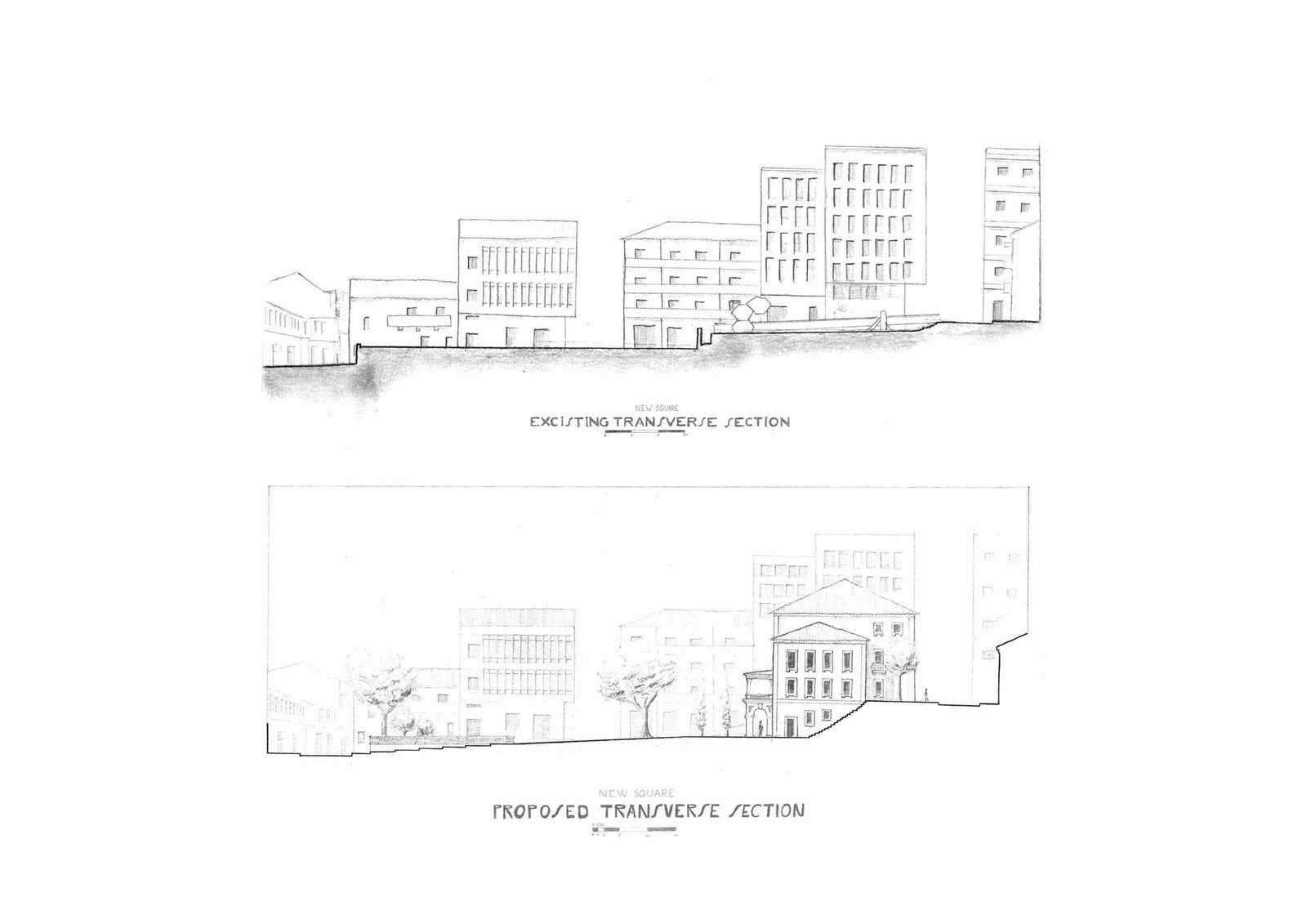
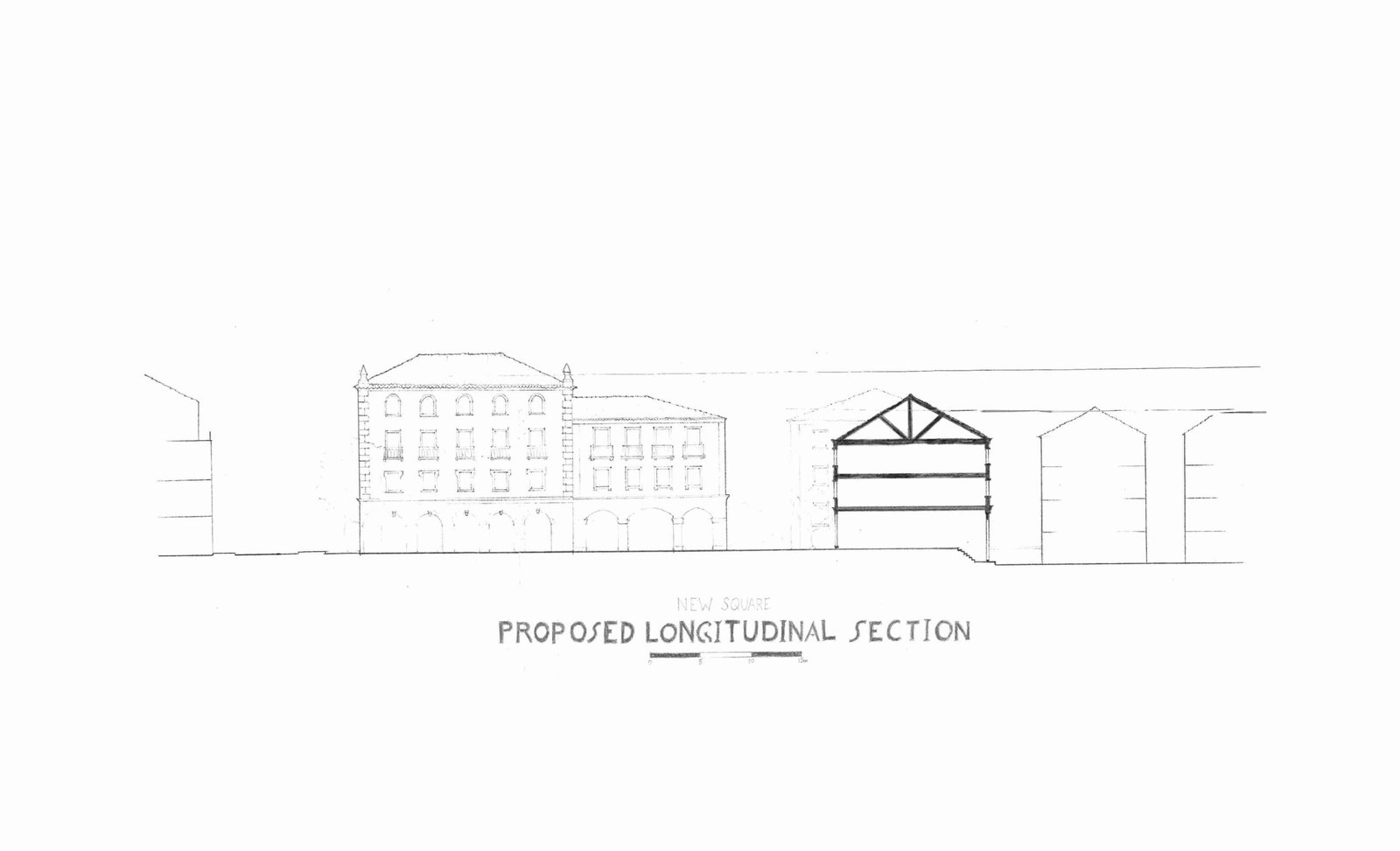
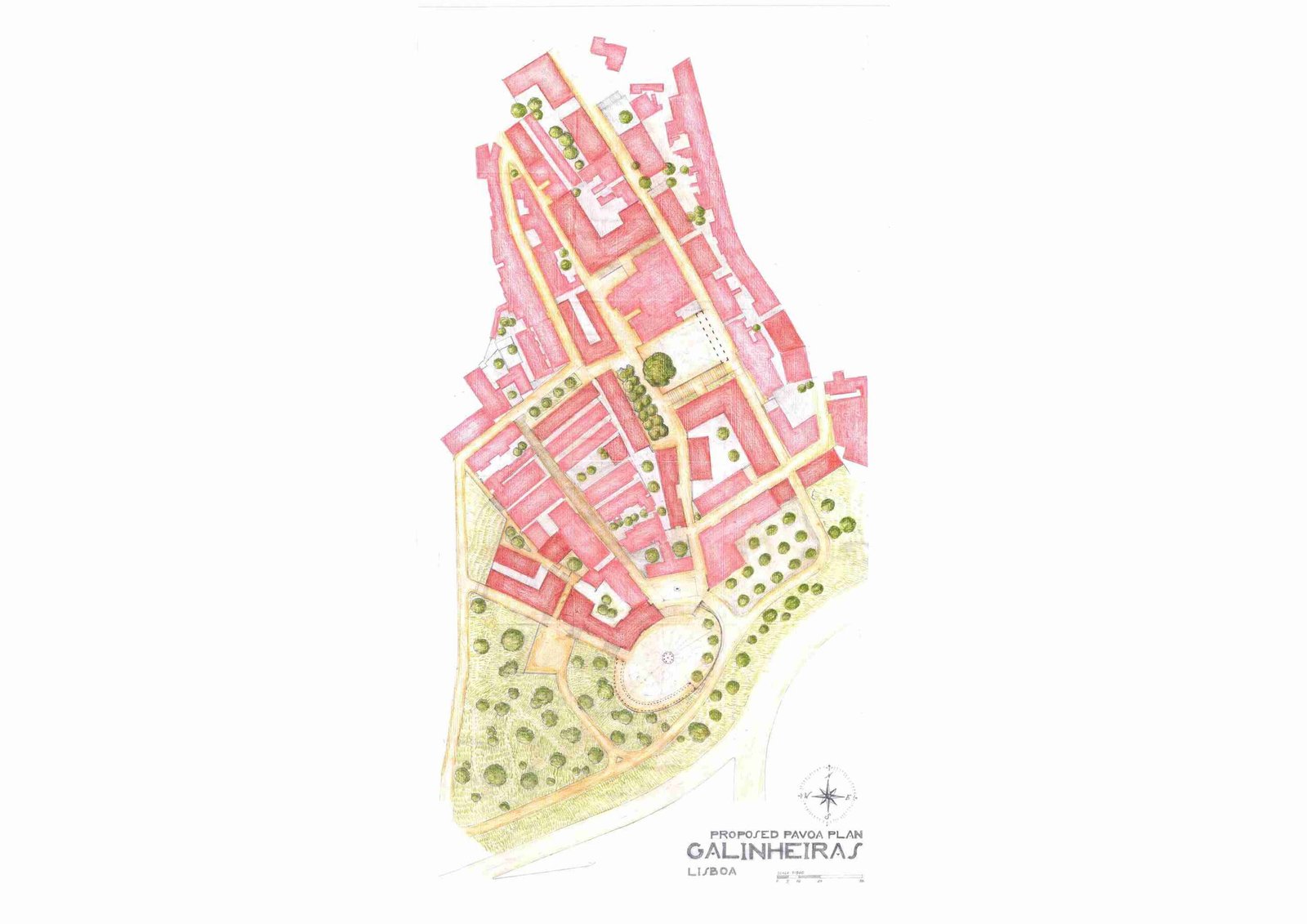
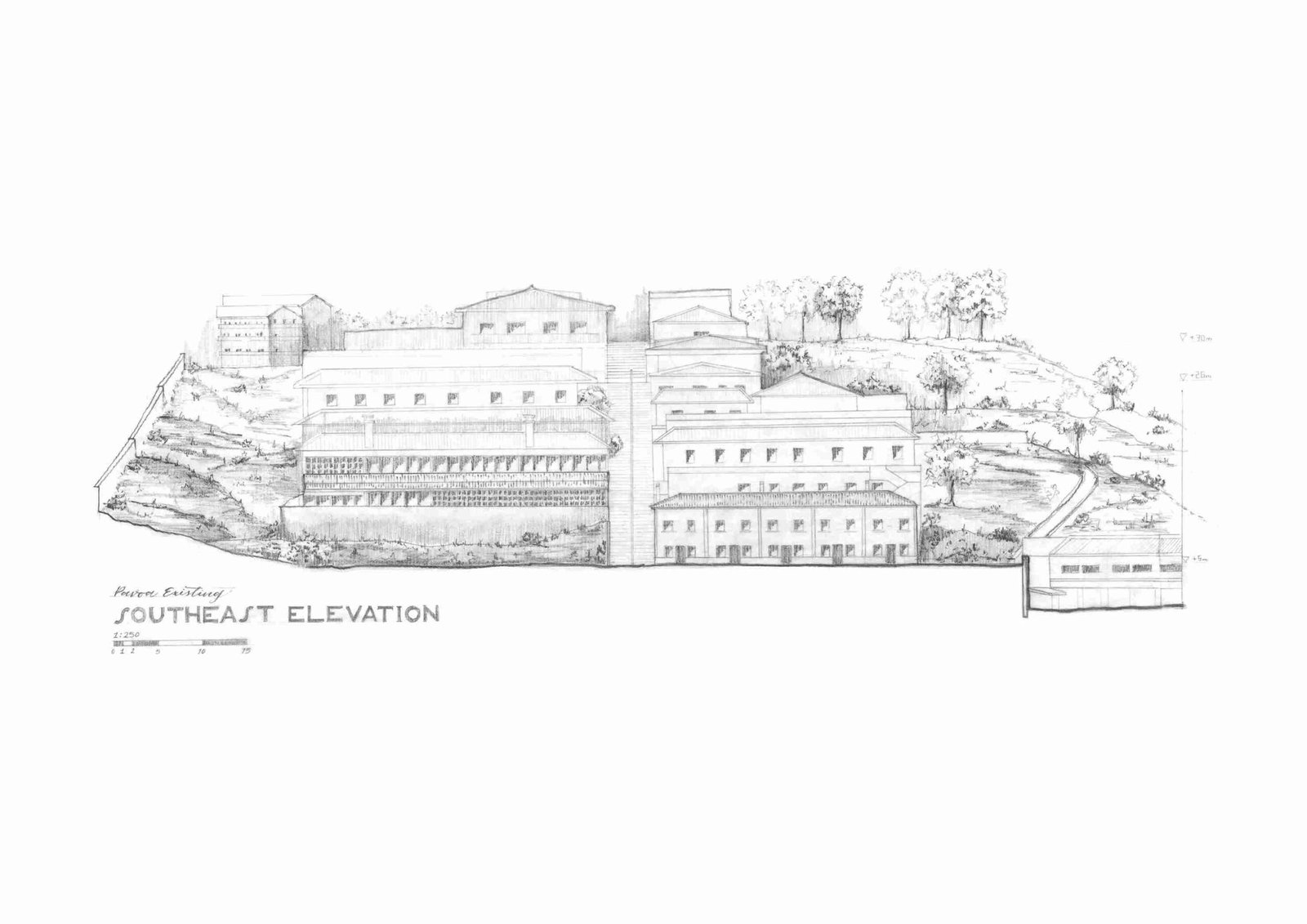
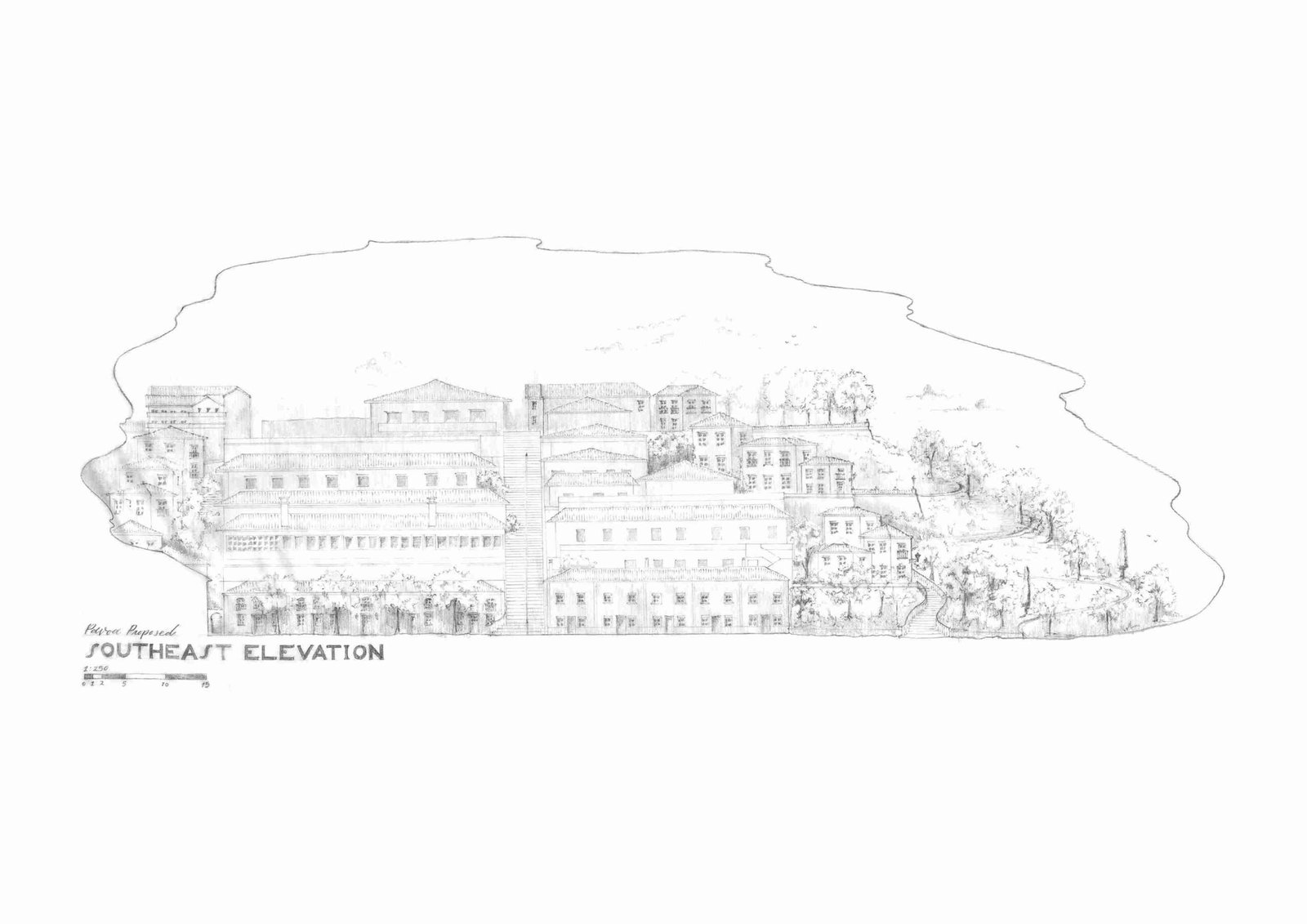
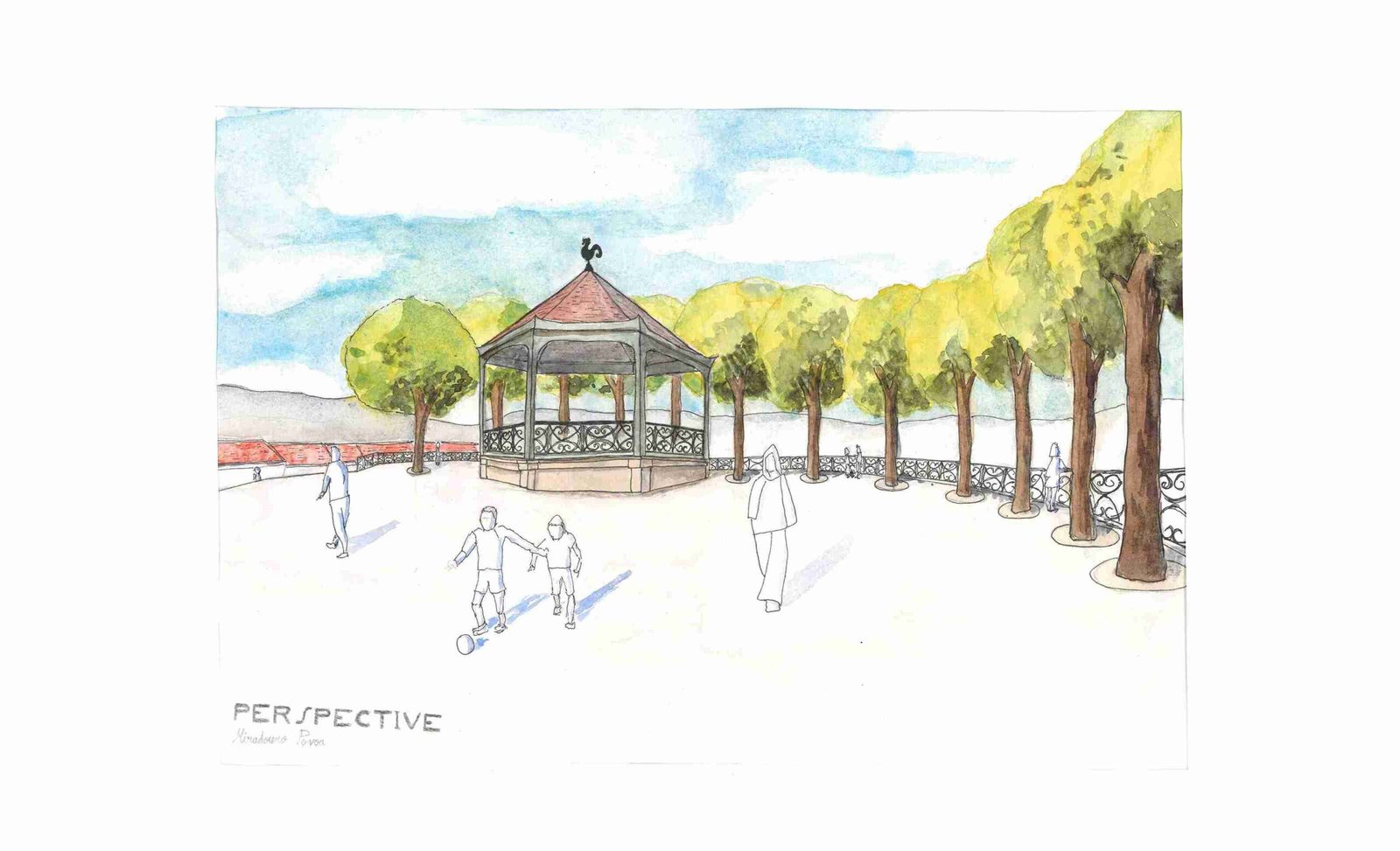
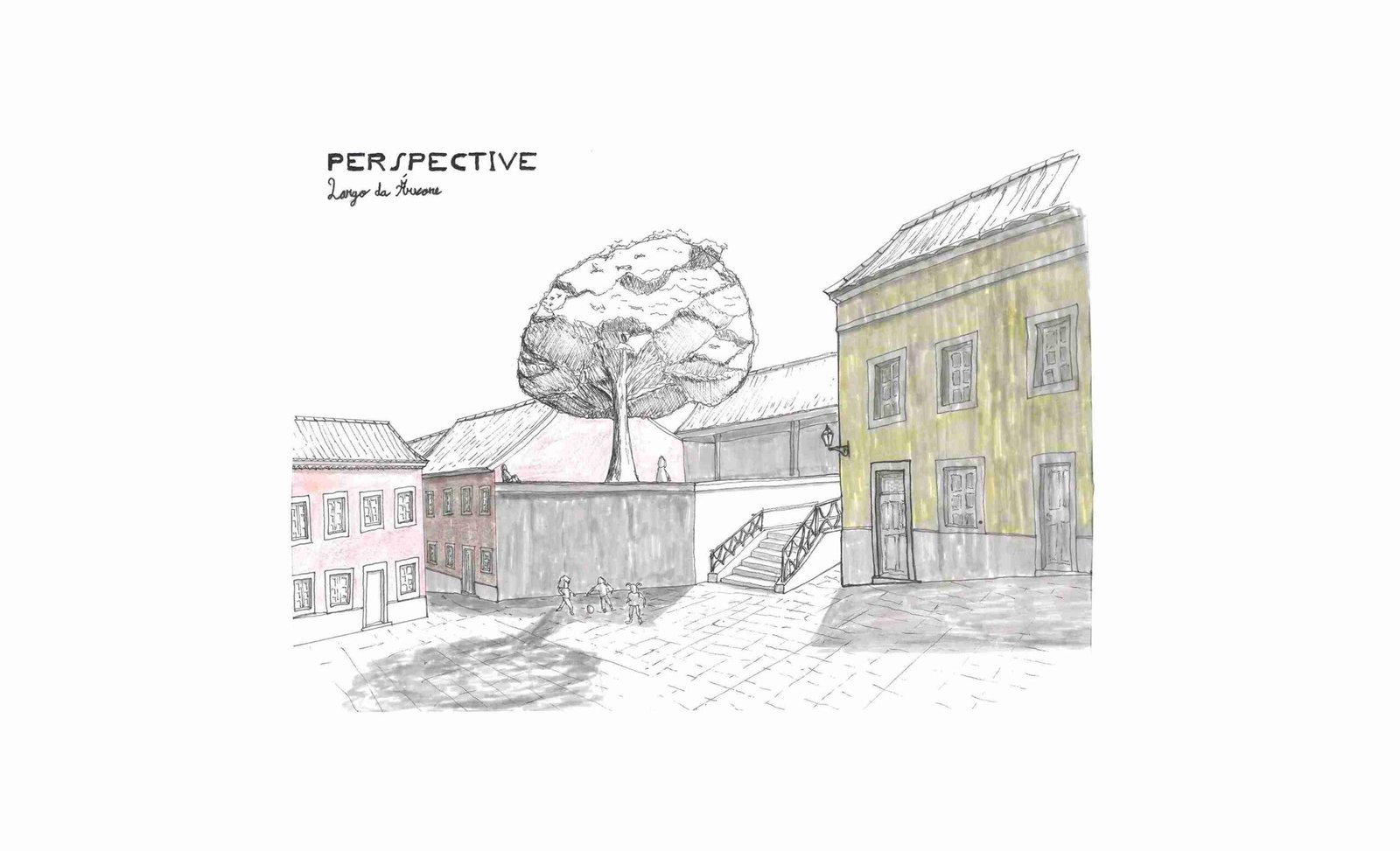
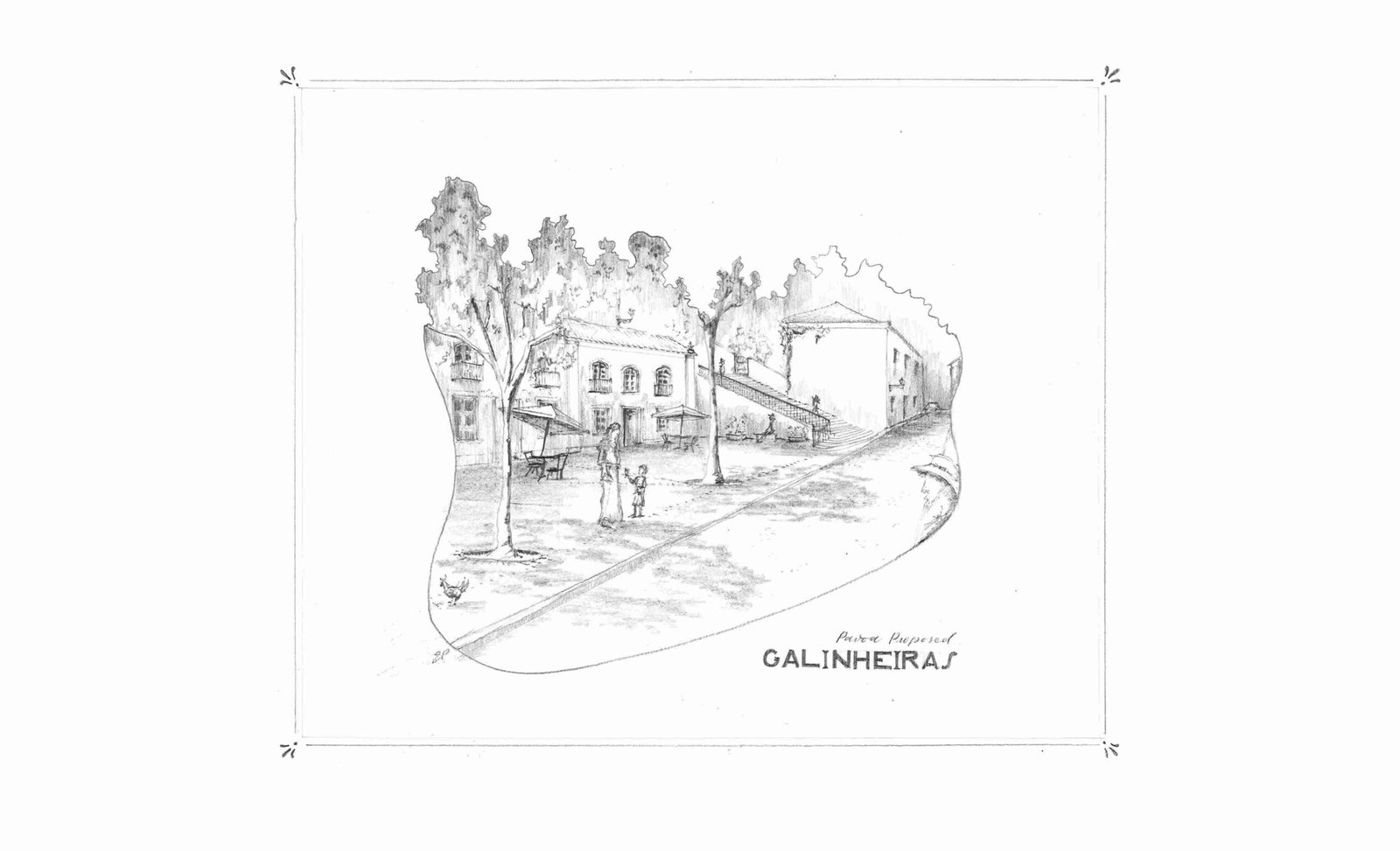
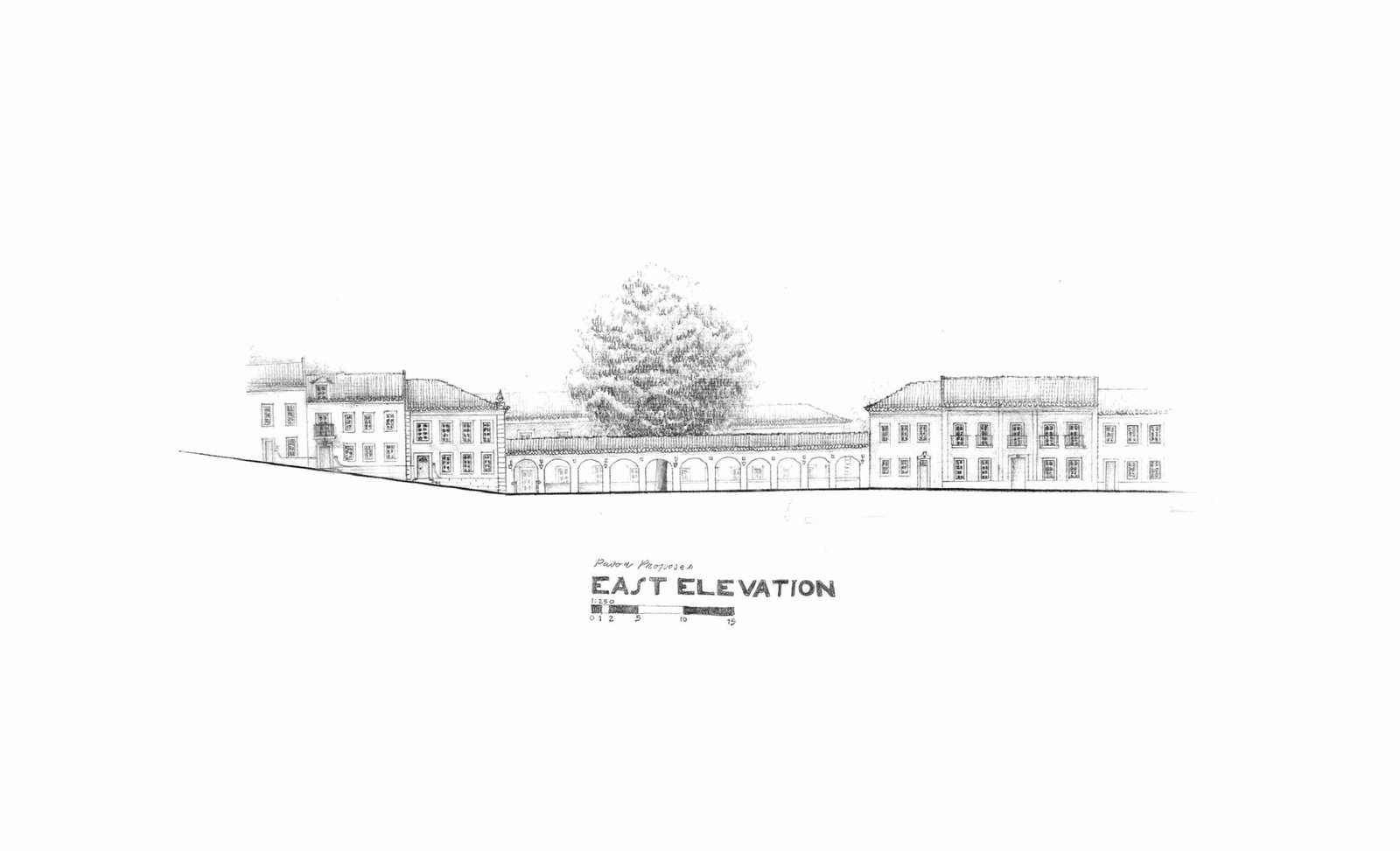
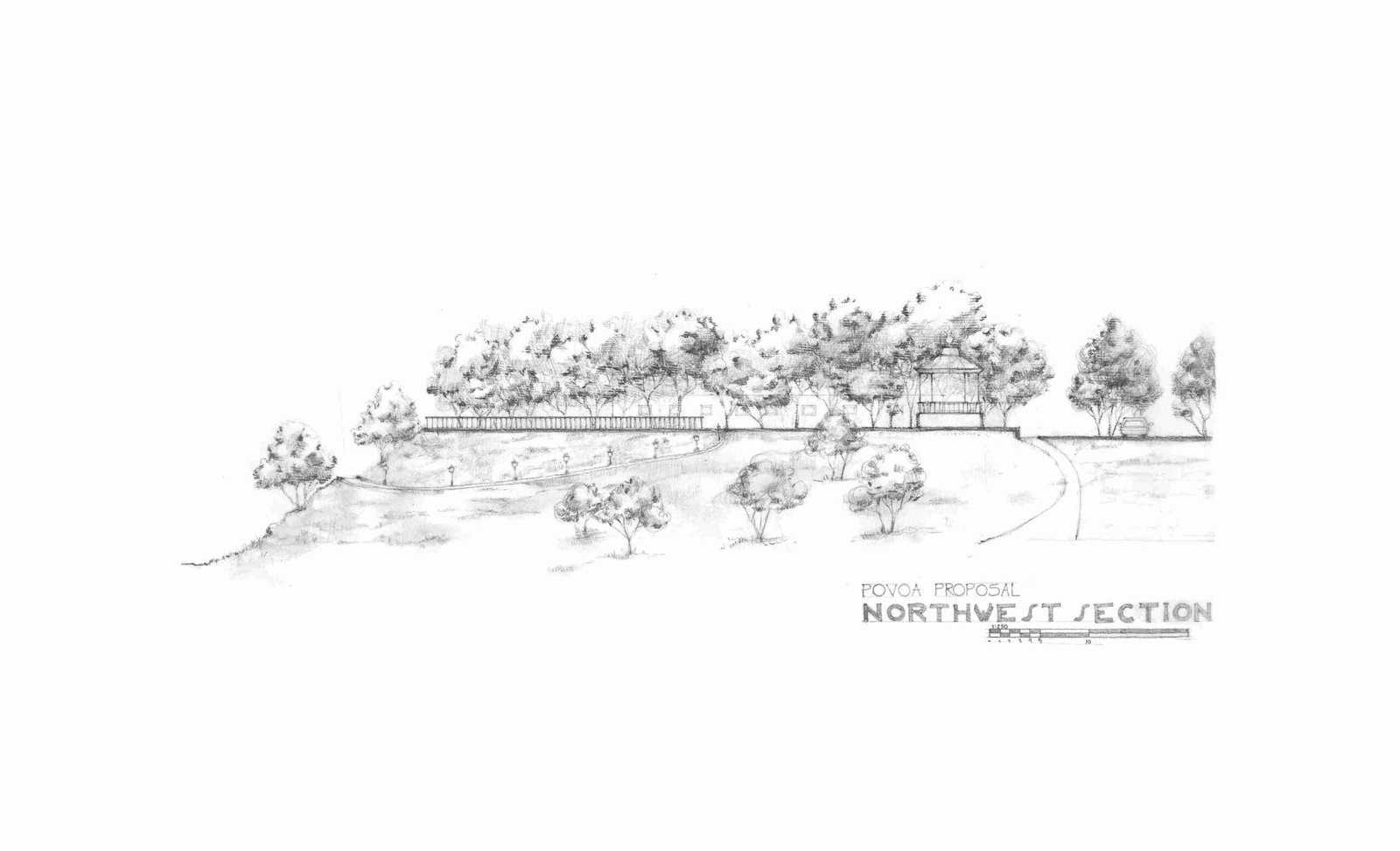
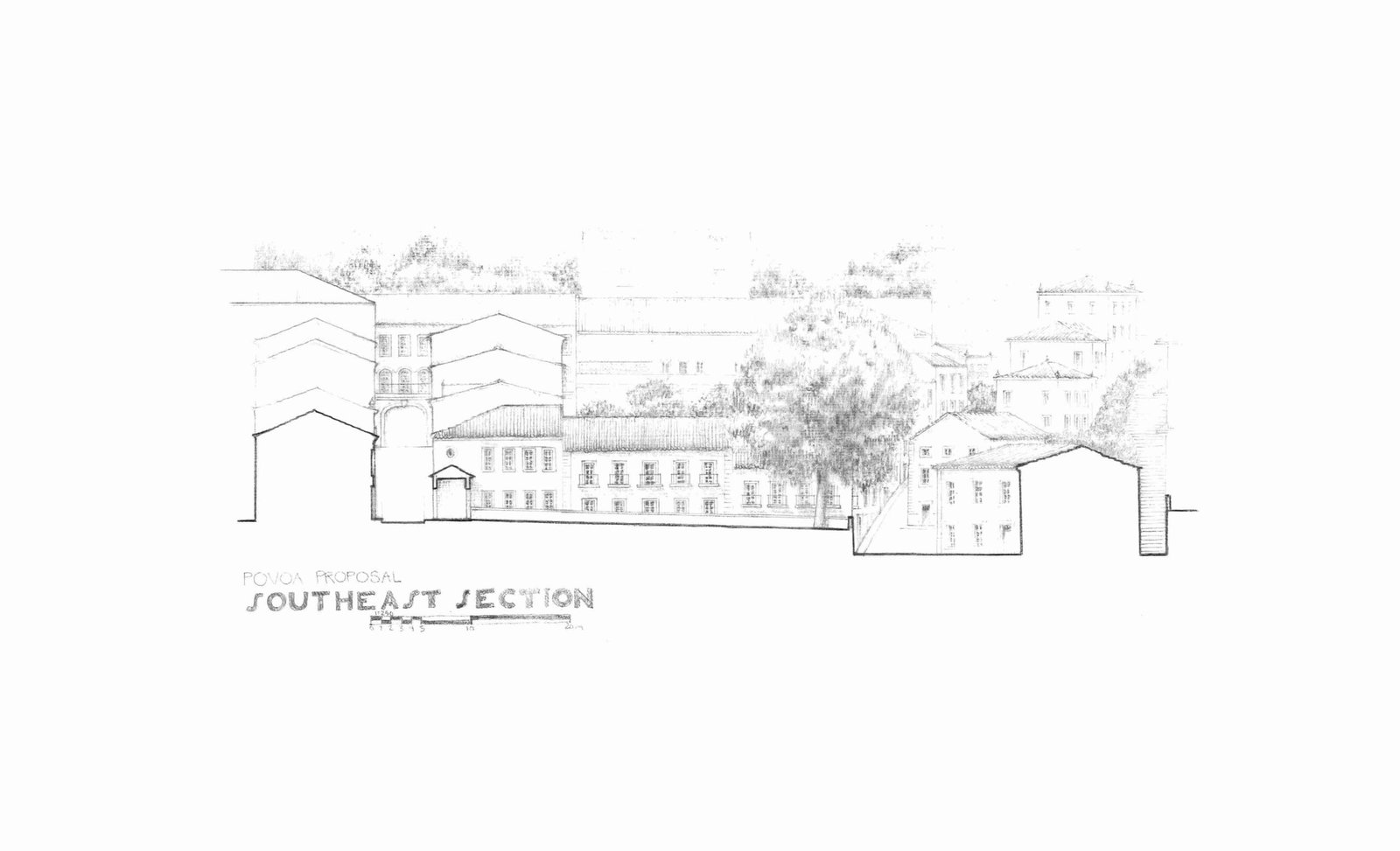
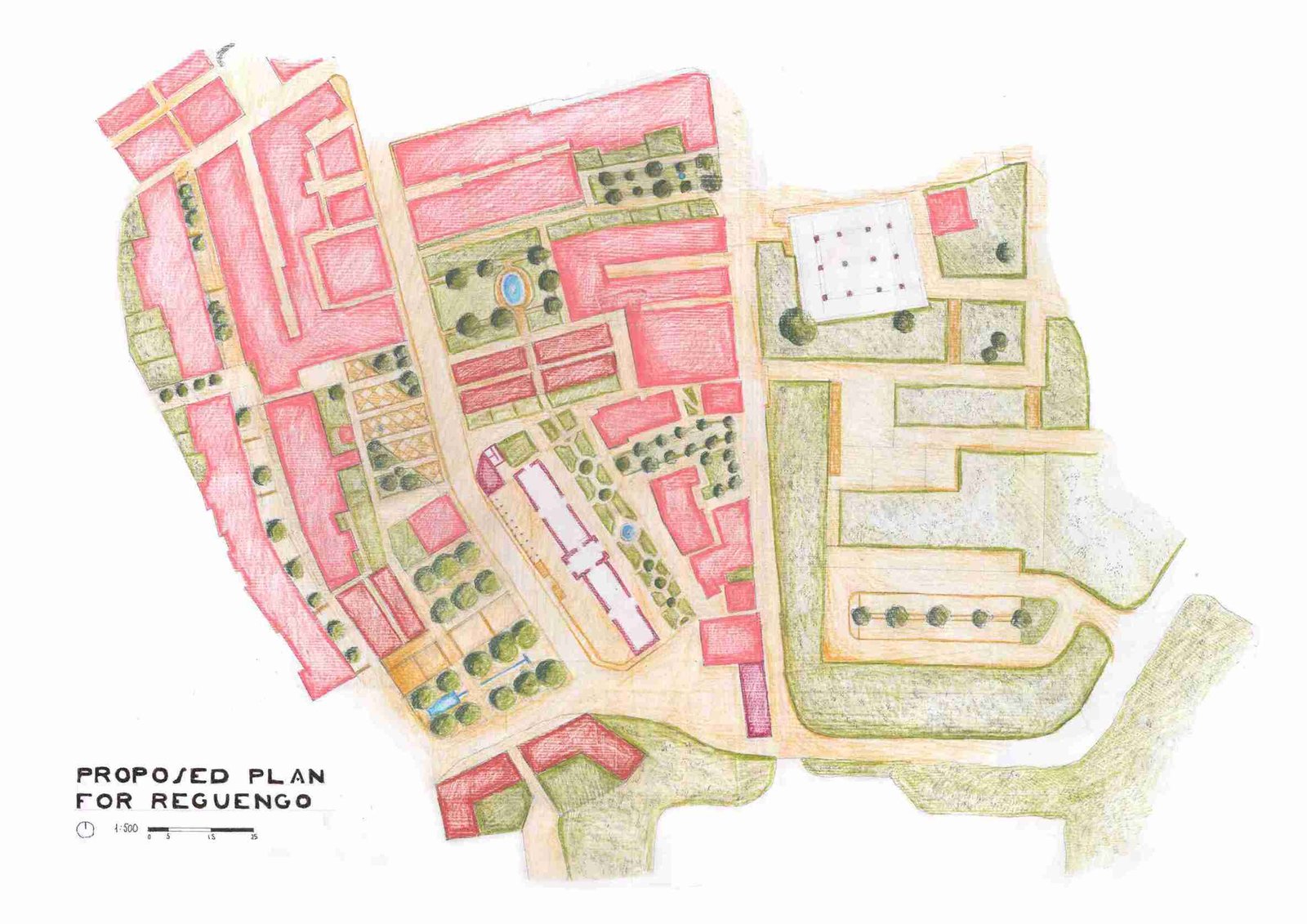
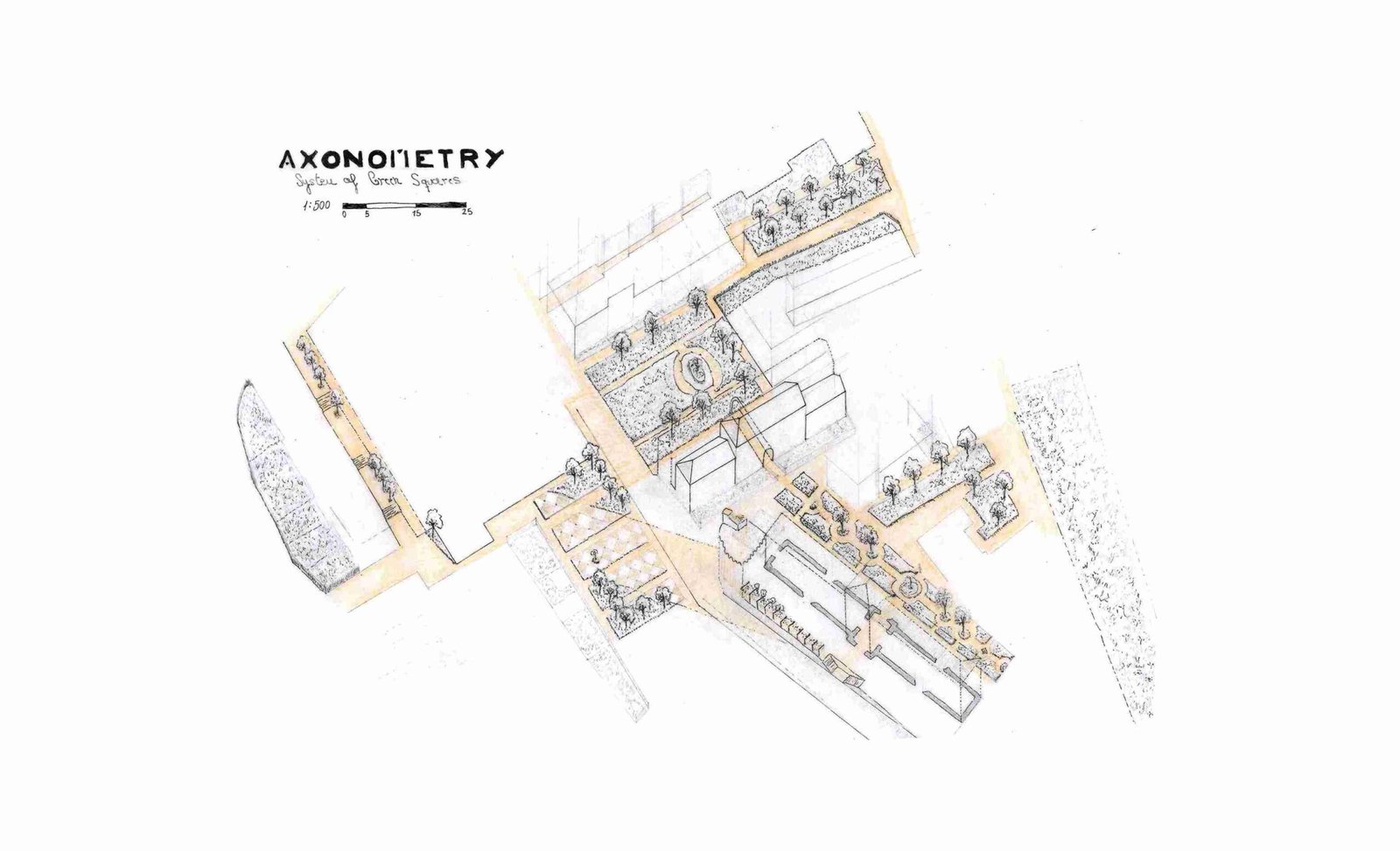
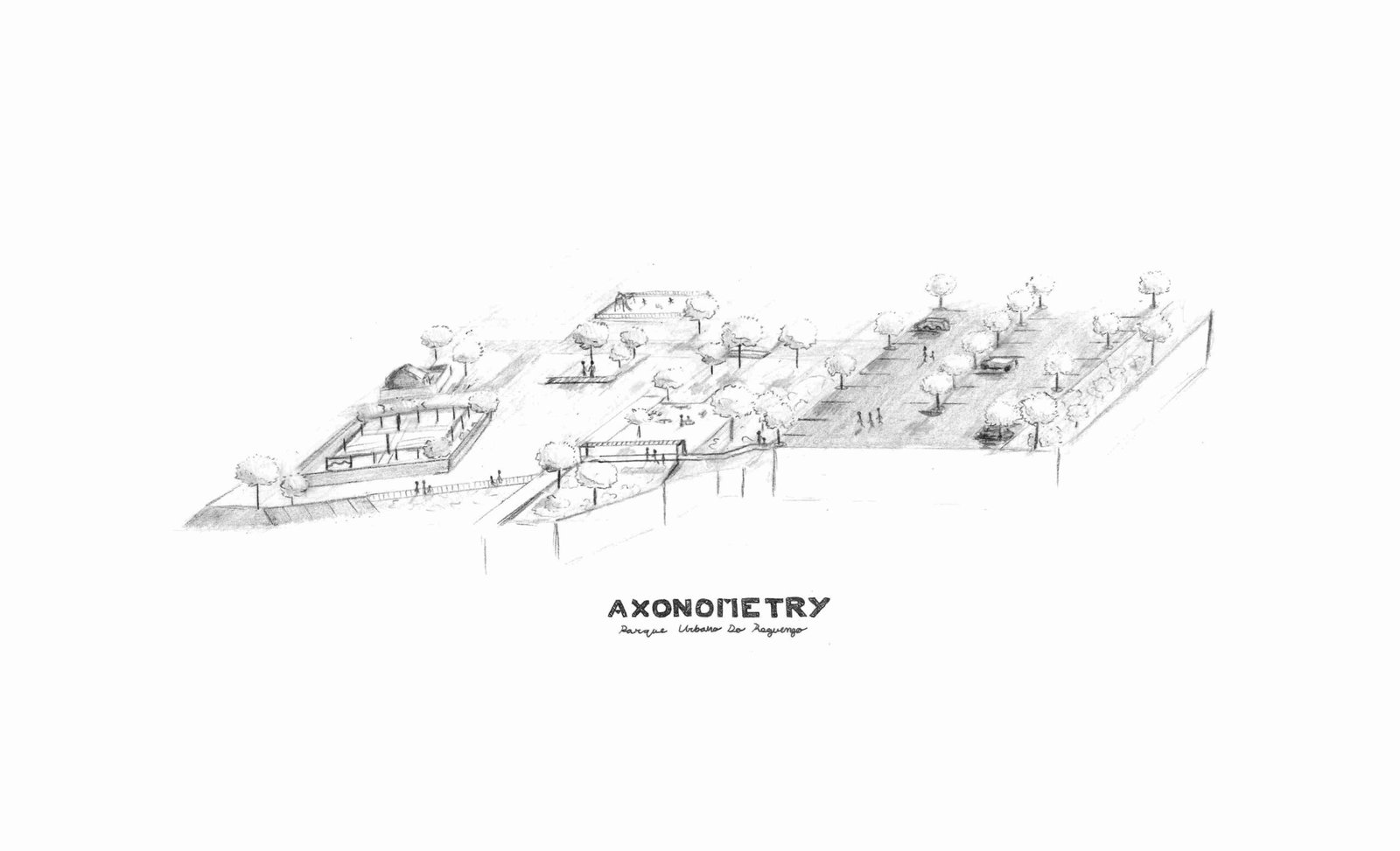
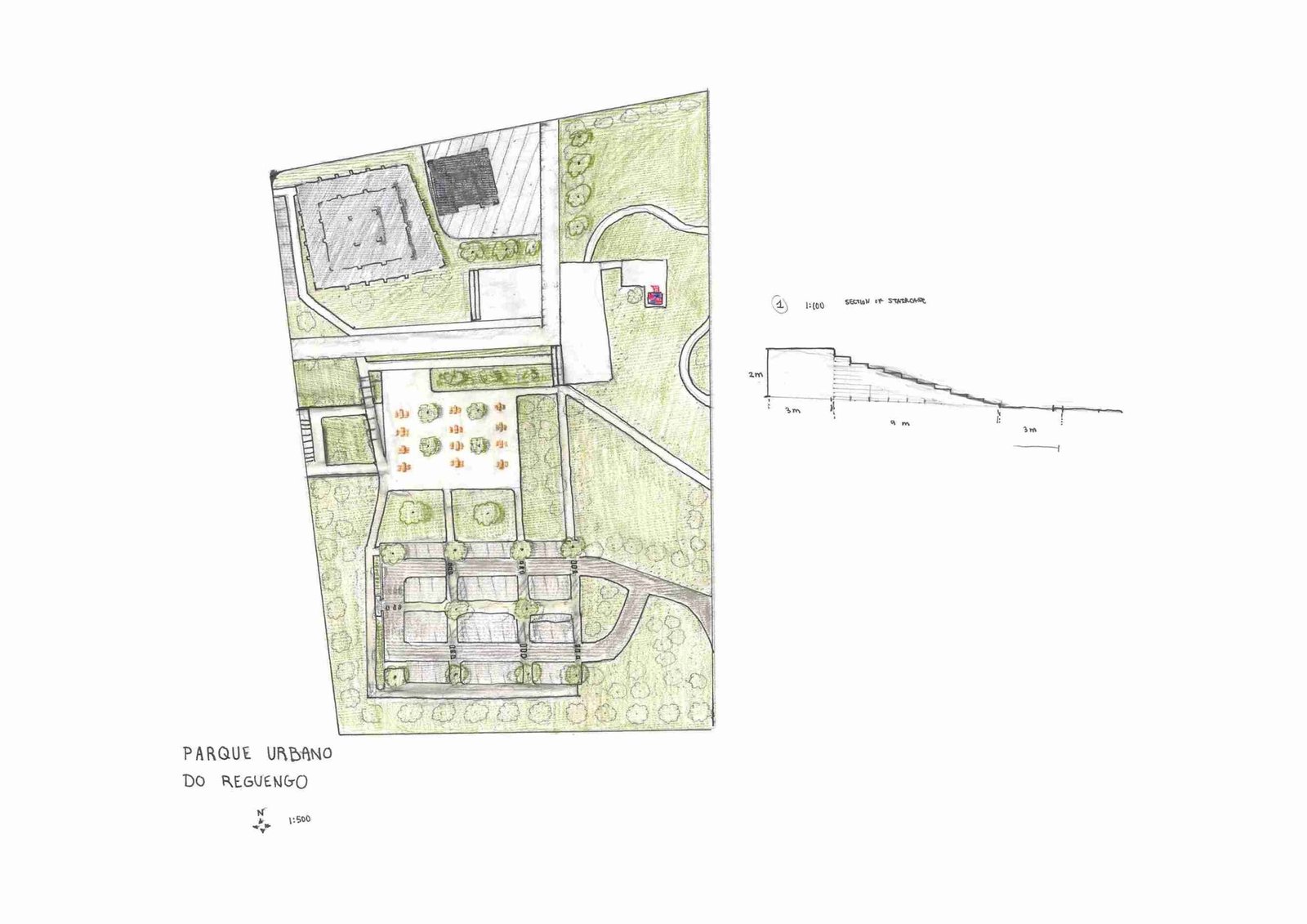
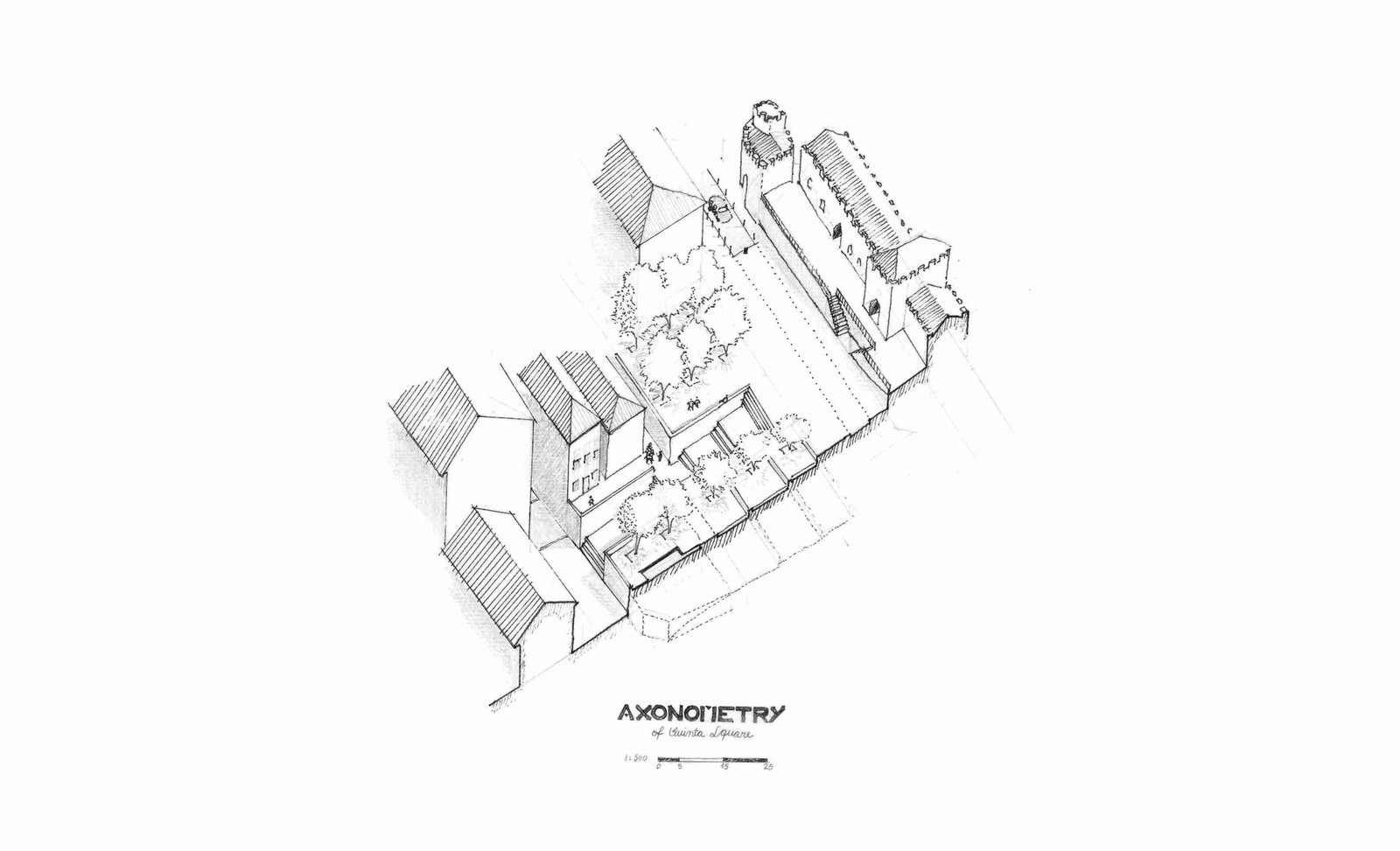
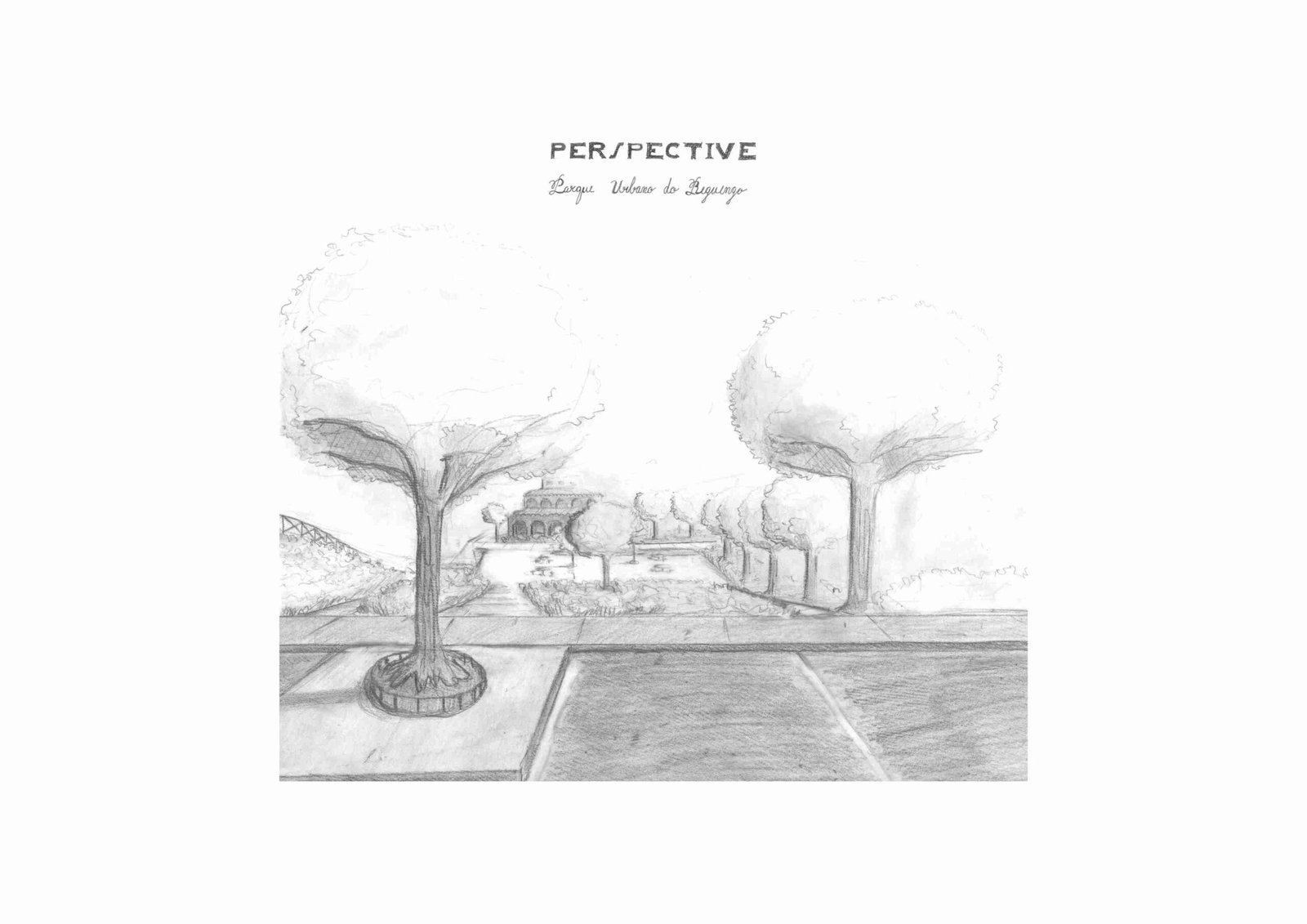
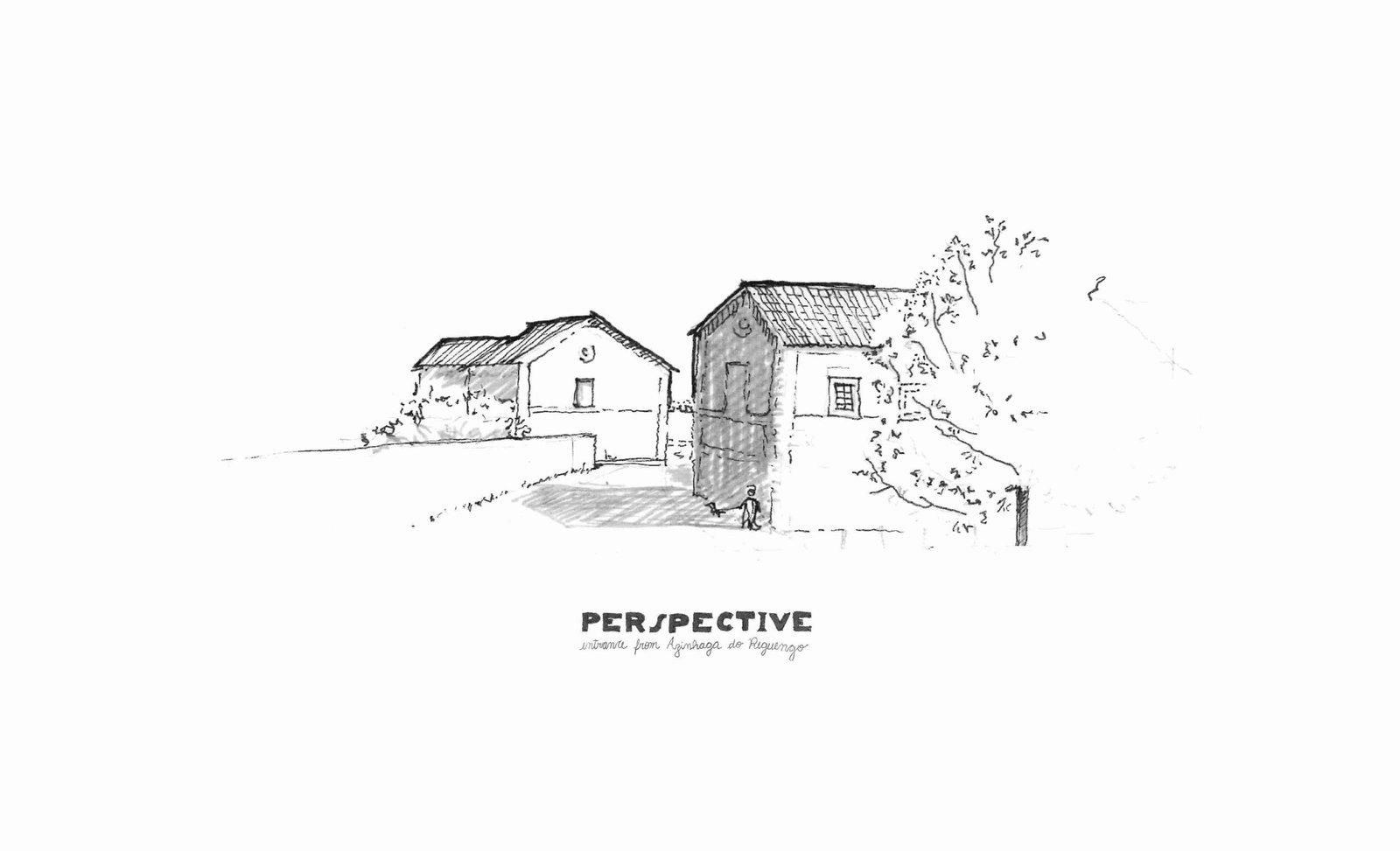
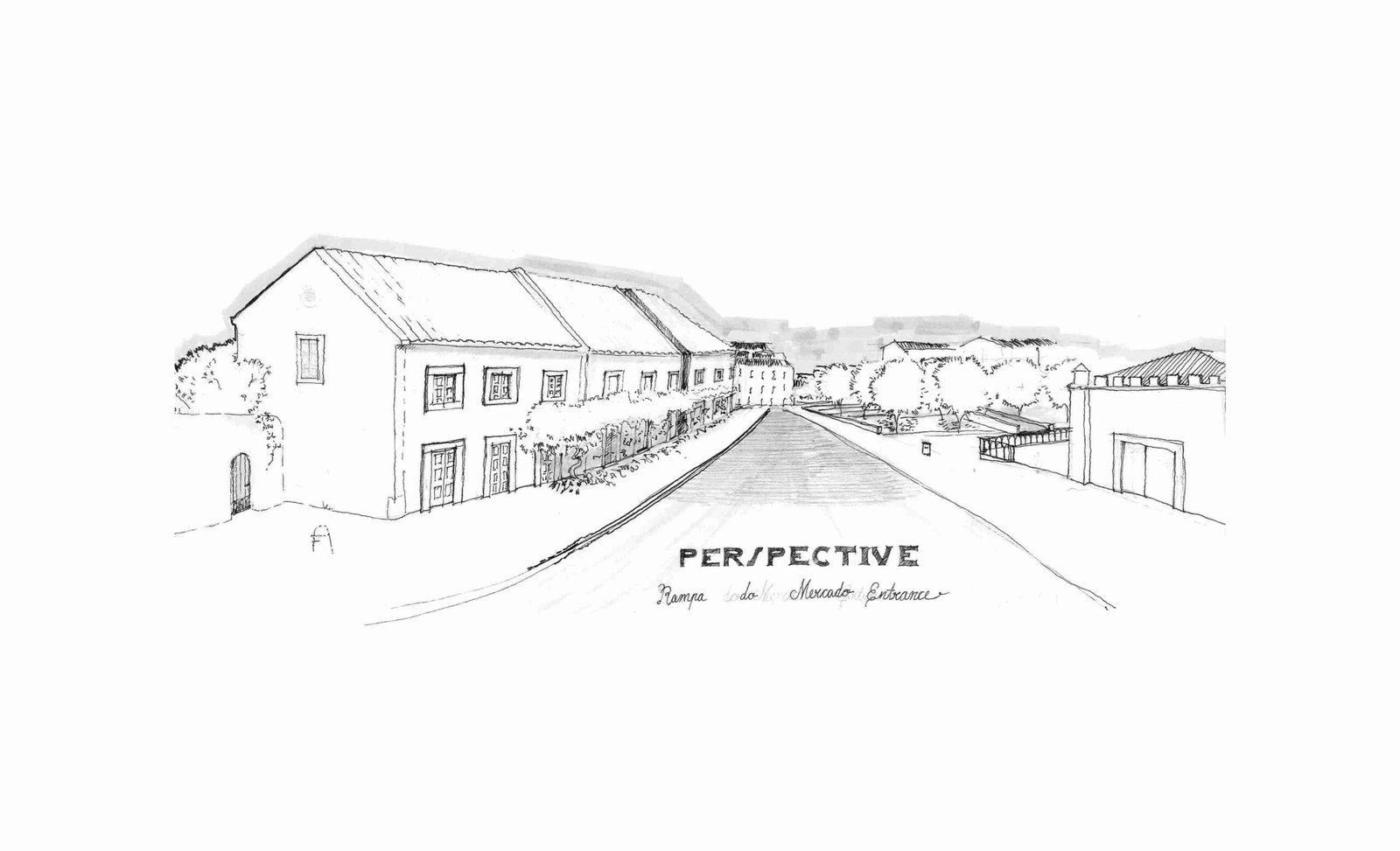
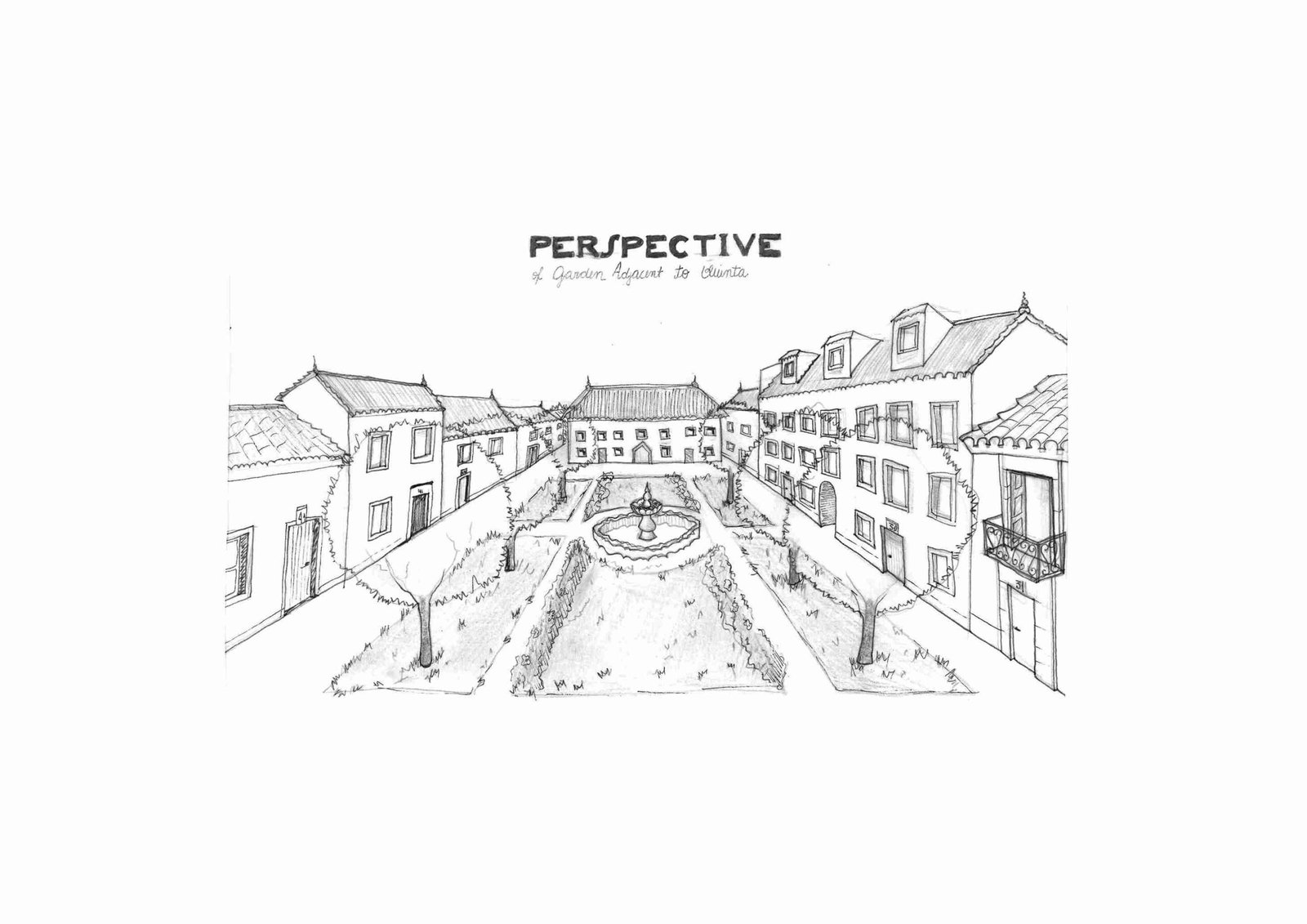
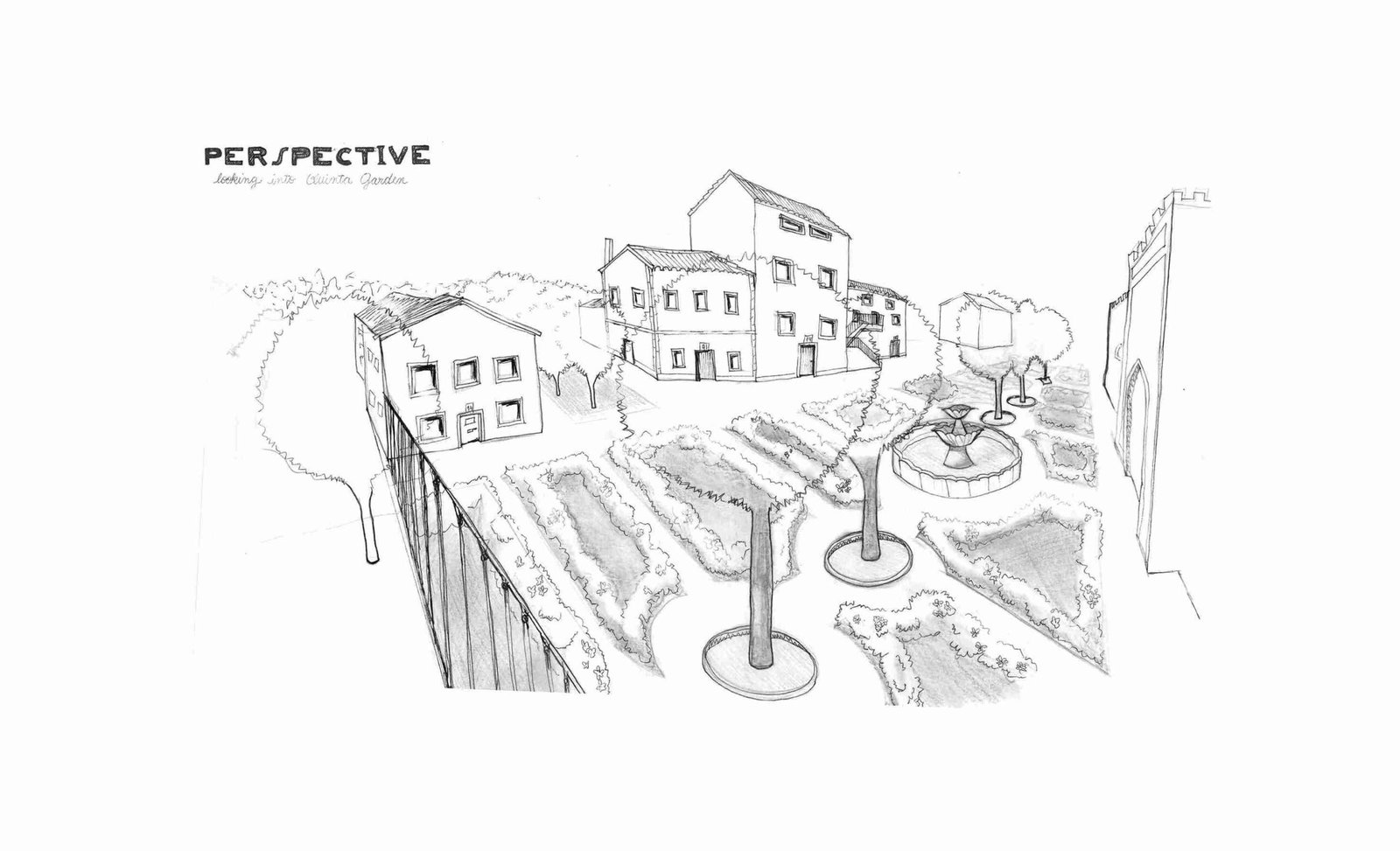
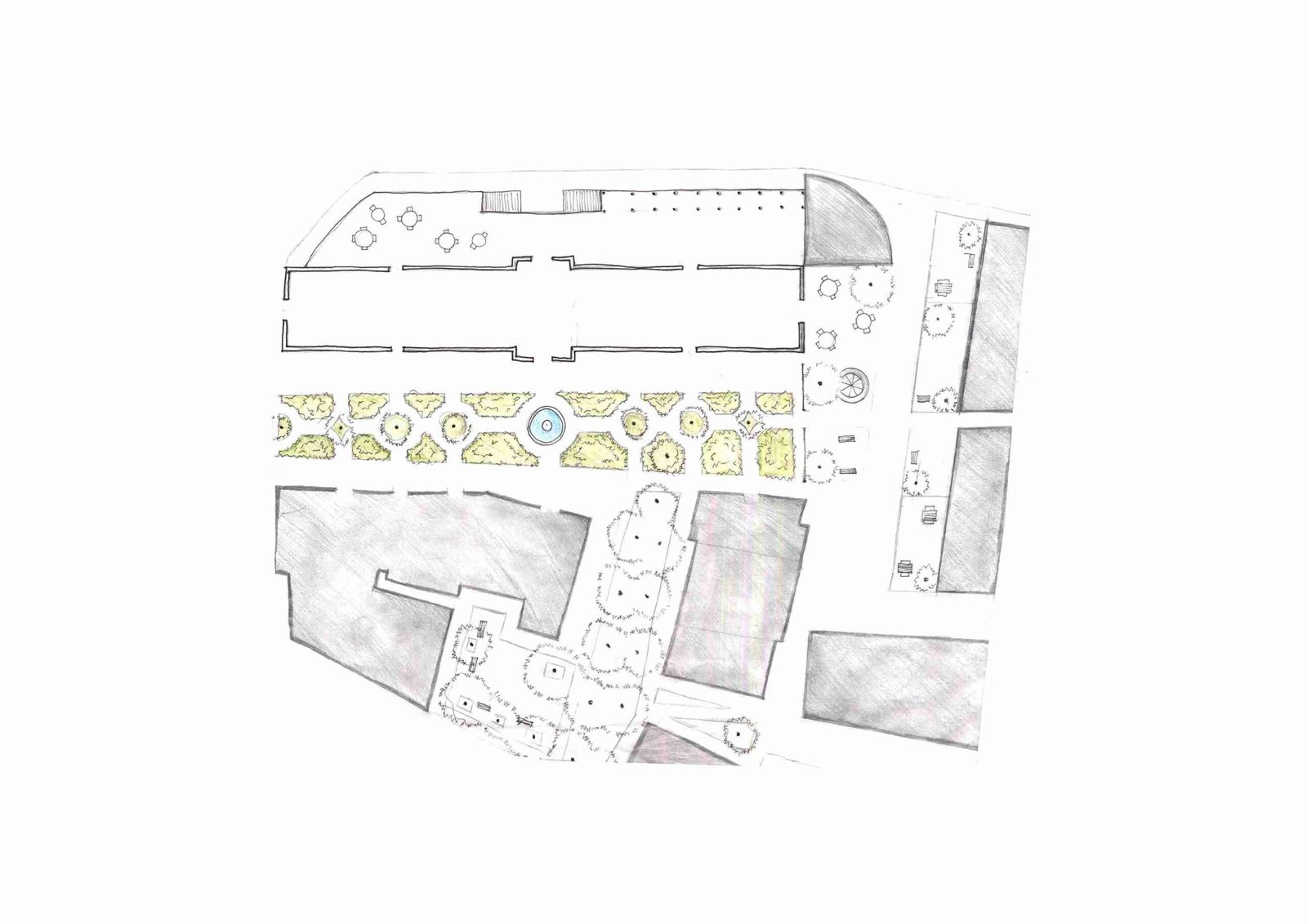
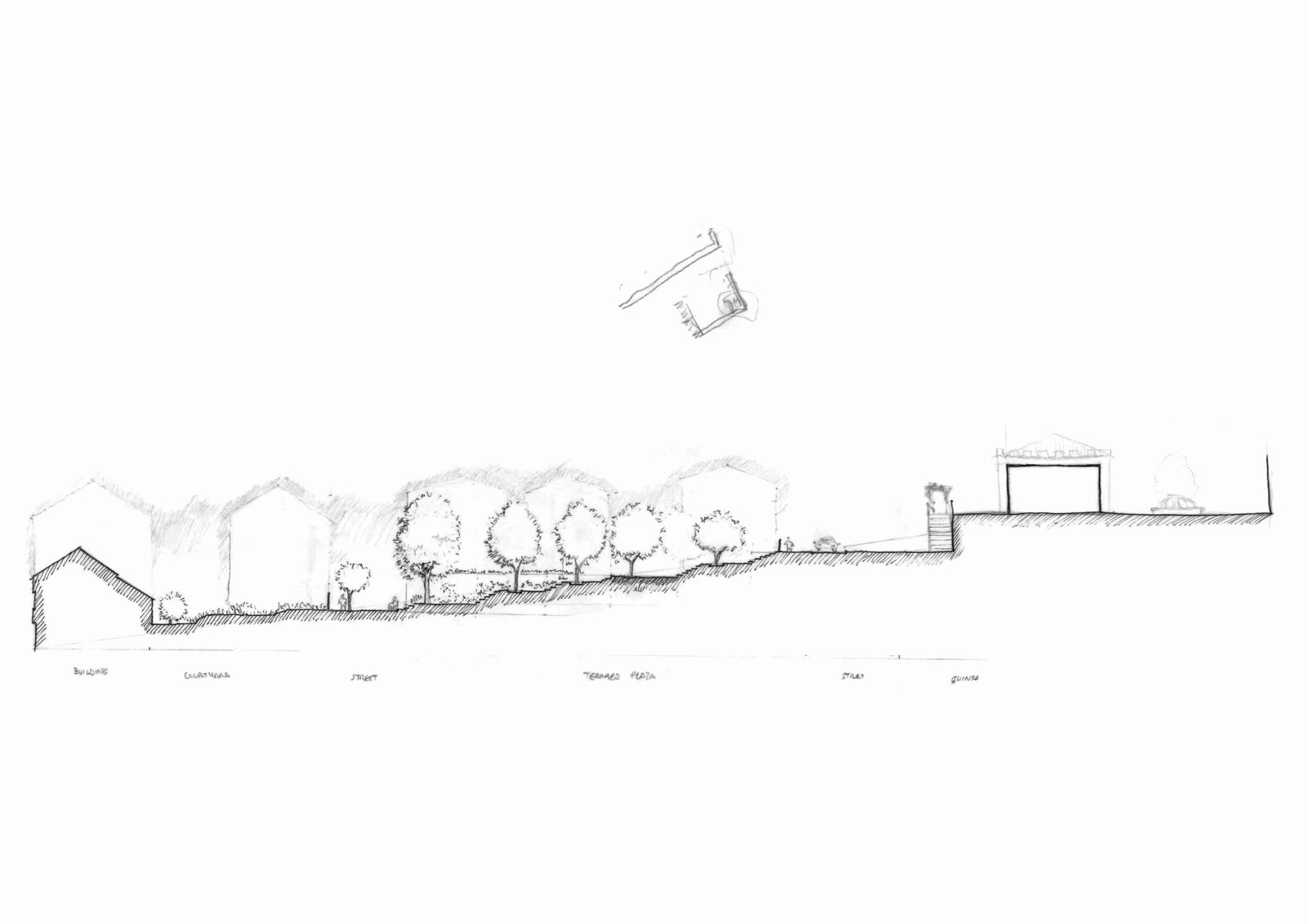
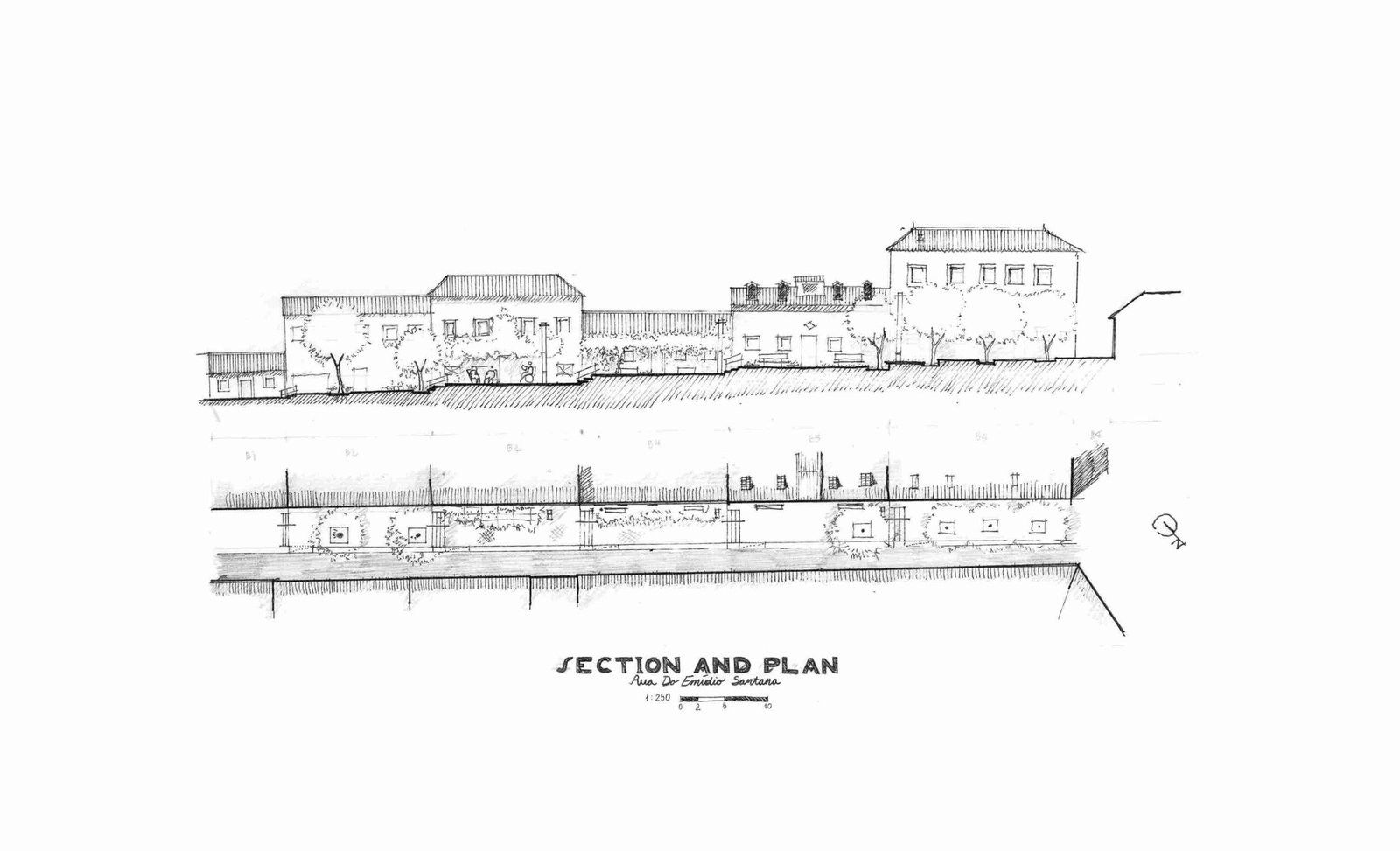
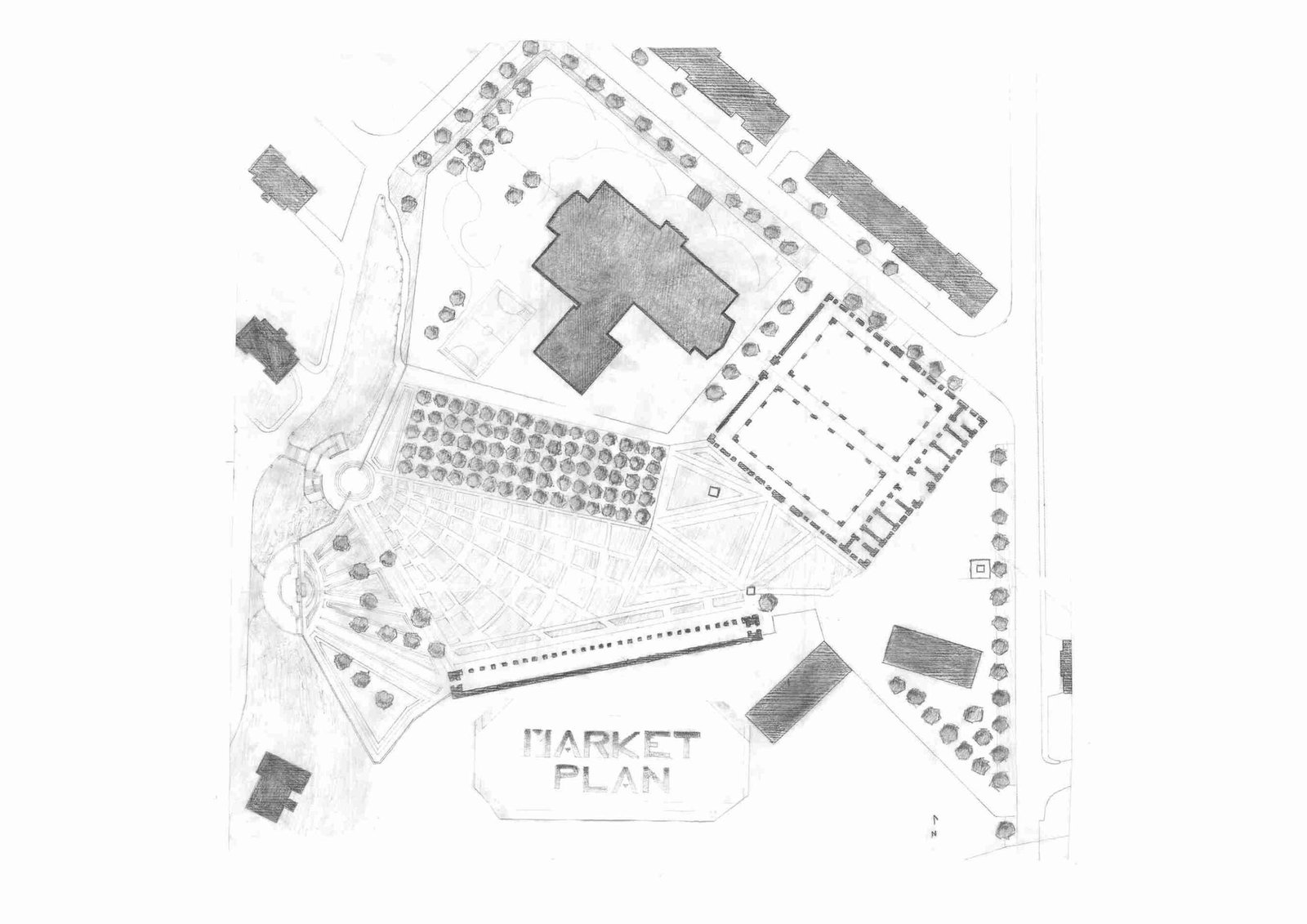
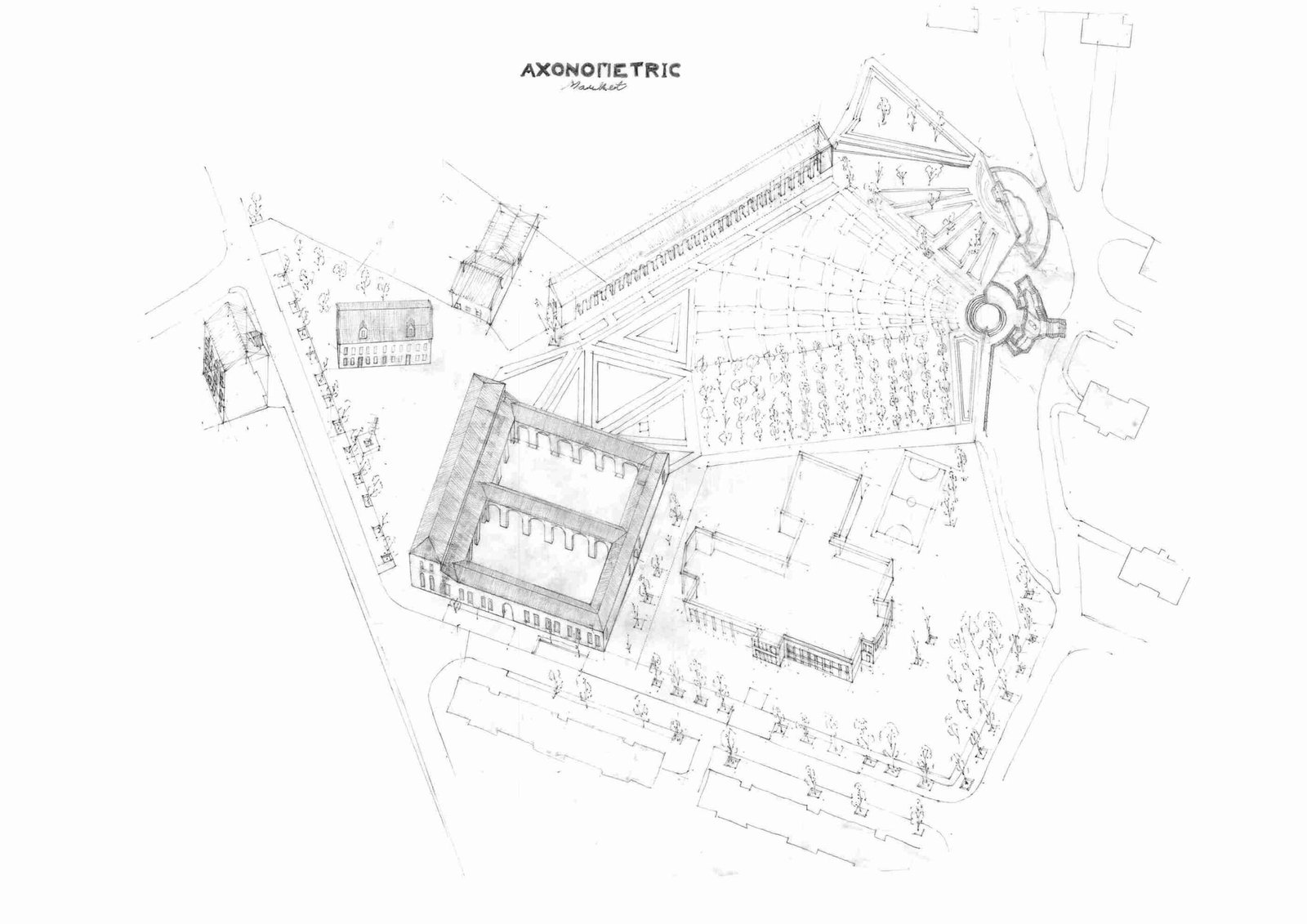
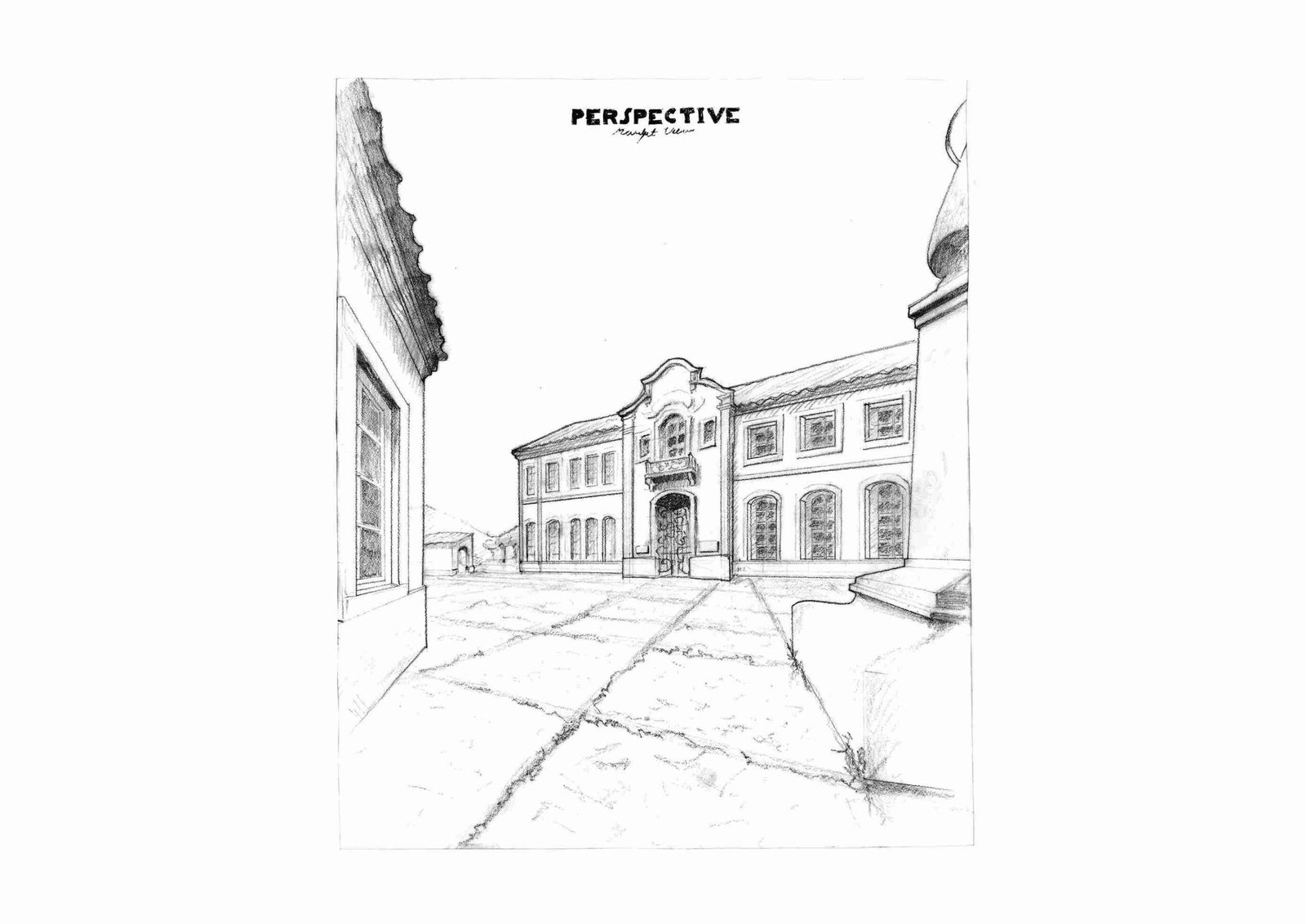
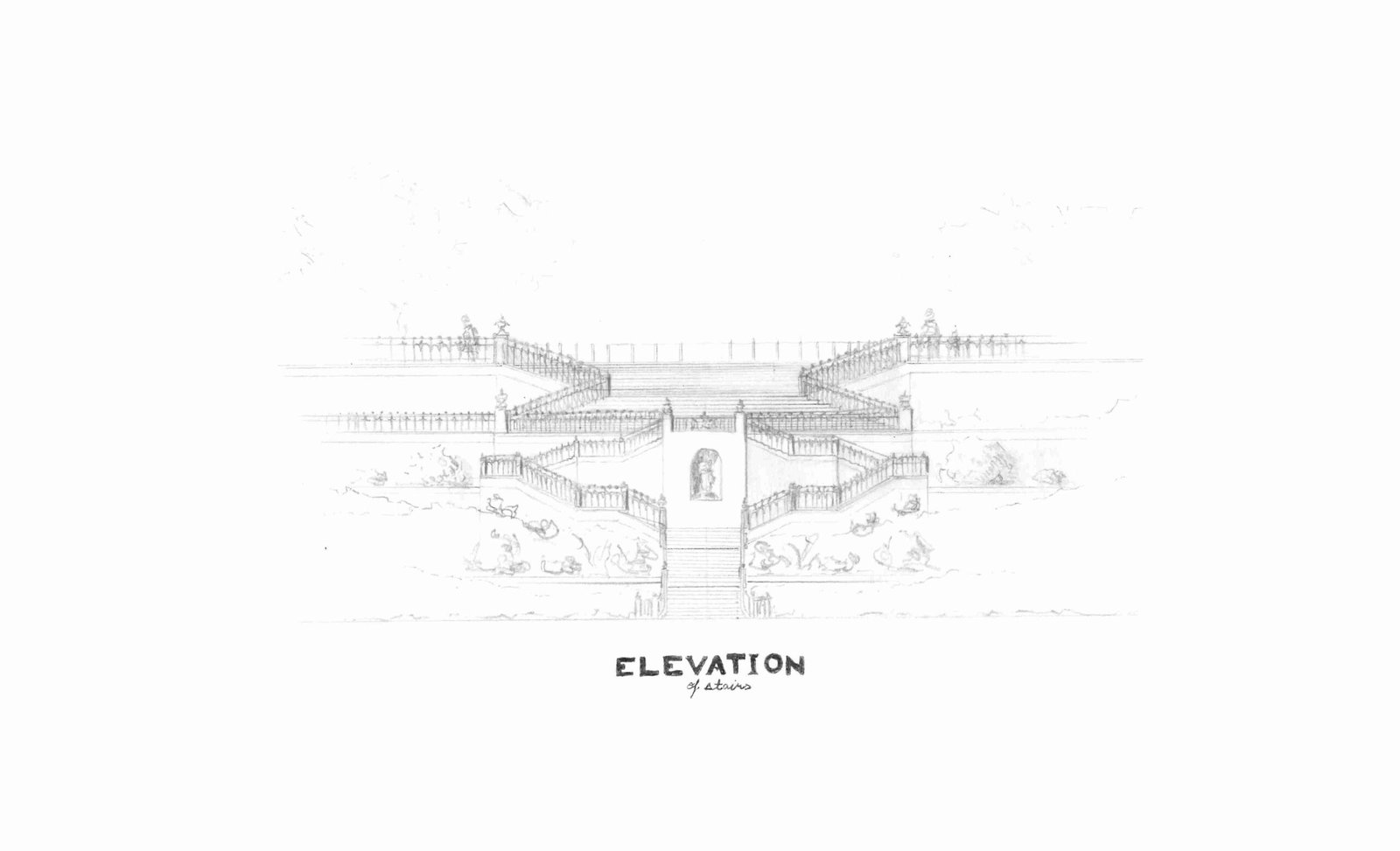
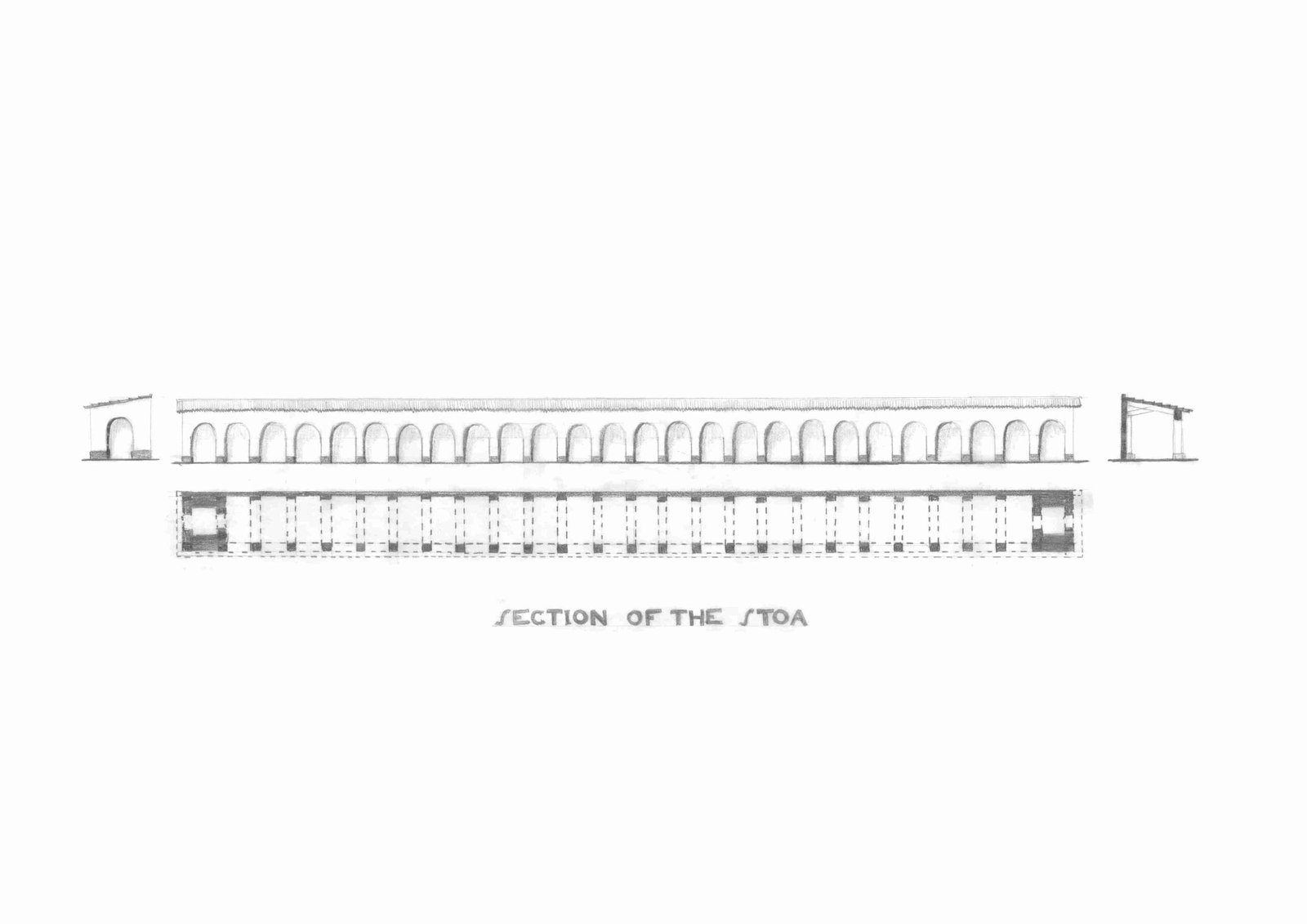
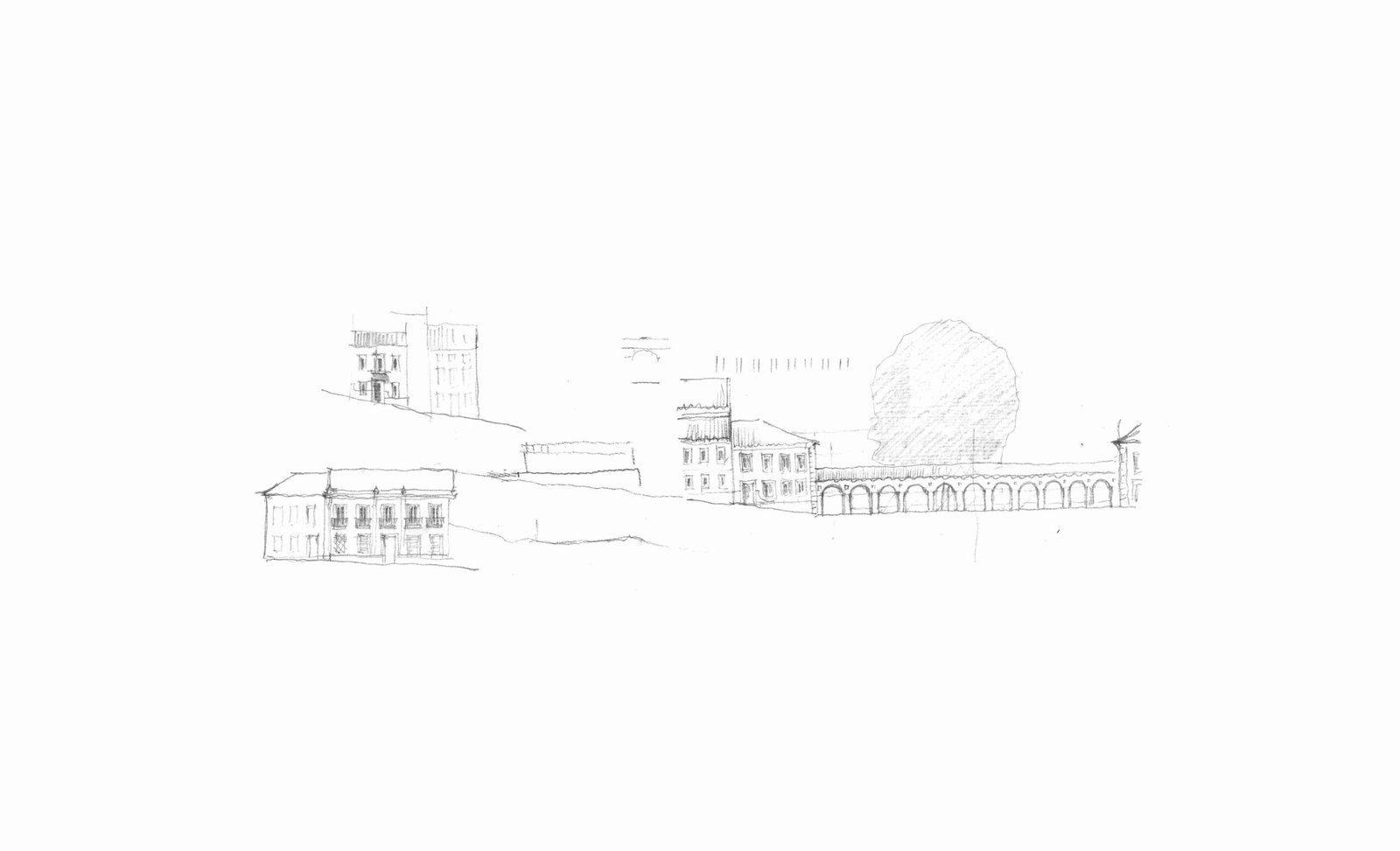
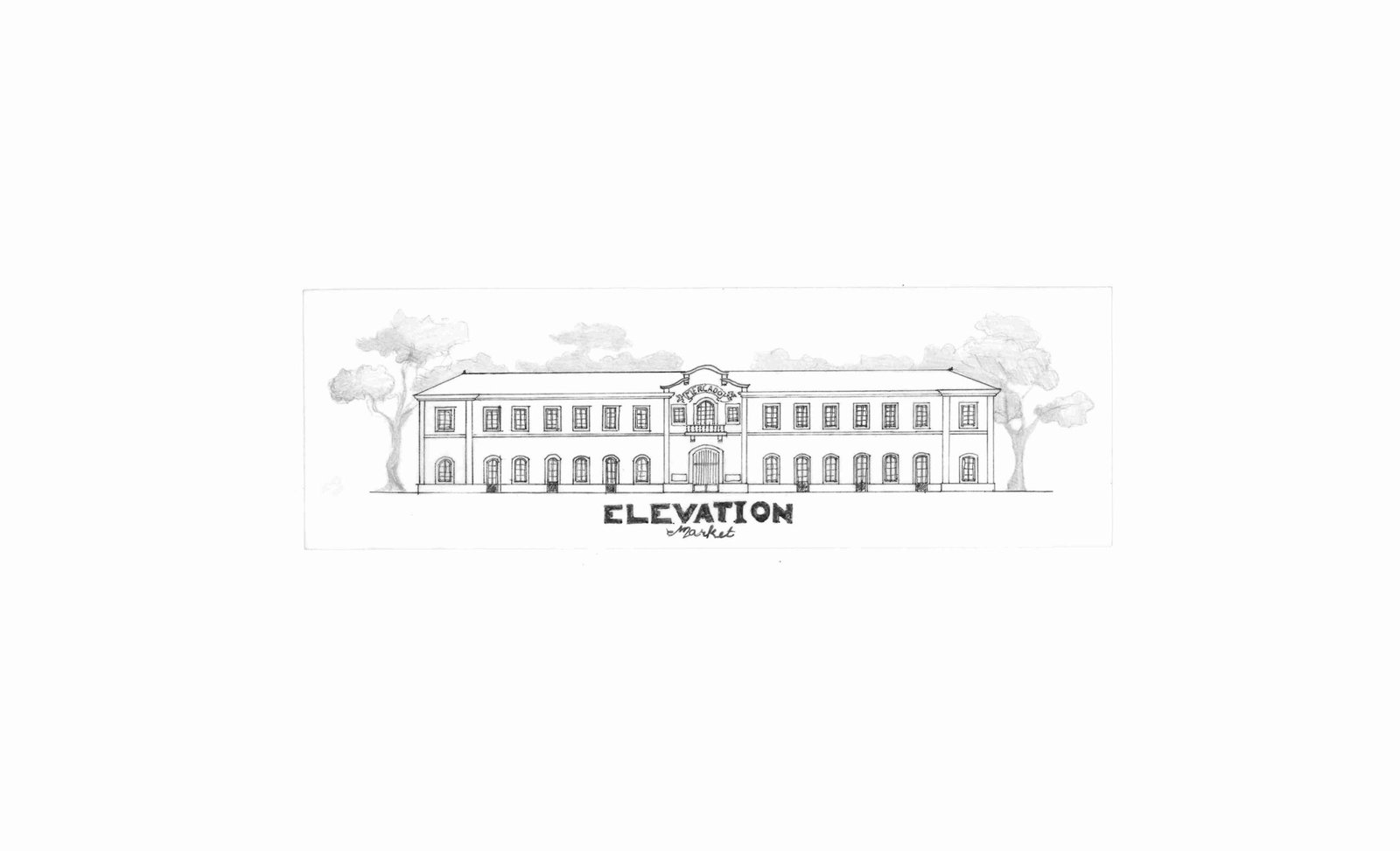
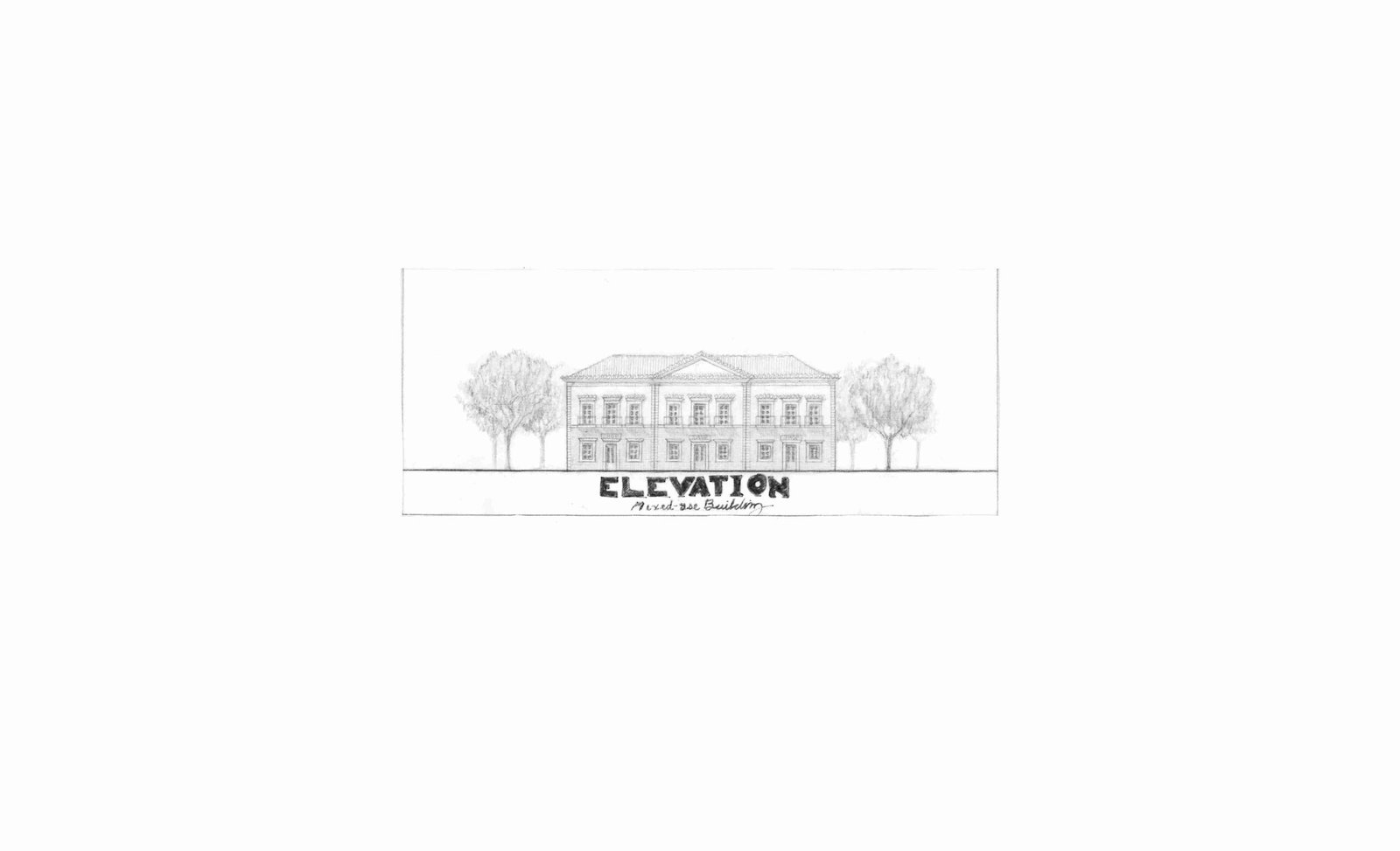
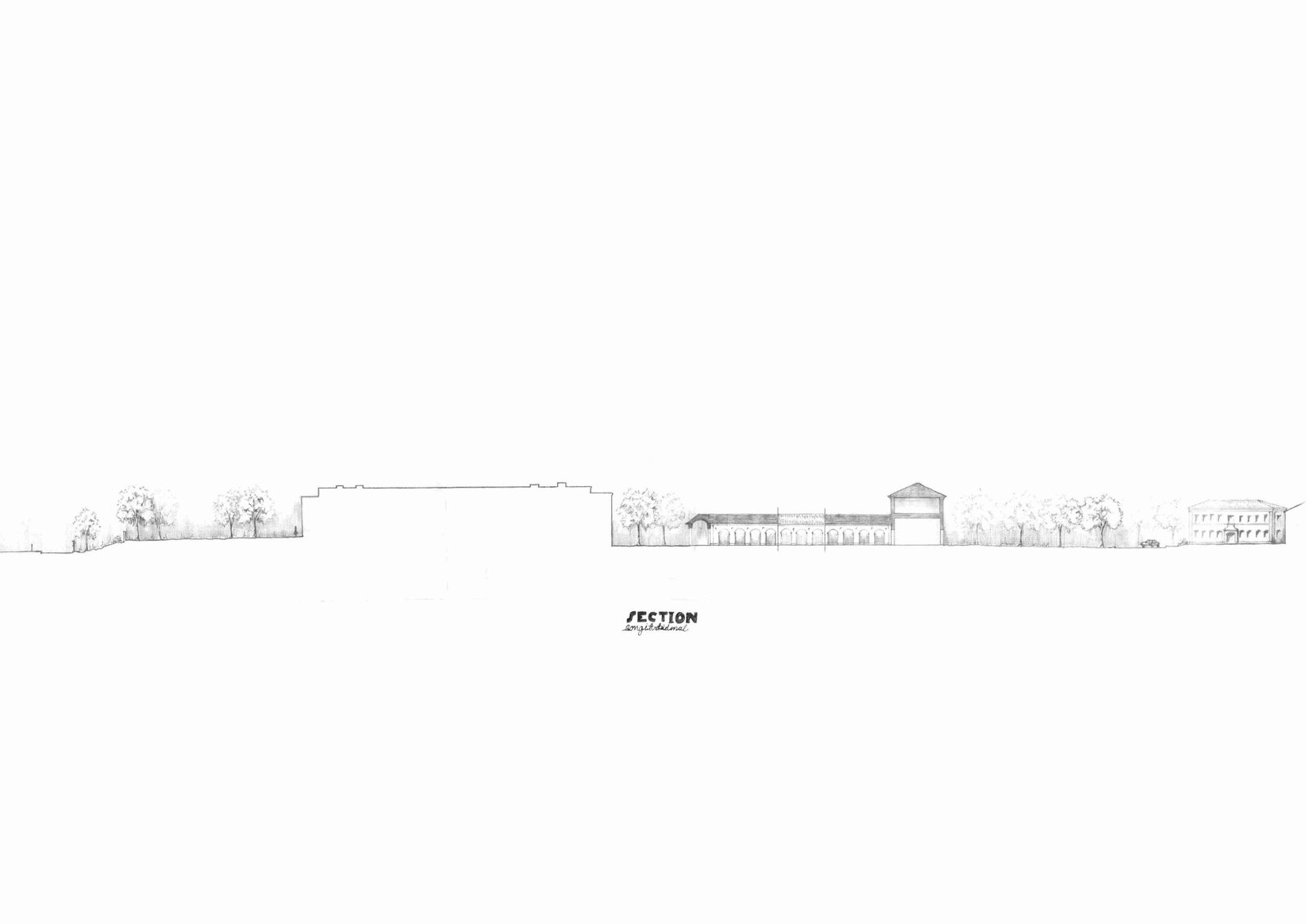
Both the documentation and analysis carried out during the first week and the architectural and urban proposals for the regeneration of Galinheiras were presented publicly on July 18, at the end of the Summer School, in an exhibition held at NOVA University Lisbon. The event was attended, among others, by Vasco Moreira Rato, Lisbon City Councillor for Urban Planning, Housing, and Municipal Buildings; Avelino Oliveira, President of the Ordem dos Arquitectos; Paulo Pardelha, Director of Urban Planning at Lisbon City Council; and Carlos Castro, President of the Santa Clara Parish Council, which includes Galinheiras, as well as representatives of the organizing and collaborating institutions.