Portada » Initiatives » Competition » Richard H. Driehaus Architecture Competition » Sites » Frigiliana, Málaga
Frigiliana, a municipality located in the Axarquía region of Málaga, on the southern slopes of the Sierra de Almijara, is one of the three municipalities selected for the new edition of the Richard H. Driehaus Architecture Competition. Its historic centre, declared a Site of Cultural Interest (Bien de Interés Cultural), is notable for the preservation of an urban structure of Andalusi origin and the distinctive character of its traditional architectural fabric.
The presented proposal focuses on the regeneration of the area of ‘El Ingenio’, a former manor house and sugarcane molasses factory —the only one of its kind still in operation in Europe— through the restoration of its disused spaces, the introduction of new cultural and tertiary uses compatible with the industrial activity, and the reorganisation of its urban and landscape surroundings, with the aim of strengthening the pedestrian connection between the different levels of the historic centre.
Frigiliana is a municipality located in the Axarquía region of Málaga, on the southern slope of the Sierra de Almijara, which is, in turn, part of the Sierras de Tejeda, Almijara y Alhama Natural Park. Its historic district, designated a Site of Cultural Interest, stands out for the preservation of its urban layout of Al-Andalus origin and for the uniqueness of its traditional architectural fabric.
At an elevation of 320 meters, and with a subtropical microclimate influenced by the nearby Mediterranean Sea, the municipality of Frigiliana borders the town of Cómpeta to the north, Torrox to the west, and Nerja to the south and east, and has a population of 3,383.
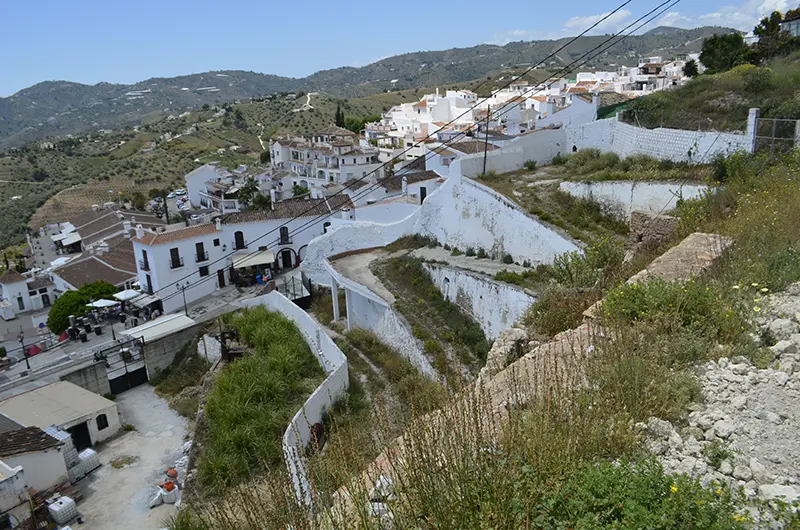
The landscape of Frigiliana is characterized by a series of man-made terraces that begin at the foot of the town center and which, since the time of the Muslim rule of this region, have made it possible to transform steeply sloping dryland into flat surfaces suitable for flood irrigation. The irrigation systems, consisting of distribution ditches and storage ponds, are still in use today.
The foundation of the town of Frigiliana dates back to Phoenician colonisation, although human presence in this territory has been documented as far back as the late Neolithic period.
There is evidence of a Roman presence in the area, although it was Muslim civilisation that left the deepest mark on both the urban landscape and its immediate surroundings. It was under Muslim rule that irrigated horticulture and sugar-cane cultivation were introduced. Given the steep and rugged nature of the settlement’s cultivable slopes, these had to be terraced in order to make farming possible. These agricultural terraces have survived to the present day.
As the Christian kingdoms of the northern Iberian Peninsula advanced southwards, the concentration of the Hispano-Muslim population within the former Nasrid Kingdom of Granada led to a considerable increase in population in the area. During this period, the settlement of Frigiliana reached its greatest extent, with its lower part stretching as far as the escarpments rising immediately above the agricultural terraces. This brought about a period of agricultural prosperity, reflected in the clearance of new land and the terracing of slopes that had previously remained uncultivated, while the existing irrigation-channel network was also extended. These channels continue to perform the same function today, some seven hundred years after they were built.
The forced Christianisation imposed following the fall of the Nasrid Kingdom triggered the Mudéjar uprising of 1500, which was suppressed a year later. This demographic catastrophe was compounded by the Morisco revolt of 1568, including the massacre that took place on the Cerro del Fuerte, near Frigiliana, followed by the expulsion of the Moriscos in 1570. These events resulted in the complete depopulation of the settlement of Frigiliana.
Resettlement began in the closing years of the sixteenth century, when ownership of the territory passed to the Manrique de Lara family. They undertook the construction of their manor house, now known as “El Ingenio”, together with the Casa del Apero, both associated with the exploitation of sugar cane. These initiatives gradually laid the foundations for the recovery of the town.
This recovery accelerated during the early decades of the seventeenth century, particularly from 1630 onwards, when the territory was established as a county. The Count of Frigiliana promoted the intensive resettlement of the locality, with the construction of houses along the road to Nerja, the establishment of a sugar-cane mill for the sugar works, and the replanting of the cane-growing areas. The beginnings of the Ensanche, or urban expansion district, around what is now Calle San Sebastián also date from this period, as does the establishment of Las Maquinillas and El Ingenio. Taking advantage of the waterfalls within the Lizar hydraulic system as a source of power, these facilities were subsequently used for processing sugar cane.
As the culmination of this process of recovery, in 1640 Frigiliana was granted the status of “villa” and became independent from Vélez-Málaga. As a result, the boundaries of the municipal territory were formally demarcated and a town council was established. A few years later, construction of the parish church was completed.
The eighteenth and nineteenth centuries consolidated the prosperity of the area, whose population and wealth increased steadily thanks to the cultivation of sugar cane and, above all, vines. As a result, the population reached a peak of 3,197 inhabitants in 1887. The phylloxera epidemic, however, which had already caused a major agricultural catastrophe several years earlier, brought about a gradual decline in the area that continued well into the twentieth century.
It was not until after the Spanish Civil War that a modest economic and demographic recovery began. This led to the expansion of the town into the Ensanche, along the present-day Avenida de Andalucía and Avenida Príncipe de Asturias. During the second half of the twentieth century, aided by the growth of tourism, building activity increased significantly, reaching its peak over the last two decades.
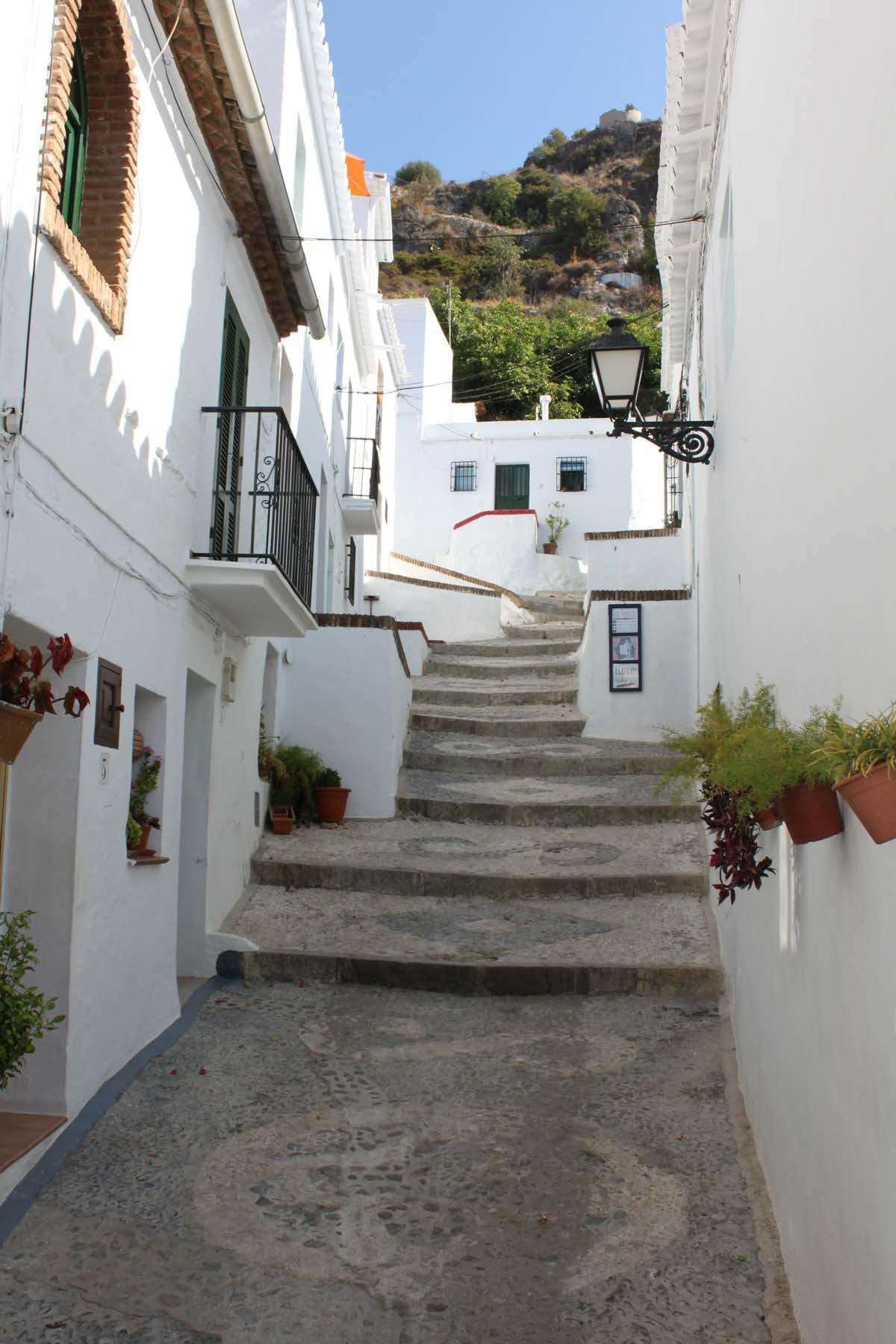
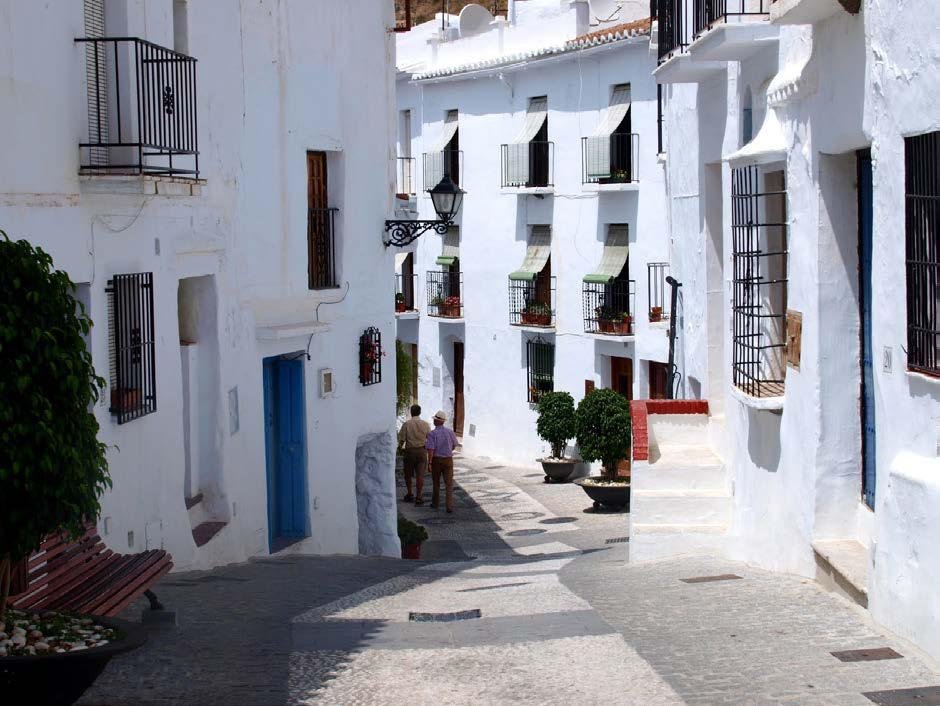
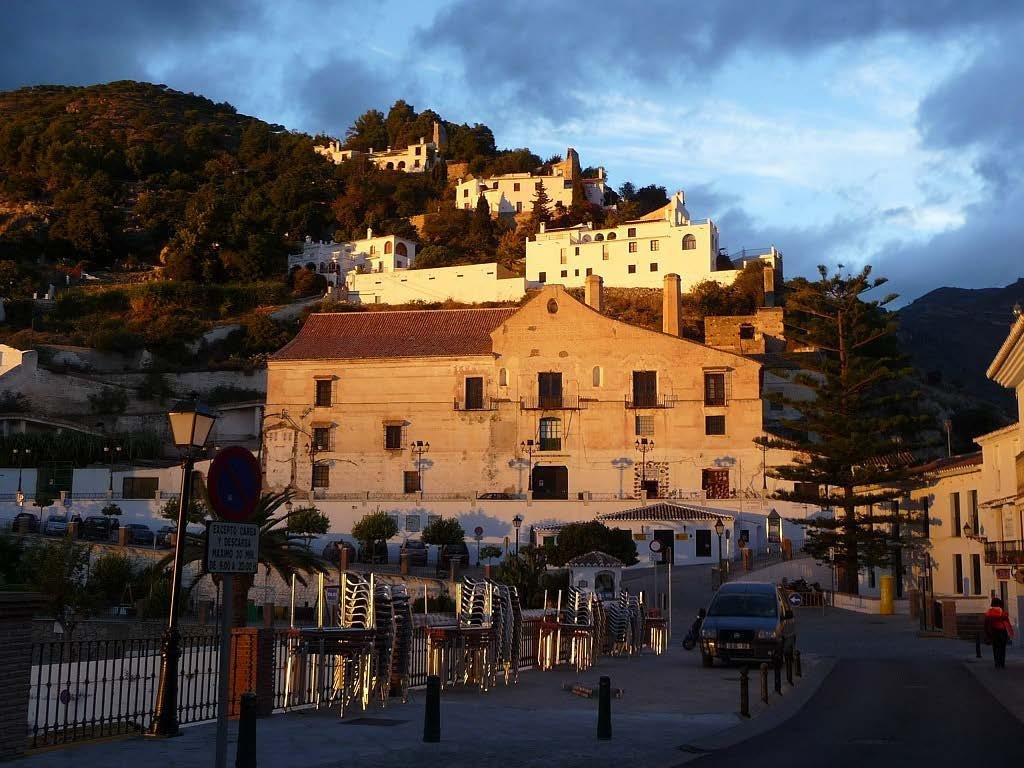
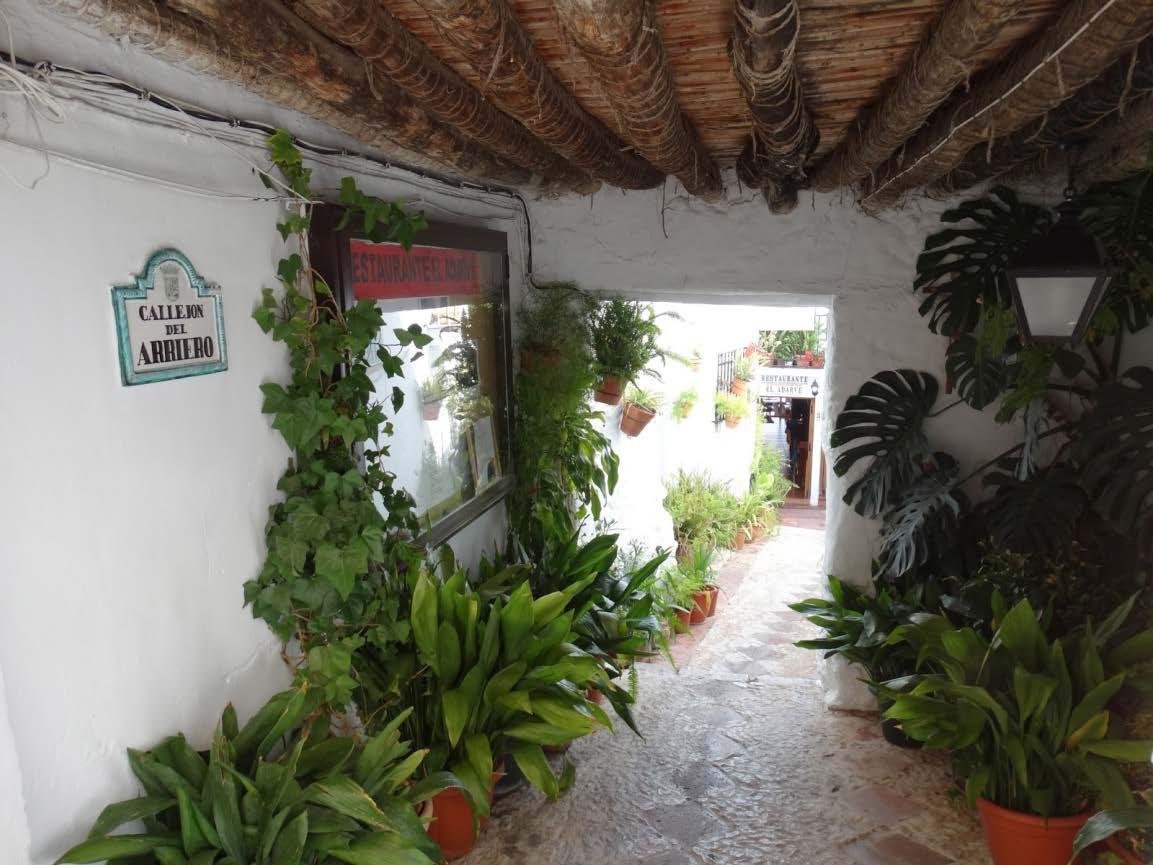
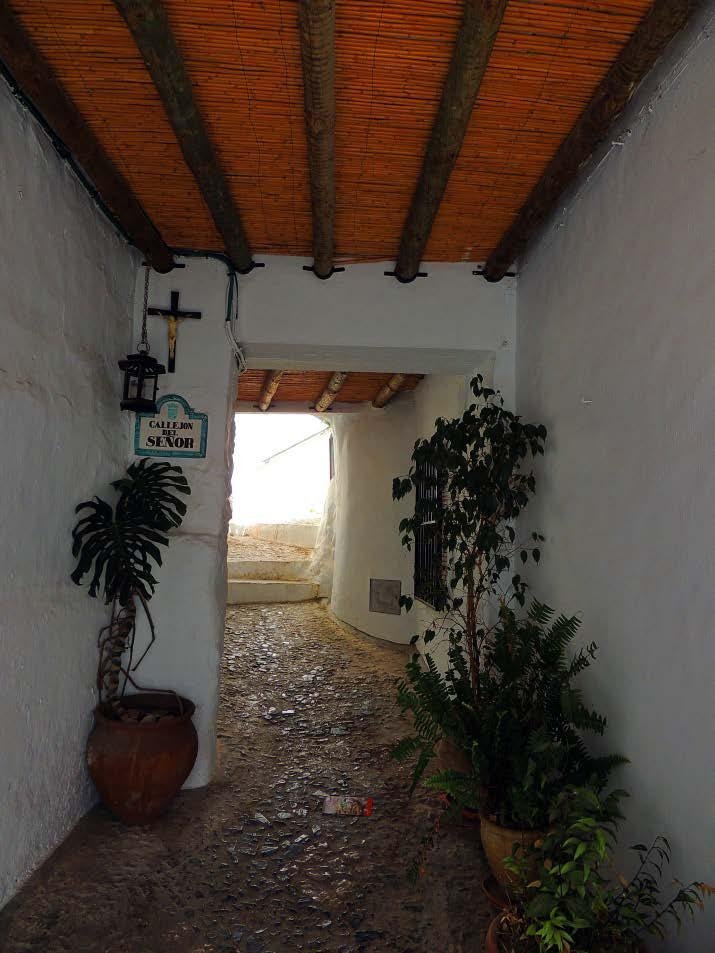
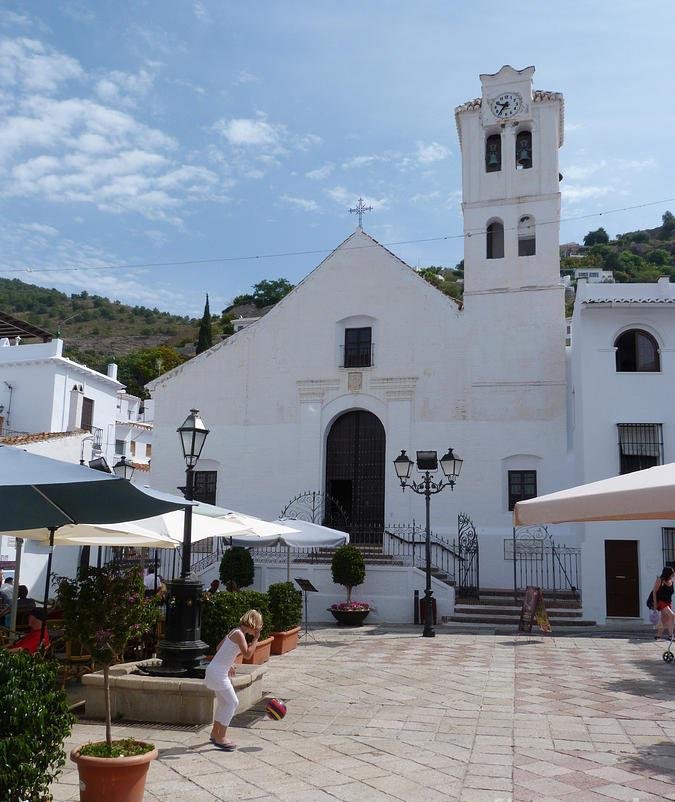
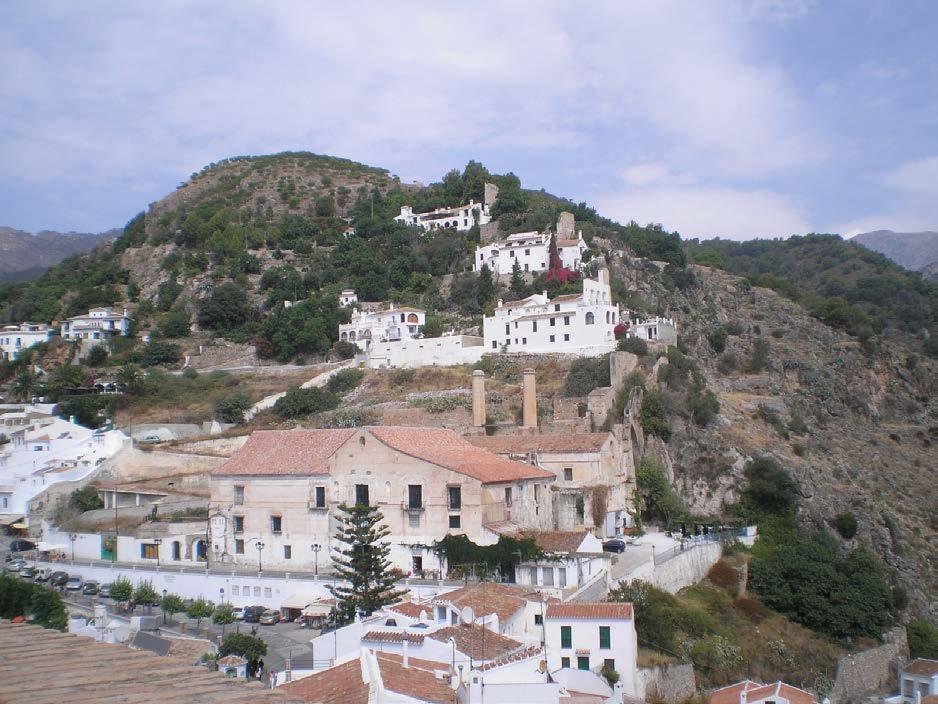
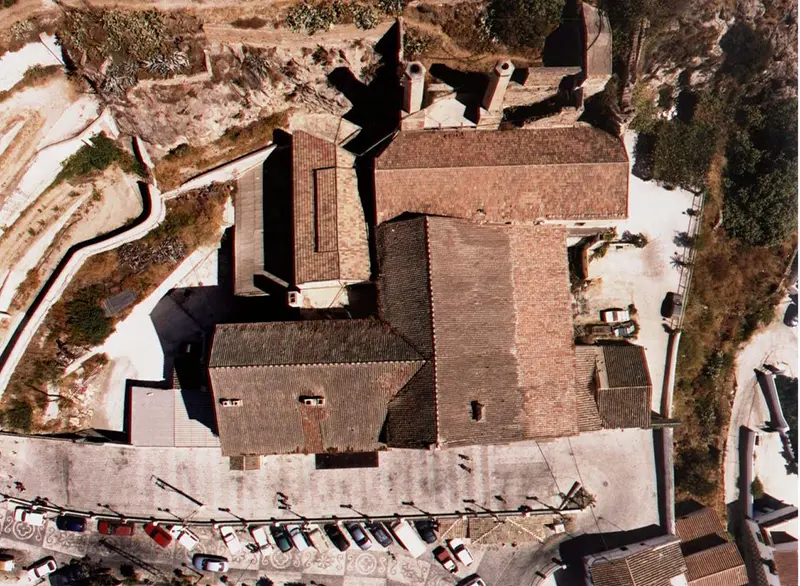
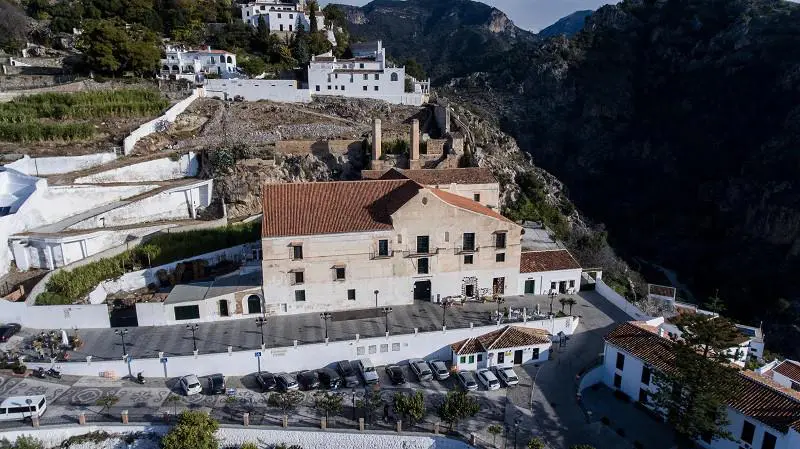
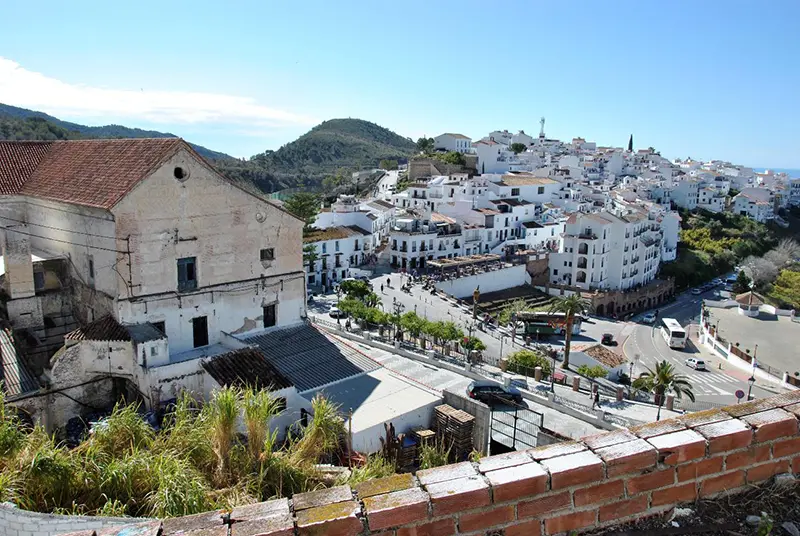
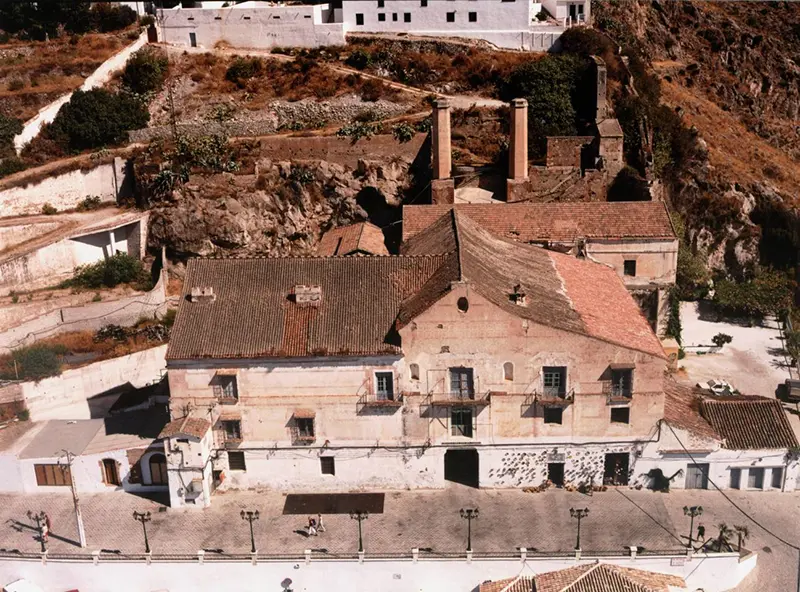
The proposed project area for the competition includes “El Ingenio” in Frigiliana and its immediate surroundings, a complex of great historical, architectural, industrial, and scenic interest. It is also the area that connects Frigiliana’s oldest nucleus with its historic extension, so its design is fundamental to the cohesion of the whole.
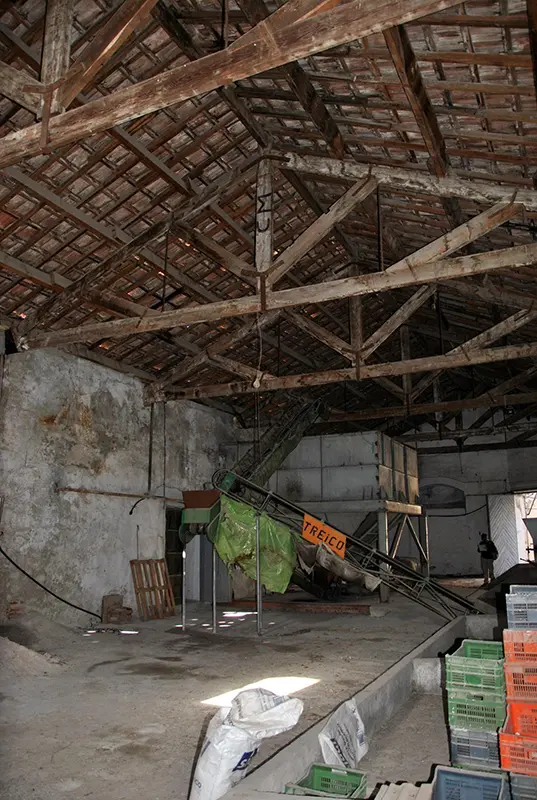
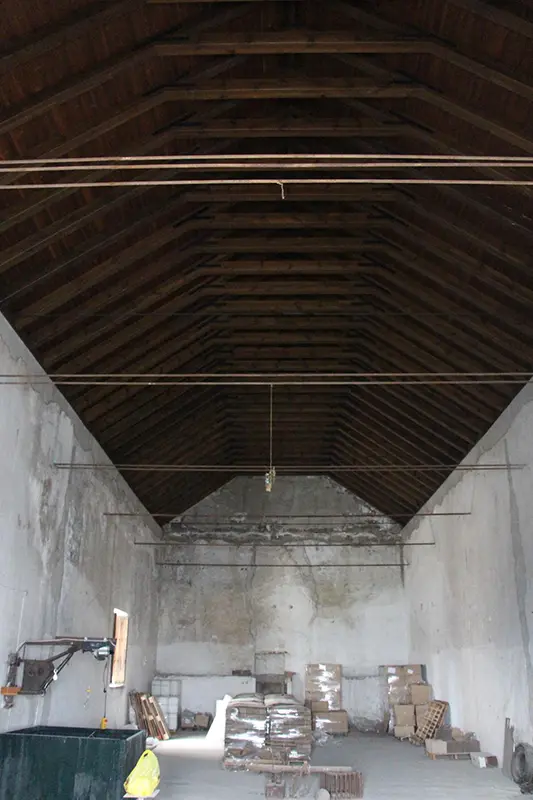
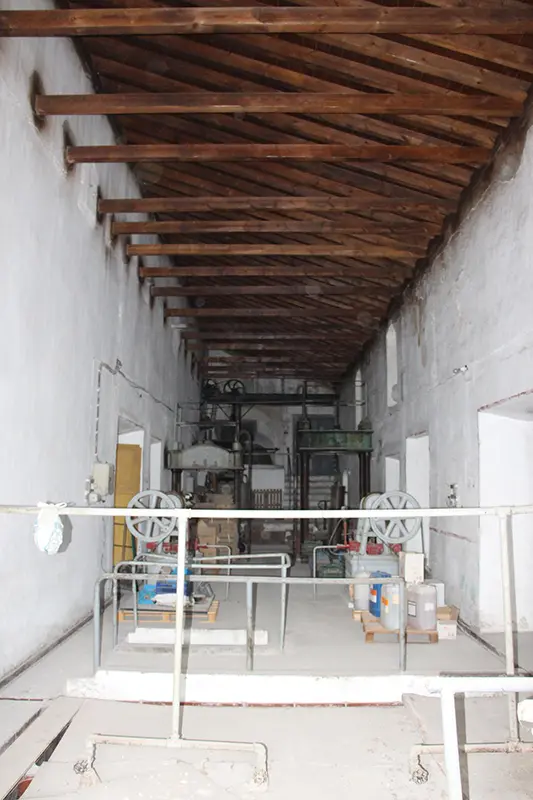
The term “ingenio” refers to large pre-industrial facilities, used in this case for the production of sugar and sugarcane molasses, and organized around elements such as the mill and the boilers. El Ingenio currently serves a productive function linked to the Nuestra Señora del Carmen sugarcane molasses factory, the only active sugarcane molasses factory in Europe. Some ground-floor spaces are currently in use as storage areas for raw materials and finished products (Fig. 2.2.09 – 2.2.23). A structure adjoining the main building, which had fallen into a ruinous state, was recently rehabilitated and converted into two commercial premises intended respectively for souvenir sales and food service. Also on the ground floor, a vaulted space known as the “chapel” (Fig. 2.2.16) has been restored and adapted with the intention of using it to interpret the history of the building and its current use as a sugarcane molasses factory.
The remainder of the Ingenio is currently unused, including the recently restored machinery of the former sugarcane mill and the oil mill. The plot surrounding the Ingenio is currently fenced, privately owned, and contains the former paths known as Camino de las Maquinillas and Camino de las Aceitunas, as well as the ruins of an old maquinilla located behind the chimneys. It should be noted that the term maquinilla also refers to an ingenio, but one of smaller size or lesser importance.
The topography is one of the key elements shaping not only the sugar mill but also the landscape and the historical development of the town center. Its location offers spectacular views of the Sierras de Tejeda, Almijara y Alhama Natural Park, enhancing its scenic value. However, this same topography creates a break within the urban fabric of the historic center, and makes pedestrian access to the higher areas of Frigiliana particularly difficult due to the lack of public pathways. The complex therefore has a dual role: on the one hand, as a heritage and landscape asset with great potential; and on the other, as an opportunity to resolve a point of discontinuity within the existing urban structure.
The proposed intervention in the Ingenio involves introducing new uses—tertiary, cultural, and others—that are compatible with and can coexist alongside the industrial activity that continues to take place within the building. Sugarcane molasses production must continue, and this industrial activity may in fact become the focal point for new non-industrial activities that complement it. The drawings accompanying these competition guidelines identify the areas to be used for commercial space, administrative functions, interpretation of the building and its history, and a multipurpose space for which a new use, preferably cultural in nature, must be proposed
Particular consideration must be given to the façades of the Ingenio as distinctive architectural elements whose wall-finishing techniques must be understood and treated within their appropriate historical context (see UE_5 Sector Drawings, pp. 11–13). Any intervention in the building must respect these façades and ensure their appropriate integration within the urban landscape.
At a broader scale, the proposal calls for the reorganization of the surrounding area. This includes the construction of new buildings to complement the existing built fabric with compatible new uses, as well as the creation of new public spaces—streets and squares—that provide greater cohesion and integration within the urban fabric. These interventions must be harmoniously integrated into Frigiliana’s historic, cultural, and social context.
For this part of the intervention, the demolition of both the sawmill structures attached to the main Ingenio building and the existing police station is proposed; both demolitions are a minimum requirement of the intervention.
The proposal as a whole must respond to the fundamental challenge of overcoming the current discontinuity in pedestrian circulation toward the upper part of Frigiliana’s historic center. This should be achieved through new pedestrian routes extending northwest of the Ingenio, articulated by squares or lookout points.
In designing these routes, particular attention must be paid to the area north of the Ingenio, a space of considerable heritage, historical, and landscape value. It is characterized by steep topography and by the structures forming the hydraulic system of water drops and channels. Here, the intervention must respect and enhance the existing features and integrate the archaeological remains. This outdoor area may also be linked to the interpretive routes associated with the main building.
The creation of a new square next to the Ingenio itself is also suggested, in the area where the terrain is less steep, where any smaller-scale construction could emphasize the monumental character of the Ingenio building, and where advantage can be taken of the additional space created by the demolition of the sawmills. If a square is proposed in this lower part of the intervention area, participants are encouraged to consider incorporating ground-floor commercial premises so that the new urban fabric is as diverse and active as possible. In this way, these new public spaces can become new places for gathering and social interaction, with the potential to strengthen the cohesion of the urban ensemble.
With regard to new construction, the entire area within UE-5 allows for up to 3,106.90 m² of buildable floor area, in addition to the Ingenio’s existing built floor area. The principal designated use is tertiary. However, since residential use is permitted as a compatible use, for the purposes of this competition the 3,106.90 m² of buildable floor area may be allocated to either residential or tertiary uses. Participants shall determine, at their own discretion, the appropriate proportion of each use within the intervention area.
The new buildings must take Frigiliana’s housing needs into account. Participants are therefore encouraged to propose a range of dwelling types, with a predominance of two-bedroom homes.