Portada » Initiatives » Awards » Building Arts Awards » Laureates » Laureates 2025
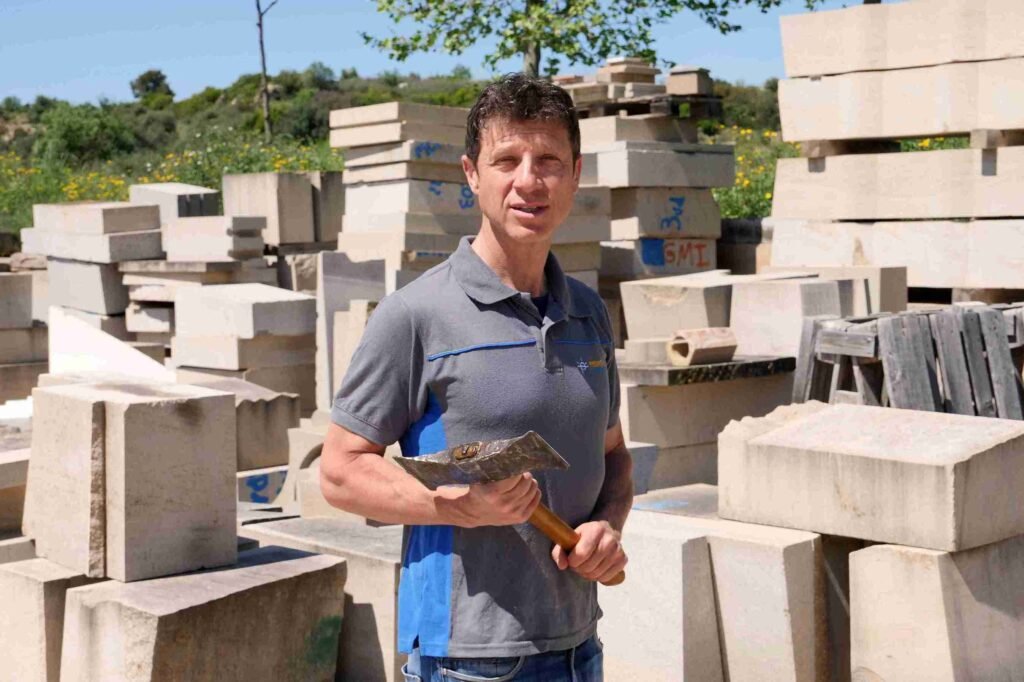
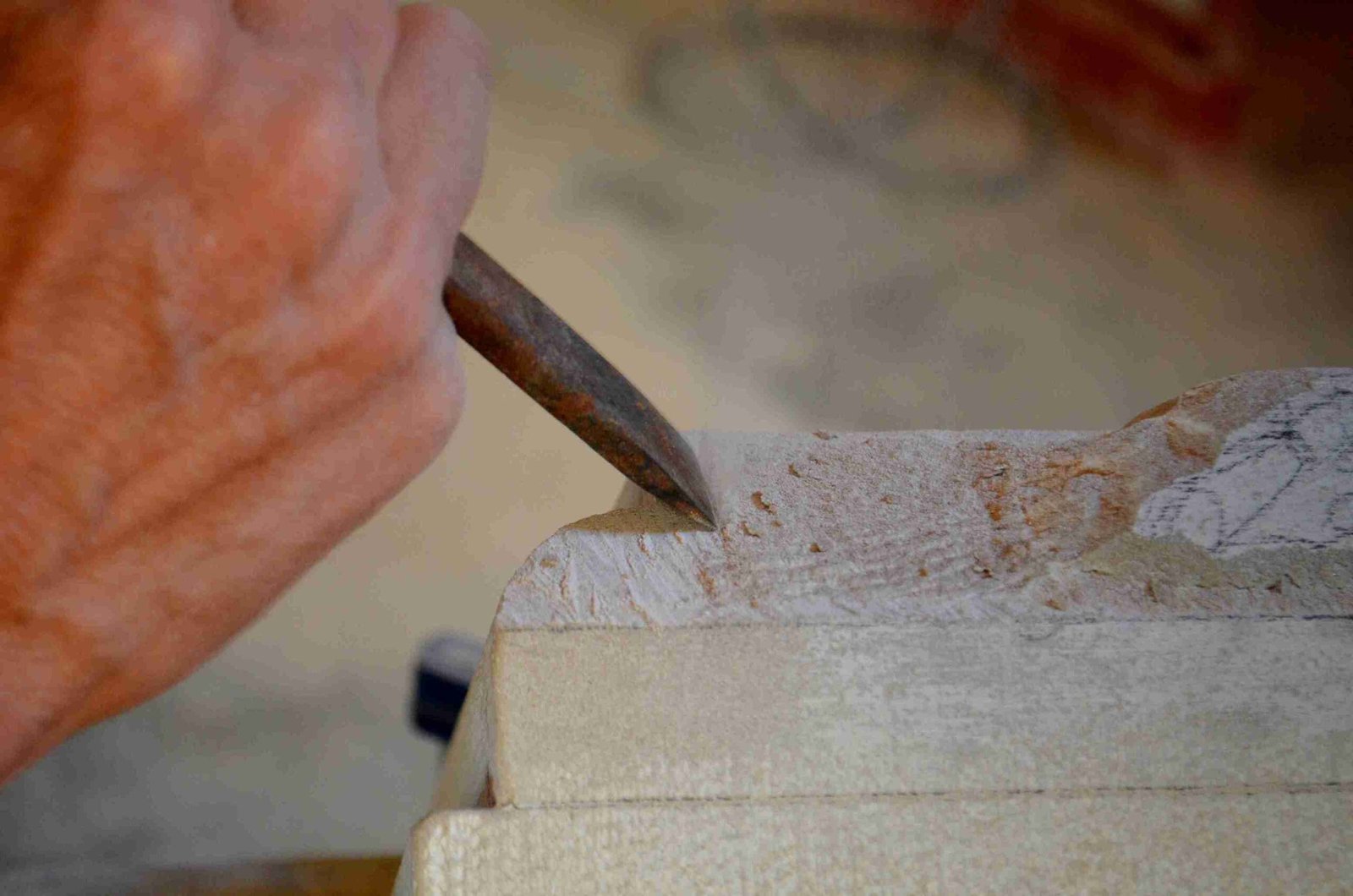
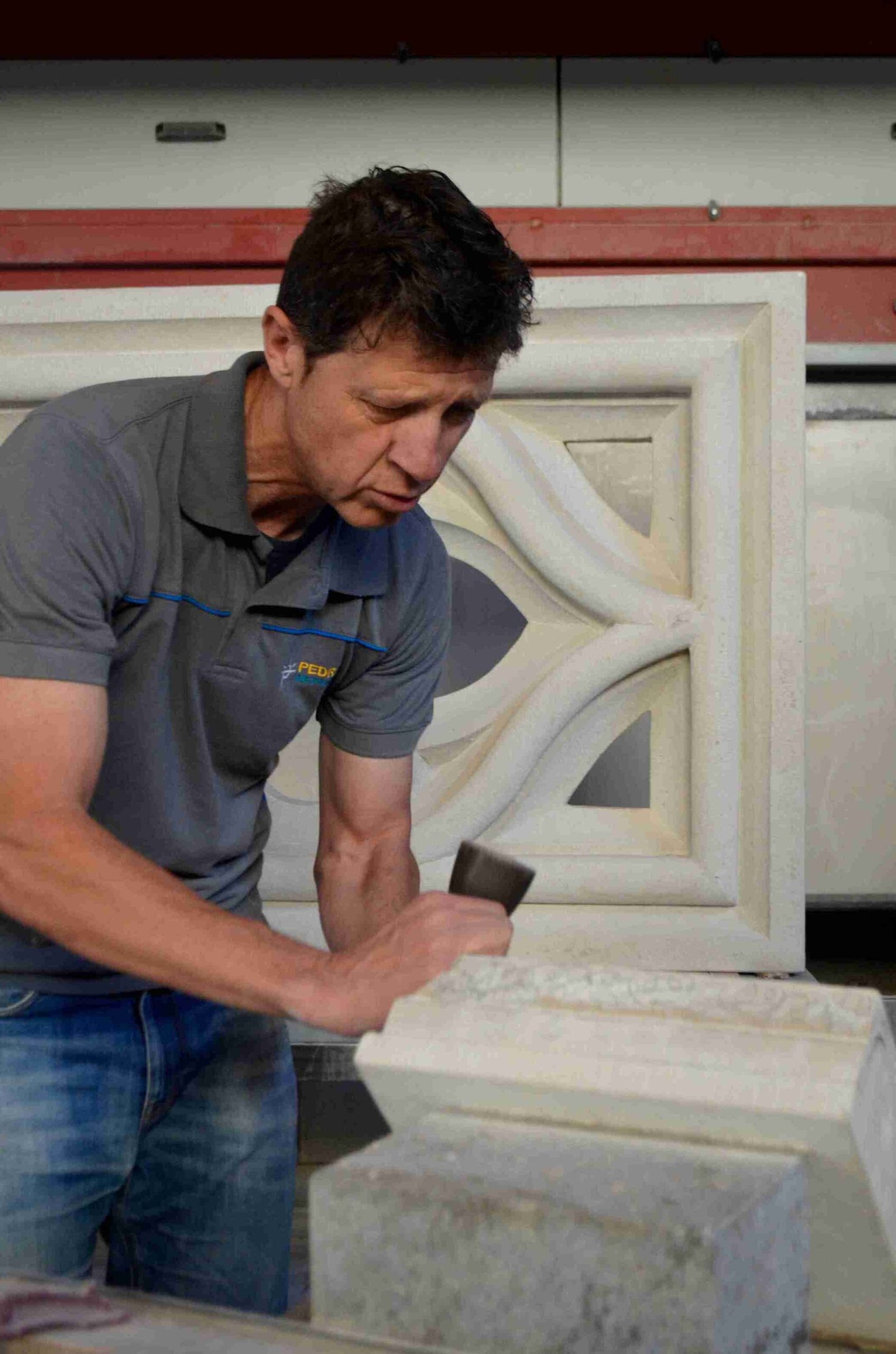
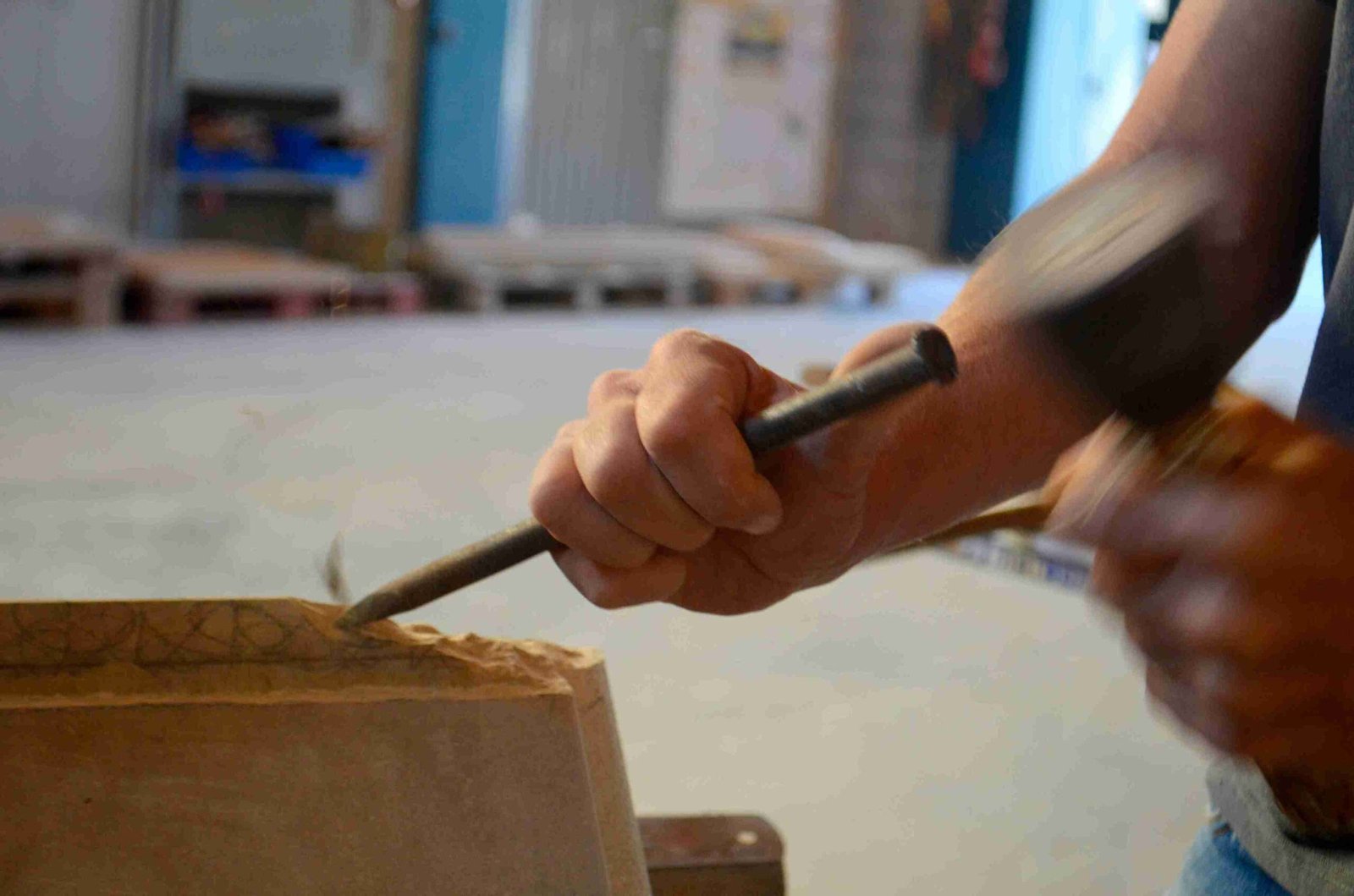
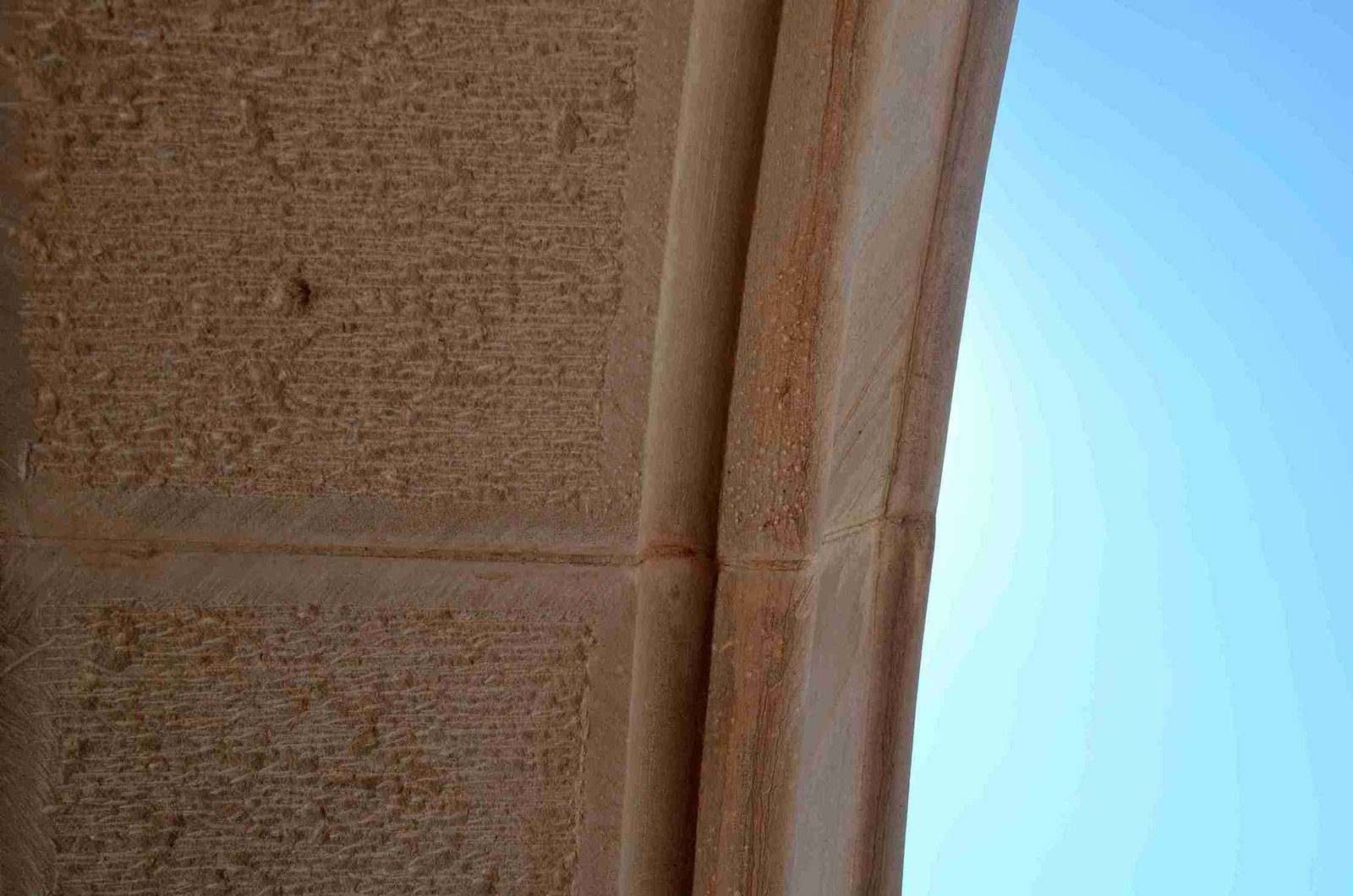
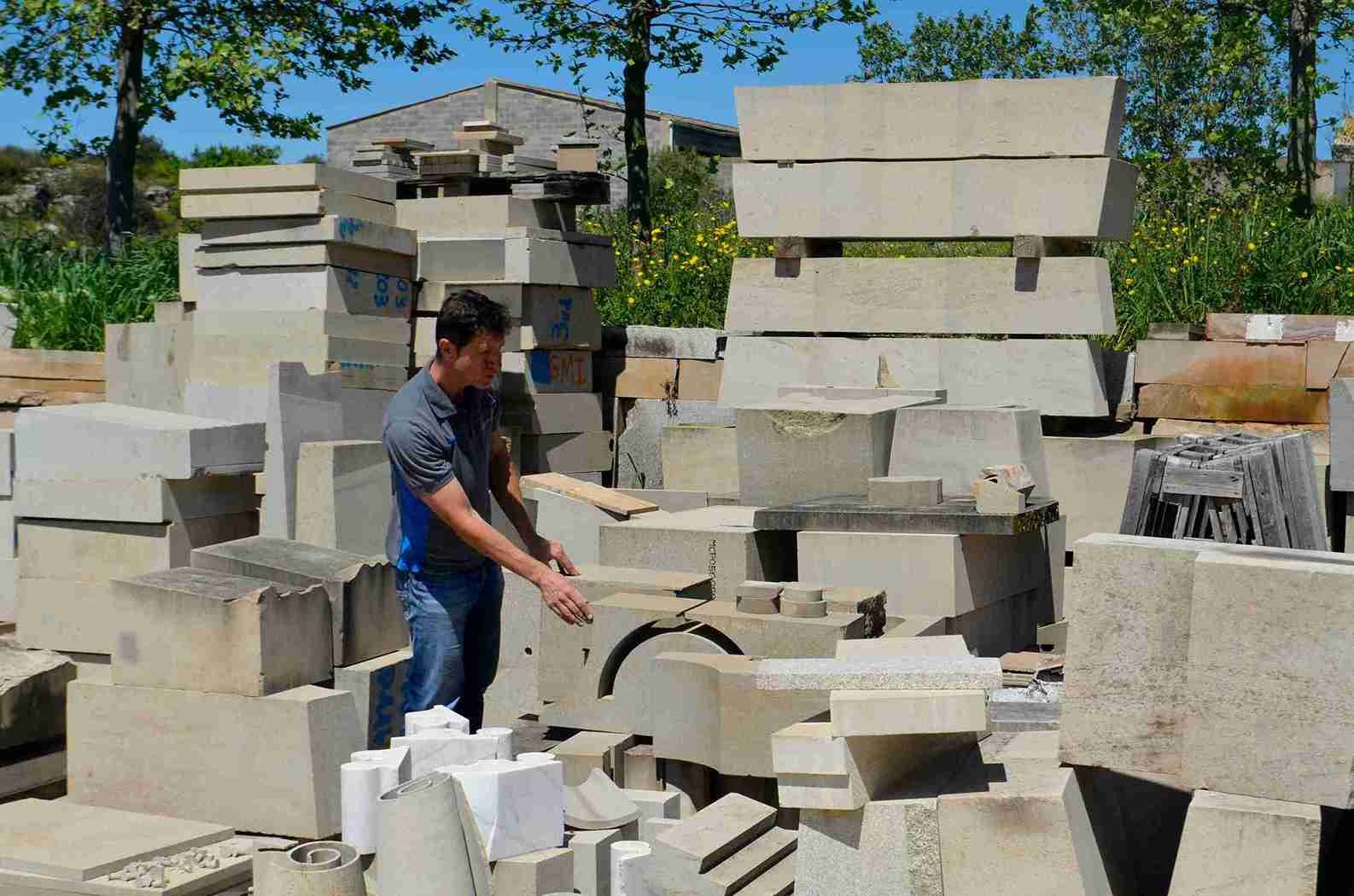
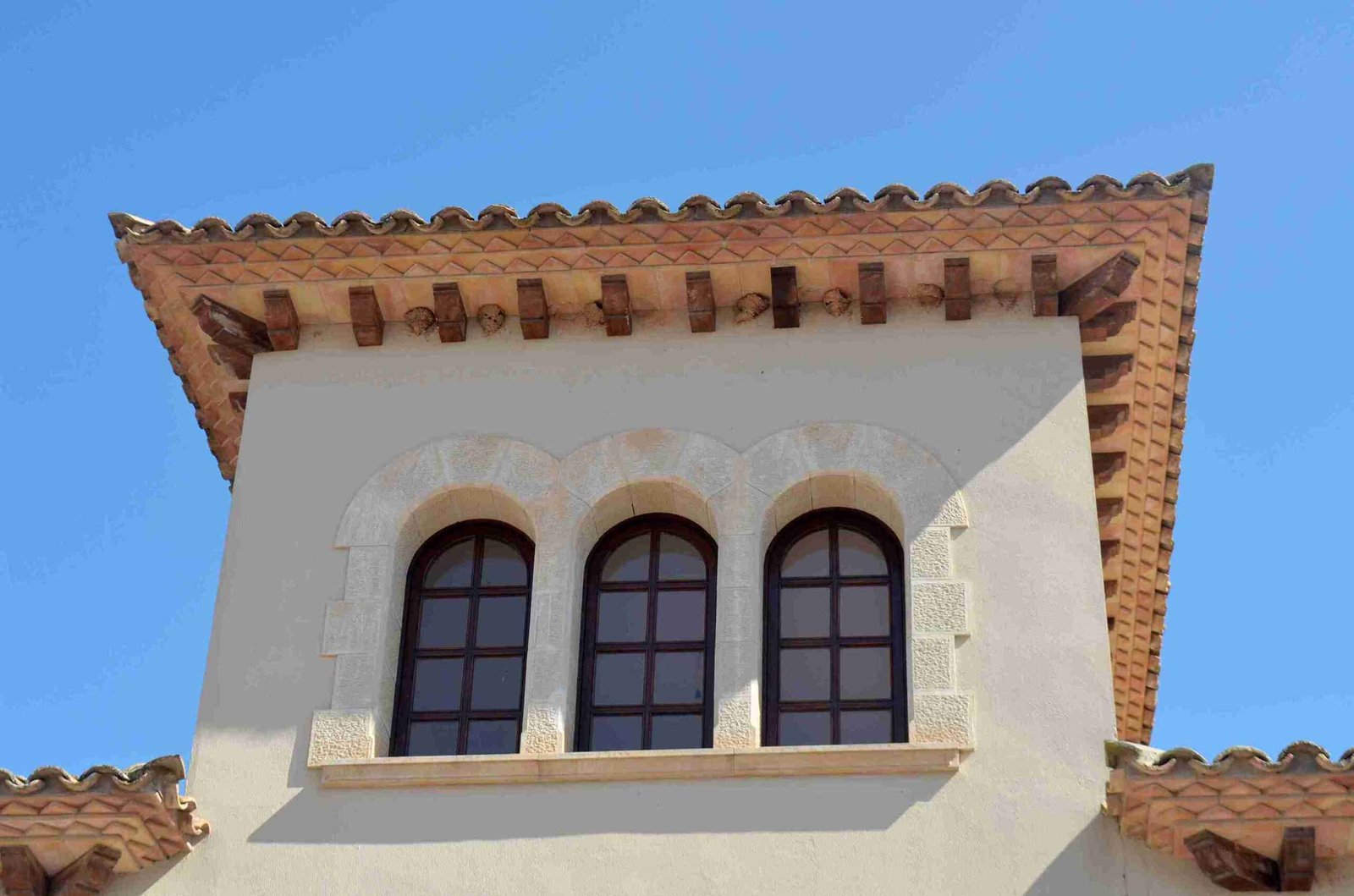
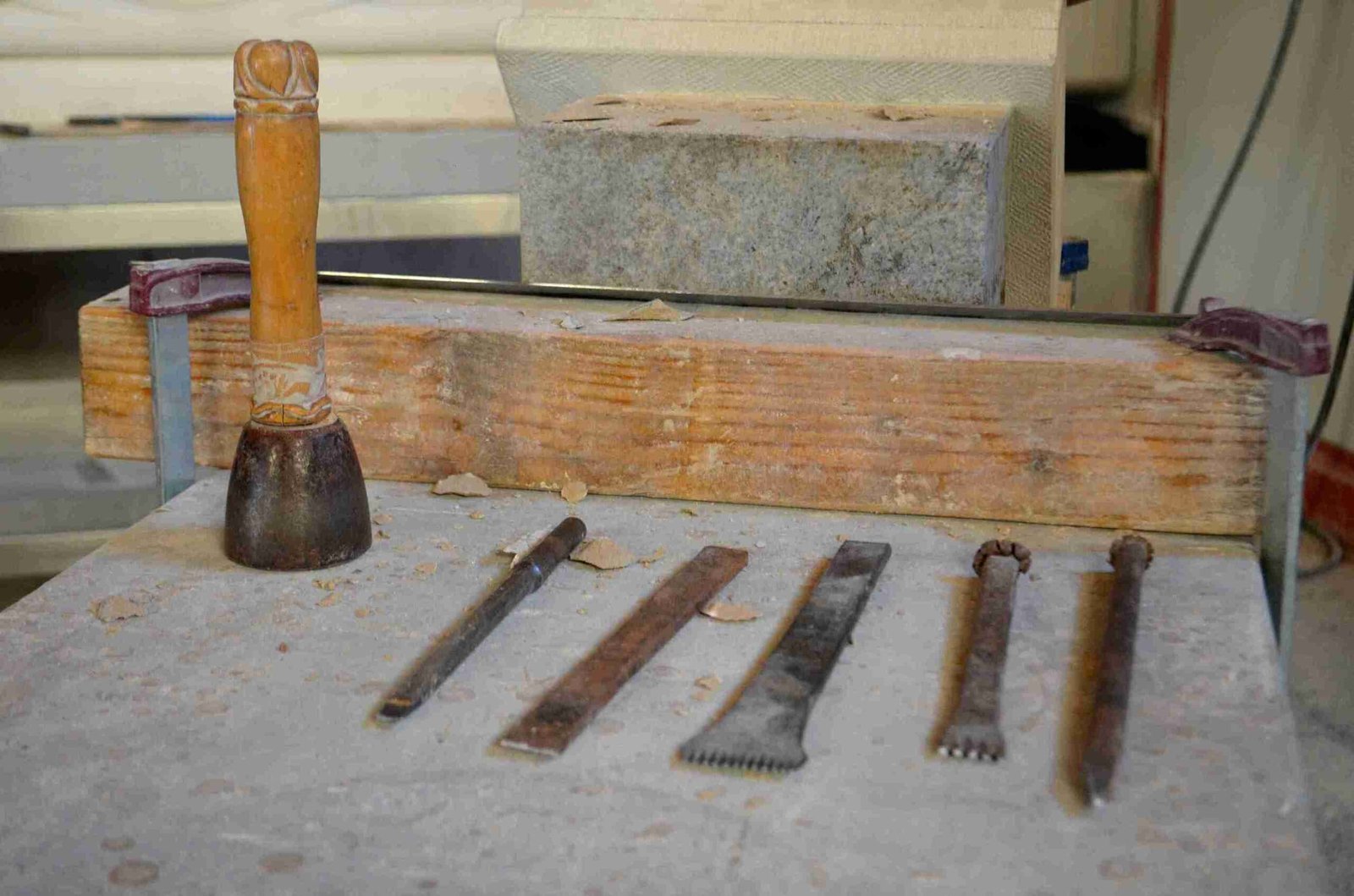
Feliu Martín Farré belongs to a distinguished lineage of Catalan stonemasons. Born in La Floresta (Lleida province) in 1975, he represents the third generation of a family that has been devoted to stonework for over ninety years. He learned the trade from a tender age in the family workshop under the daily supervision of his father and grandfather, in a setting where work and domestic life revolved around stonemasonry. There the trade was passed on to him as it has been for generations, through observation and patient repetition. This early training has been extended over the years with extensive experience on worksites and a constant commitment to teaching the trade.
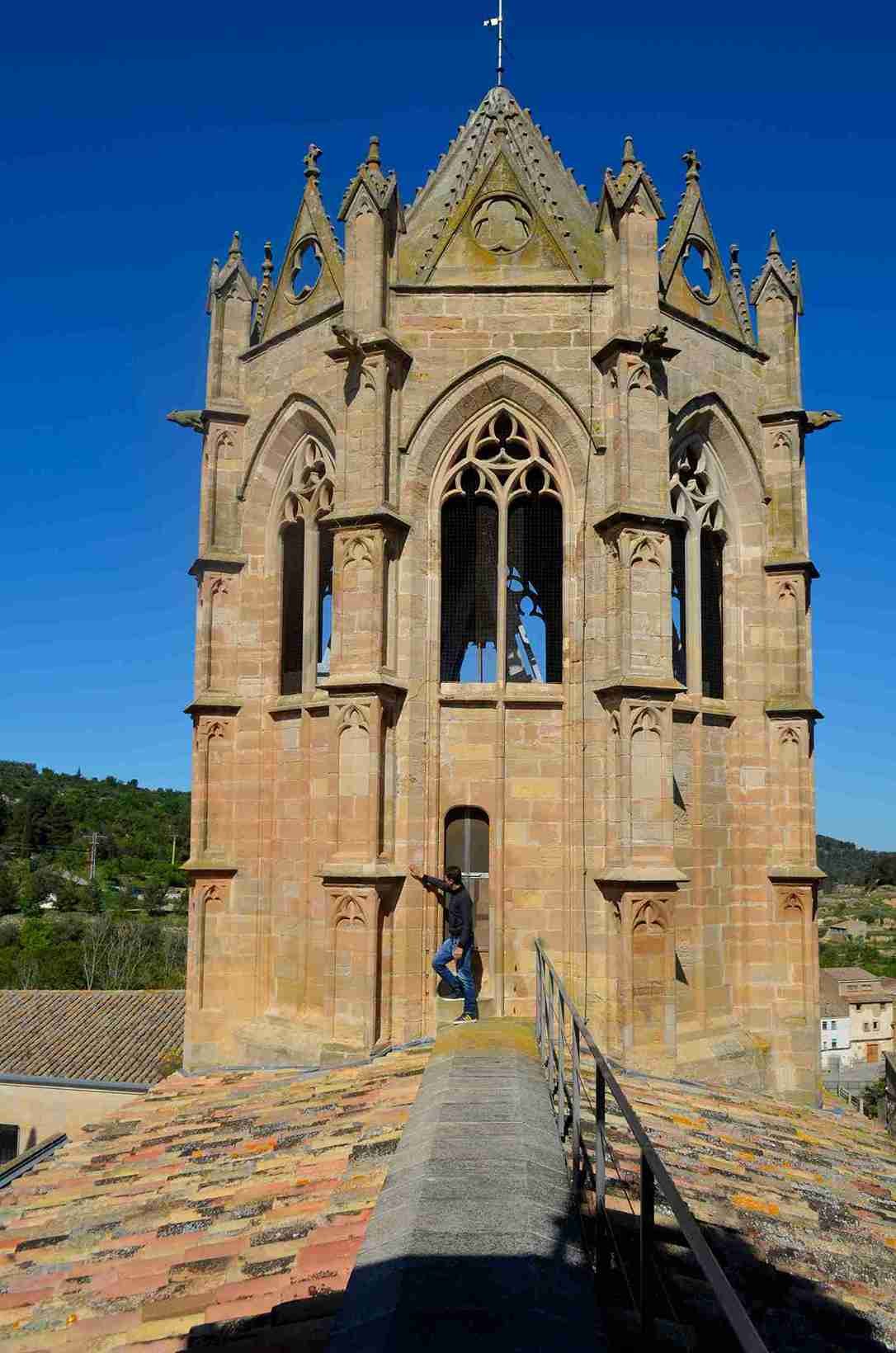
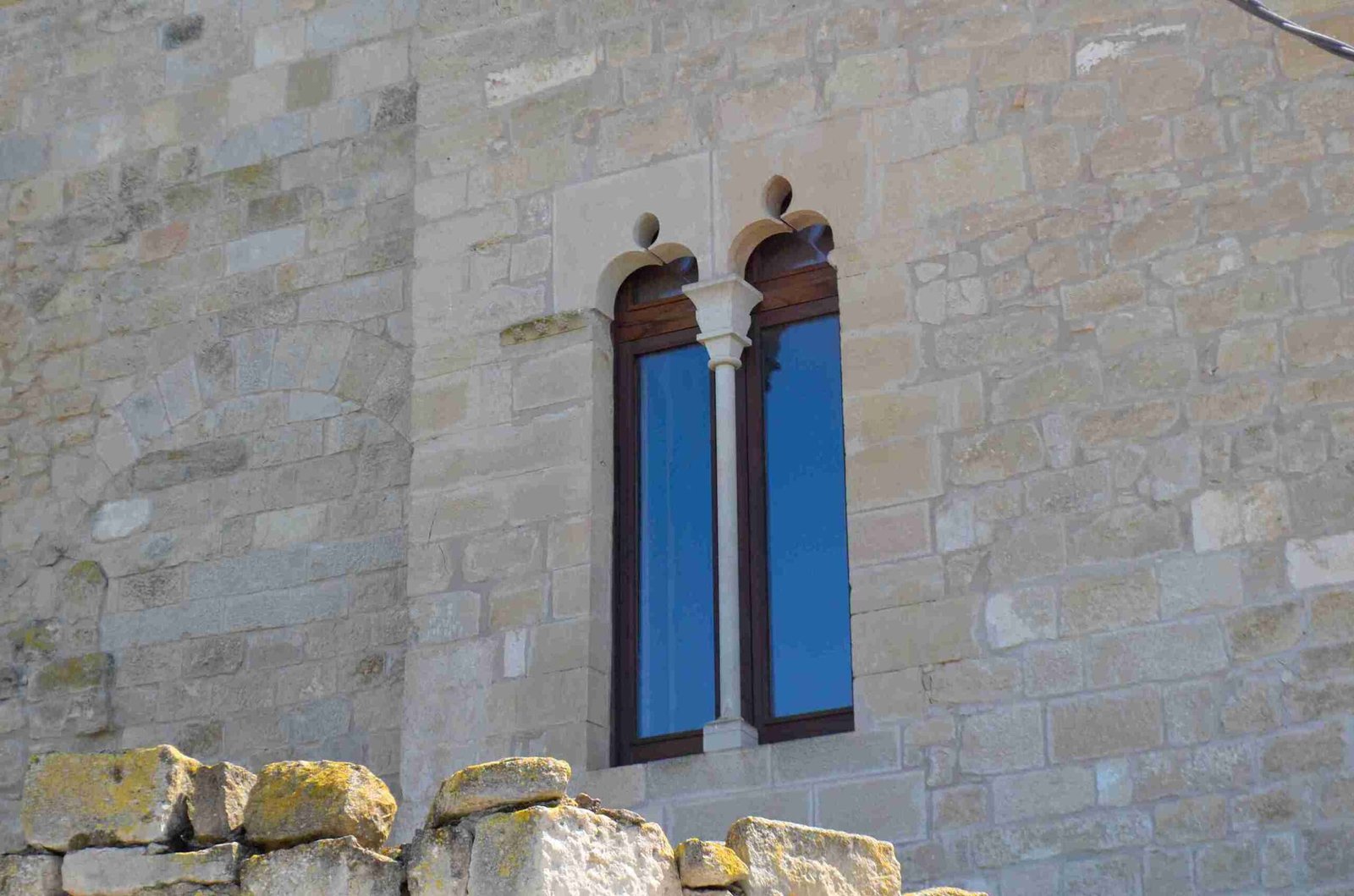
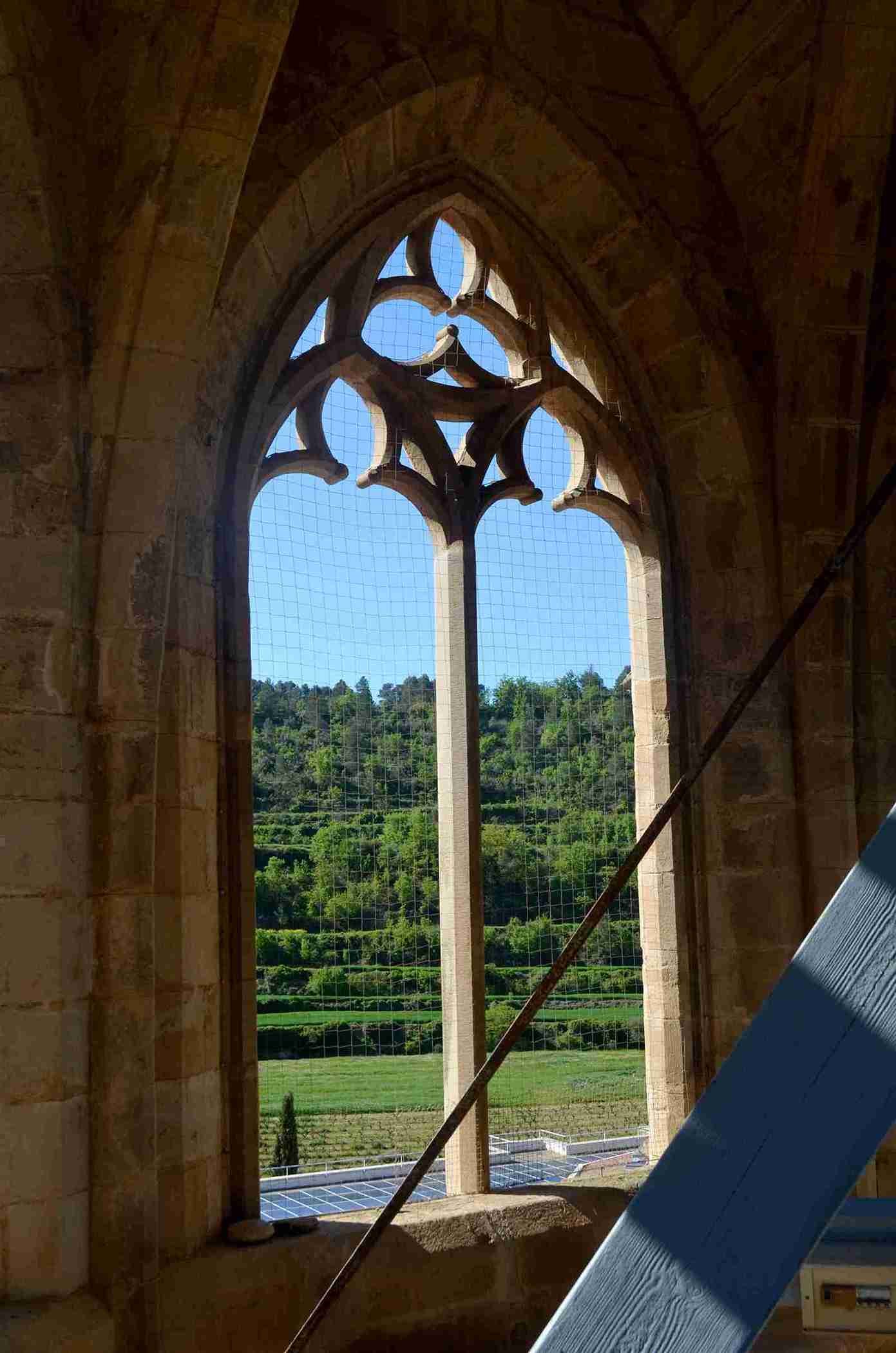
Over a career of more than thirty years, Feliu has taken part in the restoration of some of Catalonia’s most iconic historic buildings, such as the cathedrals of Barcelona and Lleida, the monasteries of Poblet, Santes Creus, and Vallbona de les Monges, or the Romanesque churches of the Boí valley. Between 2000 and 2017 he worked at the Sagrada Familia basilica in Barcelona, where he became chief stonemason. There he led international teams and specialized in the complex geometry of Gaudí’s great project, based on conical, parabolic, and hyperbolic forms inspired by various elements in nature.
As well as his work in Catalonia, Feliu has taken part in meetings and training programs at schools in Italy and France and collaborated in the restoration of the Frauenkirche in Dresden as Catalan representative at the international meeting of “Stonemasons Without Borders”. This international dimension of his career has reinforced his view of the trade as a shared heritage that transcends frontiers and is passed on through exchanges between masons of highly diverse origins.
As Feliu points out, in stonework, and especially work on heritage, collaboration with other crafts is essential. Such understanding between trades, based on workmanship and a demanding approach to resolving details, has always been a mainstay of traditional architecture and today remains an effective model for assuring quality in any building work.

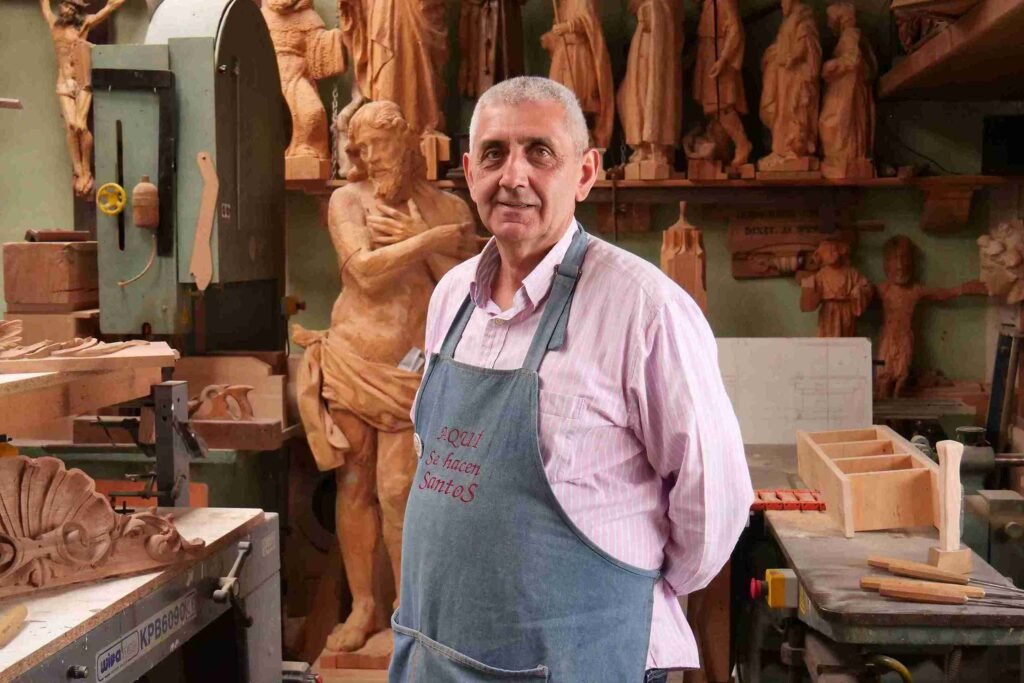
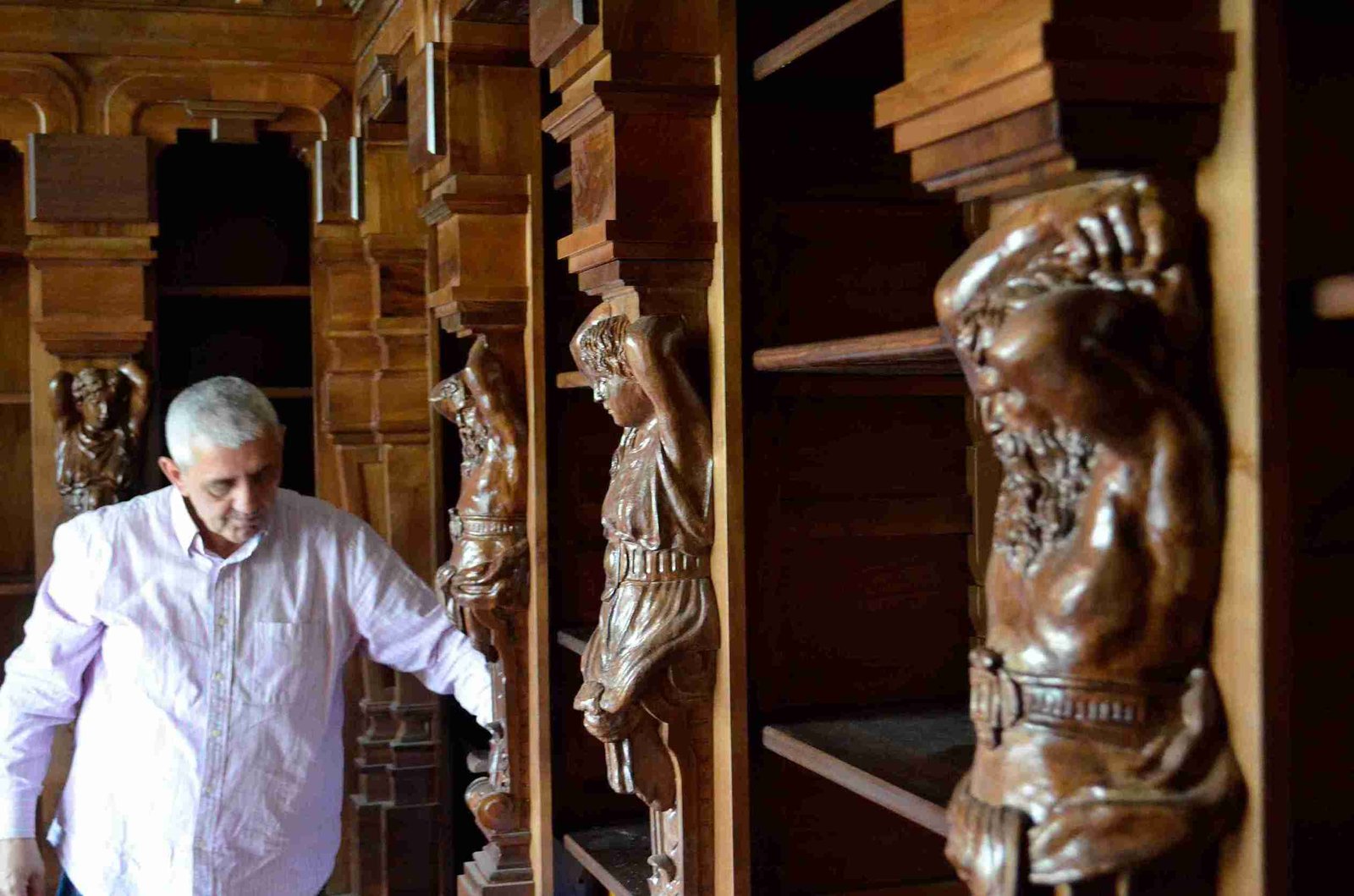
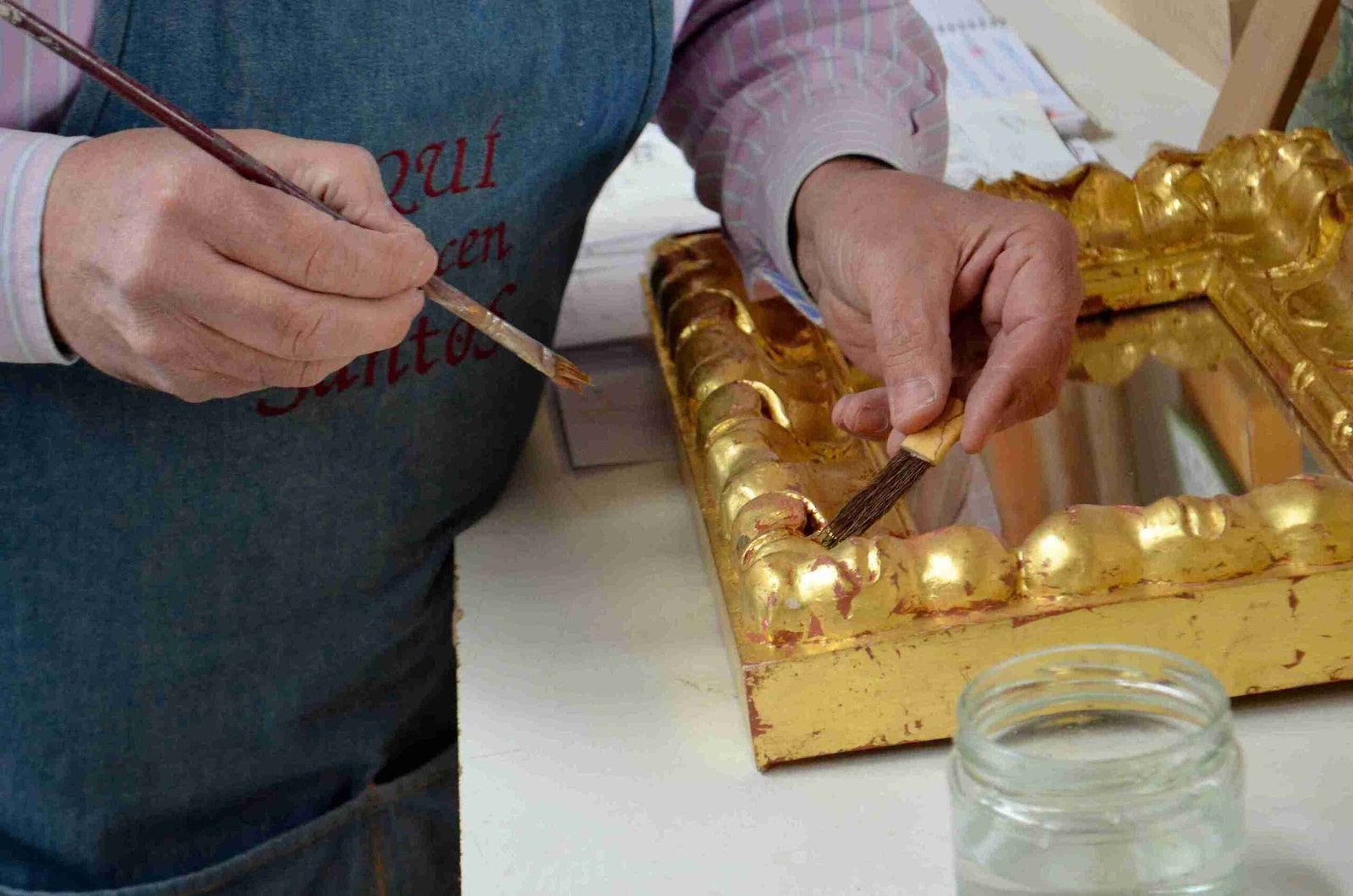
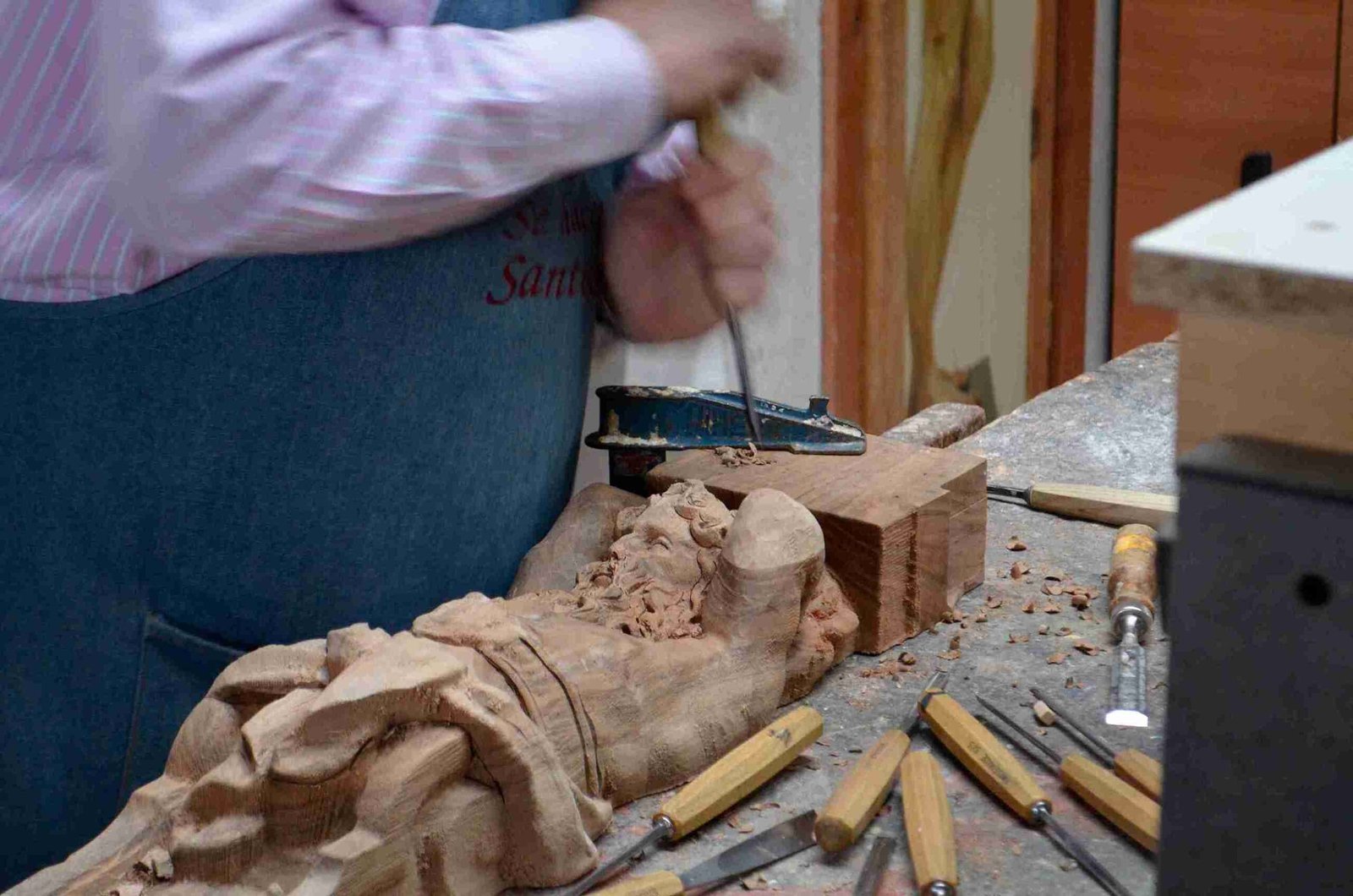
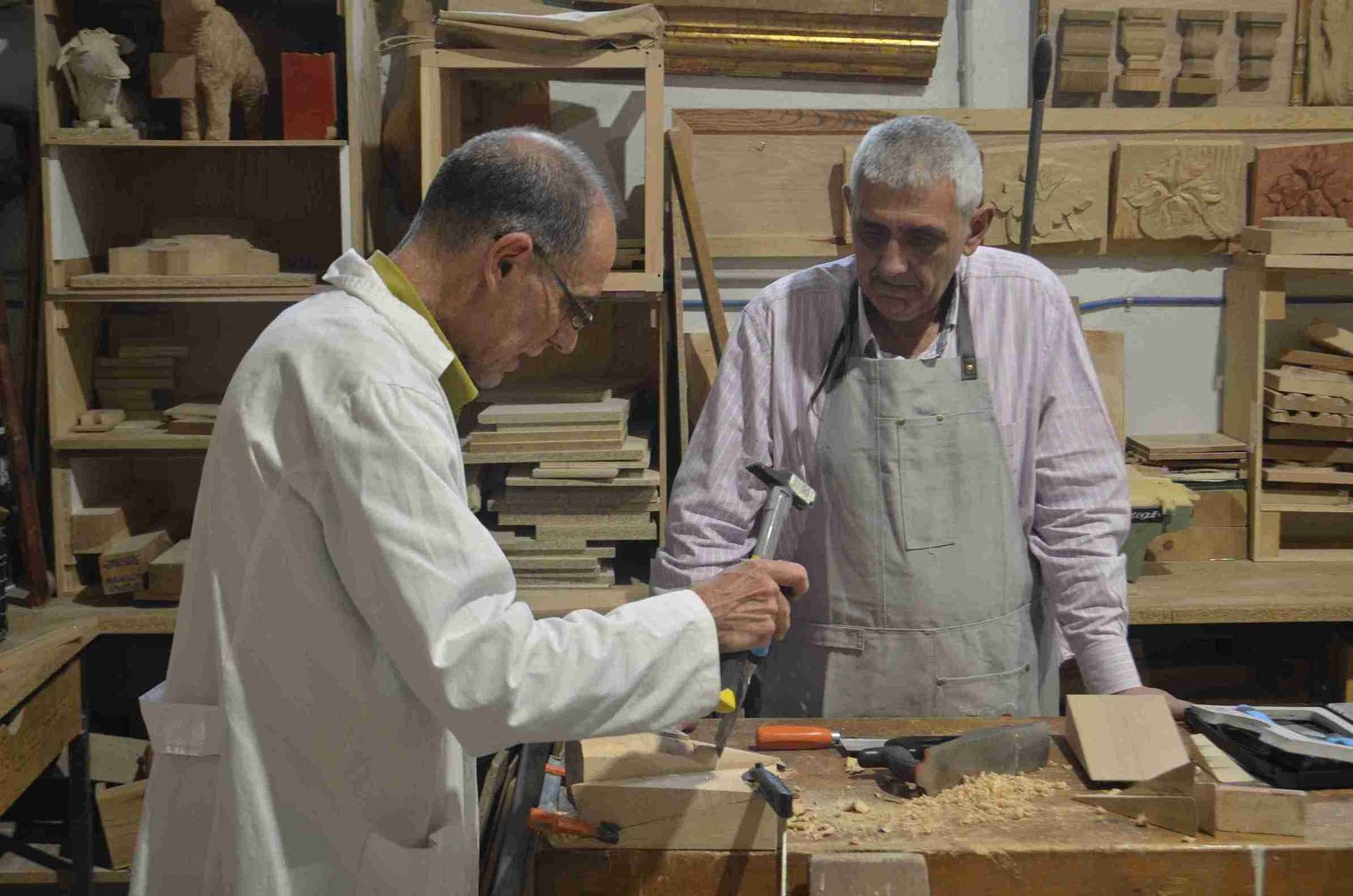
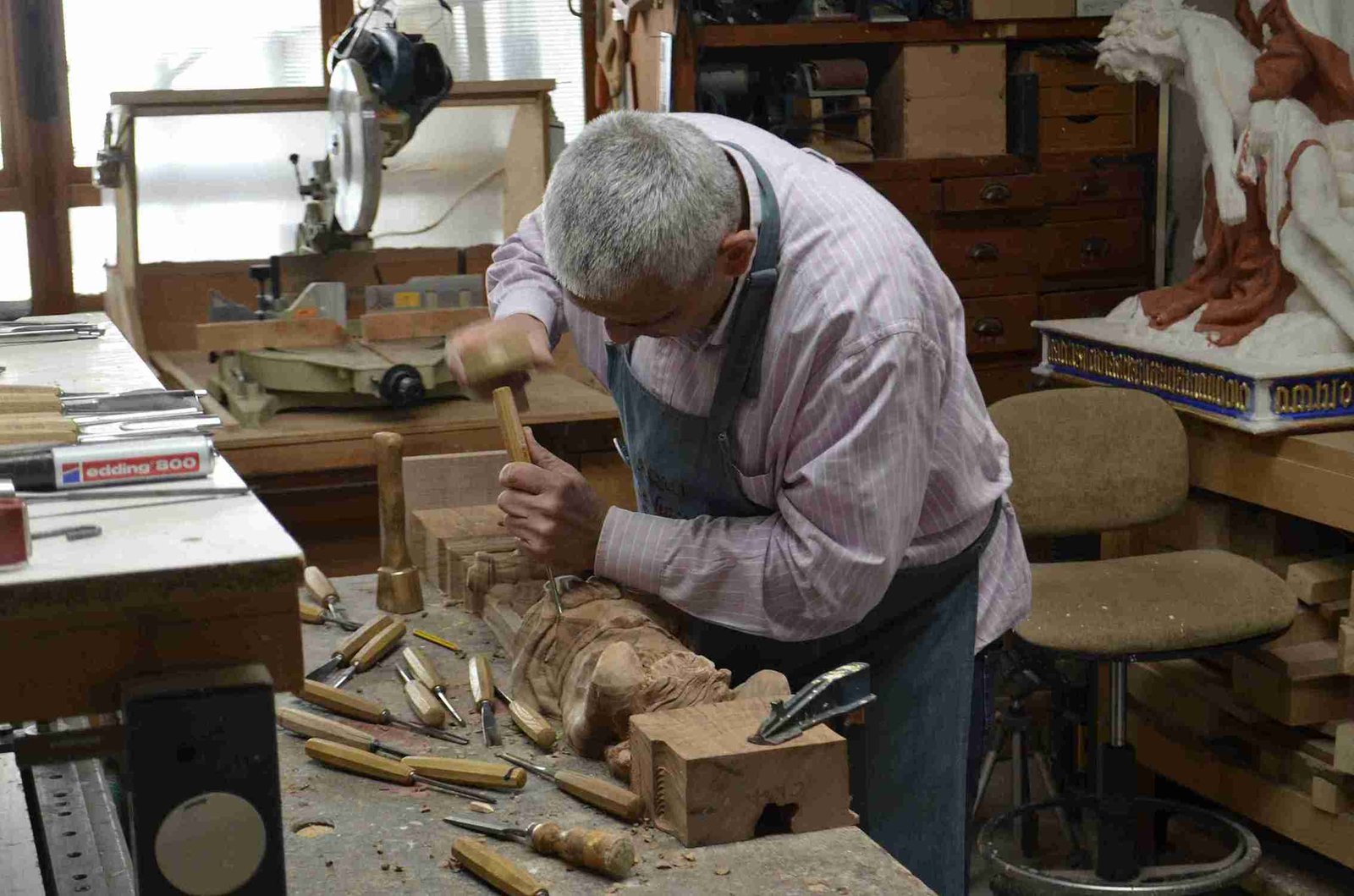
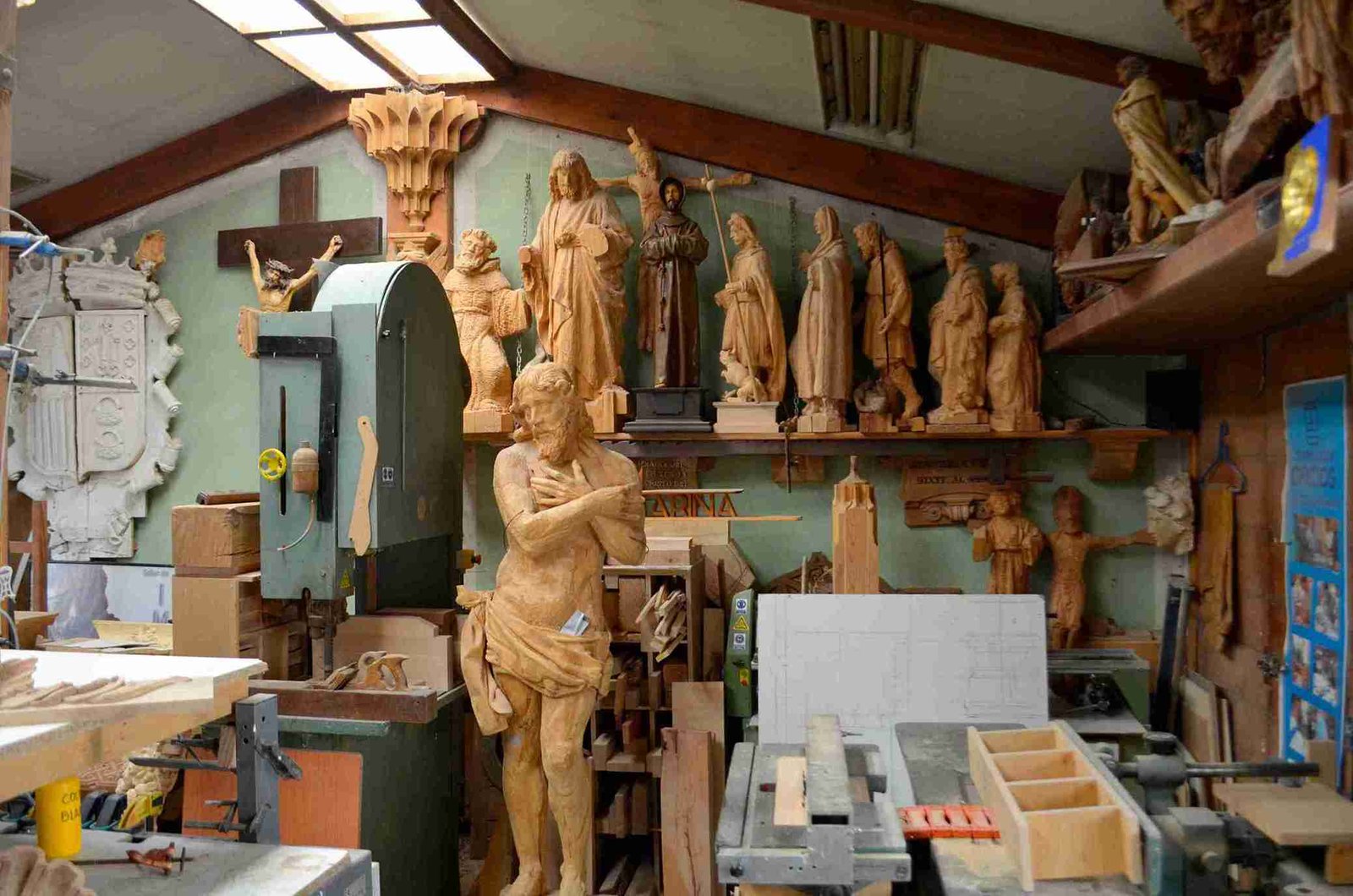
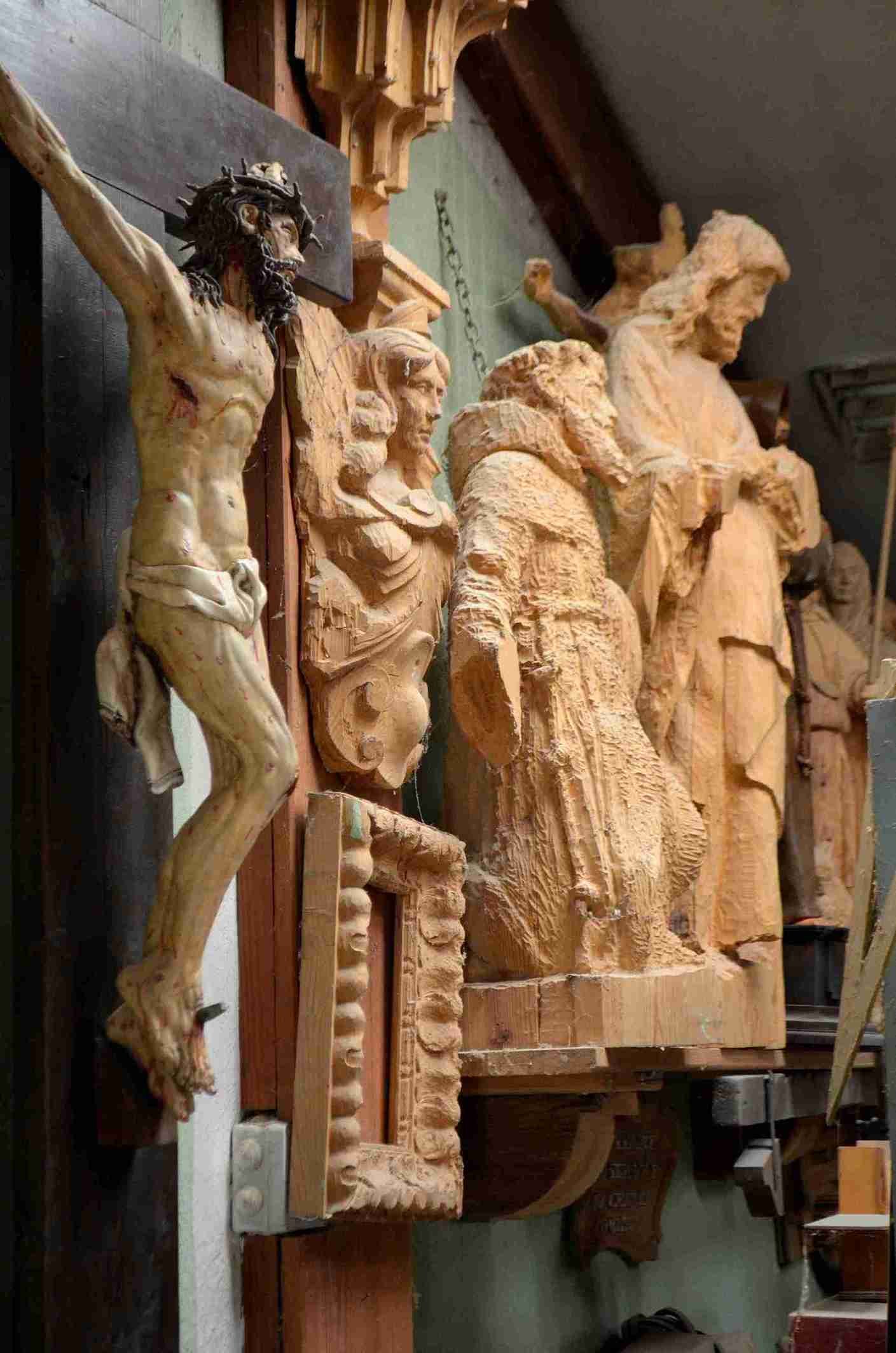
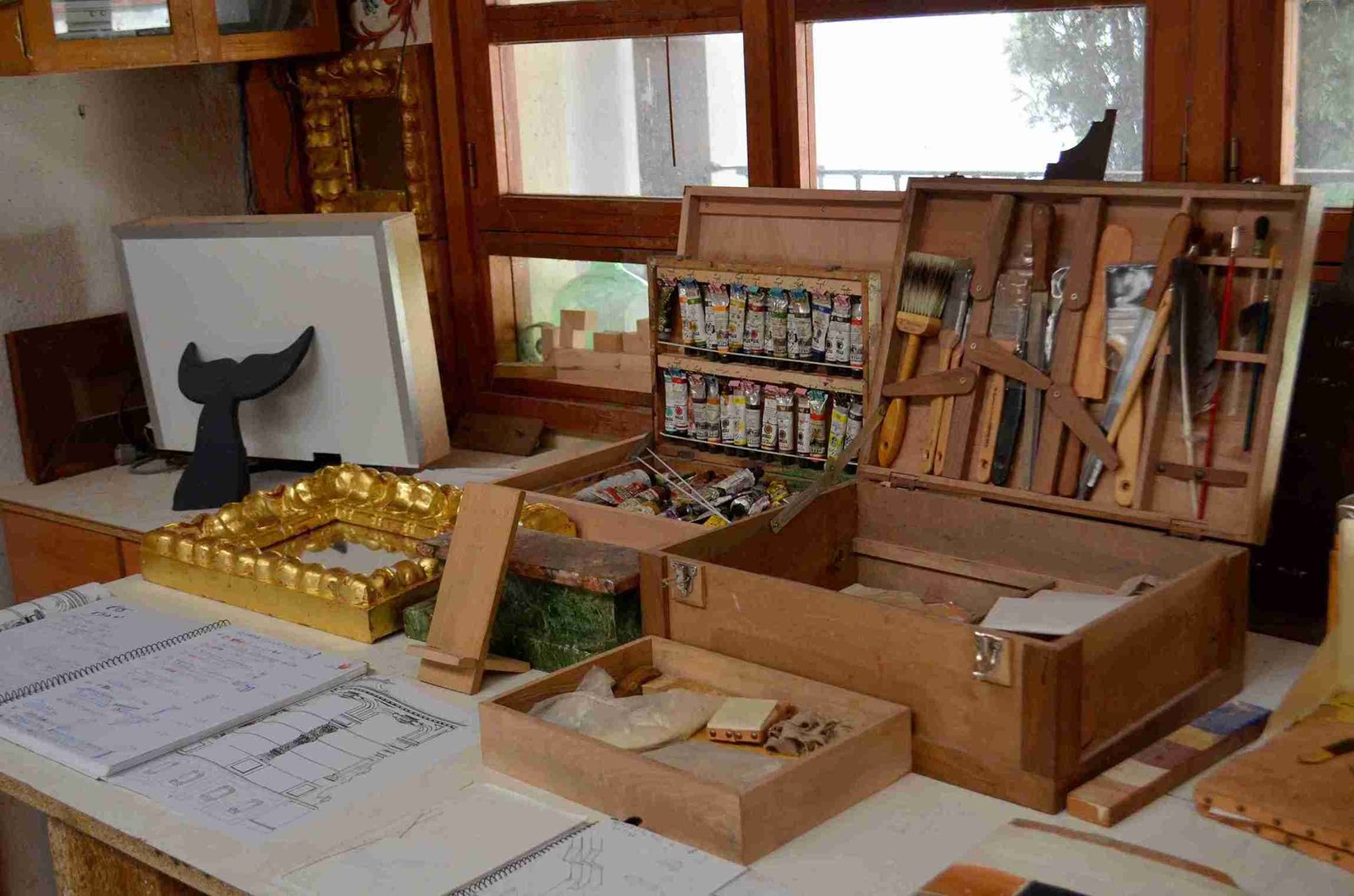
Miguel Ángel Tapia is a carpenter, sculptor, and cabinetmaker, as well as an image maker and carver. He was trained at the Valladolid School of Fine Arts, and since then he has devoted his career to the practice of traditional woodwork and teaching. The output of his workshop in Valladolid, Aquí se hacen Santos (Saints Are Made Here), ranges from joinery and processional images to artistic furniture.
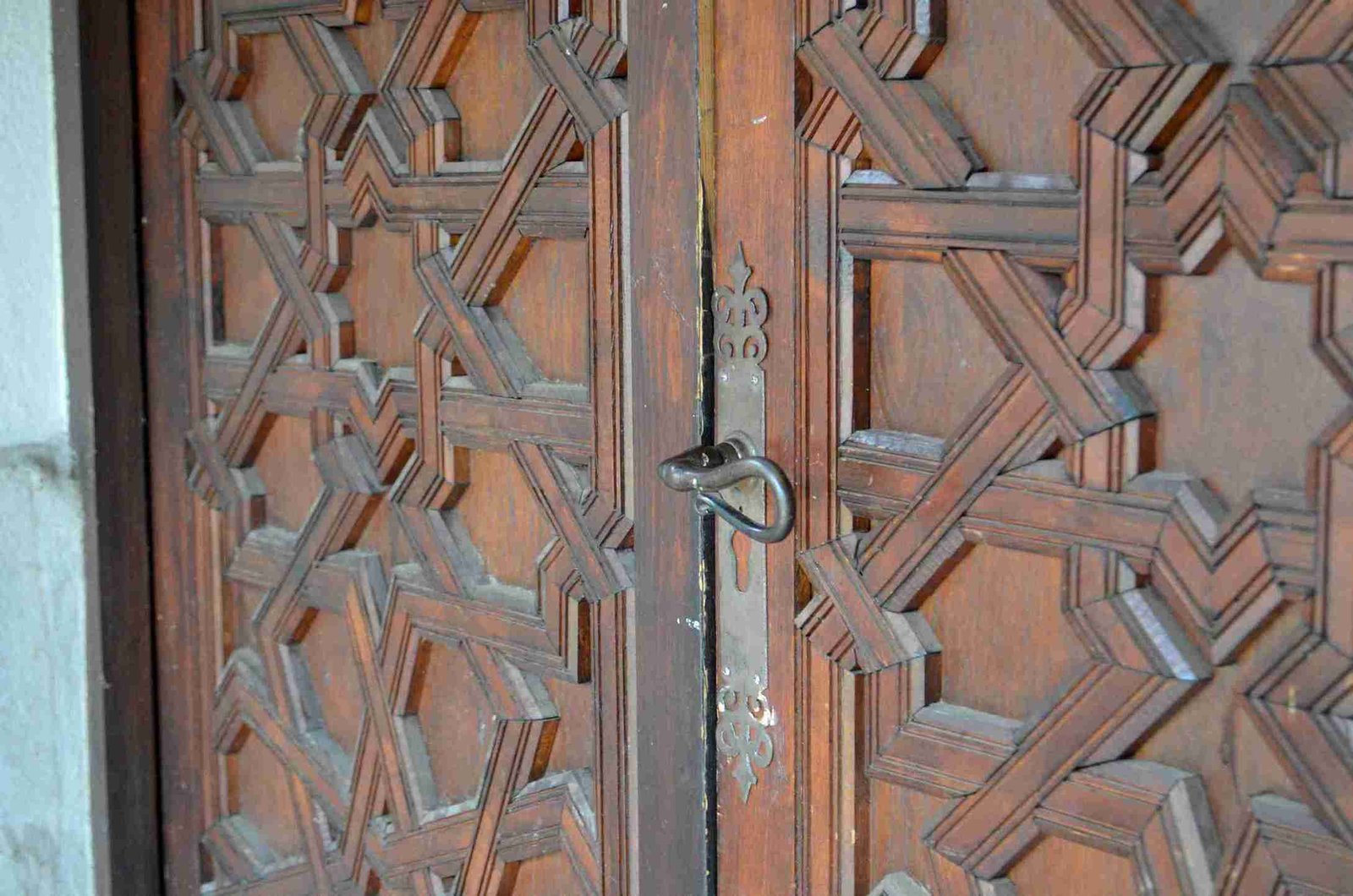
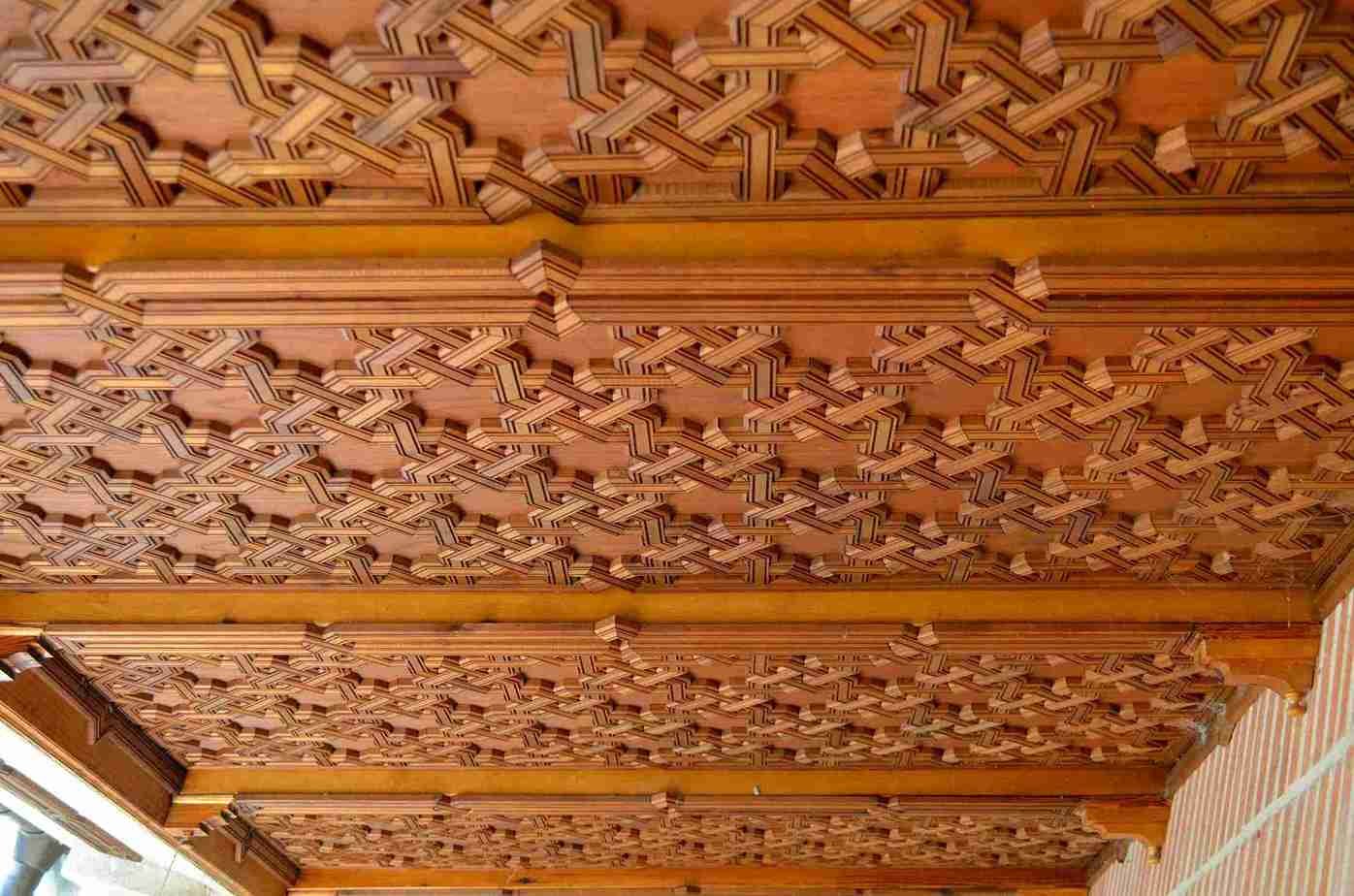
He entered the world of woodwork at the tender age of twelve through specialist courses at the art school. This was where he found his vocation—through drawing and sculpture he began learning the multiple techniques and crafts linked to wood, from carving and joinery to gilding and polychrome work. This academic background, along with the heritage to be found in Castilla y León, with its peerless wealth of altarpieces, religious imagery, Mudéjar ceilings, and historic furniture, consolidated his engagement with a trade that has marked his whole life.
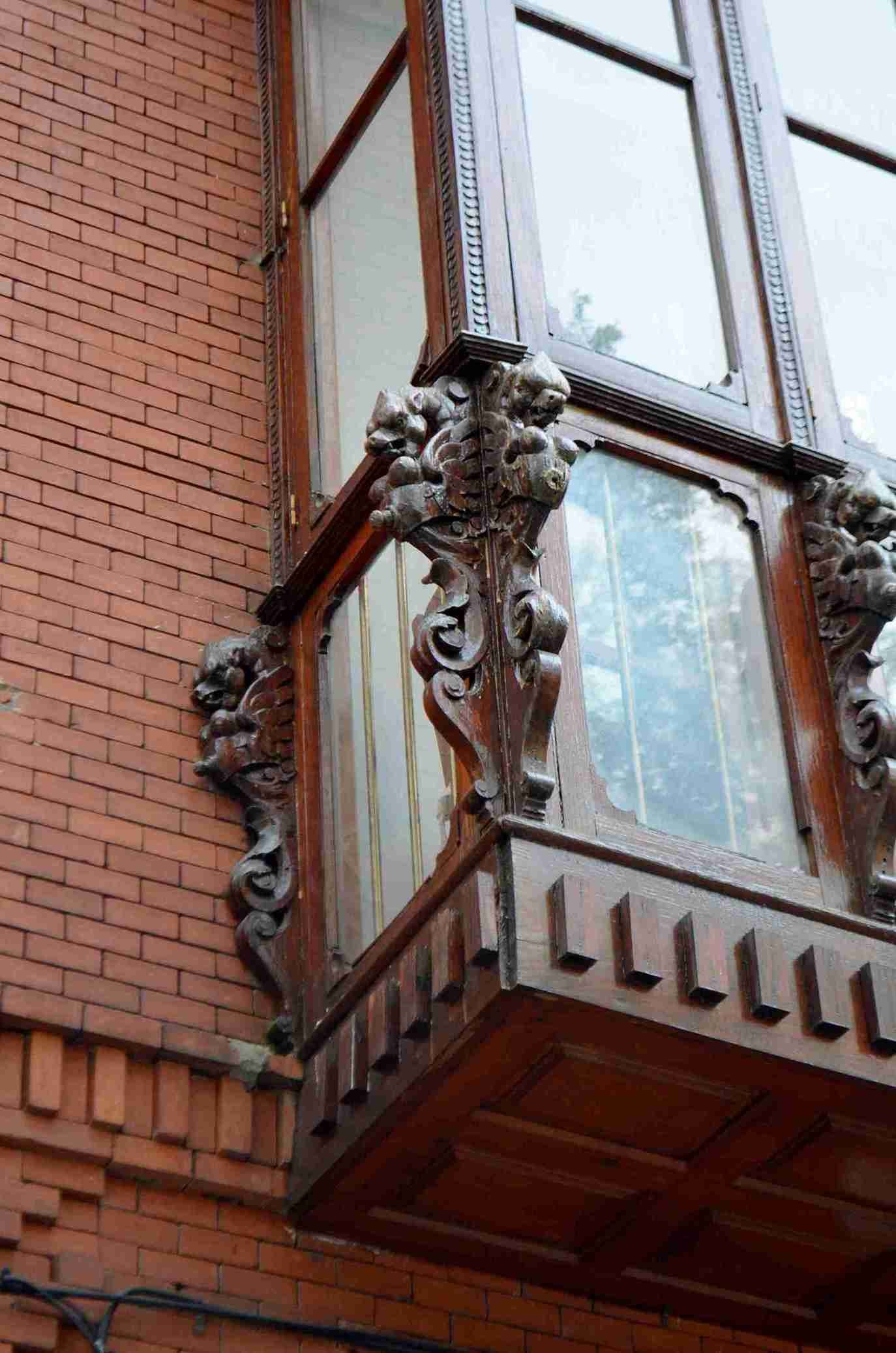
Over a career of more than three decades, Miguel Ángel has produced countless works of processional imagery, architectural elements, ornamental sculptures, and artistic furniture, often inspired by historical models of the 16th and 17th centuries. His artifacts have become part of the urban and devotional landscape of many places in Castilla y León, and during Valladolid’s Holy Week they accompany Baroque images by the great masters.
As well as his work as an artisan, Miguel Ángel has made notable contributions in the field of education. Since 2000 he has given courses at the León Trades Center and CEARCAL (the Castilla y León Regional Crafts Center), where he trains new generations of craftspeople. His experience as a trainer, along with his involvement in initiatives such as the National Qualifications Institute (INCUAL) and the European Leonardo program, have made him a key figure in advocacy and outreach on his trade at national level.
Faithful to historical procedures but open to the possibilities of new technologies, Miguel Ángel uses digital tools in preliminary stages of work that require more physical effort or mechanical repetition. But he always does the key parts of the process—such as carving proper, jointing adjustments, or finishes—by hand, with the traditional techniques and tools of the trade.
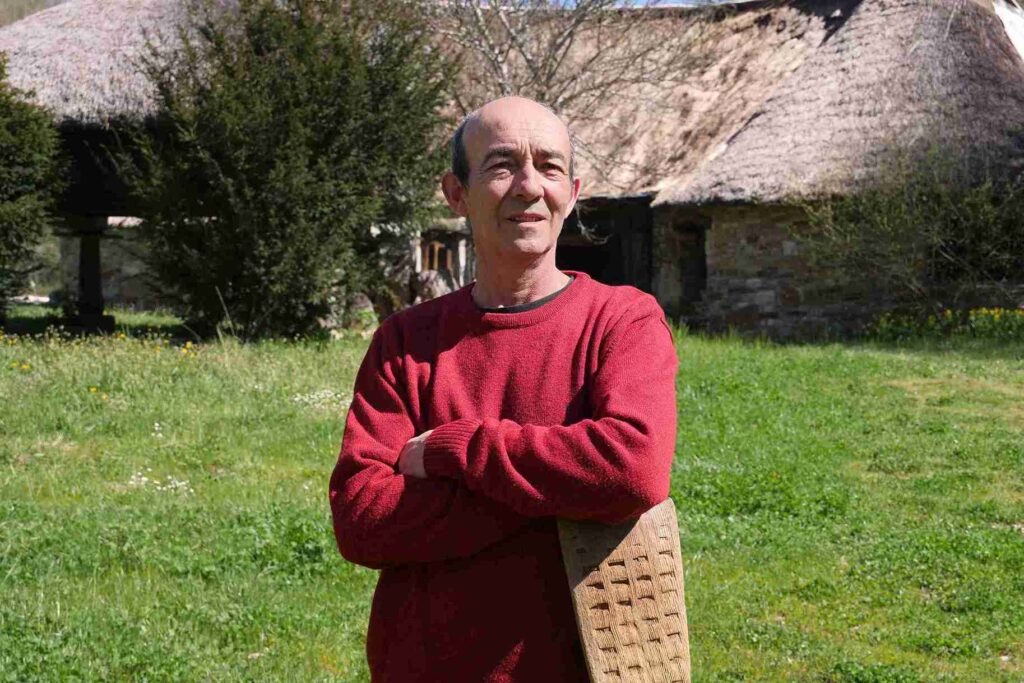
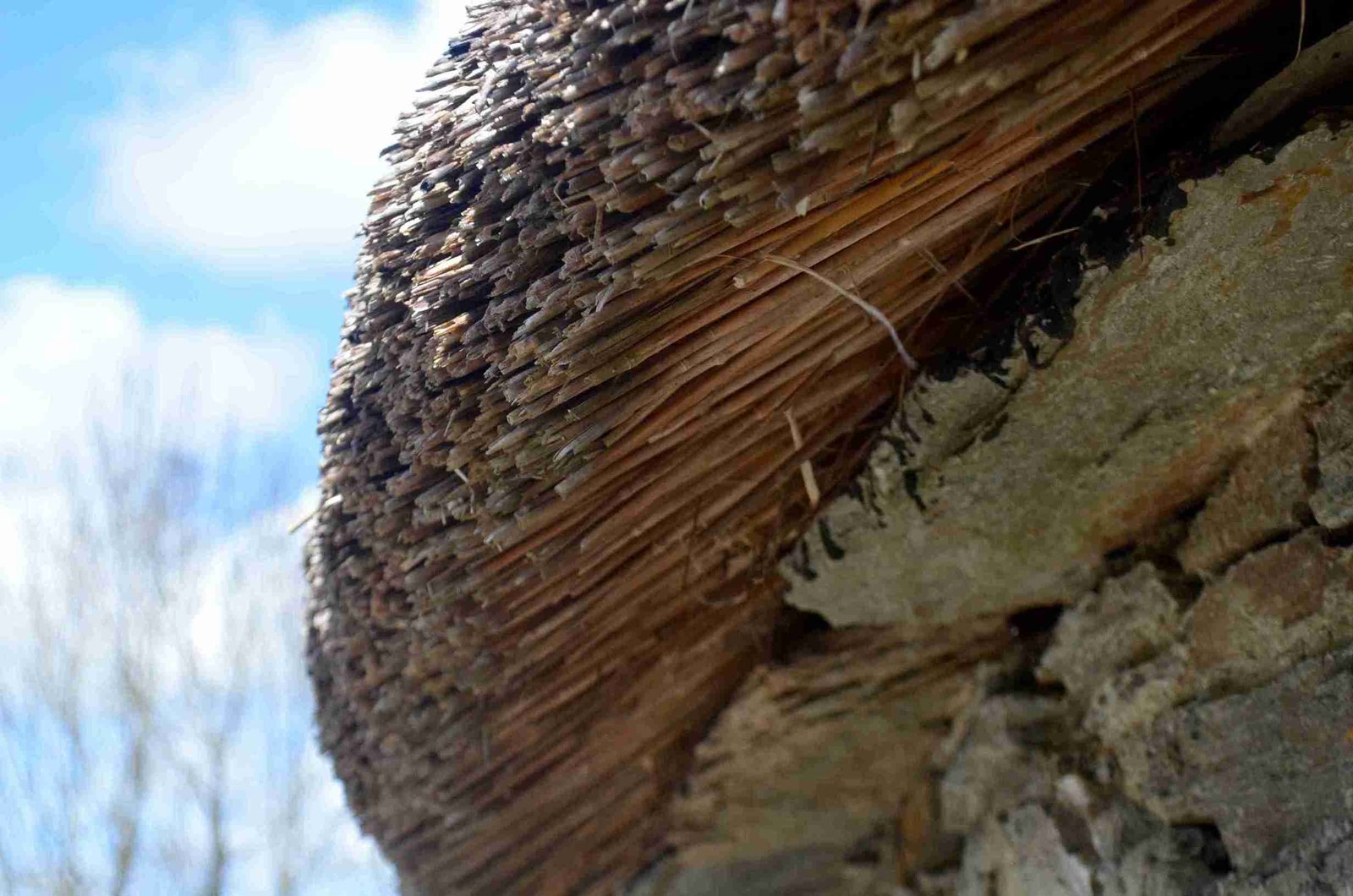
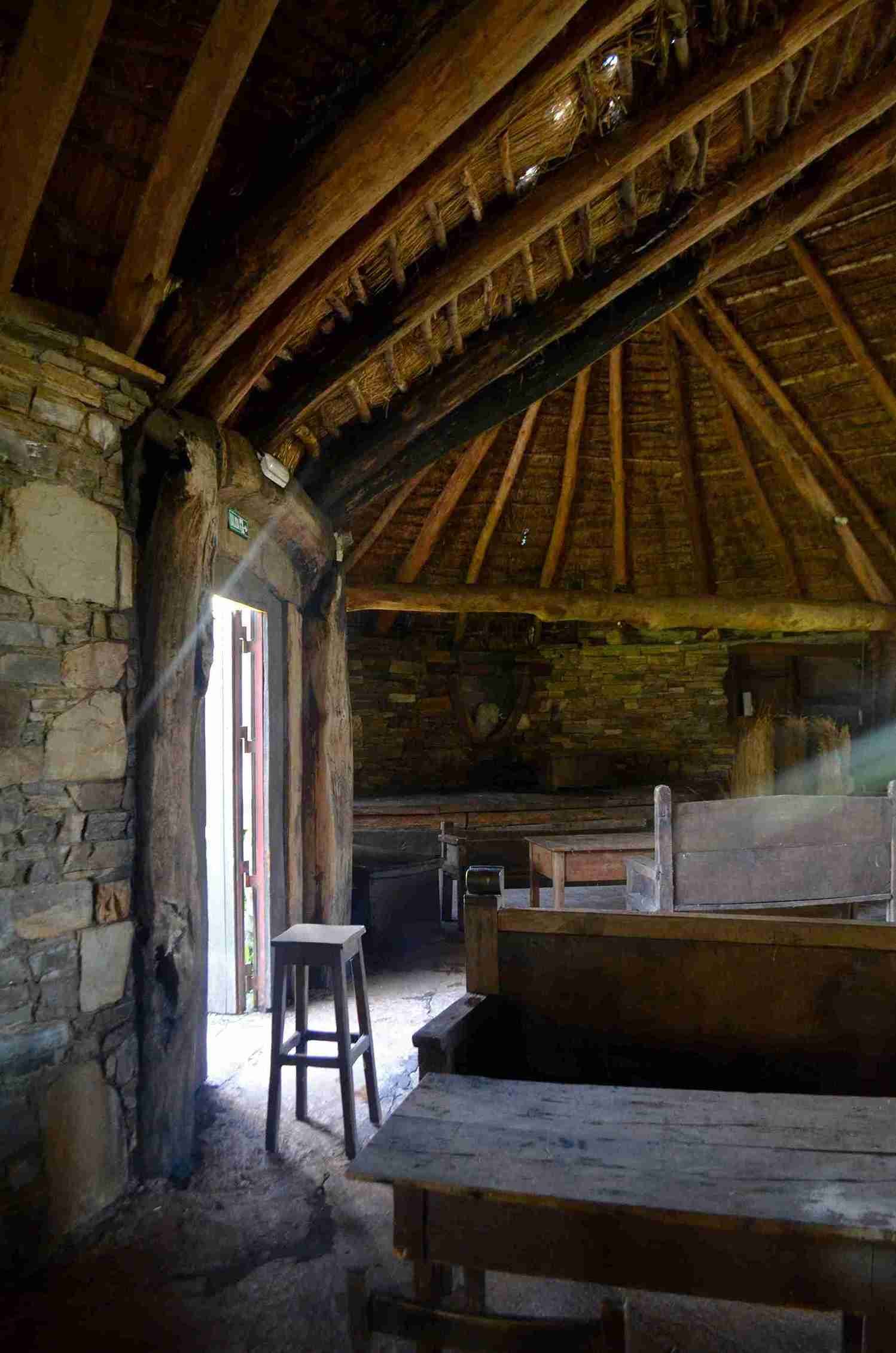
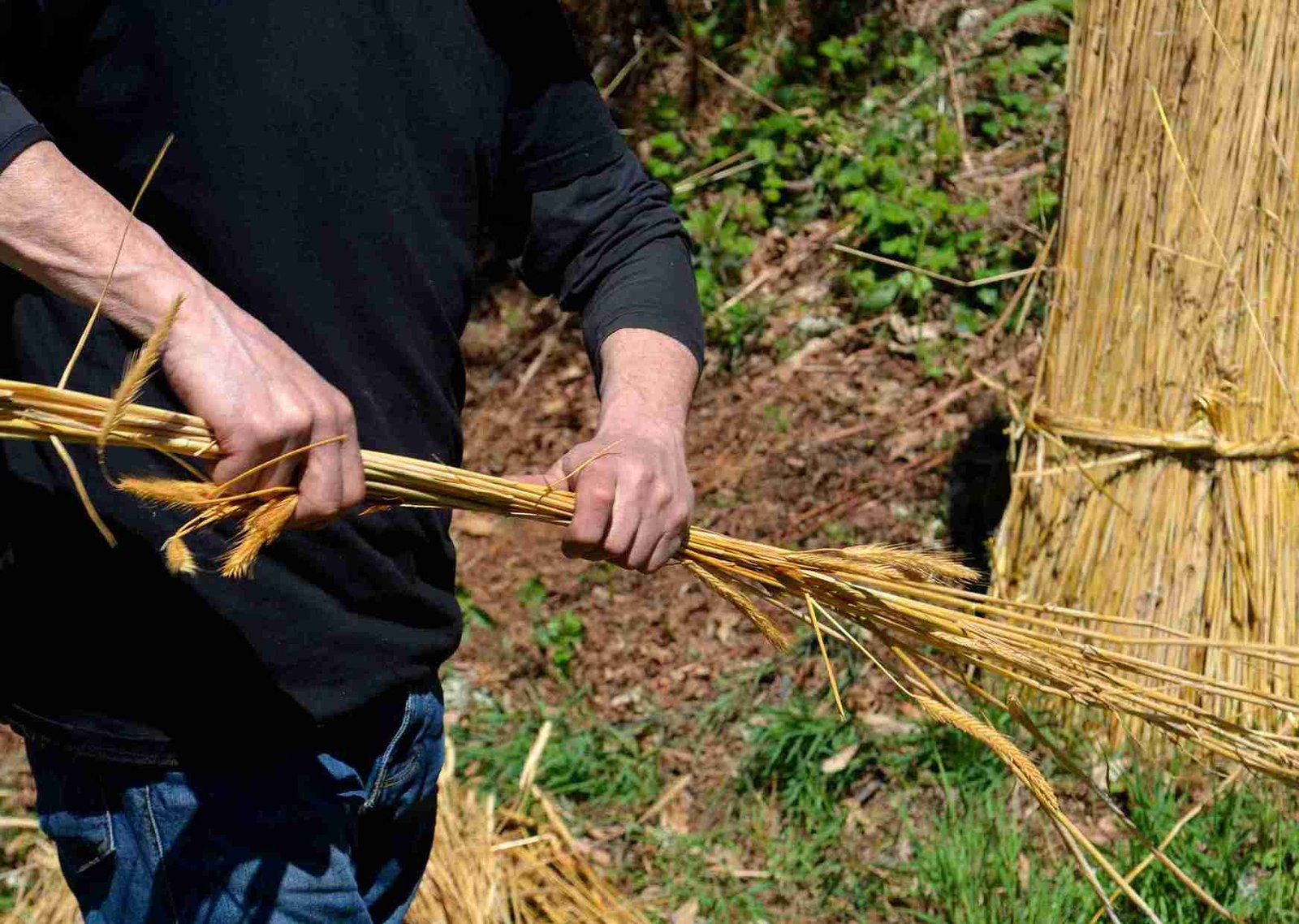
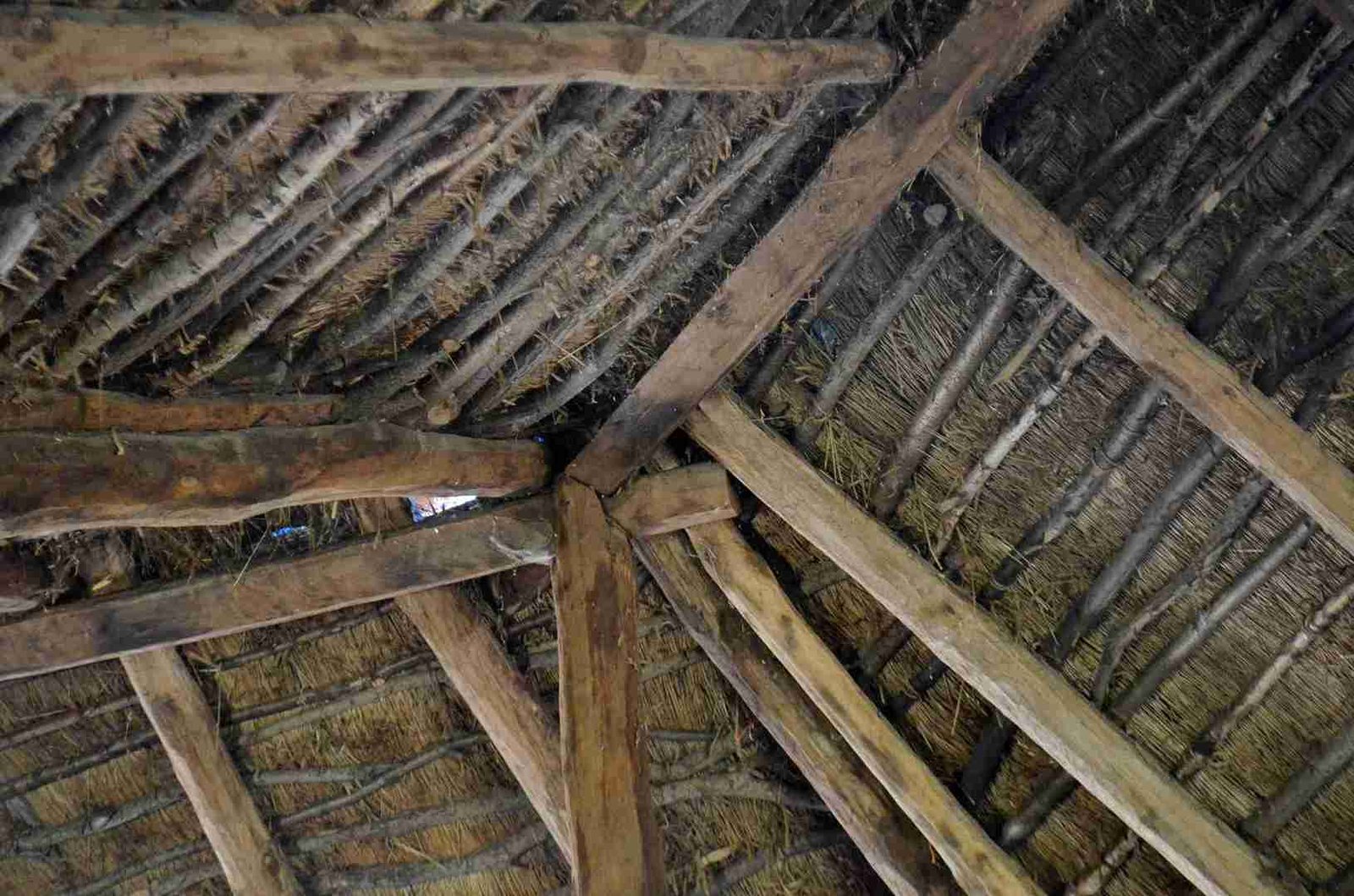
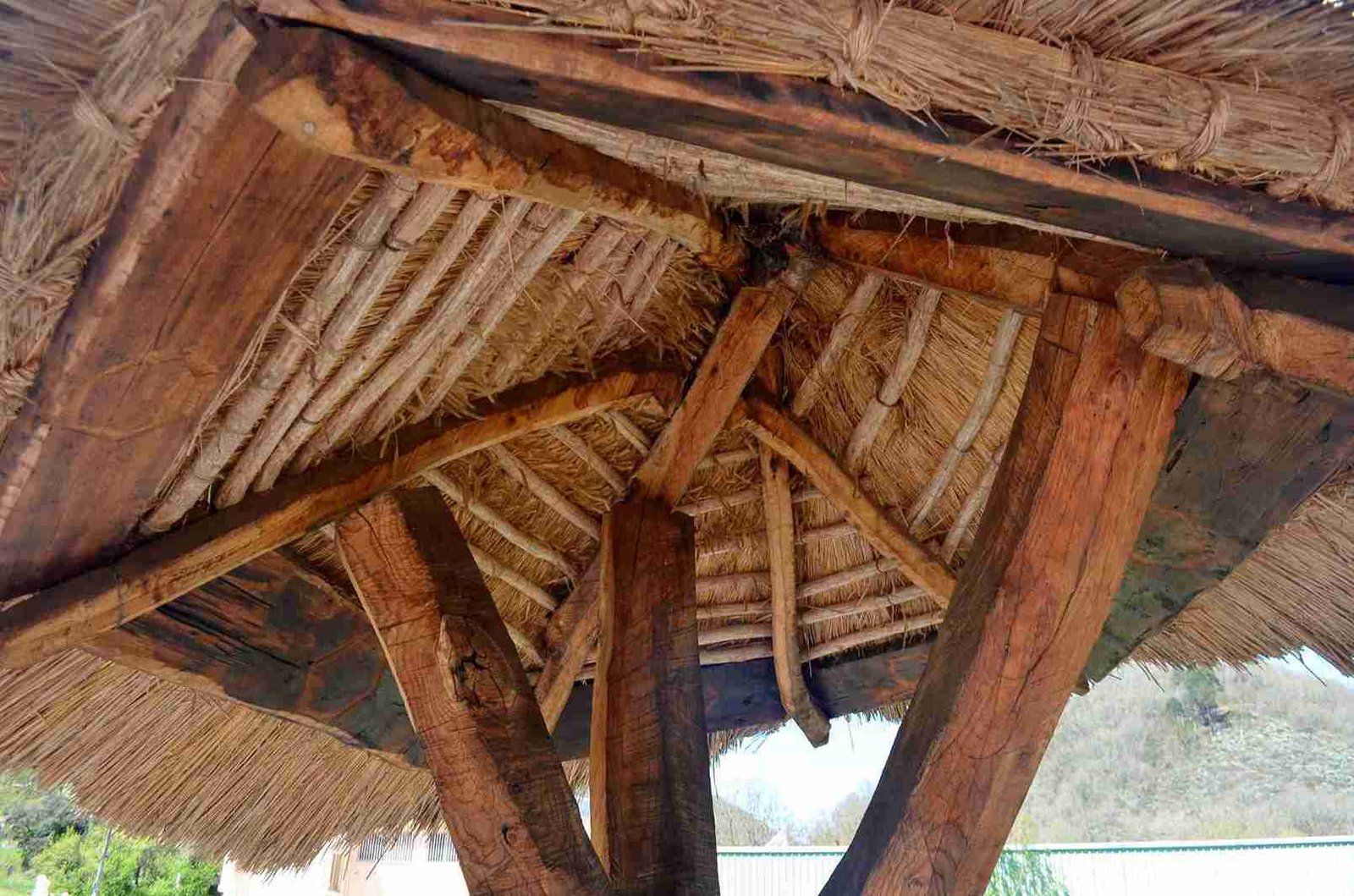
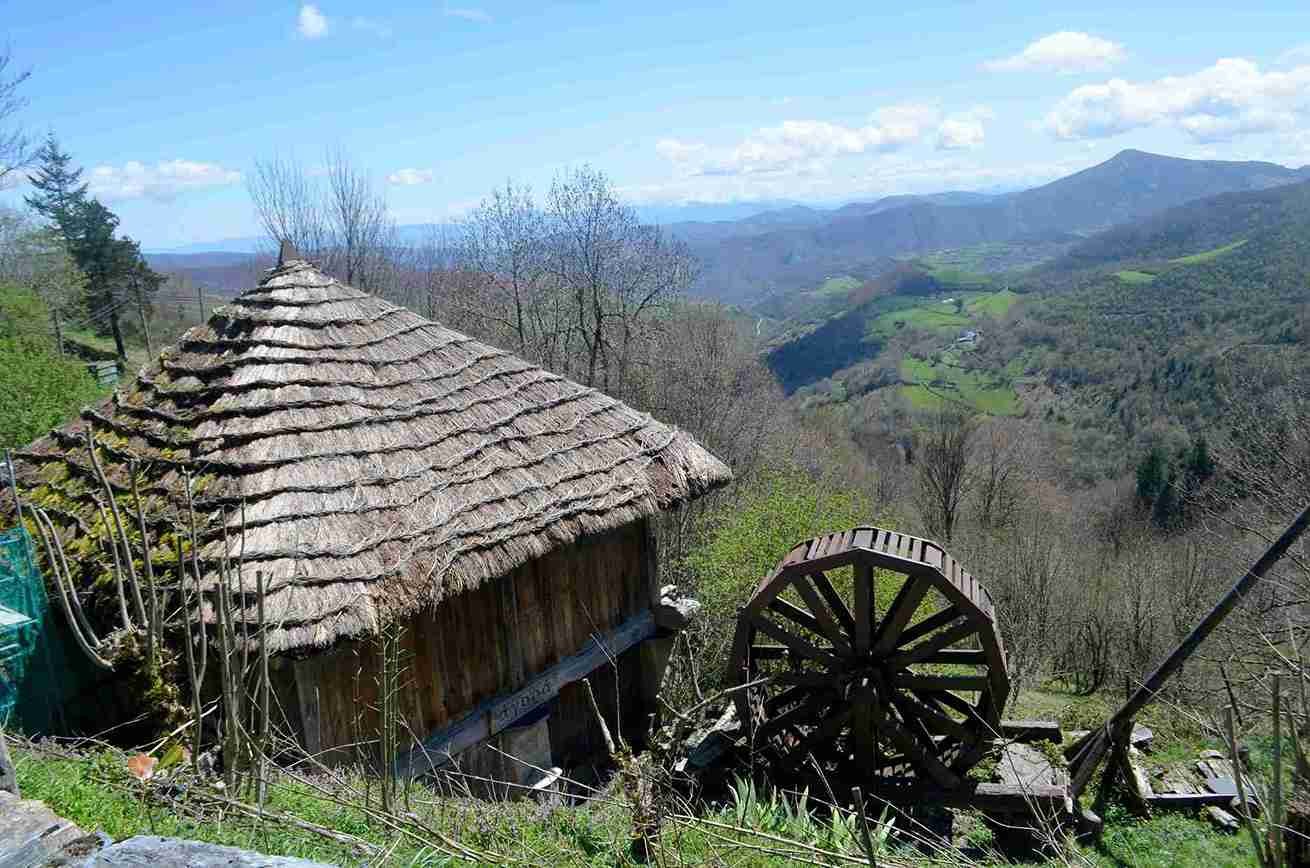
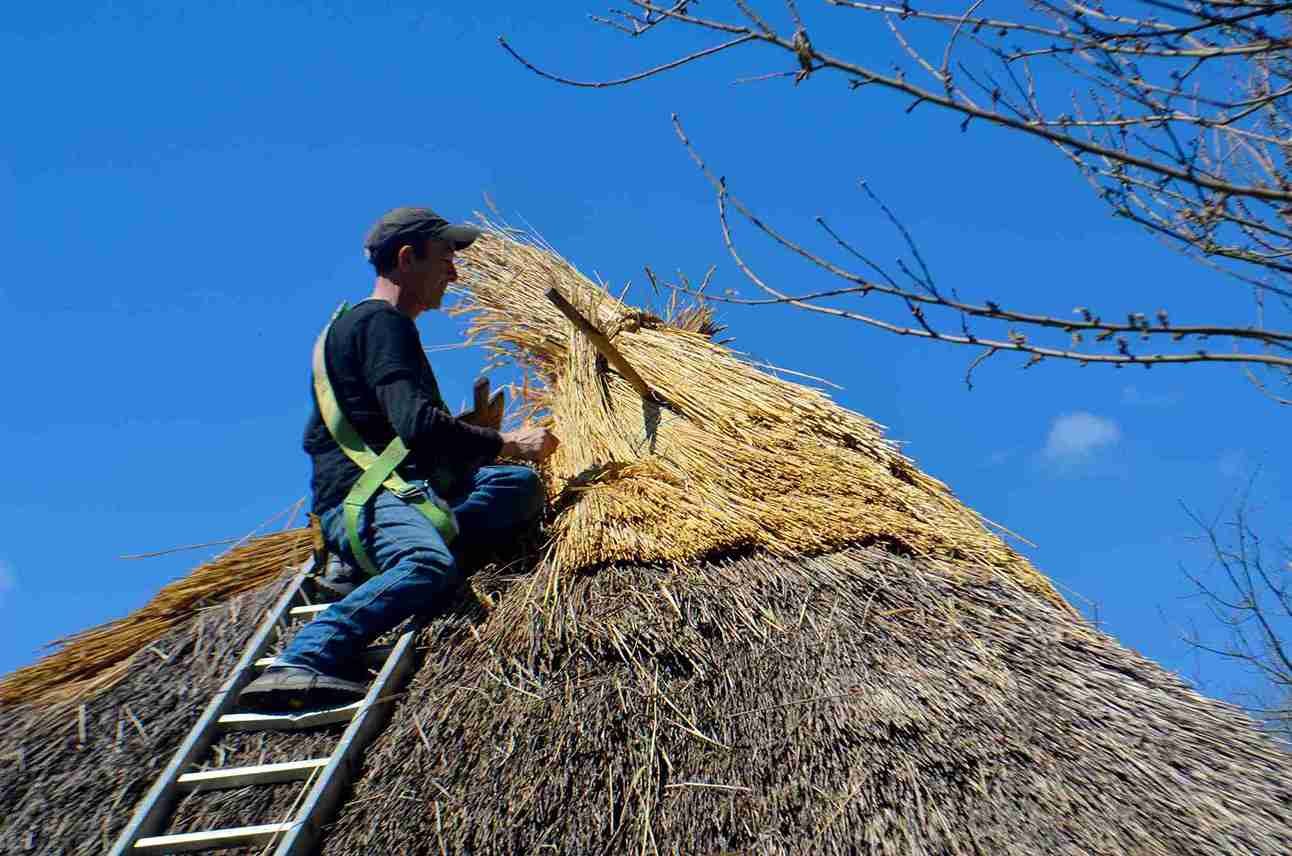
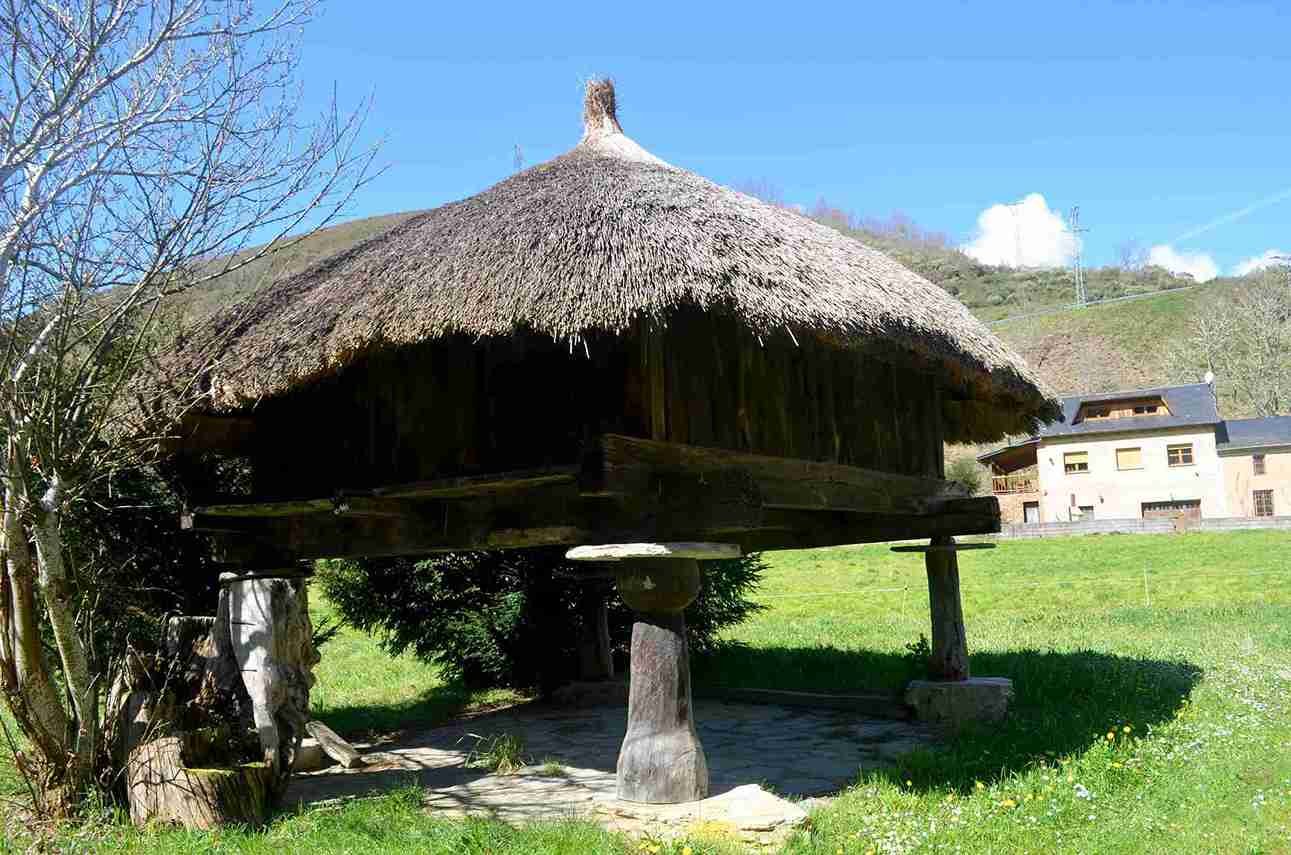
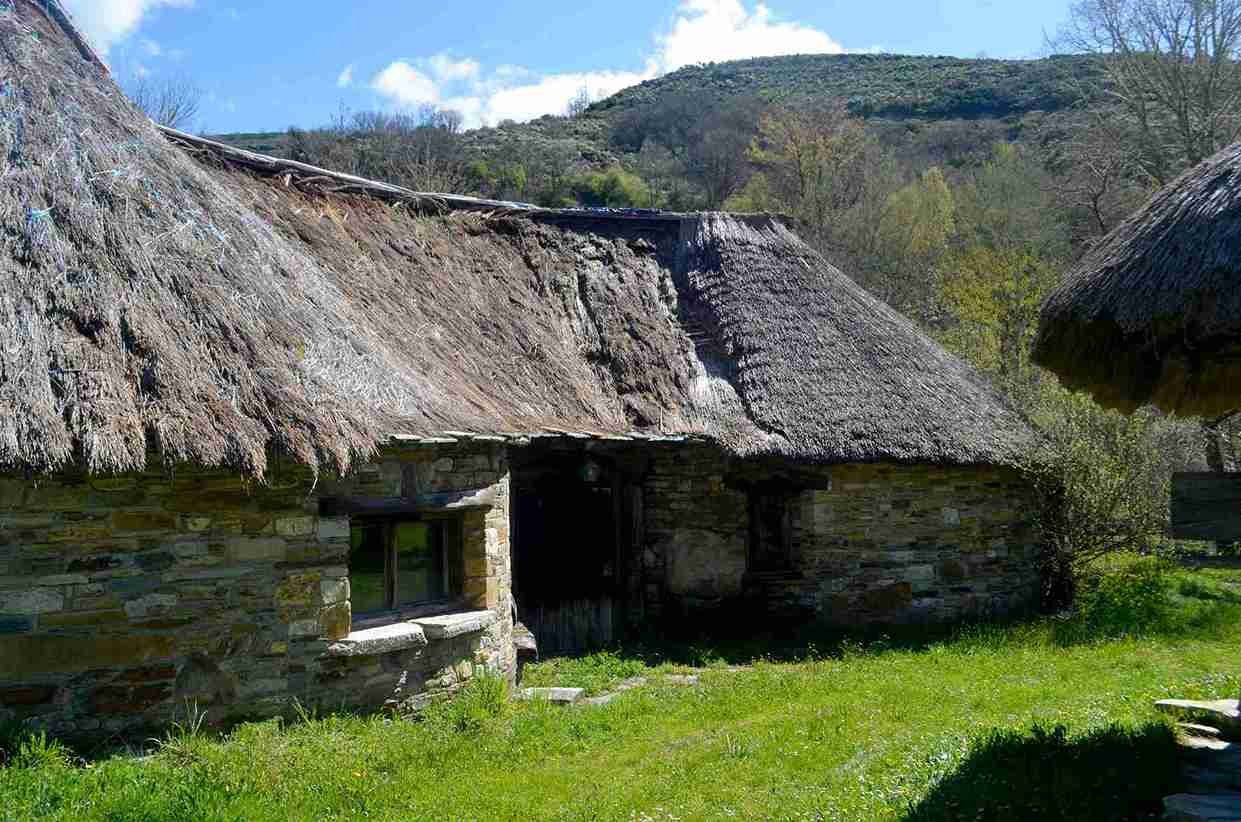
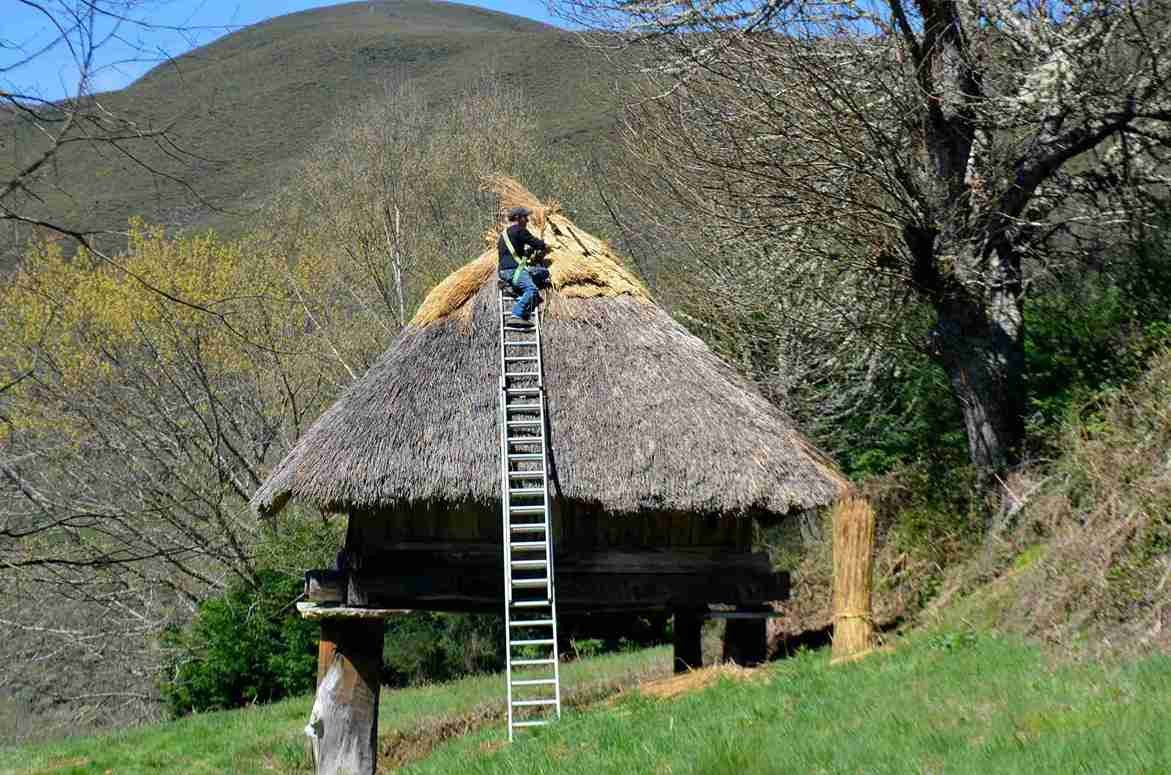
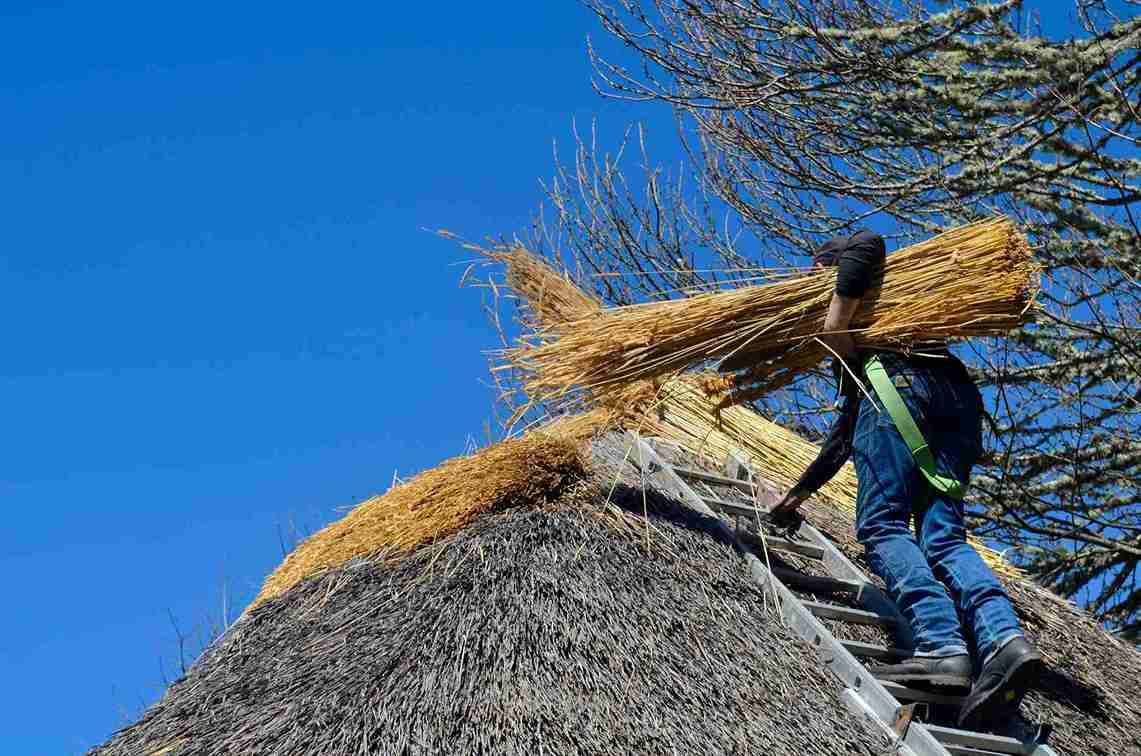
Manuel Monteserín Santín is a master thatcher of the sort known as teitador, one of the few artisans to still master the trade of traditional roofing with rye straw, an ancient craft linked to the vernacular architecture of the mountains of north-western Iberia. From Balboa, a Leonese village near the boundary with Galicia and Asturias, he works in a unique cultural landscape, in which one still sees palloza thatched stone huts and hórreo staddle-stone granaries built with techniques inherited from pre-Roman times.
Monteserín entered the trade without meaning to, but found in it a way of life. He learned it directly from the region’s last teitadores, such as Dositeo de Canteixeira and Ramón de Campo del Agua, who passed on to him the expertise linked to a craft that requires a great deal of technical knowledge, patience, and precision. Manuel quickly took in the techniques of those late masters and enlarged on that know-how by studying extant exemplars directly so as to thoroughly apprehend their structural rationale.
His work is not confined to roof repair; he has also built new structures such as Palloza de Chis in Balboa, which he sees as the most complex project he has done in his long career. With this thatched stone hut he showed that traditional techniques can be adapted to modern-day structural, regulatory, and functional requirements without losing constructional coherence. He has also worked on castles such as those of Santa Tecla or Campo Lameiro, as well as restoring many hórreo granaries and palloza huts and building various new structures inspired by the region’s traditional architecture.
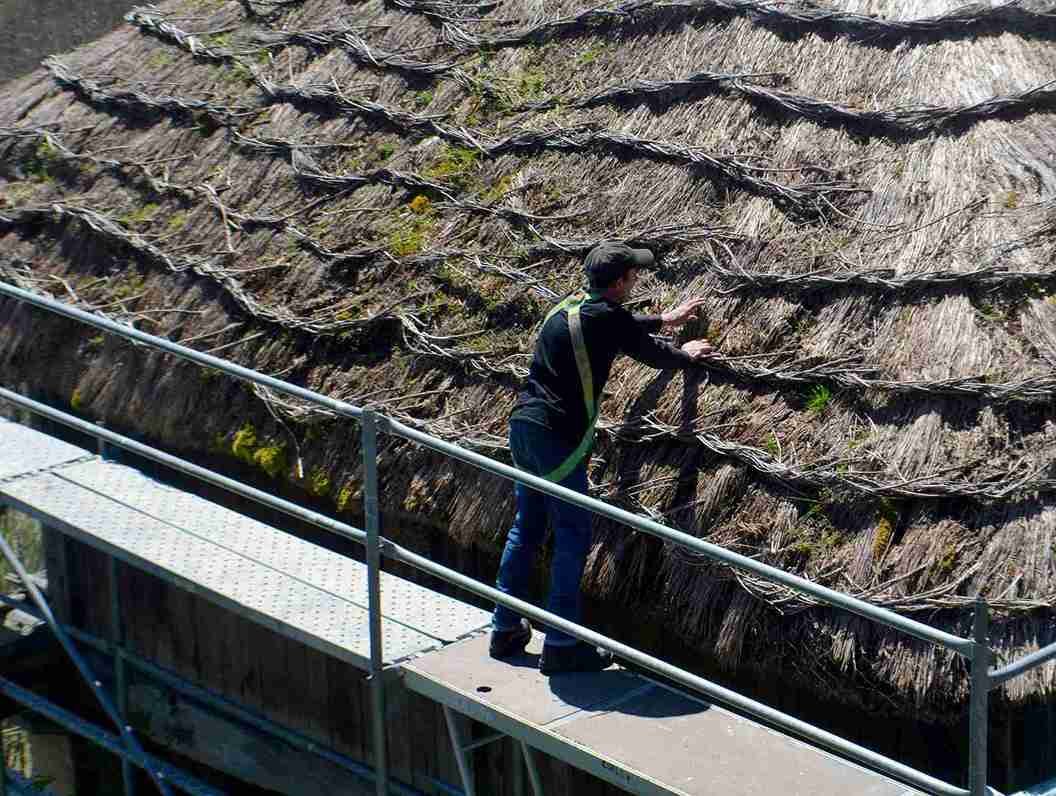
The entirely manual construction process for these roofs starts long before the first straw is put in place. The rye must be sown, gathered by hand, dried, and stored with care. Only then can it be used for forming the cords used in fastening a roof. These structures, normally of chestnut wood, are assembled with simple tools—chiefly axes, in this trade—and built to withstand rain and to allow breathability. The outcome is a functional, durable roof, able to regulate the interior temperature and to let out smoke with no need for a chimney.
At the age of 61, Manuel Monteserín remains continually active, with commissions from both public institutions and private individuals committed to the preservation of local heritage. He has also worked in initiatives sponsored by local government and cultural bodies, to which he contributes his expertise in hands-on sessions focusing on roofing techniques and the use of natural materials. And he has passed on his knowledge to apprentices directly on site in real work conditions. The enthusiasm with which some young people approach this craft makes him feel that the trade still has a future.
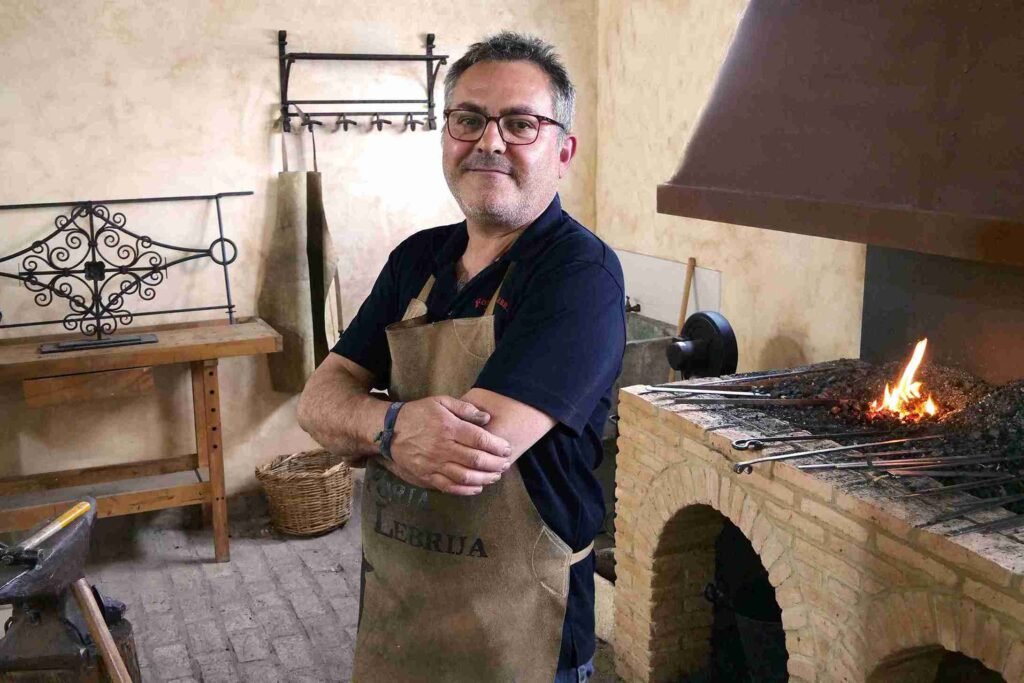
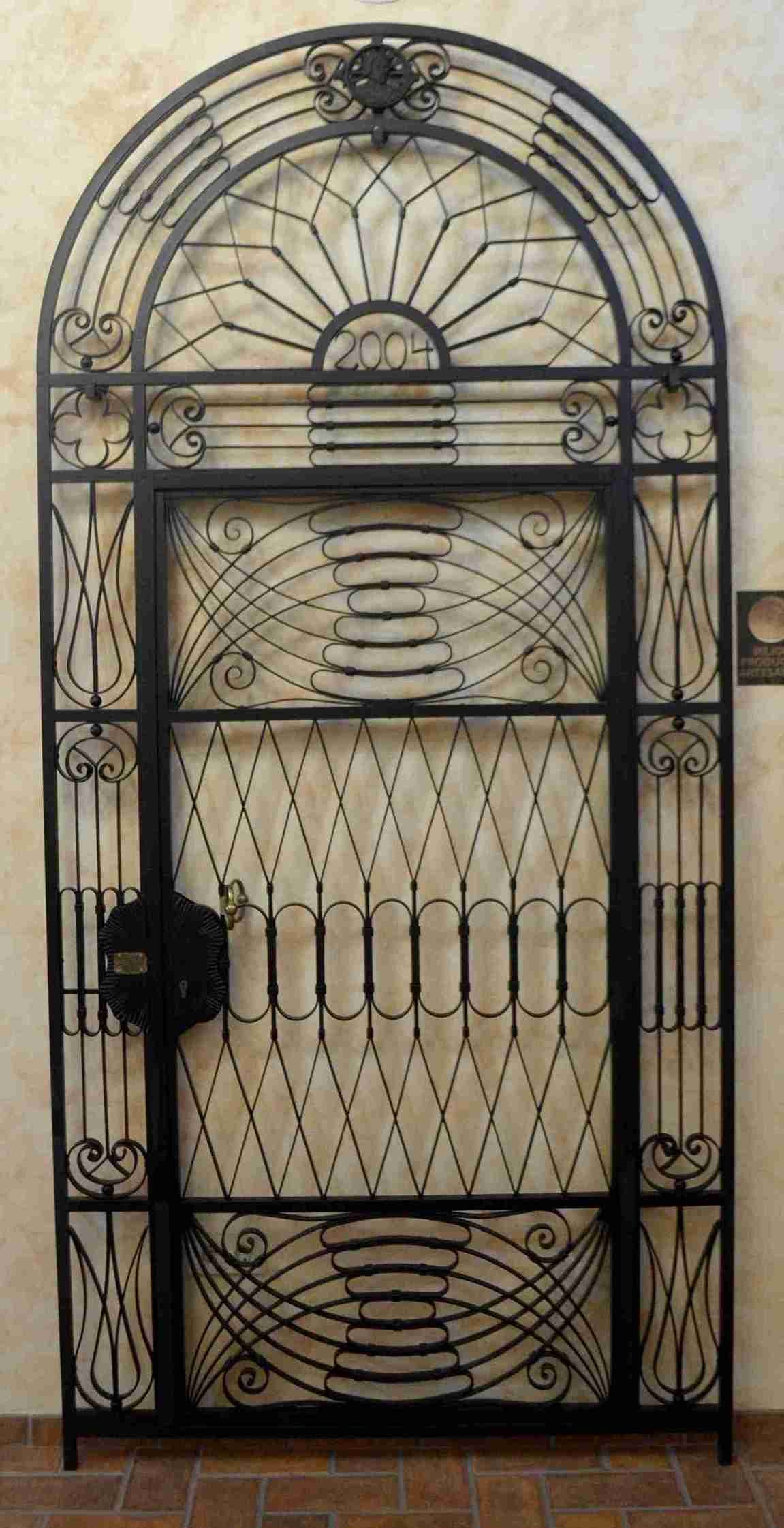
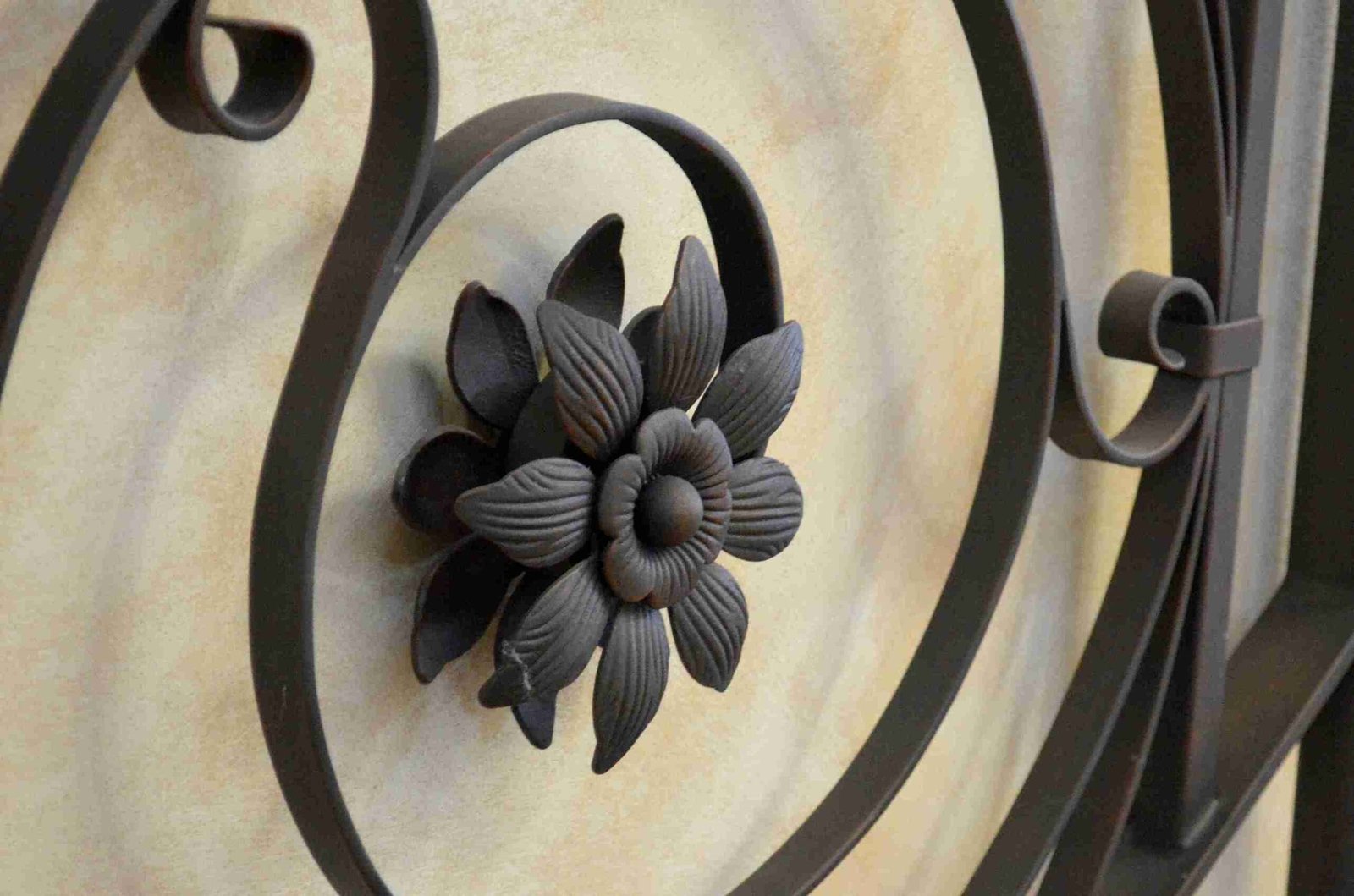
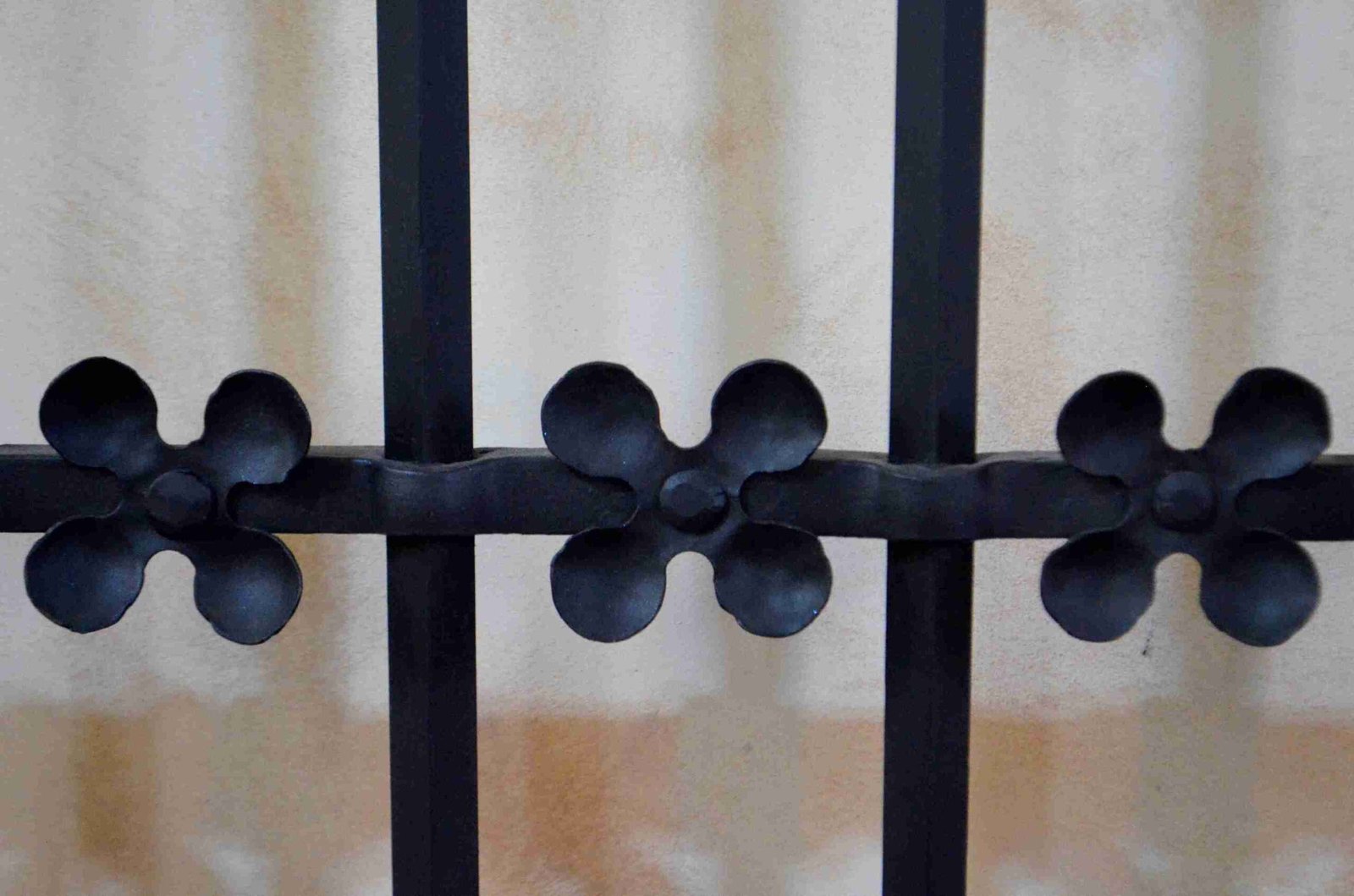
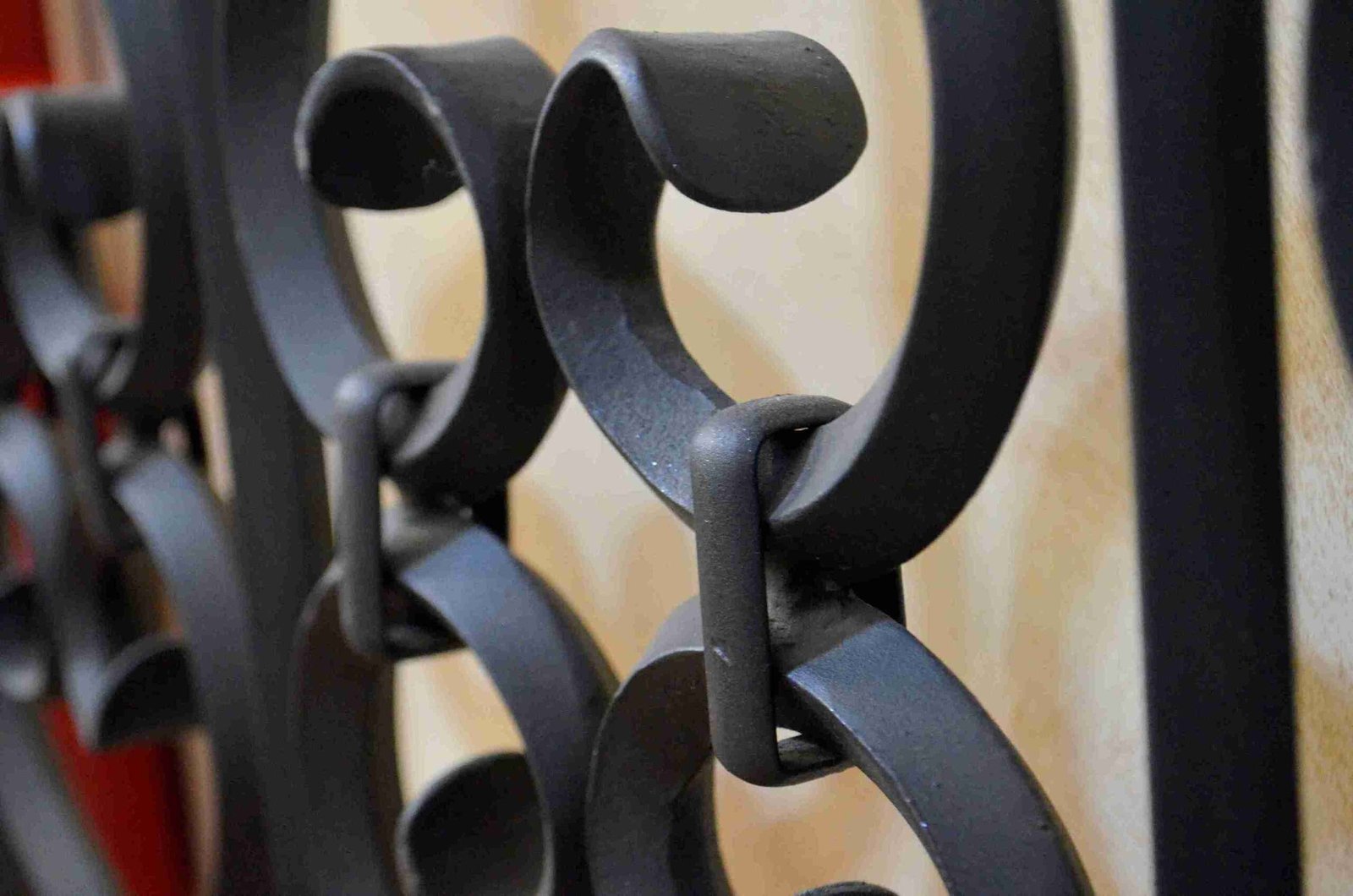
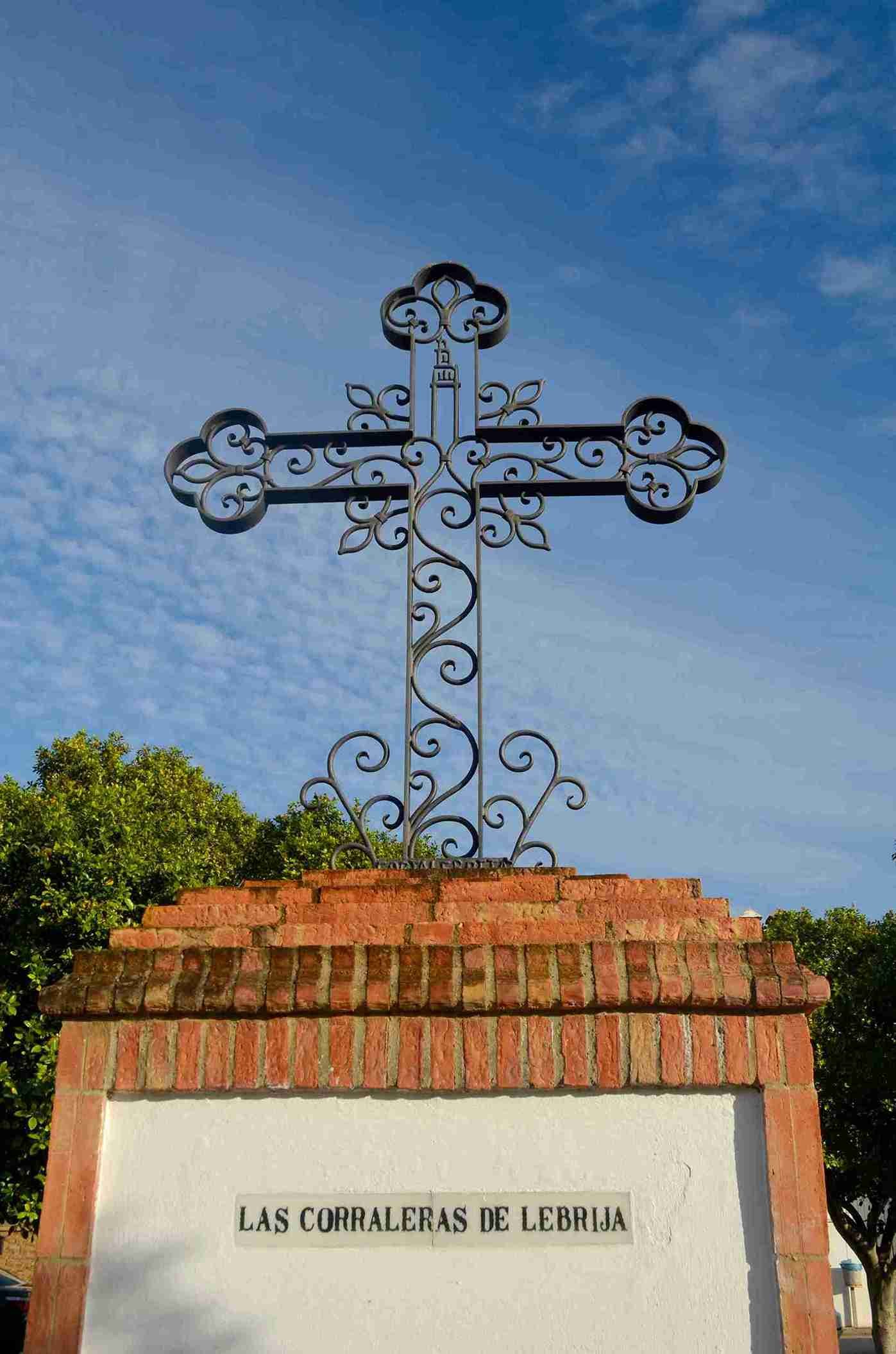
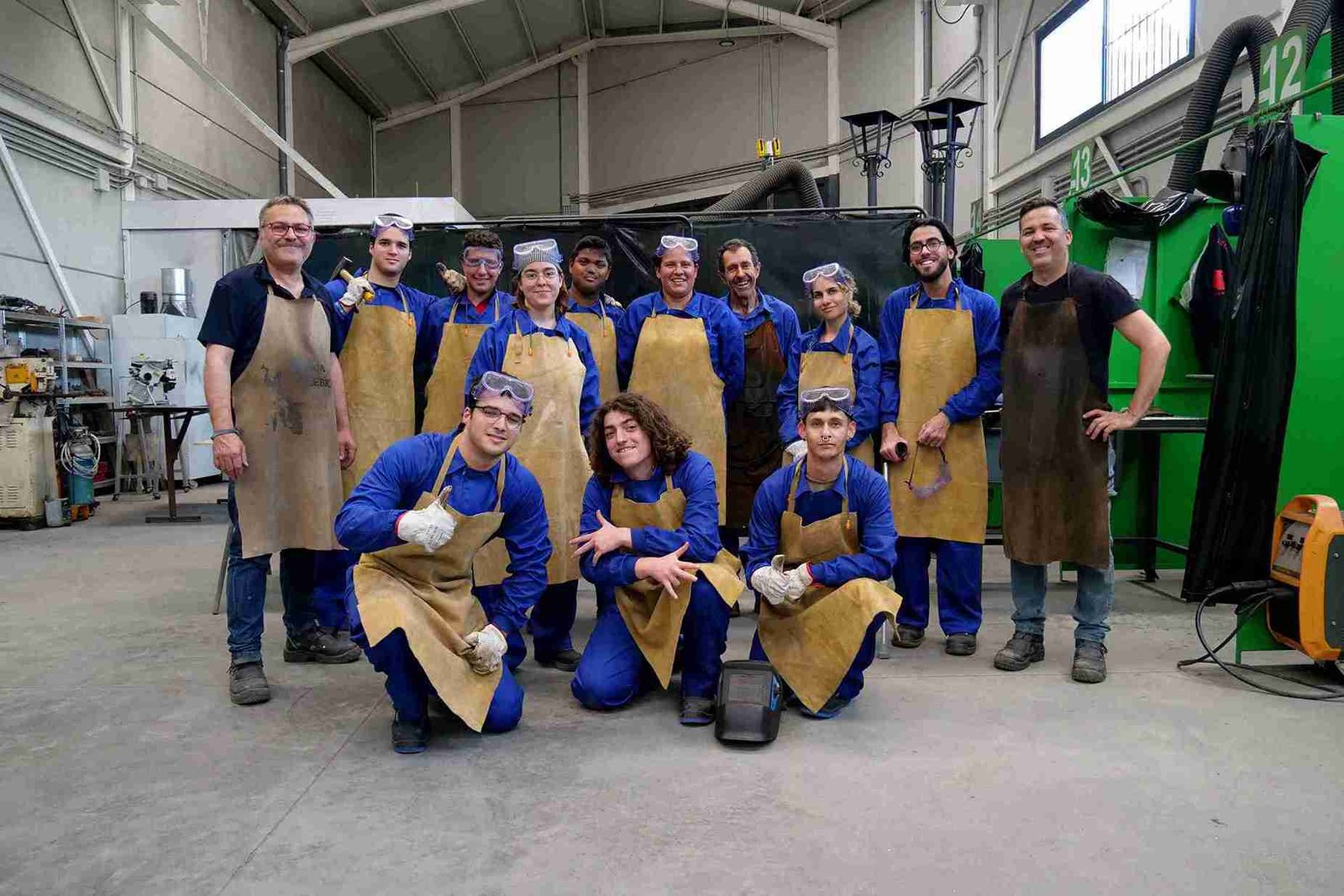
Juan José Gómez Delgado is a blacksmith and currently one of the leading figures in the recovery and practice of traditional Andalusian grillwork. Born in Lebrija (Seville province), where he lives and works, he learned the craft at the trade school set up there by the architect Donald Gray in the mid-eighties. That experience gave him a solid technical grounding in ironwork and also instilled in him a way of understanding the trade based on a respect for traditional architecture and local building systems, with special attention to the forms and solutions of Andalusian grillwork and, in particular, the characteristic models of Lebrija.
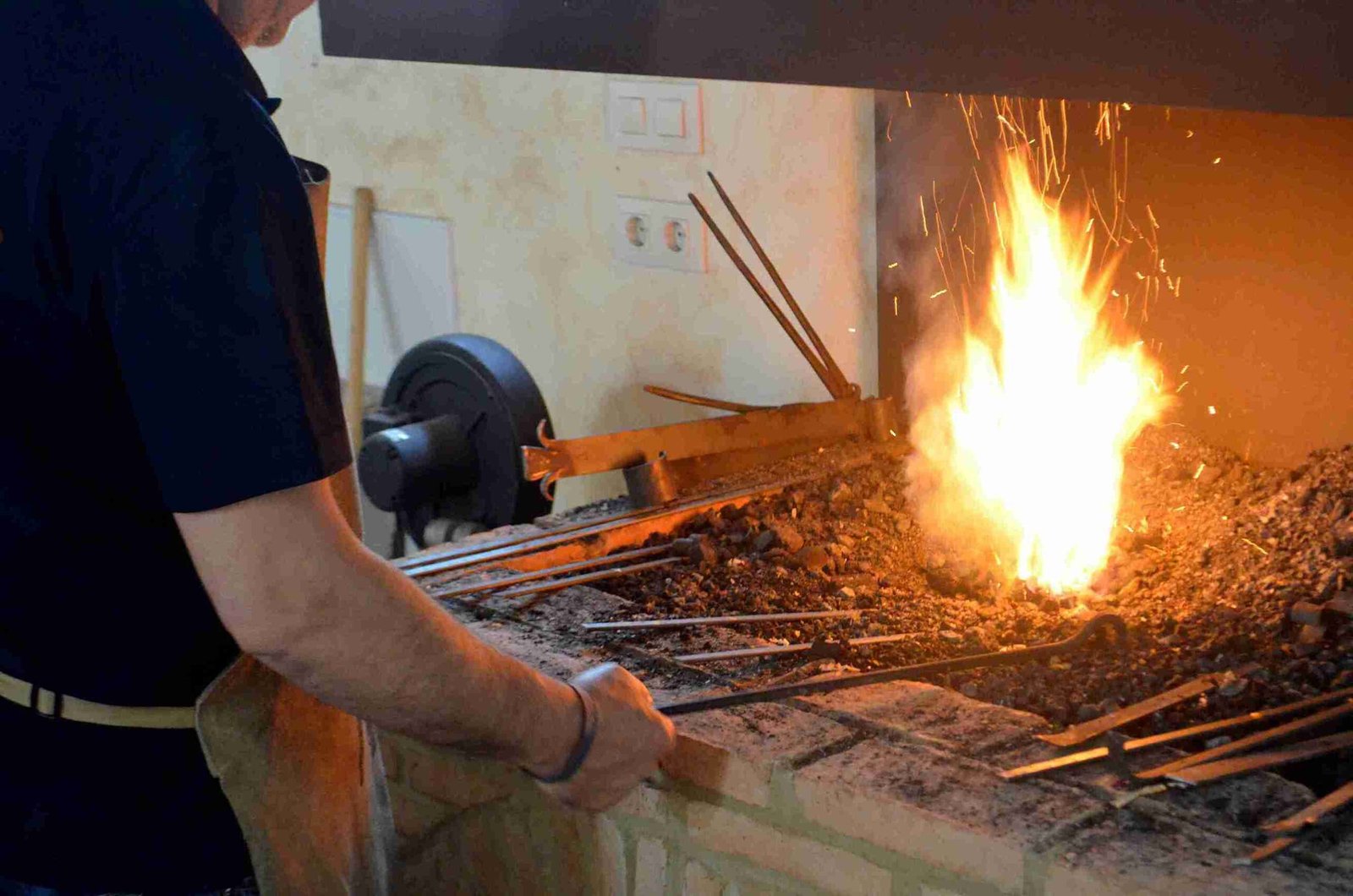
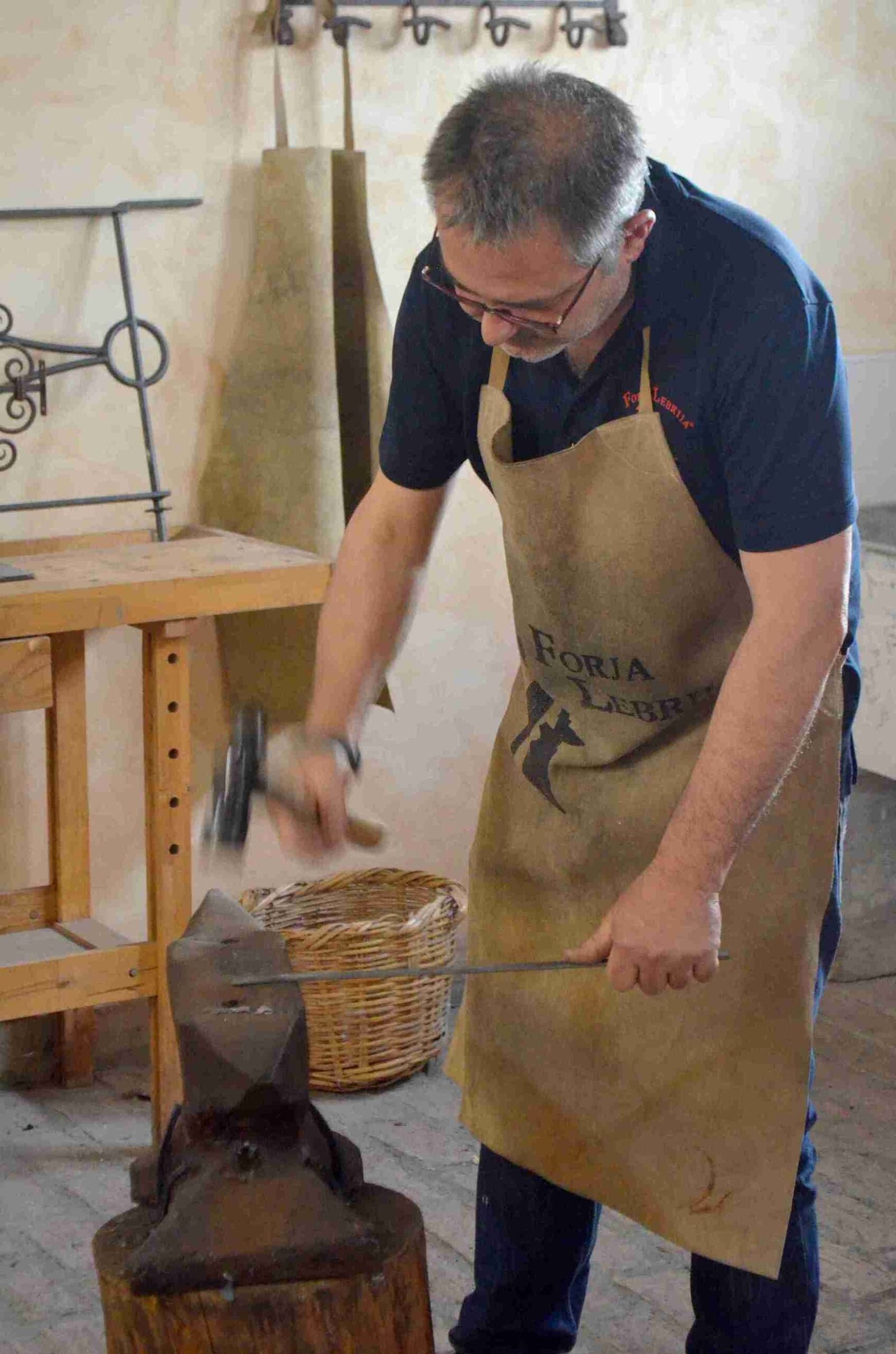
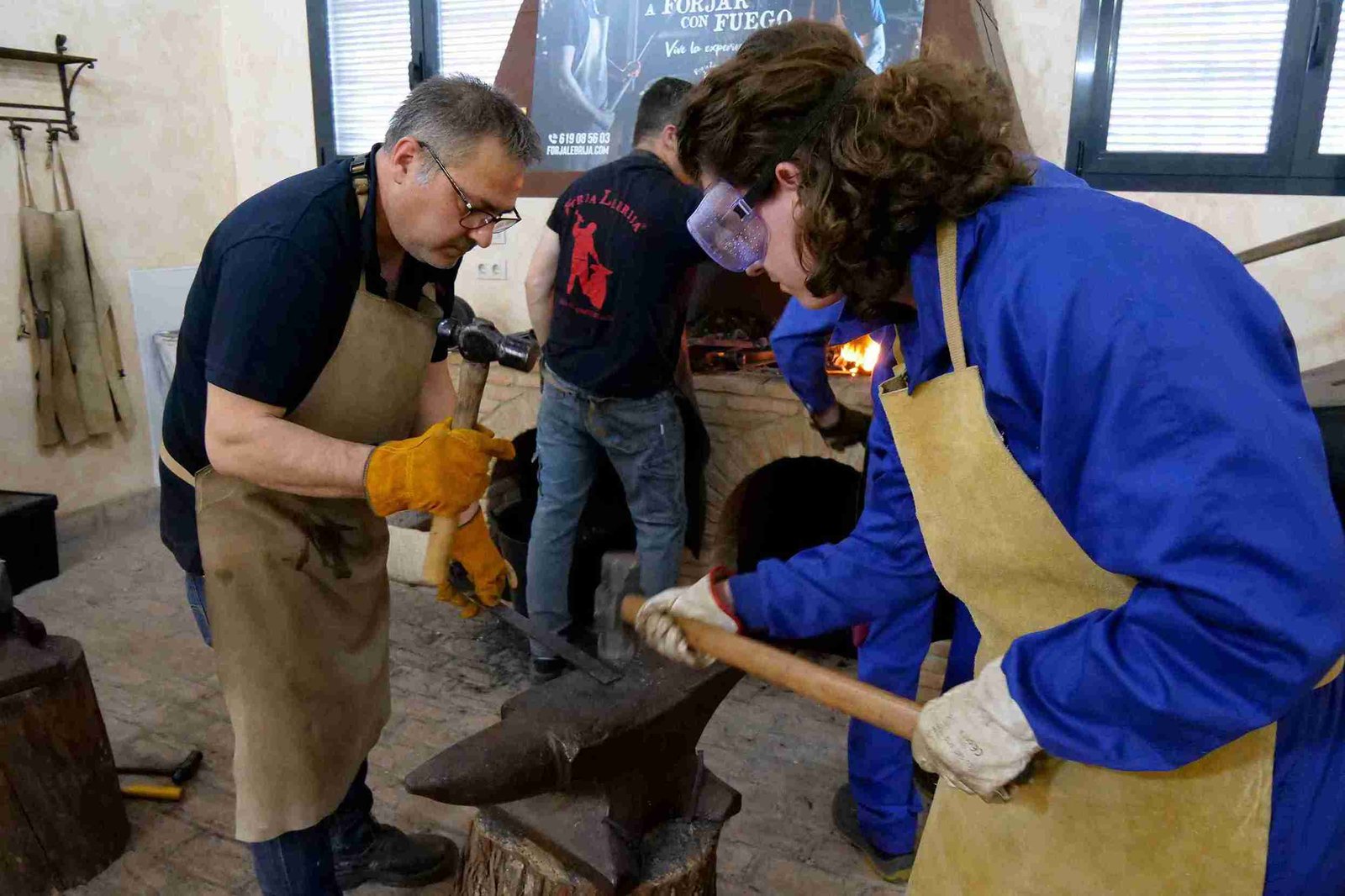
Since then he has devoted his life to this trade. In 1995 he founded his own workshop, Forja Lebrija, in which he designs and manufactures new wrought-iron objects, reproduces and restores historical models, and trains a new generation of blacksmiths. His output includes gates, railings, balconies, and a whole range of ornamental elements. A large part of this work is to be seen in Lebrija, integrated into the town’s urban and architectural heritage, but he has also worked in public squares, churches, convents, stately houses, and other buildings across Andalusia and other Spanish regions.
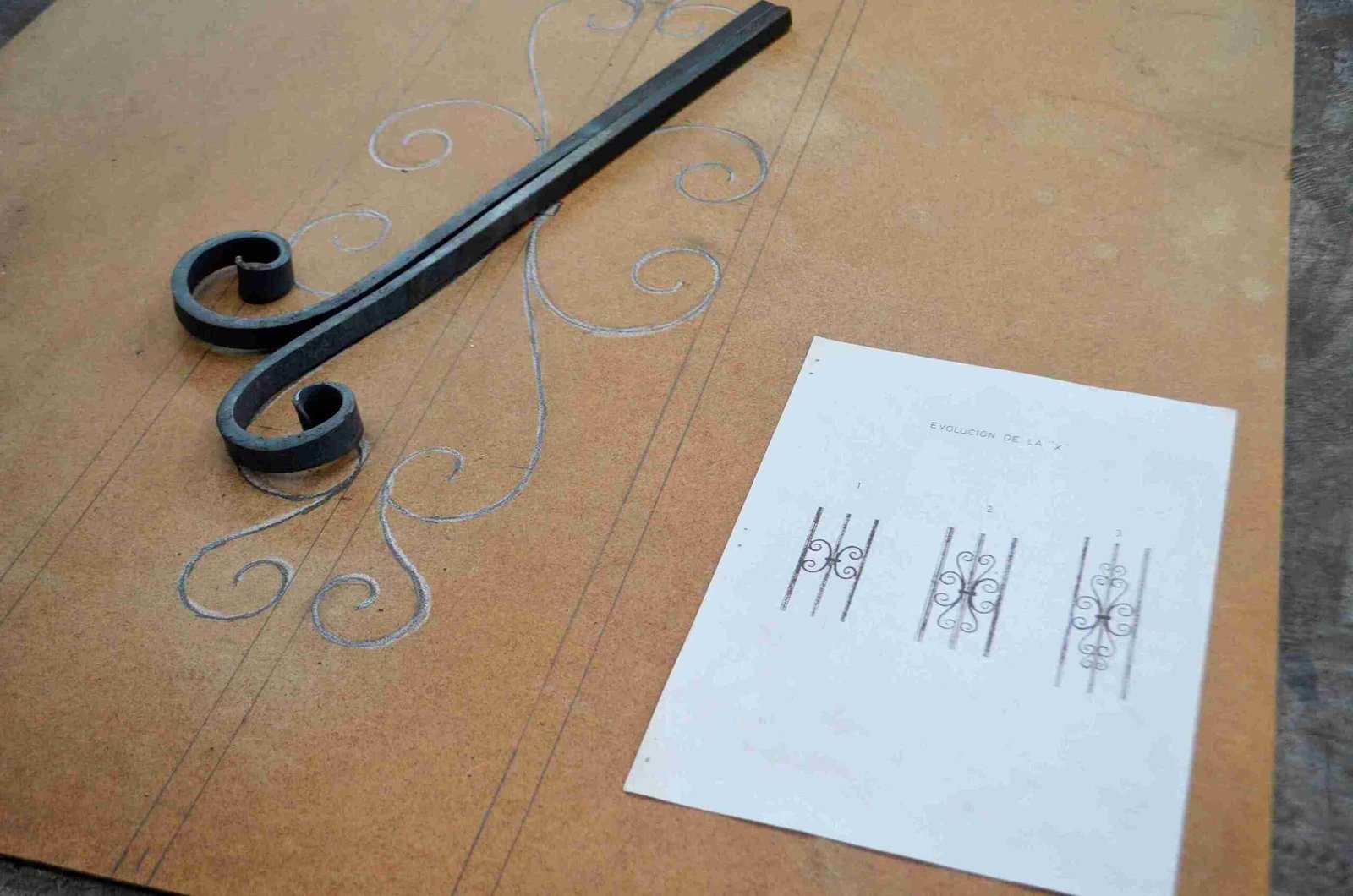
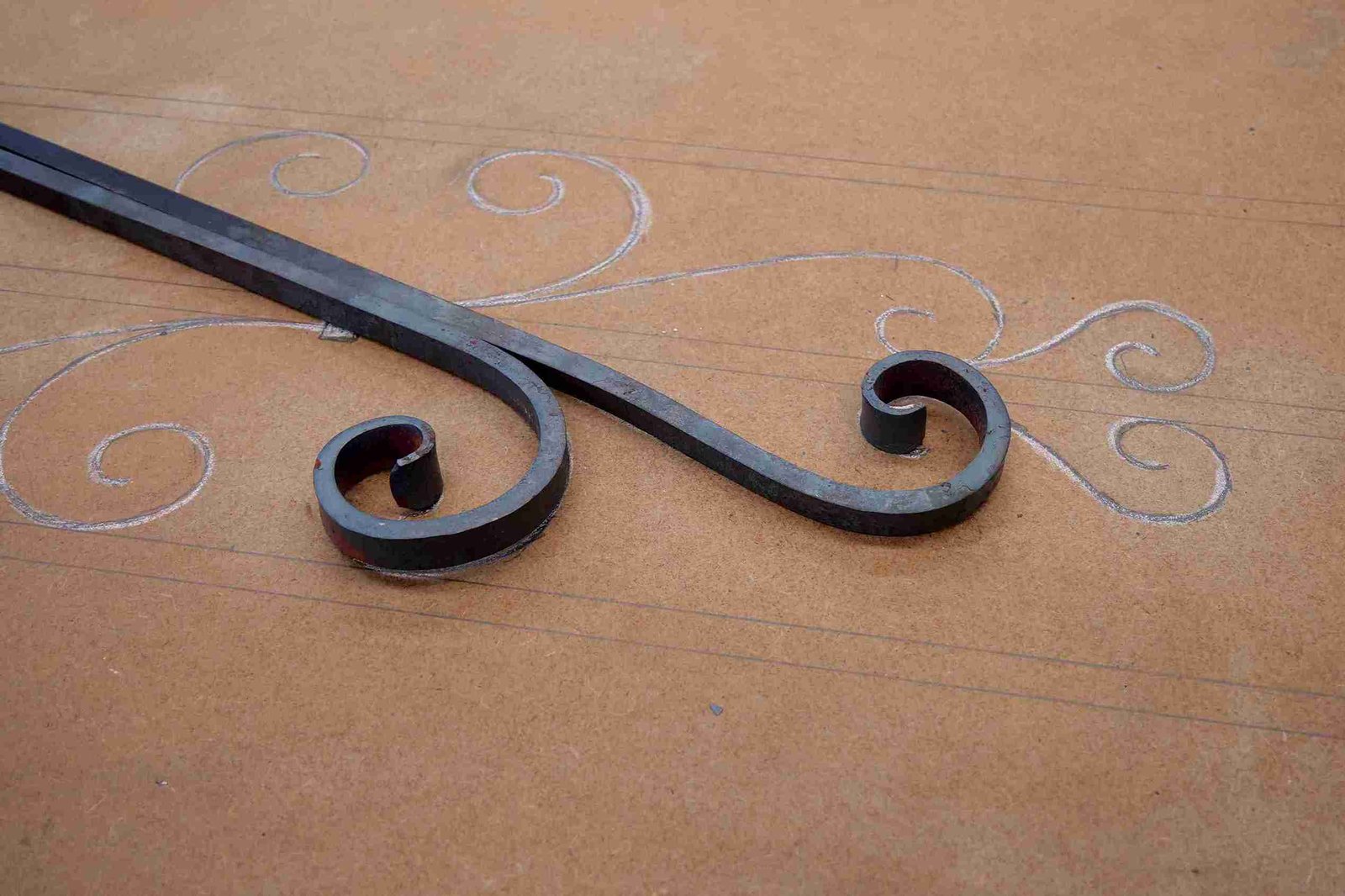
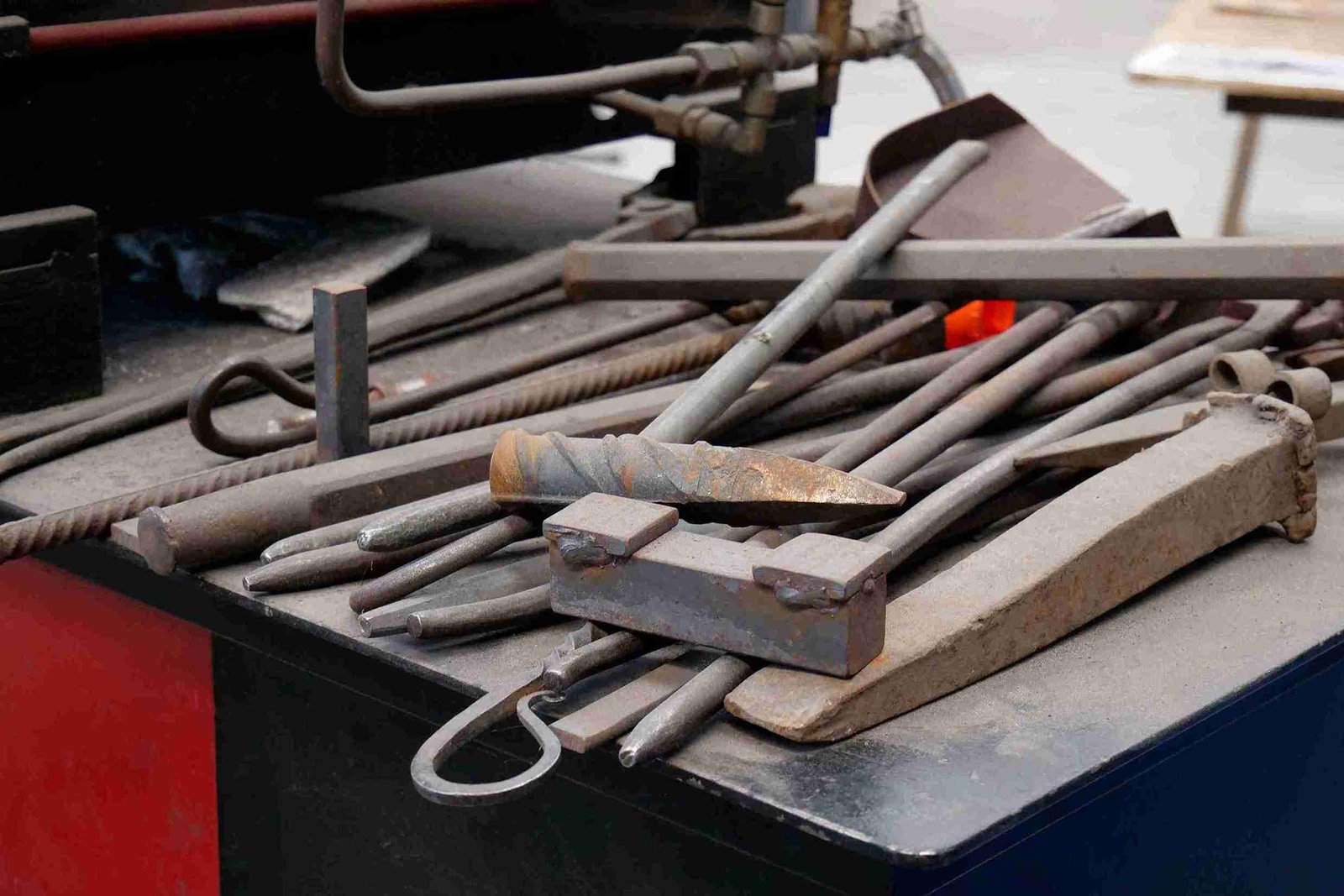
Over his career he has combined forge work with research. In his designs he often recovers characteristic elements of Andalusian grillwork such as scrolls, rings, and loops as well as traditional forging techniques such as riveting, knotting, or crimping. He creates many of these pieces in his forge, using the large range of manual tools characteristic of the trade.
Juan José has also done noteworthy work as a trainer. For years he has given workshops, talks, and courses, and in Lebrija he has promoted the creation of a craft complex for training and outreach on traditional blacksmithing, recognized as a project of special interest for its cultural, social, and educational value, in which the trade is passed on to new generations of learners.
Over his more than thirty years in the trade, his work has contributed decisively to preserving and giving continuity to traditional Andalusian grillwork. His output involves not just replicating inherited forms but also ensuring that the trade remains present in today’s architecture with solutions consistent with the character of the places where they are installed.
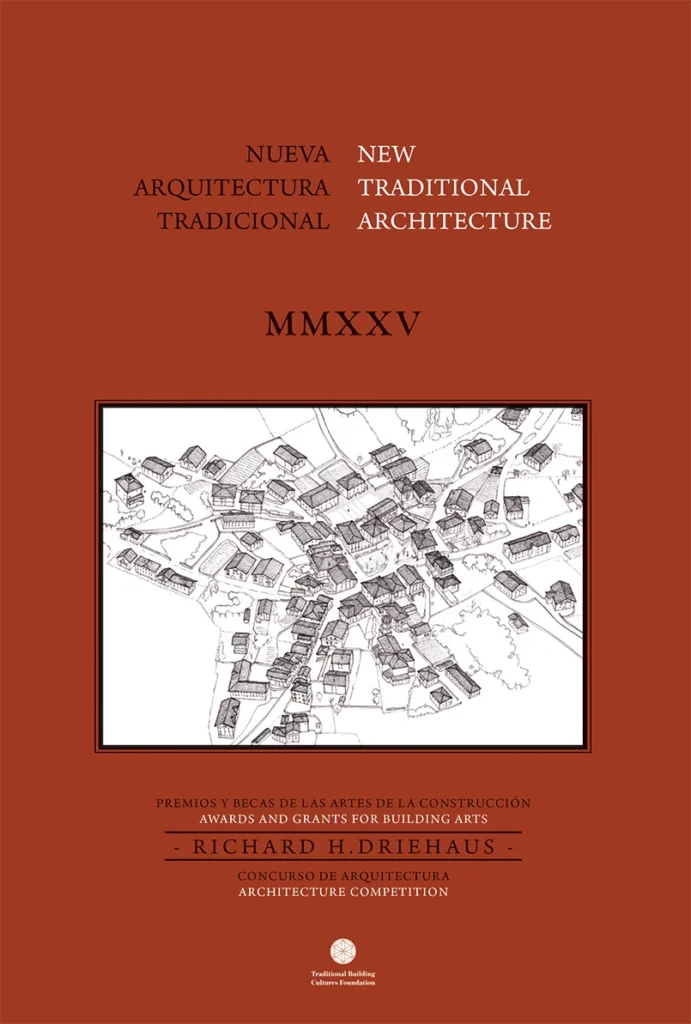
It was published in June 2025 on the occasion of the awards ceremony held at the IE University Segovia Campus.
This booklet presents the results of the second phase of the Richard H. Driehaus Architecture Competition, the 2025 Building Arts Awards and the 2024-2025 Donald Gray Training Grants, organized by the Traditional Building Cultures Foundation, with the support of the Ministry of Culture and the collaboration of INTBAU Spain, and the High Council of Institutes of Architects of Spain.
The Segovia Campus of IE University hosted the awards ceremony for the Building Arts Awards and the Richard H. Driehaus Architecture Competition 2025 on 12 June 2025. The event was presided over by Susana Alcalde Amieva, Deputy Director General of the Institute of Cultural Heritage of Spain, together with representatives of the organising institutions: Miguel Larrañaga Zulueta, Vice President for Student Affairs at IE University; David Goodman, Dean of IE School of Architecture & Design; José Franqueira Baganha, Vice President of the Traditional Building Cultures Foundation; Susana Moreno Falero, Dean of COACYLE, representing the Spanish Council of Architects’ Associations; and Alejandro García Hermida, Executive Director of the Traditional Building Cultures Foundation.