Portada » Initiatives » Awards » Building Arts Awards » Laureates » Laureates 2017
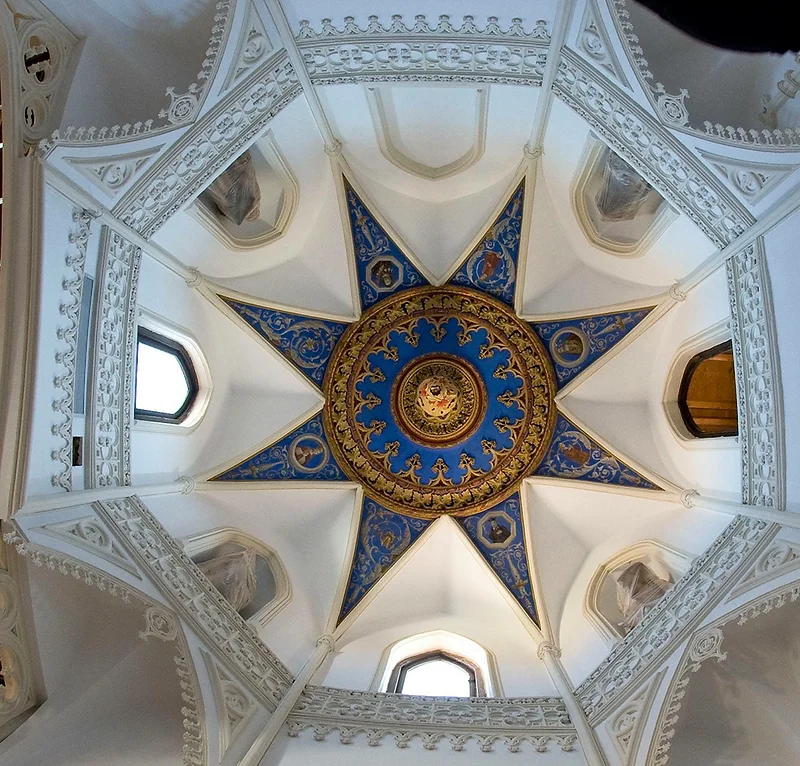
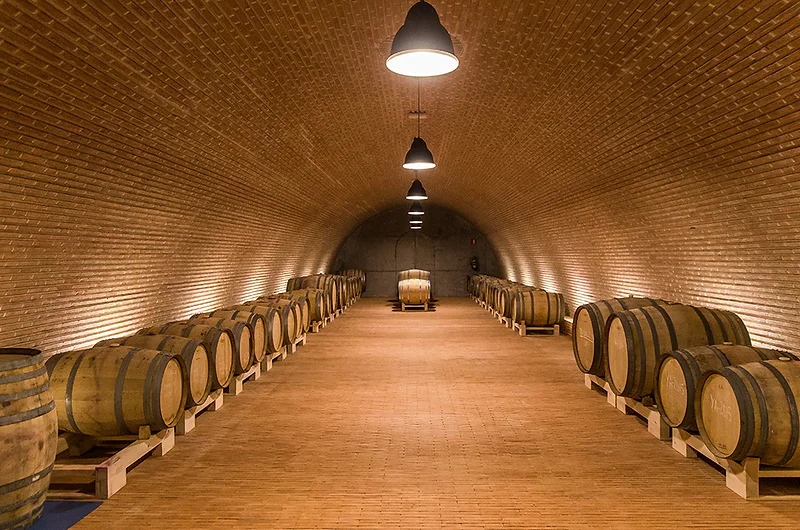
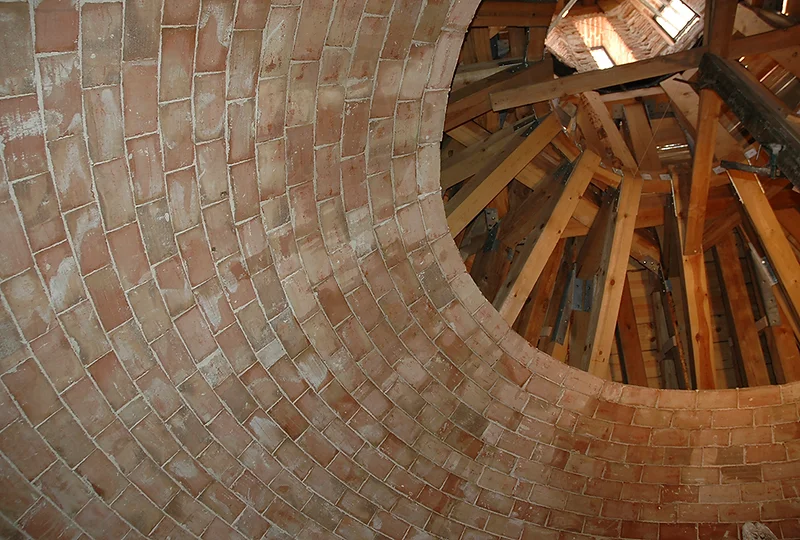
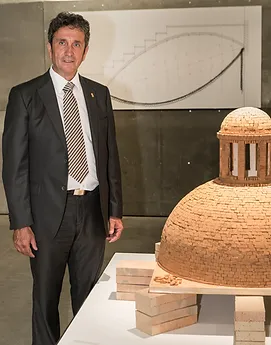
Carlos Martín Jiménez learned his profession from his own family, which has worked in the field for generations. To date, he has built or restored over 300 vaults, making him one of the world’s most renowned vault designers. His skill and extensive expertise in this field have allowed him to work together with prestigious Spanish and international architects such as Sir Norman Foster, with whom he made the vault for the drone airport that was erected for the most recent Venice Biennial.
He has also built or remodelled vaults and cupolas in numerous Spanish monuments, most notably including his reconstruction works on various historic buildings in Alcalá de Henares, such as the chapel of the Santos Niños Justo y Pastor Seminary, the Colegio of San Basilio Magno, and the San Juan de la Penitencia Convent, in addition to the vaults he has made for the cistern of the Jadraque Castle in Guadalajara, for the Bodega del Valdemonjas in Quintanilla, Valladolid, and for the Chapel of San Felipe in Novelda, Alicante.
Yet not only has Jiménez distinguished himself as a master vault designer; he also works as a master plasterer. This has not just made it possible for him to restore the plasterwork on numerous buildings, but it has also expanded his repertoire beyond brick vaults (whether timbrel or otherwise) in addition to also mastering a technique that is typical of Spanish architecture but now widely unknown: encamonadas vaults or cupolas.
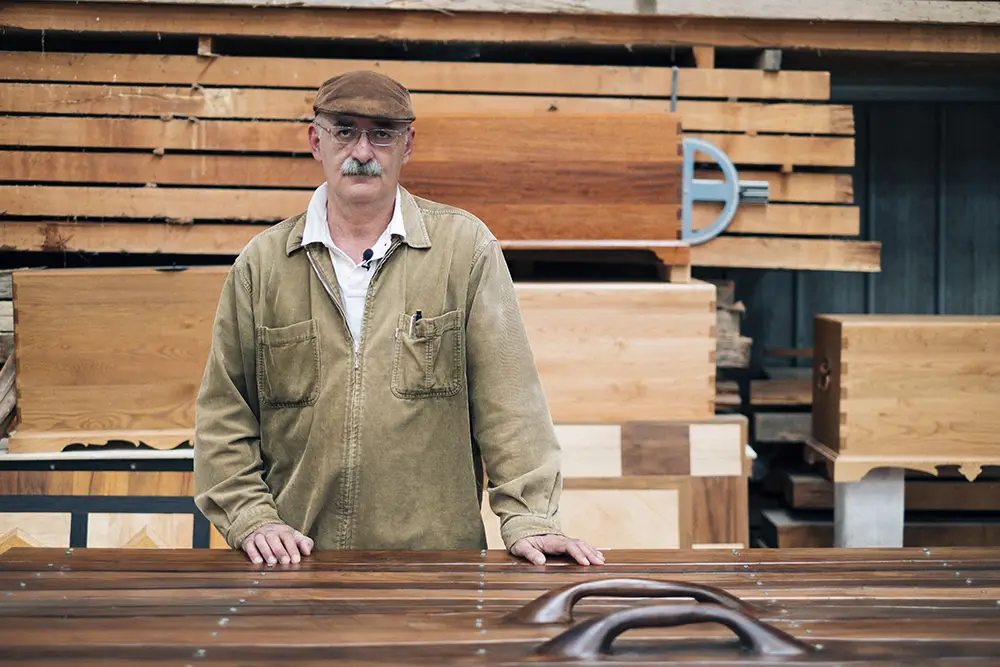
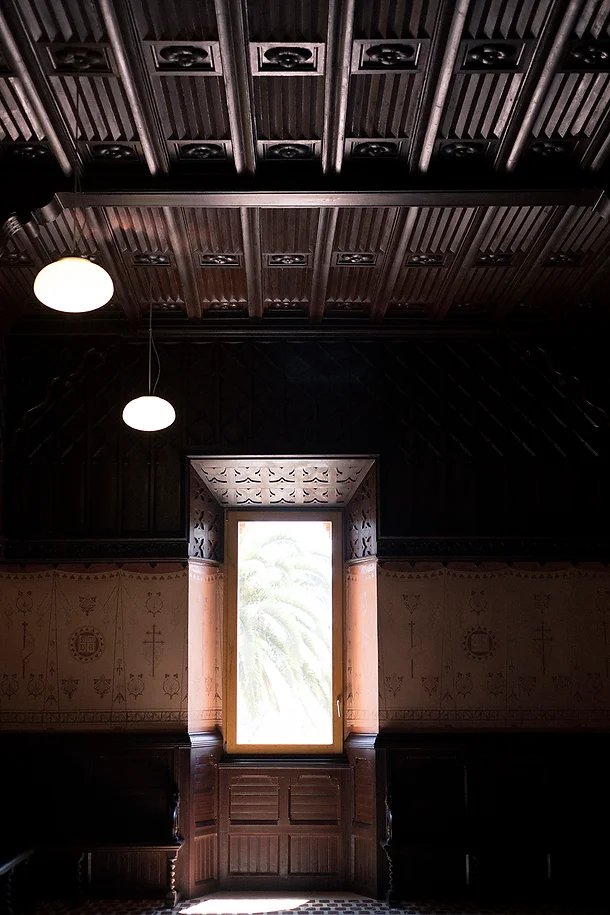
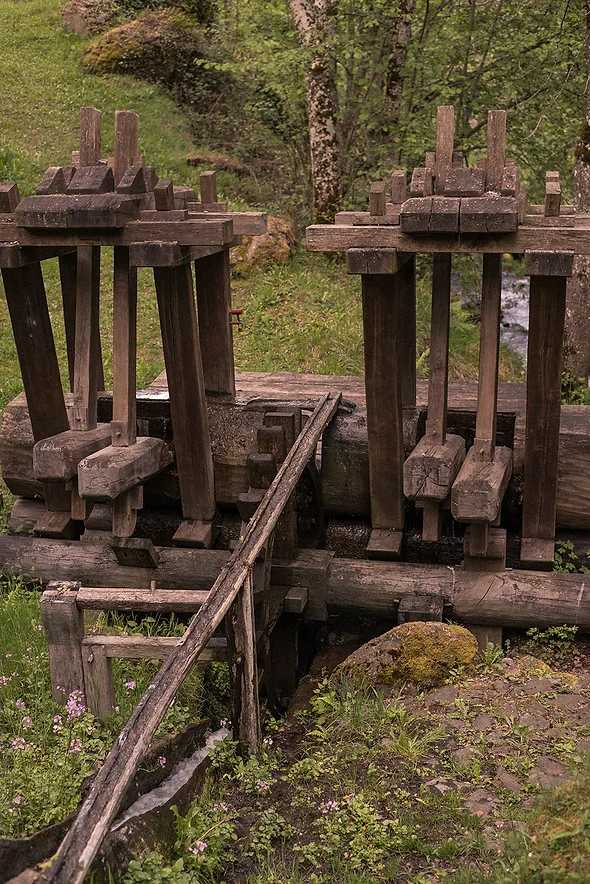
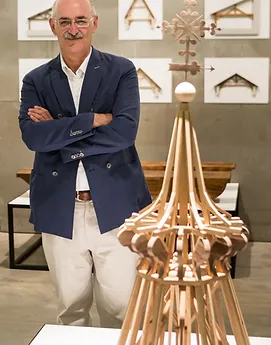
Manuel Navarrete is no ordinary carpenter-cabinetmaker. From his workshop in Torrelavega, in Cantabria, he has worked with coffered ceilings and structural carpentry, unique flooring solutions, stairs, and other woodwork since 1984. But in addition to this he also crafts unique work in a field that is almost extinct, namely producing wooden machinery for mills, fullers and other wooden artefacts.
Besides having restored and rebuilt various wooden machines such as the Ledantes fuller (or walker), the Yermo-Cartes flour mill, and his work preserving the hydraulic mechanism of the Cades ironworks, all of which are in Cantabria, his portfolio also includes multiple restoration projects in the Seminario Mayor of the Pontifical University of Comillas, the reconstruction of the Colegiata of San Miguel de Alfaro, in La Rioja, and the restoration of the roof of San Miguel church in Rasines, Cantabria.
Navarrete began his apprenticeship at the tender age of 13 in various traditional workshops in Madrid (coopers, wagonbuilders, carpenters, cabinetmakers…). With the foundation of the lessons he learned from these now vanished masters, his restlessness led him to constantly continue his education on his own, delving into areas such as woodworking in the Hispano-Muslim tradition, designing and building spiral staircases, and the processes for designing and building artisan chairs.

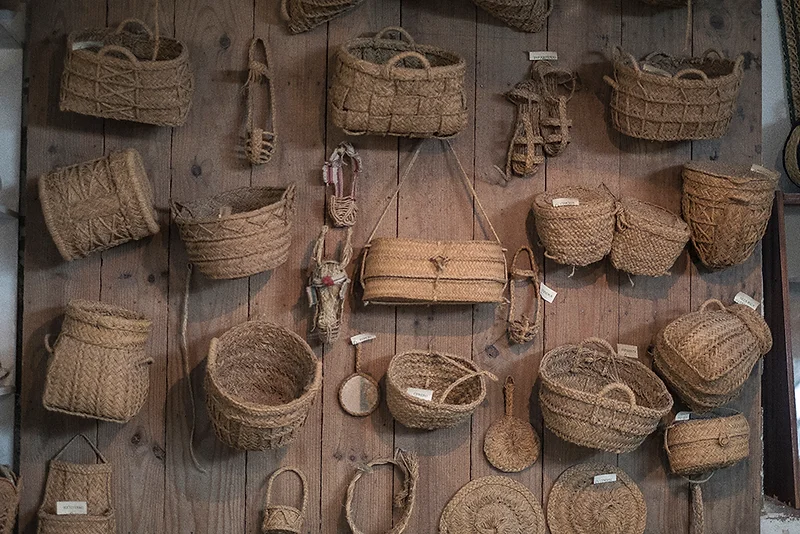
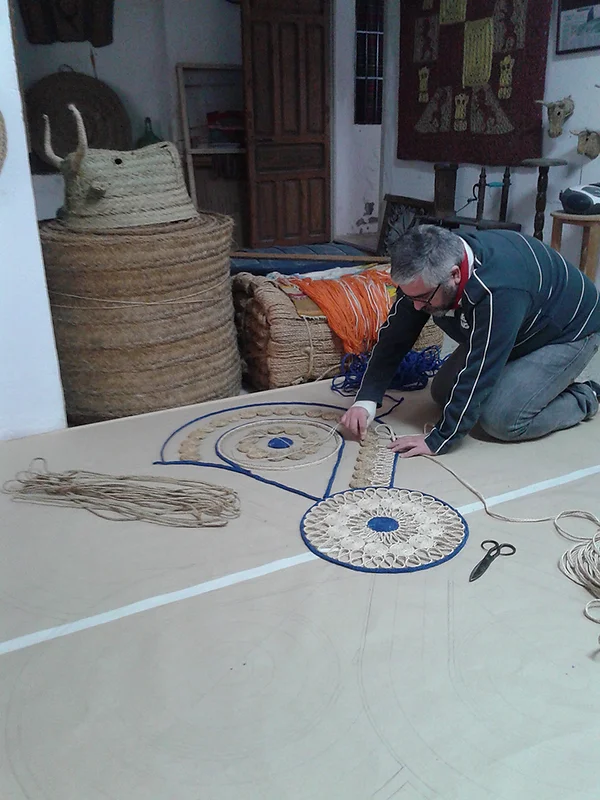
Pedro Antonio and Jesús Blanco Ubalde are two brothers whose firm Ubedíes Artesanía handicrafts esparto to bring back the artesian products and craftwork of this vegetable fibre. They belong to the fourth generation of a family from the city of Úbeda that has been dedicated to this profession since approximately 1900.
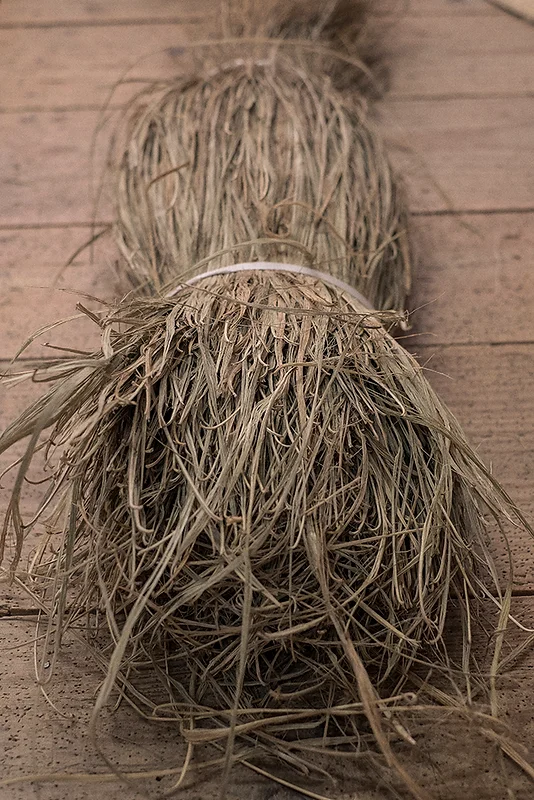
Their work is solid proof of how even today spaces can be endowed with comfort and quality without having to resort to synthetic products. This is due to the fact that esparto is not only biodegradable, but harvesting it actually helps the esparto grass plant get stronger and thus continue to reproduce. This characteristic gives it superb environmental value and positions it as one of the best solutions proposed around the globe for areas affected by desertification. It is also a cornerstone of the landscape that defines the identity of diverse arid regions of the Iberian Peninsula and North Africa, and this identity would be progressively lost if the plants were not harvested.
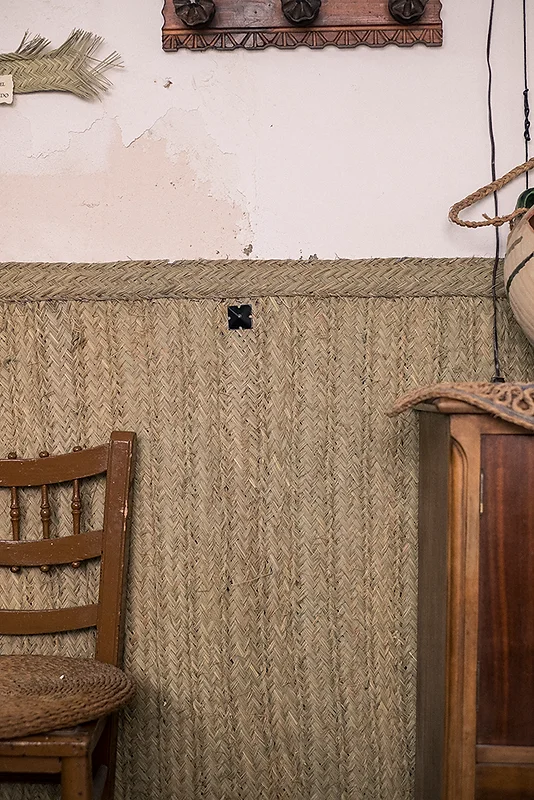
After harvest, the esparto is left to dry for several days and then worked on while it is still raw. It is used to make various types of braids, the most important of which are the pleita and the capacho or cofin braids. Pleita is braided in the form of a strip. These strips are sewn with hemp strings to create
items such as blinds, curtains, mats, baseboards, etc. Capacho or cofin, on the other hand, is used to make mats or carpets that do not need to be woven. Instead, the esparto branches or bunches are formed into a spiral, which makes it possible to work in circles or ovals.
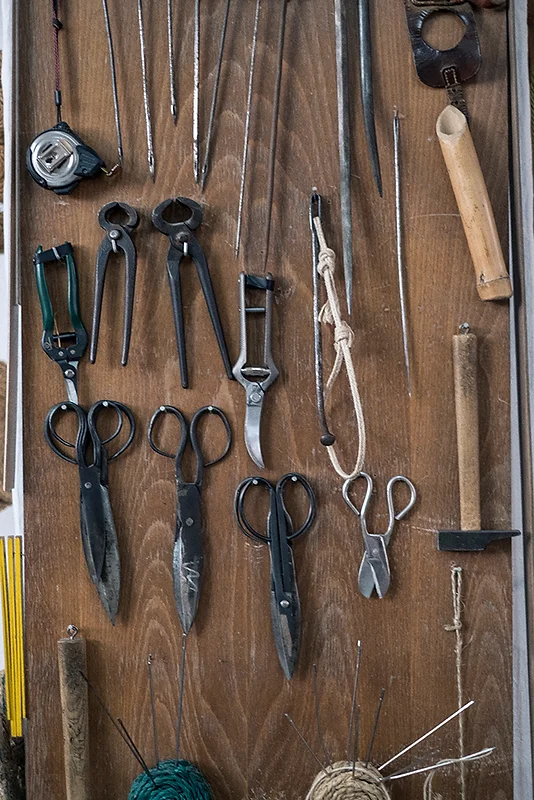
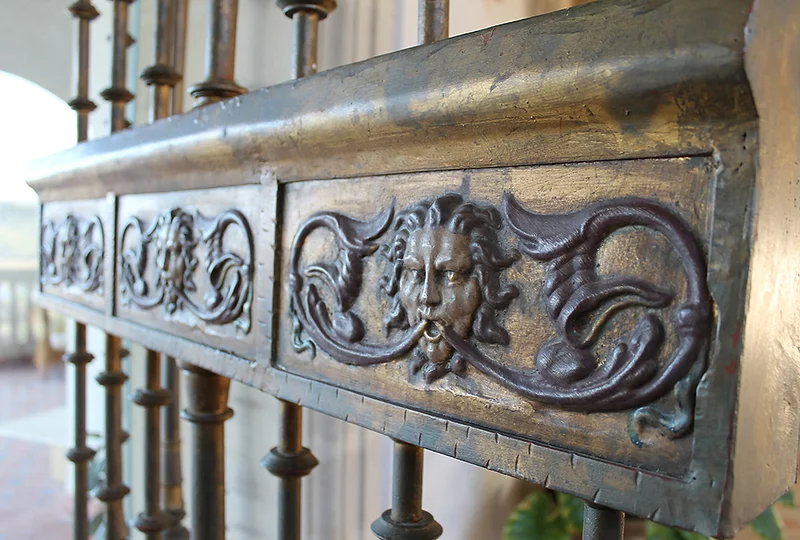
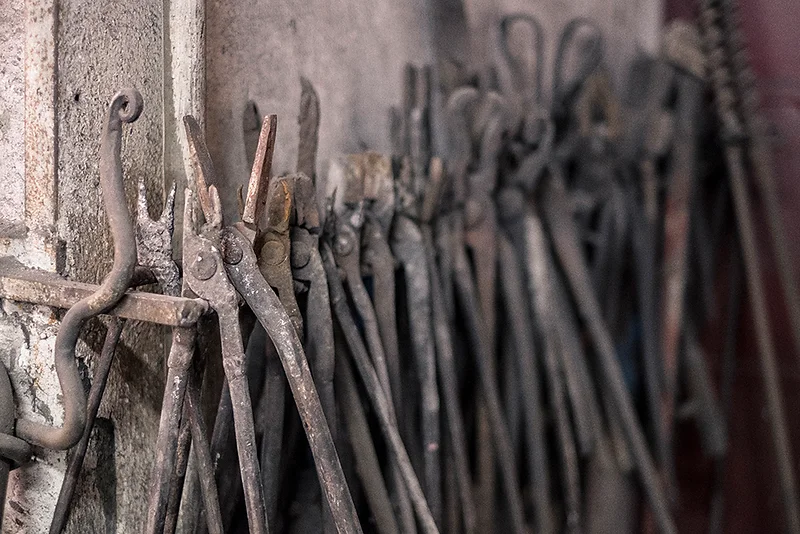
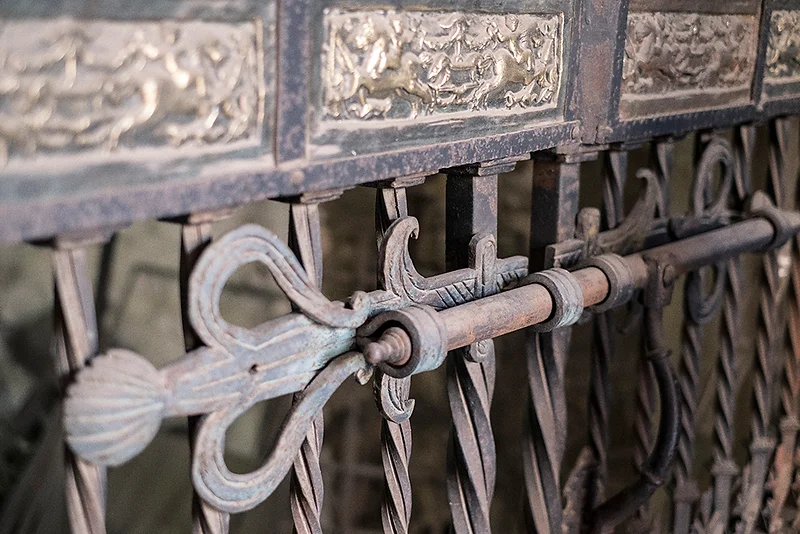
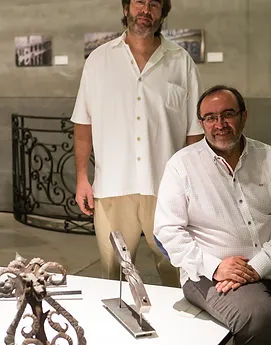
The brothers José and Francisco Garrido Rus, previously accompanied by the father from whom they learned their trade, mould iron in their workshop forge, Forja Tiznajo. Still firing their forge with coal, the brothers continue the tradition of hammering their iron on an anvil using mallets, hammers, and tongs, and moulding their parts the traditional way using rivets, bridles or scarf welding, which consists of heating the ends of the parts that will be joined practically up to the iron’s flash point, and then welding them together with hammer blows until a single part is formed.
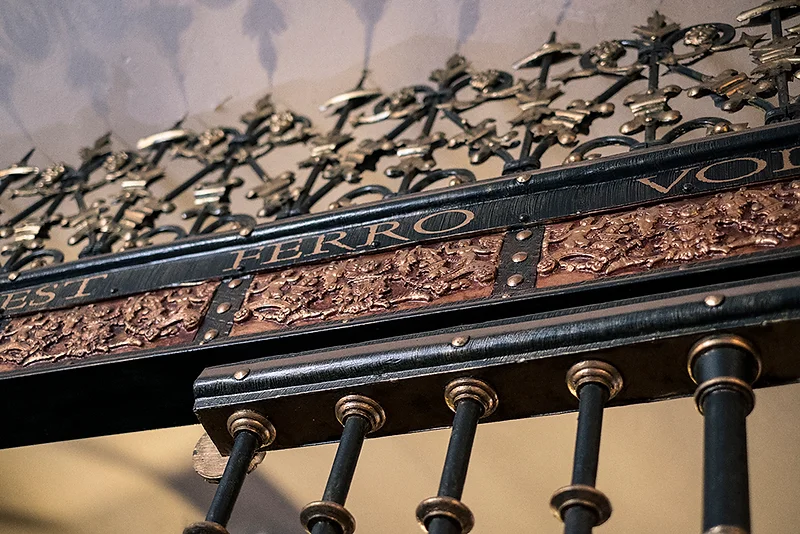
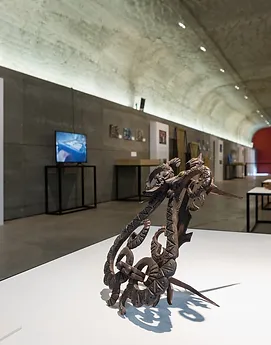
Following this methods, these brothers have forged and restored, with unique mastery, Gothic and Renaissancestyle gates and grilles, with their portfolio including the gate of Santa Ana church, in Barcelona, the renaissance grilles of Canena Castle, the renaissance gate of the Olula del Río Museum in Almería, and a replica of the fifteenthcentury weathervane of the Palacio de los Condes de Guadiana in Úbeda.
Their goal is to promote local artisans’ work against the onslaught of imported manufactured products, and this has led them to work together with the City of Úbeda to create an artesian quality label for this city, which UNESCO has declared a World Heritage Site.
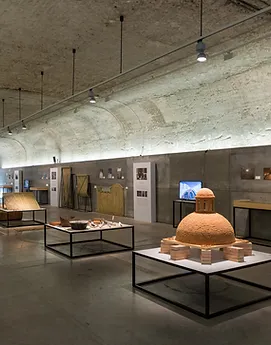
It was published on the occasion of the Awards Ceremony of the Richard H. Driehaus Architecture Competition and the 2017 Richard H. Driehaus Arts of Building Awards, as well as the opening of the exhibition New Traditional Architecture – MMXVII, which presented the works of the award recipients of both initiatives from 14 June to 23 July 2017 at the Arquería de Nuevos Ministerios in Madrid.
This publication gathers the results of both initiatives, organized by INTBAU (International Network for Traditional Building, Architecture and Urbanism), with the collaboration of the Department of
Building and Architecture of the Ministry of Public Works and Infrastructure, the Department of Beaux Arts and Cultural Goods and Archives and Libraries of the Ministry of Education, Culture and Sports, the Rafael Manzano Prize and the Council of Architecture Institutes of Spain.
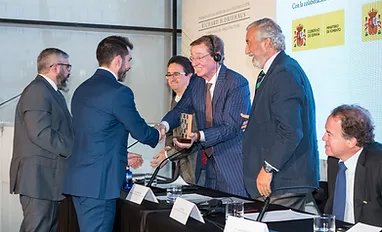
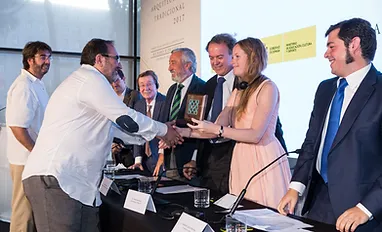
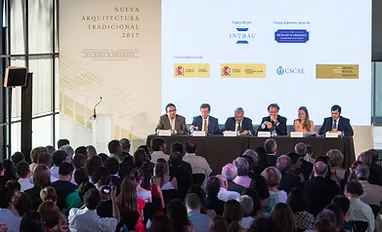
On Wednesday, 14 June, the Richard H. Driehaus Arts of Building Awards ceremony took place at the Arquería de Nuevos Ministerios.
The ceremony was presided over by Mr. Julio Gómez-Pomar, Secretary of State for Infrastructure, Transport and Housing; Mr. Luis Lafuente, Director General of Fine Arts and Cultural Heritage; Mr. Richard H. Driehaus; Ms. Harriet Wennberg, Director of INTBAU; Mr. Alfonso Samaniego, Vice-President of the Spanish Council of Architects’ Associations; and Mr. Alejandro García Hermida, Coordinator and Chairman of the Jury for both initiatives.