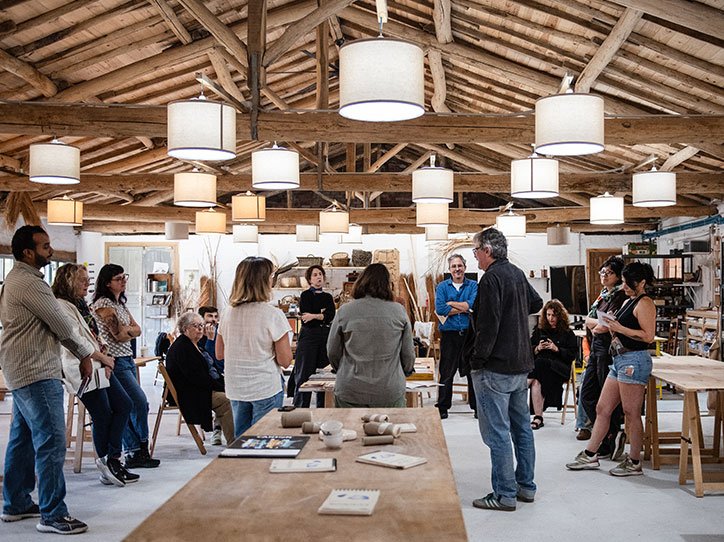
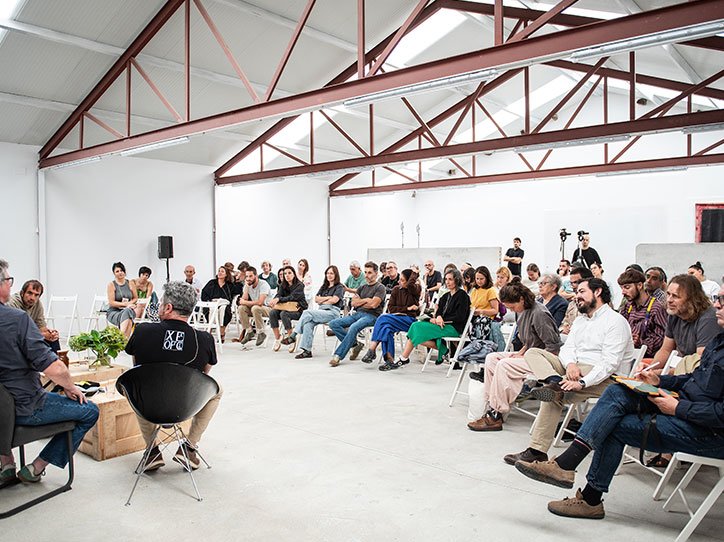
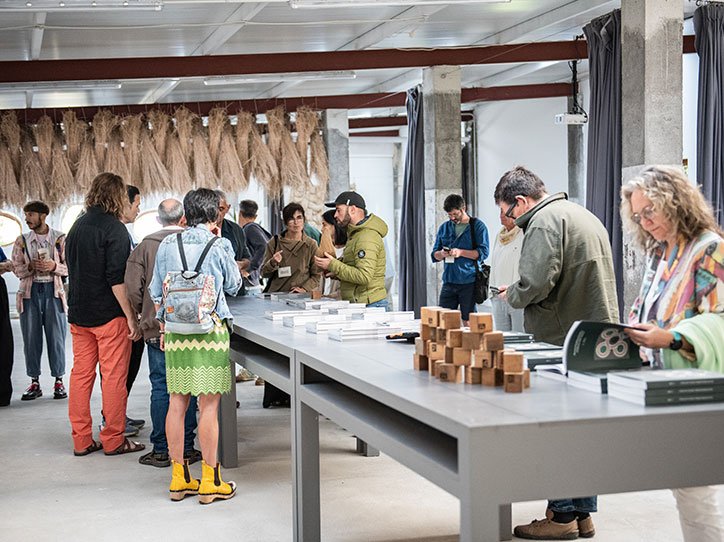
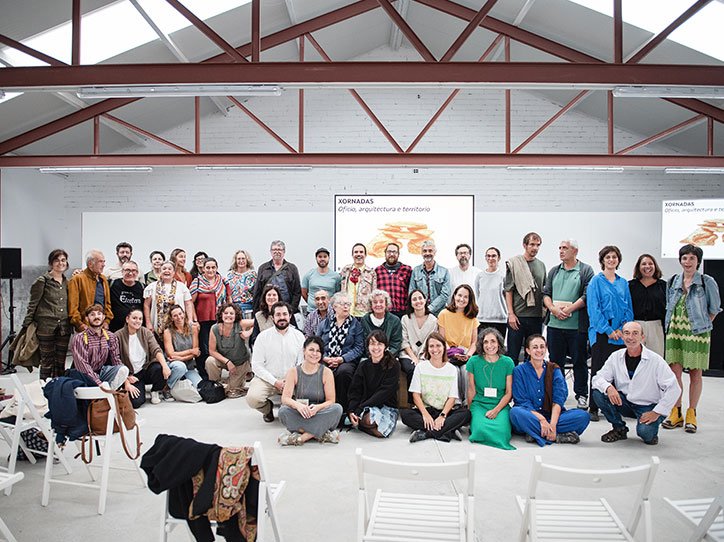
The “Craft, Architecture and Territory” event, held on September 26 and 27, 2026, in Os Casares, in the municipality of Chantada (Lugo), brought together master craftspeople, architects, and other professionals to reflect on the relationship between traditional building crafts, architecture, and the territory. The event was organised by the Fundación Artesanía de Galicia – Xunta de Galicia, in collaboration with the Traditional Building Cultures Foundation and Espacio Vilaseco, and was curated by Alejandro García Hermida.
Over the two days, discussions addressed issues such as the transmission of traditional building knowledge and techniques, collaboration between architects and master craftspeople, and the importance of local identity in architectural and territorial interventions.
The programme was structured around four panel discussions: “Craft and the Transmission of Knowledge”, “Craft and Architecture”, “Craft and Identity”, and “Craft and Place”. The various contributions provided an opportunity to reflect on the close relationship between the territory and traditional crafts. Throughout history, the resources and characteristics of each place have given rise to specific knowledge and building techniques which, in turn, have helped shape its architecture and landscape. The event highlighted the importance of preserving and passing on this knowledge, as well as its continued relevance to contemporary architectural practice.
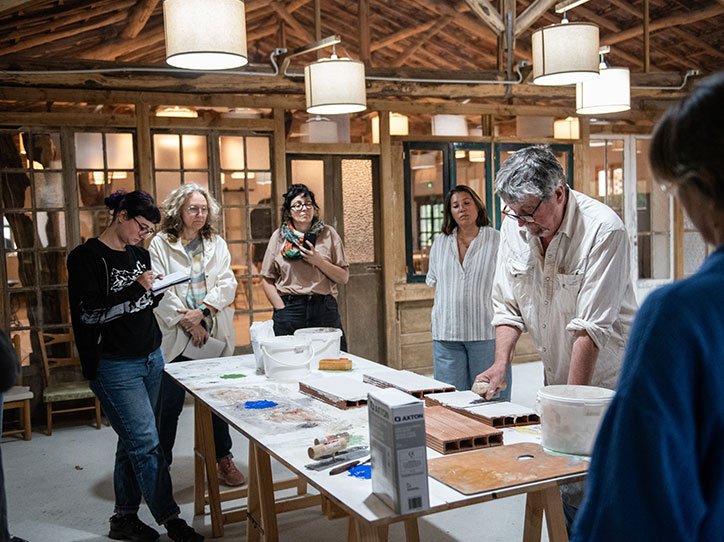
As a complement to the event, a workshop entitled “Natural Colours in Contemporary Construction” was held on September 28 and 29, led by master painter and scagliola artisan Luis Prieto. The workshop gave participants the opportunity to deepen their knowledge of local natural pigments, their applications, and their historical evolution.
The workshop covered the study of natural earth pigments and oxides, their characteristics and differences, as well as the processes of extracting, preparing, and grinding pigments. It also included a practical component dedicated to making paints using different materials and traditional binders, such as milk, egg, and lime. Participants produced a collection of samples of materials and techniques to serve as a reference for their application in construction.