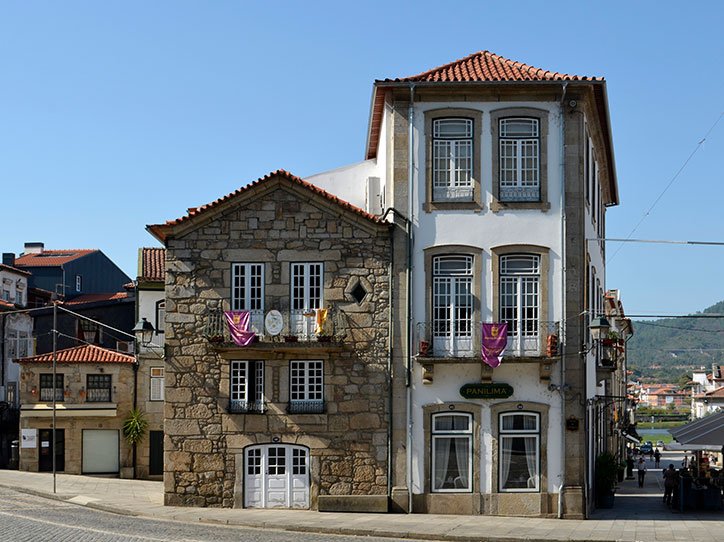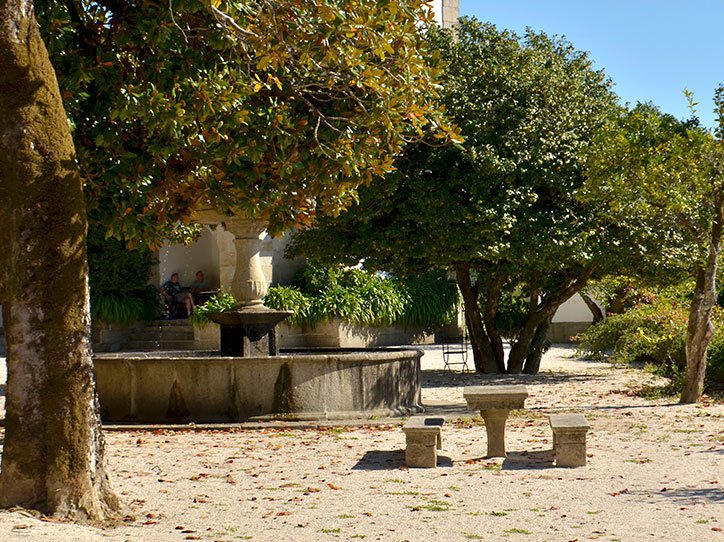
The 13th Rafael Manzano Prize for New Traditional Architecture has been awarded by the Traditional Building Cultures Foundation to Francisco Ortega Montoliu, an architect of Asturian origin based in Madrid. His projects have salvaged and repurposed historic buildings that had been quite ruined, helping revitalize their rural locations.
Francisco de Calheiros has been awarded the 2025 Richard H. Driehaus Medal for Heritage Preservation for his exceptional contribution to the conservation of architectural, cultural, and landscape heritage in Portugal.
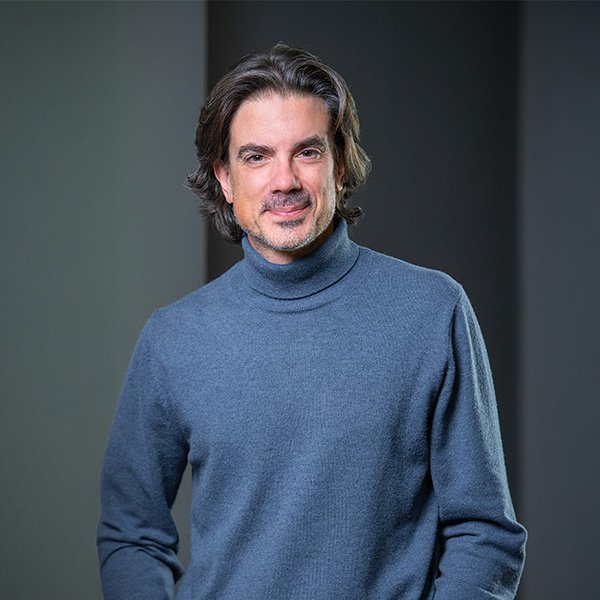
– Francisco Ortega Montoliu, 2025 Rafael Manzano Prize –

His career is notable for contributions that give new life to built heritage in rural settings. Many of these projects, performed with the firm Paisajes de Asturias, have resulted in the creation of new tourist amenities or venues for diverse events in previously abandoned places.
His output is also exemplary in its use of the language and building systems of the structures on which he works to shape new spaces conceived for contemporary use. The buildings he works on are handsomely updated with new designs that blend with the pre-existing fabric so that their authenticity is maintained while their architectural qualities are enhanced.
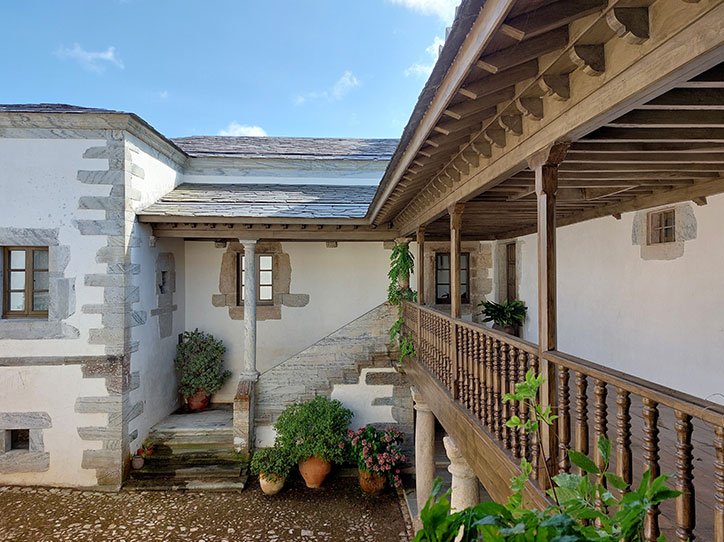
His most notable projects of this sort are largely in the west of Asturias, where he has worked on many buildings representative of the civil architecture of the fourteenth to the twentieth centuries. In each of these projects he has reinstated the formal and constructional unity of the original structures, adapting them to contemporary needs while highlighting their character and their relationship with the area of which they are part. His architecture exhibits a command of the building systems of each place, along with a remarkable ability to incorporate present-day solutions naturally in a building’s own language.
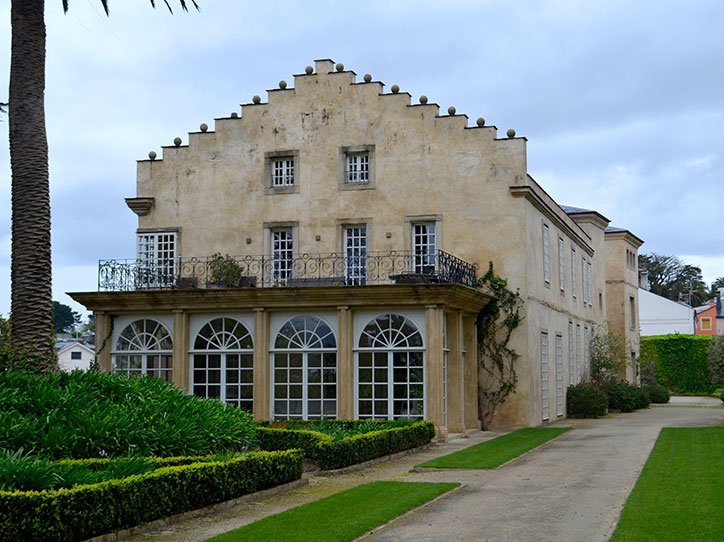
Trained at the Madrid School of Architecture and the Bartlett School of Architecture in London, Ortega has been practicing since 2003 and has led the firm Enero Arquitectura since 2006. Over his career he has specialized in both heritage restorations and hospital projects. Some of his outstanding restorations are the Pardo Donlebún Palace in Figueras, the Torres de Donlebún Palace in Barres, the Marqués de Santa Cruz Palace in Castropol, the House of Los Perecitos and the Moreno Tower in Ribadeo, and Villa Excélsior in Luarca, together with rehabilitations at the historic Parador Hotels of Ciudad Rodrigo and Gredos.
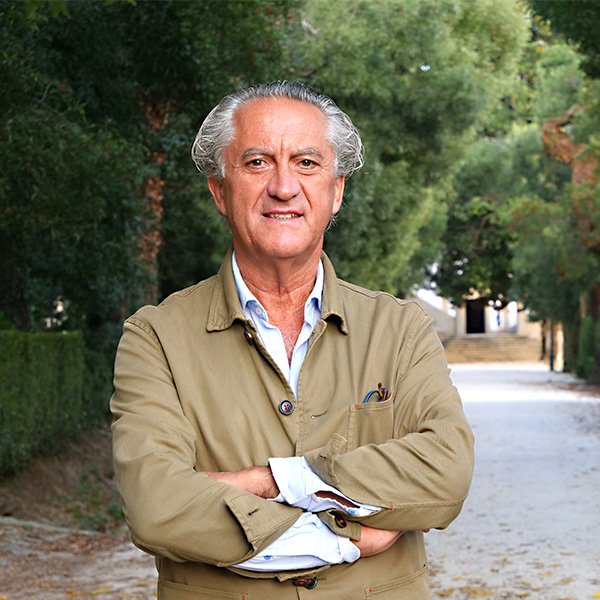
– Francisco Calheiros, 2025 Richard H. Driehaus Medal for Heritage Preservation –

Francisco Calheiros’ career, guided by a profound knowledge of the value of built heritage, entrepreneurial vision, and a strong civic engagement has contributed decisively to the restoration and revitalization of many historic houses and rural landscapes in the north of the country, thereby establishing an exemplary model for the sustainable management of Portugal’s cultural legacy.
Born into an old Minho family, Francisco de Calheiros has devoted over four decades to the protection and restoration of Paço de Calheiros, an eighteenth-century manor house overlooking the Lima valley which has belonged to his family for generations. Under his stewardship the property recovered its original harmony through a restoration guided by respect for traditional local materials and building techniques. This rehabilitation has preserved not just the building and its historic gardens but also the farming practices, craft trades, and community life that gave it meaning. He has thereby established a model by which tourism, understood as a vehicle of cultural transmission, helps to conserve heritage and support social and economic life in the vicinity.
In order to share this experience with other house-owners and regions, he founded the association TURIHAB and created the network Solares de Portugal, which now comprises over 120 homes nationwide. These historic and country houses, grouped into three categories (
His work has also embraced the preservation of public heritage. As president of the Lima Valley Association for Rural Development (ADRIL), he has for over thirty years promoted the application in Portugal of the European LEADER program, involving decentralized, participatory management of rural development. Under his leadership, ADRIL has funded dozens of farming, tourism, and cultural projects that have helped keep the local economy alive and strengthened social cohesion in the valley. His approach, based on cooperation between town halls, associations, professionals, and entrepreneurs, has put in place an exemplary model of local governance connecting the preservation of heritage with the wellbeing of the resident communities.