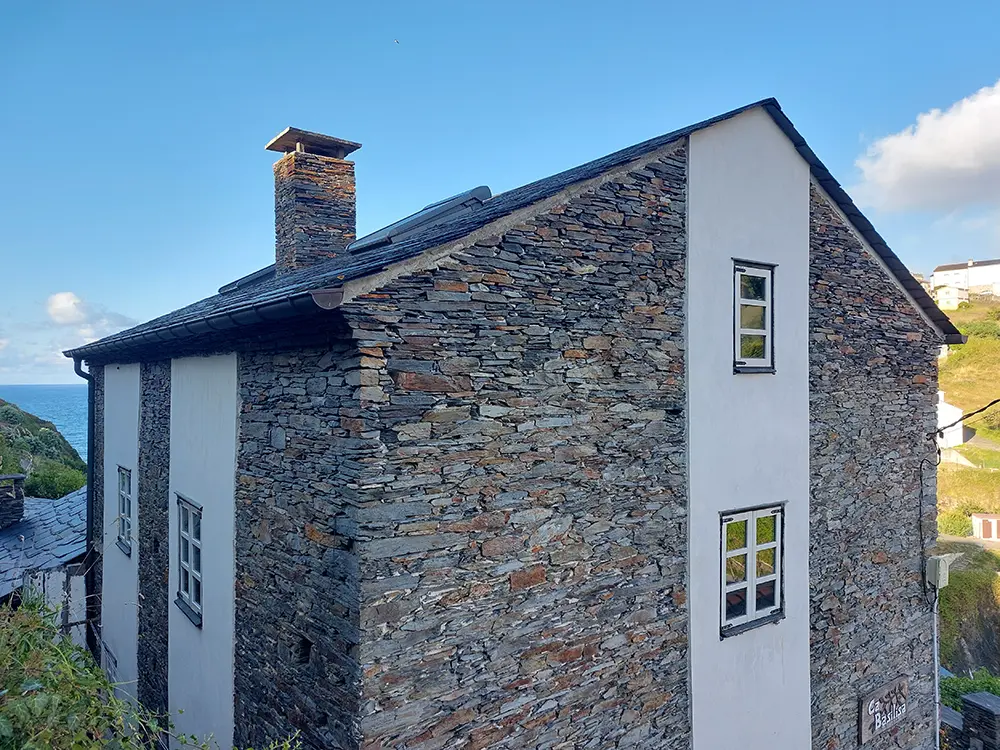
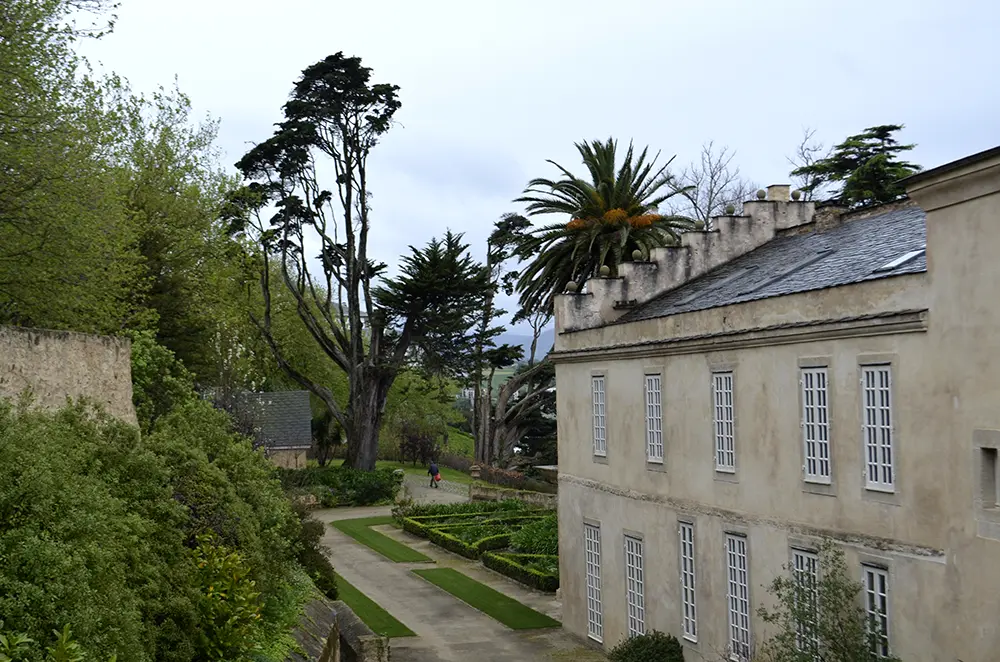
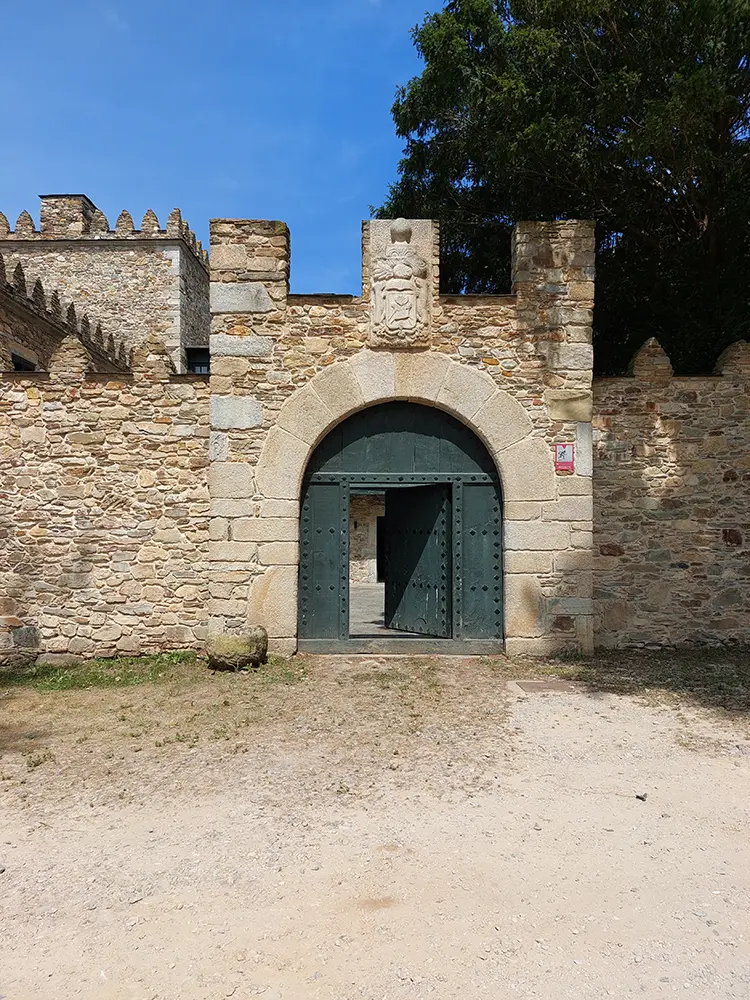
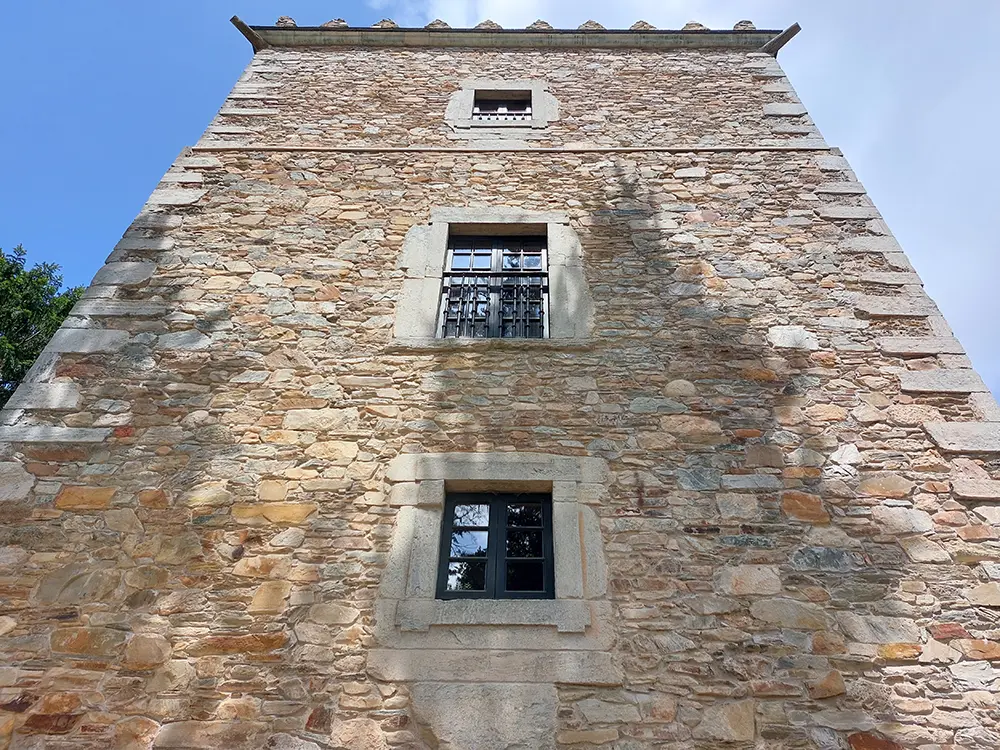
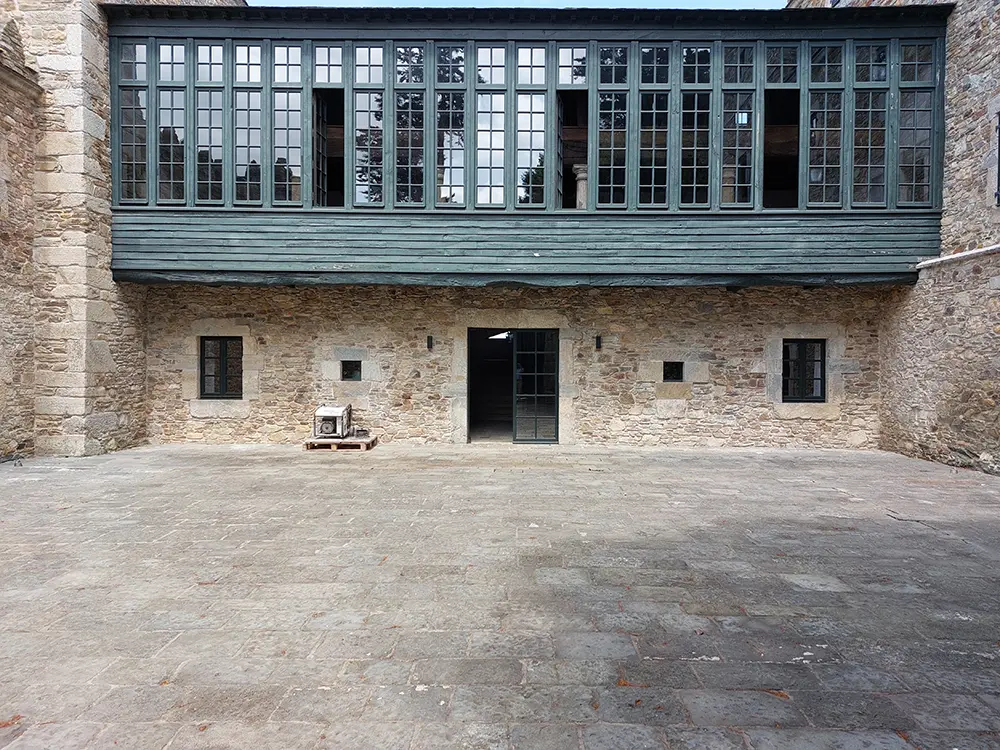
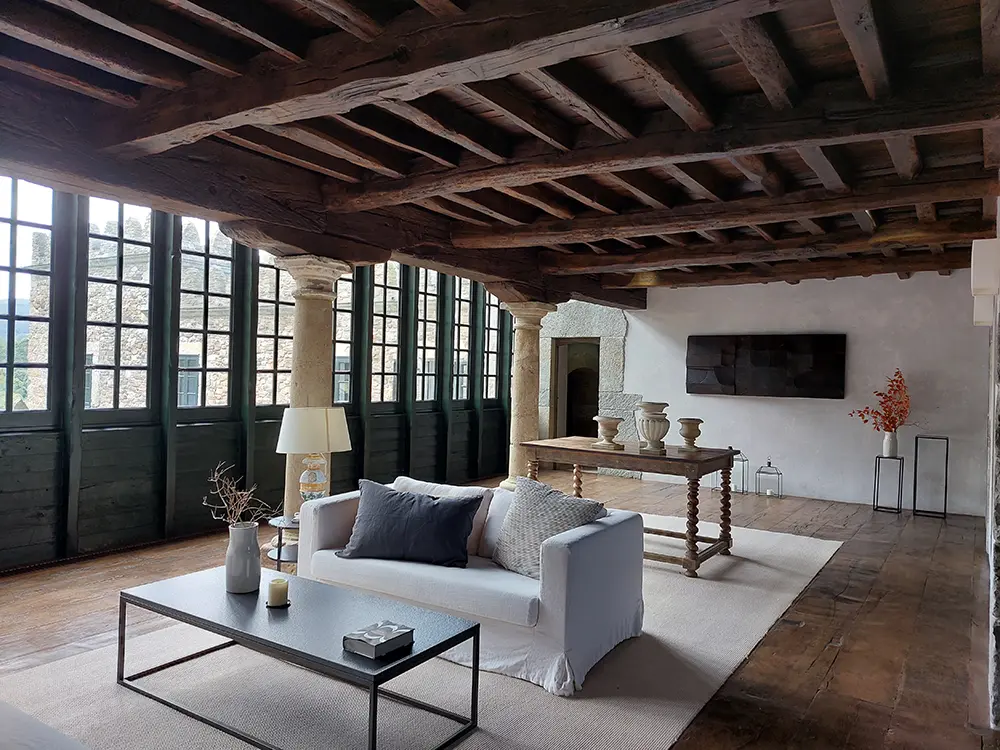
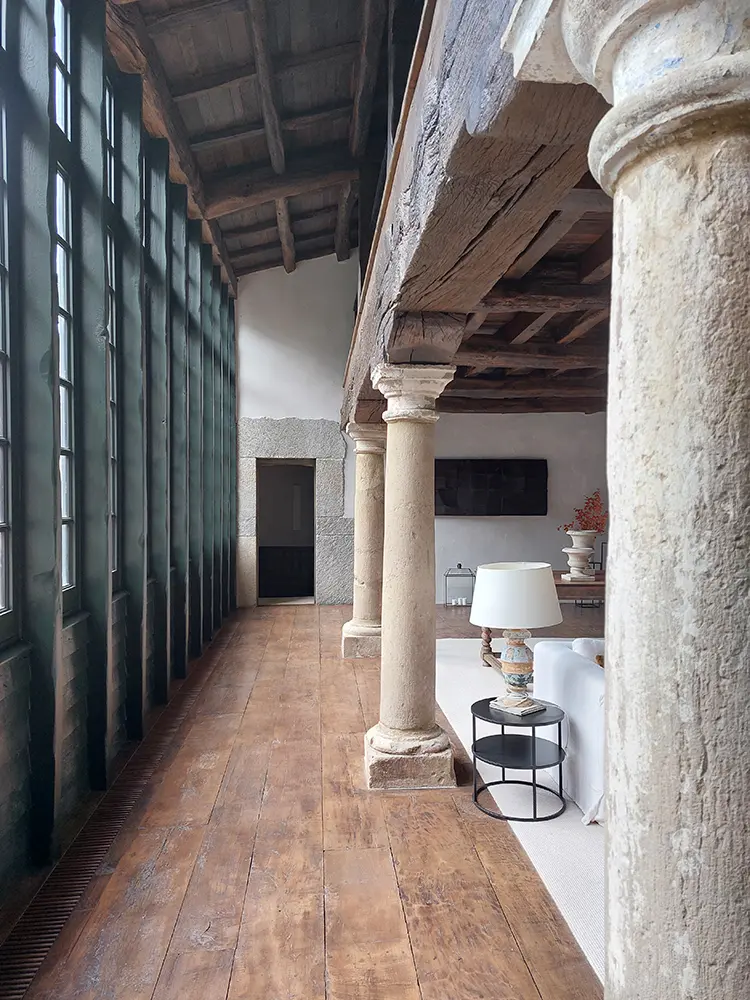
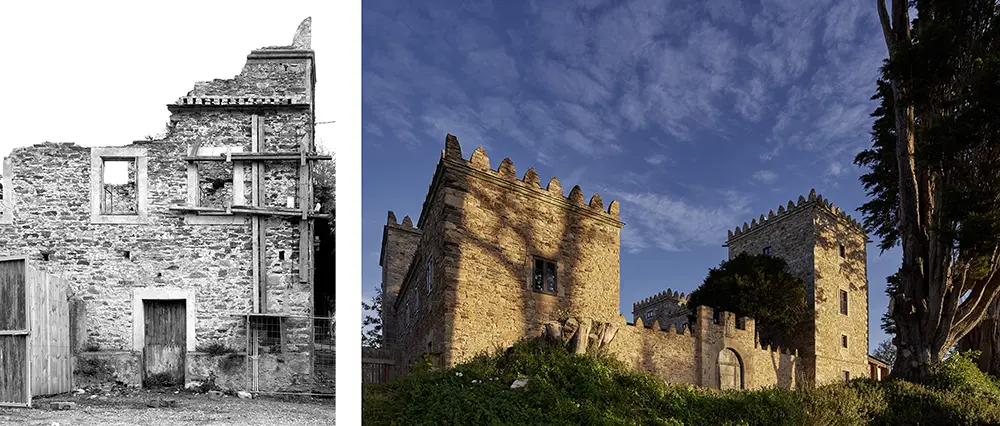
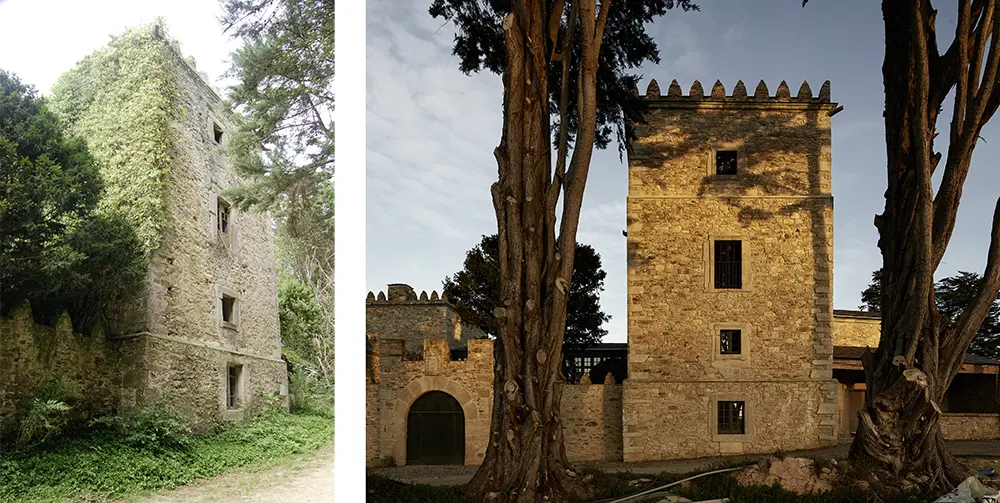
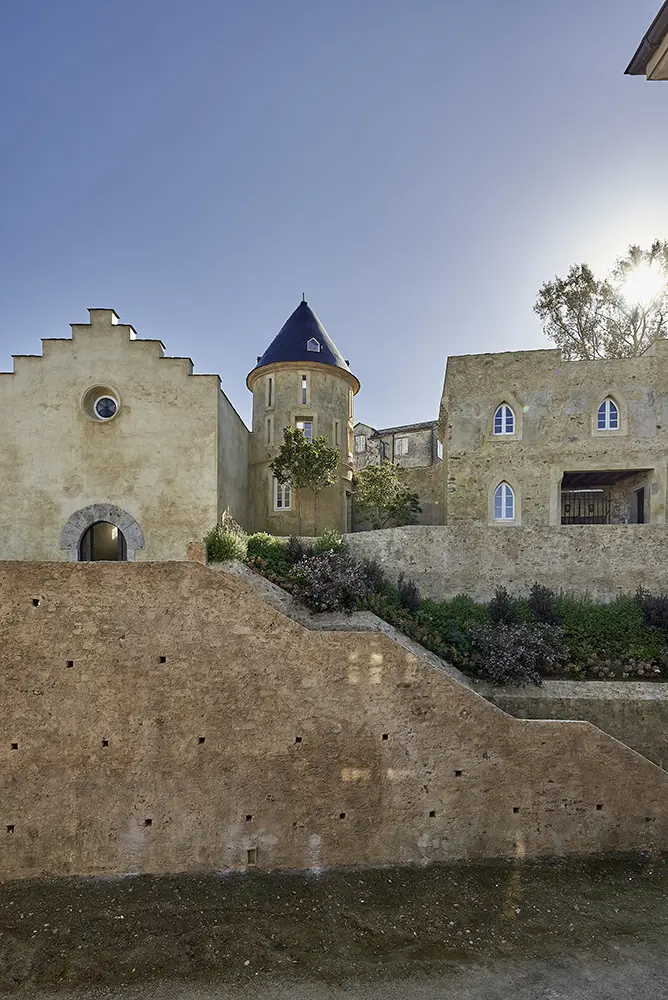
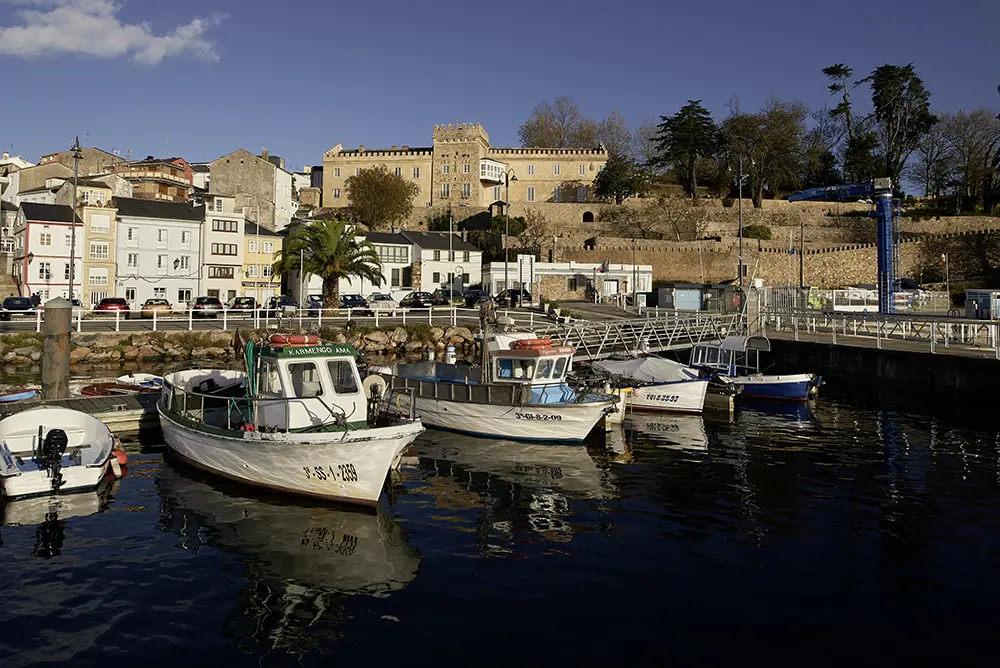
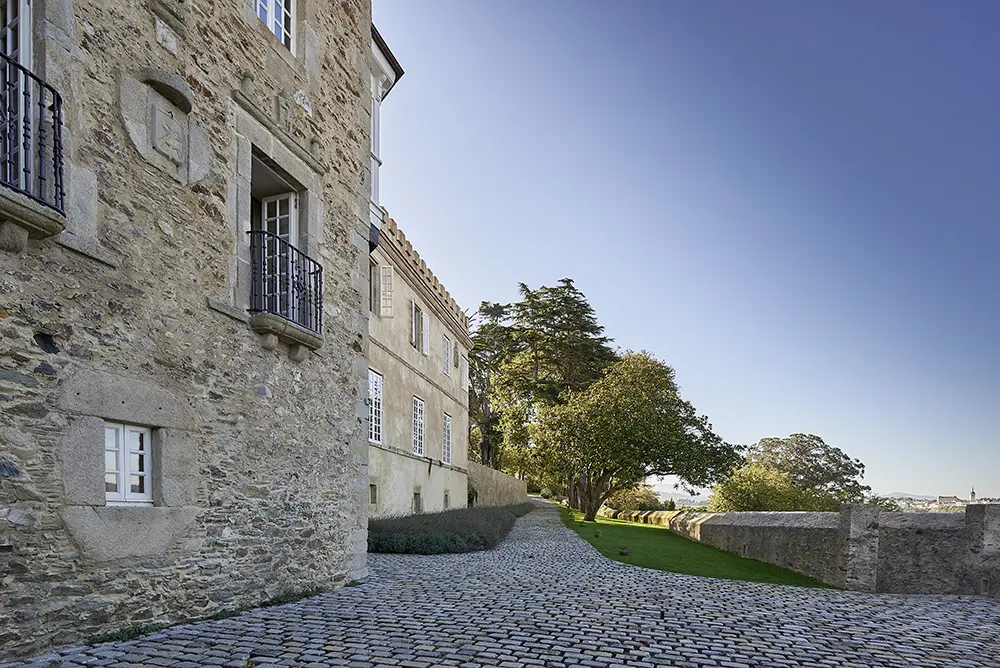
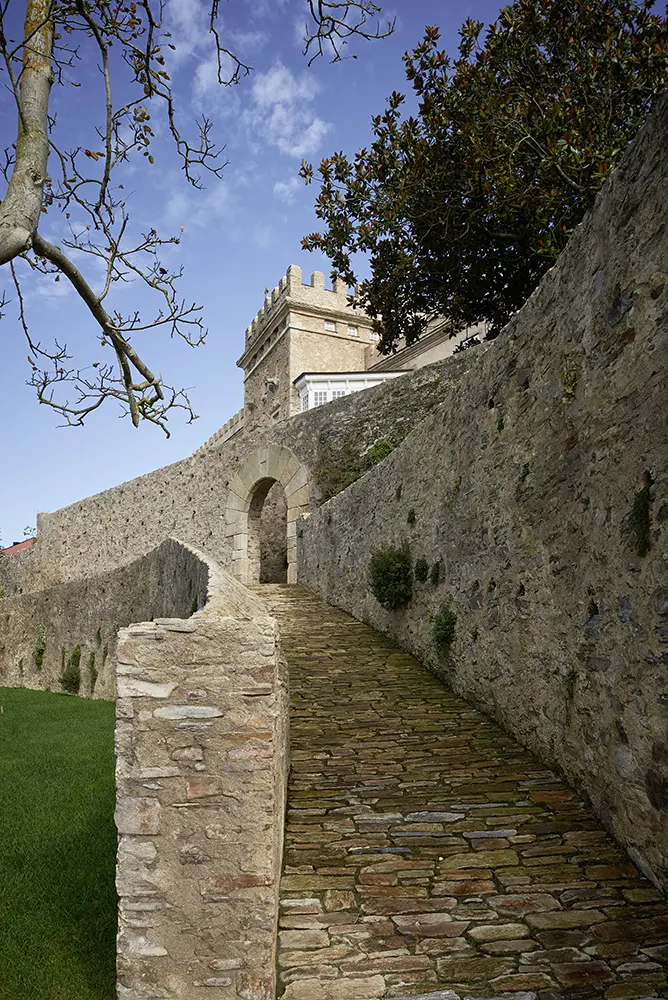
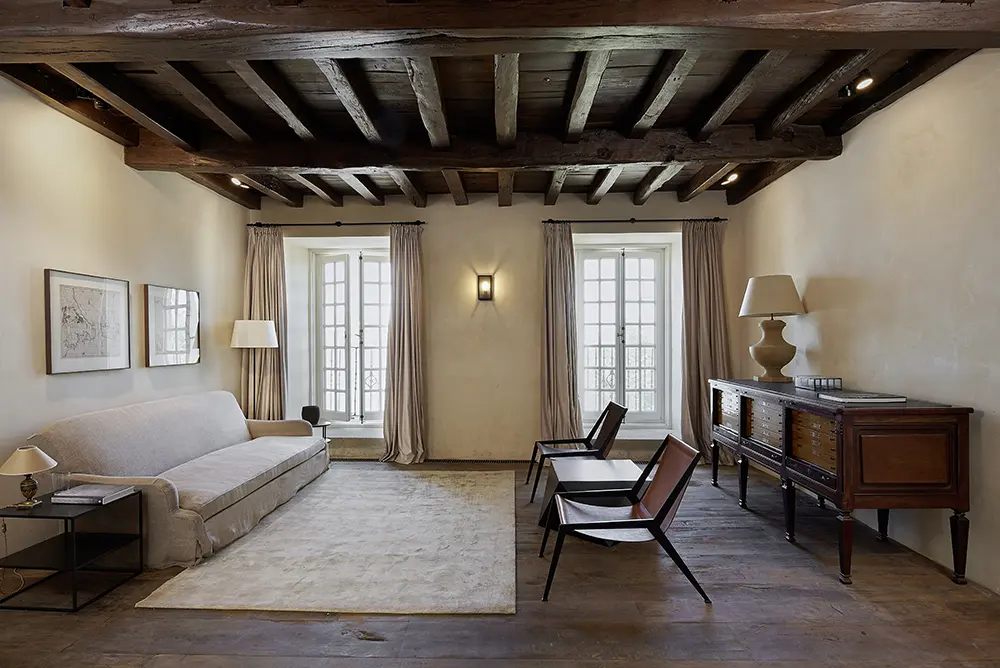
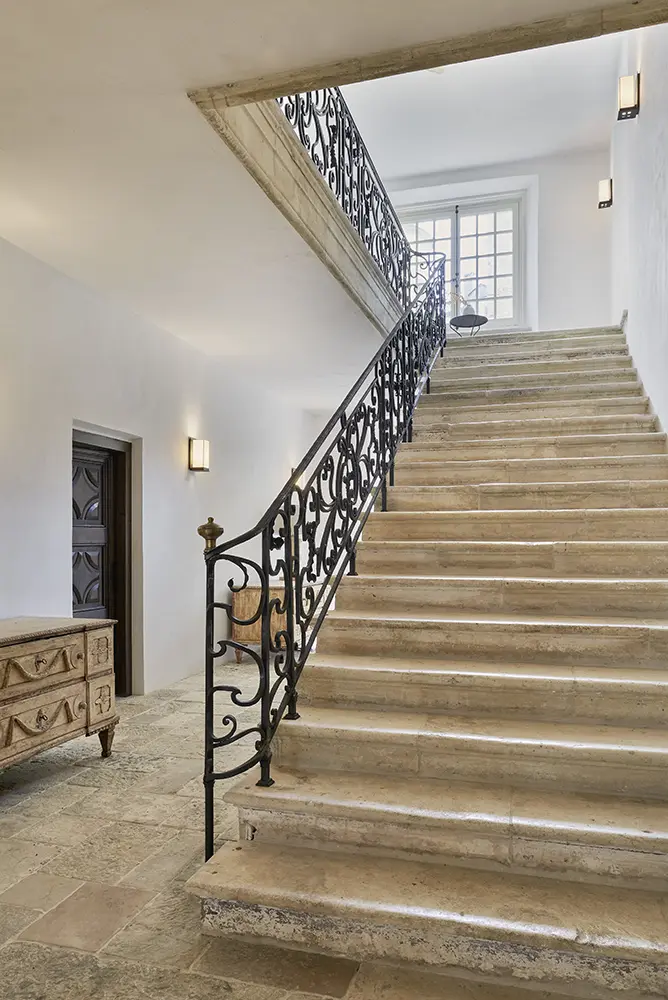
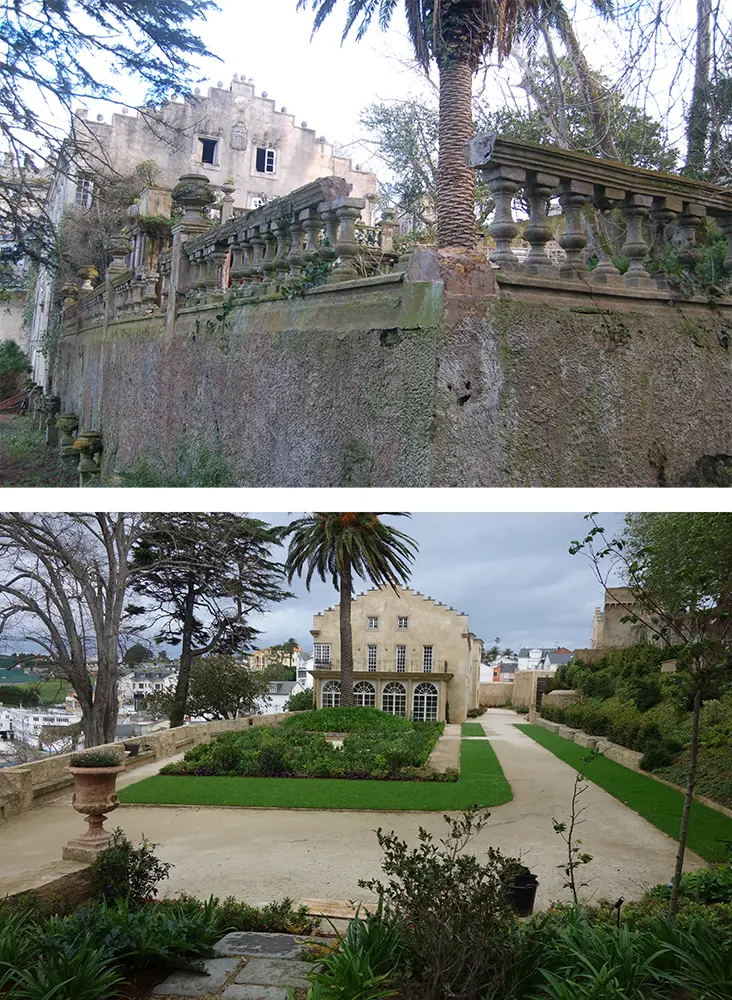
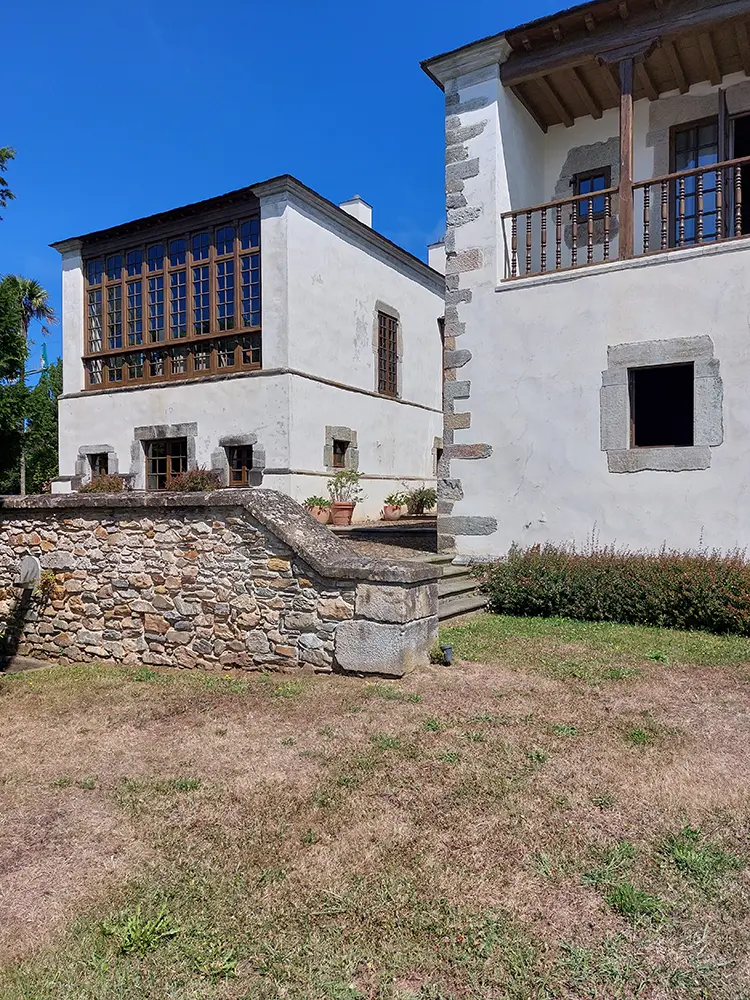
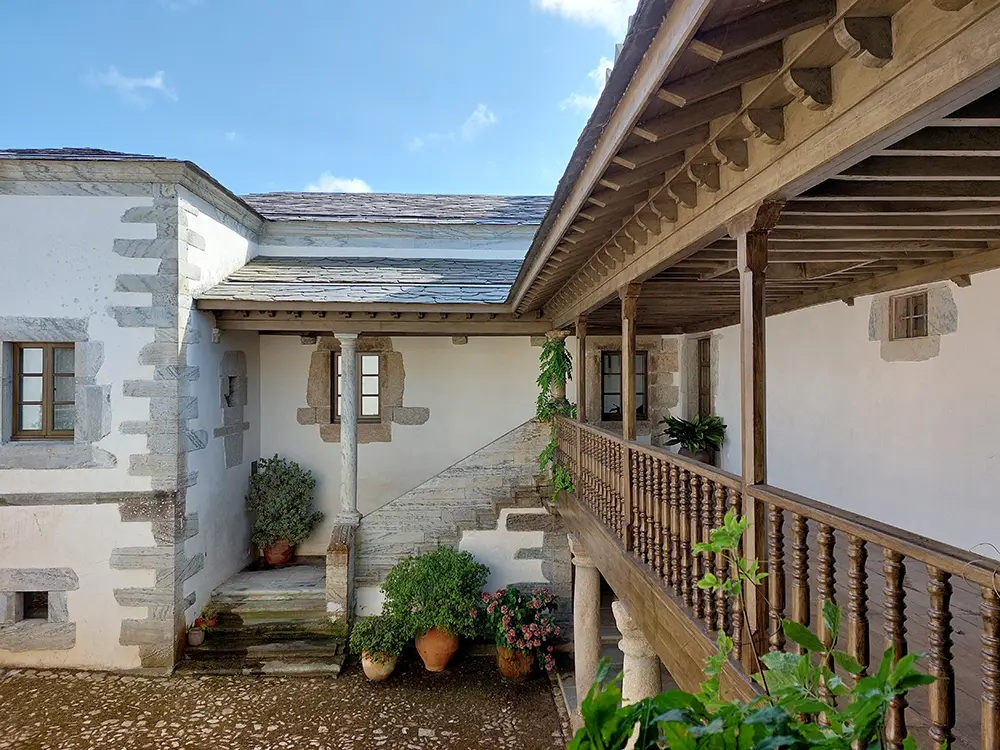
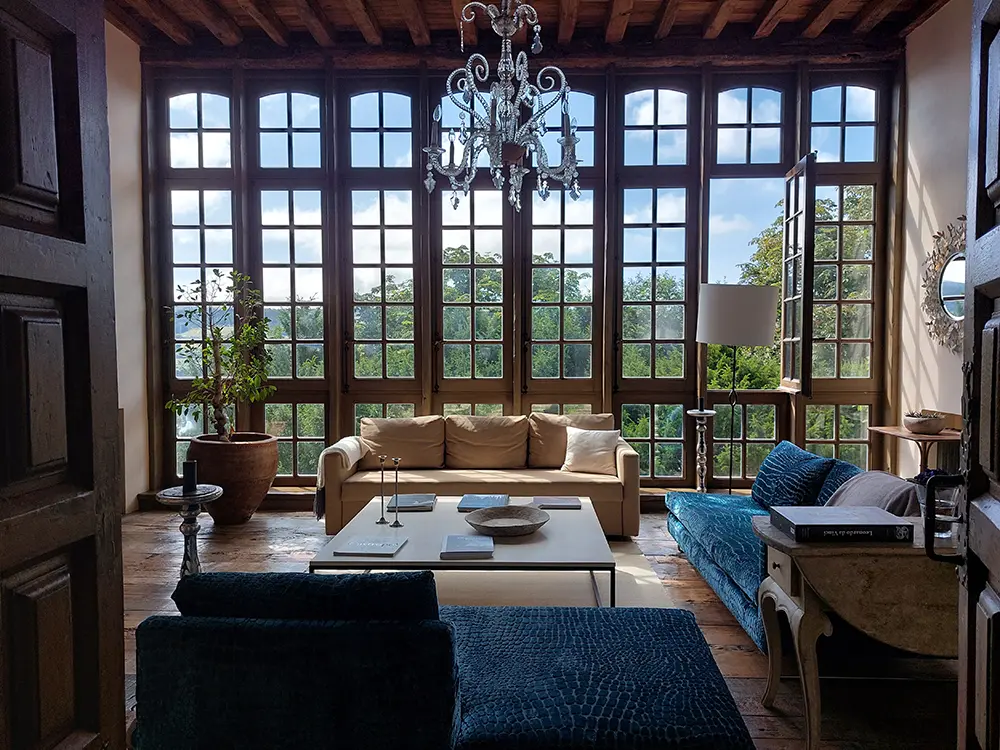
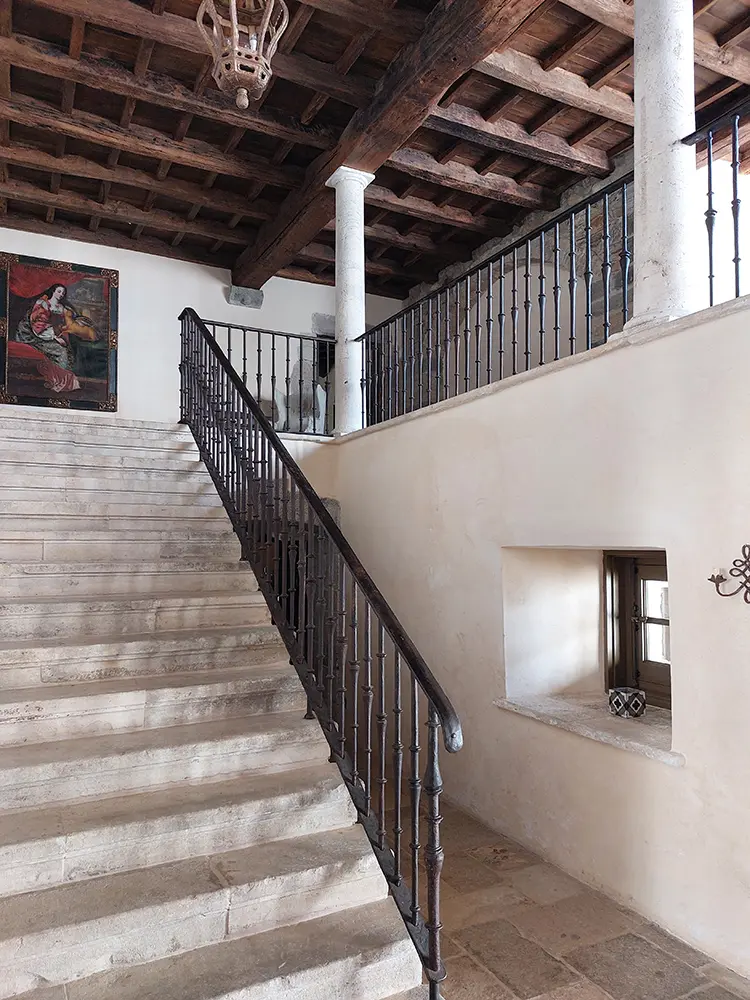
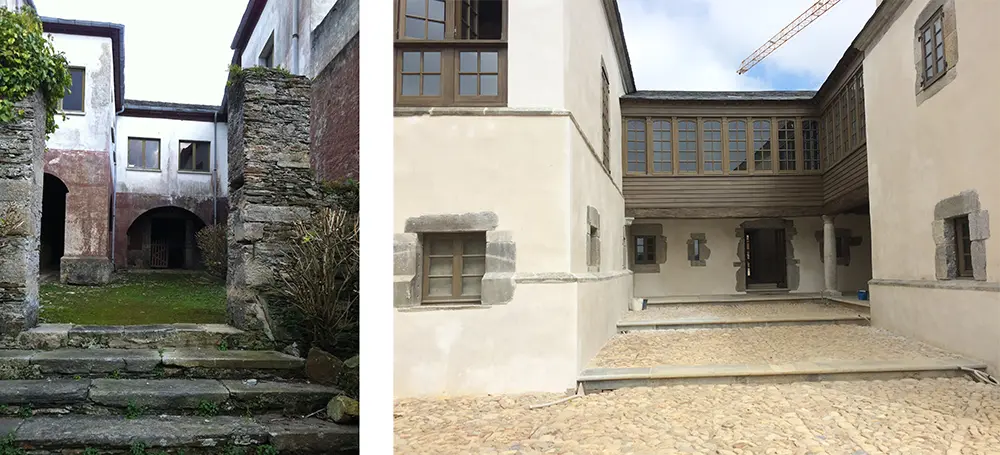
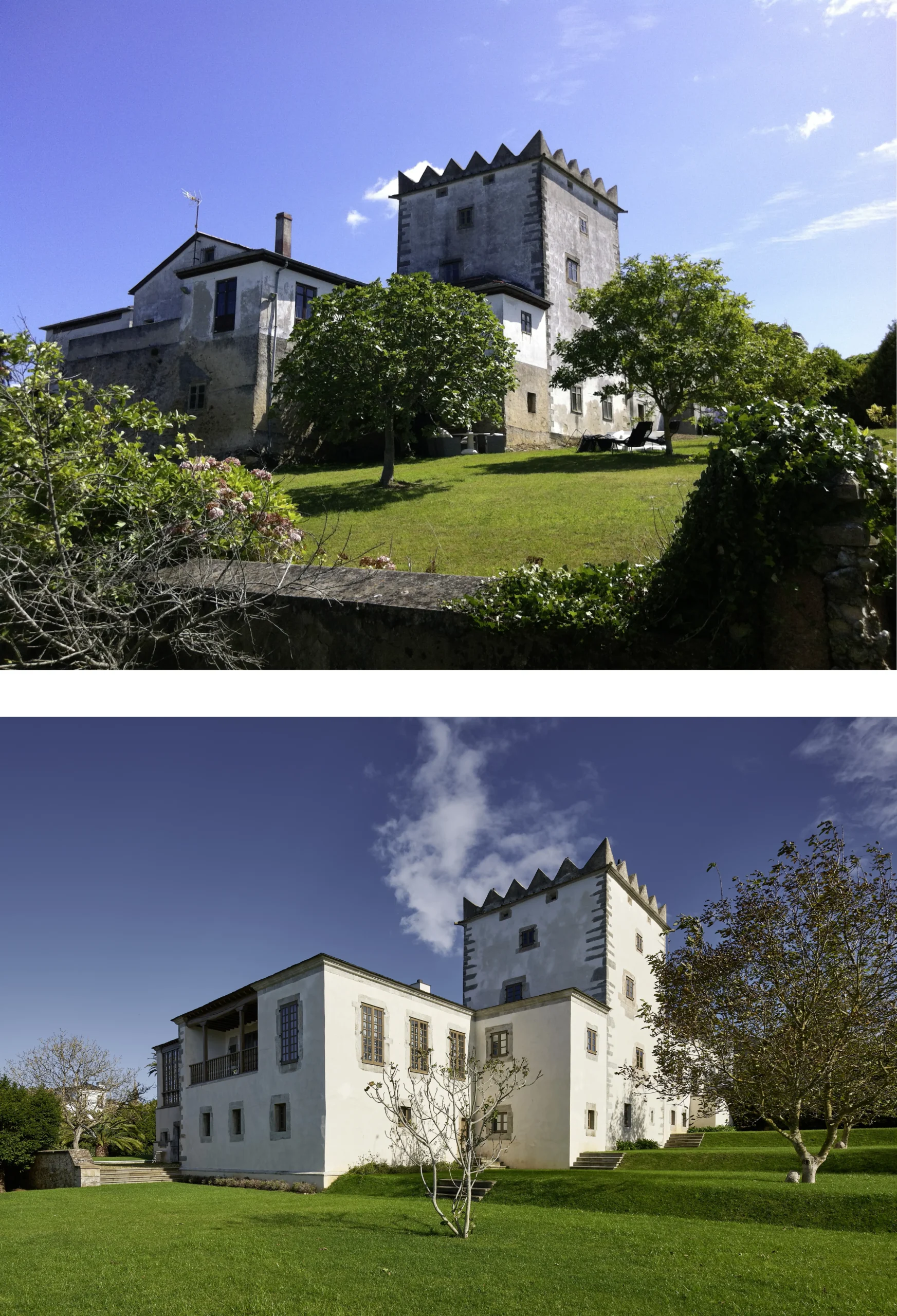
His output is also exemplary in its use of the language and building systems of the structures on which he works to shape new spaces conceived for contemporary use. The buildings he works on are handsomely updated with new designs that blend with the pre-existing fabric so that their authenticity is maintained while their architectural qualities are enhanced.
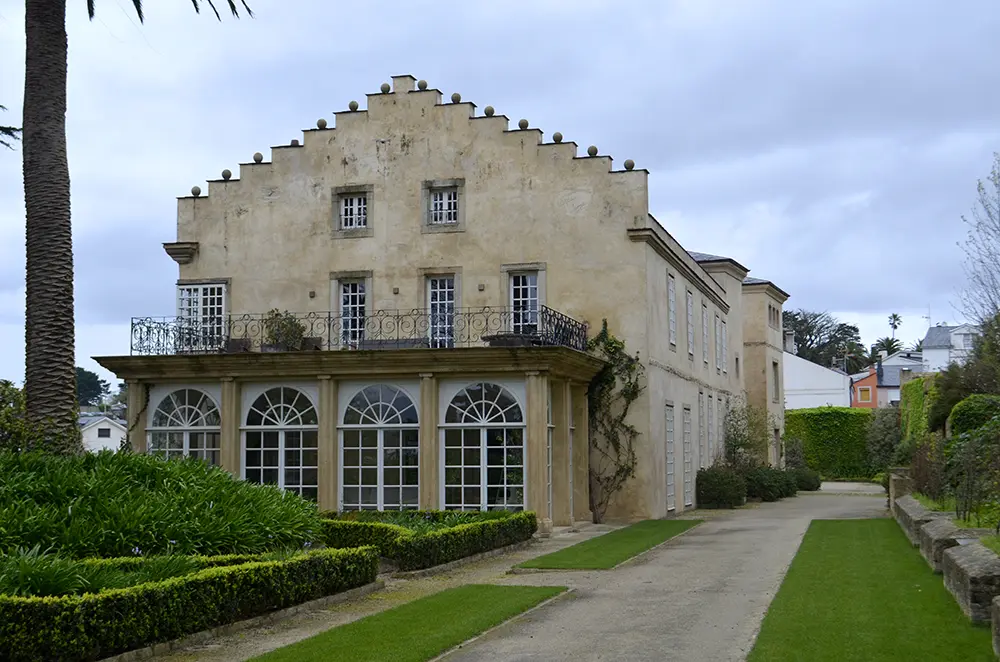
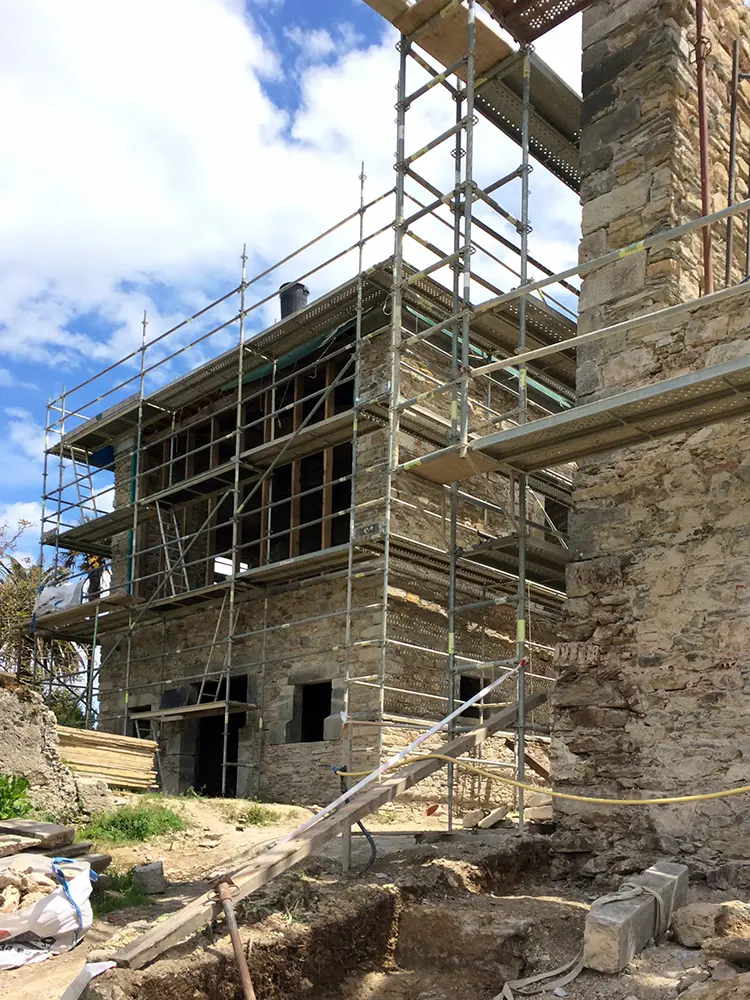
His most notable projects of this sort are largely in the west of Asturias, where he has worked on many buildings representative of the civil architecture of the fourteenth to the twentieth centuries. In each of these projects he has reinstated the formal and constructional unity of the original structures, adapting them to contemporary needs while highlighting their character and their relationship with the area of which they are part. His architecture exhibits a command of the building systems of each place, along with a remarkable ability to incorporate present-day solutions naturally in a building’s own language.
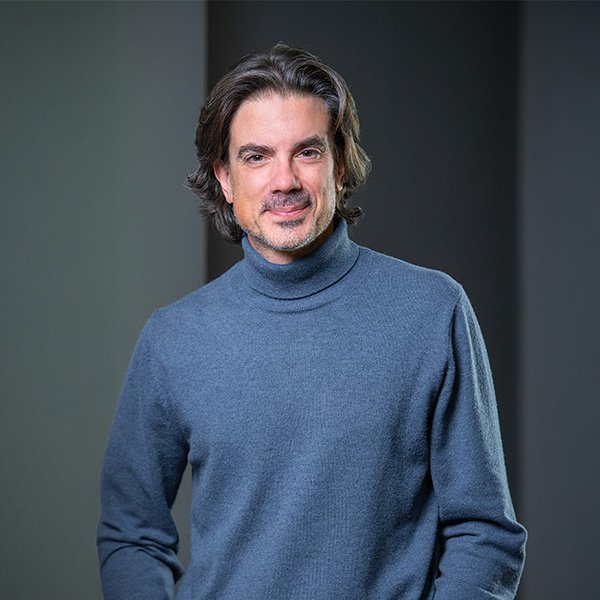
Trained at the Madrid School of Architecture and the Bartlett School of Architecture in London, Ortega has been practicing since 2003 and has led the firm Enero Arquitectura since 2006. Over his career he has specialized in both heritage restorations and hospital projects. Some of his outstanding restorations are the Pardo Donlebún Palace in Figueras, the Torres de Donlebún Palace in Barres, the Marqués de Santa Cruz Palace in Castropol, the House of Los Perecitos and the Moreno Tower in Ribadeo, and Villa Excélsior in Luarca, together with rehabilitations at the historic Parador Hotels of Ciudad Rodrigo and Gredos.
Francisco Ortega’s new traditional architecture is distinguished by an exemplary way of adopting the constructional logic and formal coherence of what already exists for application to contemporary designs and spatial concepts. With great sensitivity, his interventions give continuity to the order and compositional unity of ensembles normally consisting of various components built over the years, and adapt their spaces to new uses without disrupting their distinctive character. His emphasis on traditional techniques and forms and local materials allows him to rigorously connect the existing fabric with what is added.
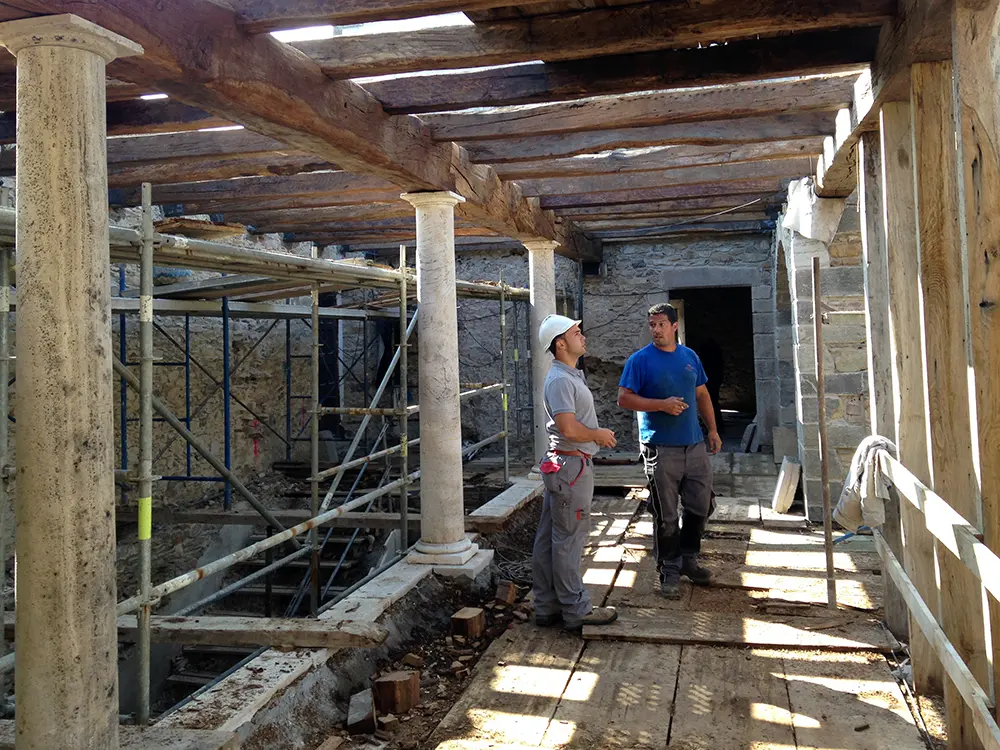
His projects achieve this with the support of masters of traditional trades, thereby helping keep alive a knowledge essential to the maintenance of built heritage. In each project Francisco assembles a whole team of stonemasons, carpenters, blacksmiths, and plasterers, among other practitioners, to whom he gives an active role in defining and materializing the construction solutions adopted. This relationship helps conserve and perpetuate the techniques that have given form to the architecture characteristic of each region over generations. Traditional trades are thus again present in the building process, resulting in an architecture consistent with the formal and constructional principles that shaped the local landscape.
Francisco Ortega regards rehabilitation and new architecture as complementary dimensions of a single discipline. In his work, the design of extensions, alterations, and additions is based on the formal logic, materials, and building techniques of the elements already present, so that the new parts, far from standing out from the existing structure by contrast, become its natural prolongation. This way of working reinforces the architectural unity of the buildings he works on, along with their integration into the environment.
His work shows that architecture using the forms, materials, techniques, and building logic of each place can be wholly contemporary and respond effectively to the demands of modern life. It also confirms that the principles which gave form to this architecture continue to offer a valid framework for design today. Thus Francisco Ortega’s work reaffirms the relevance of an architecture based on a knowledge of local tradition and close collaboration between architects and masters of the various building trades.