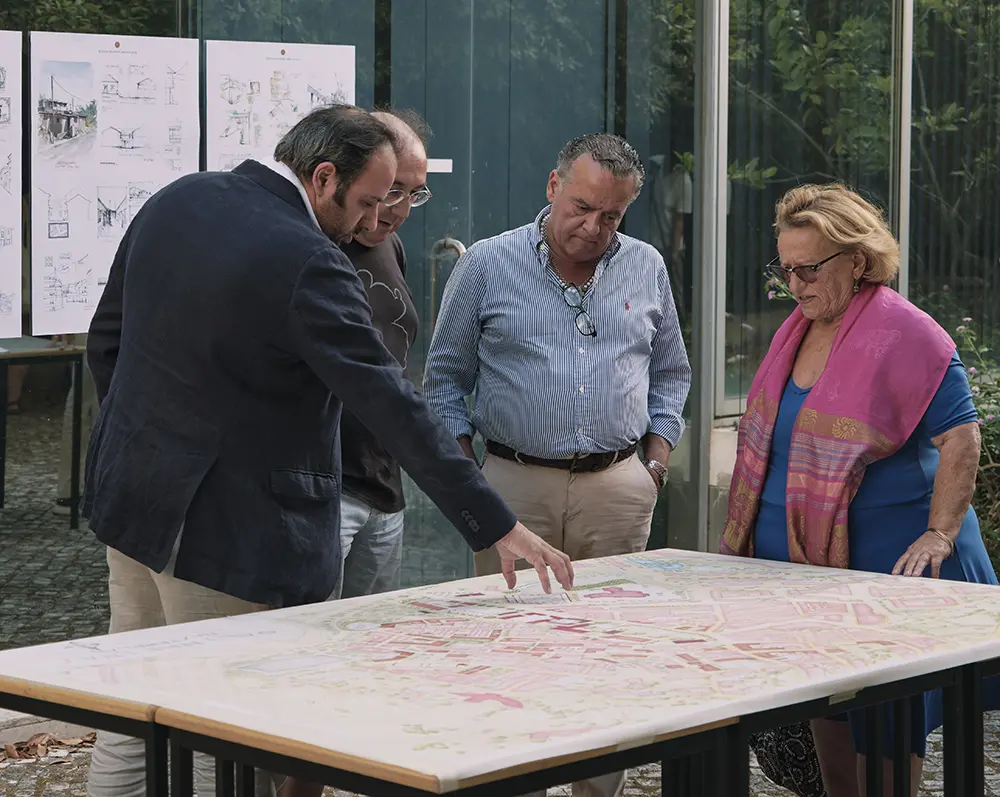
One of the most notable aspects of his career is his connection with Arcos de Valdevez in the region of Alto Minho, where he is from and where his relationship with architecture and landscape goes back to the hamlet of his childhood. In this region he has made significant efforts to recover architectural heritage and promote local culture. Beyond professional practice, his activity extends to the organization of meetings, workshops, and other initiatives to assemble the architects, researchers, artisans, and inhabitants of the region. This commitment to the study of diverse building cultures led him first to take part in the Iberian Summer School of the Traditional Building Cultures Foundation and, years later, to join the teaching staff of its more recent editions.
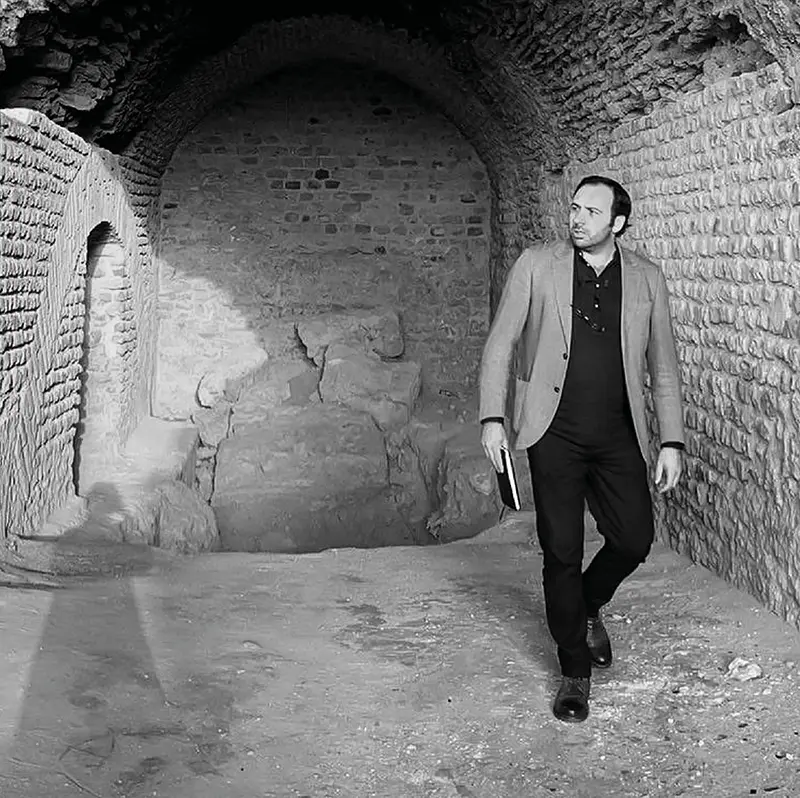
Fernando’s work sets out from a thorough knowledge of each place’s built environment and associated know-how. His way of working attaches particular importance to the direct study of local buildings through drawing and an analysis of their relationship with their setting. His projects seek to recover and give continuity to the principles that shaped local architecture, both in heritage rehabilitation and in new architectural designs suited to contemporary needs. His new work is thus integrated naturally into the existing fabric and helps preserve the landscape and its distinctive architectural character.
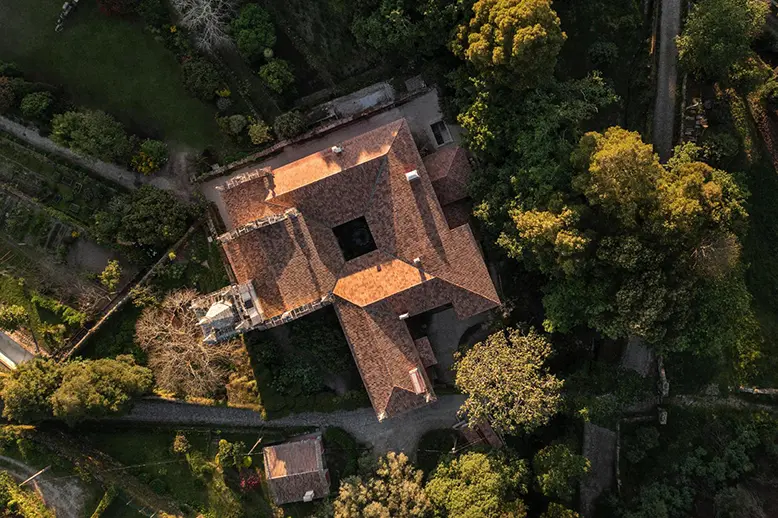
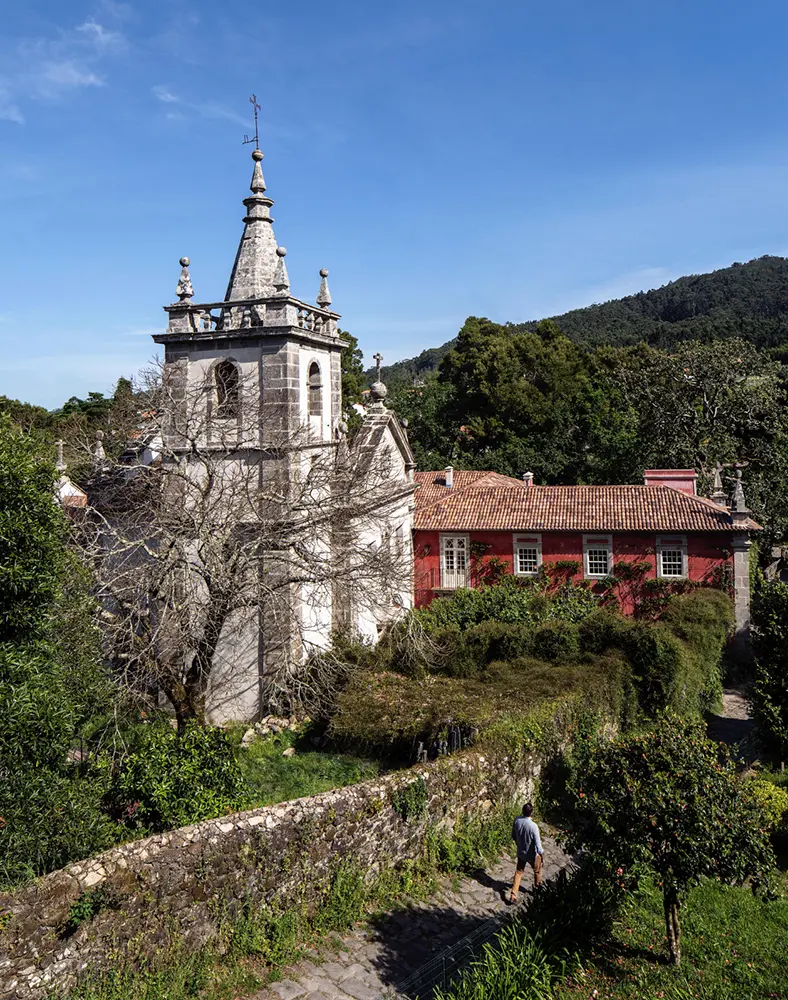
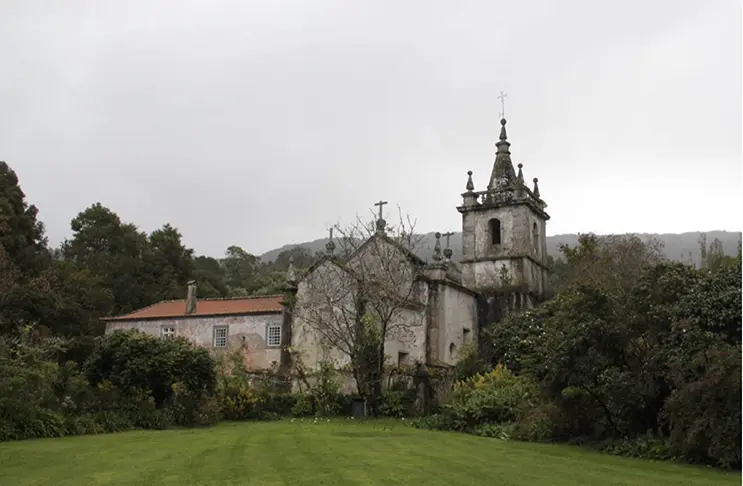
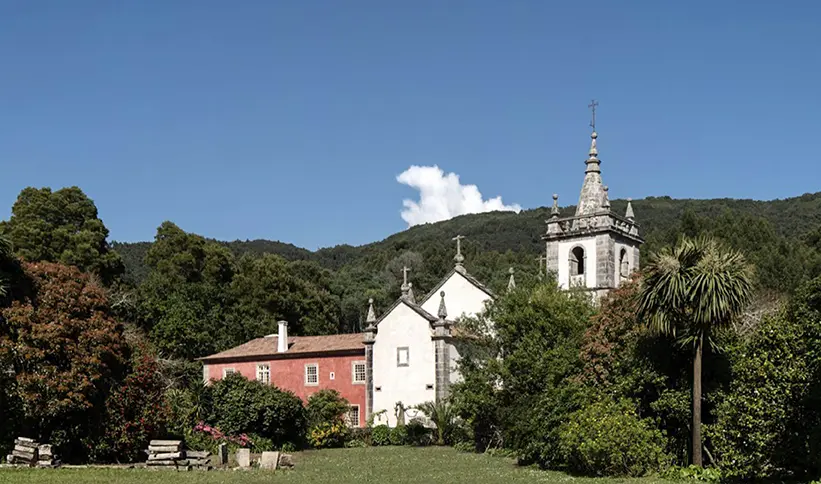
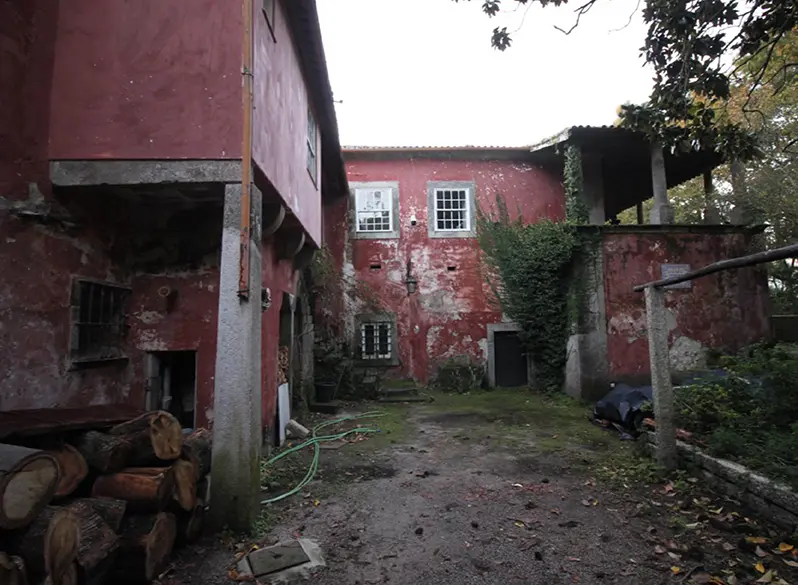
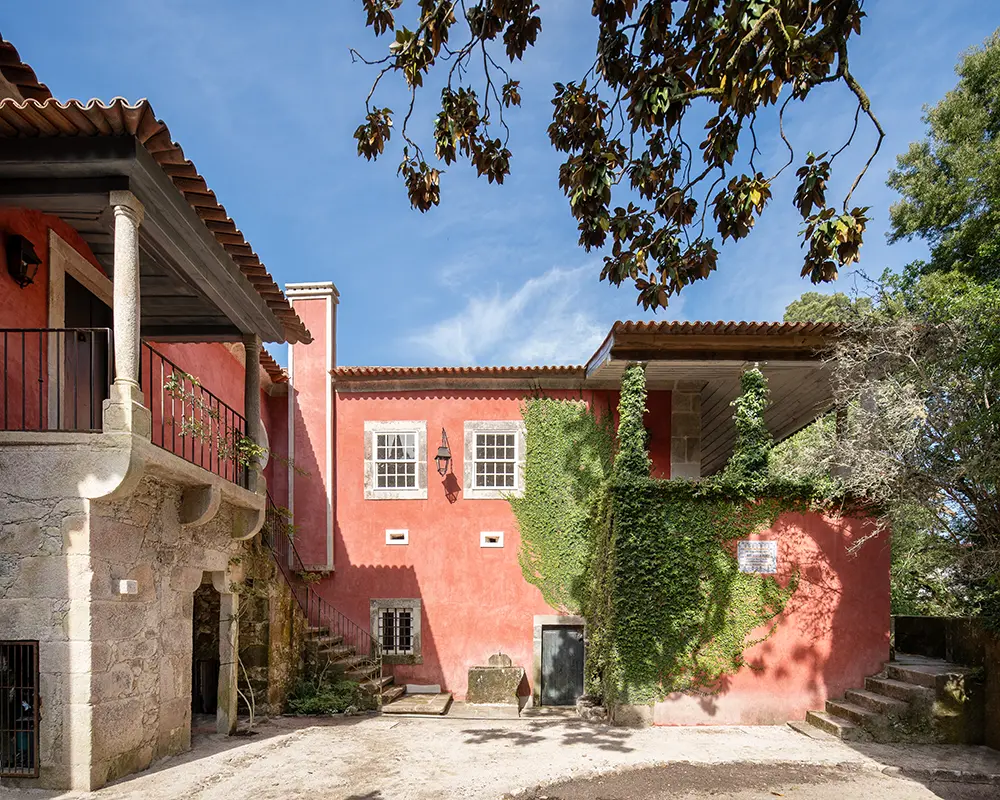
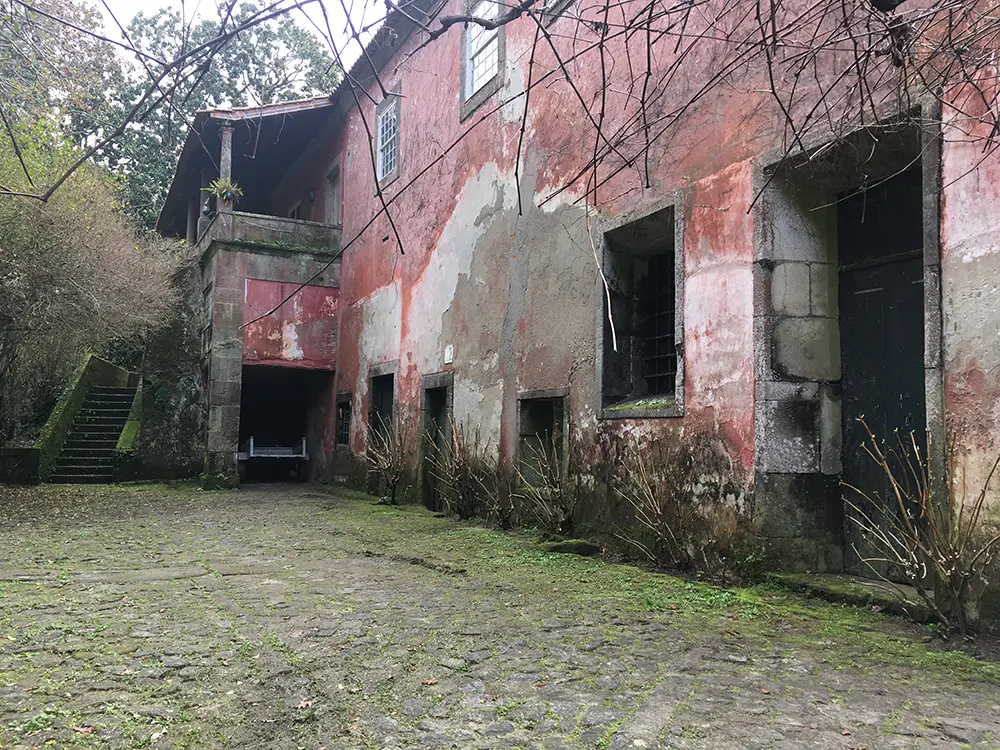
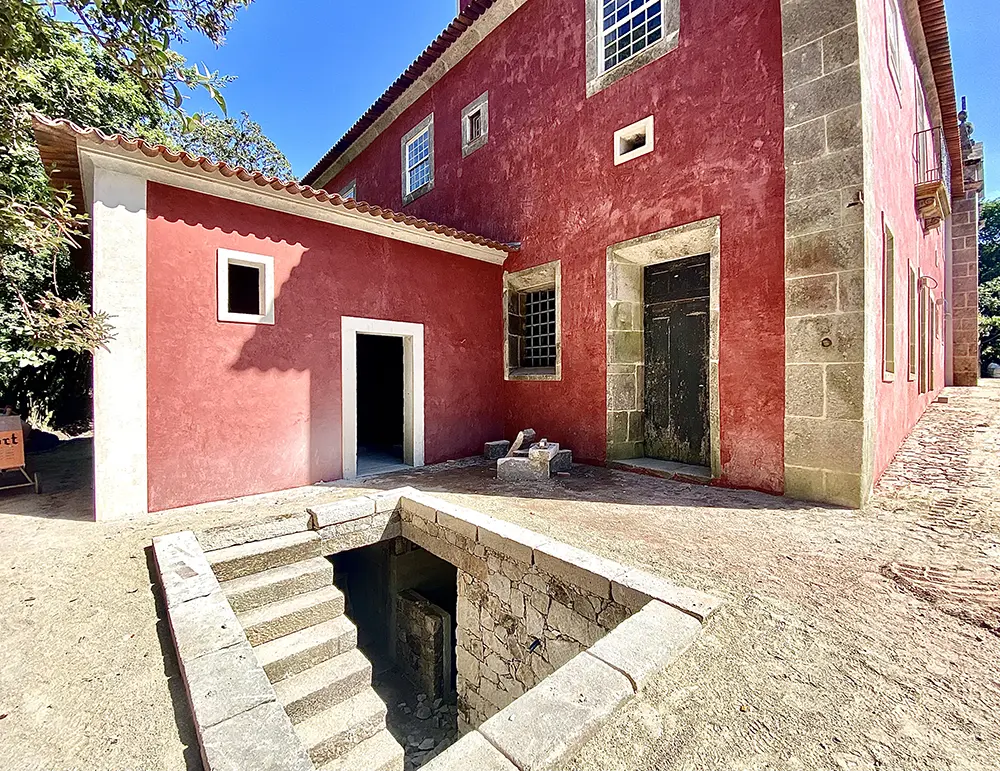
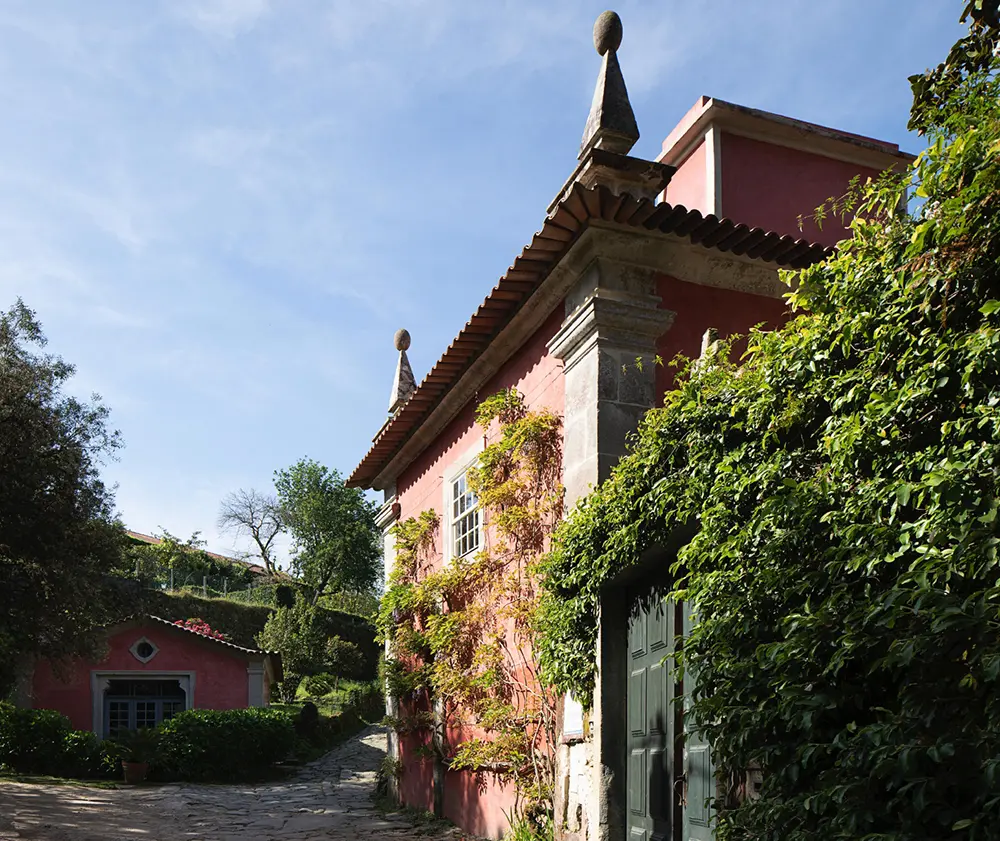
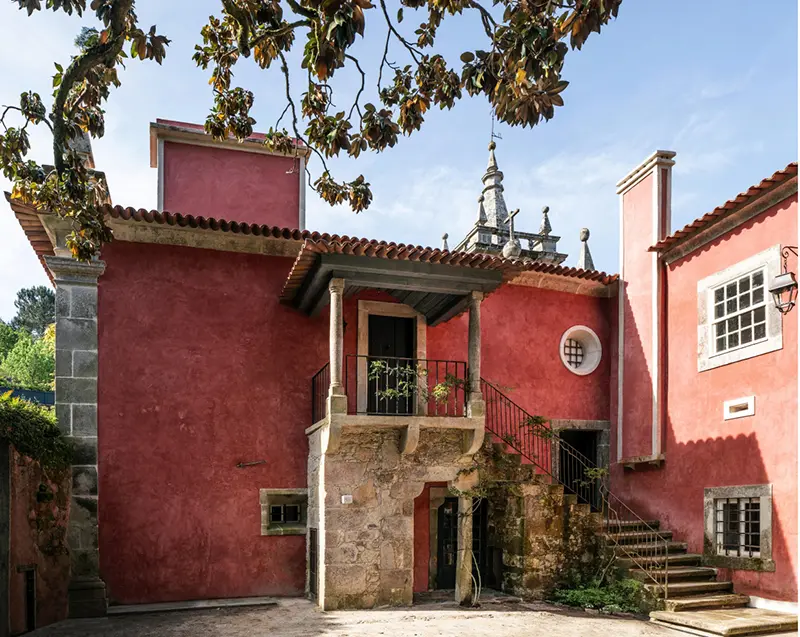
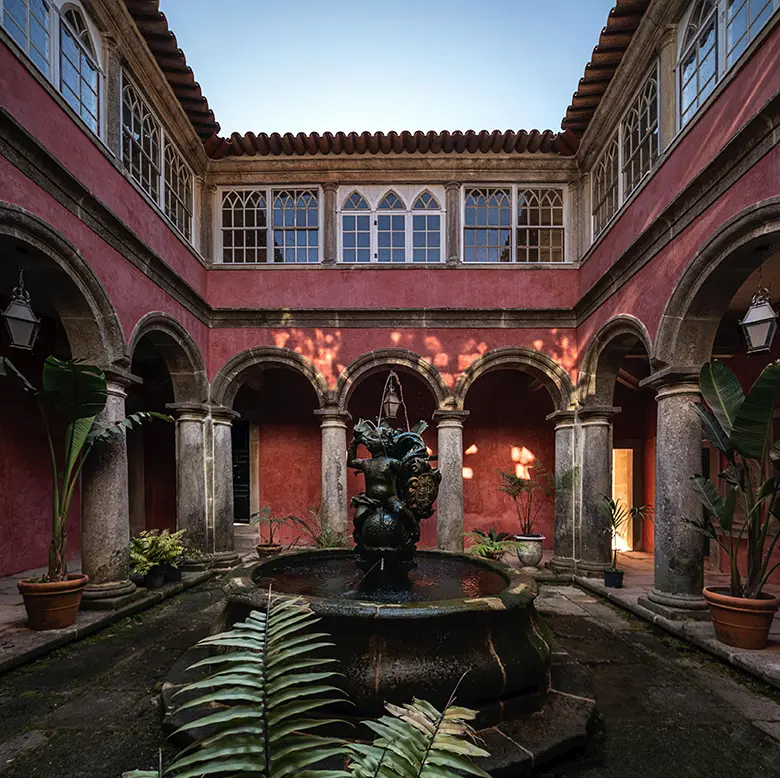
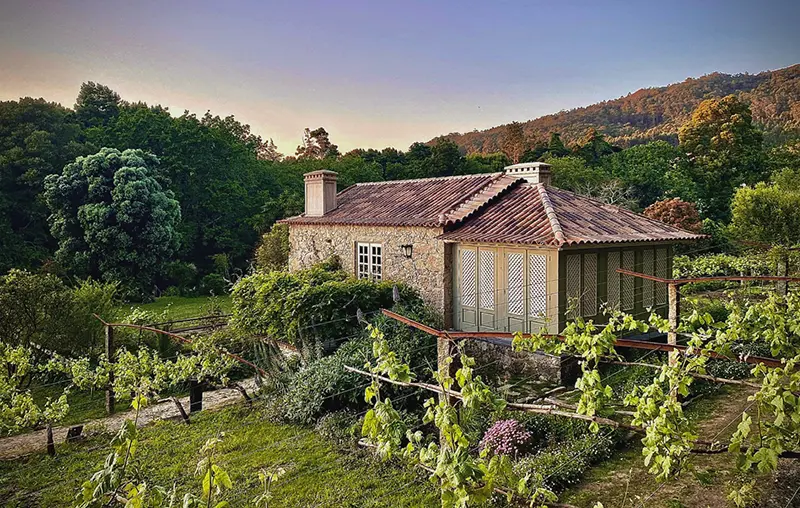
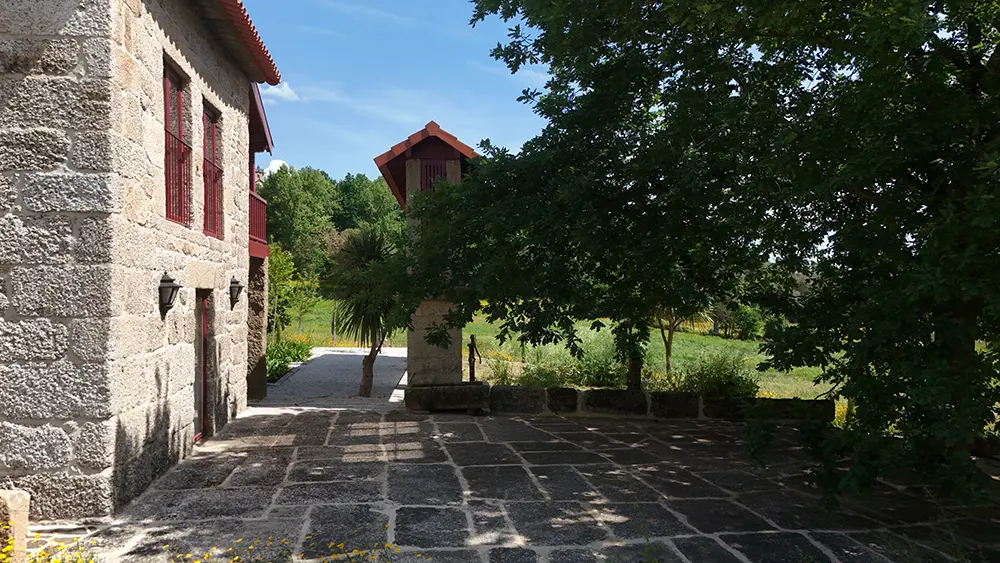
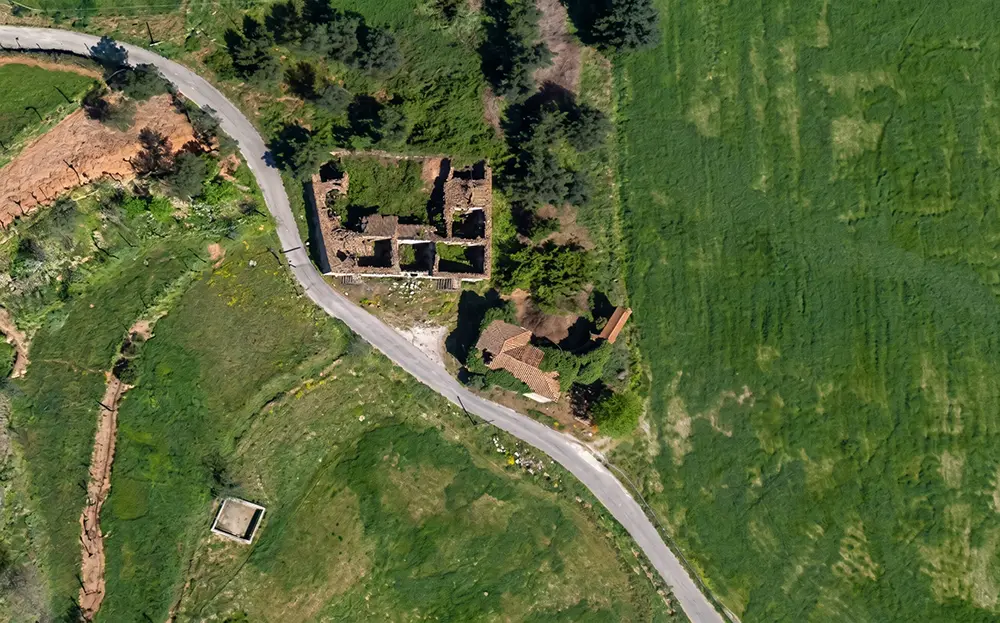
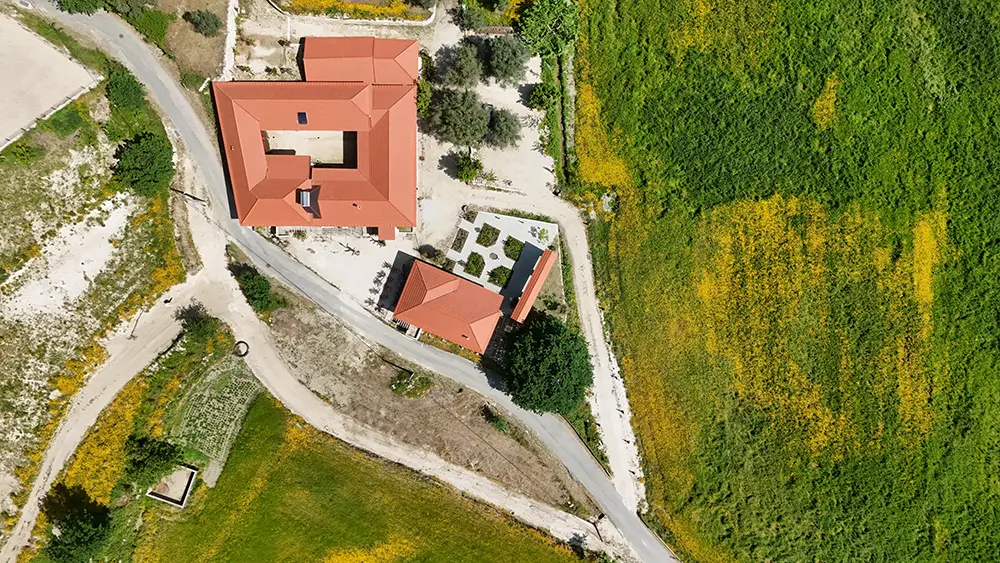
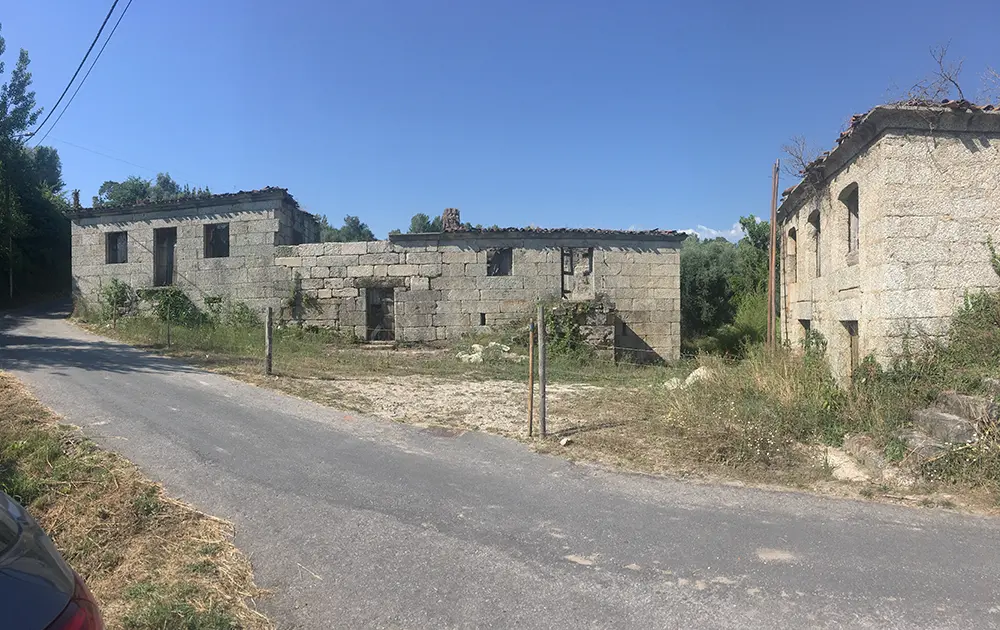
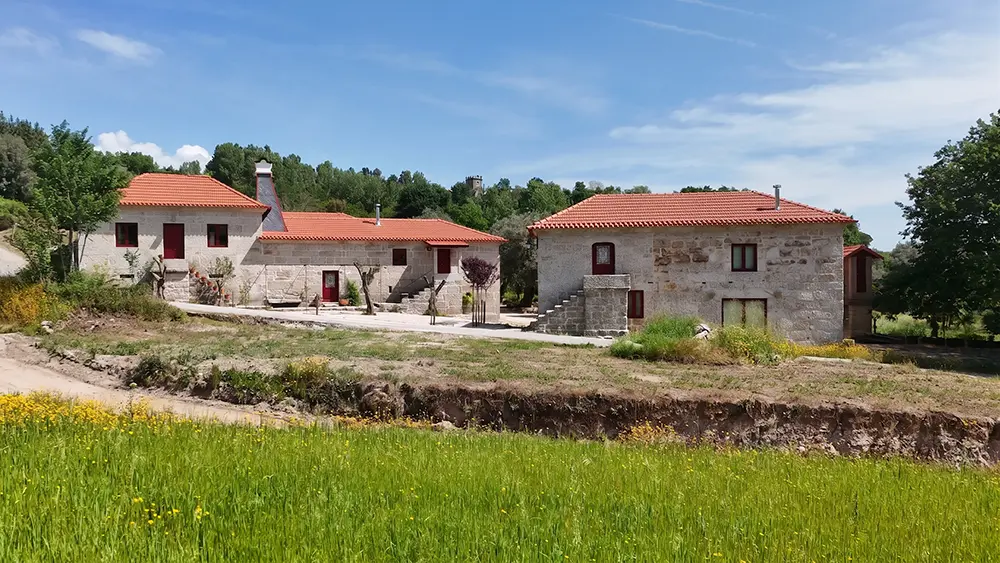
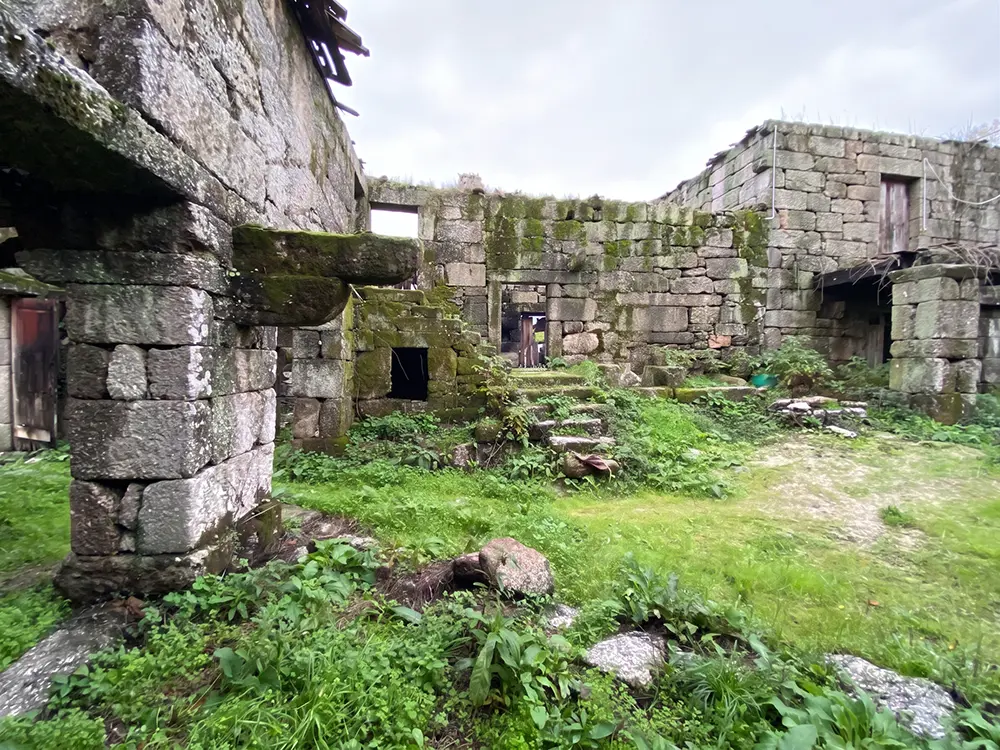
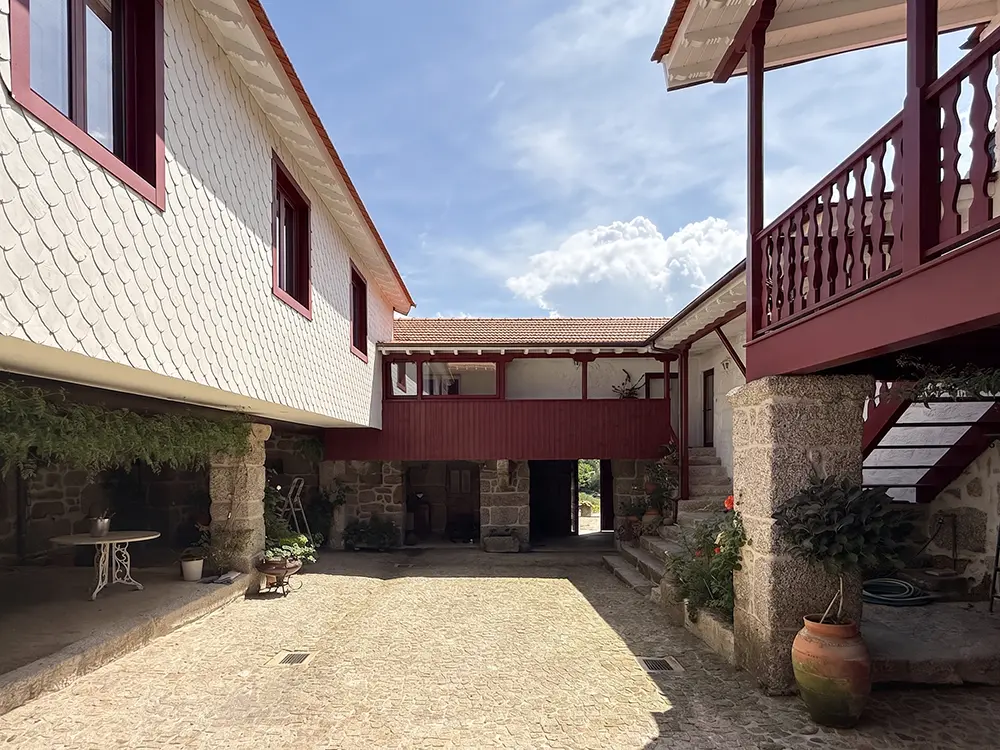
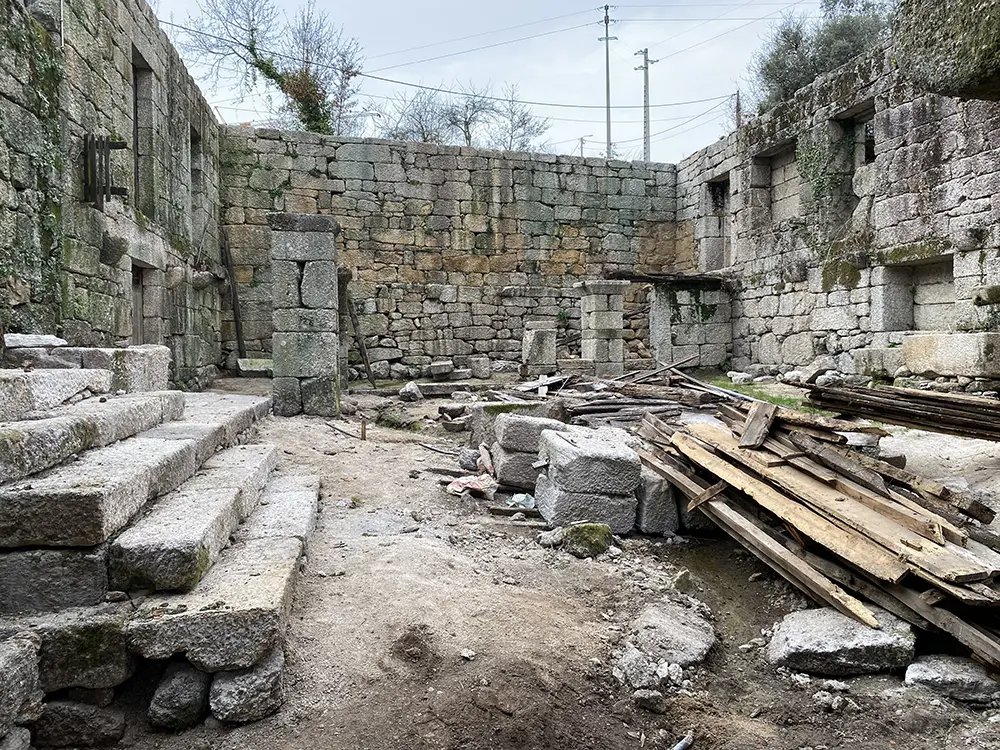
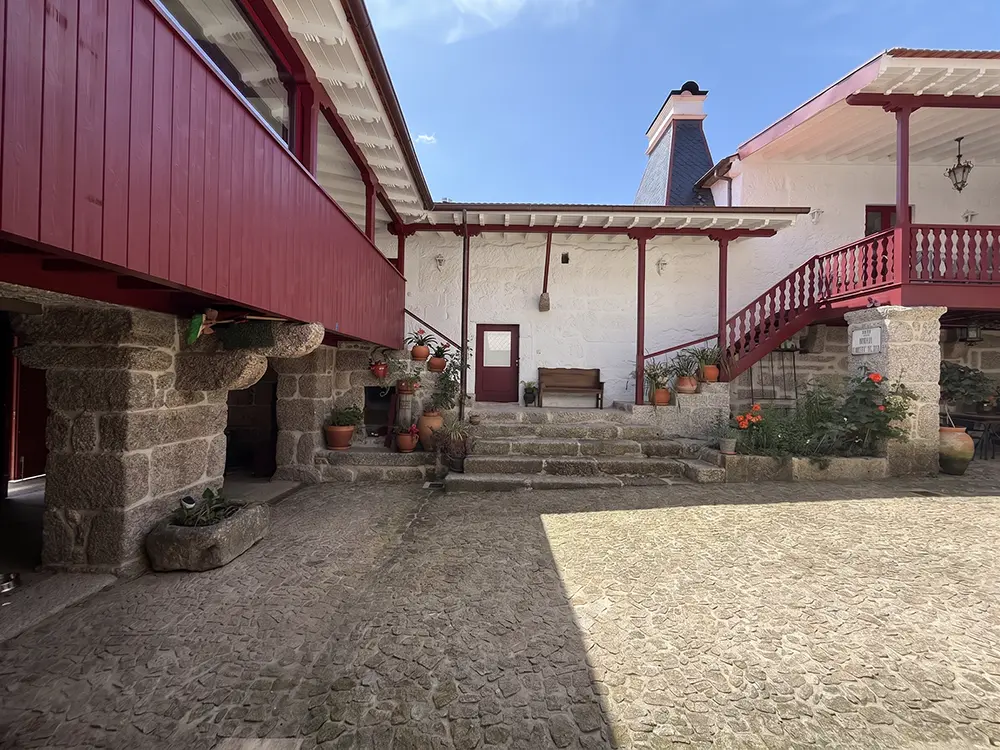
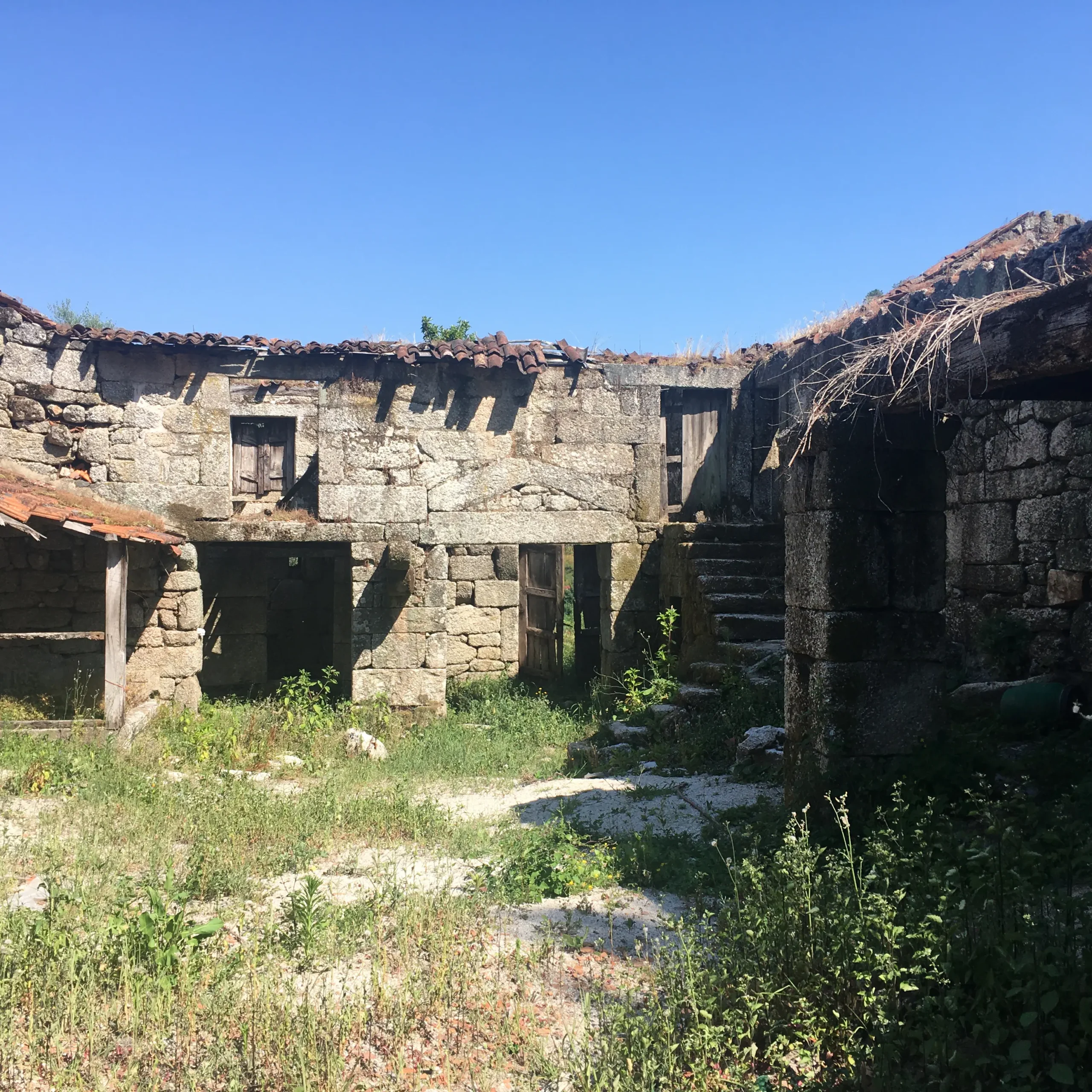
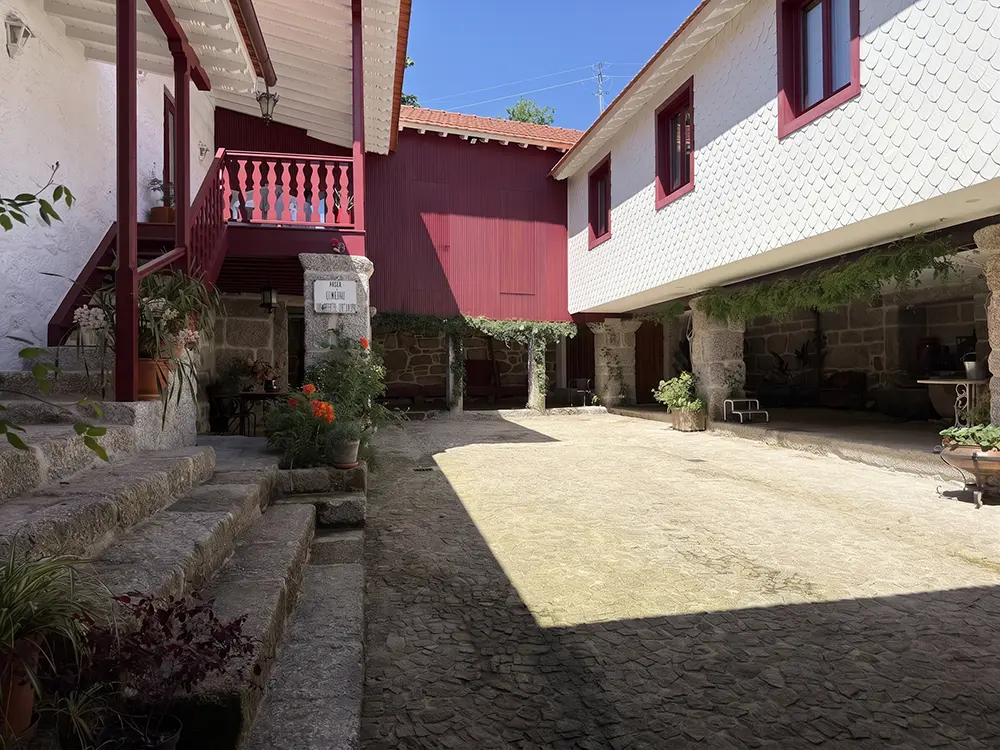
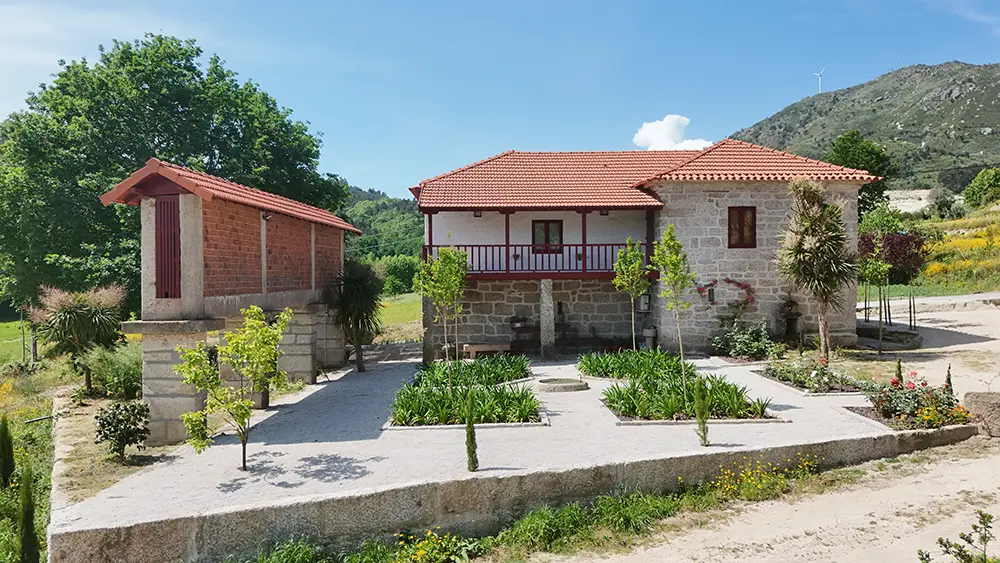
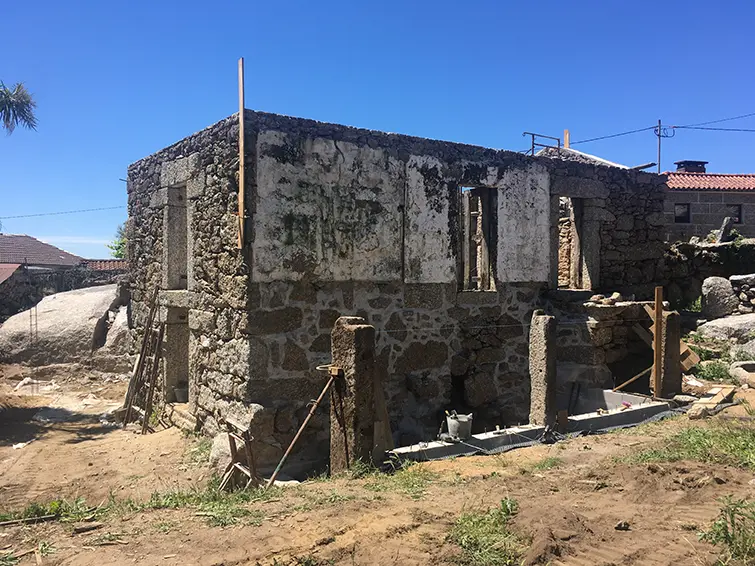
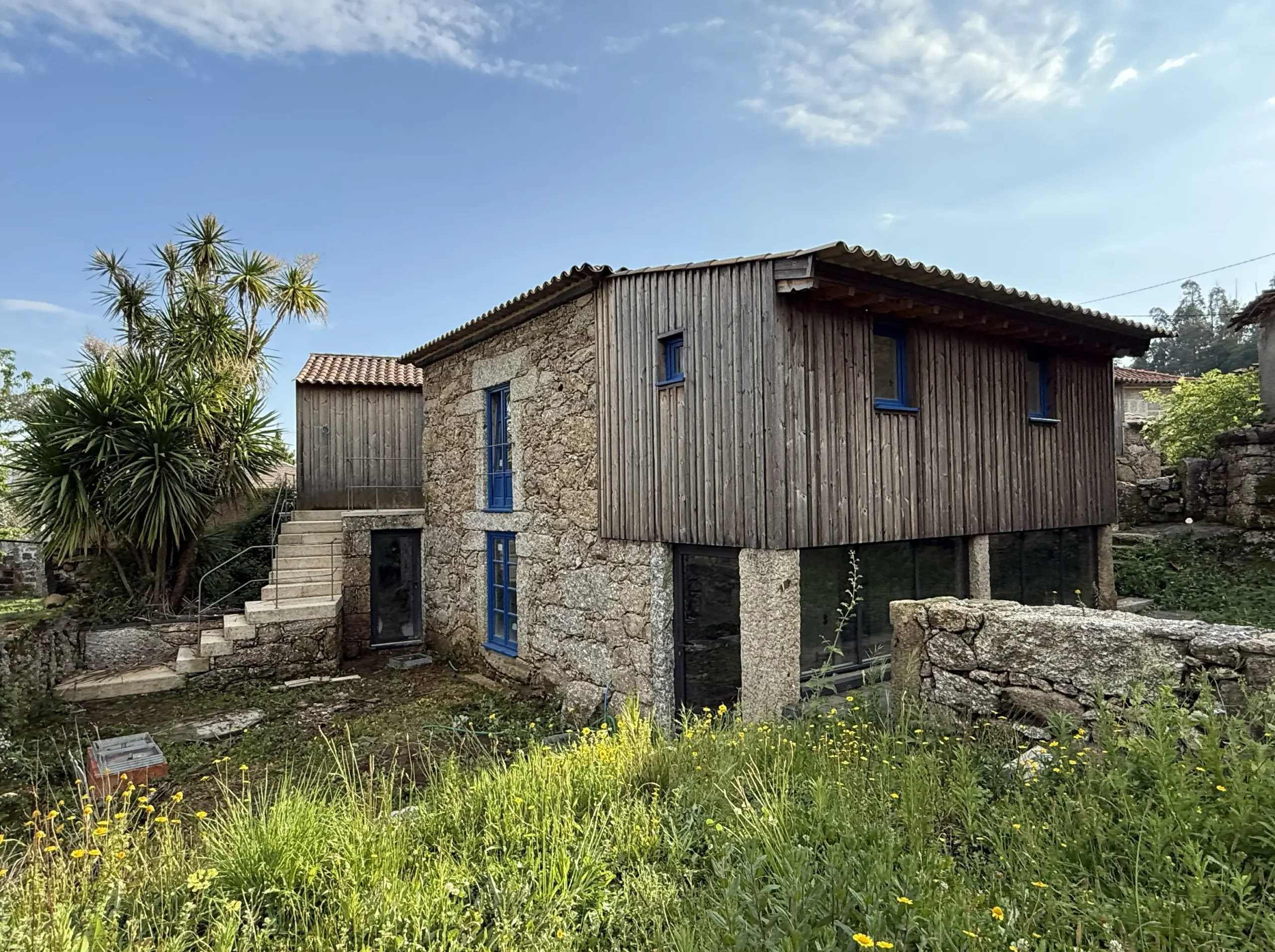
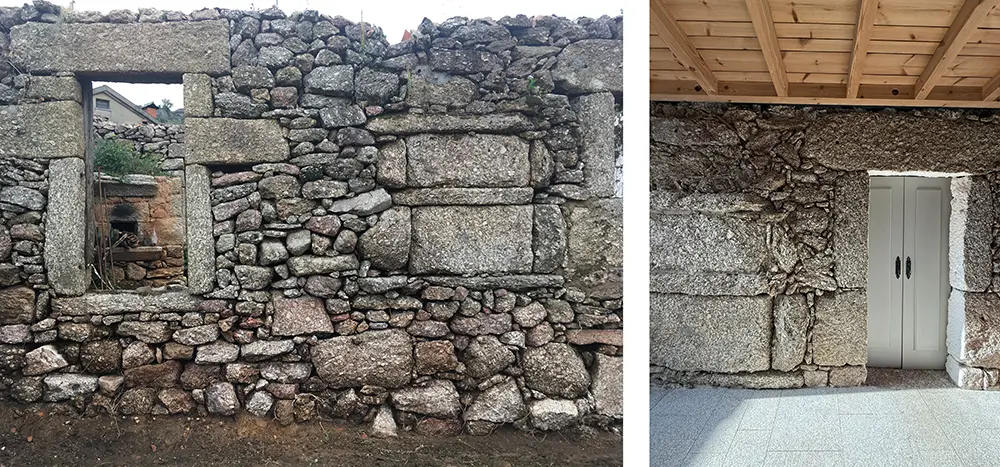
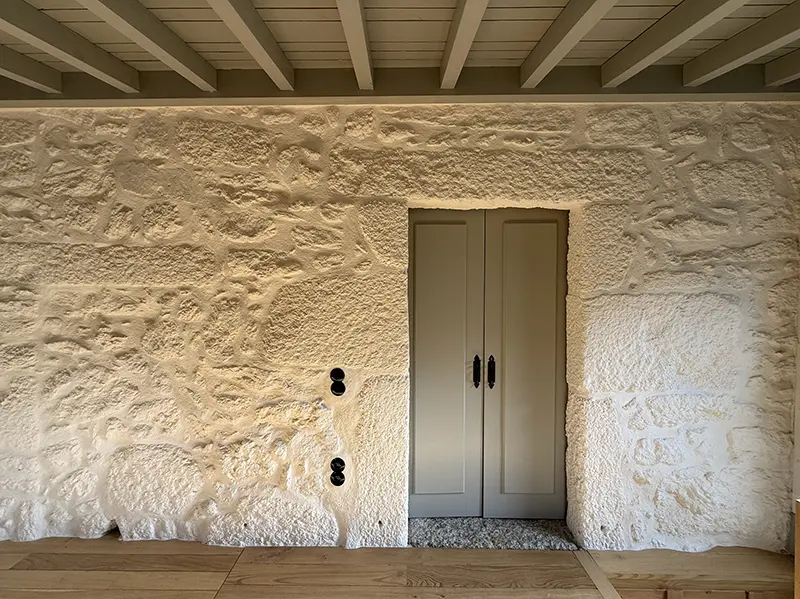
In a professional career of little more than fifteen years, Fernando Cerqueira Barros has performed many heritage rehabilitation and restoration projects. Notable among these are the refurbishment as a hotel of the Monastery of São João de Cabanas in Afife (Viana do Castelo), a former Benedictine ensemble of medieval origin whose architectural integrity was thereby restored. This project was rewarded with the 2025 Espaço National Architecture Prize in the architectural rehabilitation category. Other projects such as the reconstruction of Quinta de Fundevila, a farmstead in Cabeceiras de Basto, or restorations of rural dwellings in Penacova, Morilhões, and Santo Tirso, reflect his interest in vernacular architecture and his ability to breathe new life into buildings that had ceased to have their original use. In such work the reconstitution of the various spaces also preserves the memory of those who once lived there and restores a link with present-day generations. His work also includes the rehabilitation of monumental and urban buildings, such as the church at the Convent of Vila Cova de Alva, the Church of Nossa Senhora do Pópulo, or the Chave D’Ouro building in Arcos.
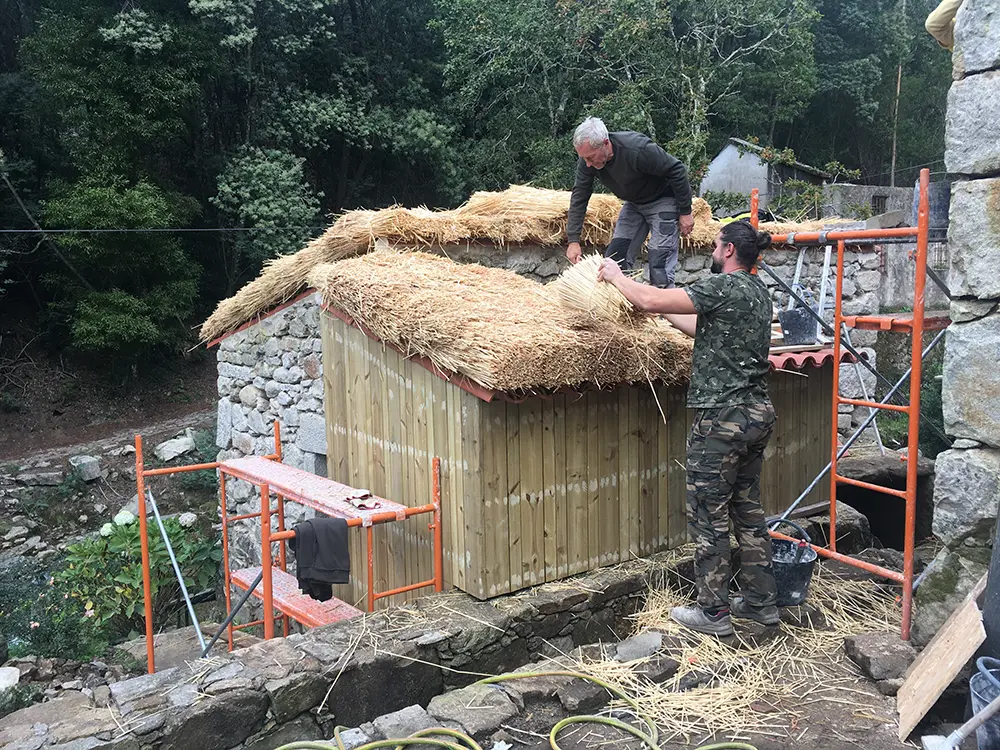
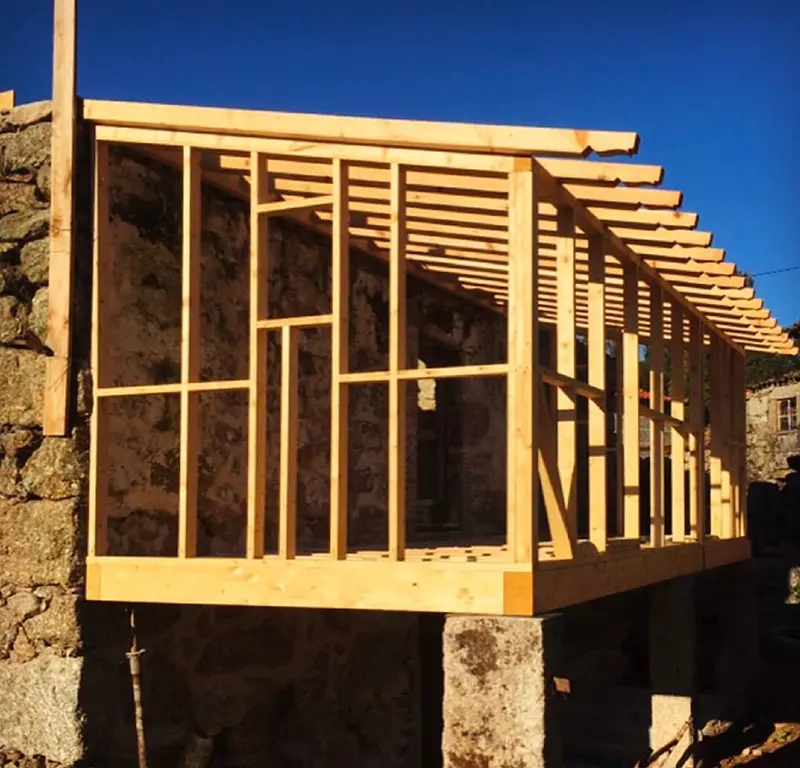
One key aspect of his work is his close cooperation with masters of building crafts. Stonemasons, carpenters, masons, plasters, and other artisans take an active part in his projects within a relationship supported by his regular presence on-site. His projects thereby help maintain the activity of these practitioners, facilitate the transmission of the knowledge associated with such trades, and demonstrate the relevance of traditional building materials and systems.
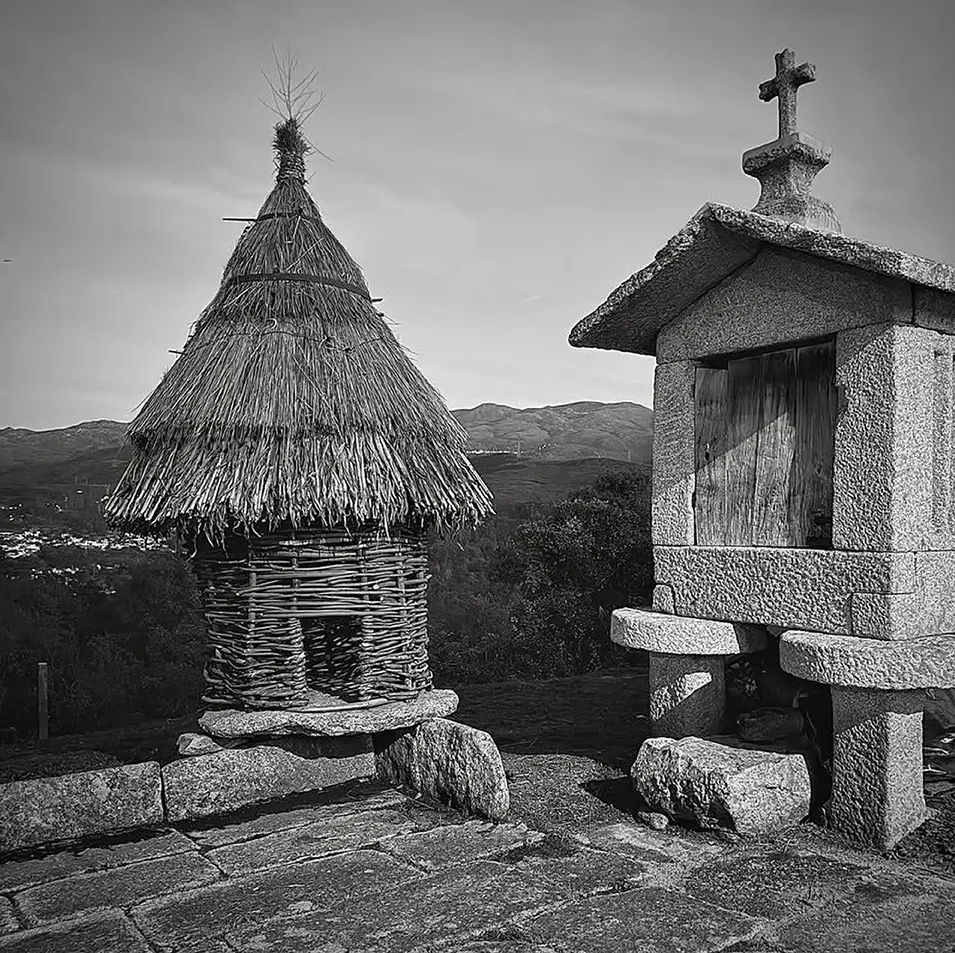
This relationship with building trades forms part of a wider commitment to local communities and the preservation of their tangible and intangible heritage. A good example of this is his project for the recovery of the threshing floors and canastro and espigueiro staddle-stone granaries of Vilarinho do Souto in Arcos de Valdevez, a community reconstruction project which has helped strengthen the community’s ties with its heritage and recover knowledge at risk of disappearing.
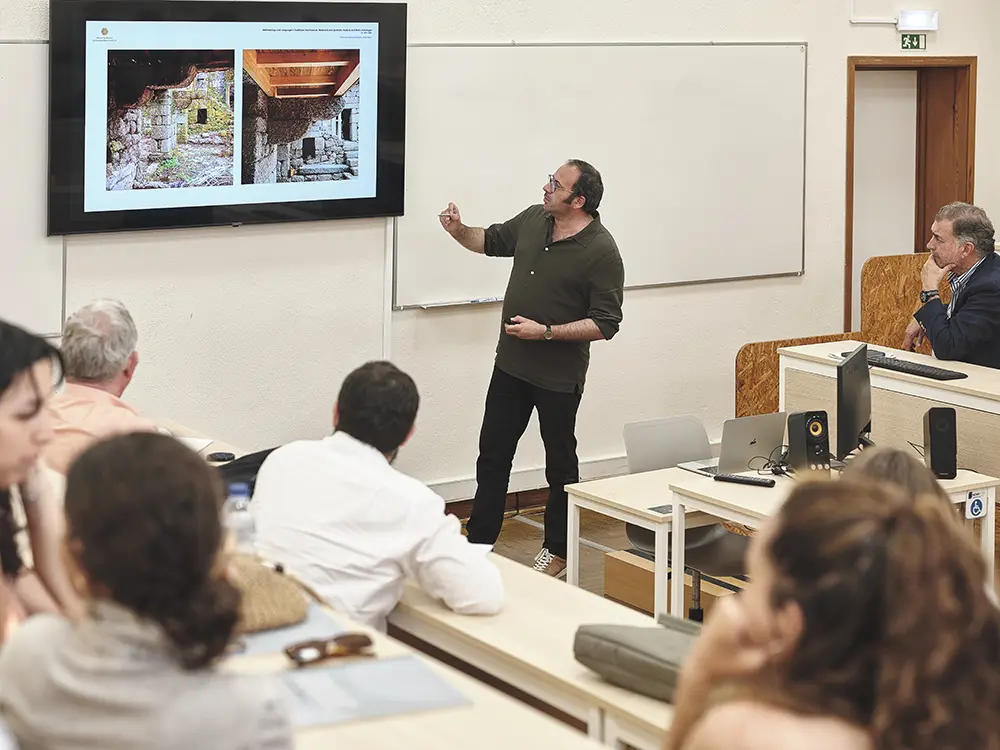
His professional activity is complemented by important work in the fields of research and dissemination of traditional architecture. He is a doctoral candidate at the Faculty of Architecture of Oporto University, a researcher at its Architecture and Urbanism Study Center, and a member of a UNESCO Chair. He has participated in many initiatives for the study and transmission of Iberian building cultures, including the activities of the Red Horrea network. His contribution to this field has received recognitions such as the 2025 Cantapaxarín Prize, awarded by the Asturian Hórreo Granary Association.
The career of Fernando Cerqueira Barros demonstrates that the continuity of traditional architecture depends both on a knowledge of its forms, materials, and techniques and on the safeguarding of the links that connect it to the communities that created it and have maintained it over time. The aim of his way of working is that the alterations involved in adapting buildings to contemporary lifestyles be just another stage in their history, without sweeping away earlier ones. His work, in which architectural practice is complemented by research and engagement with local communities, illustrates the relevance of building traditions as the basis for a contemporary architecture that maintains continuity, the built environment, and the landscape of each region.