
Portada » Initiatives » Awards » Building Arts Awards » Laureates » Laureates 2024


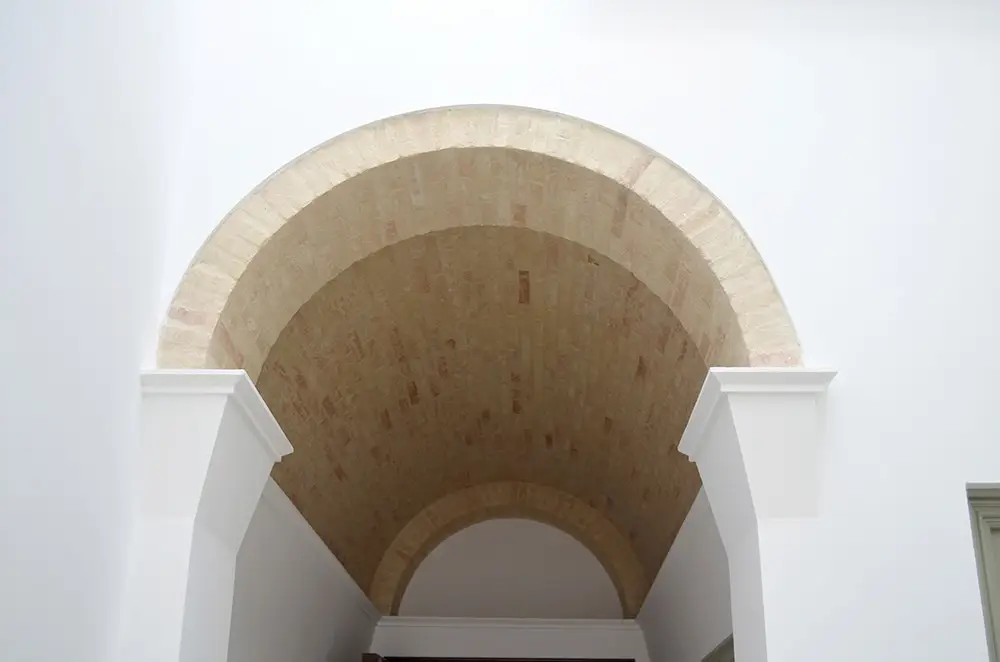
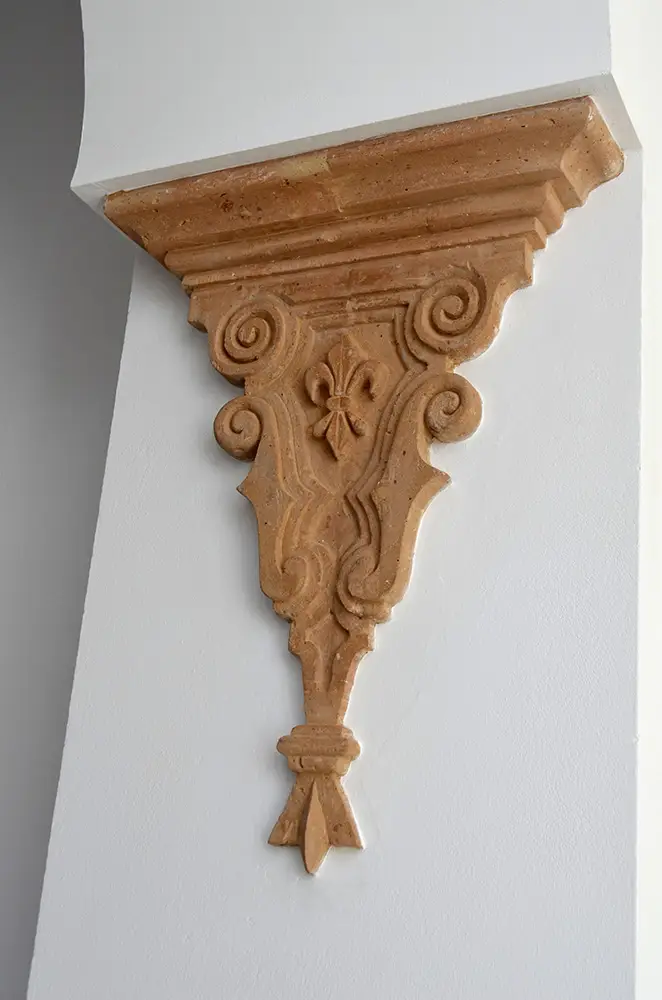
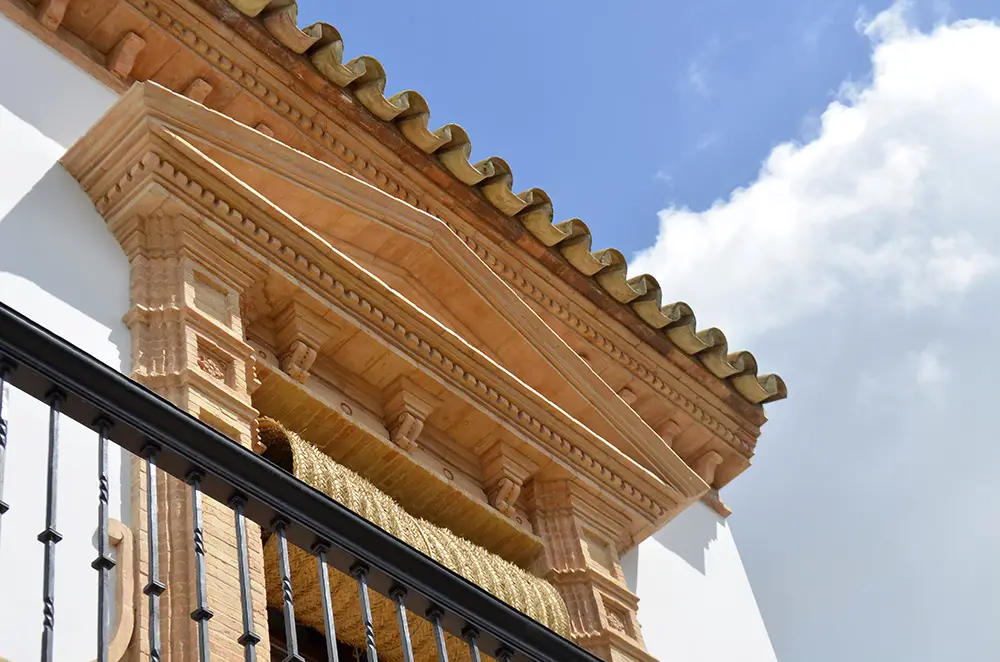
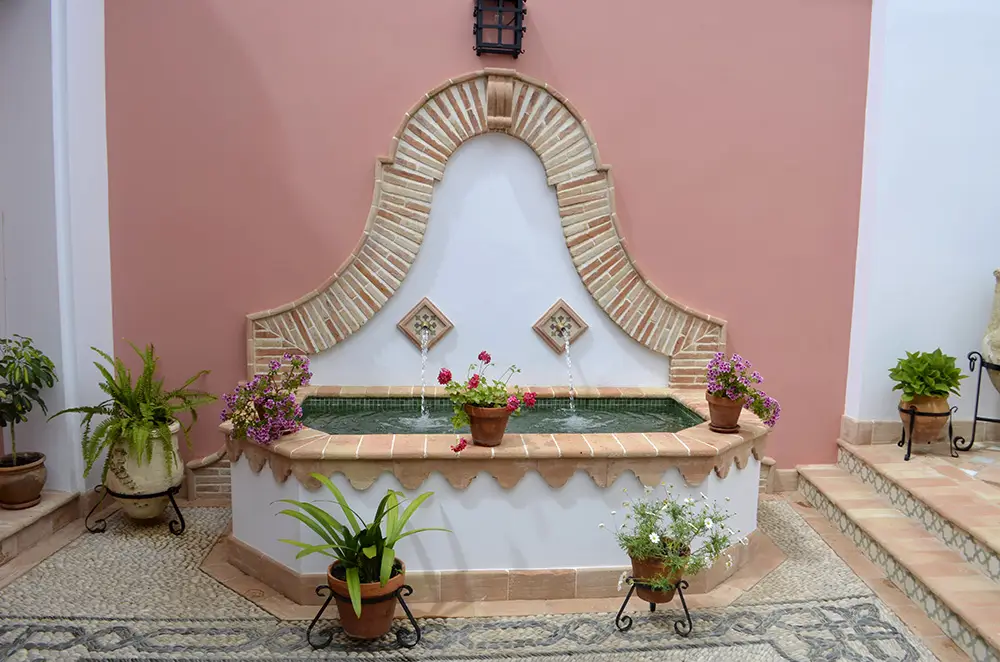
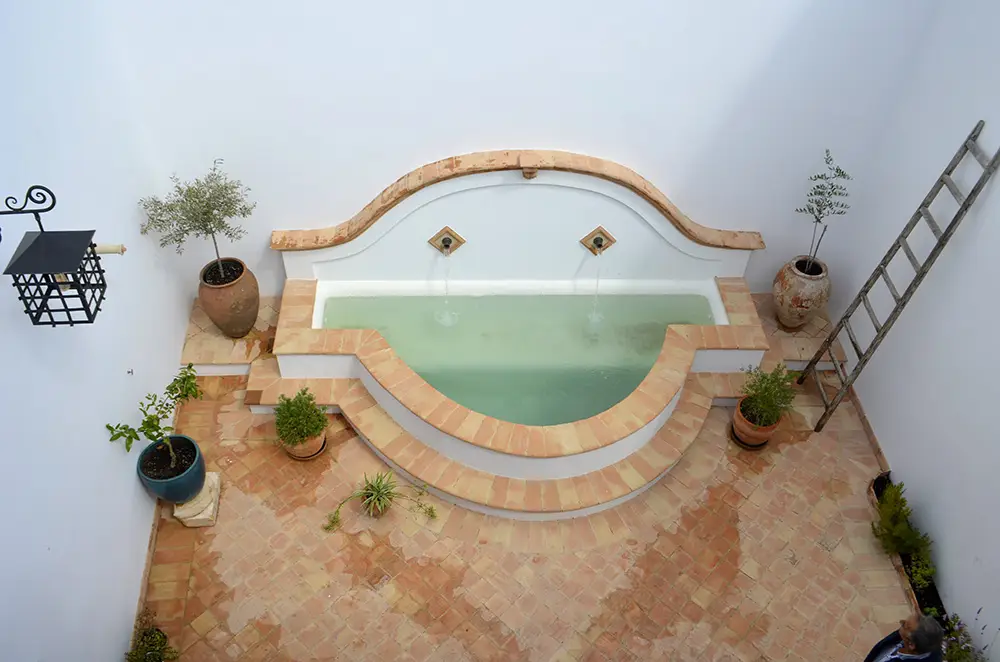
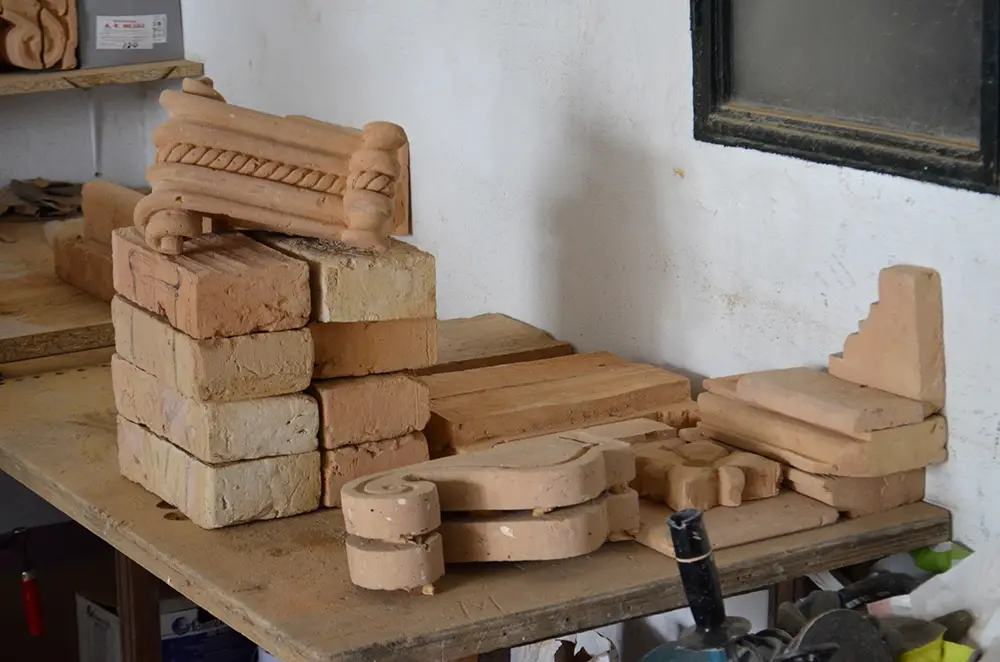
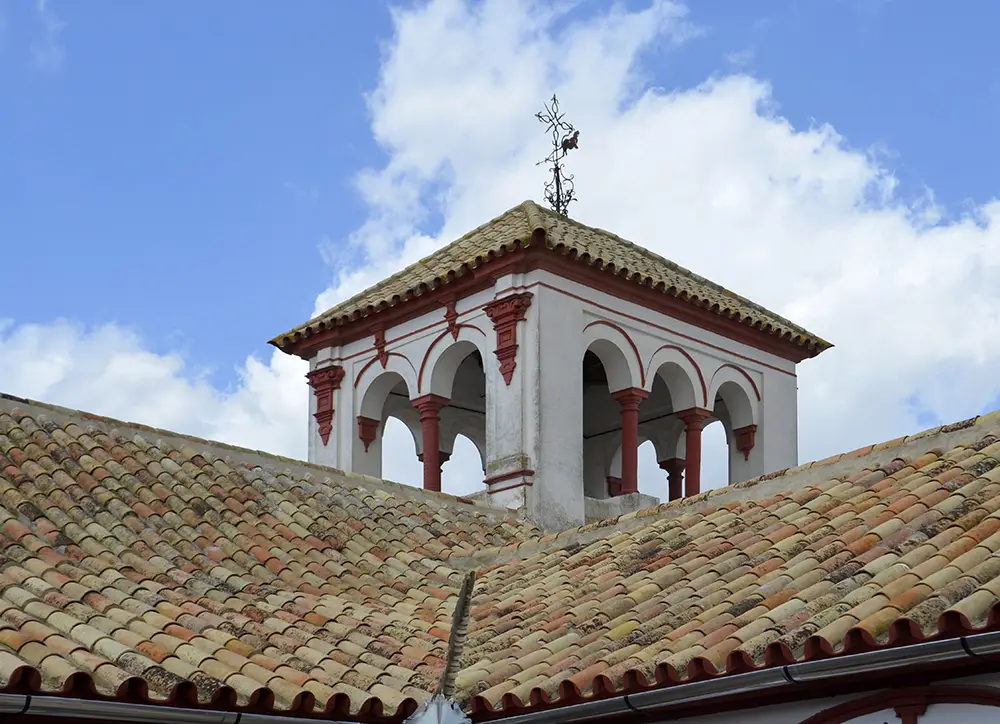
Sebastián Pérez Gómez is a master mason specialised in the carving of clay bricks. He was trained and plies his trade today in Fuentes de Andalucía in Seville province. Sebastián started learning the trade at an early age under the aegis of his father, José Pérez Gamero, known locally as “el Sillero” (the chair-maker). This training, based on daily practice on worksites with both his father and other master masons, allowed him to acquire the know-how required to undertake all sorts of building work.
Of all this knowledge, Sebastián was especially attracted by that involved in the art of carving clay bricks, a trade that caught his eye for its artistic potential and in which he has progressively specialised over the years. His mastery of the technique has allowed him to undertake a great many projects, most of them in Fuentes de Andalucía, for either new construction or restoration. Equally vital to his professional development have been the projects that he has done alongside the architect from Écija Fernando Martín Sanjuán, the 2020 Rafael Manzano New Traditional Architecture Prize laureate. Through this partnership Sebastián has been able to learn much from the invaluable architectural heritage in and around Écija.
Sebastián’s passion for his trade is also accounted for by the influence in his development of the rich built heritage of his native town, and especially the brickwork portals to be found in its streets. Some of these portals, many of them attributed to the renowned family of Mudéjar builders known as “Ruiz Florindo”, are true masterpieces of traditional Andalusian architecture.
Sebastián’s work notably includes many contributions to the facades of houses in Fuentes de Andalucía, where he has designed and installed ornamental features such as pilasters, cornices, pediments, hanging ornaments and estipite columns, all made with carved clay bricks. He has also done major restoration work on historic buildings such as a stately house in Calle Lora del Río, where he restored a baroque portal and recovered the original splendour of several of its courtyards along with an imposing tower which had been decaying with the passage of time and a lack of maintenance.





Max Rutgers, of Dutch origin, was attracted by the world of woodwork from an early age. In 1994 his passion for art, sculpture and drawing led him to take training in France with the Compagnons du Devoir as a structural carpenter. The Compagnons are an association of craftspeople with roots in the Middle Ages. The instruction they offer includes a stage of itinerant training known as the Tour de France, in which apprentices have the opportunity to work alongside various master artisans. This programme, which involves moving to a new workplace every six months or so, allows them to become familiar with a range of traditions and ways of working. For Max this experience marked the start of a personal and professional journey that continues today.
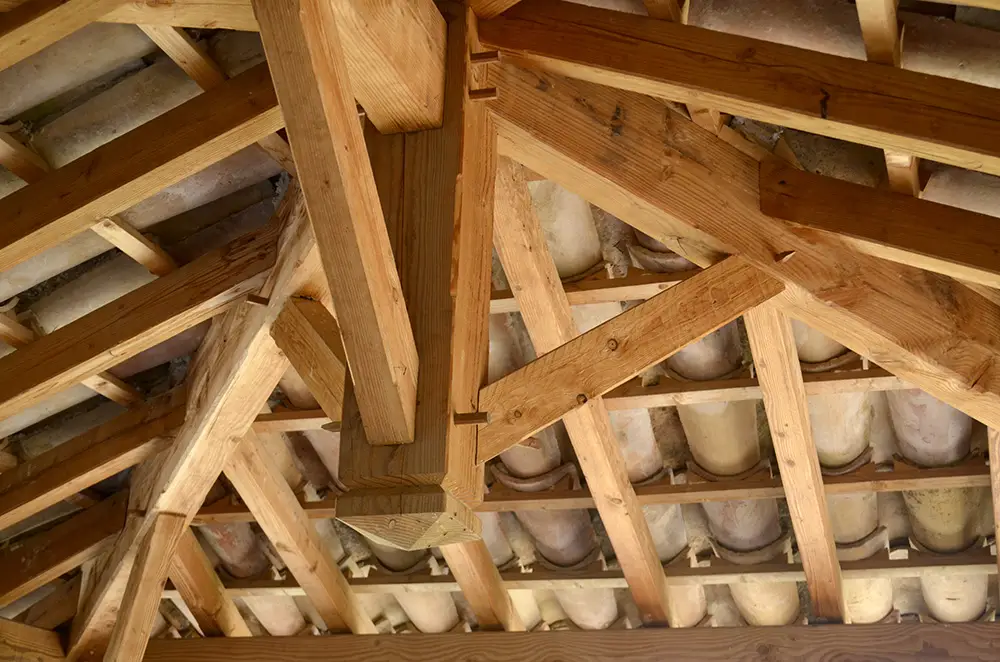
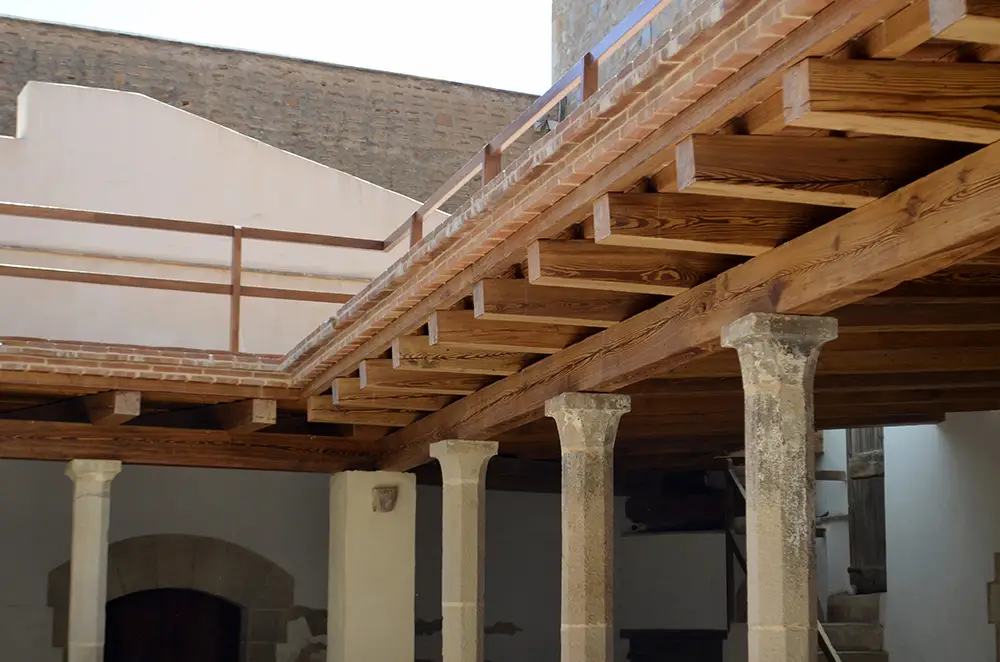
In 2007, after working in various parts of Europe, America and Africa, Max settled in the Alto Ampurdán district of Girona province, were he founded his own firm, MaxMadera. As a carpenter specialised in building wooden structures, he received many early commissions for the construction of porches and small roof frameworks. After a few years of doing all sorts of work and little jobs, he was given the chance to do major restoration work on heritage buildings and to build or refurbish timber structures in large dwellings and farmhouses, as well as other more out-of-the-ordinary projects. Max has been able to undertake these and many other tasks, such as the carving of wooden beams or corbels, thanks to his in-depth knowledge of his trade and of traditional carpentry techniques.
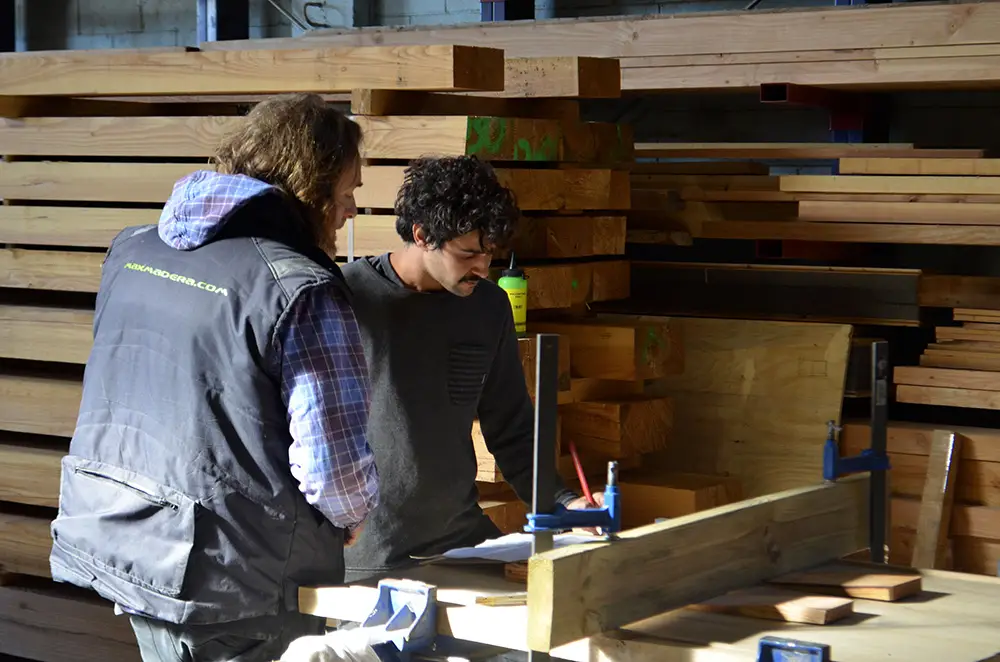
As well as experienced carpenters, his team includes placement students seeking in his workshop the opportunity to experience structural carpentry projects requiring considerable manual skill and a command of craft building techniques. For this reason he collaborates habitually with the Compagnons du Devoir and receives young trainees from all over Europe to whom he offers training much like that he received during his years of apprenticeship as a Compagnon.
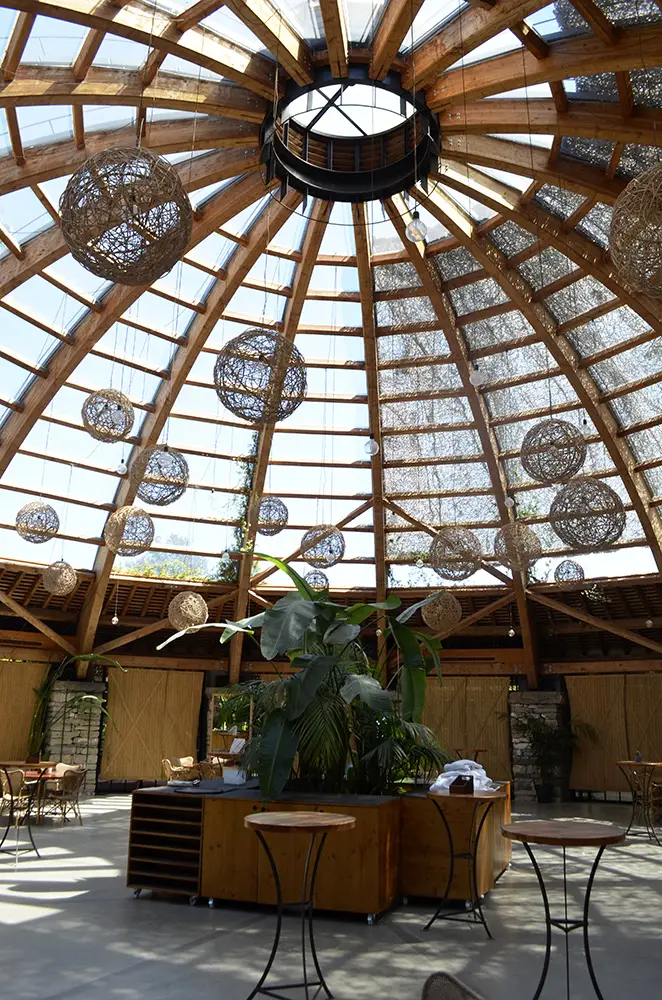
Over the past two decades, in various parts of Catalonia and elsewhere in Spain, Max has undertaken major restoration and new-building projects. These have notably included the restoration of the belfry of the Church of Sant Andreu in Serinyà, the dome of the Mas Marroch restaurant, the beams and rafters of the Cats’ Cloister in the Monastery of Pedralbes, the complete refurbishment of the Can Buch hotel, or the refurbishment of Casa Burés, where he restored 86 carved beams, all different.






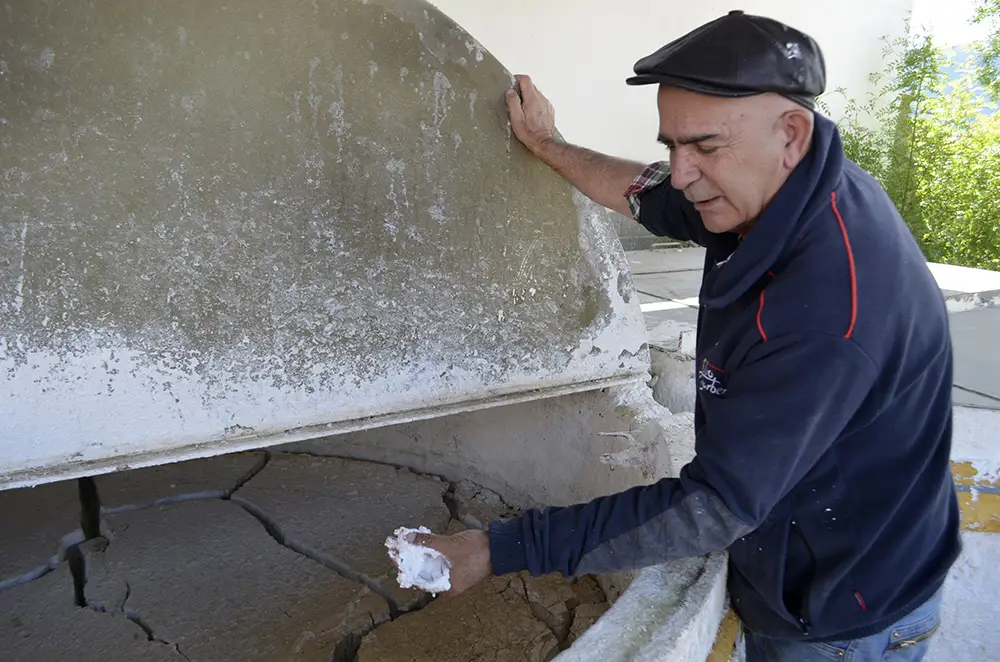
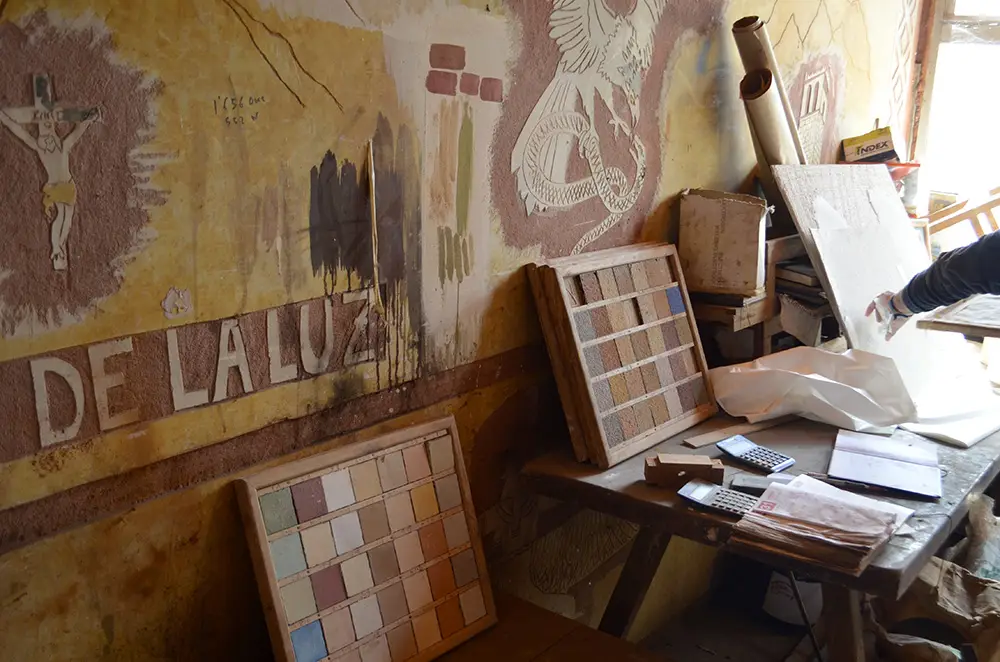
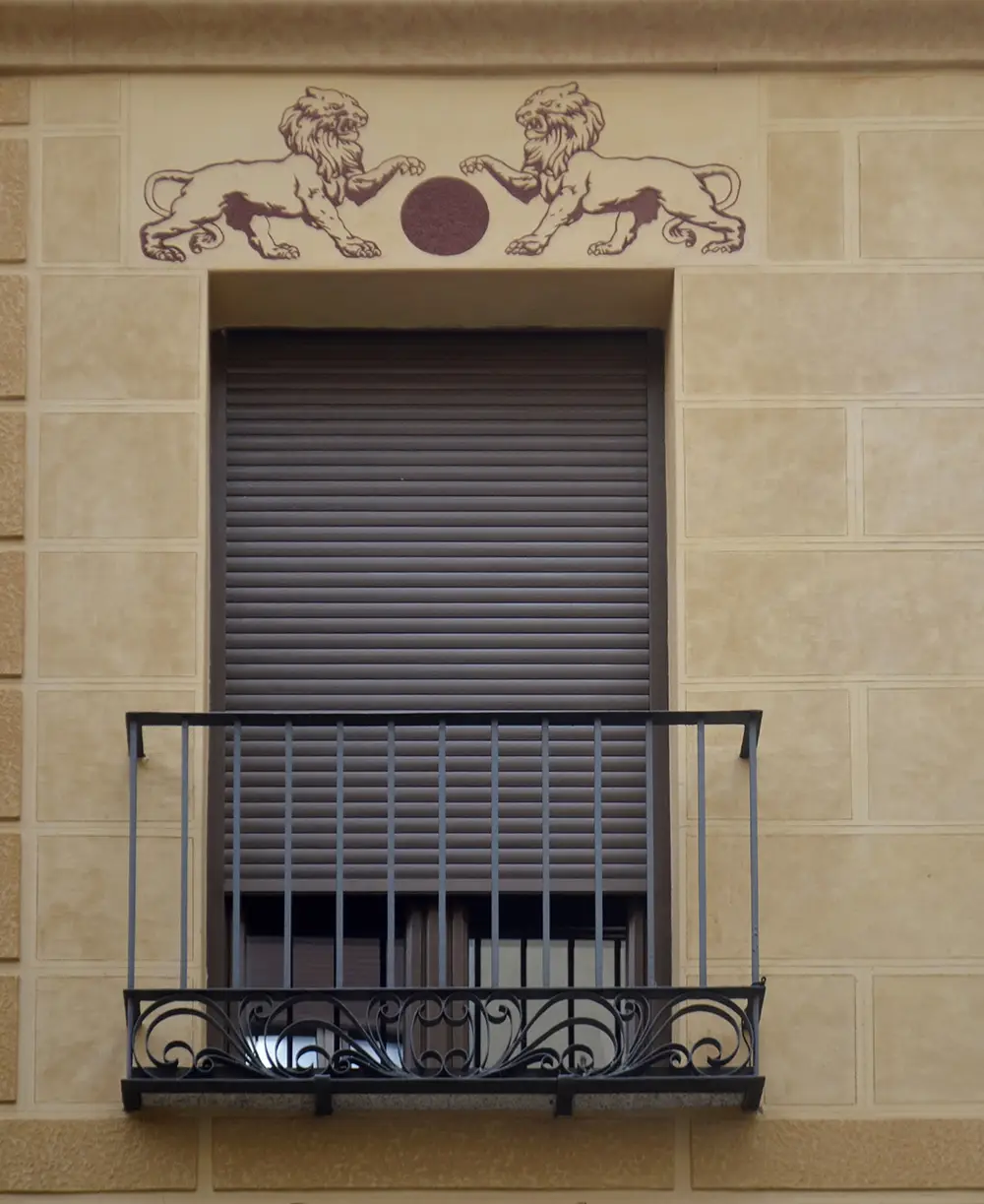
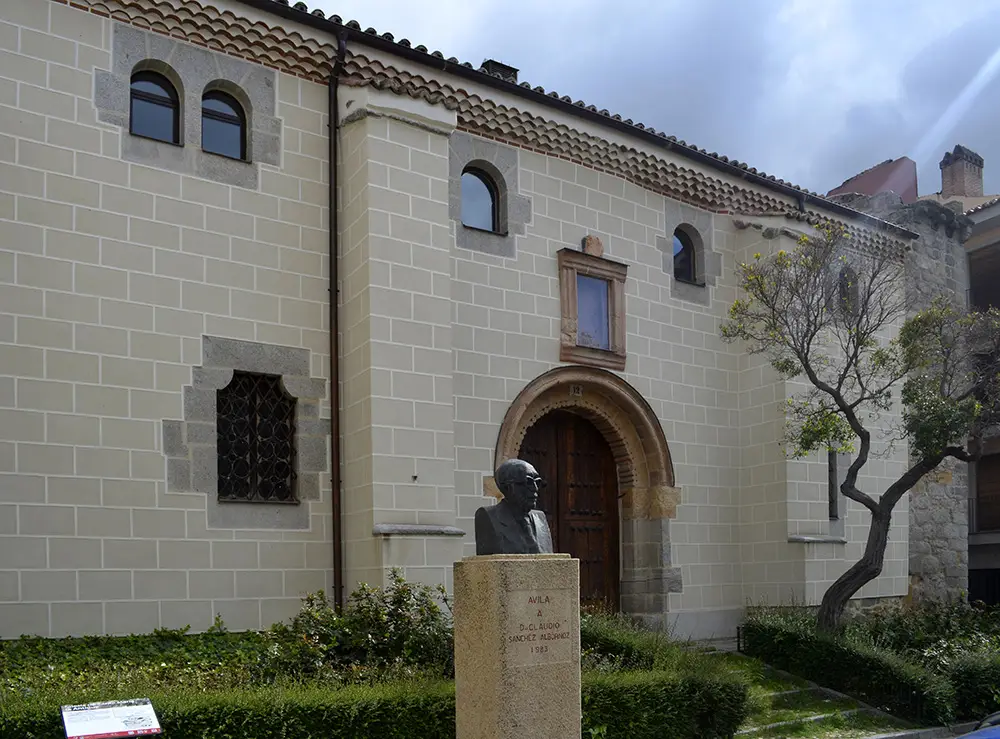
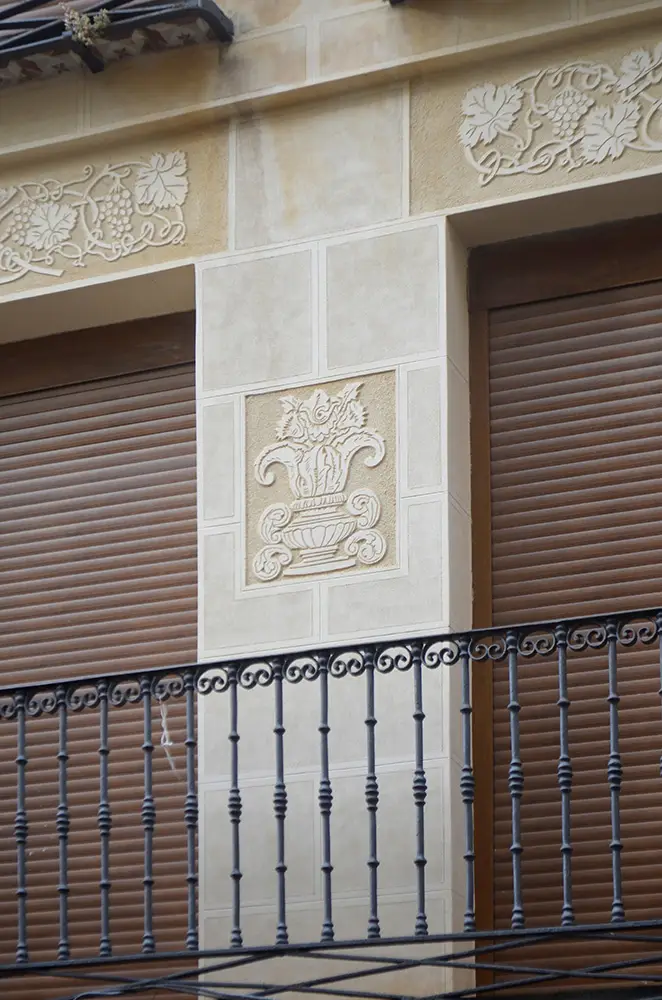
Julio Barbero is a master craftsman specialised in traditional lime renders and, in particular, sgraffiti. Julio has his workshop in Burgohondo, a village in Ávila province where he has lived with his family for over 40 years. It is here that Julio and his team prepare lime to be used on facades and interior walls across the Iberian Peninsula. Julio first came into contact with lime as a youngster when, as a way of getting by, he would paint or whitewash walls with lime paint. Later, in Barcelona, he met the master painter and stuccoist Joan Campreciós, descendent of a long line of master stuccoists, who taught him many of the techniques available for using lime as a building material. He also taught him to use lime for making sgraffiti, a technique in which Julio has specialised over the years to the point of becoming one of the most widely recognised masters of the trade remaining in Spain.
Given his firm’s itinerant nature, Julio has traveled all over Spain in the last 30 years. These travels have given him the chance to get to know the various characteristic techniques of work with lime in each region, and which he has ended up integrating into many of his projects. Thus he has incorporated elements of Segovian sgraffiti, known for its geometric and arabesque motifs; he has on occasion adopted the simplicity of the smooth finishes applied in Madrid; he has explored the complexity of Catalan sgraffiti, with their diversity of motifs, ranging from human and animal figures to scenes of everyday life; and he has experimented with Toledan faux designs – renders that conjure up facades of brickwork or other materials in trompe-l’oeil.
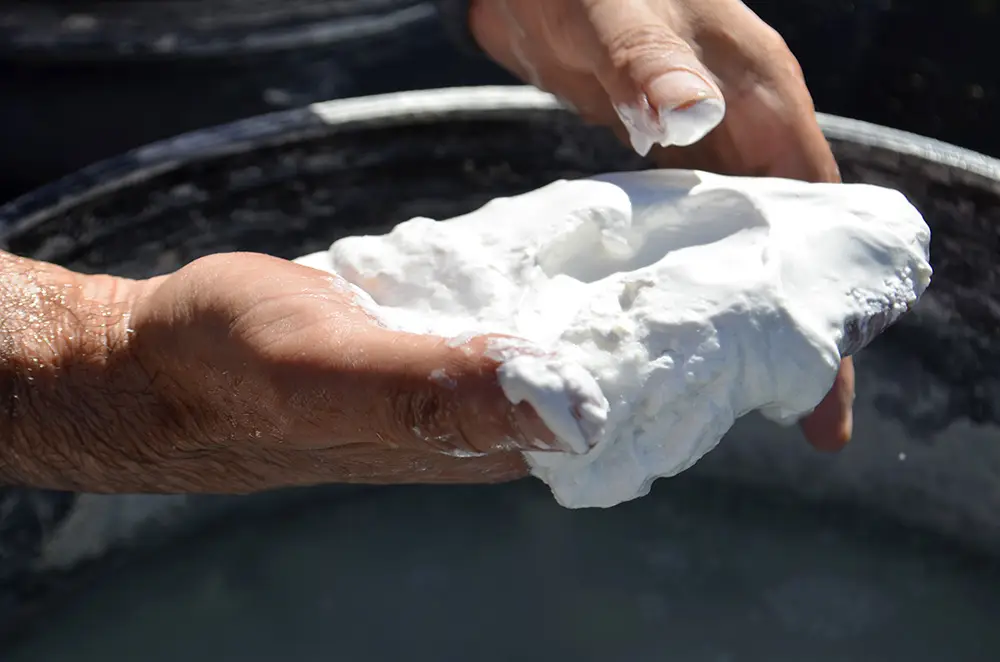
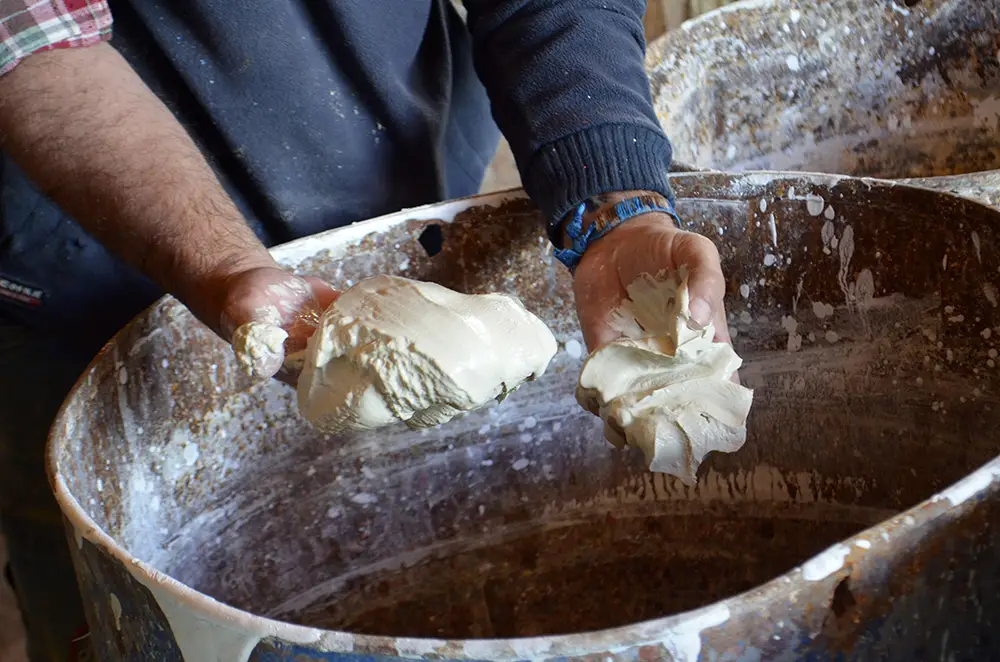
The work process followed by Julio and his team normally starts with the slaking of quicklime, sourced from some of the best quarries in Spain and Portugal. The continual hydration of calcium oxide in his firm’s tanks in Burgohondo allows them to work always with traditional fat-lime mortars of high quality, stored for at least three years.
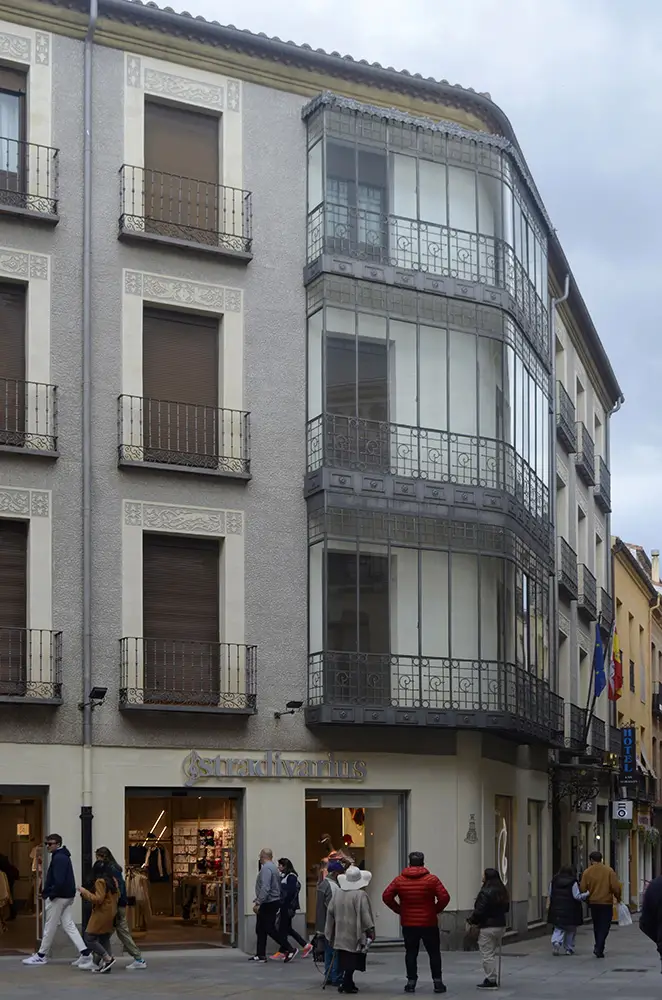
Over his extensive career Julio has worked on dozens of buildings all over Spain, with projects notably including lime finishes on the Palace of Trénor in Asturias, work on the upper section of the aqueduct of Segovia, restoration work at the Castle of Turégano, also in Segovia province, stone repointing on the Puerta de Alcalá arch in Madrid, or many sgraffiti and other lime finishes executed on countless facades of residential buildings, whether historic or newly built, in the cities of Ávila, Segovia and Madrid.




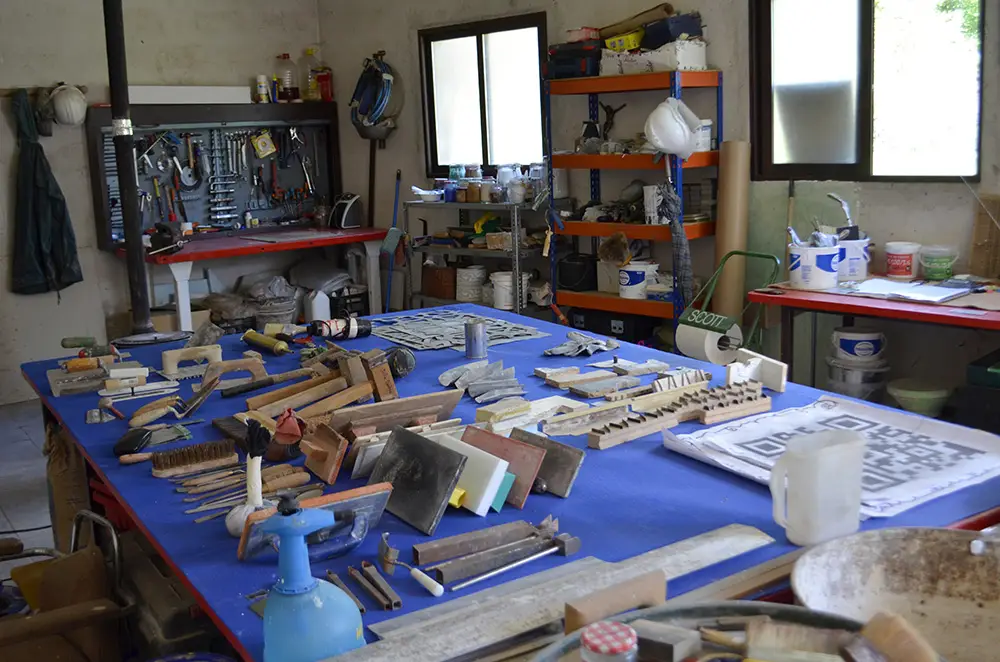
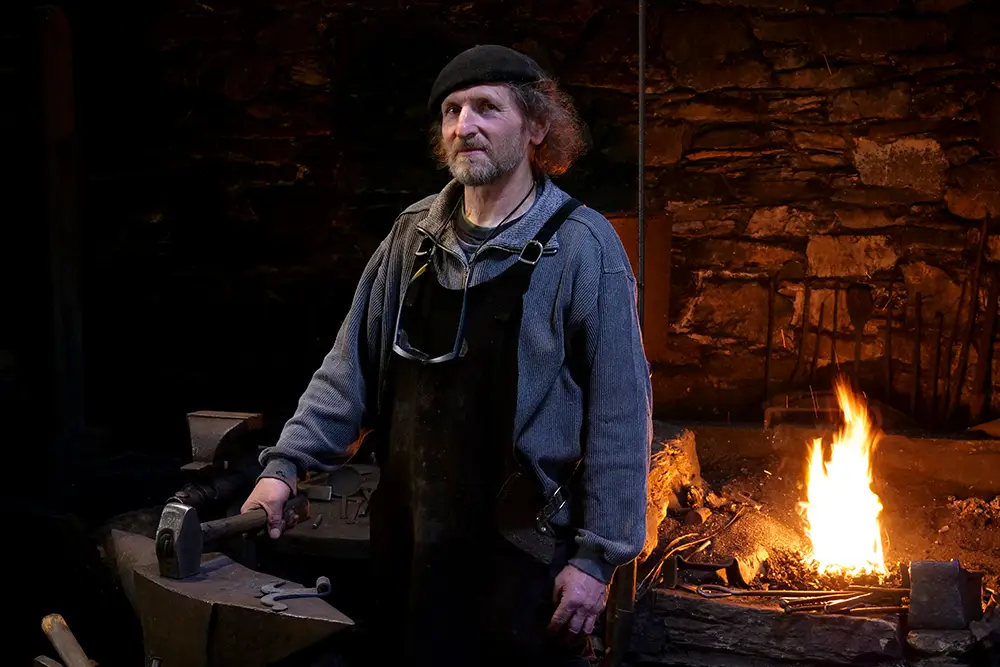
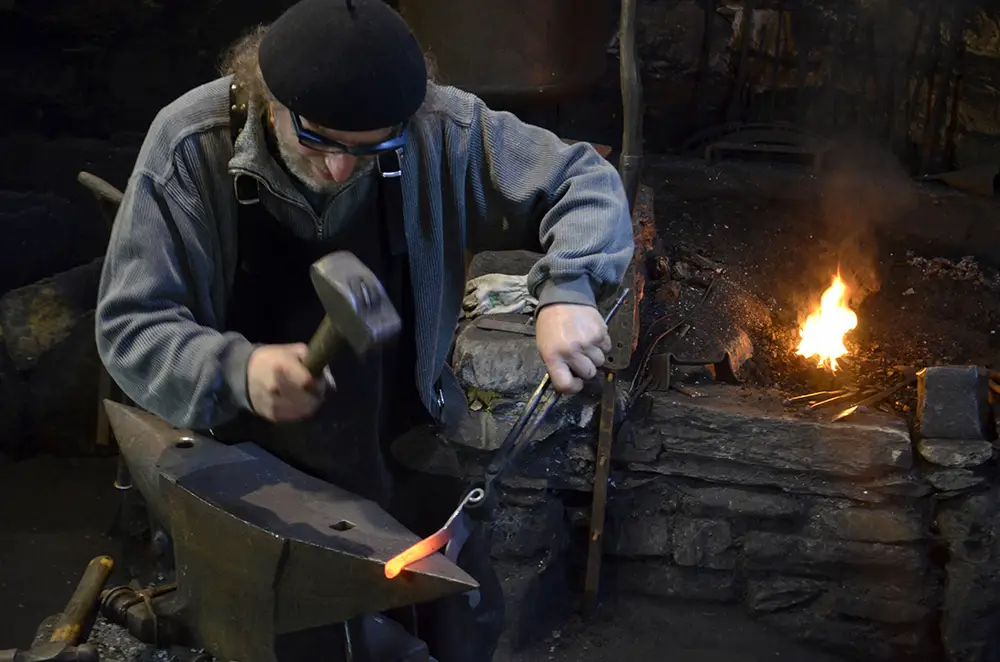
In search of new professional horizons and with the belief that Spain contained a rich heritage from which to learn more of his trade, Friedrich decided to move first to Andalucía and later to Galicia. Thus, in 2001, he set up his first artistic blacksmithing forge in Bande, in Orense province, where he also gave introductory courses in traditional smithing.
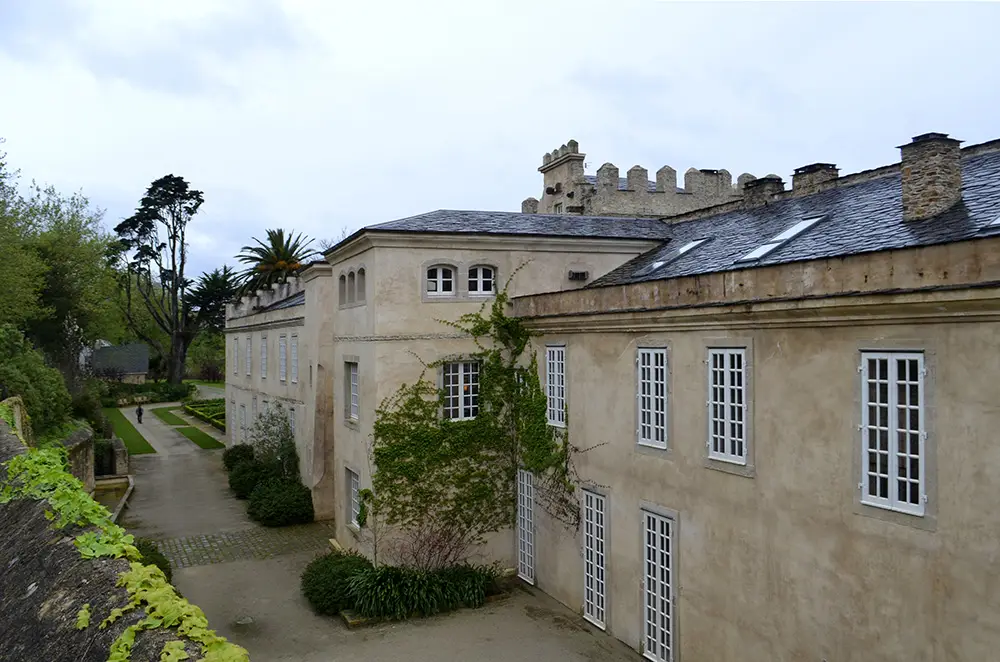
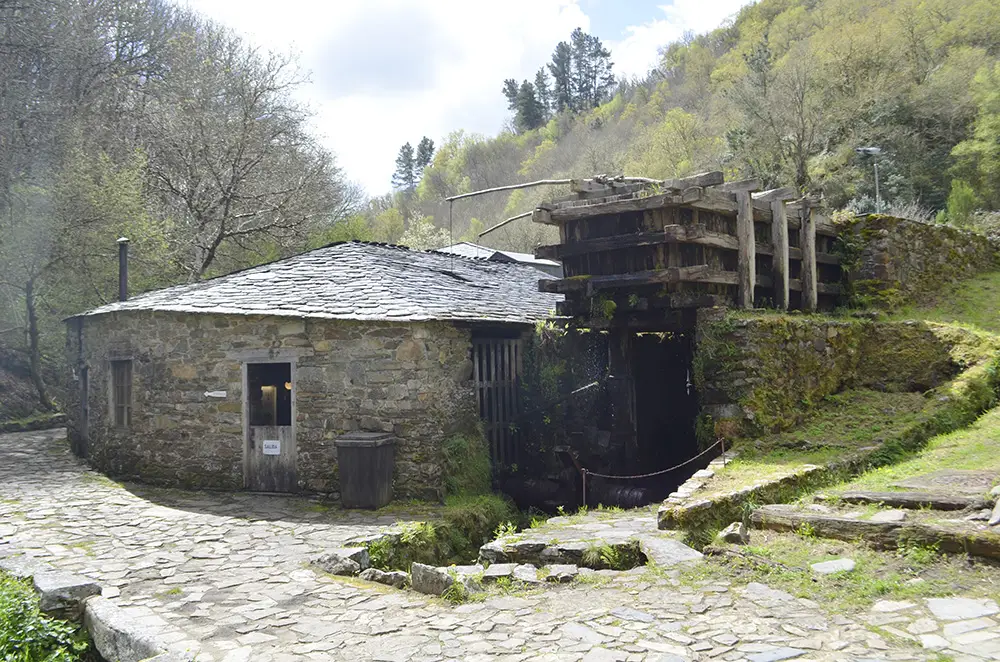
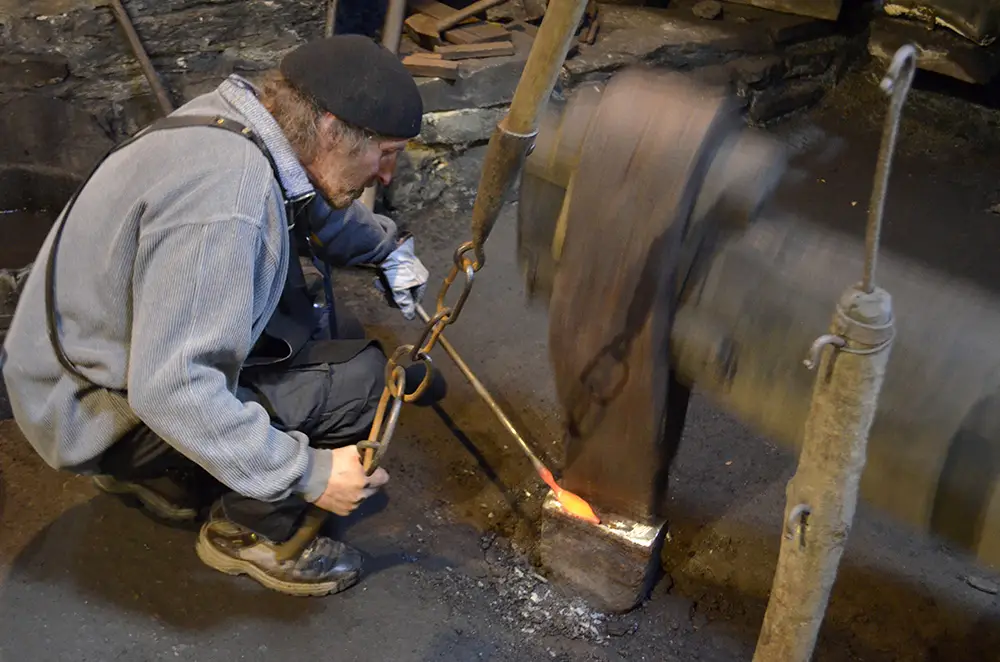
In 2006, after several years of plying his trade, Friedrich moved to Asturias, to Santa Eulalia de Oscos, where he took charge of the Mazonovo Iron Mill Ethnographic Complex – a well-preserved 18th-century hammering mill which, once refurbished, was opened to the public. Friedrich was responsible from the start for the mill’s maintenance and preservation, while training with some of the few hammering-mill blacksmiths still extant at the time.
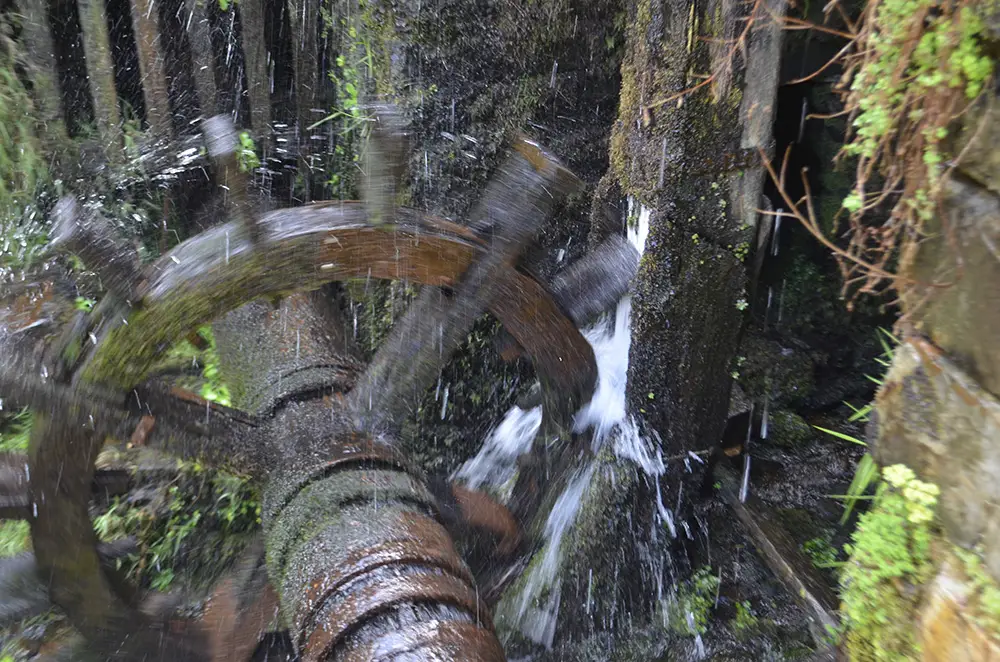
In the two decades for which Friedrich has been in charge of the mill, he has not only kept it working and given daily demonstrations to an increasingly large public but also turned it into a vital resource for the manufacture of wrought-iron artefacts. Thus Mazonovo has become the last water-powered hammering mill with an active forge in all of the Iberian Peninsula.
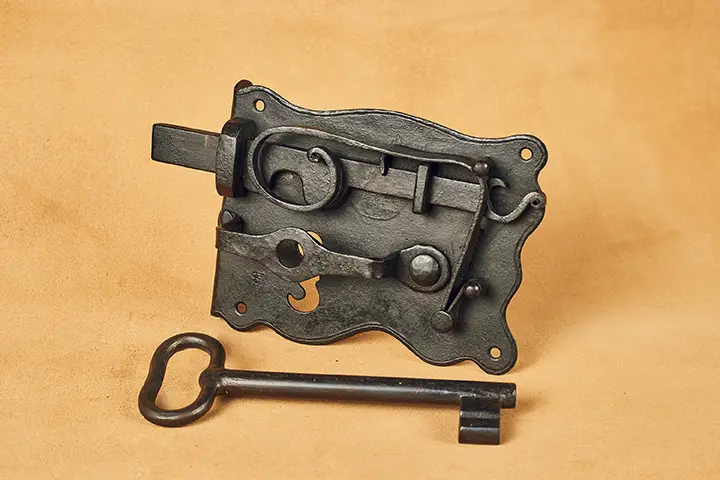
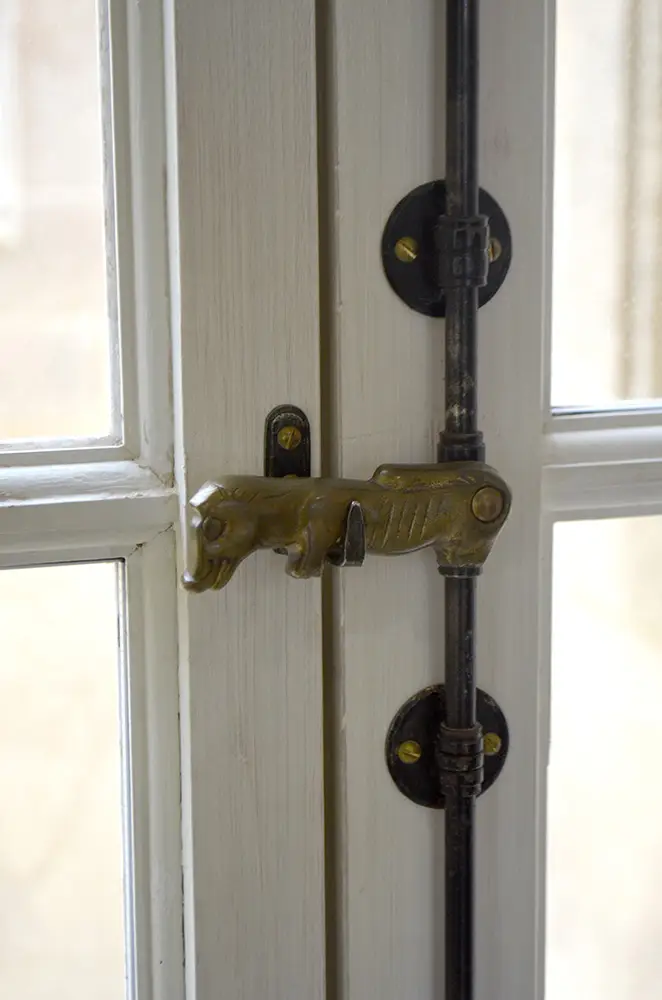
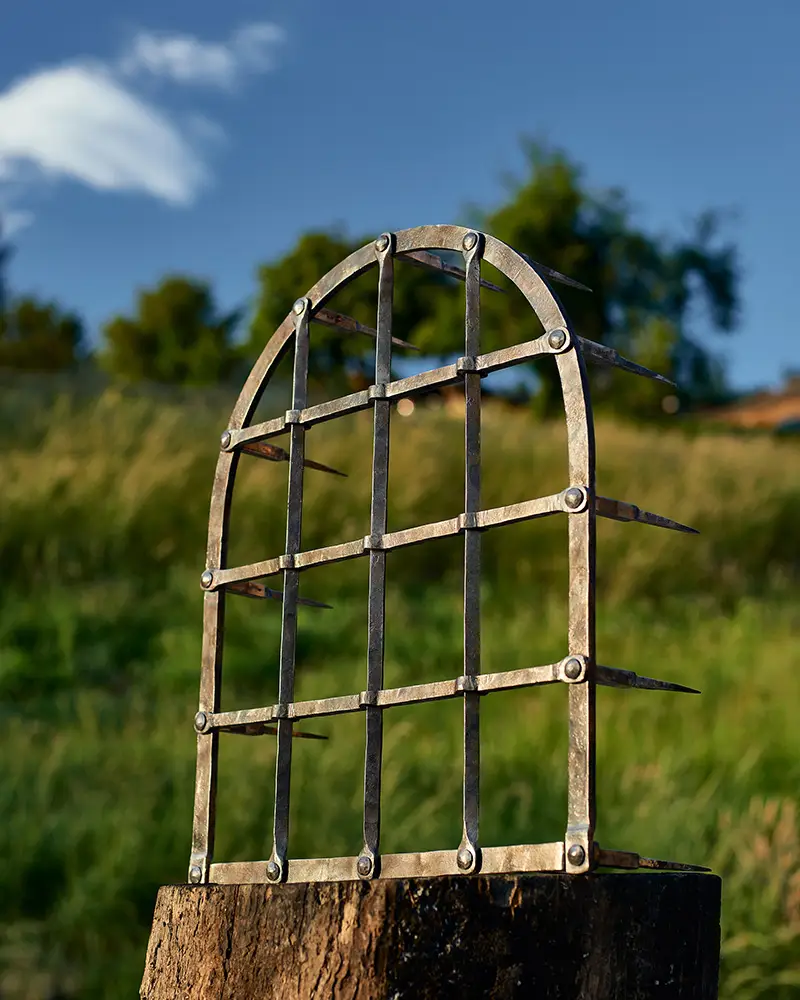
Since 2014, Friedrich and his team have produced a large volume of forged ironwork, both new work and pieces for restorations in notable heritage buildings. These include in particular the Palace of the Marquis of Santa Cruz in Castropol, the Palace of Trénor in Figueras and the Torres de Donlebún Palace in Barres. For each of these sites he has made a whole range of ironwork, including various fittings (hinges, espagnolettes, bolts, door handles and locks), a three-storey stair railing as well as other smaller ones, and a lot of grillwork. He has also designed and built several models of chair and lamp. In all this work he uses traditional blacksmithing techniques.






It was published in June 2024 on the occasion of the award ceremony held at the Museo de América in Madrid.
This booklet presents the results of the first phase of the 2024 Richard H. Driehaus Architecture Competition, the Building Arts Awards and the 2023-2024 Donald Gray Training Grants, organized by the Traditional Building Cultures Foundation, with the collaboration of INTBAU Spain, the Ministry of Culture and Sport of Spain and the High Council of Institutes of Architects of Spain.
The Building Arts Awards 2024 Ceremony was held on 14 June at the Museum of America in Madrid. The ceremony was presided over by Susana Alcalde, Deputy Director General of the Institute of Cultural Heritage of Spain. She was joined at the table by Leopoldo Gil Cornet, President of the Traditional Building Cultures Foundation; Daniel Monfort Vinuesa, Managing Director of the Spanish Council of Architects’ Associations; and Alejandro García Hermida, Executive Director of the Traditional Building Cultures Foundation. These awards are convened annually by the Traditional Building Cultures Foundation. The 2024 edition was organised in collaboration with INTBAU Spain, the Ministry of Culture and Sports, and the Spanish Council of Architects’ Associations.
