Jesús Adeva

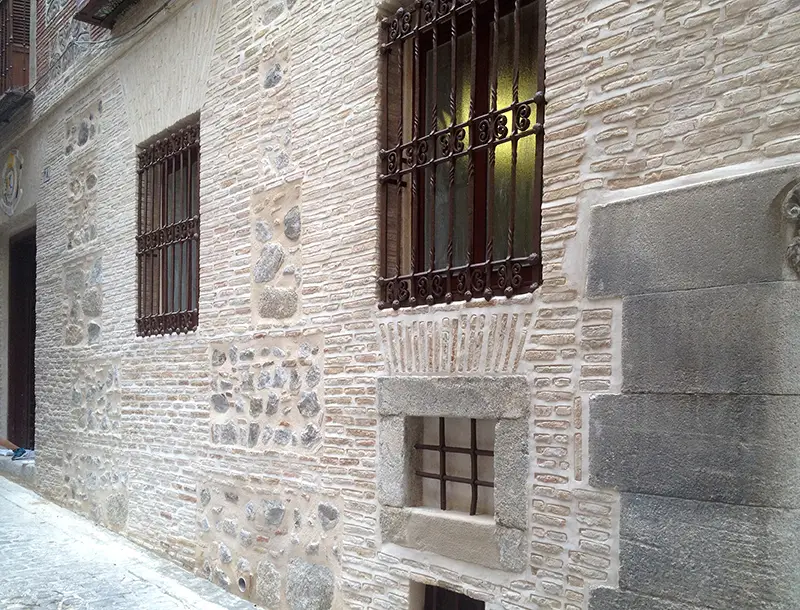
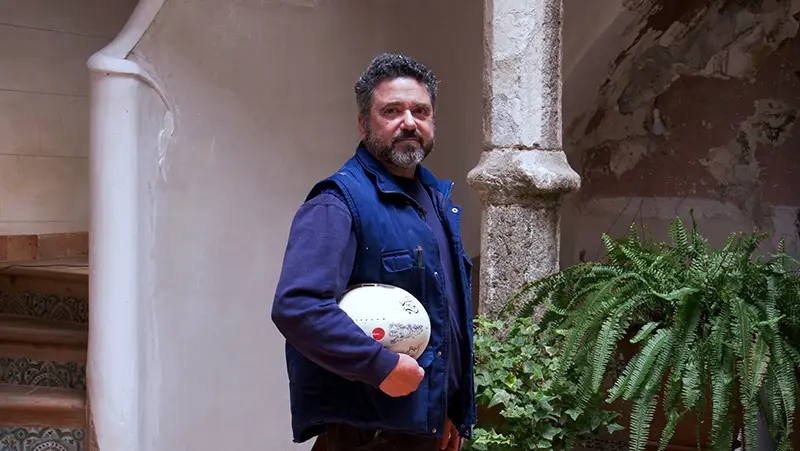
Jesús Adeva, along with his brother Javier, belongs to the third generation of a family of Toledan master builders. He started out in the trade with his father, from whom he learnt to work with rigour and respect for local tradition. Later he studied draughtsmanship and took an interest in books and treatises on masonry, with which he broadened his technical background. Over his career he has also participated in many courses and workshops on traditional building techniques, allowing him to steadily increase his knowledge of the trade and to come into contact with numerous masters of diverse building crafts.

Jesús works mostly in Toledo, where he was born. He runs Adeva Construcciones, a small family firm devoted chiefly to refurbishing historic buildings.

His is a vital role in building: that of worksite coordinator. This figure is increasingly uncommon and yet essential, as site coordinators’ overall knowledge of the various building crafts allows them to truly integrate the work of the different specialists involved in the worksite and to set up a constructive dialogue between them and the project management.

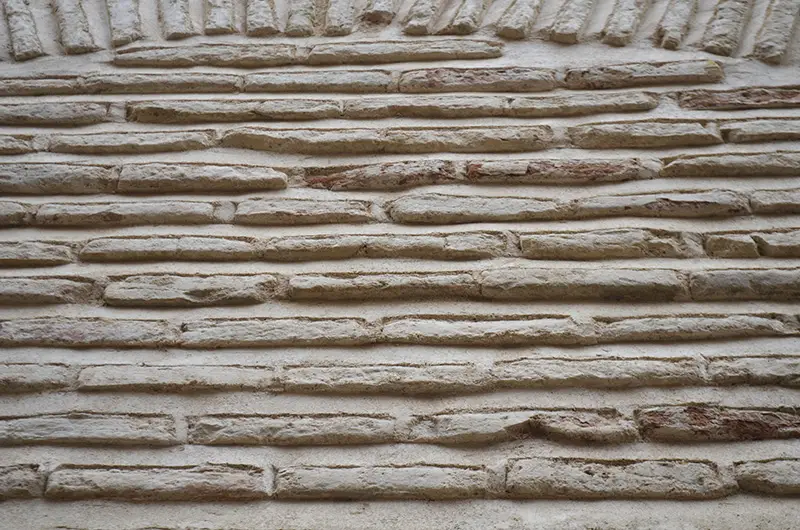
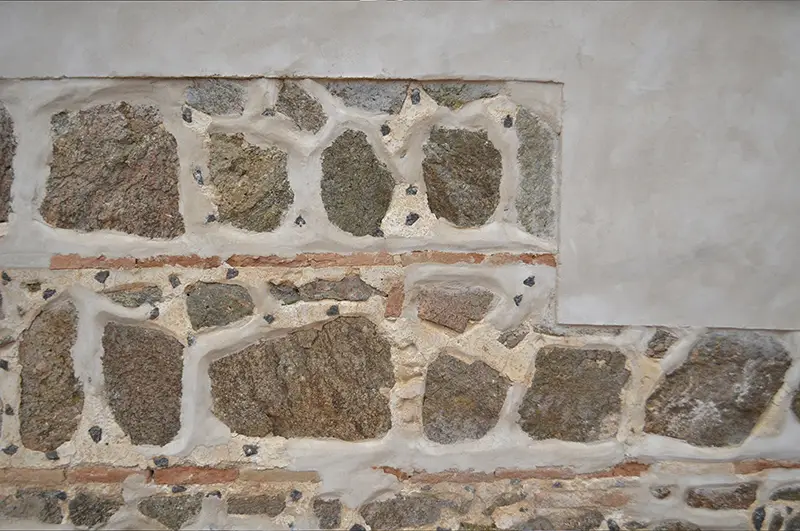
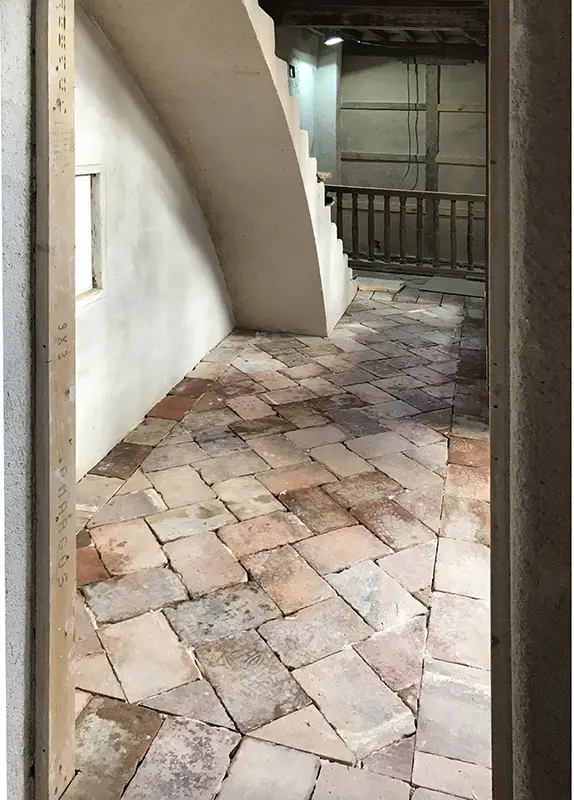
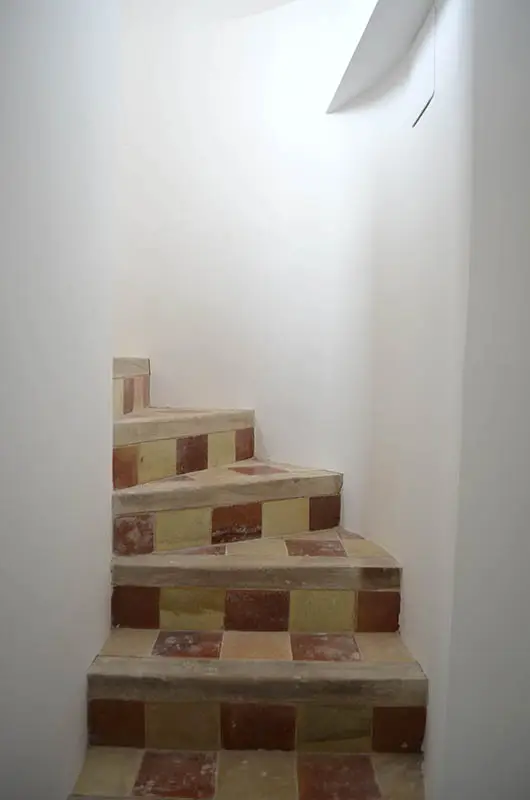
Working on the rich built environment of Toledo has for Jesús been an ongoing education in traditional building materials and techniques: roof structures, wooden panelled ceilings and timber roof frames; all sorts of renders, stuccos and plasters, with finishes such as burnishing, scarifying, sgraffiti or faux effects; rammed-earth, adobe, brick and stone walls; traditional roofing with arched tiles and mud; stone pavings, Mudéjar ceramic flooring and cement or ceramic floor tiling; cisterns, brick arches, square pillars with chamfered edges, timbrel or groined vaults – and many other building techniques that he continues to discover, study and experiment with, whether ancient, medieval, modern or contemporary.

Jesús gives particular attention to maintaining the structural logic of each building and each of its constituent parts, and so he strives always to approach and restore buildings using the same materials and techniques with which they were originally made. This endeavour involves the need to circumvent multiple obstacles in the form of reductive regulations, perverse procurement systems, widespread shortcomings in training and obsolete notions of restoration. Beyond his passion for his trade, he seeks thereby to avoid incompatibilities and inconsistencies liable to impair a building or make it less durable, and also to escape the ongoing standardisation and impoverishment of our building culture, with a loss of tangible and intangible heritage which is especially saddening when it occurs in a historic ensemble of such value as that of Toledo.

Ricardo Cambas y Agustín Castellanos

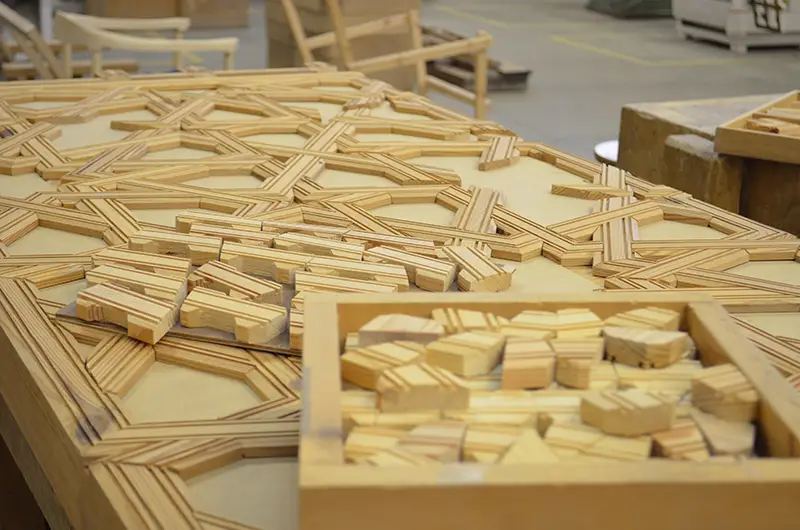
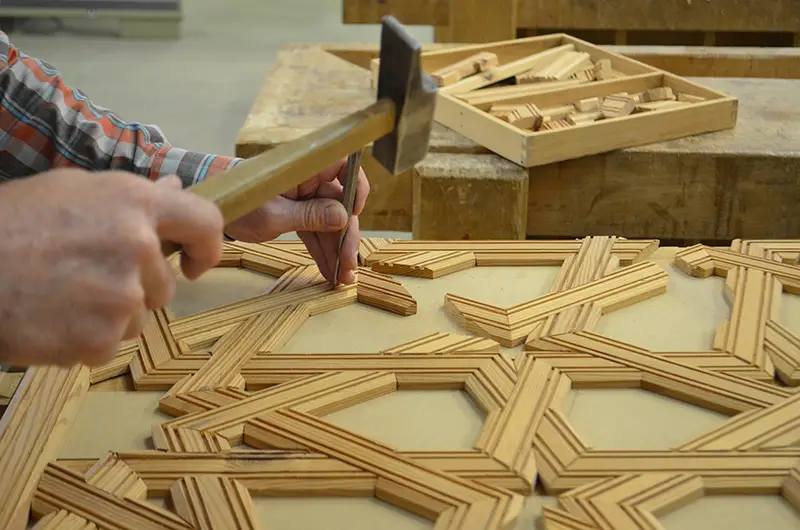
Agustín Castellanos and Ricardo Cambas are master carpenters specialised in Mudéjar structural and strapwork carpentry. Since the late eighties they have trained countless pupils in the crafts of carpentry and joinery as instructors at the León Trades Centre and in many other institutions across the country. They have taught several generations of carpenters and kept alive the knowledge of a craft vital to the continuation of our building culture.

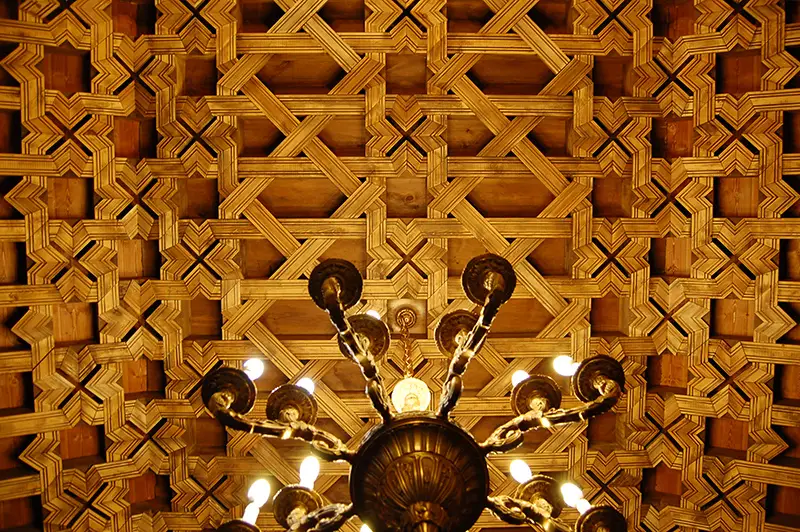
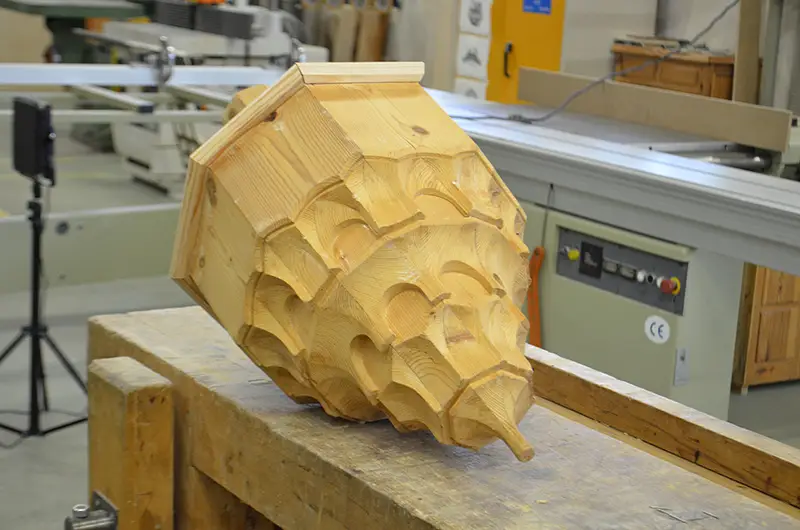
Over more than thirty years in the profession they have built up considerable knowledge of the roof and ceiling structures characteristic of Mudéjar architecture, from simple rafter or collar-beam roof frames to complex octagonal frameworks adorned with muqarnas bosses or wooden ceilings decorated with coffers, or even segments of a dome made with ten-point starburst laths – one of the most complex designs in Mudéjar strapwork carpentry.

The various practical exercises they have set in their courses over the years have allowed them to build spectacular frameworks as part of their pedagogical work. Some of these have been installed in new buildings and others have involved the recovery of damaged or decaying heritage buildings such as the Palace of Canedo, the Church and Chapel of San Bernardino in Robledo de Losada, the Chapel of Villaverde de Arriba or the Church of Valcabado del Páramo. These projects, normally involving their pupils and the collaboration of local bodies and residents in the towns and villages where they take place, have helped enhance interest in and appreciation of our carpentry tradition.

The structural carpentry courses they give have become a national benchmark. Without neglecting theory, their approach is eminently practical. Their pupils engage with life-size structures and have direct contact with the materials and tools of the trade. This format allows them to learn traditional carpentry techniques at first hand while discovering all the secrets of this age-old craft.

Agustín and Ricardo combine this teaching work with ongoing investigation and dissemination of the trade’s cultural heritage through many research projects, publications and meetings.

Fernando Malo

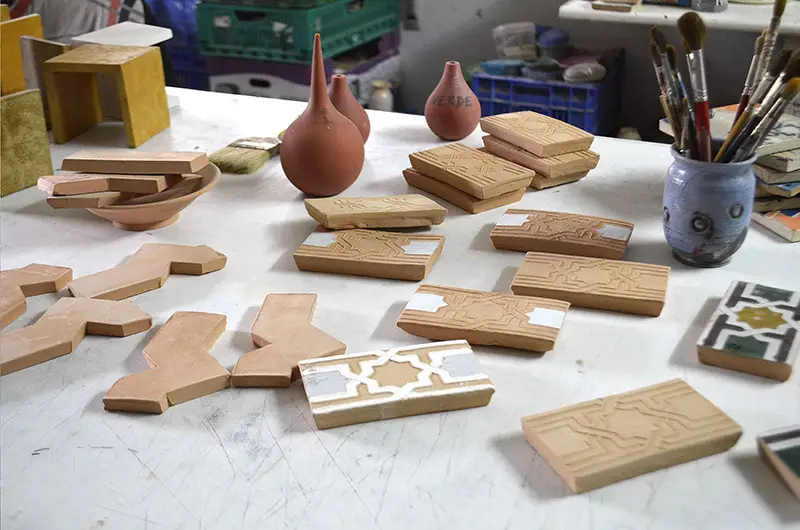
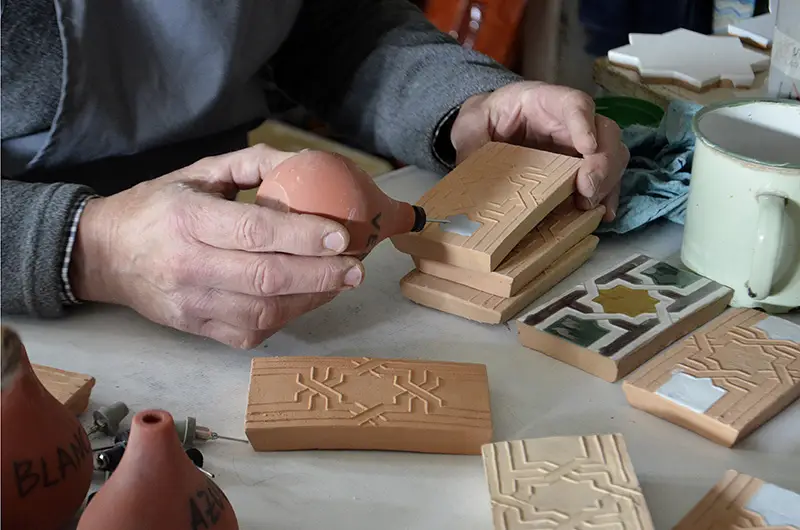
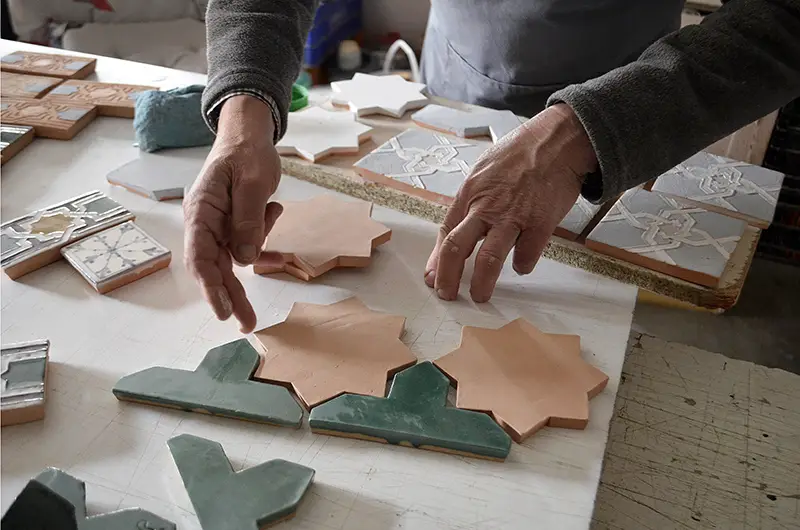
Fernando Malo has been plying the trade of master ceramicist for over forty years. He acquired his passion for ceramics at the Massana School in Barcelona, where he was trained alongside other notable ceramicists such as Maria Bofill or Elisenda Sala. On returning to his home province of Zaragoza he set up his first workshop.

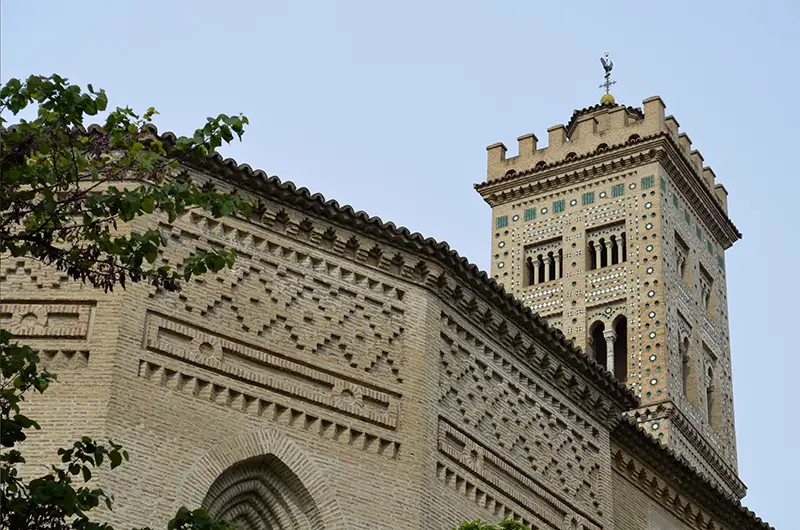
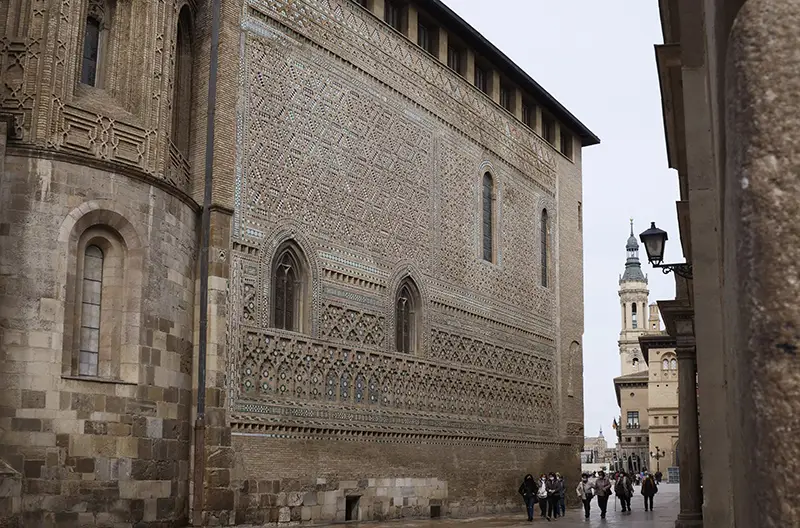
Over his long career he has contributed to the restoration and recovery of ceramic features in some of Aragón’s outstanding heritage buildings, such as the Parroquieta Chapel at the Cathedral of the Saviour in Zaragoza, the Aljafería Palace, the Tower of Utebo or the Cathedrals of Tarazona and Huesca, as well as in other major historic ensembles such as the Alhambra in Granada.

For over two decades he has had his workshop in San Mateo de Gállego, a village near Zaragoza. Here he not only designs and produces ceramic objects but also has a small shop and an exhibition area where he shows examples of the ceramic heritage that he has restored over his career. In his workshop Fernando also teaches many pupils and disseminates his craft, continually receiving groups of students from all over Spain.

While Fernando has been able to learn from a good number of master artisans, each of his heritage restoration projects has enabled him to continue researching and learning from the Mudéjar legacy left by the master ceramicists of old. These projects have led him to study the way each item was produced and to elucidate the various processes involved, from kiln-firing to glazing or enamelling.

Materials such as plastic or aluminium have replaced ceramics in the manufacture of many building elements and everyday objects, but Fernando perceives a resurgence of his trade as a result of the interest of new generations in the use of natural materials and traditional processes and techniques.

Ramón Recuero

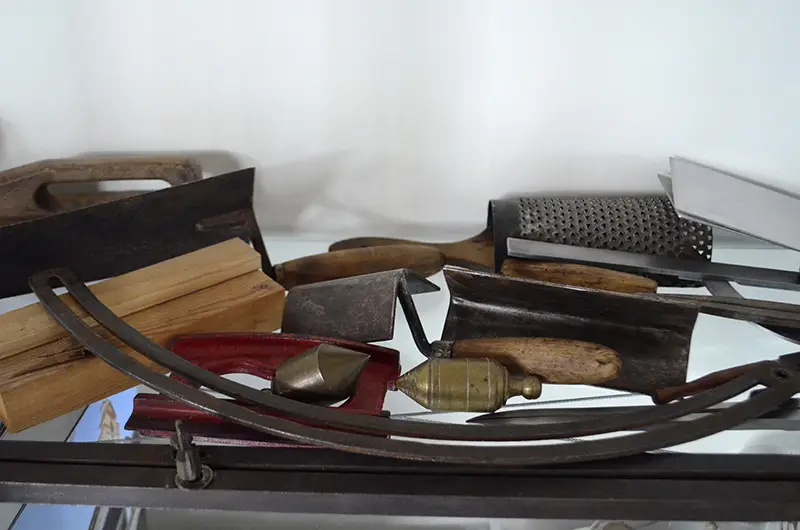
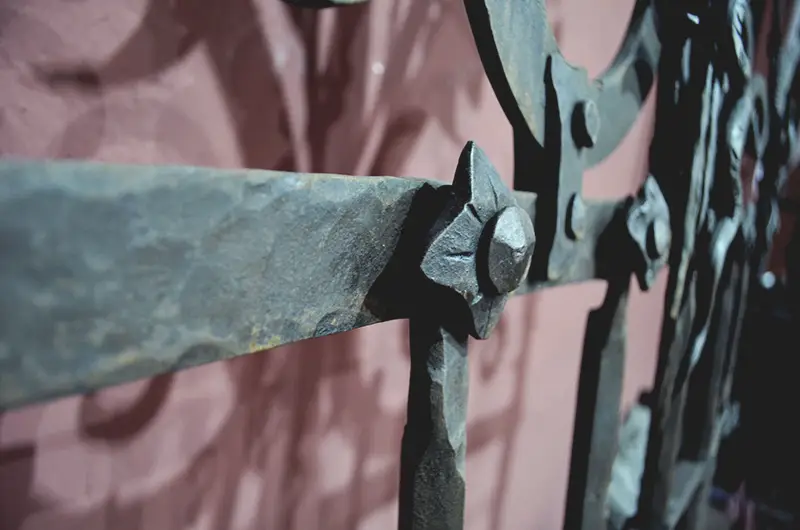
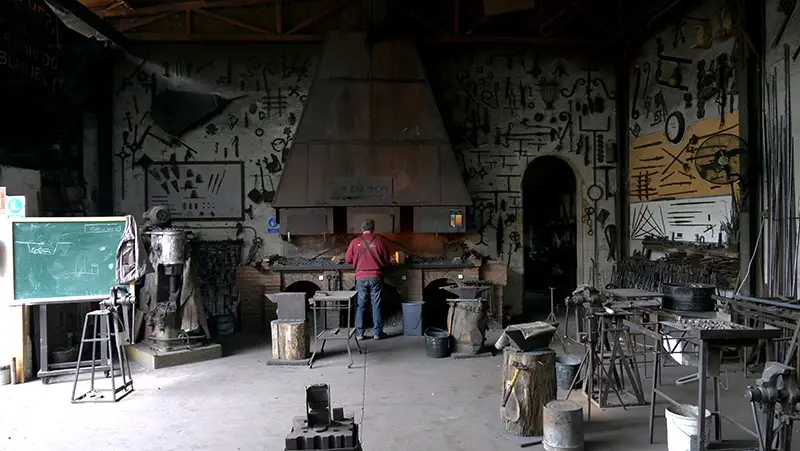
Ramón Recuero is a master blacksmith who has done much to disseminate and promote his trade. His interest in the art of forging arose when at the age of 13 he would in his free time drop in on the master blacksmith Efraín Redondo, who gave blacksmithing classes at the Art School of Ciudad Real, and would teach him traditional techniques which at that time had fallen into disuse. Ramón saw at once that if these techniques had been employed for centuries, it was because they must be useful and valuable. On this principle he continued his metalwork training at the Art School of Toledo while working in his spare time in the forges of various master blacksmiths, who taught him the secrets of the craft.

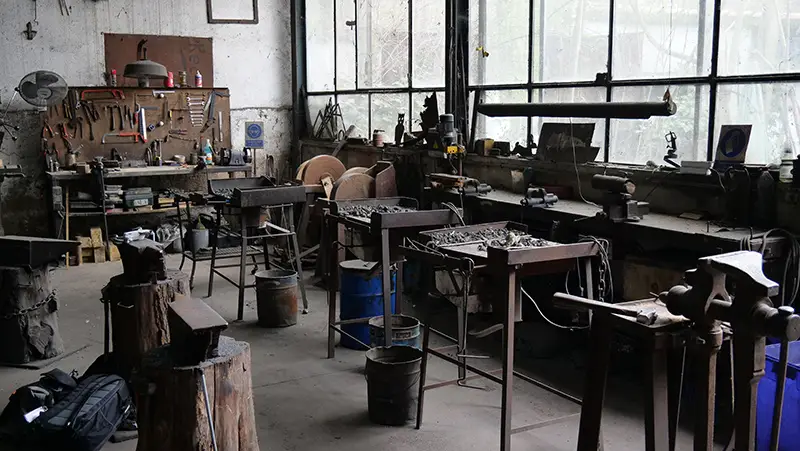
Determined to recover some of the smithing techniques that industrial machinery and production systems had left almost in oblivion, he accumulated a large collection of books, manuals and historical treatises on forge work, art history and design. As he was researching and recovering this knowledge he settled in Las Vegas de San Antonio, a tiny village in Toledo province where he set up his own workshop.

Although from the outset he worked on many private commissions, with time Ramón began to seek other ways of ensuring that his effort to recover traditional techniques would not also fall into oblivion. Thus, with a video camera, and without imagining the impact that this step would end up having, he began to record and post videos in which he presented and discussed particular aspects of the trade. These tutorials began to be viewed on the internet around the world and there were soon applicants to learn with him in person what he was demonstrating on screen.

He then decided to set up a blacksmiths’ school, at which each year a large number of pupils study with him in Las Vegas de San Antonio. Currently this pedagogical venture and the videos that he still uploads regularly to his popular YouTube channel take up all of his time. Other instructors at the school are some of Spain’s most prestigious blacksmiths, such as Thomas Mink, a specialist in iron reduction, or Víctor Acosta, a specialist in heat treatment of steel.

Along with his blacksmiths’ school, Ramón has recently started a second training project: a mentored workshop in which he supervises and accompanies young blacksmiths who wish to ply the trade but as yet lack the resources to set up their own forge.

Publication

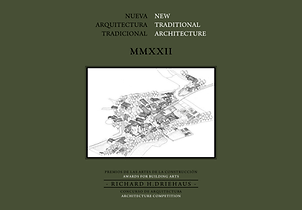
It was published in 2022 on the occasion of the Richard H. Driehaus Building Arts and Architecture Ceremony Architectural Competition.

Both initiatives are organized by INTBAU (International Network for Traditional Building, Architecture and Urbanism) with the collaboration of the Ministry of Transports, Mobility and Urban Agenda, the Ministry of Culture and Sports, the Rafael Manzano Prize of New Traditional Architecture and the Council of Architecture Institutes of Spain.

Awards Ceremony

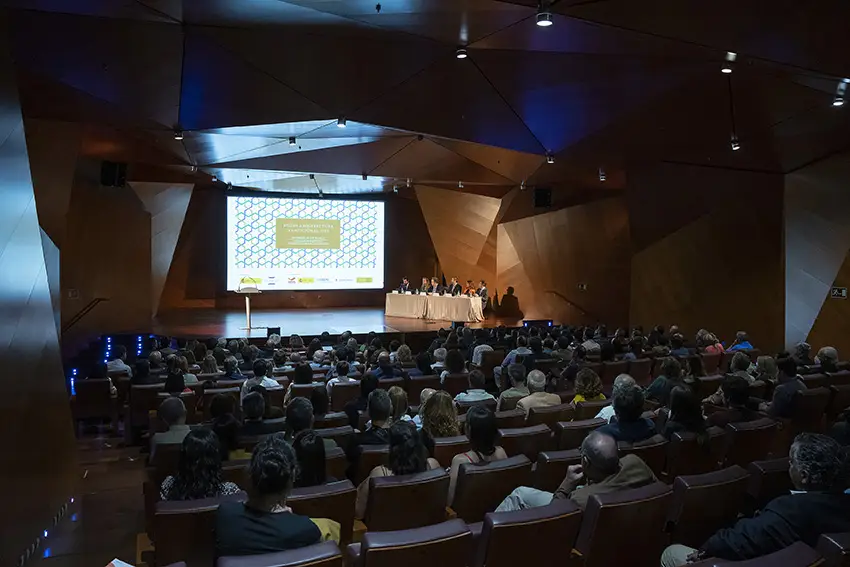
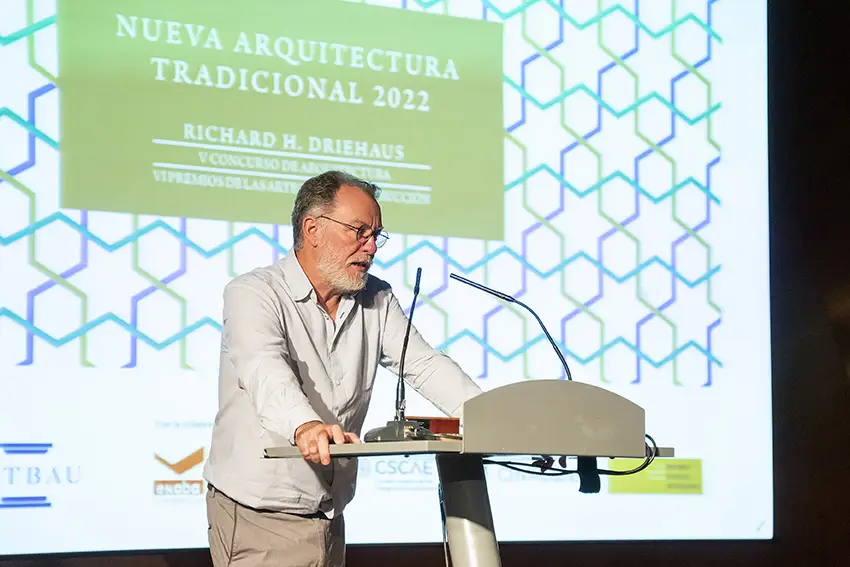
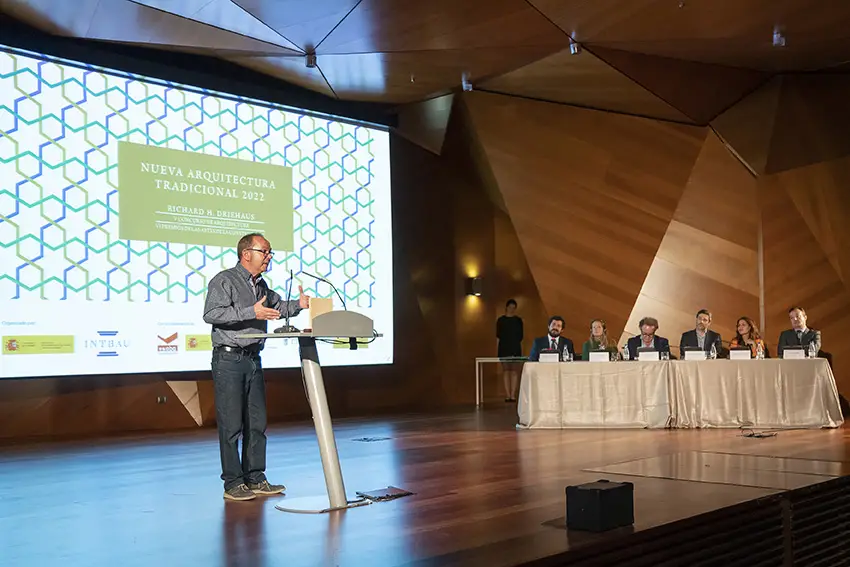
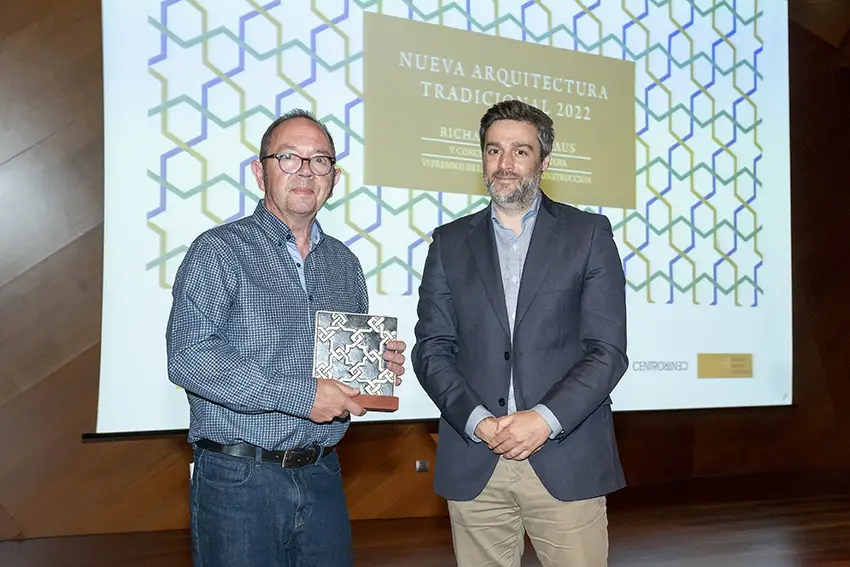
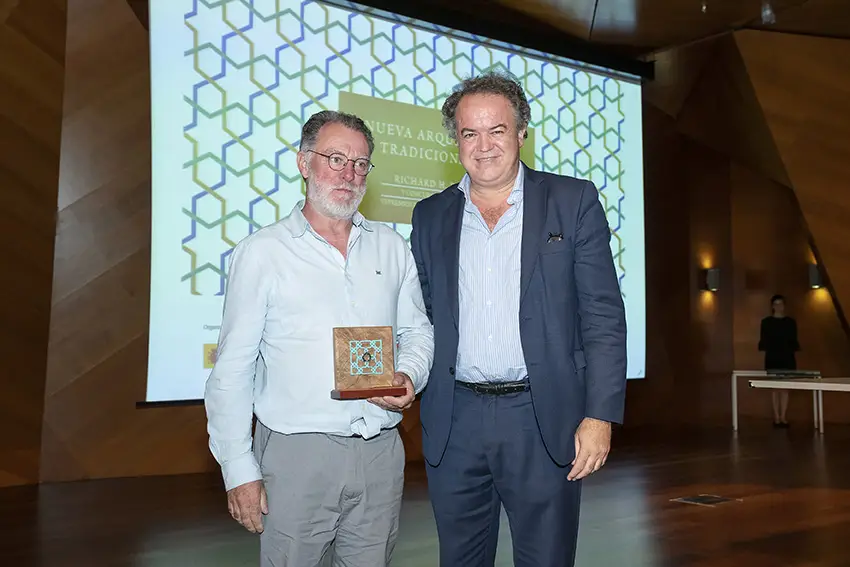
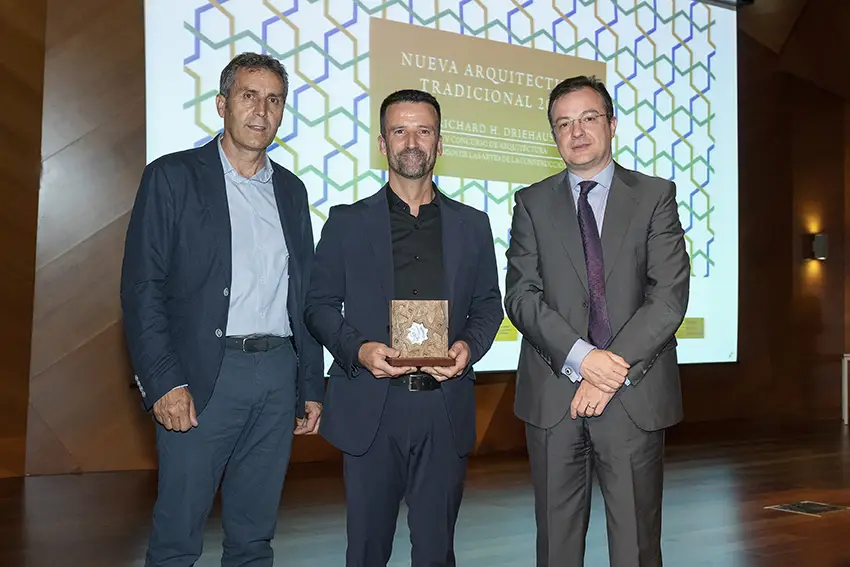
The Building Arts Awards Ceremony 2022 was held on June 9th, 2022 in the auditorium of the CentroCentro building in Madrid, which houses the City Council of the capital.

The event was chaired by Luis Lafuente Batanero, Director General for Cultural Heritage of the Madrid Town Hall, María Ángeles Fernández, Vice Deputy Director for Architecture and Building of the Ministry of Transport, Mobility and Urban Agenda, Isaac Sastre de Diego Director General for Cultural Heritage and Fine Arts of the Ministry of Culture and Sports, Laureano Matas, Secretary General of the Higher Council of Architecture Institutes of Spain, Harriet Wennberg, Executive Director of INTBAU, International Network for Traditional Building, Architecture & Urbanism and Alejandro García Hermida, Executive Director of the Richard H. Driehaus initiatives in Spain and Portugal.

Exhibition Timeless Architecture 2022

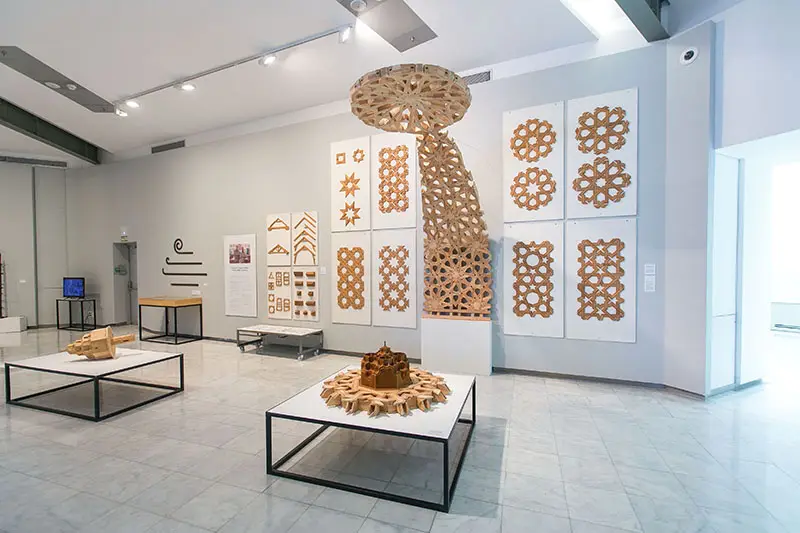
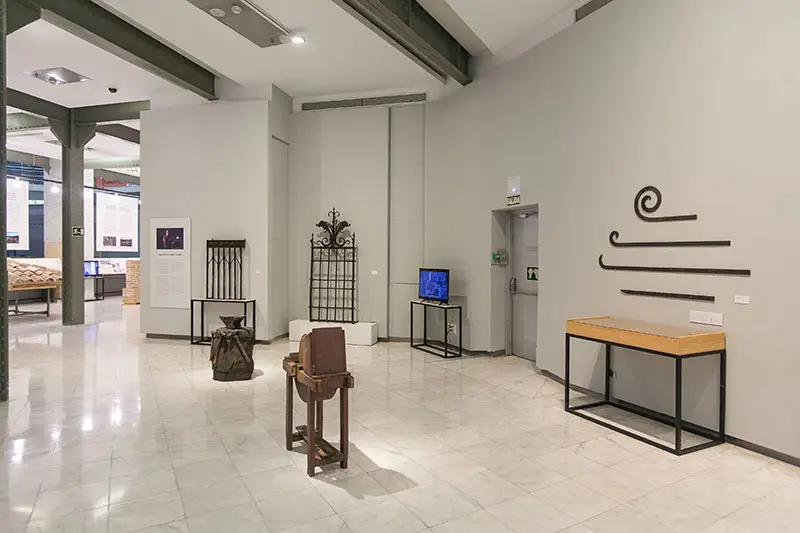
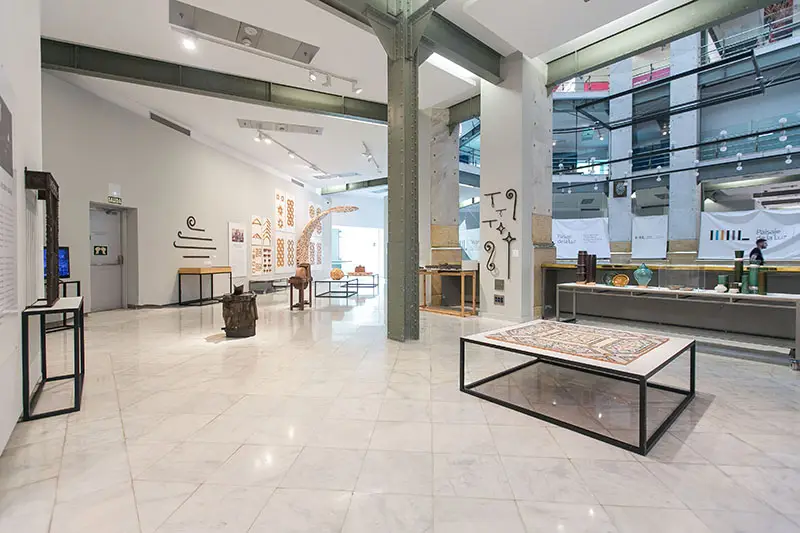
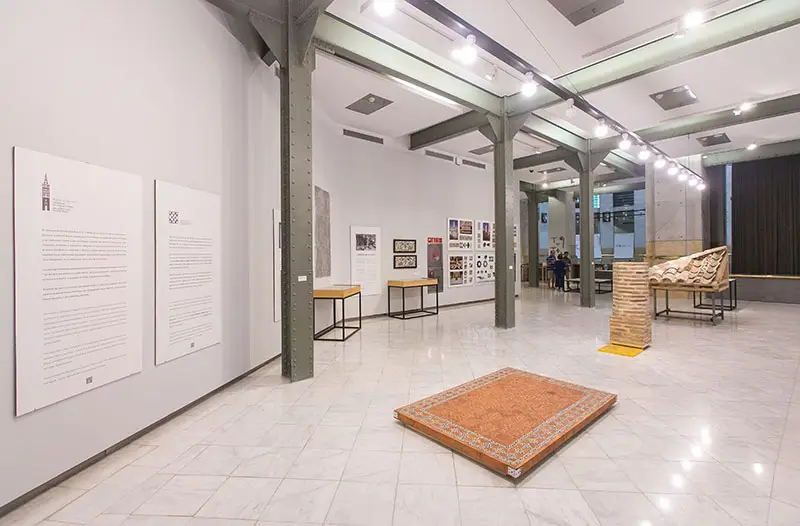
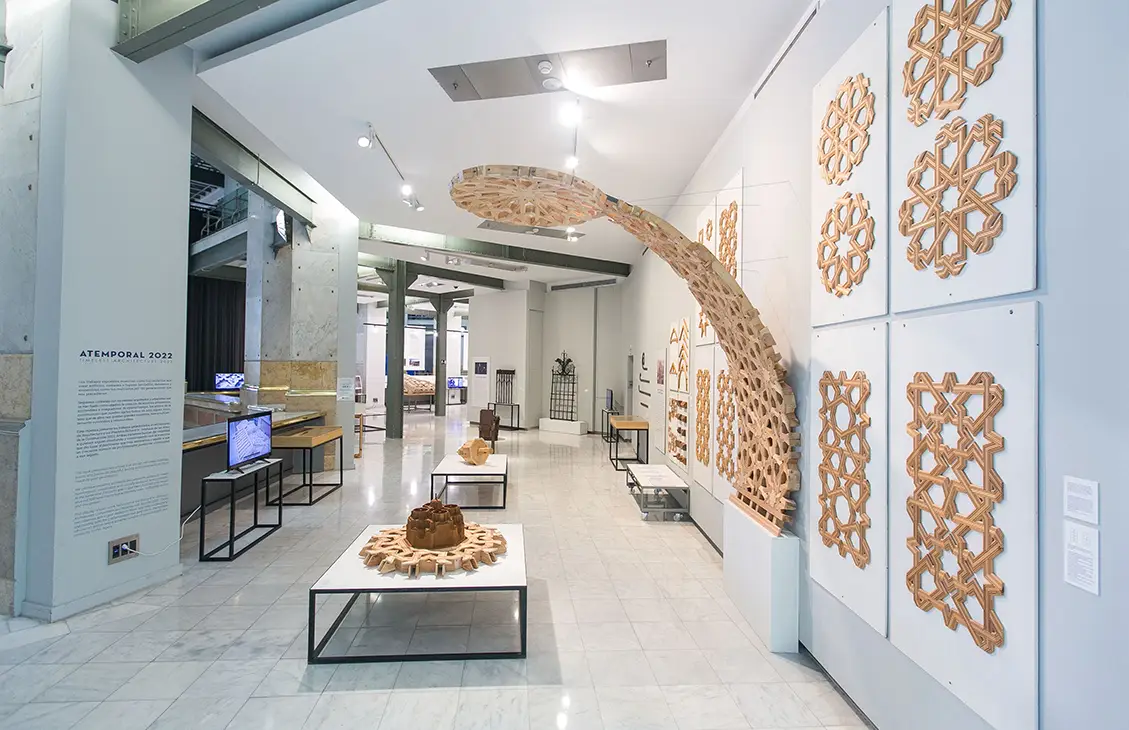
On 9 June 2022, the exhibition Timeless Architecture 2022 was inaugurated at CentroCentro, at Madrid City Hall. The exhibition presents the works awarded in the Architecture Competition and the Richard H. Driehaus Arts of Construction Awards 2022. Both initiatives seek to give visibility to those who continue to design and build with the mastery that gave rise to the heritage we most admire, and to help ensure that a growing number of professionals can carry this legacy forward into the future.
The work shown was an example of how we can still create buildings, towns and other places as beautiful, lasting and sustainable as those made by former generations.

Secret Link