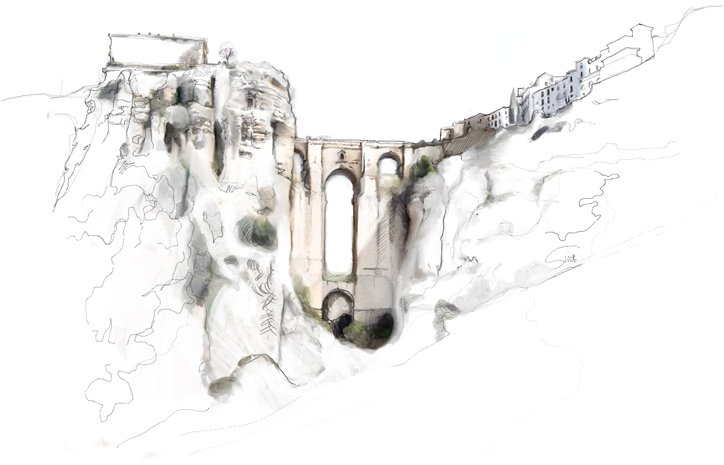
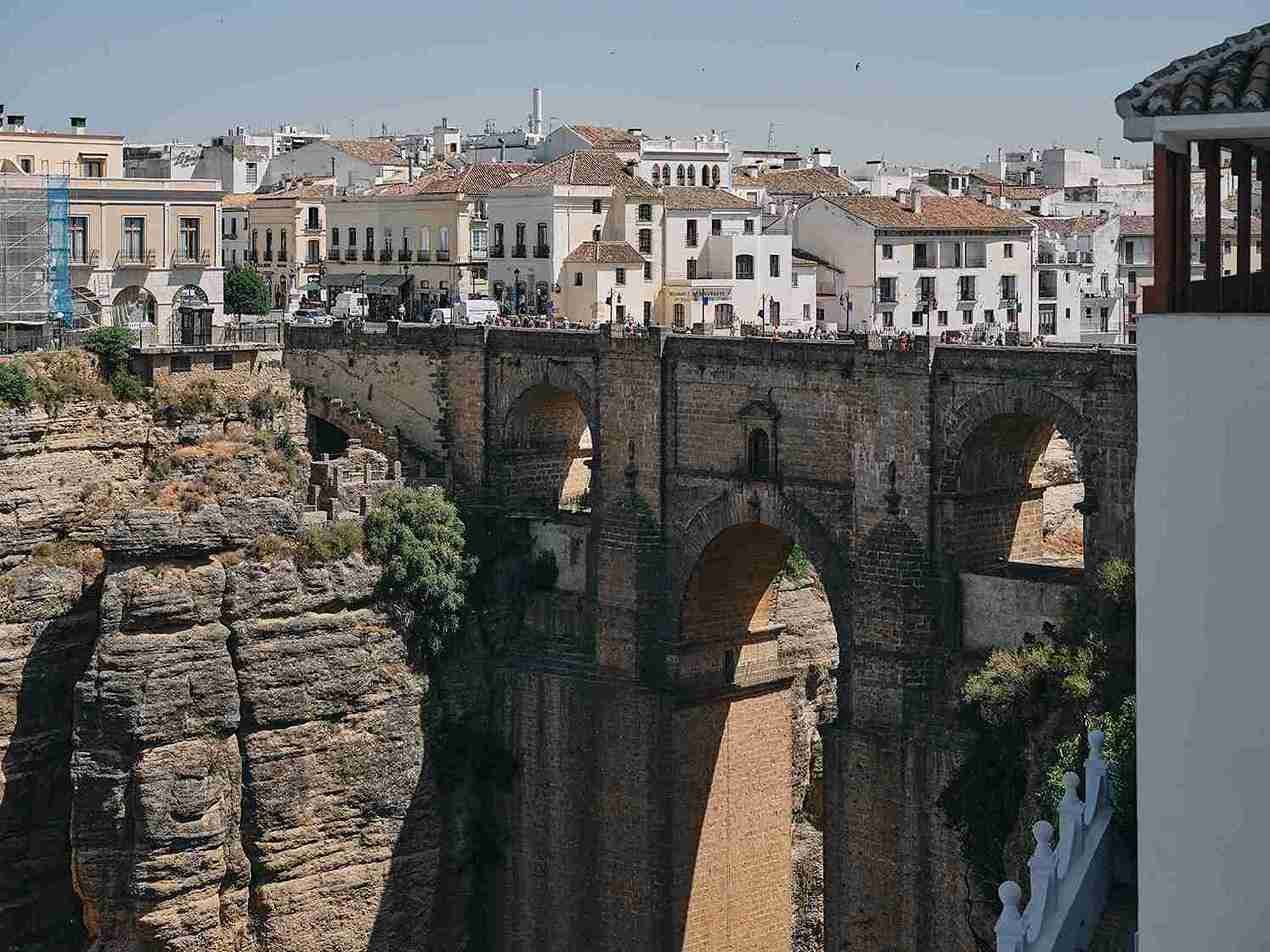
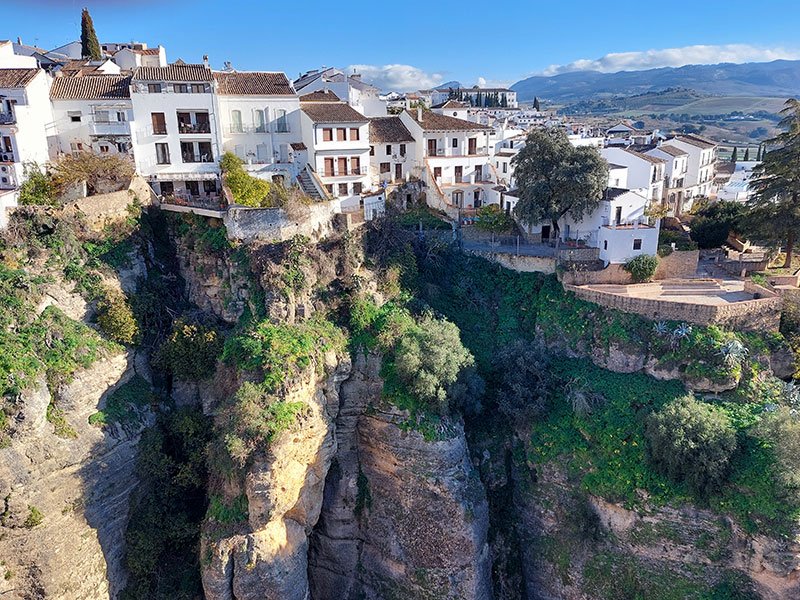
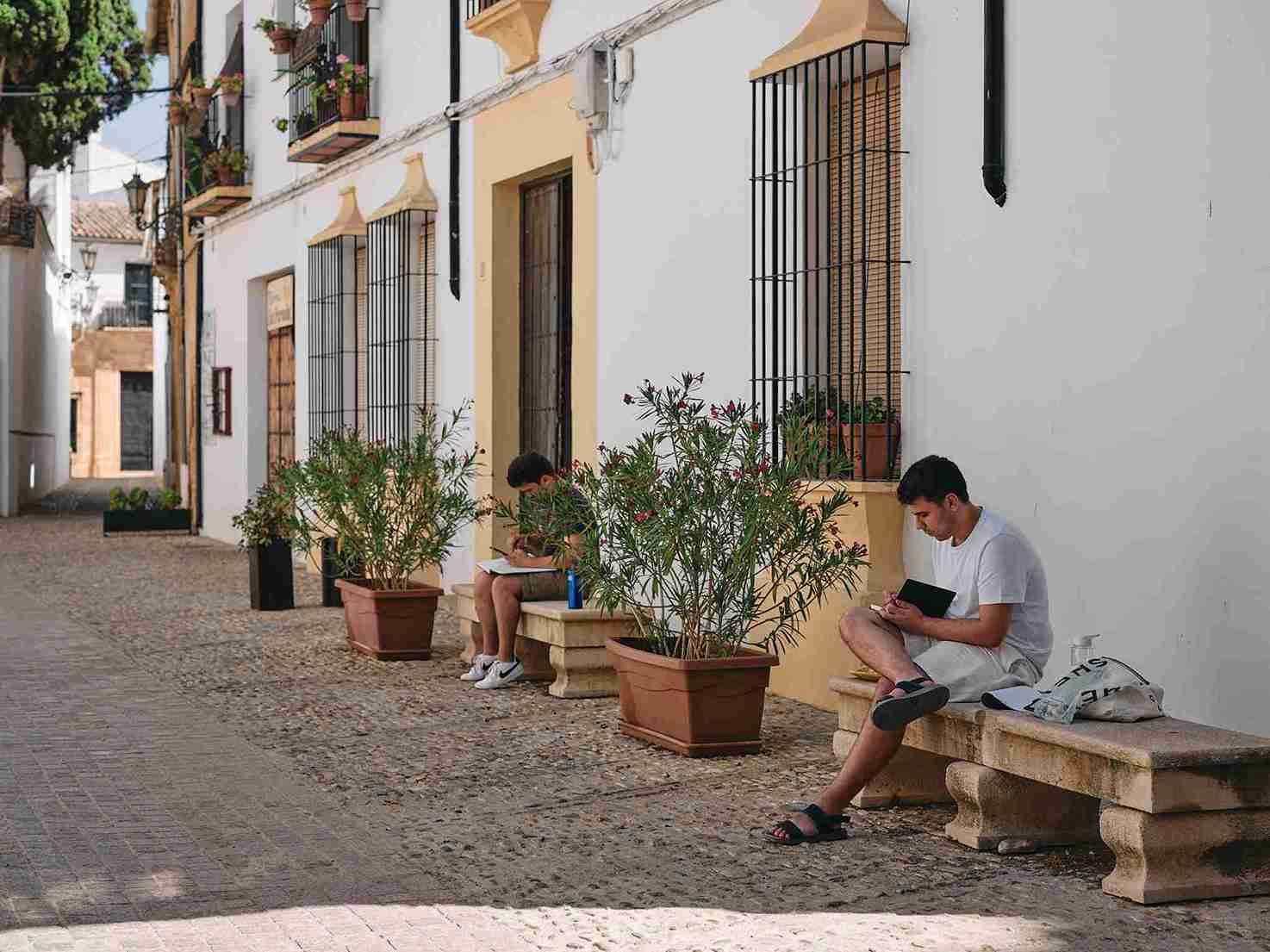
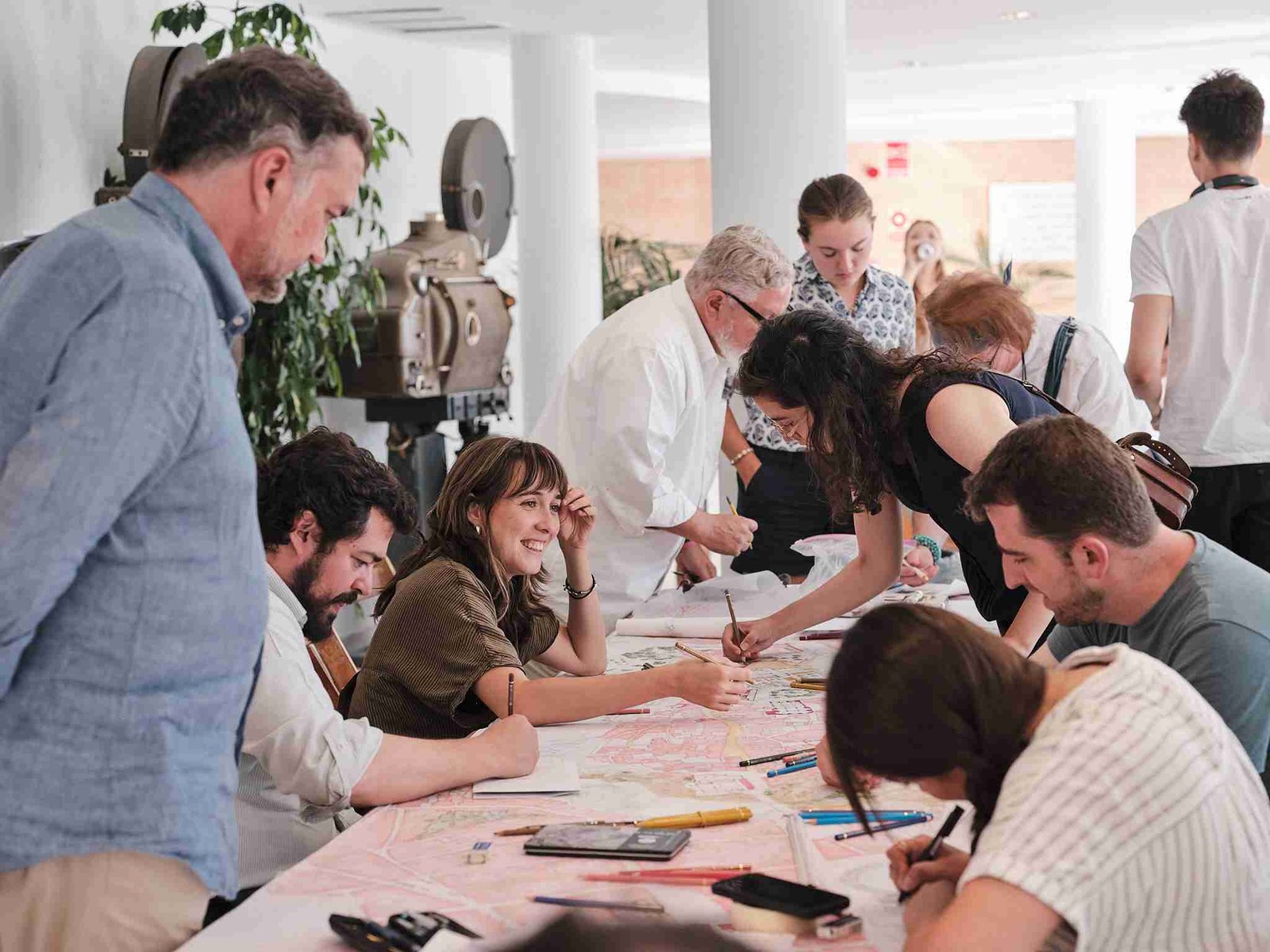
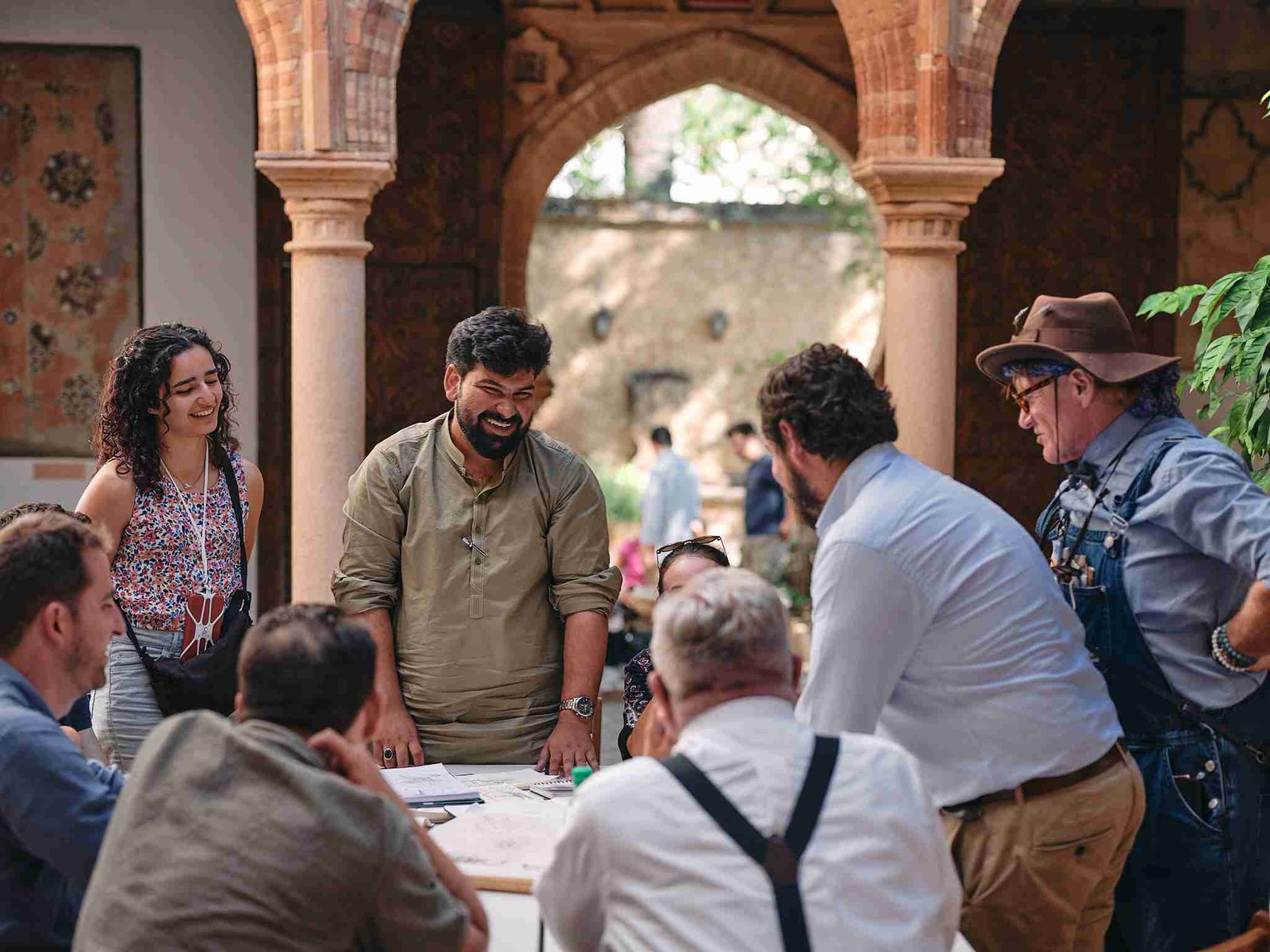
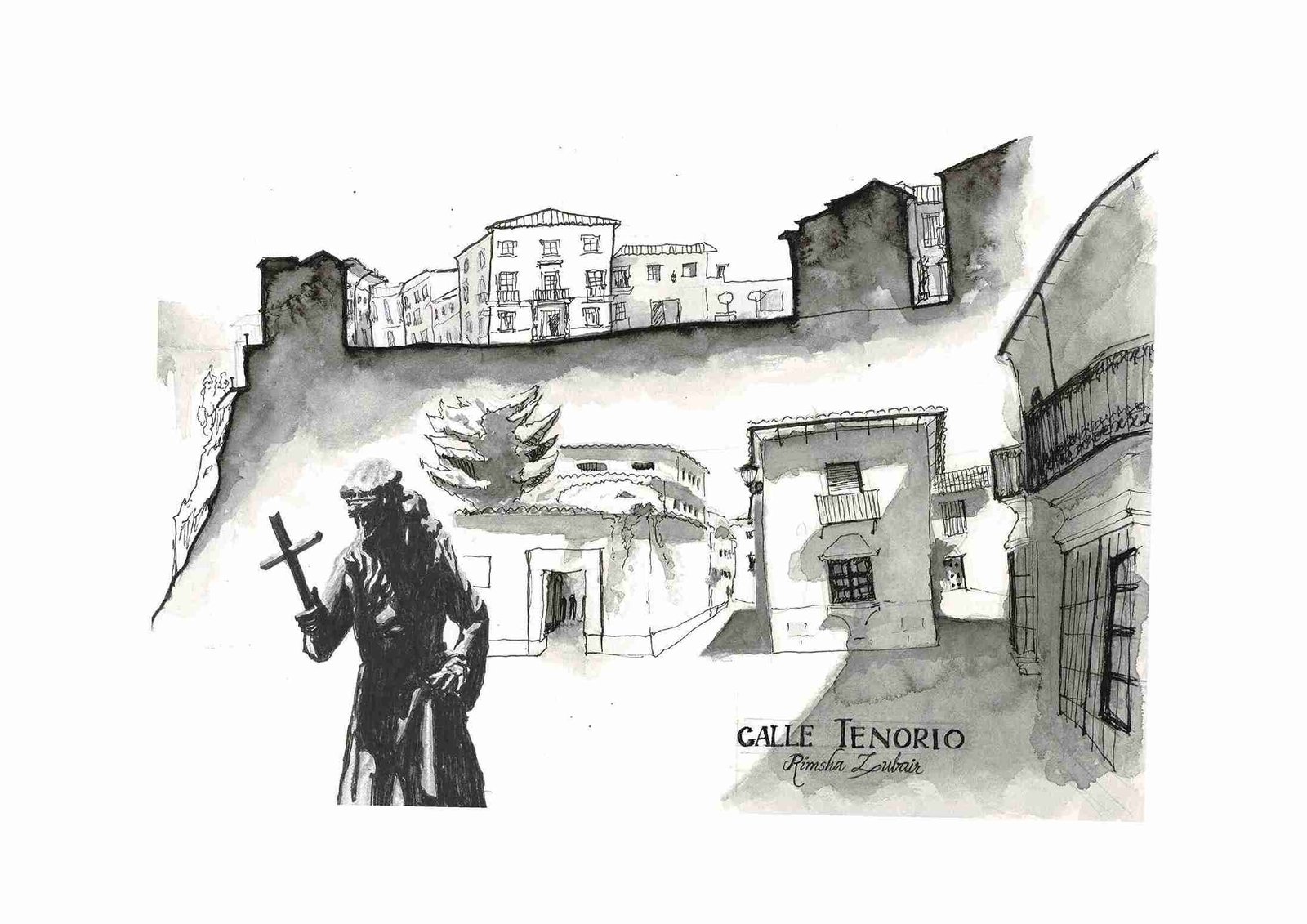
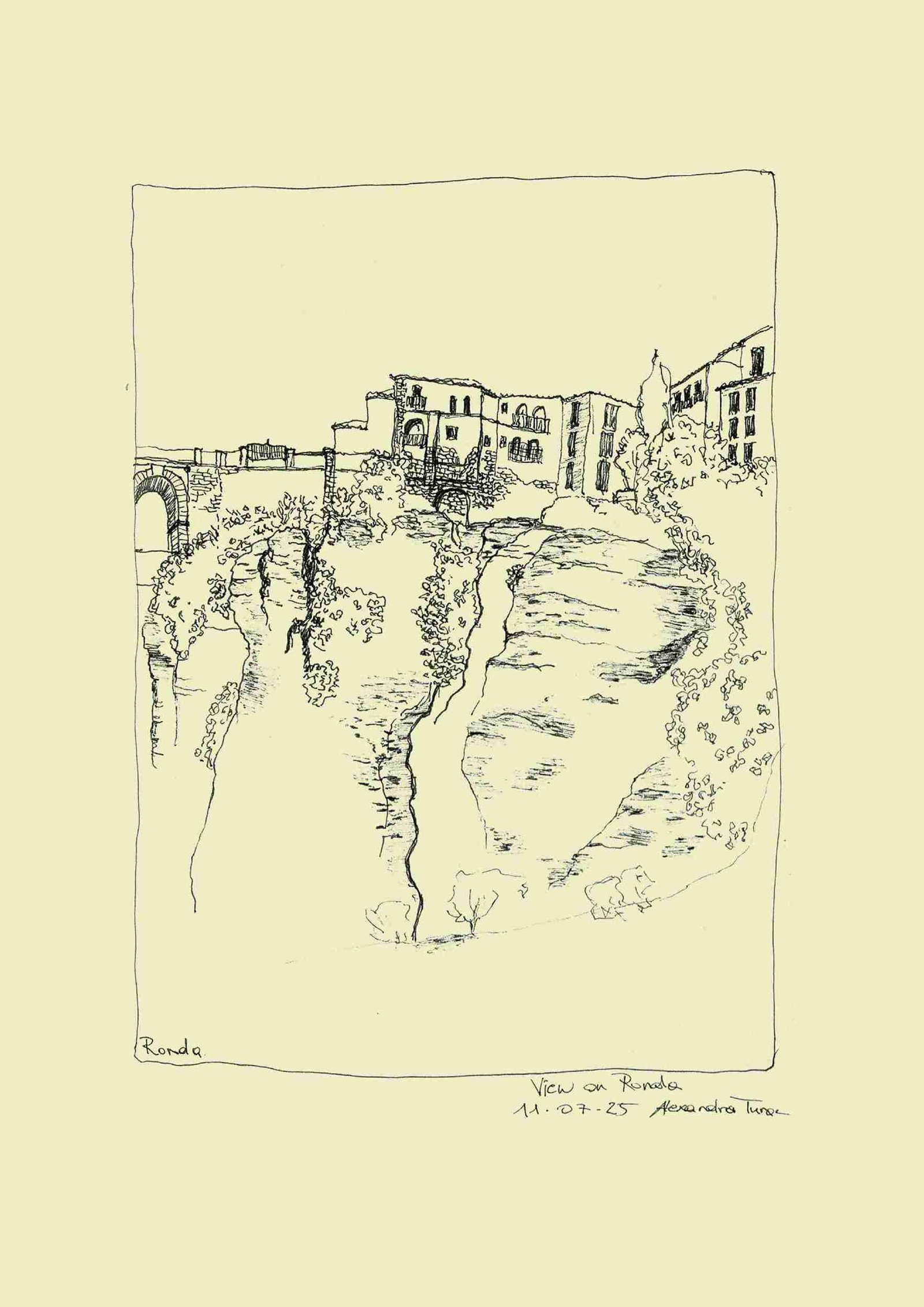
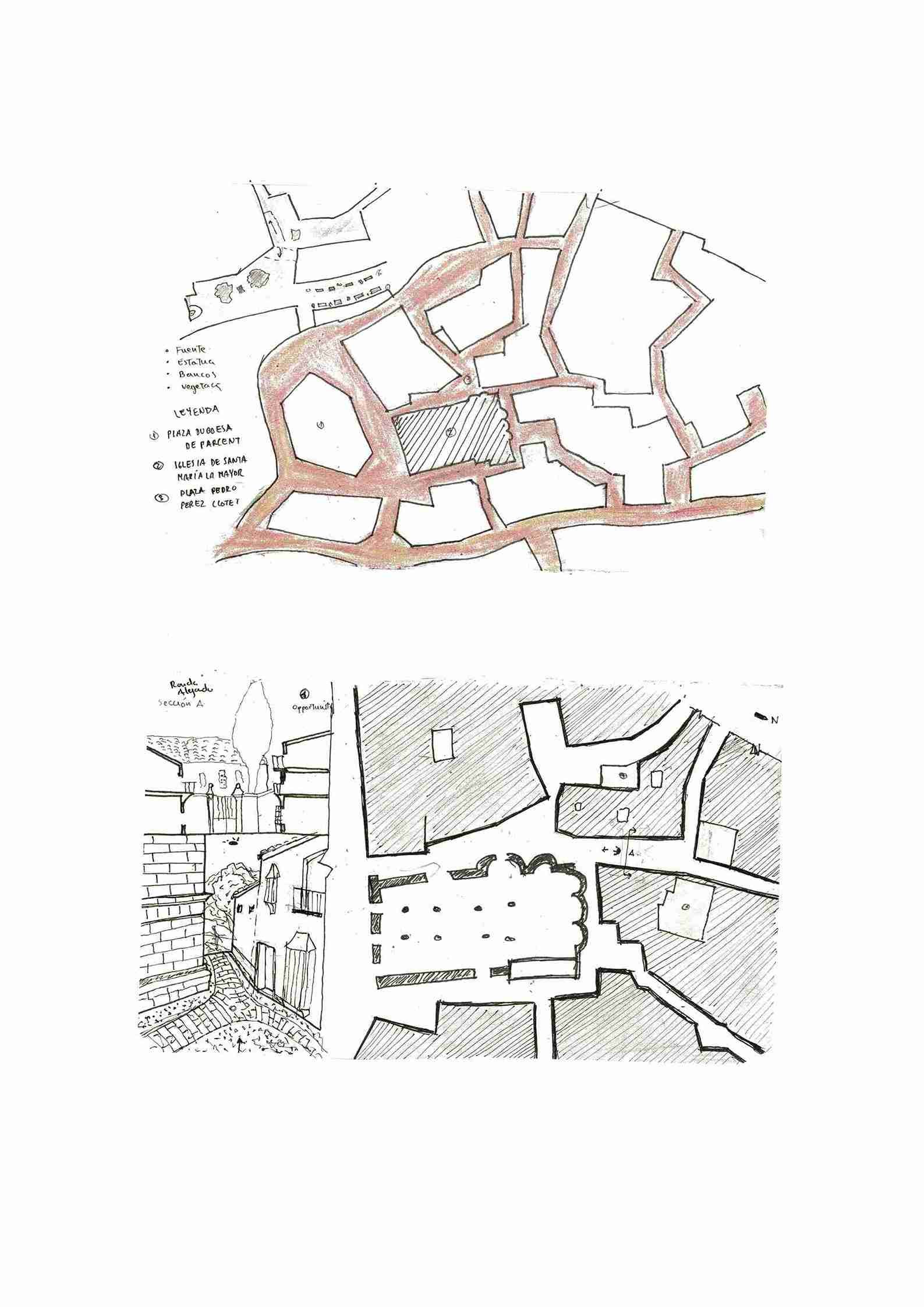
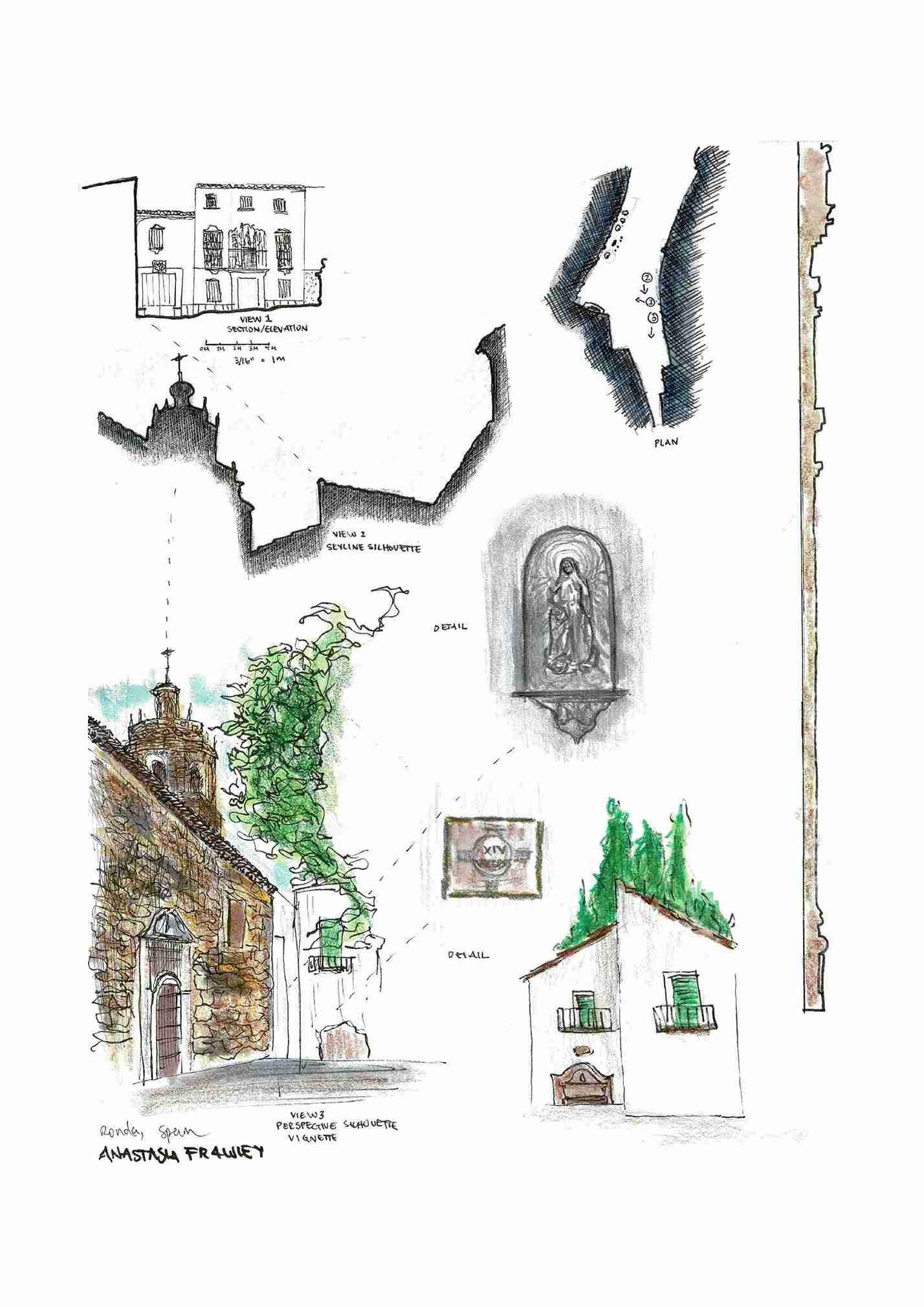
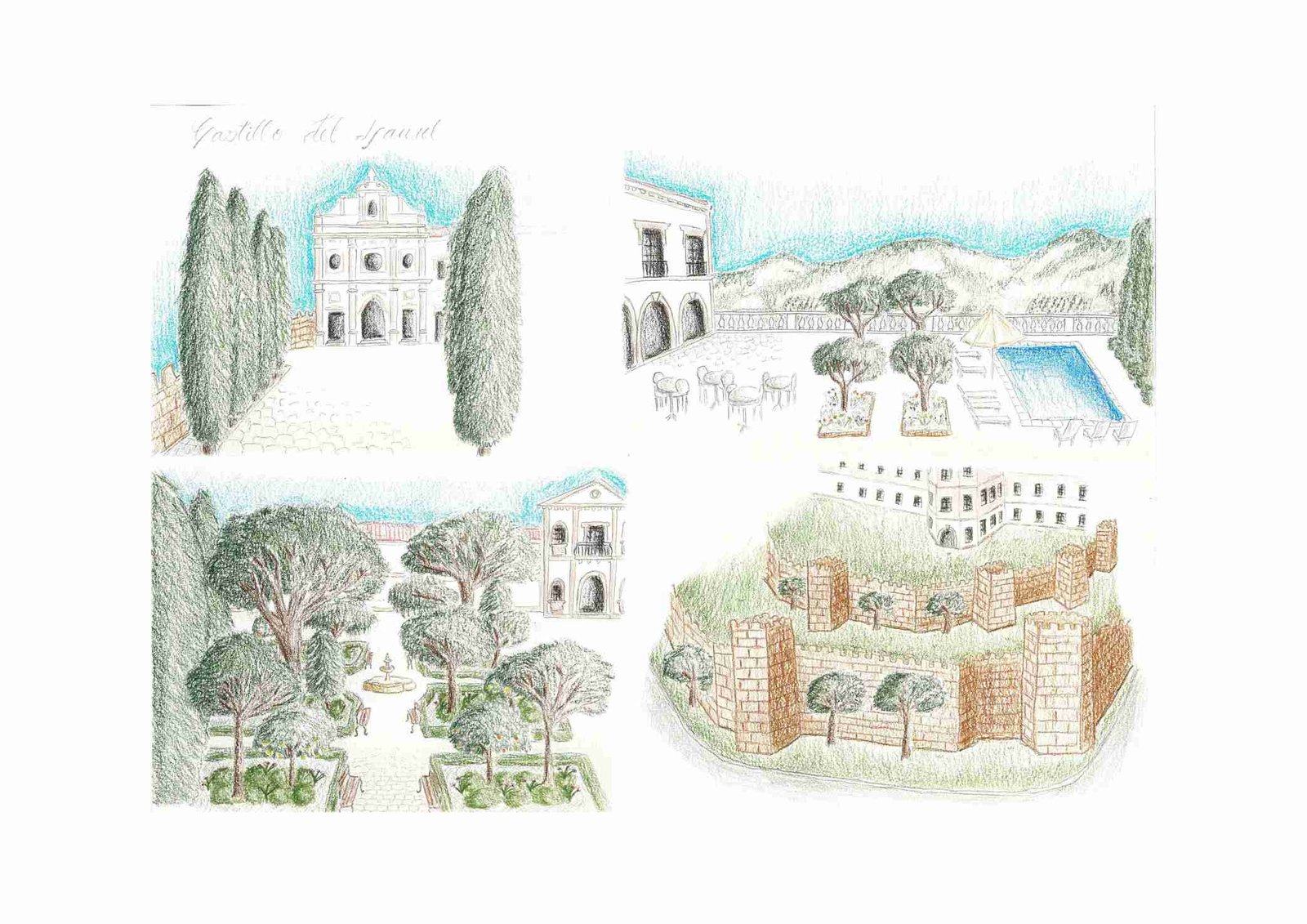
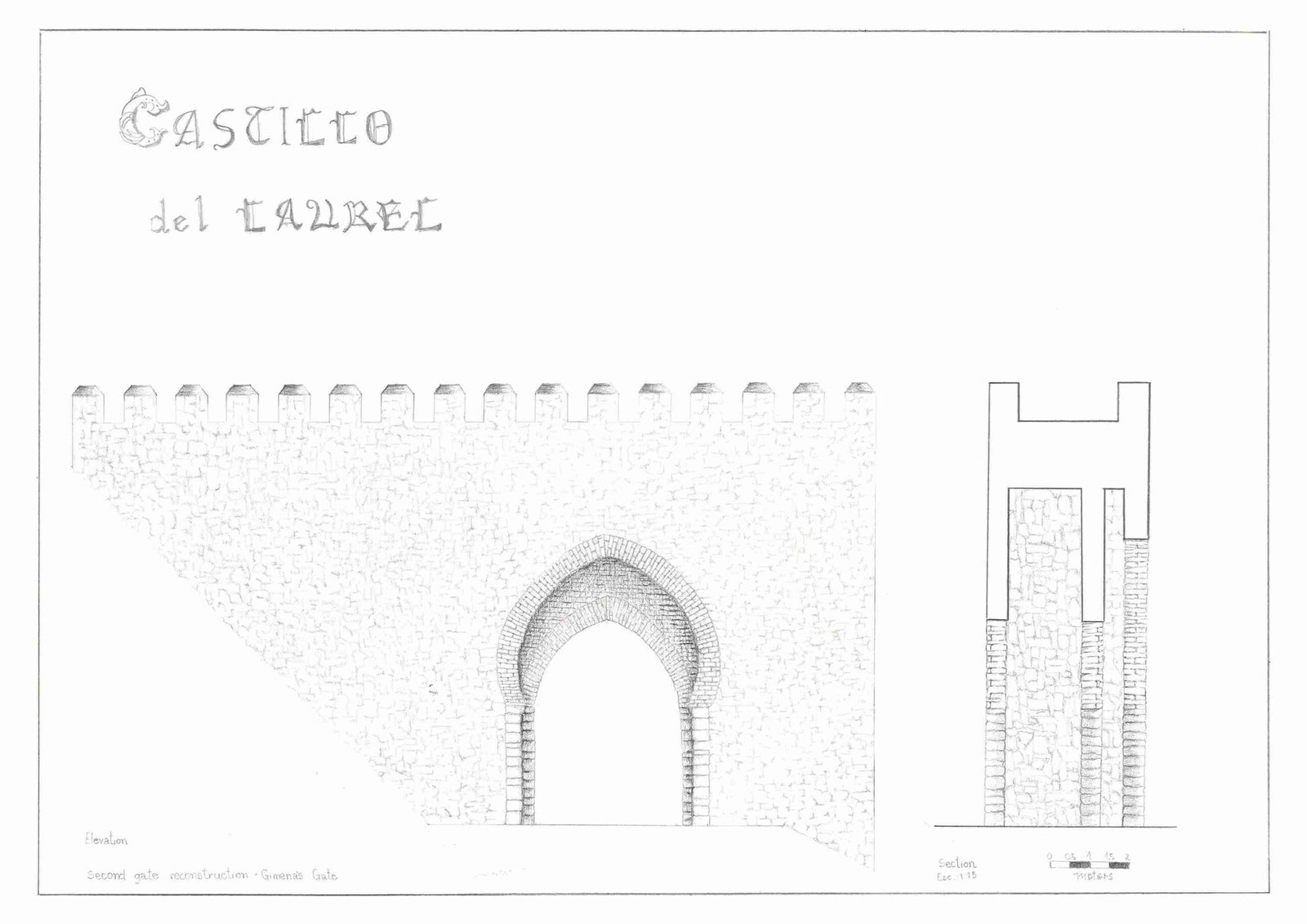
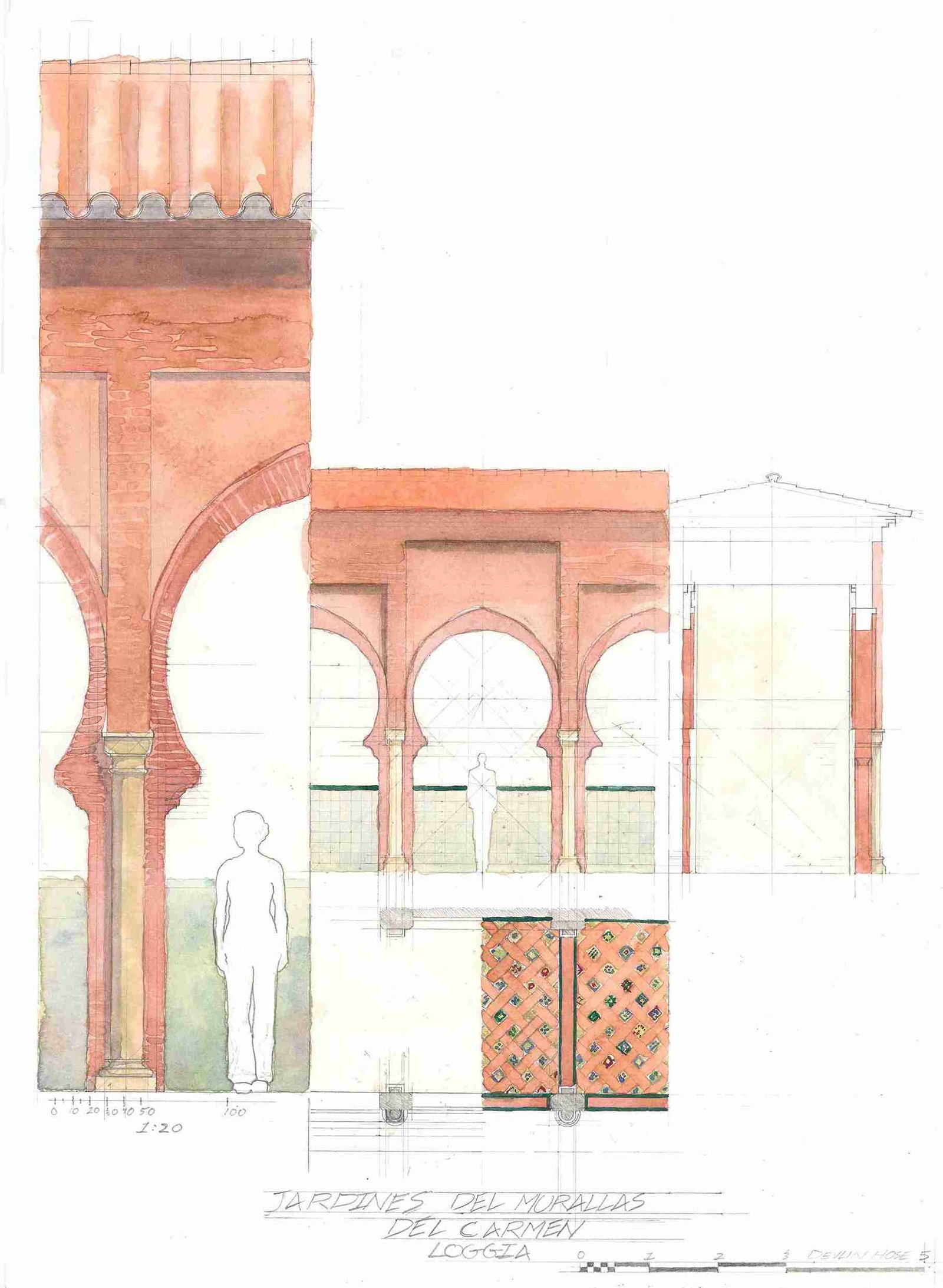
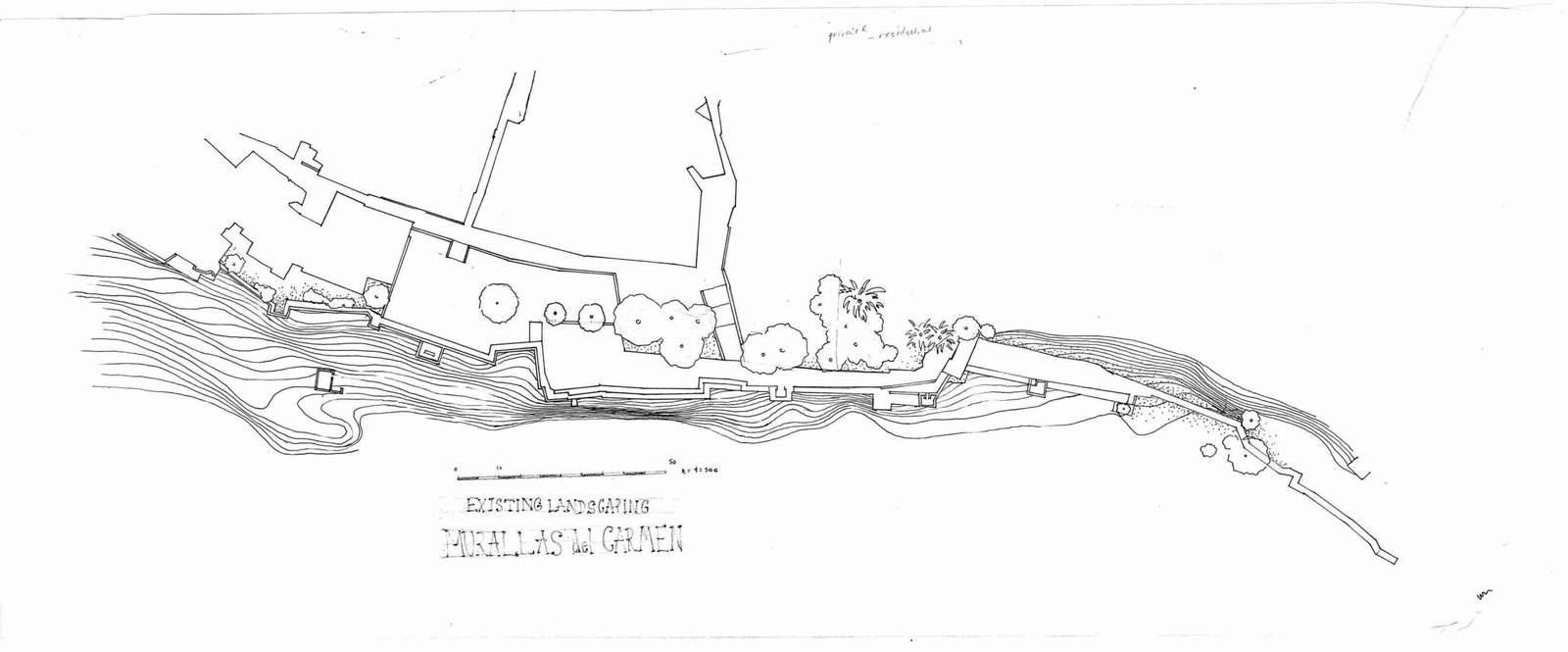
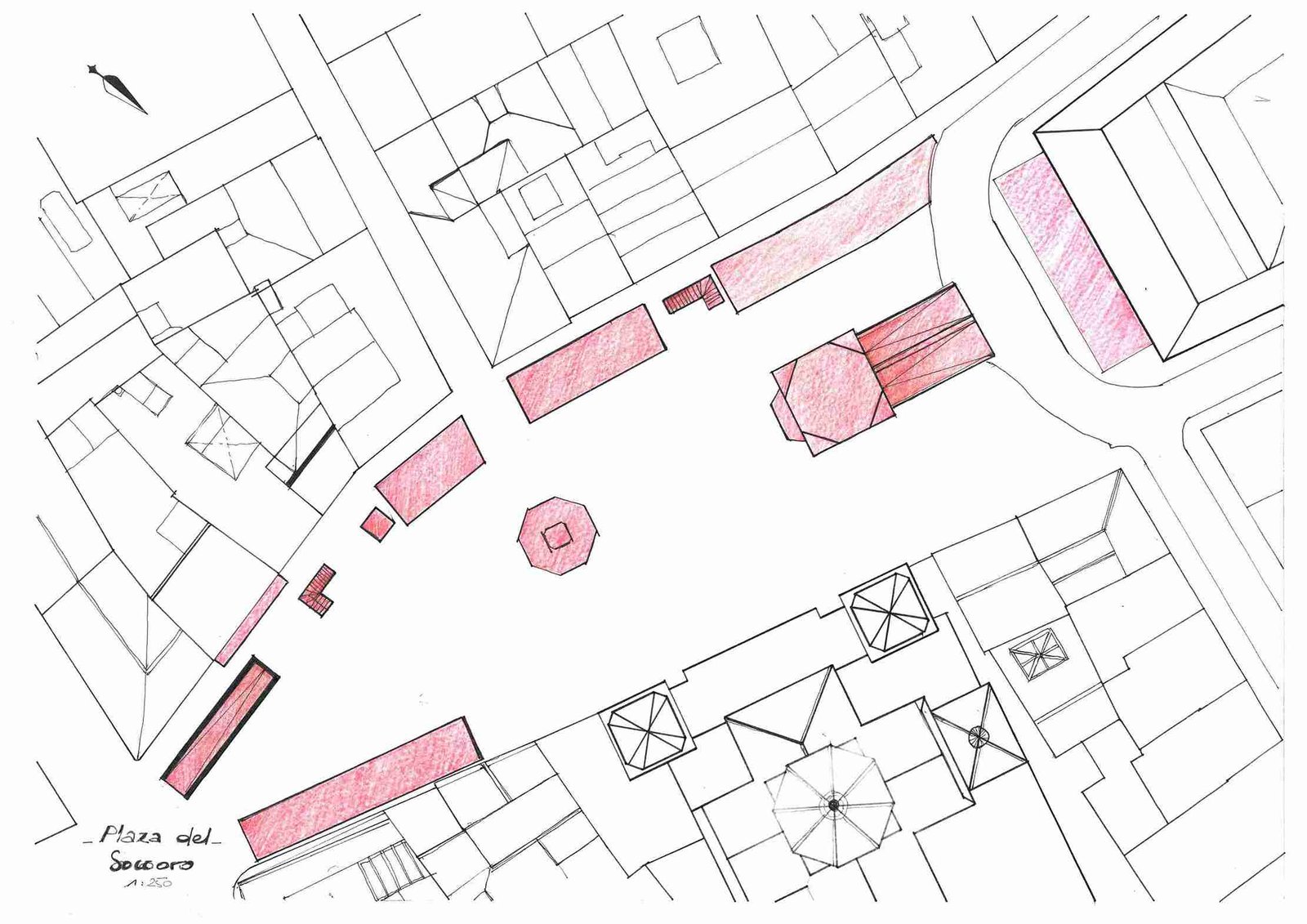
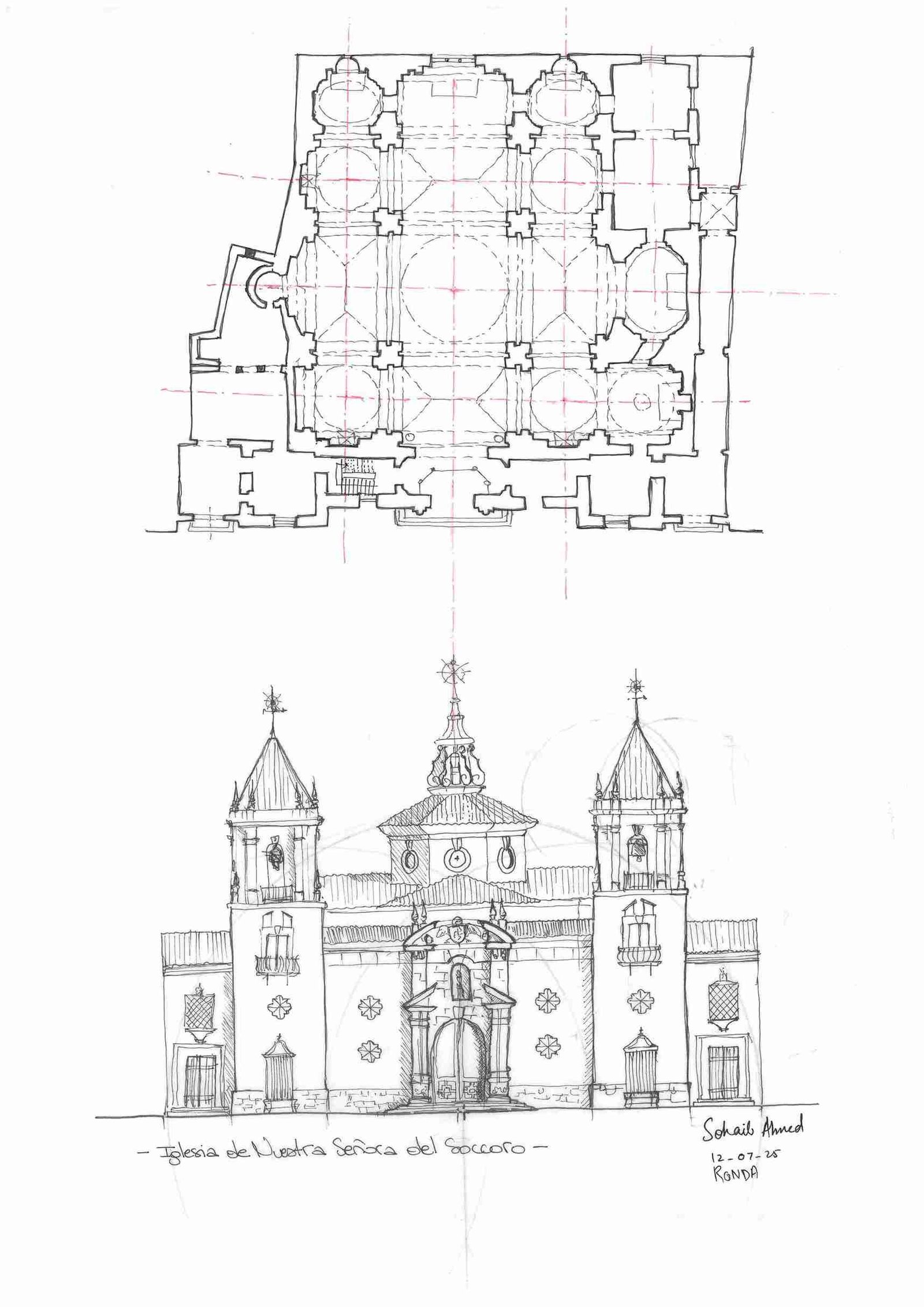
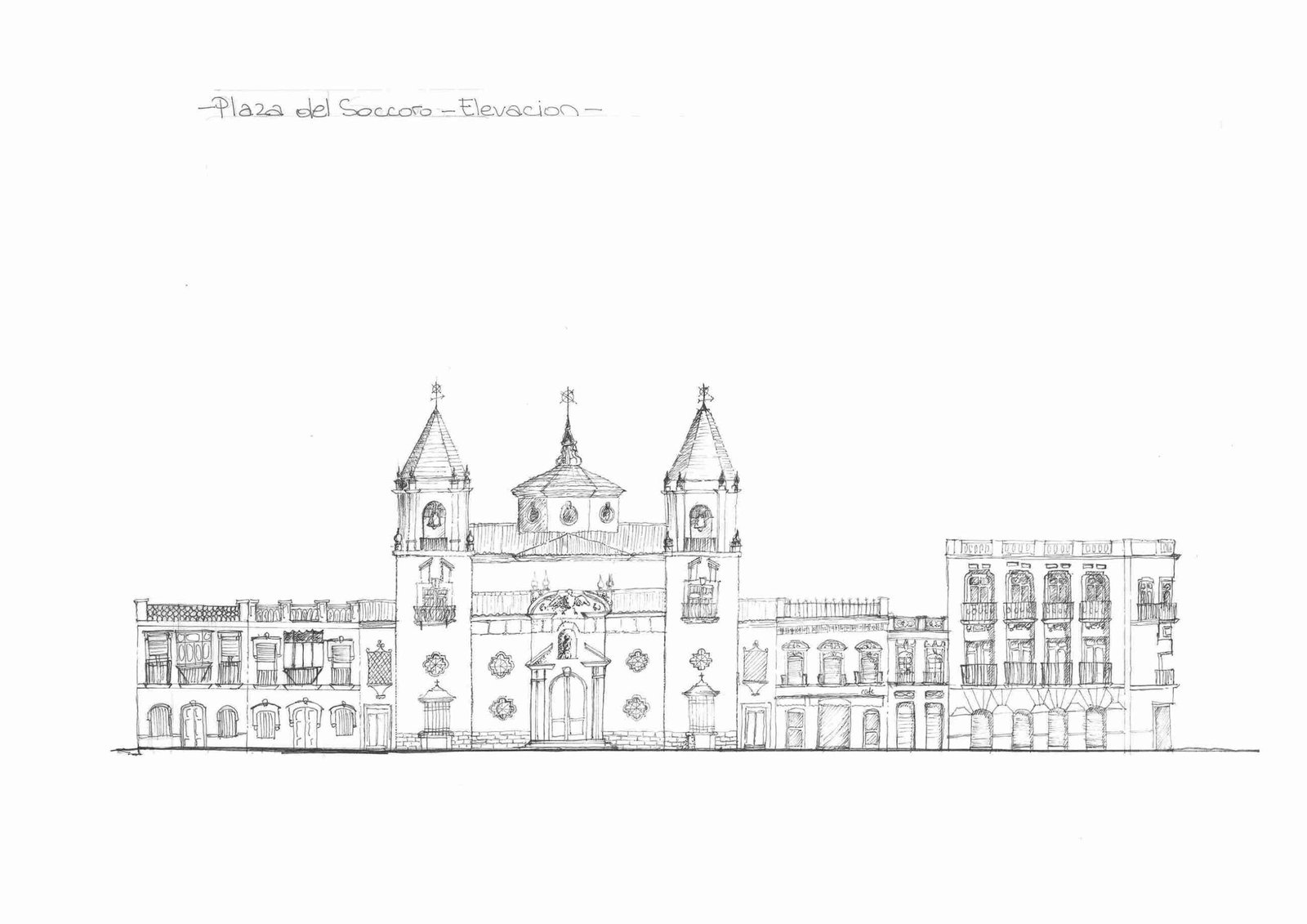
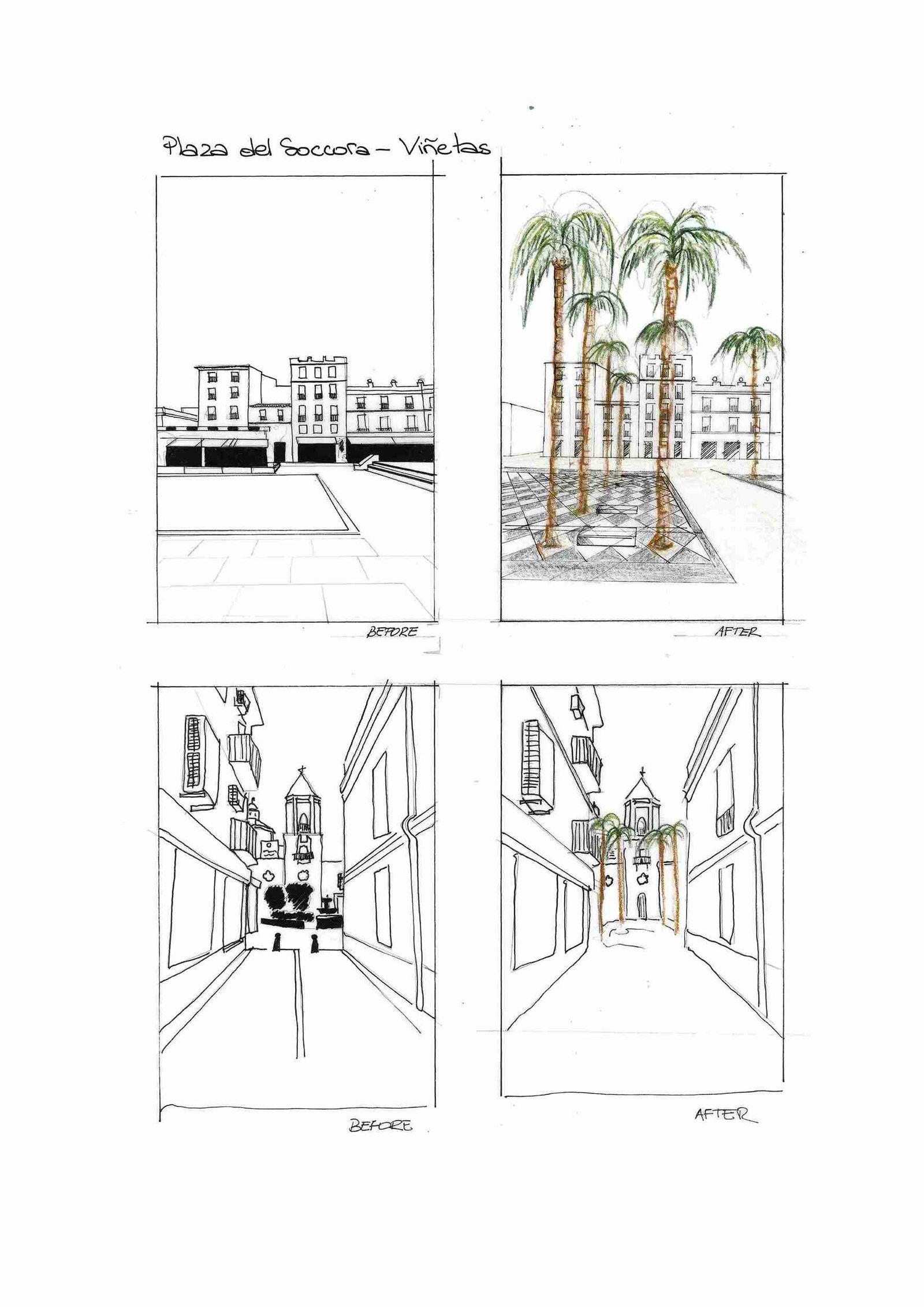
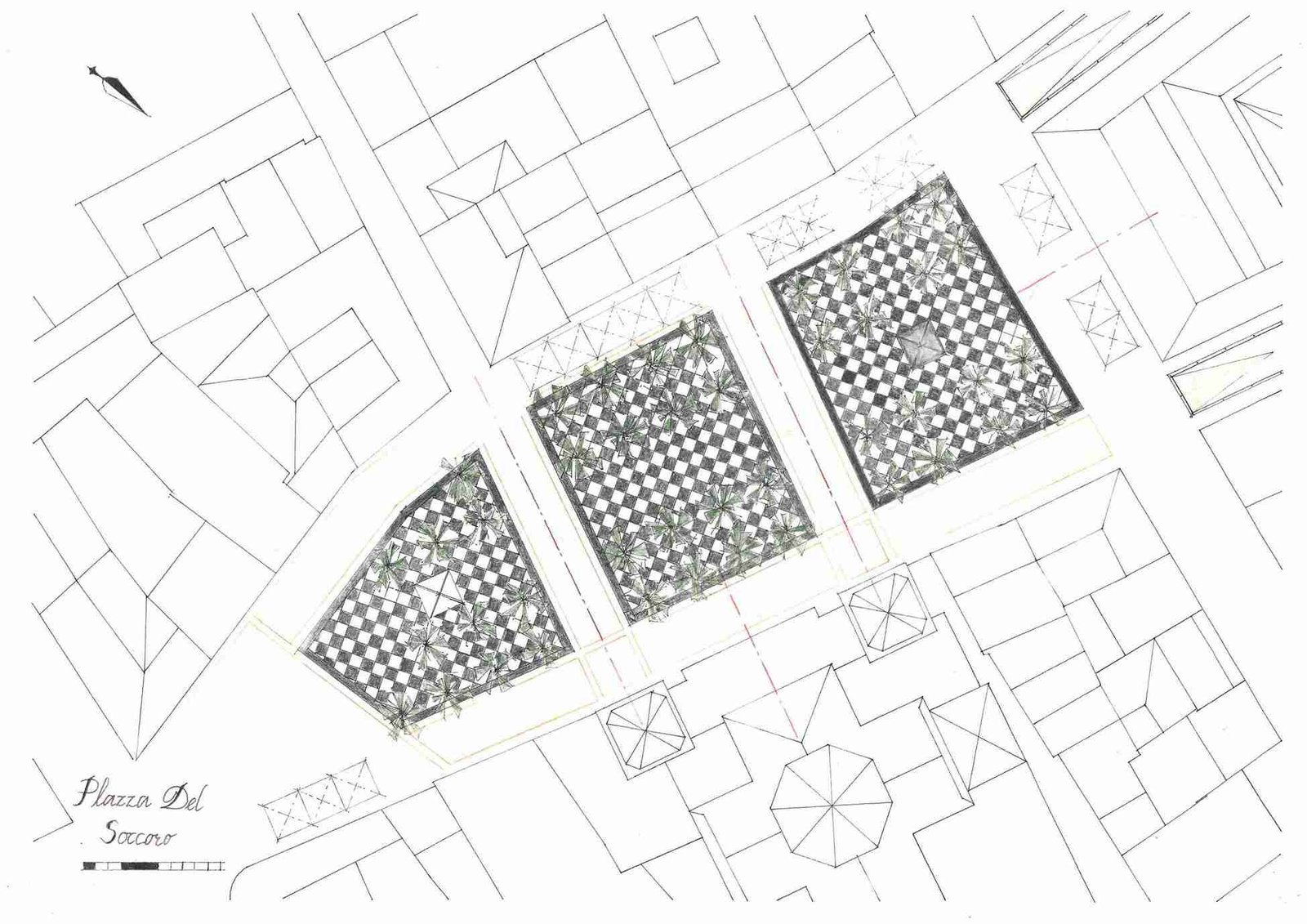
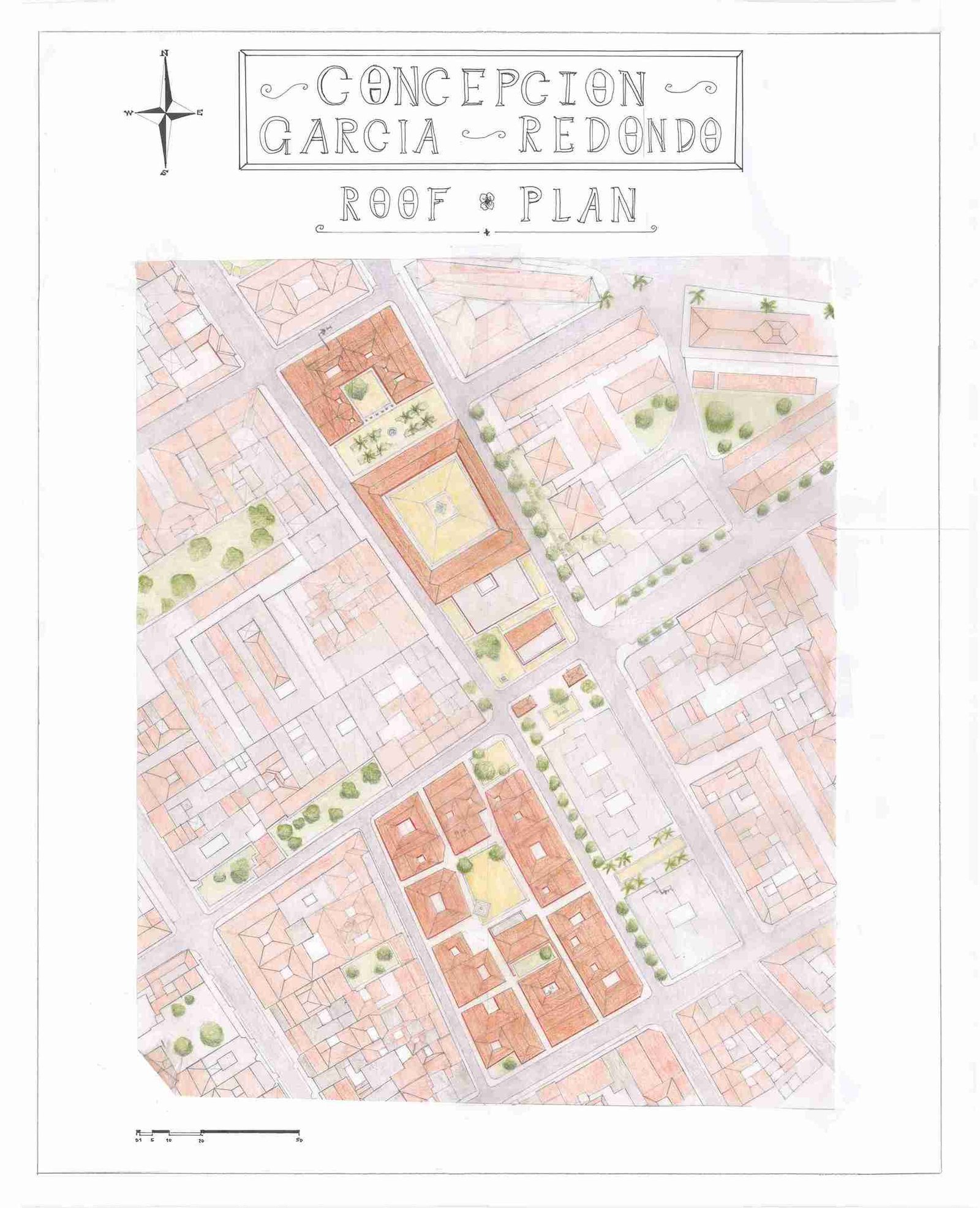
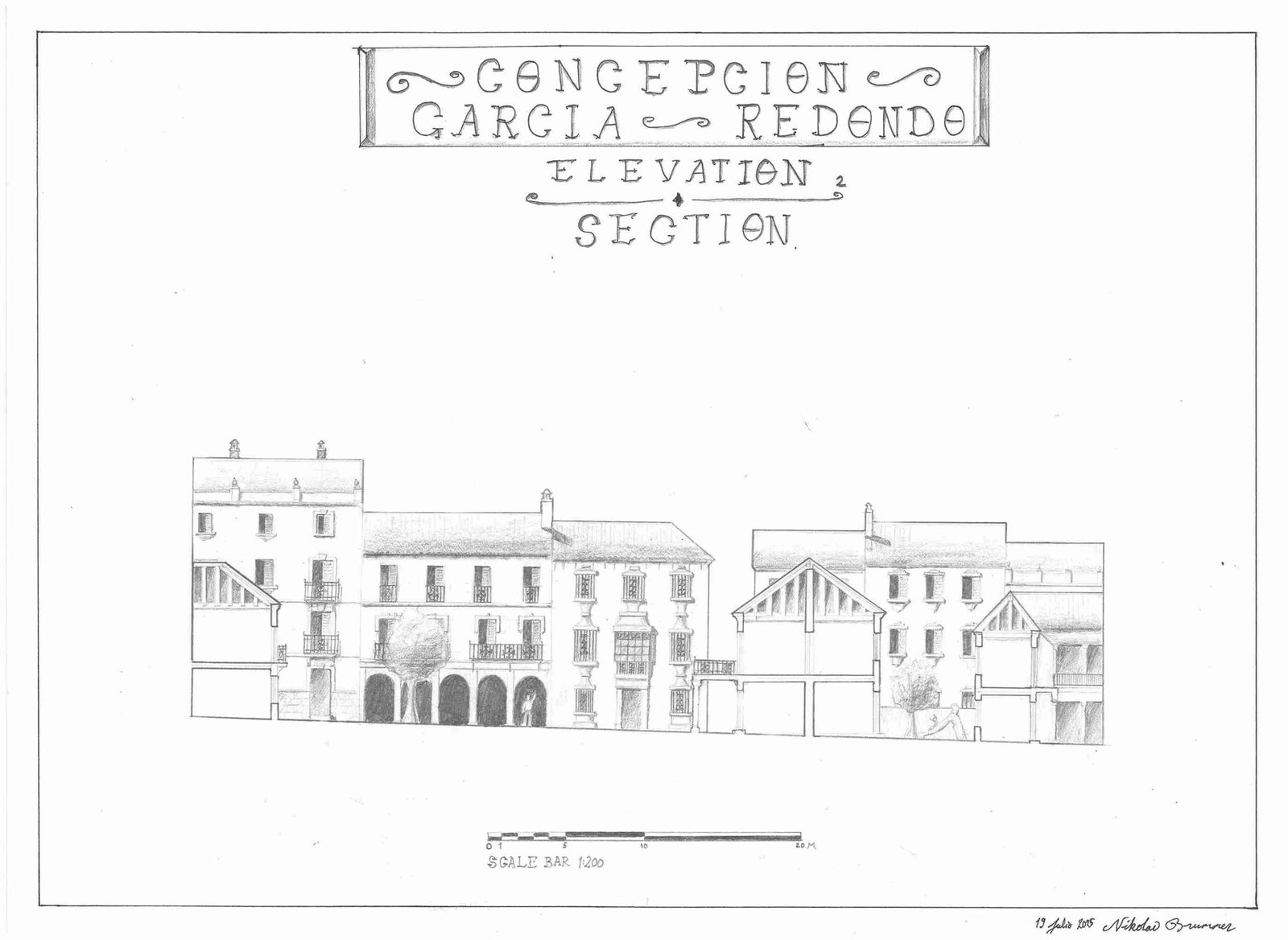
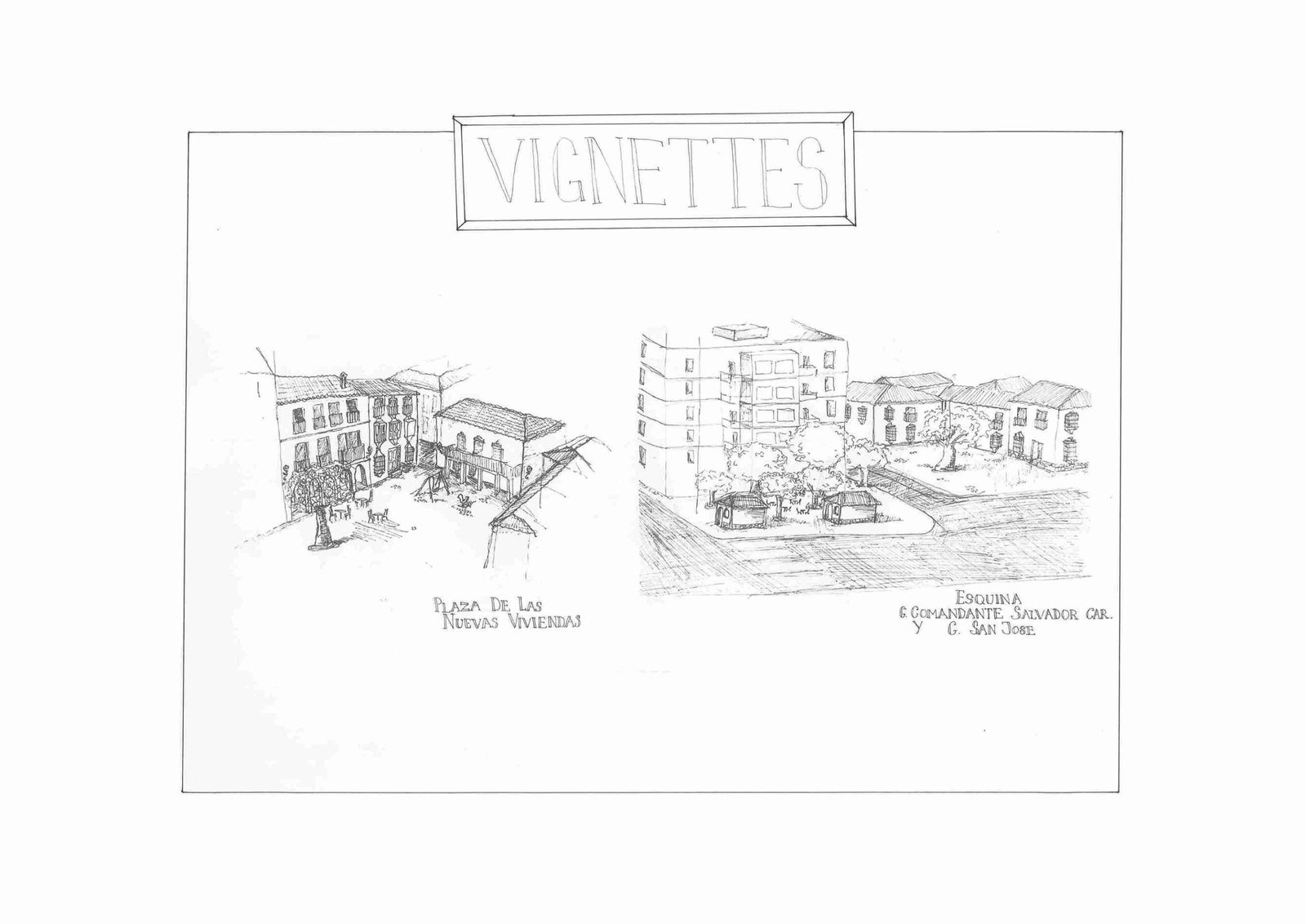
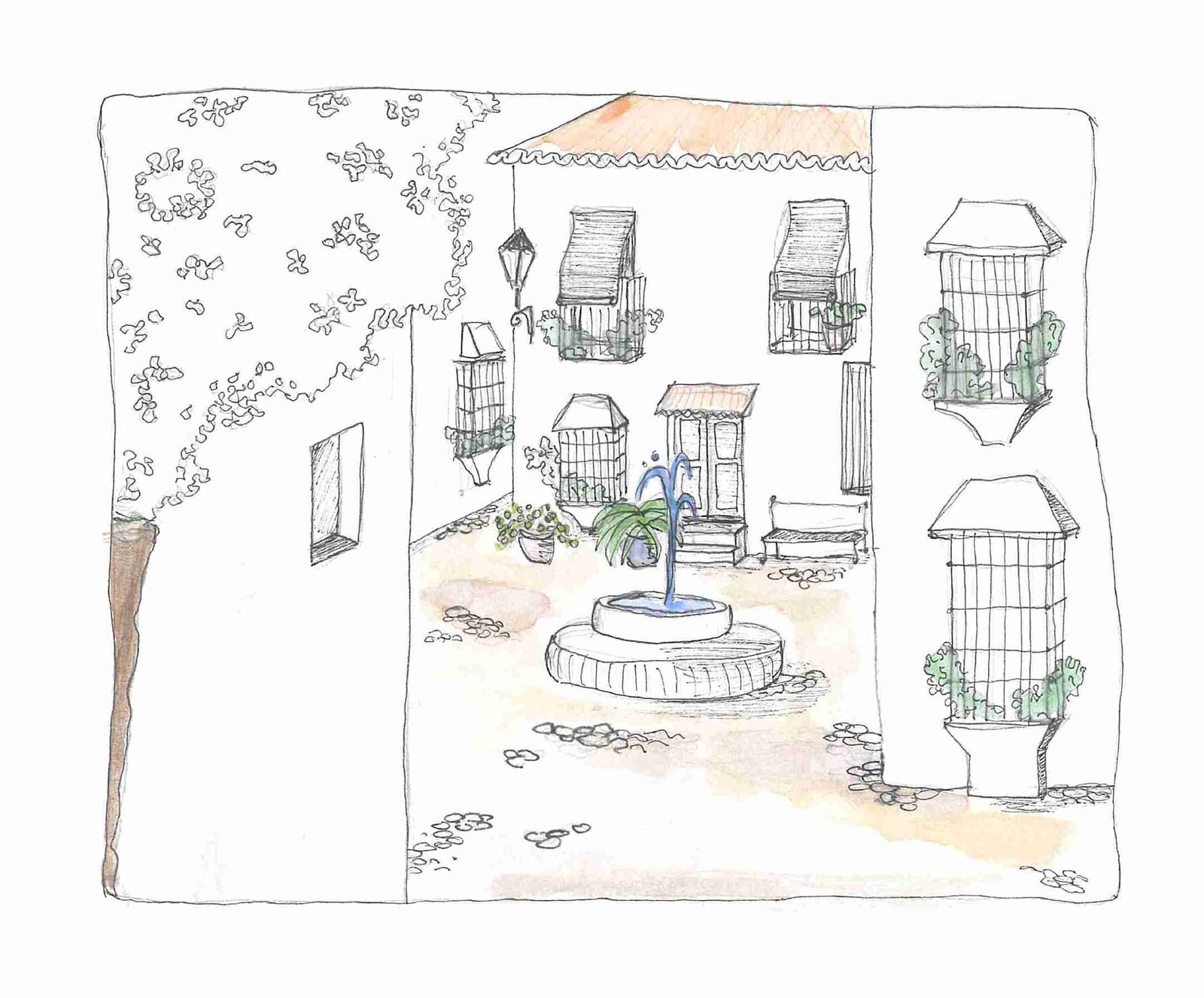
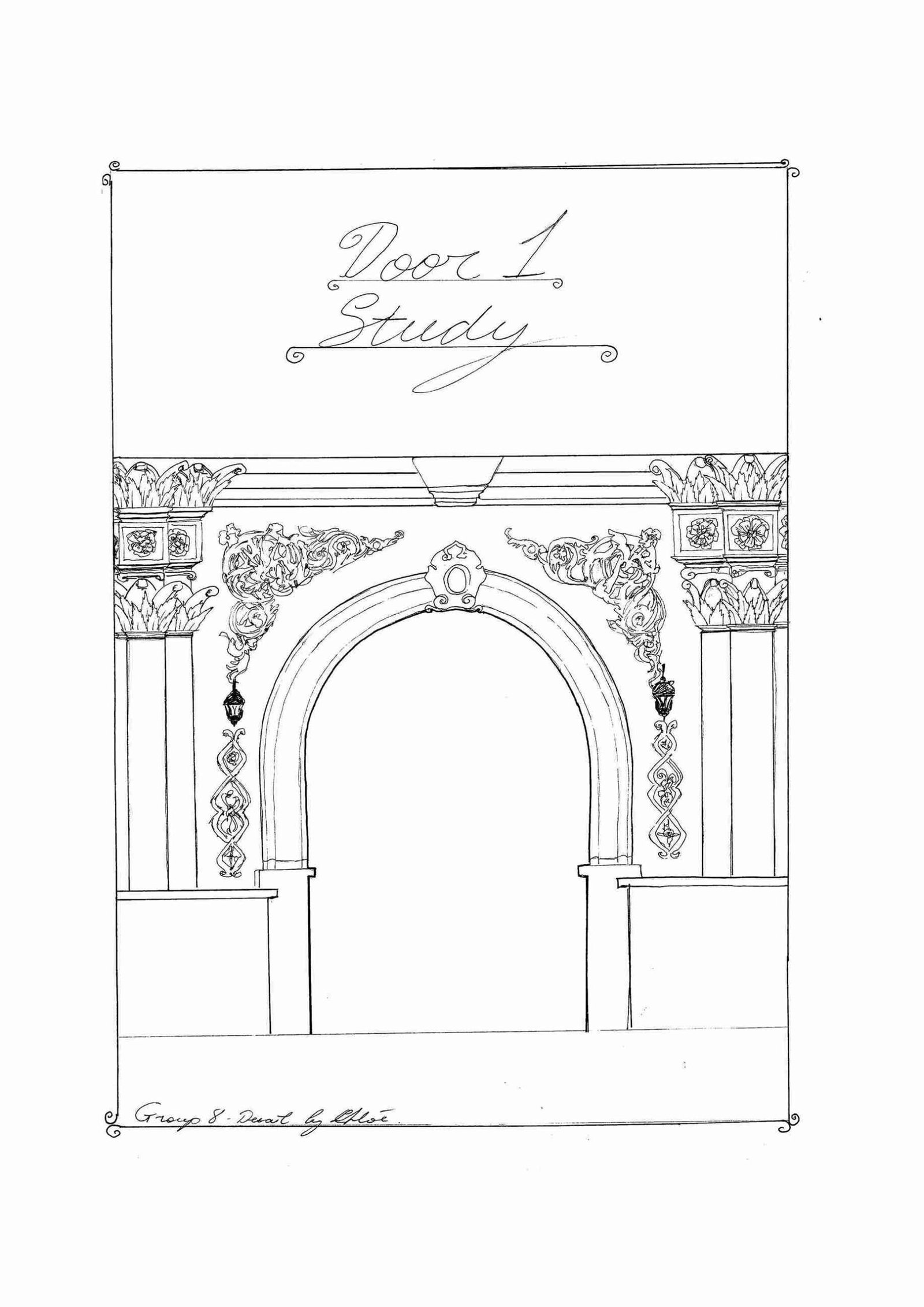
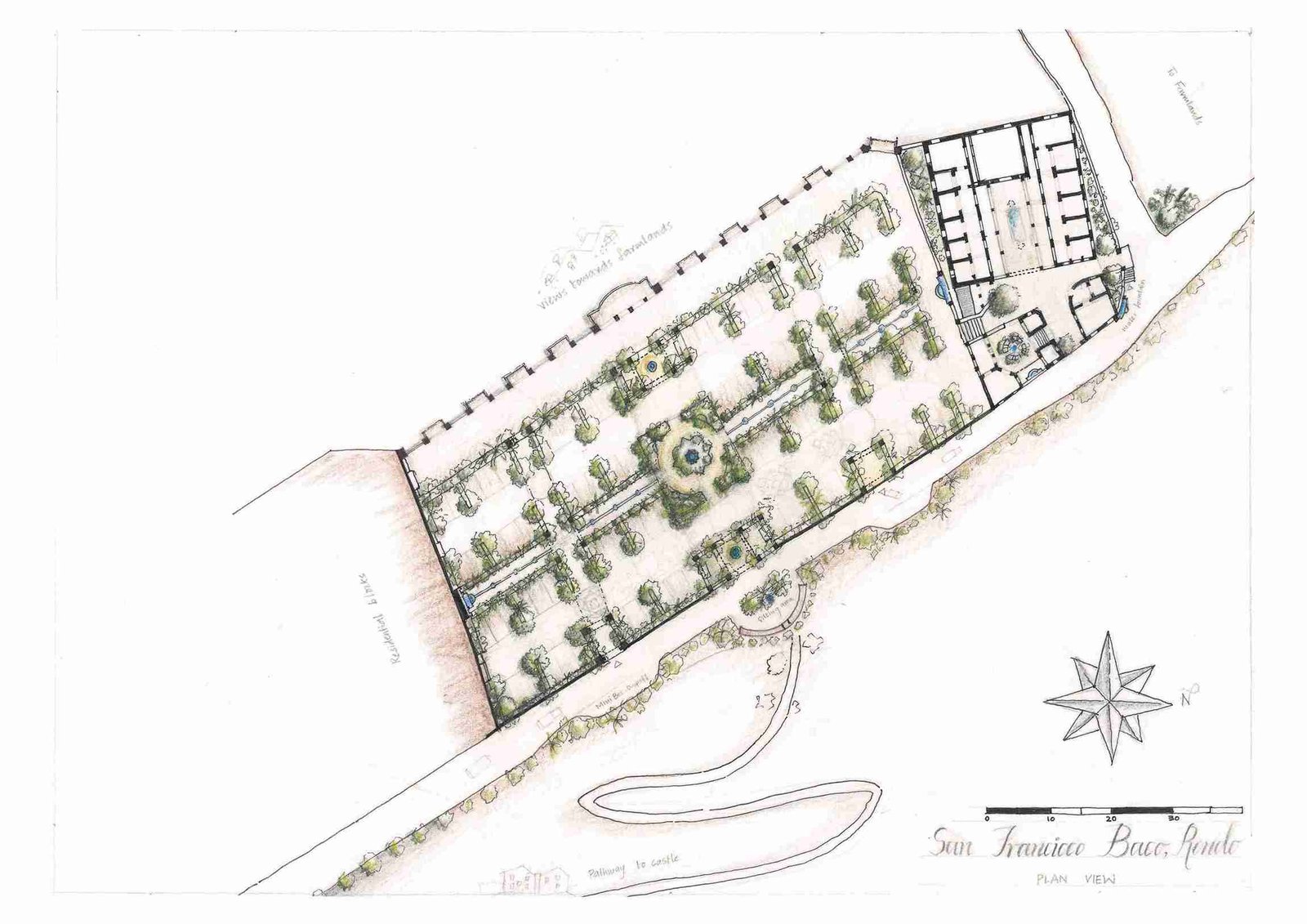
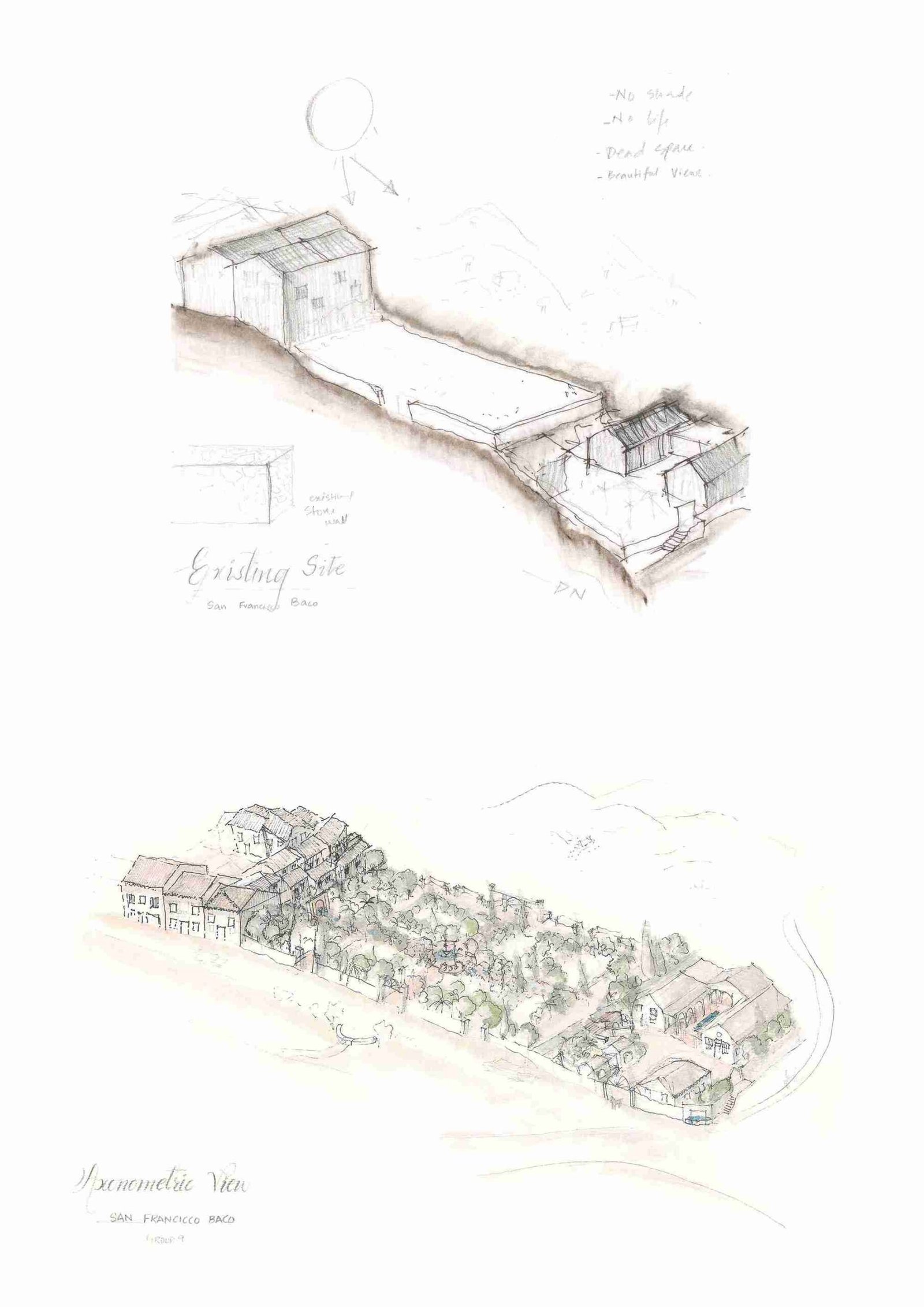
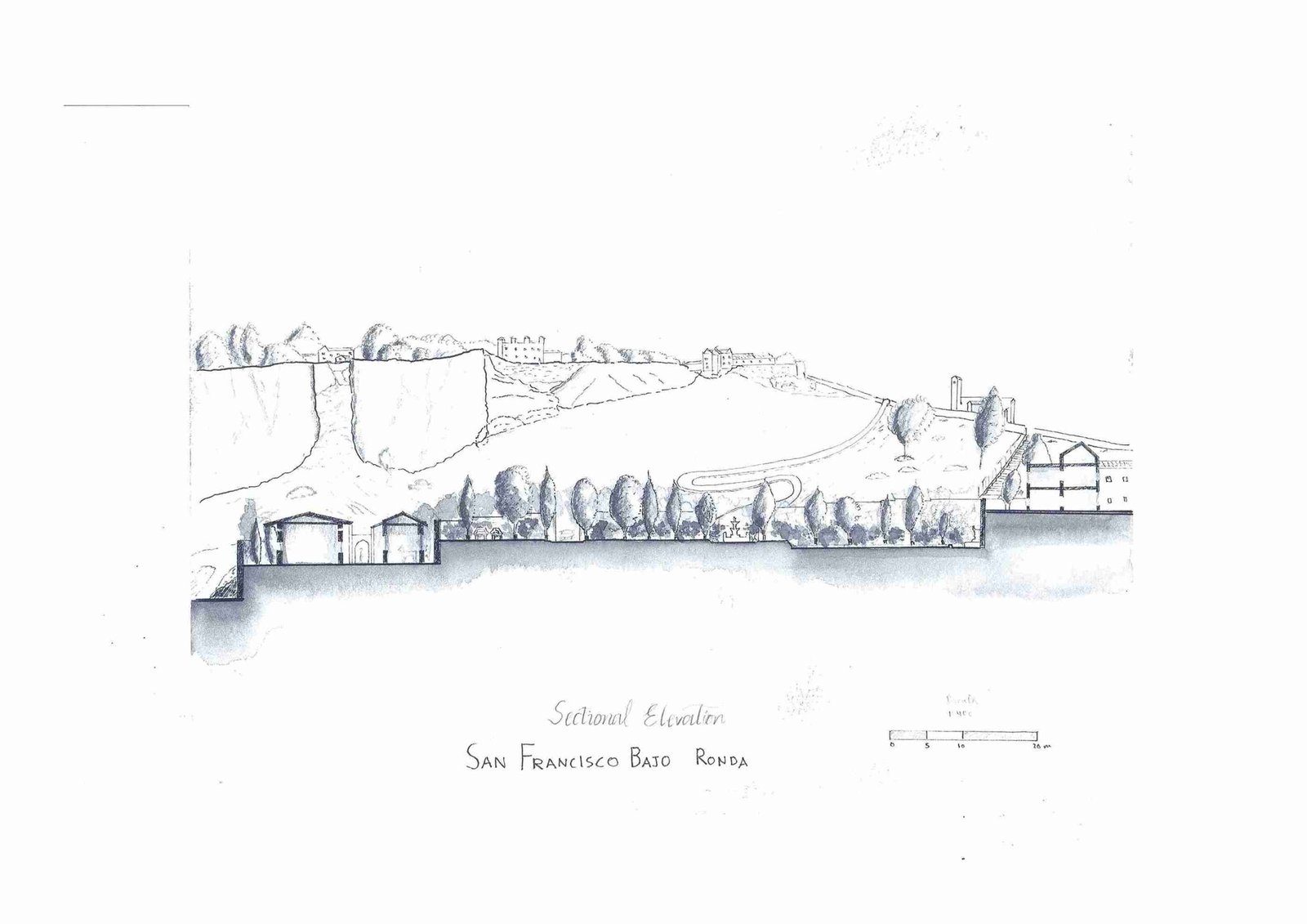
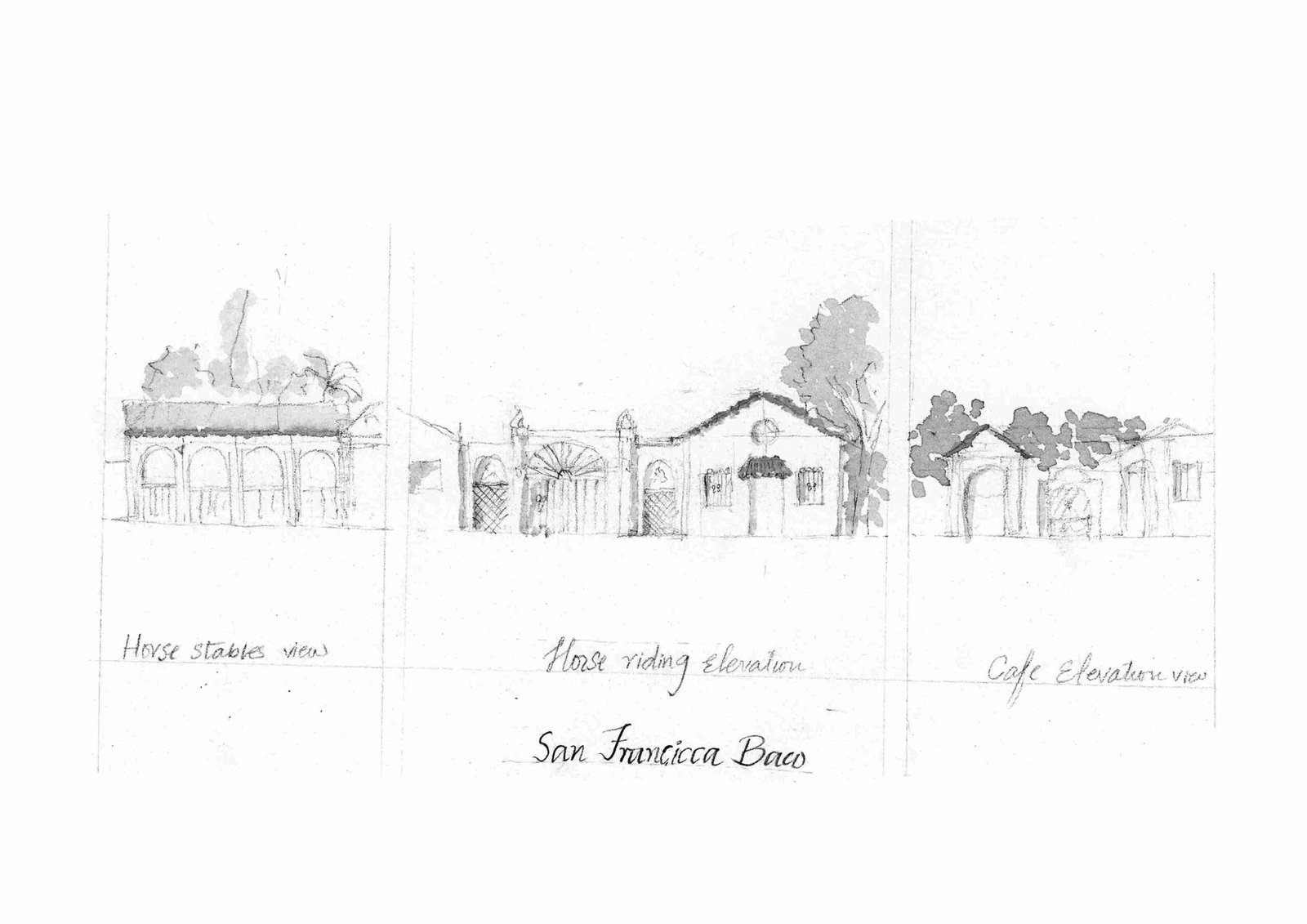
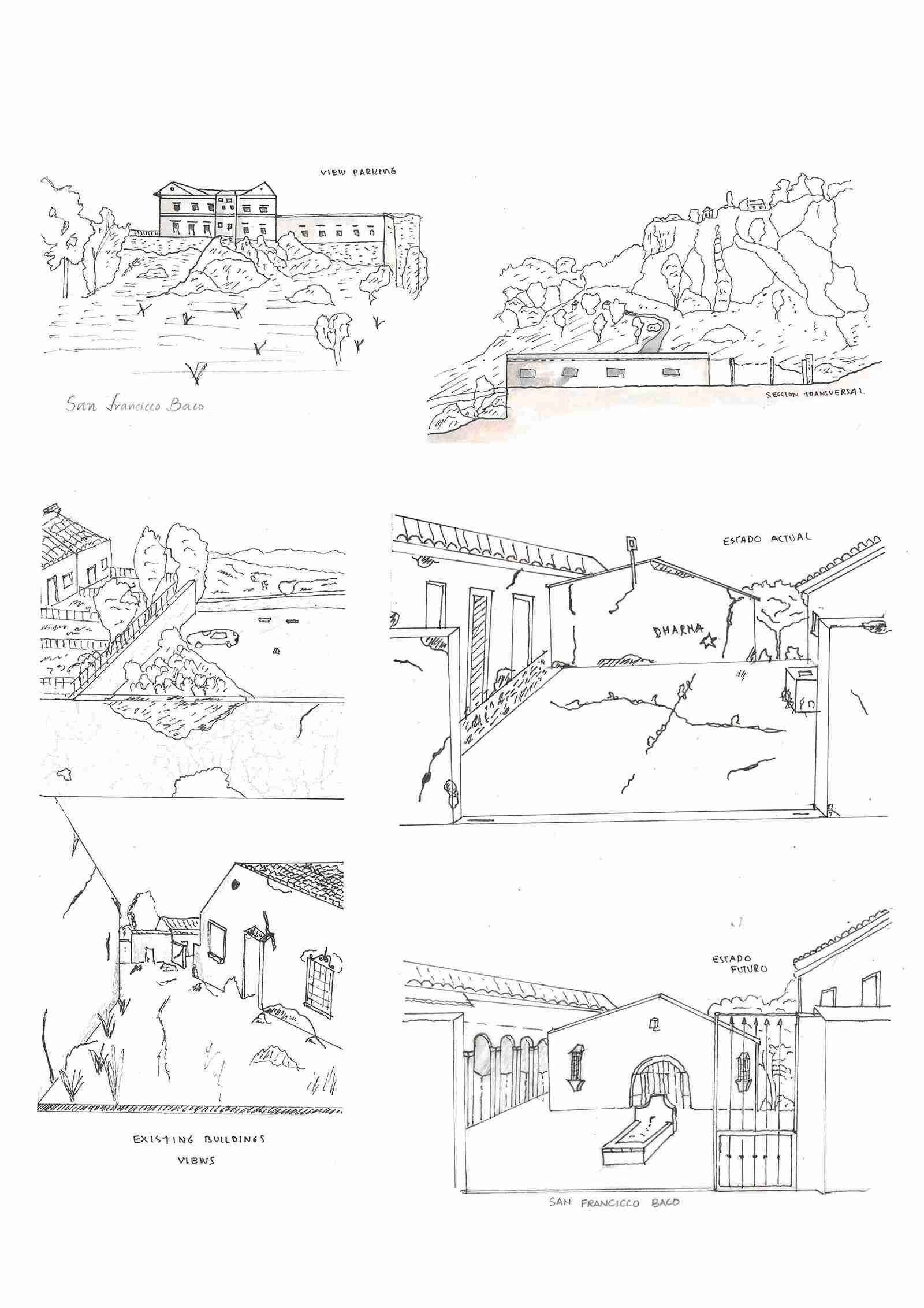
The programme was organised, thanks to Richard H. Driehaus, by the Traditional Building Cultures Foundation, with the support of INTBAU Spain, INTBAU Portugal, the City Council of Ronda, and Kalam. Several grants were awarded by the Richard Hampton Jenrette Foundation, Fundação Serra Henriques, Fundación Arquia, Robert Adam, and HEURE BLEUE Architecture. The summer school also benefited from the collaboration of the schools of architecture of the University of Notre Dame, the University of Miami, the Universidad Politécnica de Madrid, the Universidad de Málaga, the Universidade Portucalense (UPT), the University of the Basque Country, and the Centre for Research on Traditional Architecture (CIAT).
The faculty and organizing team was composed of Alejandro García Hermida (Universidad Politécnica de Madrid | Traditional Building Cultures Foundation | INTBAU Spain), Guillermo Gil Fernández (Traditional Building Cultures Foundation | INTBAU Spain), Rebeca Gómez-Gordo Villa (Traditional Building Cultures Foundation | INTBAU Spain), Larisa Hatis (Universitatea de Arhitectură și Urbanism Ion Mincu), Aritz Díez Oronoz (University of the Basque Country), Imanol Iparraguirre Barbero (University of the Basque Country), Frank Martínez (University of Miami), Lucien Steil (University of Notre Dame), and Carolina Cabra (Traditional Building Cultures Foundation | INTBAU Spain).
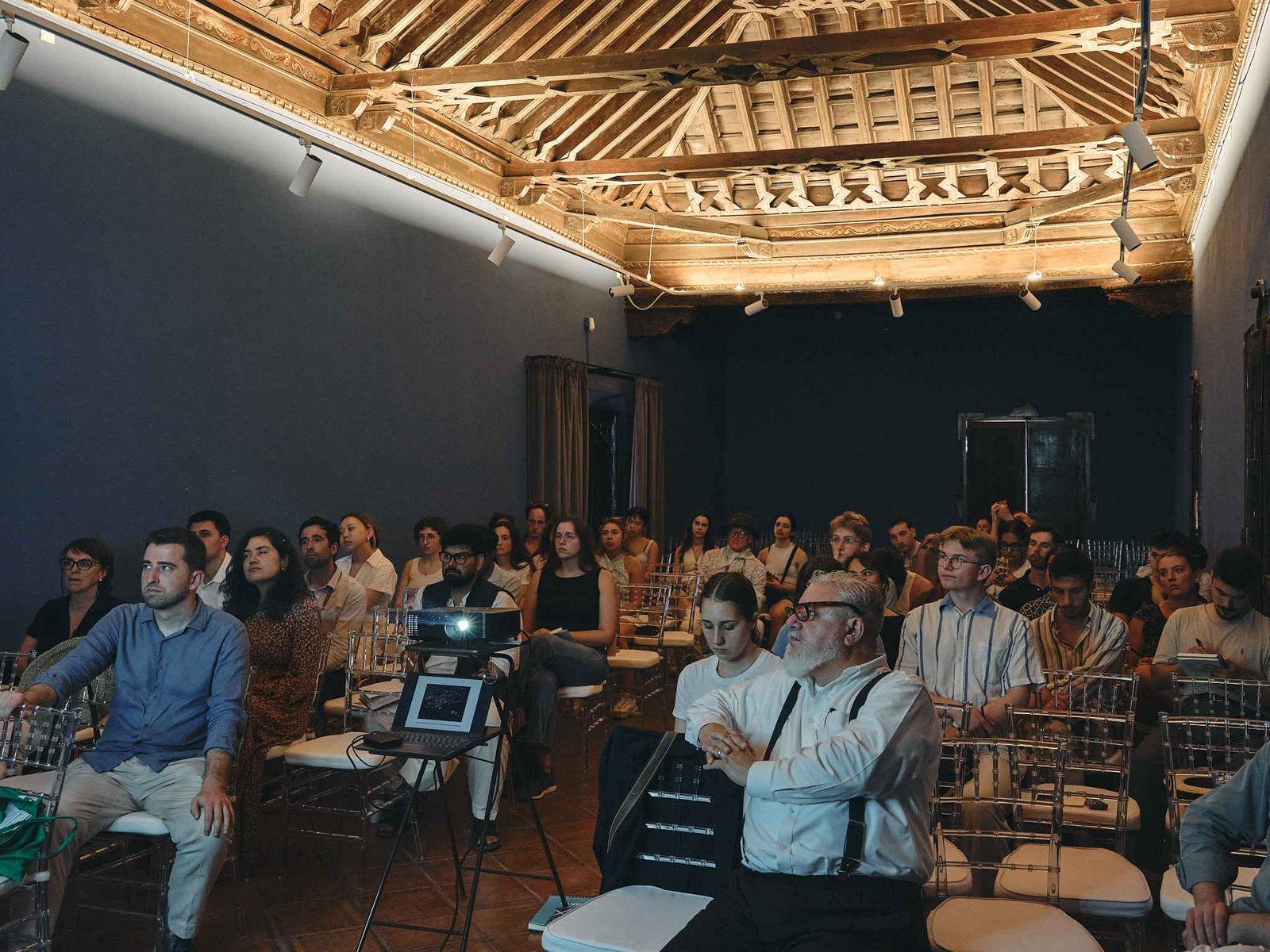
The guest lecturers included Robert Adam (architect), Fernando Álvarez (municipal technical architect of Ronda), Pablo Álvarez Funes (INTBAU Spain), Álvaro Amaya (University of Málaga), José Baganha (Traditional Building Cultures Foundation | INTBAU Portugal), Fernando Cerqueira Barros (Centro de Estudos de Arquitectura e Urbanismo, Faculty of Architecture, University of Porto | INTBAU Portugal), M.ª Pilar Delgado Blasco (former municipal archaeologist of Ronda), Pablo Farfán (architect), Juan Carlos García de los Reyes (architect), Silvia Grünig Iribarren (Universitat Oberta de Catalunya | Center for Research in Peasant Agroecology and Territory), Jesús Palenzuela Illán (technical architect), José Manuel López Osorio (University of Málaga), Rafael Manzano Martos (architect), Javier Navarro Mateos (Richard H. Driehaus Architecture Competition awardee), José Luis Pérez (architect), Sebastián Pérez (master mason), Bruno Perenha (INTBAU Brazil), Raúl Arroyo Morejón (municipal architect of Ronda), Guillermo Soria Alonso (Richard H. Driehaus Architecture Competition awardee), Sergio Valadez (architect), and Carlos Vallecillos Moya (Richard H. Driehaus Architecture Competition awardee).
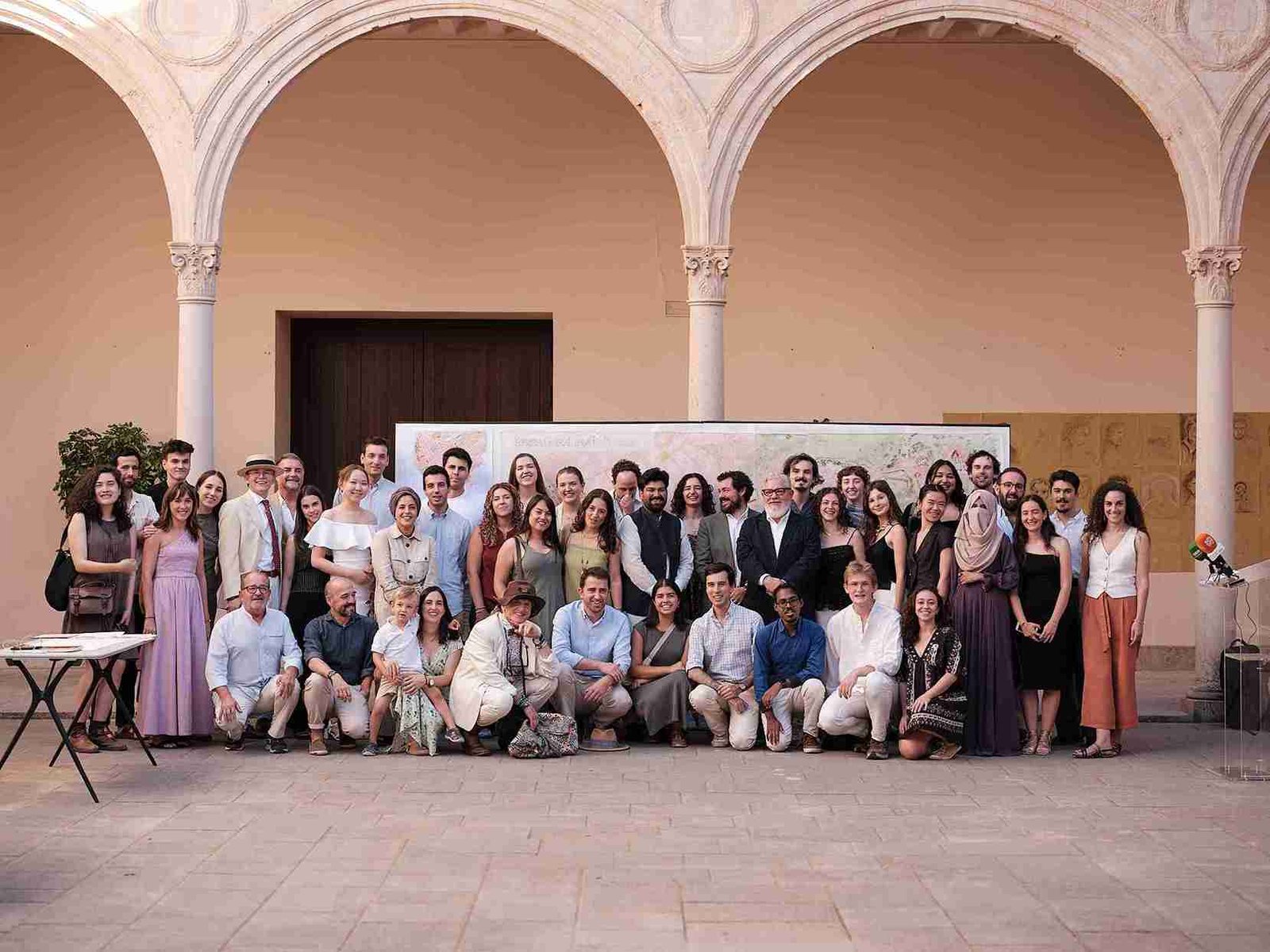
And the participants were Sohaib Ahmed Javed (Pakistan), Mada Aldeeb (Australia), Emilia Avendaño Granados (Mexico), Nikolai Brummer (Finland), Joana Cardoso Peixeiro de Freitas (Portugal), Ricardo Castellano Anderson (Spain), Lucía Chamorro Carrasco (Spain), Shariq Che Ramsubhag (Trinidad and Tobago), Paola Lizette Cruz Garay (Mexico), Maria Rosa Da Costa Marques (Portugal), Vlad Damian Mocanu (Romania), Jon Eguizurain Trejo (Spain), Alejandro Fahrenbach (Spain), Anastasia Frawley (United States), Zainab Himeur (Morocco), Devlin Hose (United States), Yining Jin (Australia), Andreas Bruno Mendes (Portugal), Alexandra-Ioana Milu (Romania), William Mulvihill Duque (Spain), Mackenzie Pittman (United States), Saira Rana (Pakistan), Juan Requena Aragón (Spain), Carolyn Simmons (United States), Pietra Viola Siquieroli (Brazil), Daniel Skinner (Australia), Mariia Solovei (Ukraine), Alexandra Turac (Austria), Khostsetseg Tumurbat (Mongolia), Santiago Urrutia Campomanes (Spain), Rabianur Yılmaz (Turkey), and Rimsha Zubair (India).
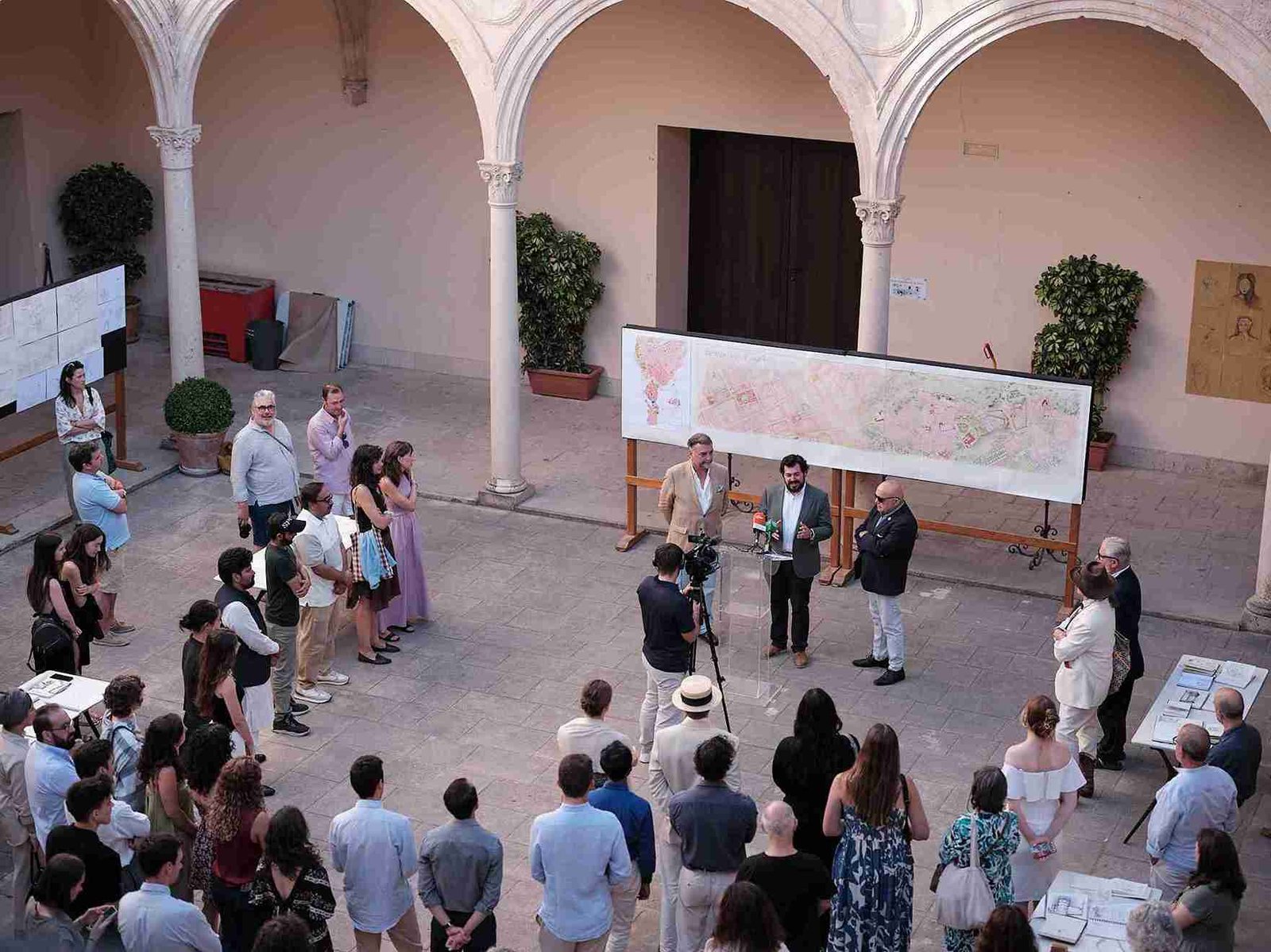
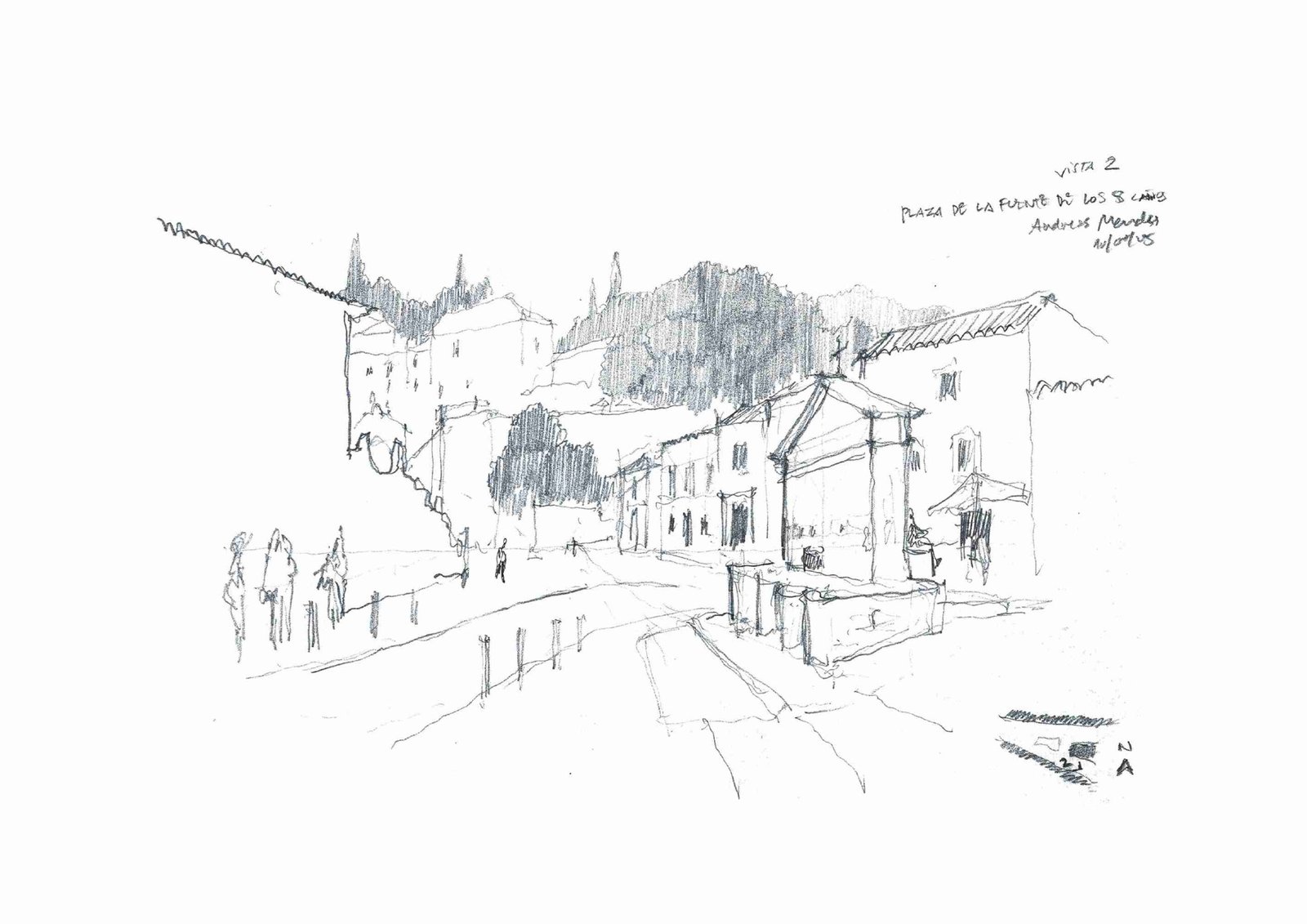
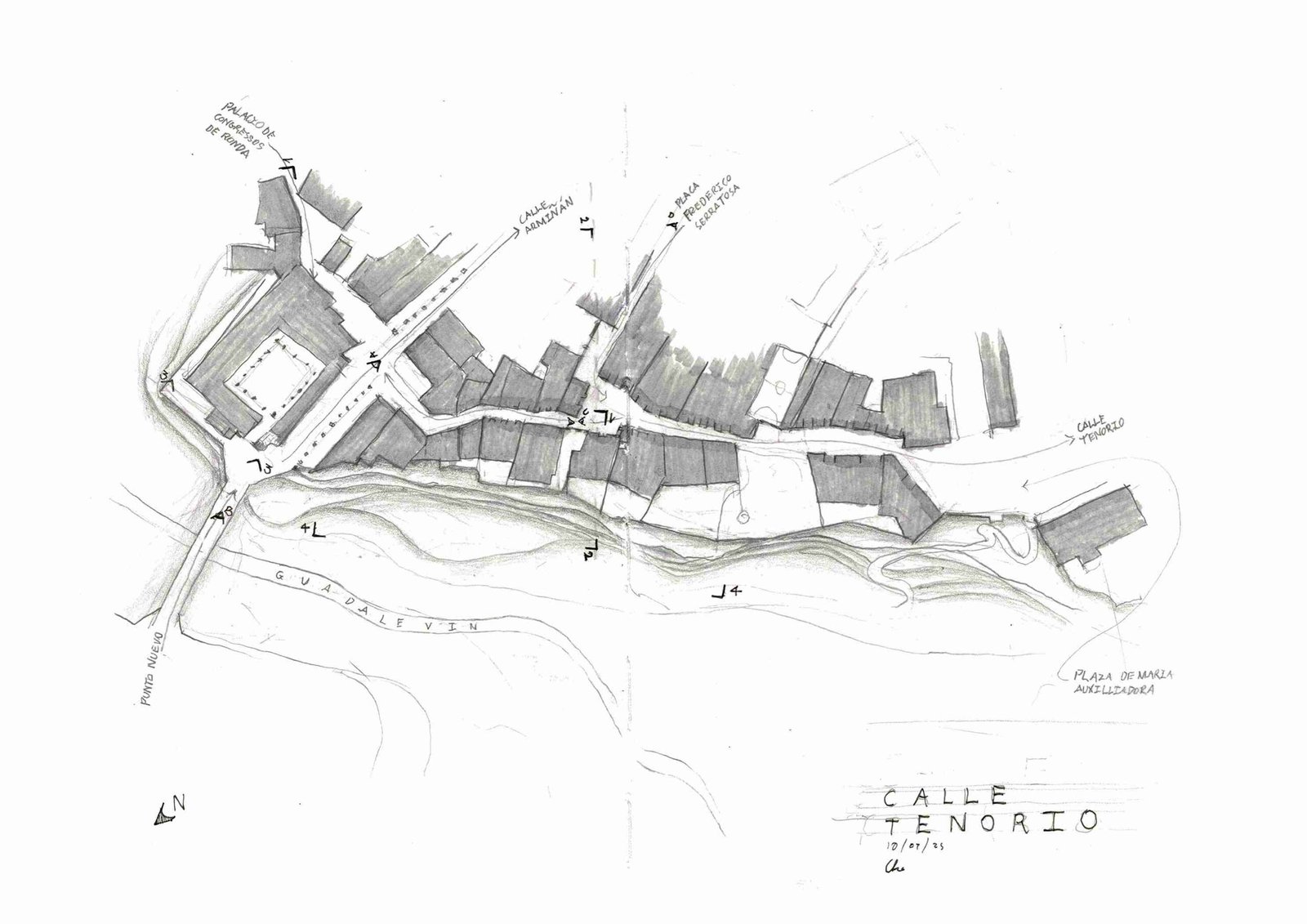
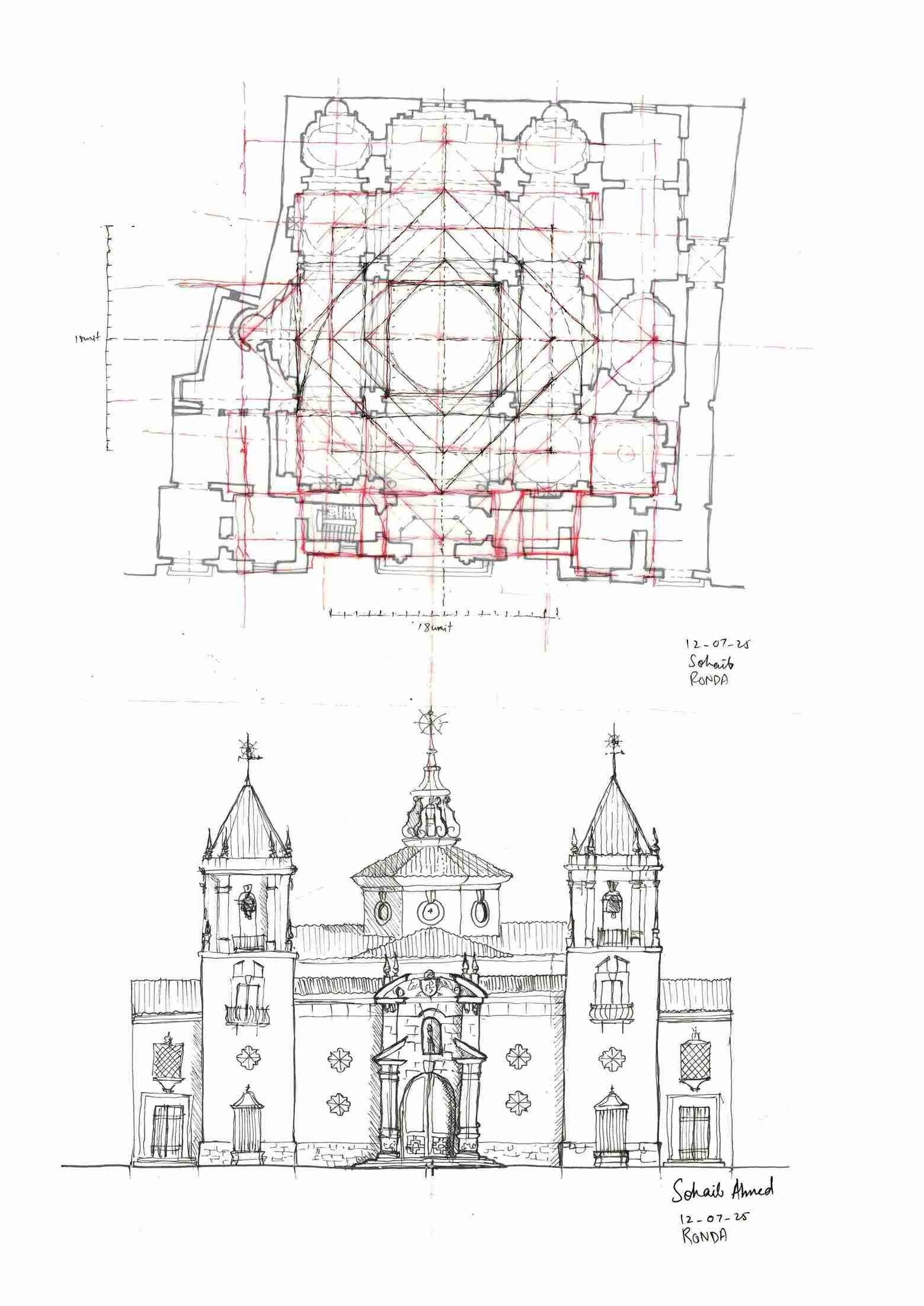
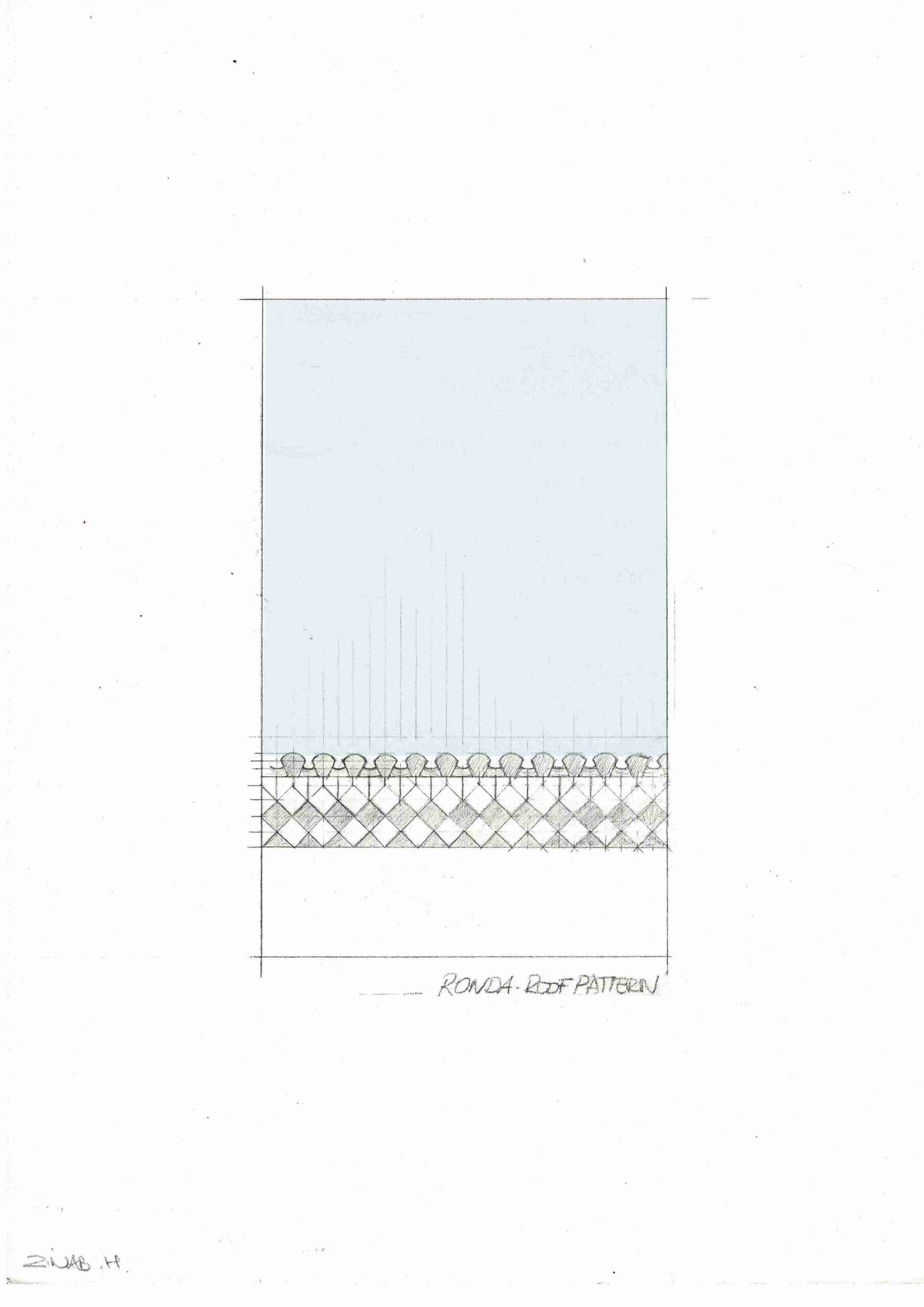
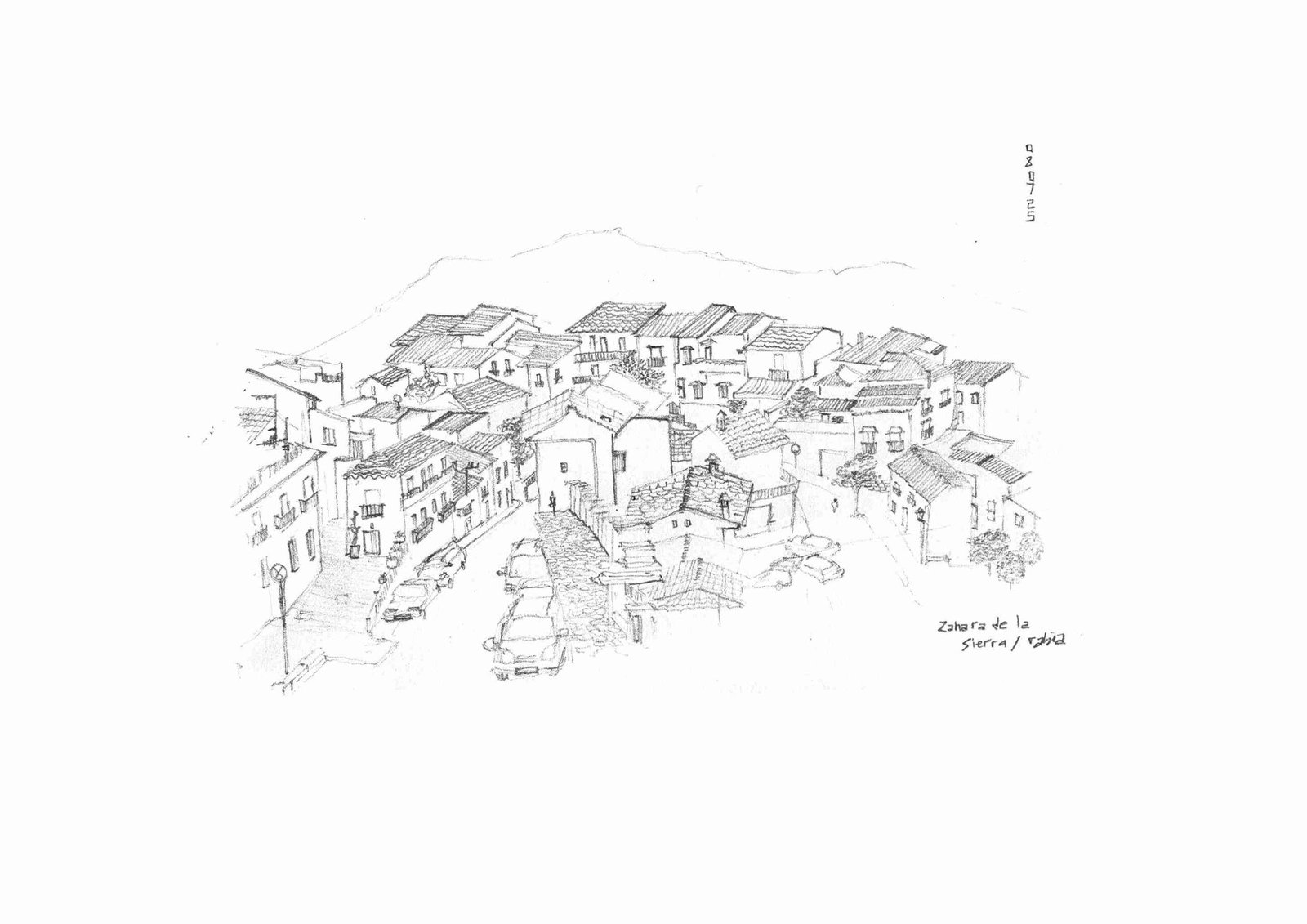
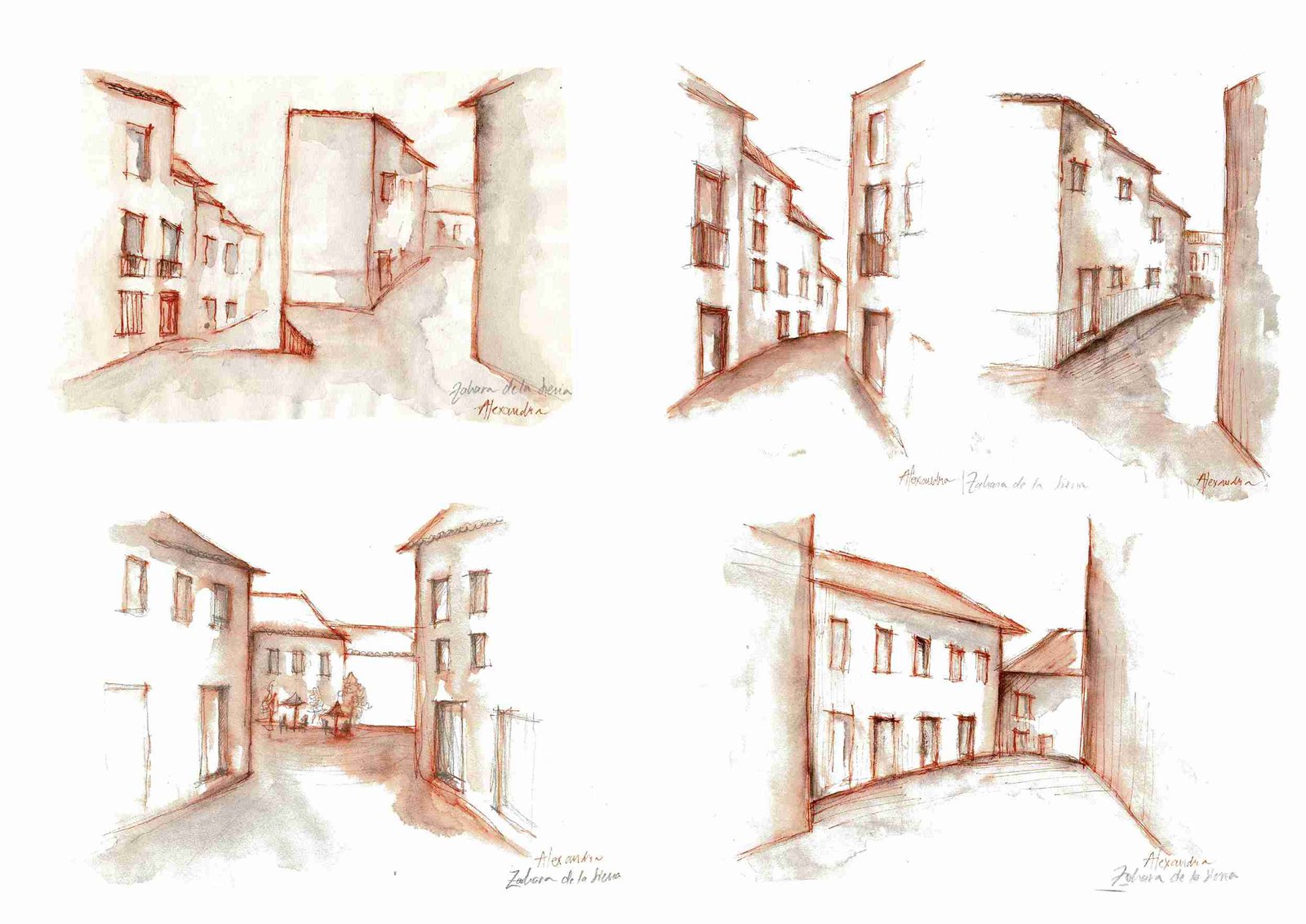
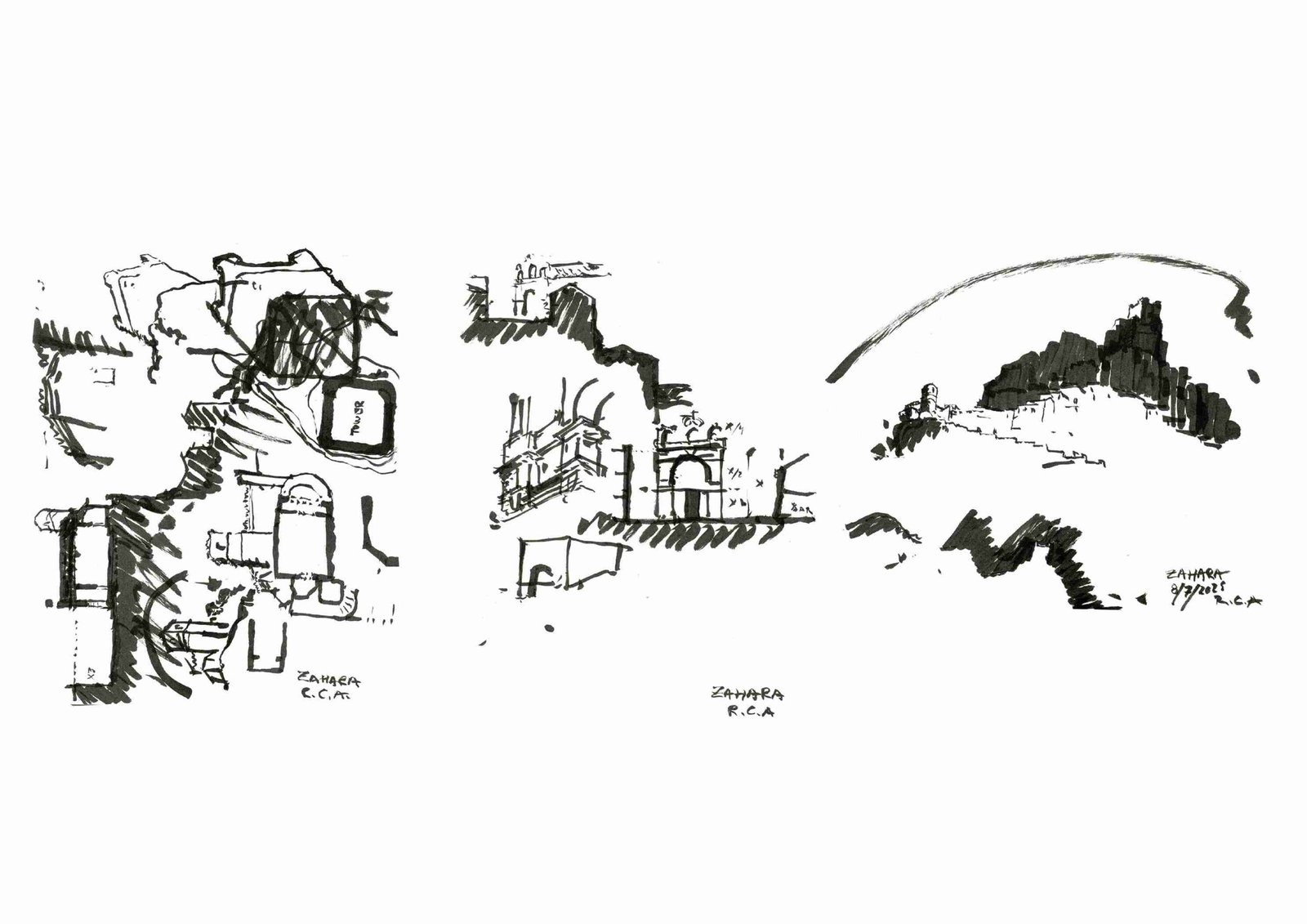
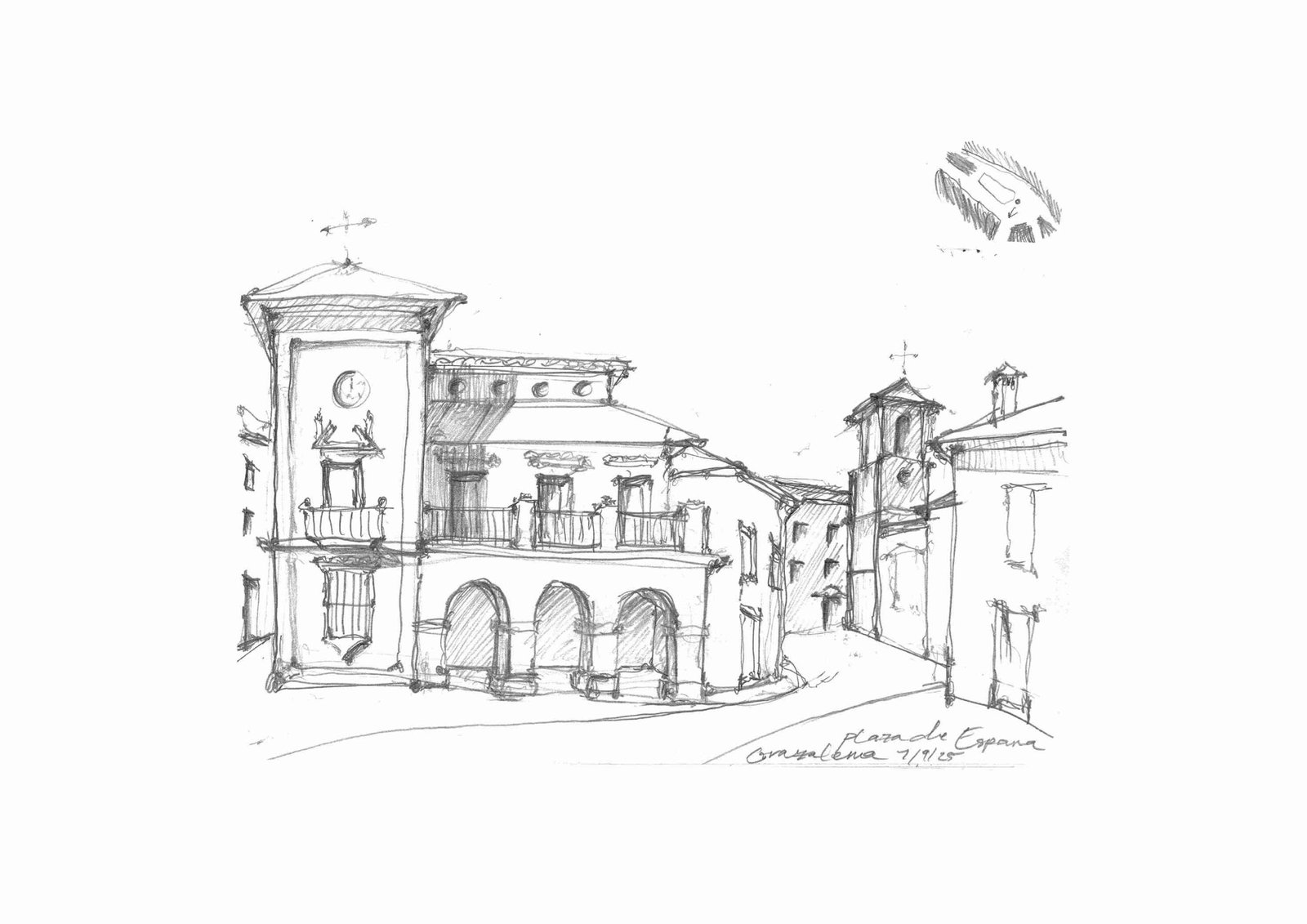
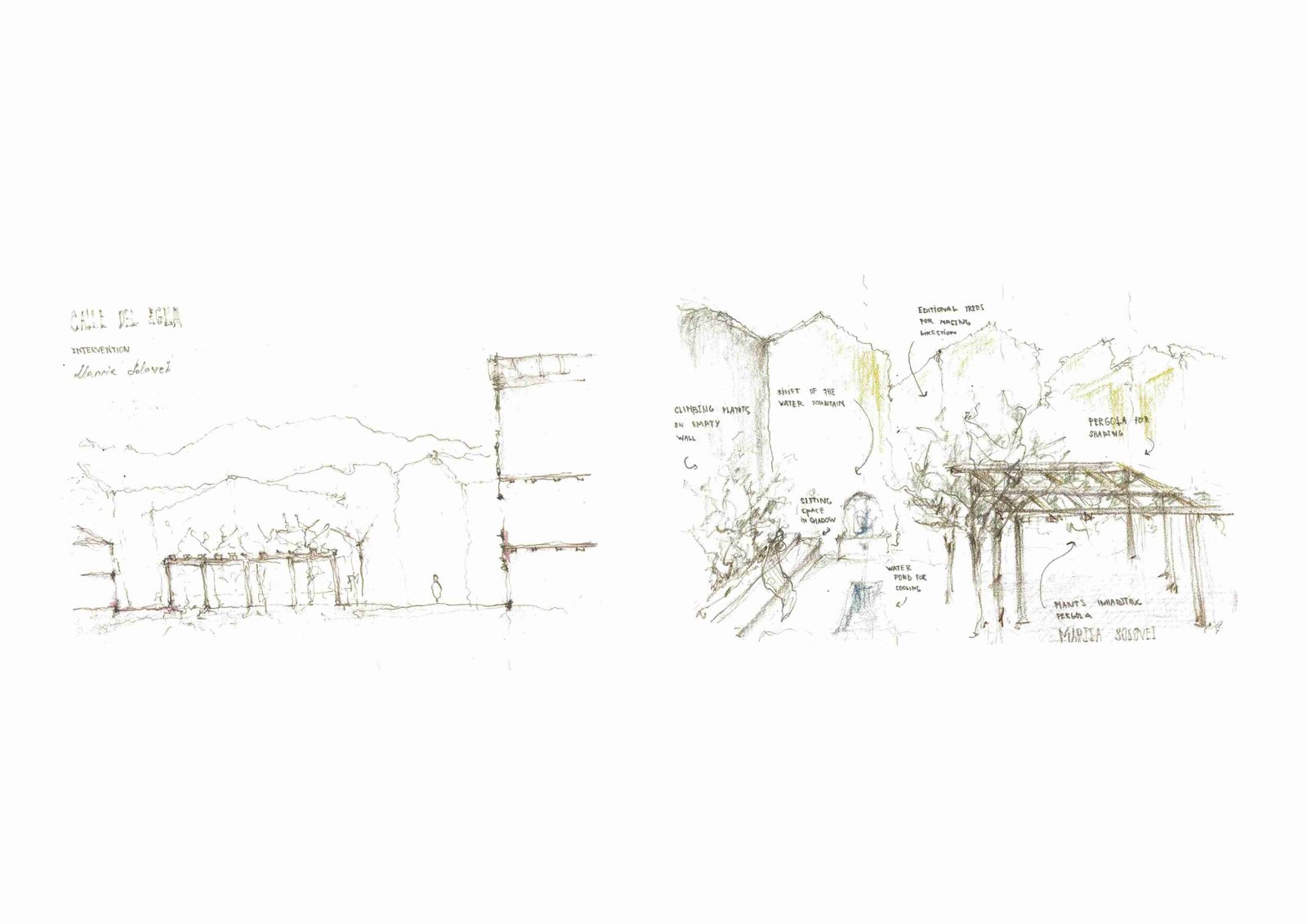
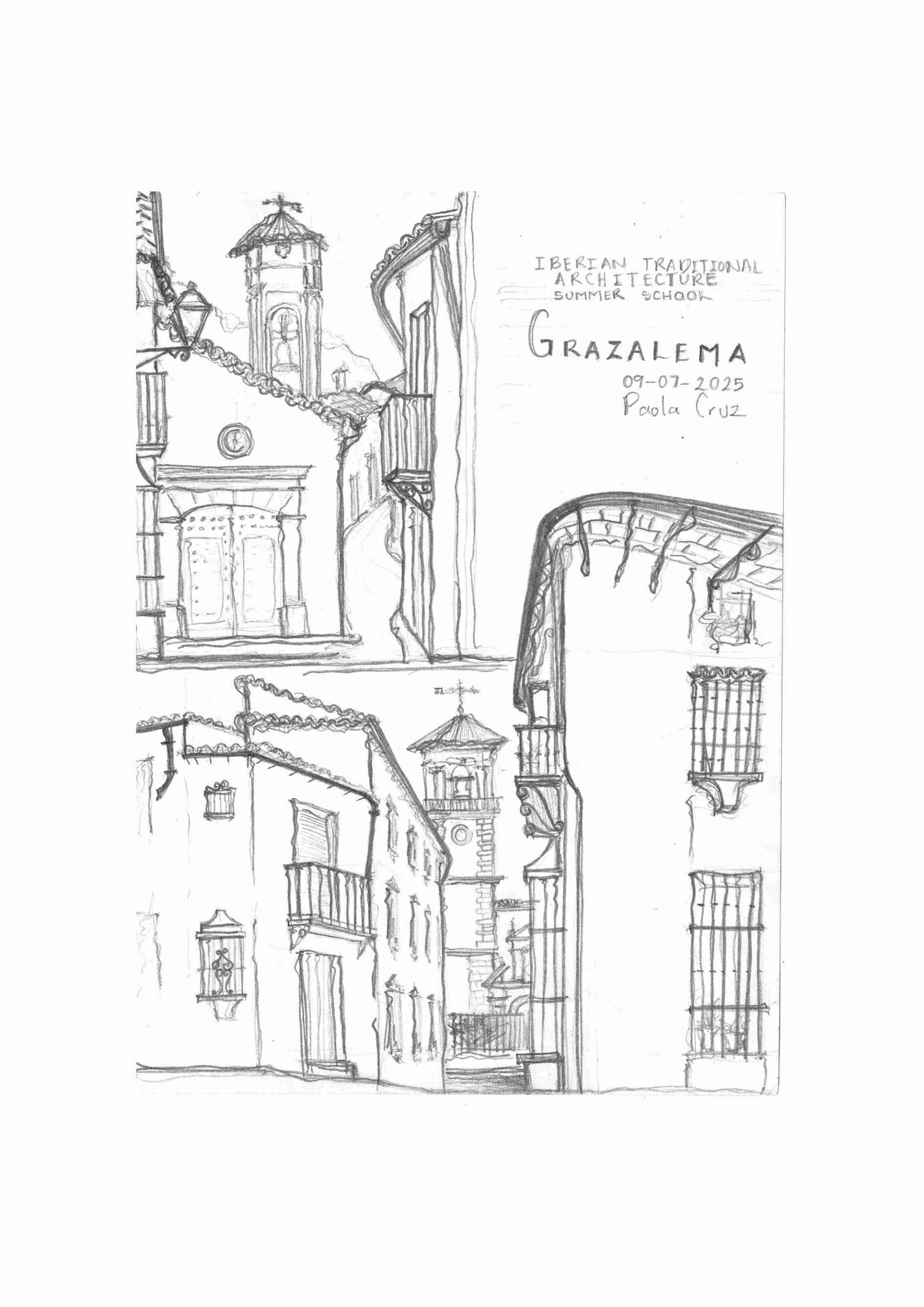
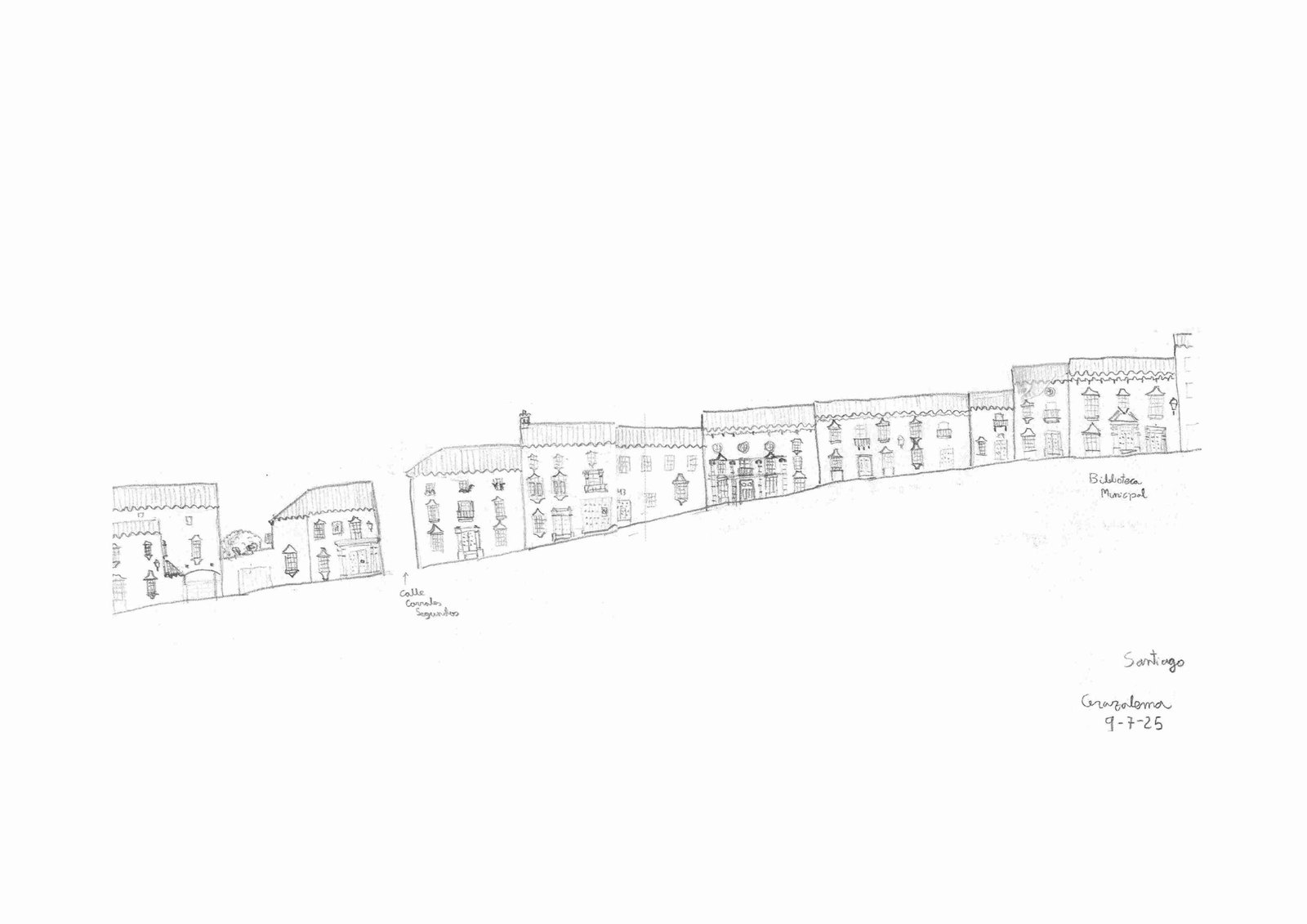
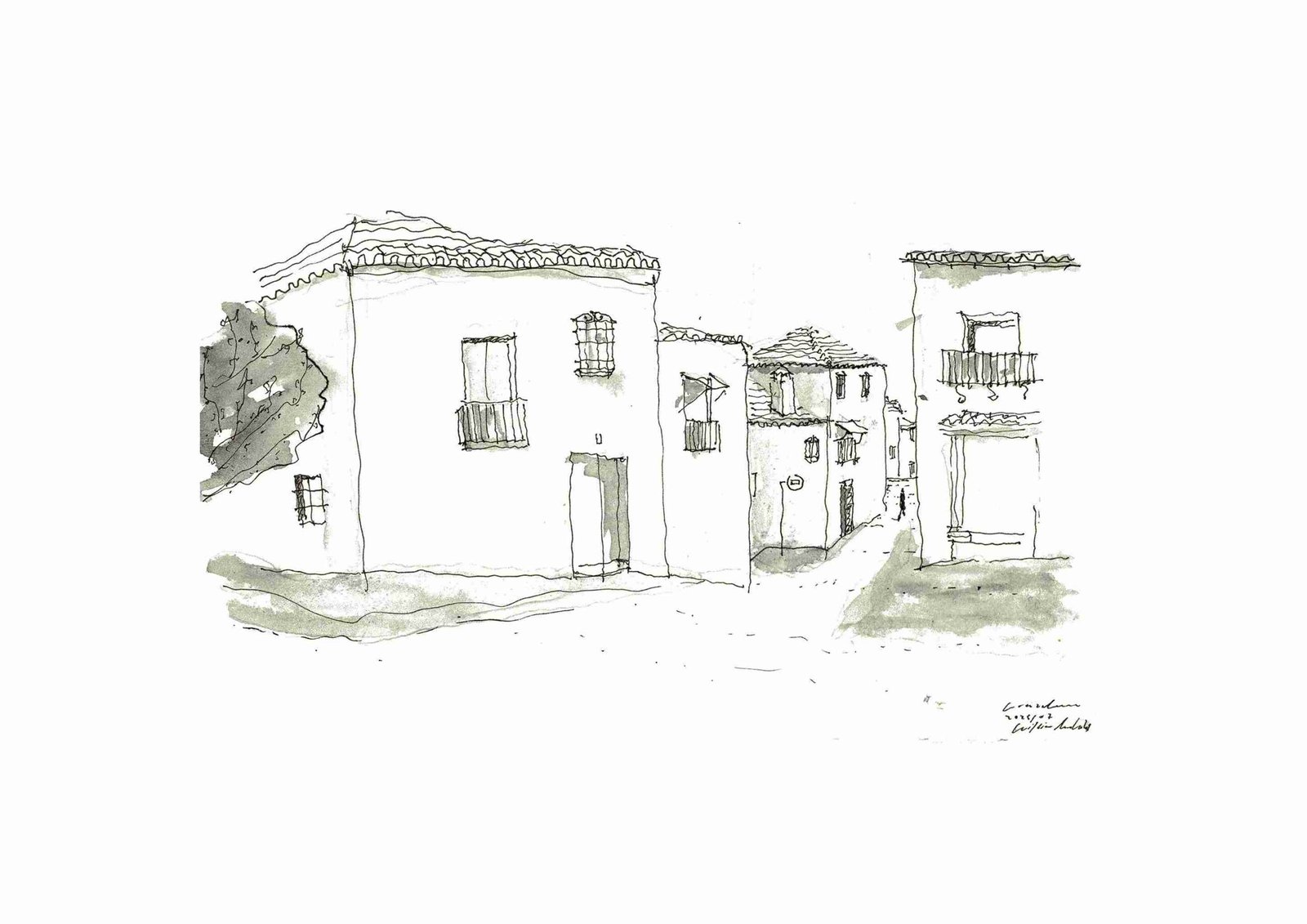
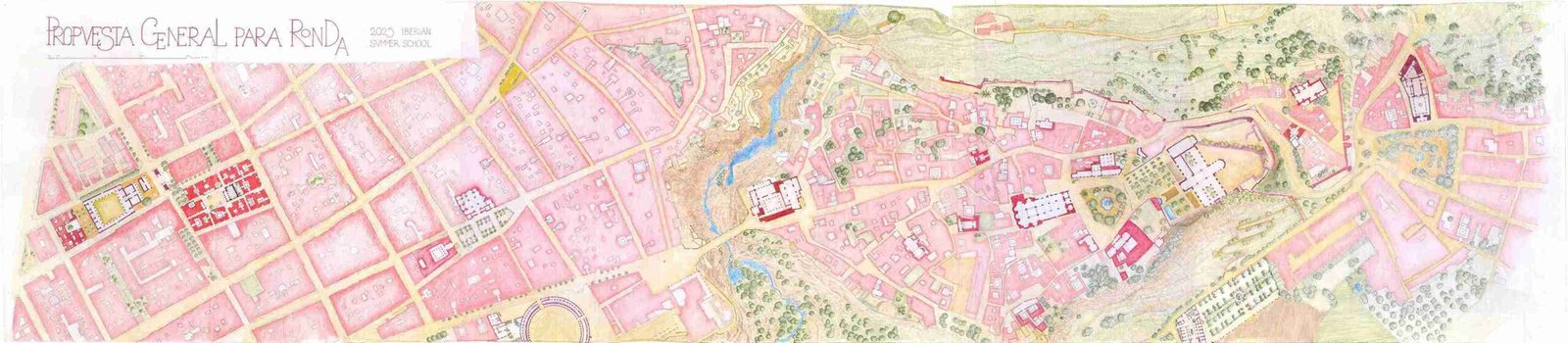
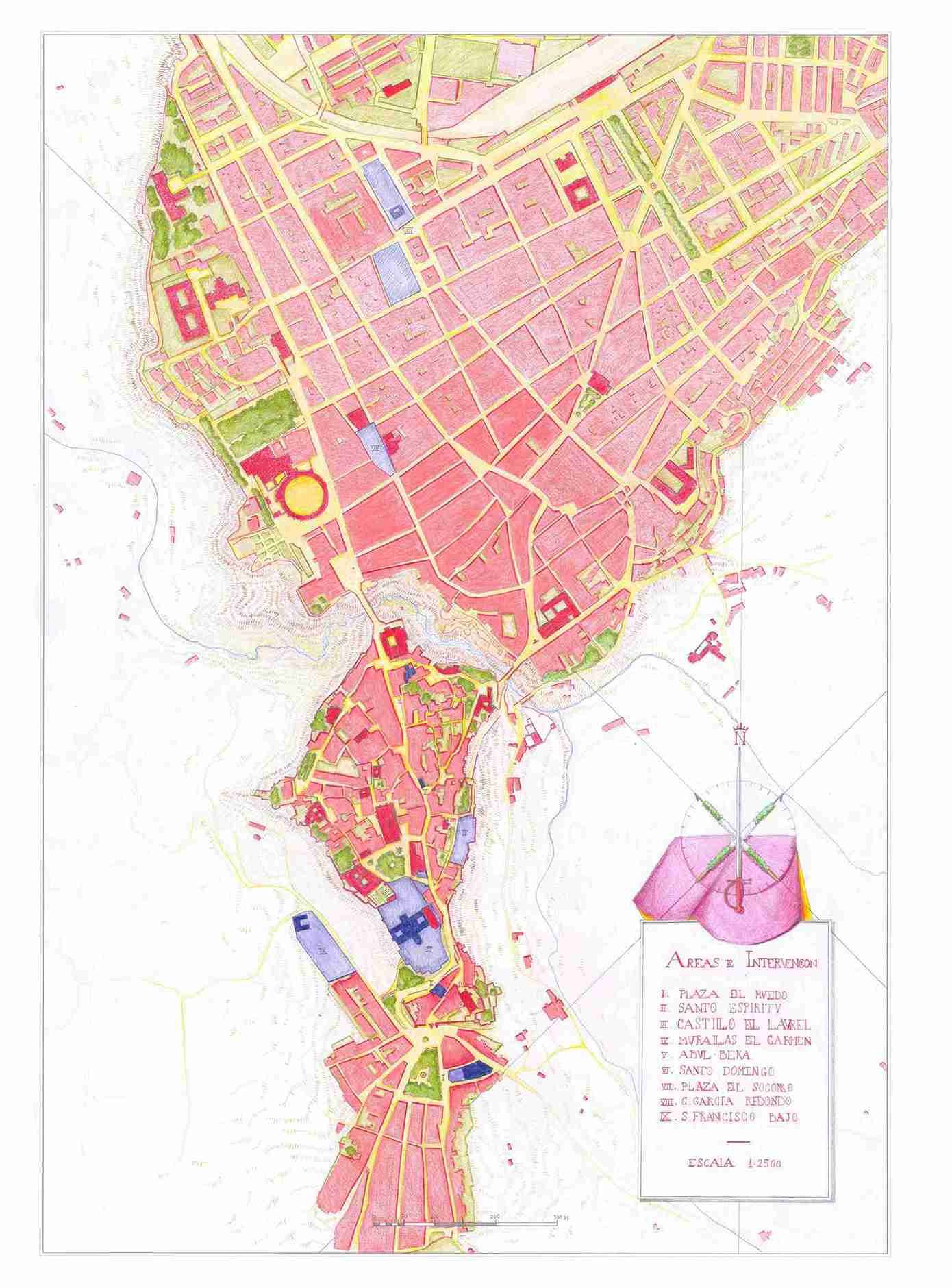
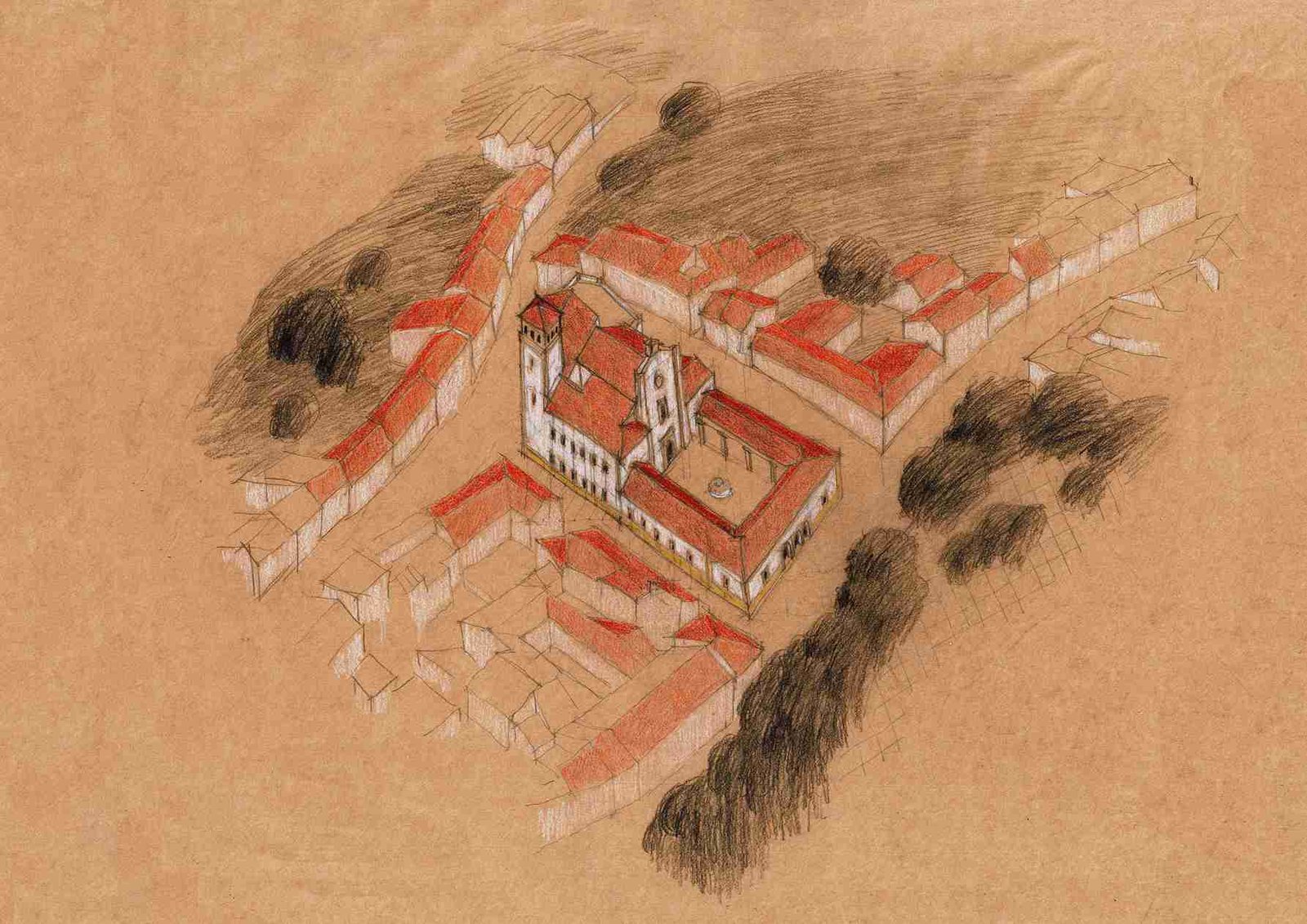
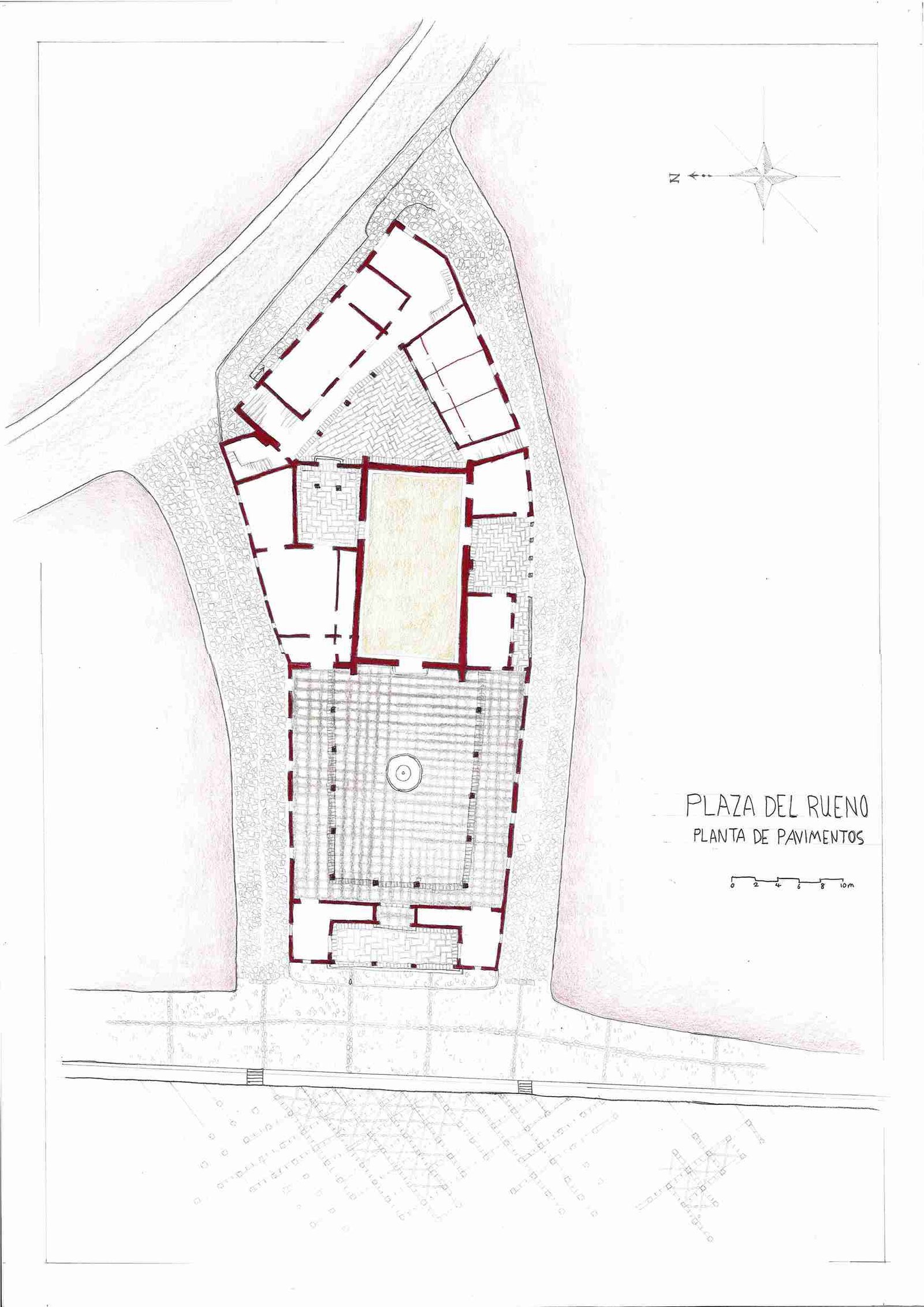
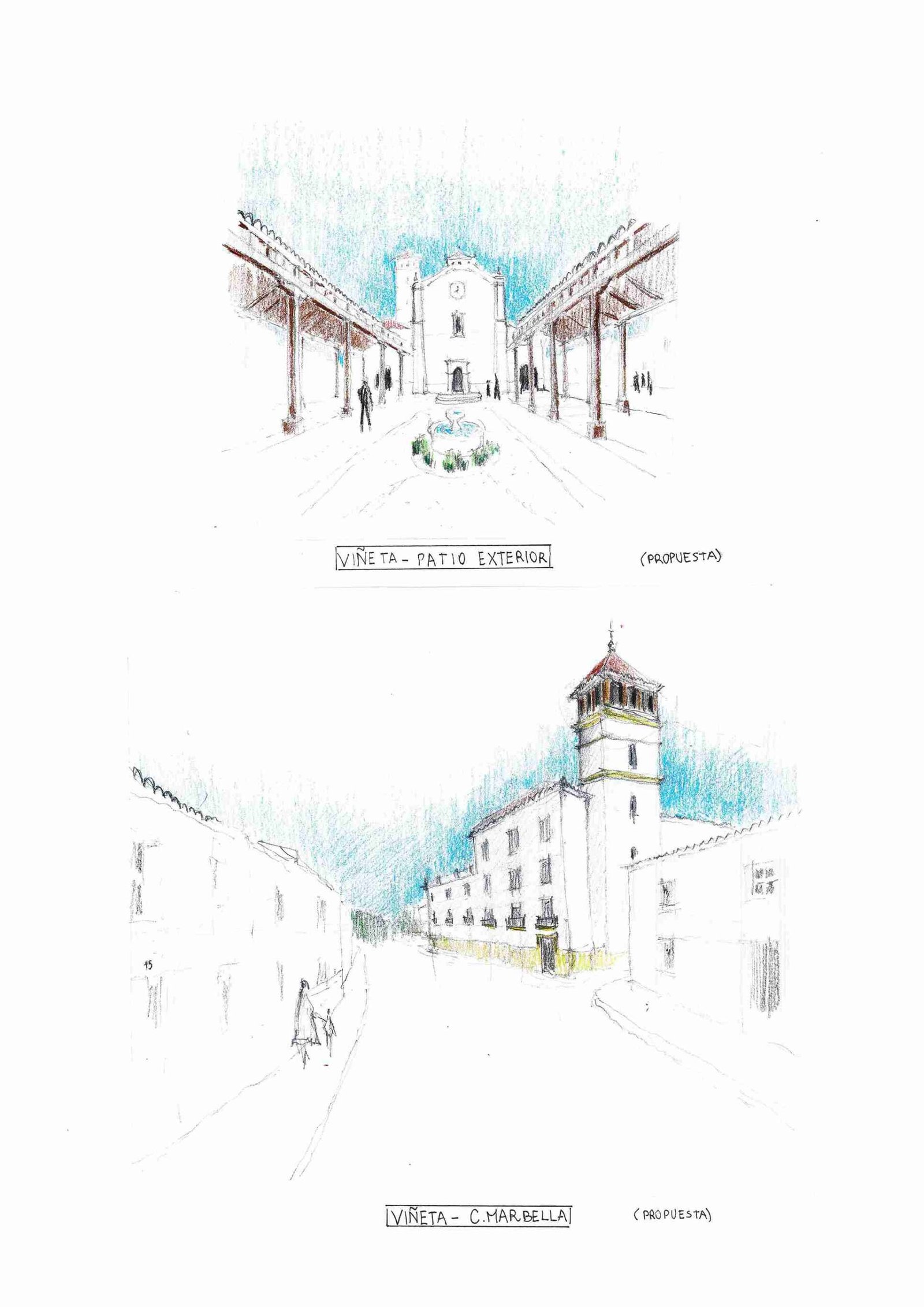
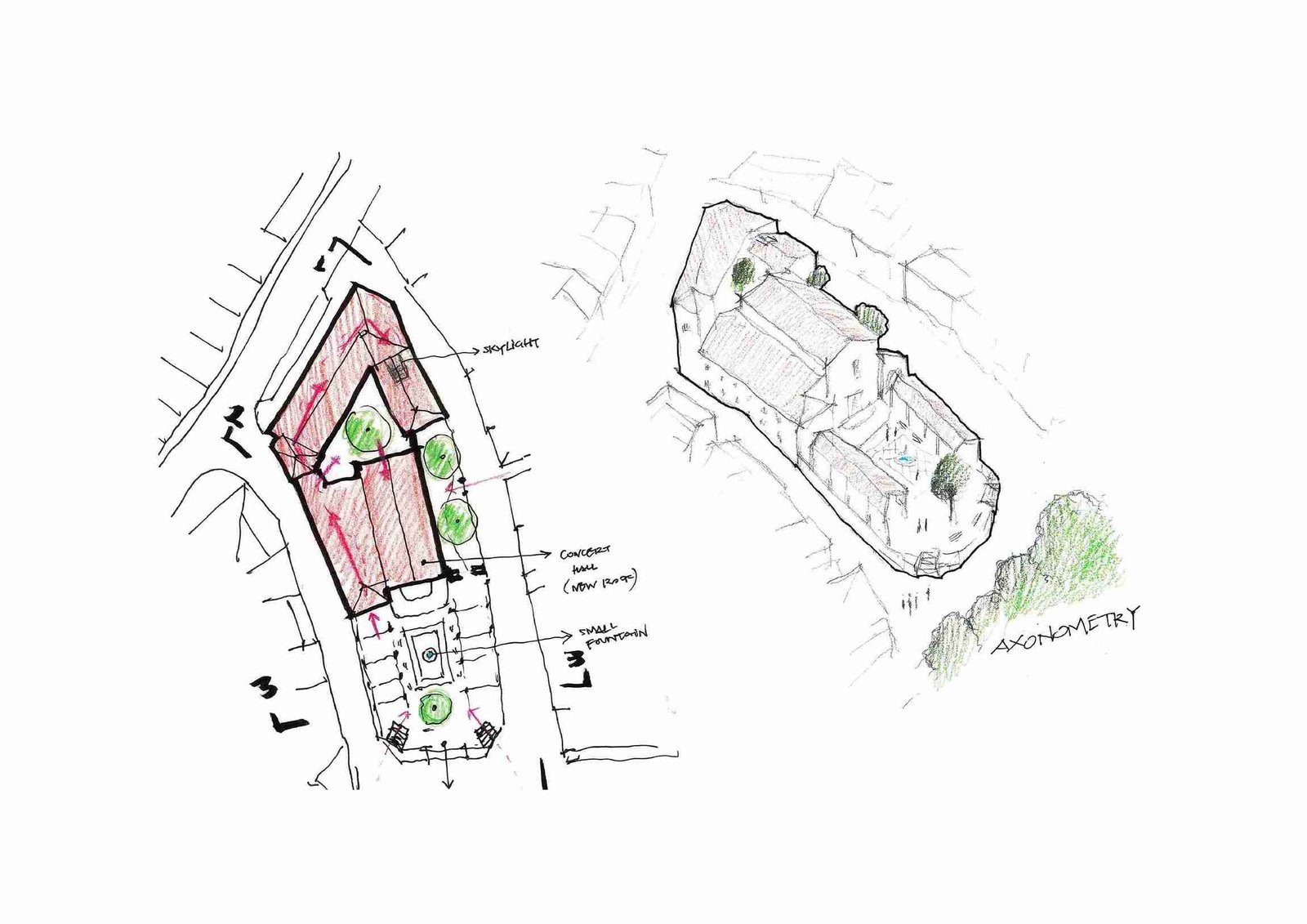
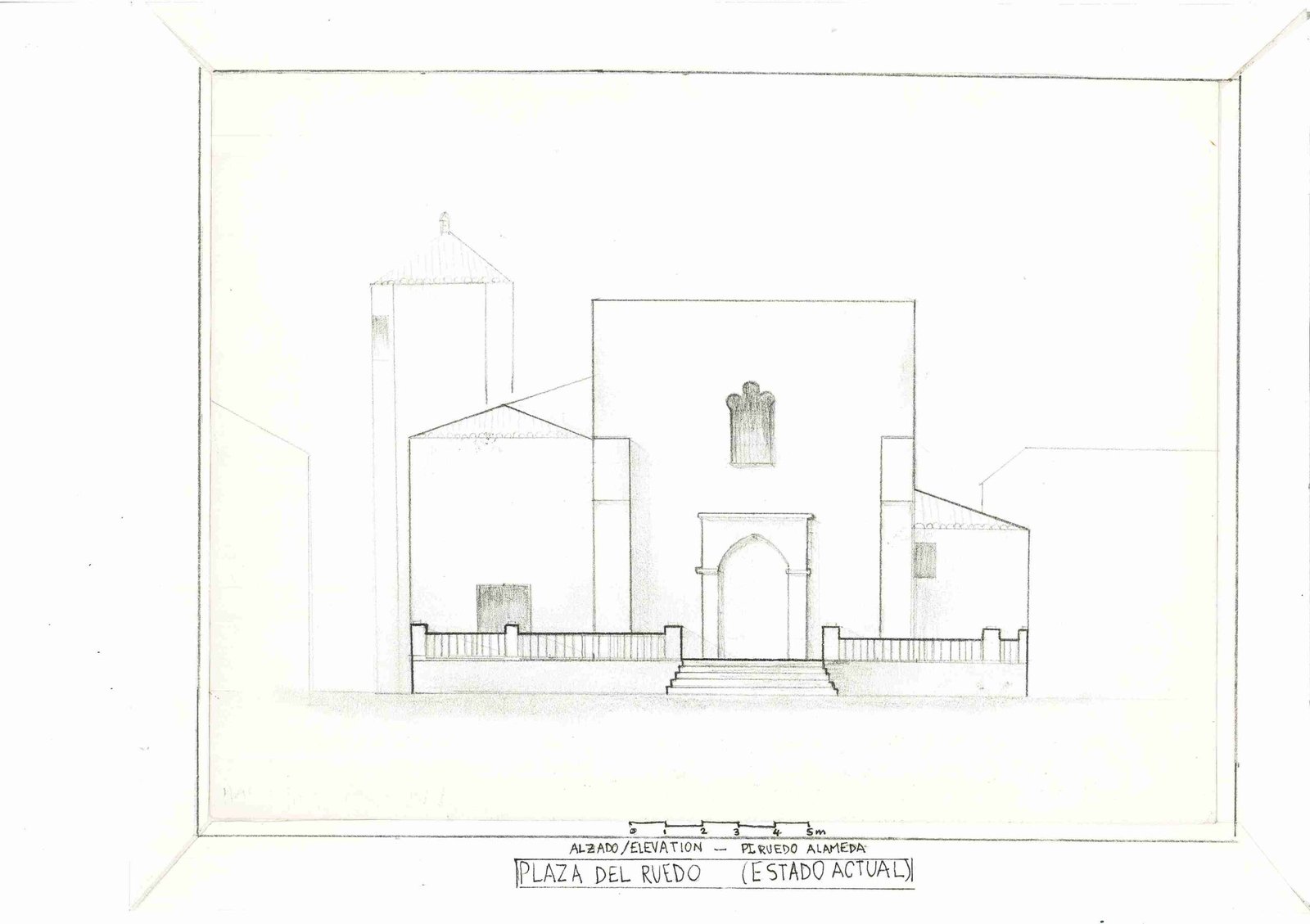
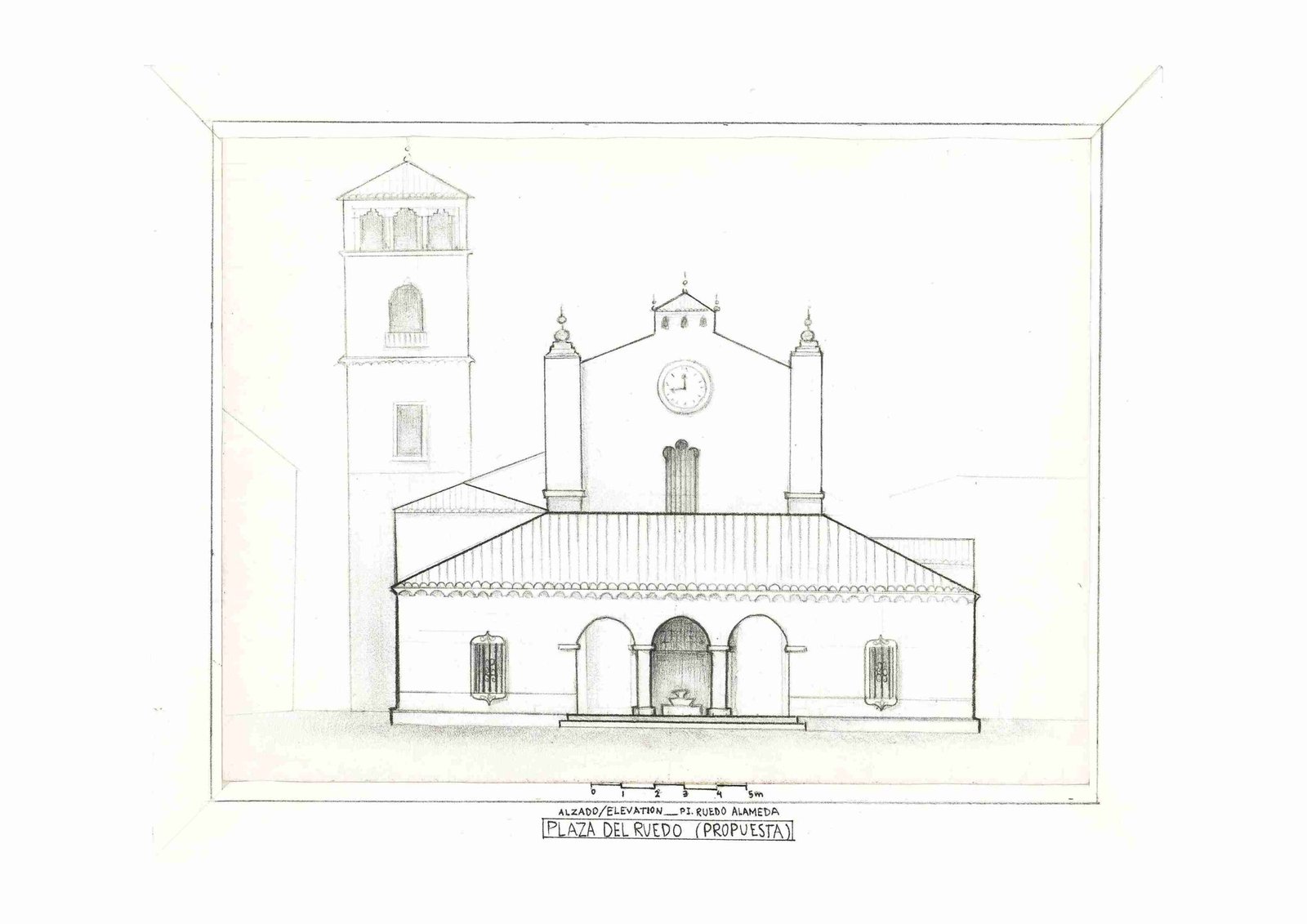
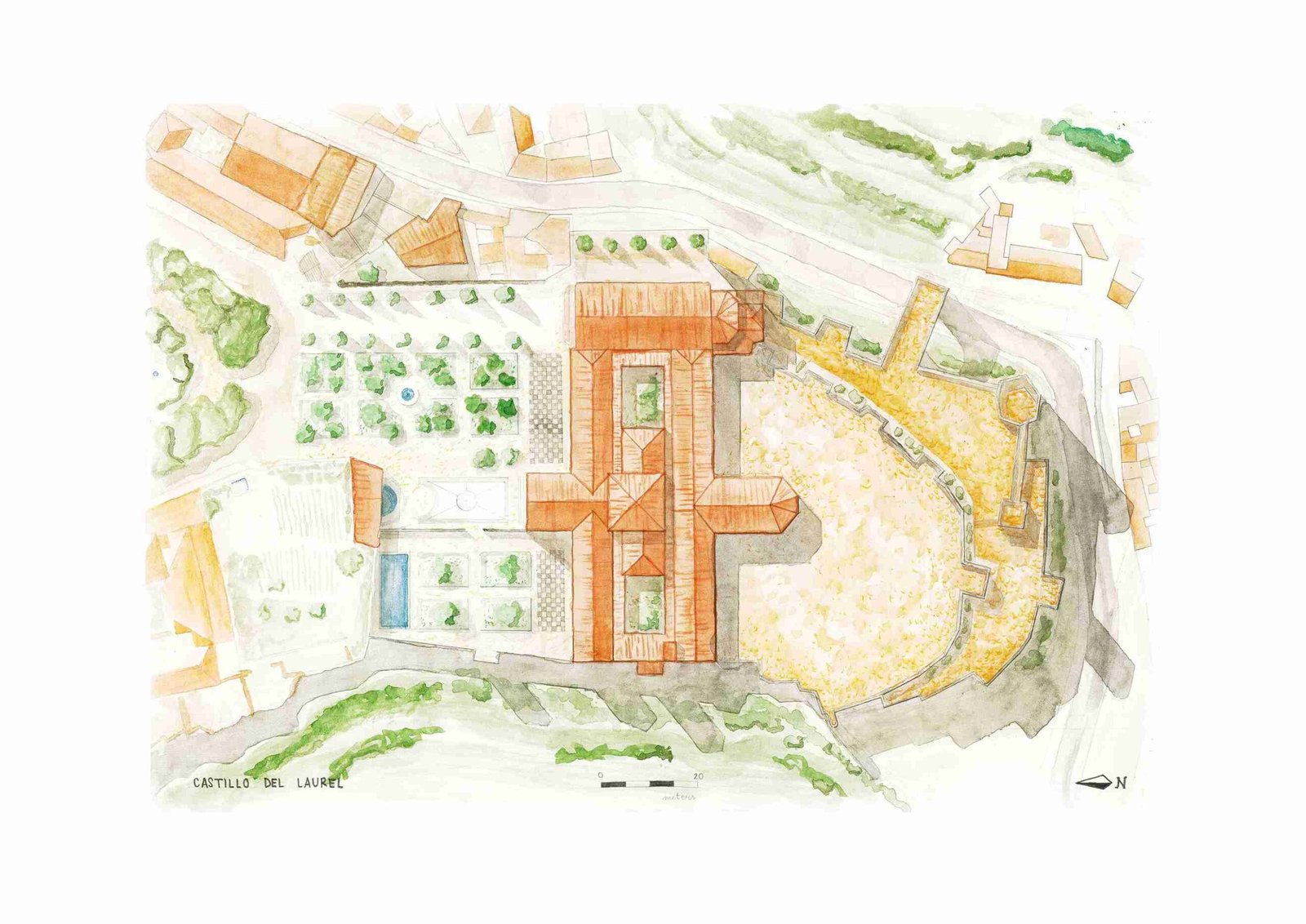
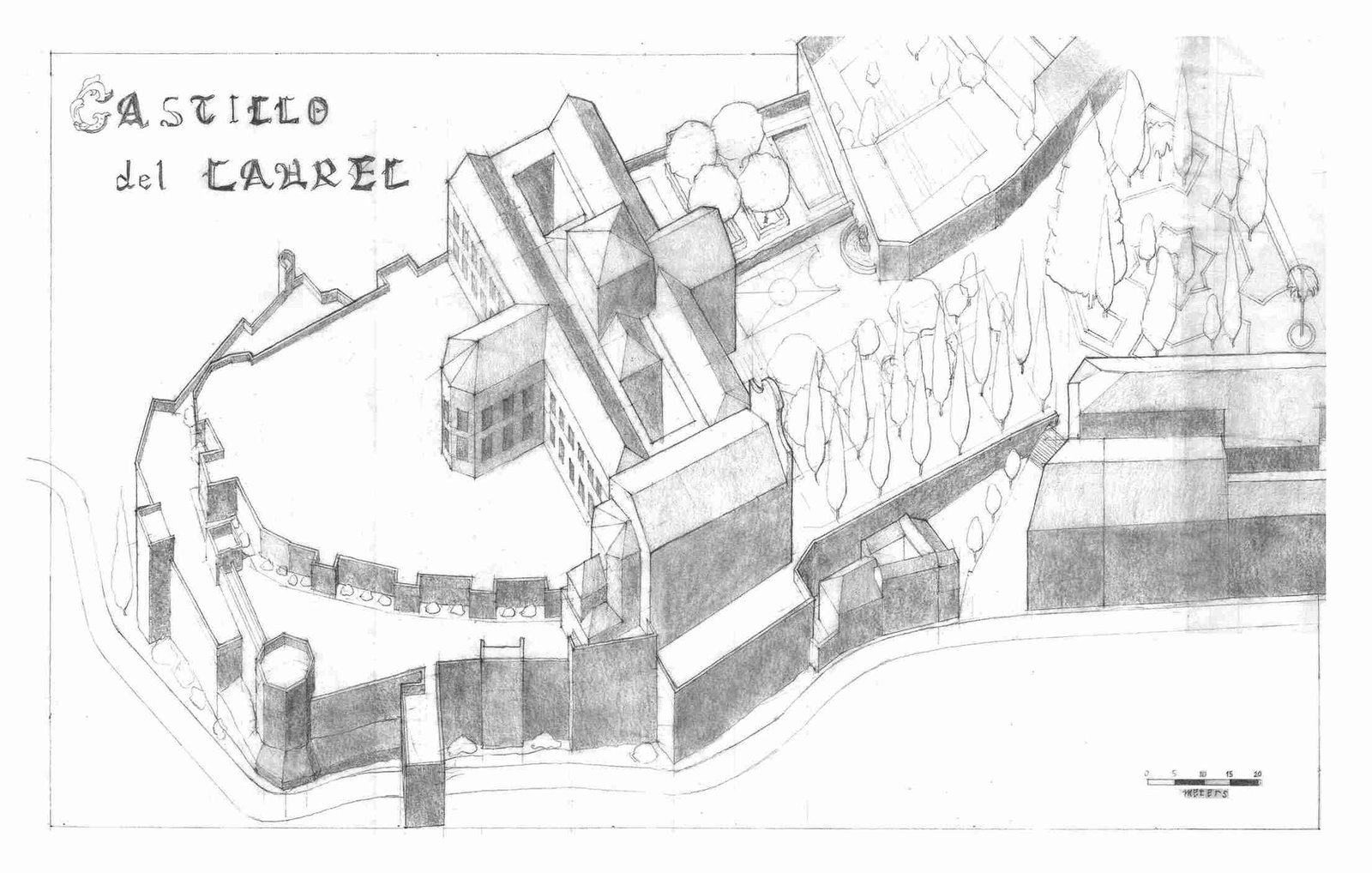
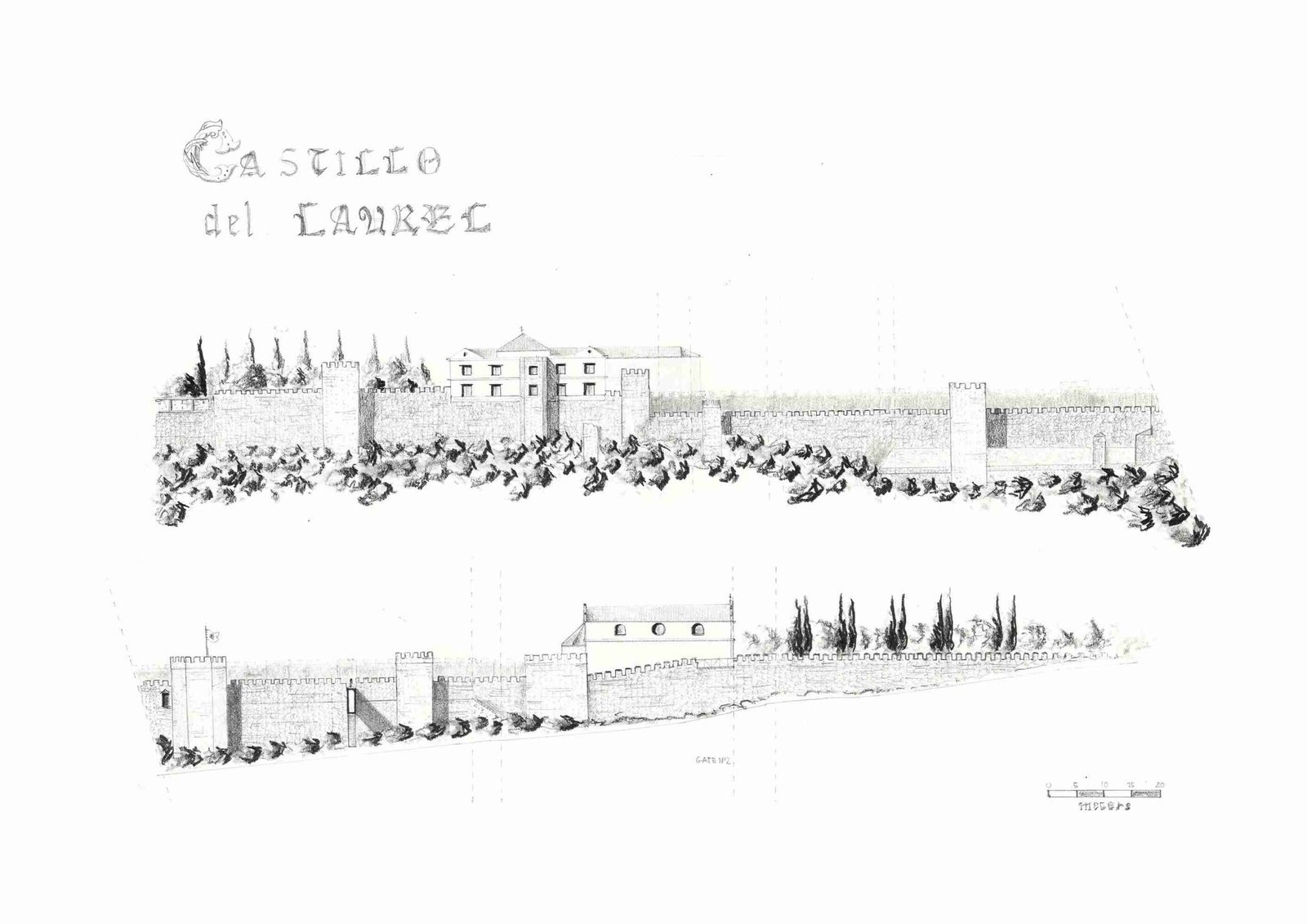
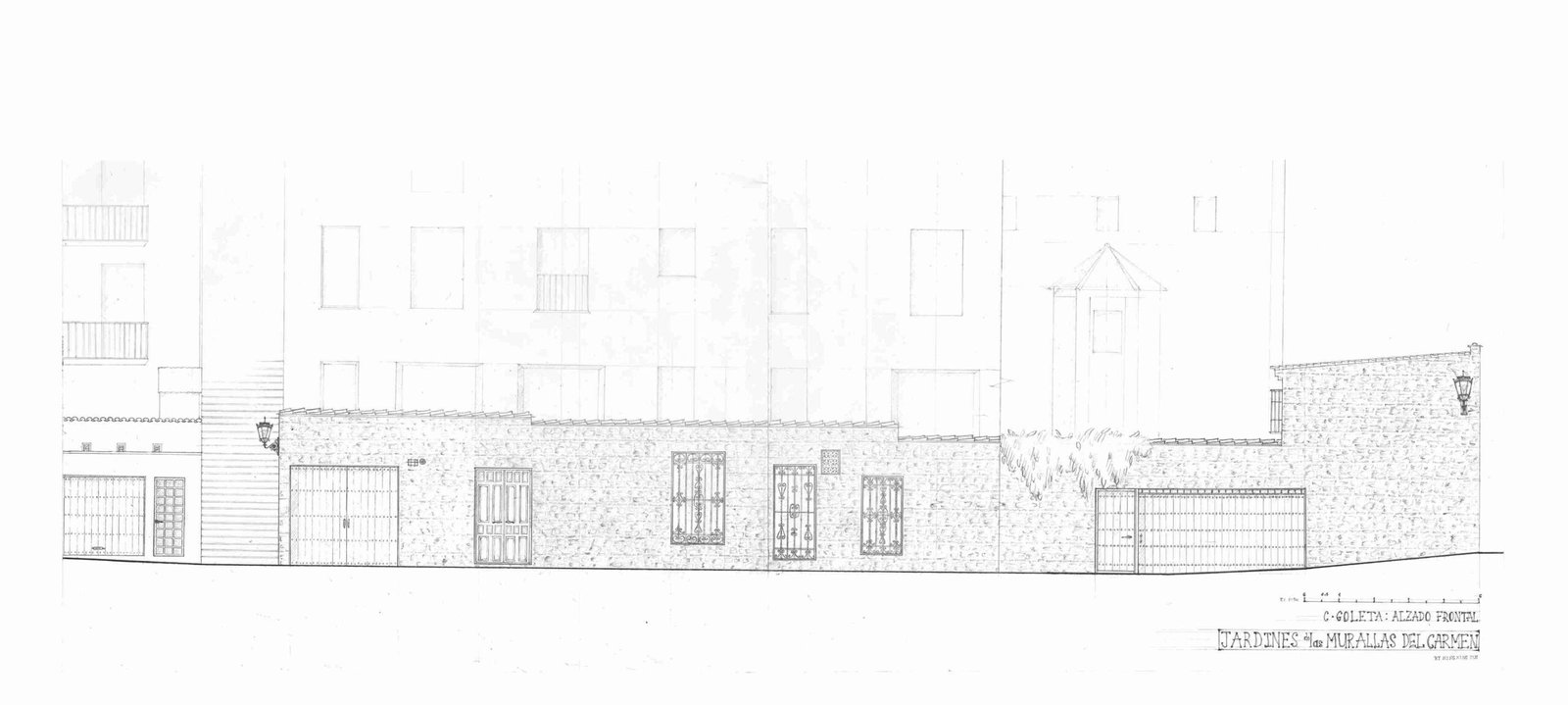
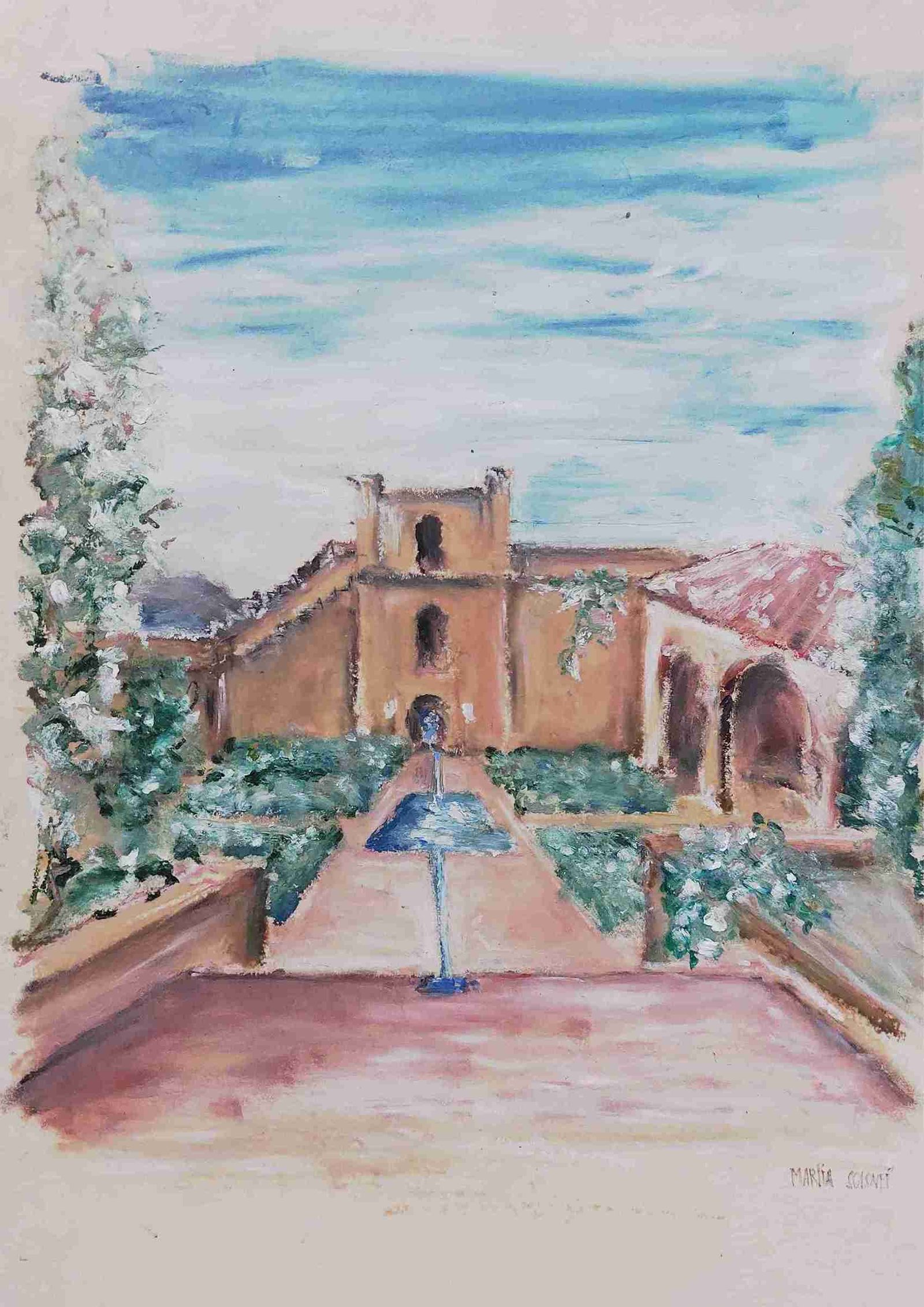
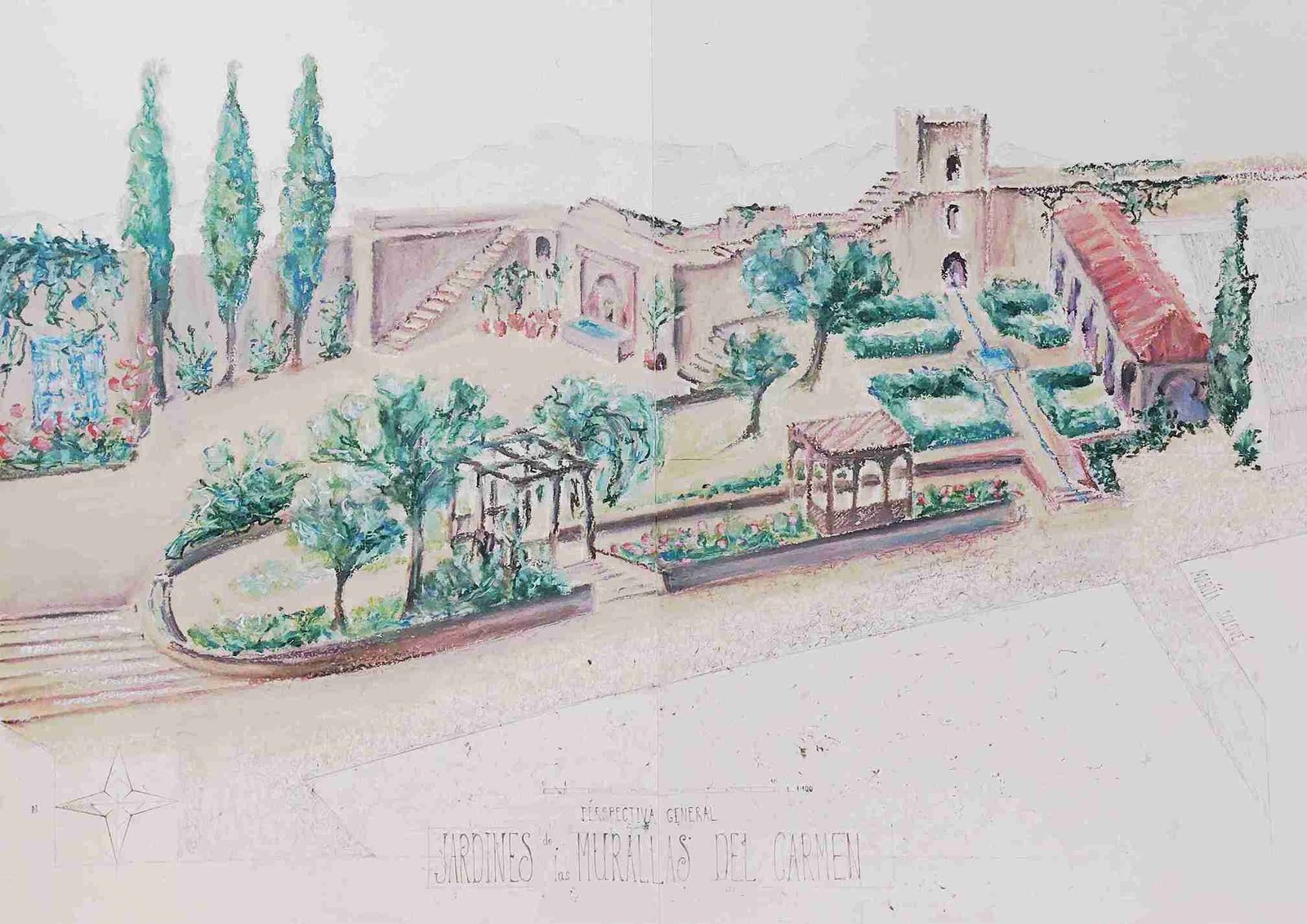
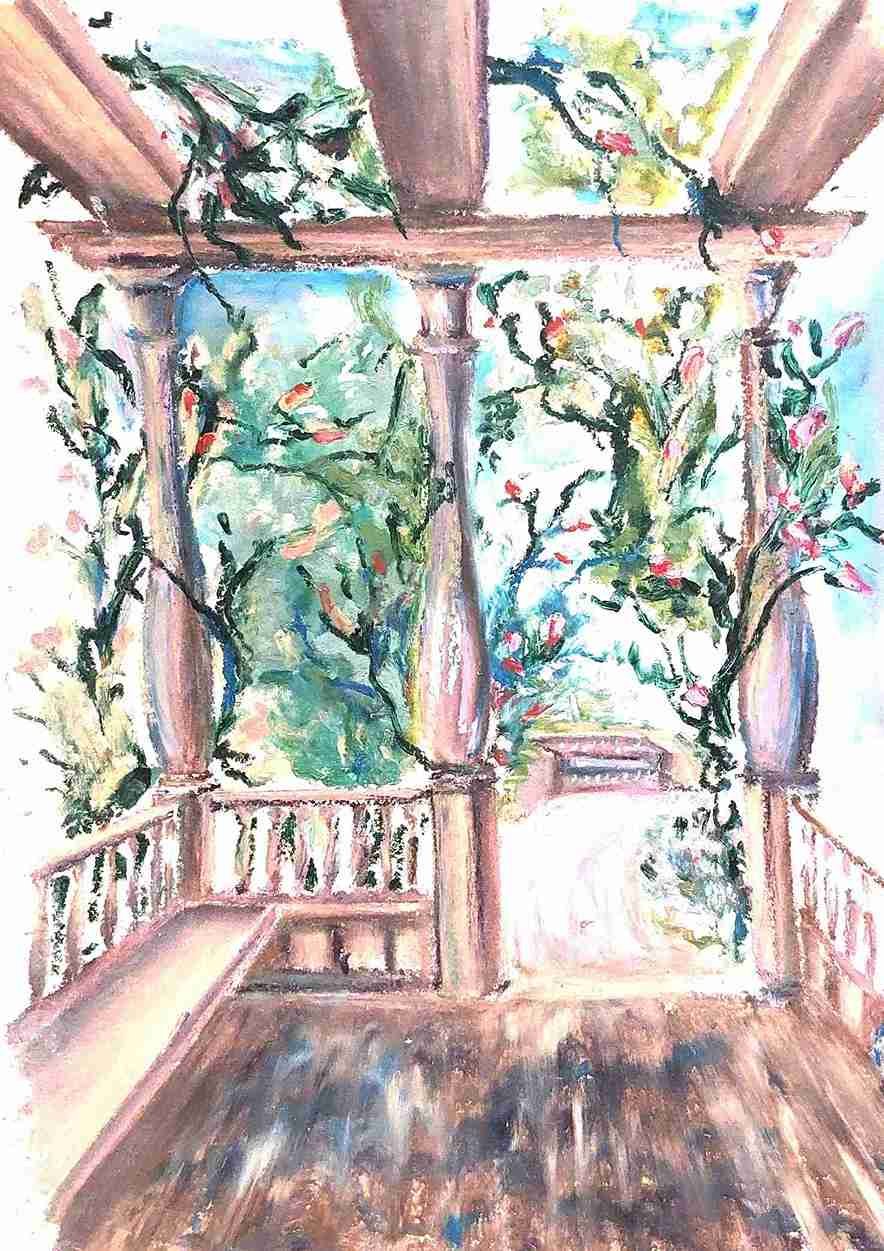
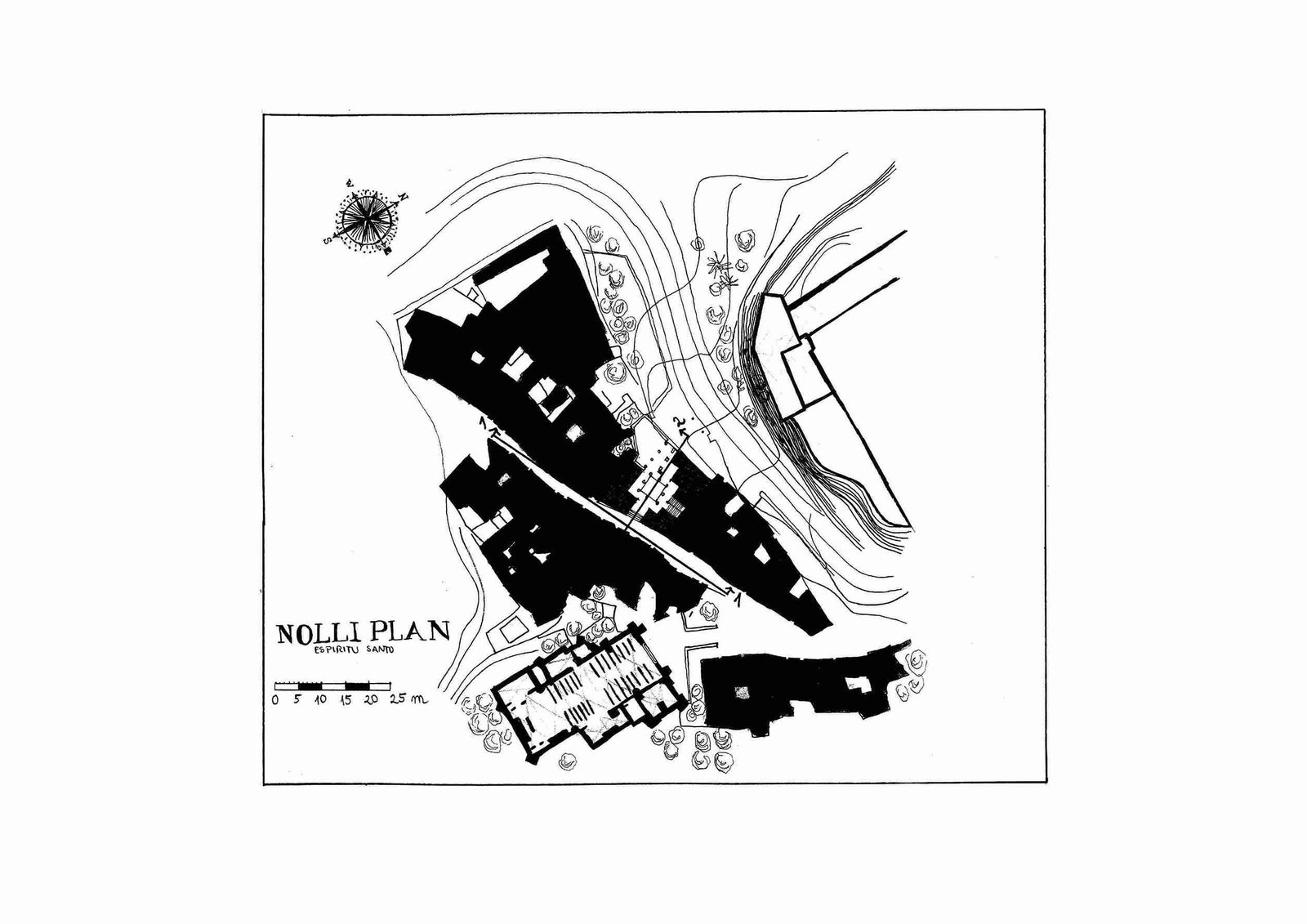
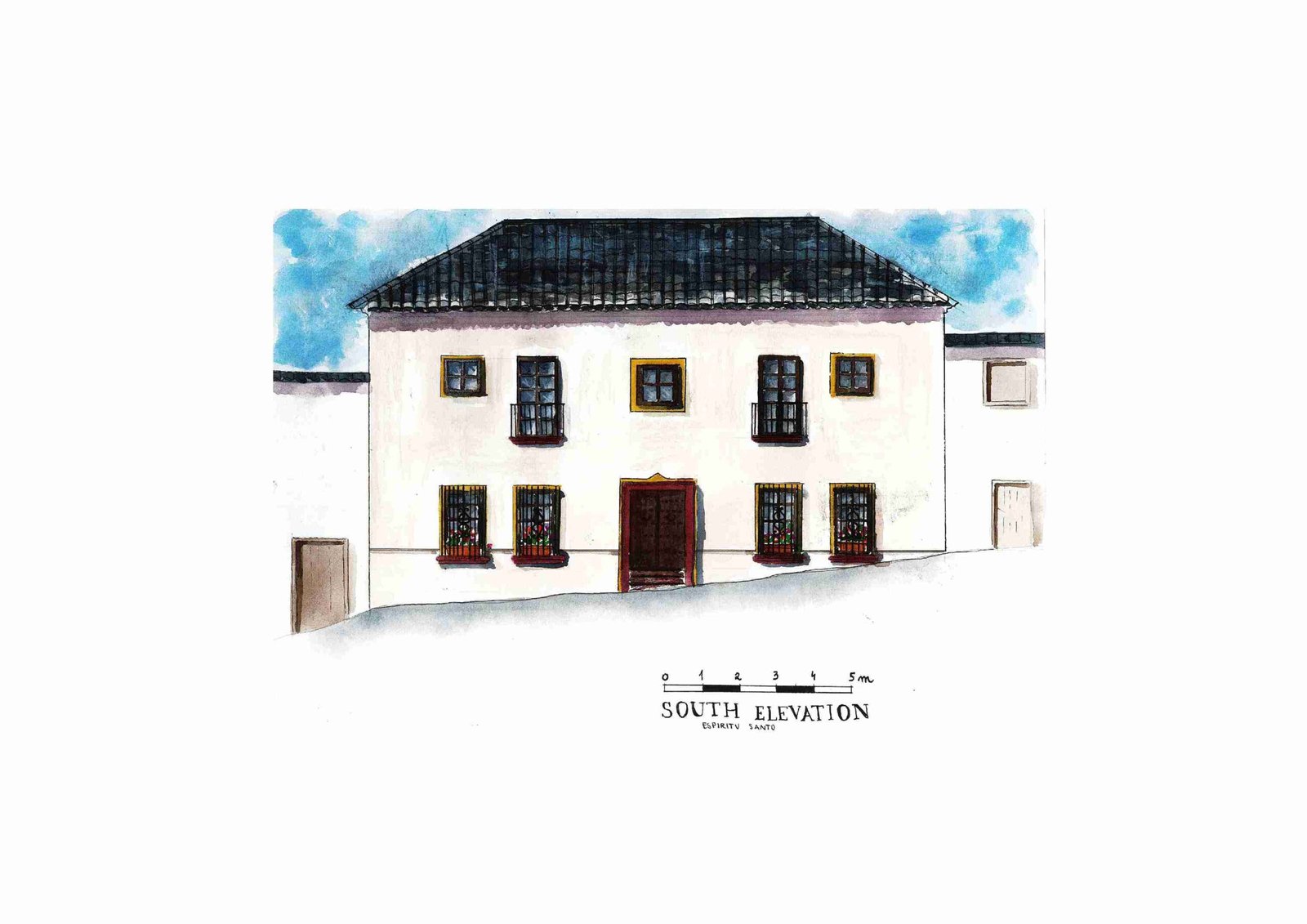
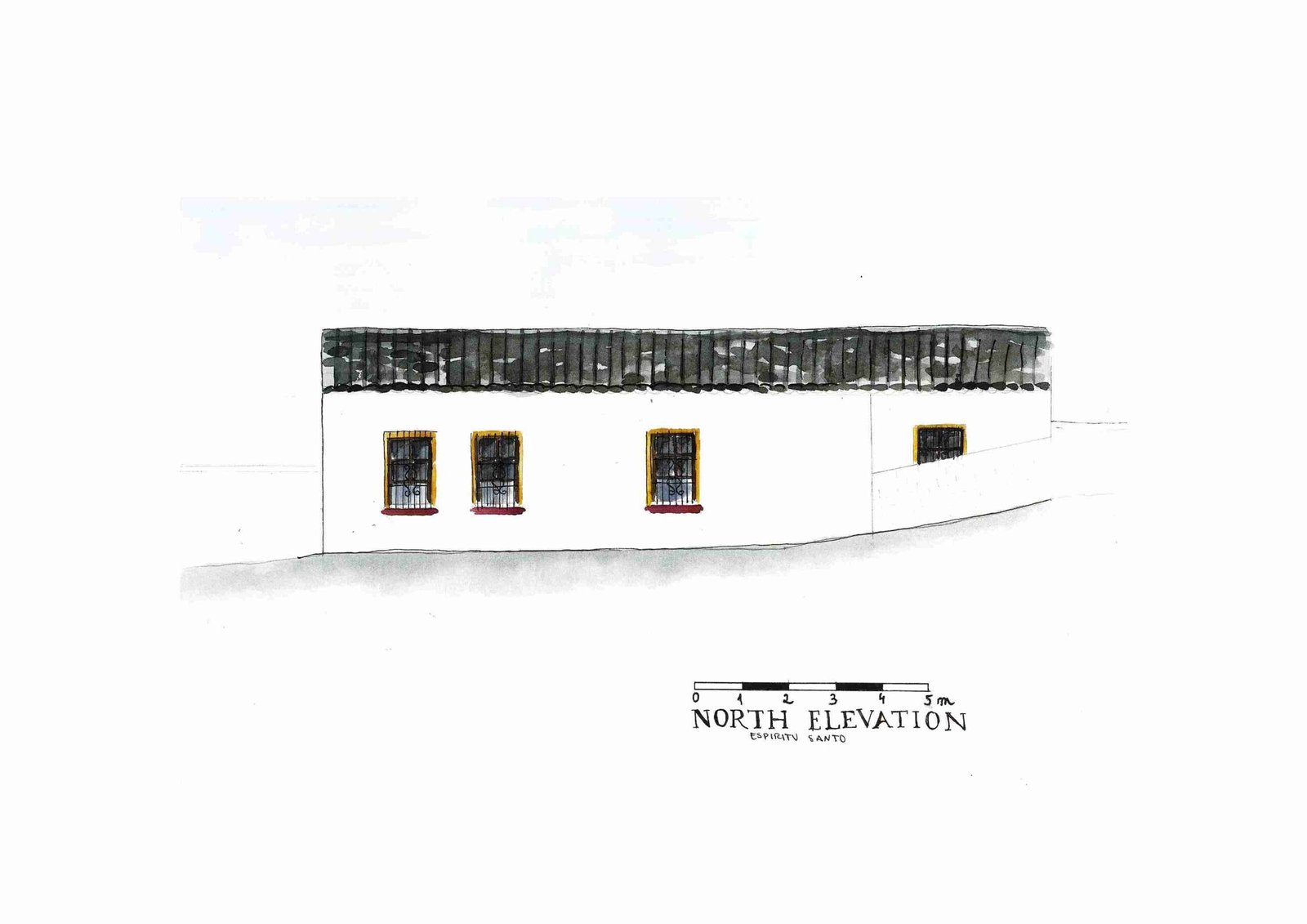
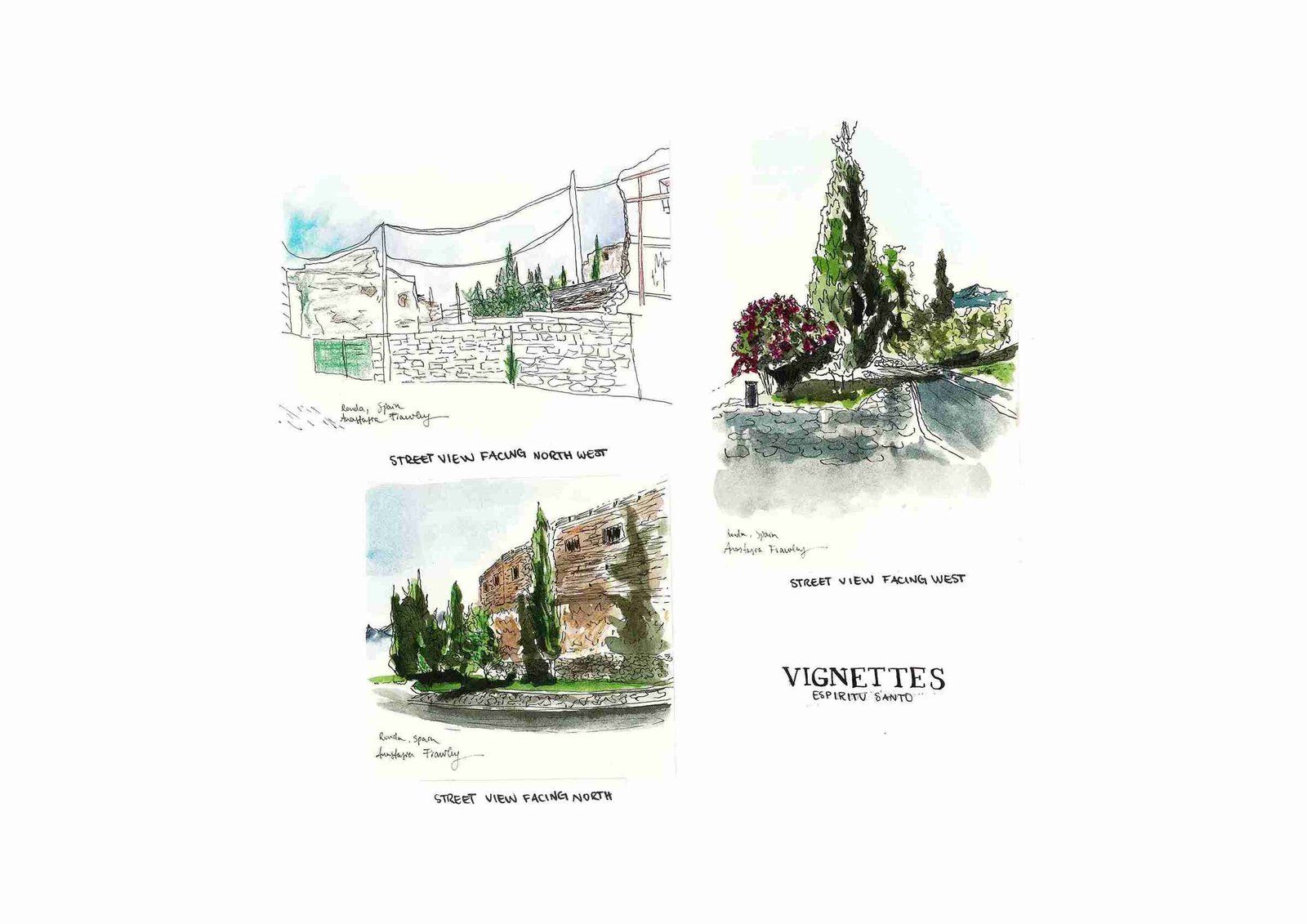
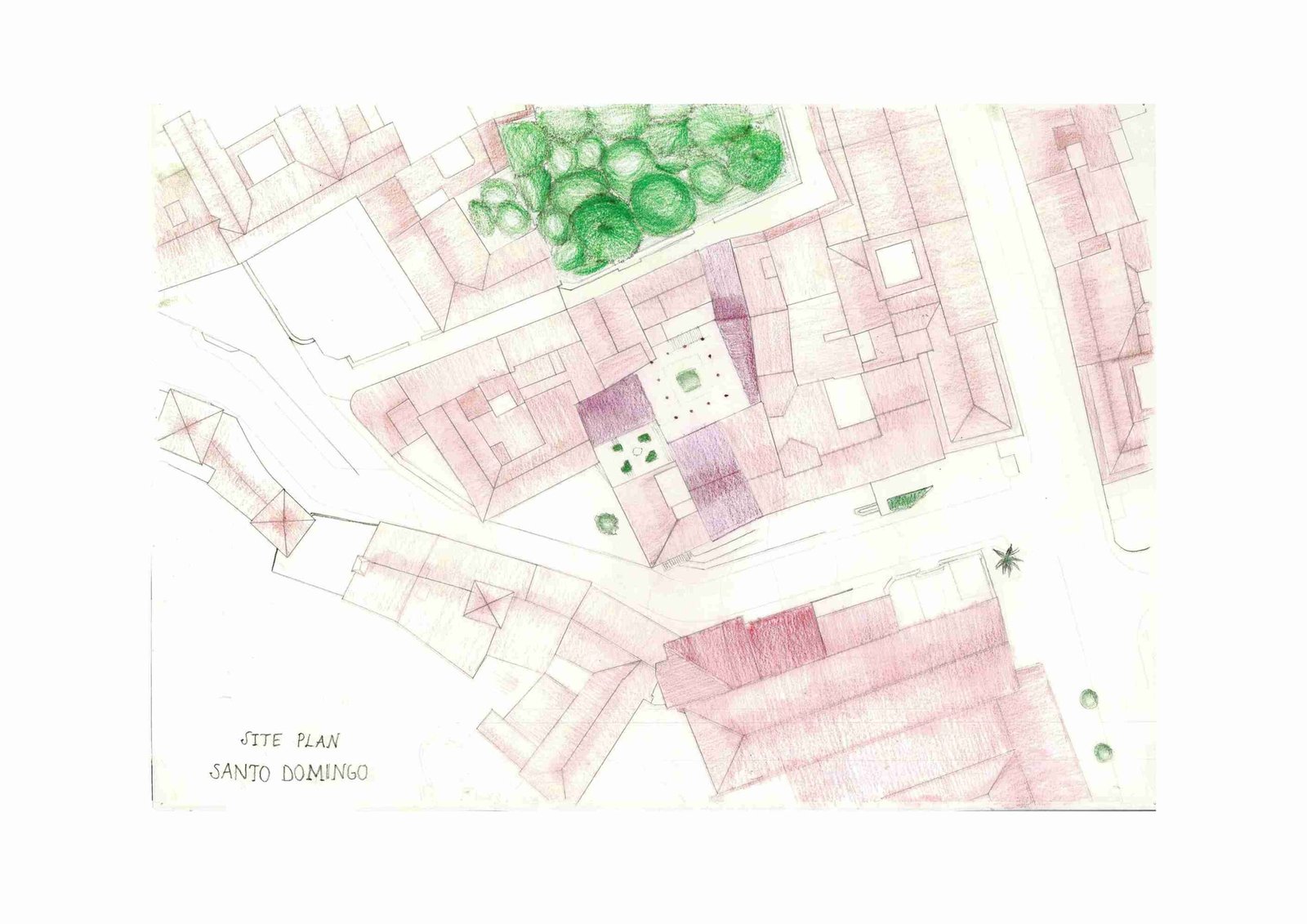
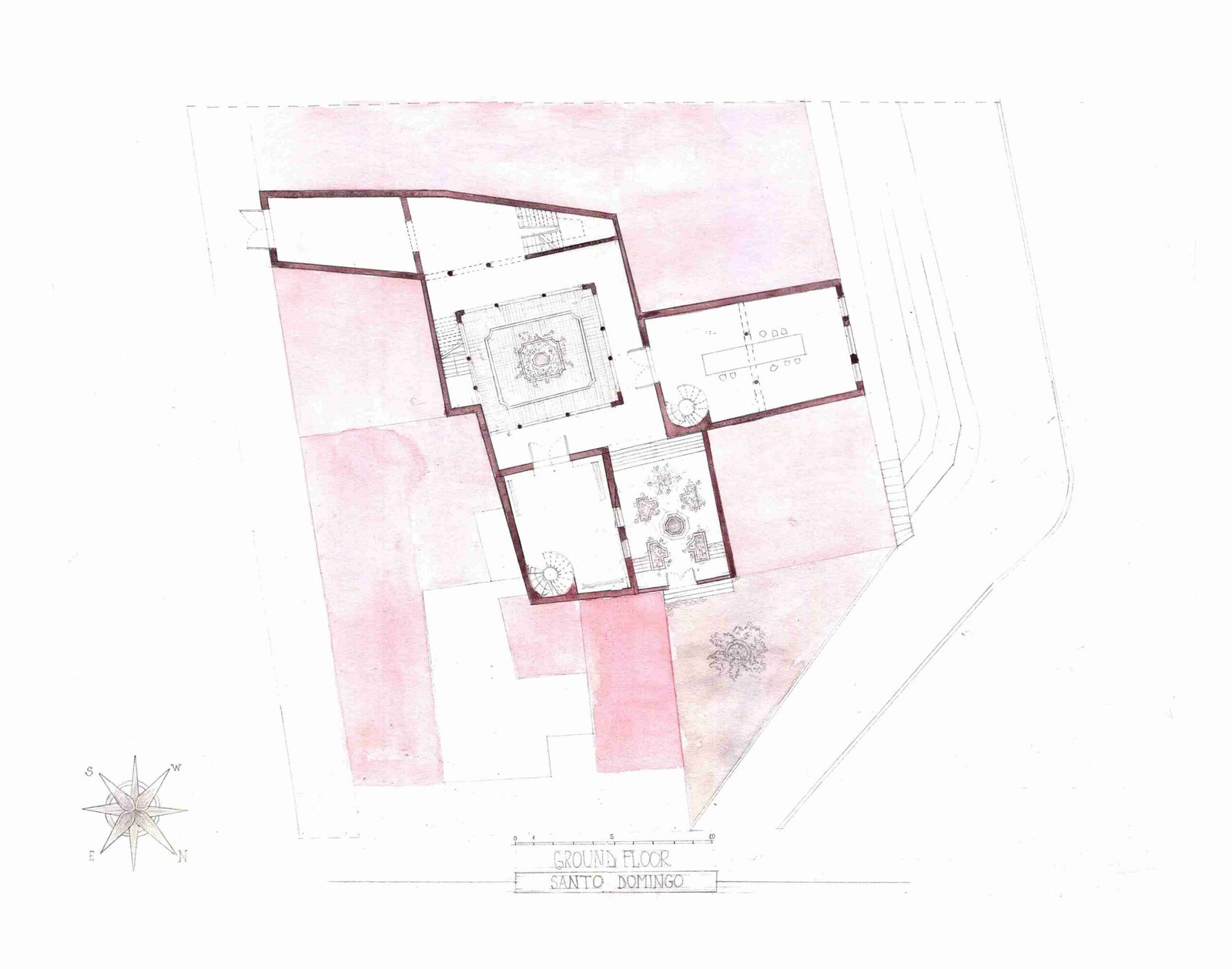
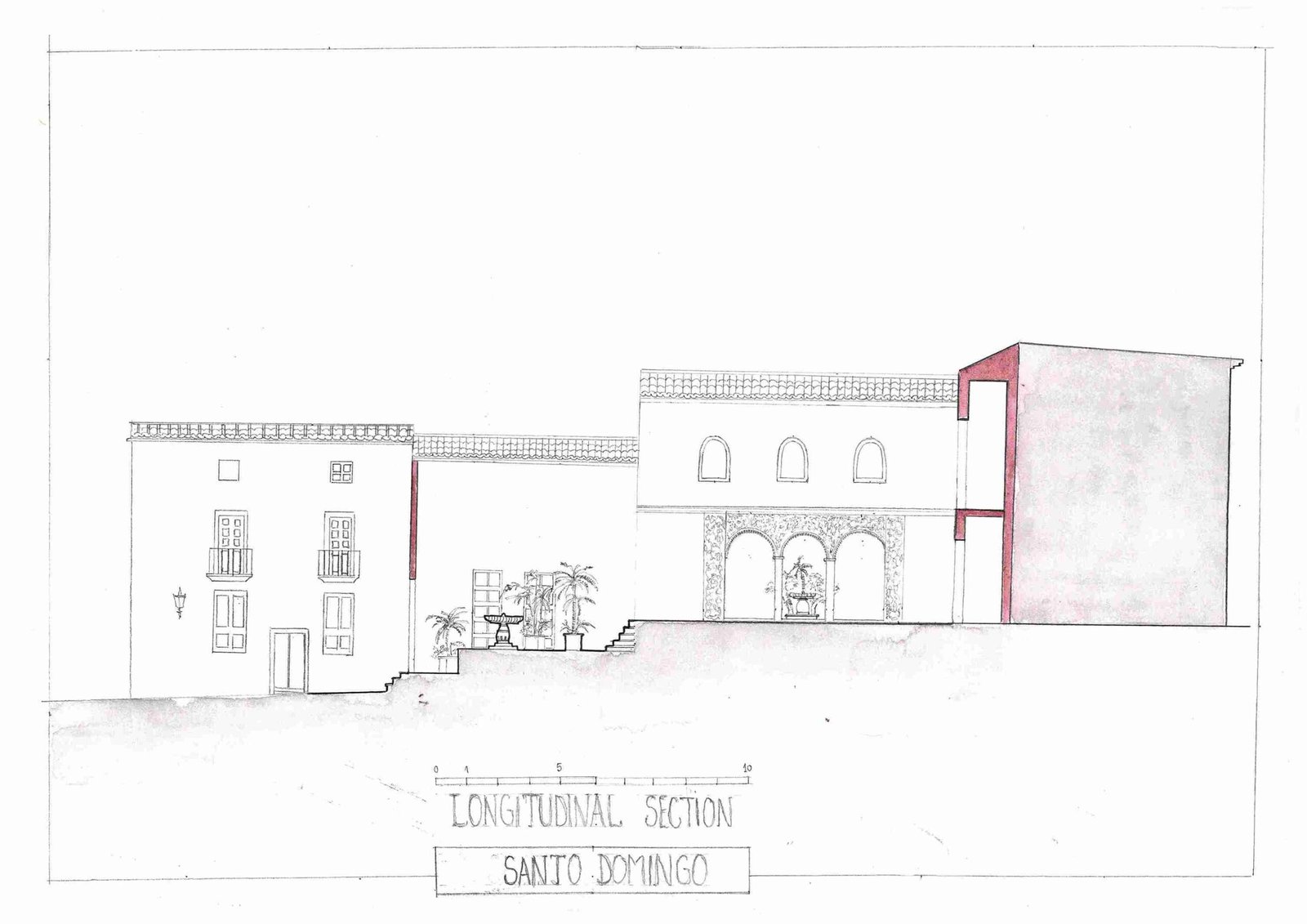
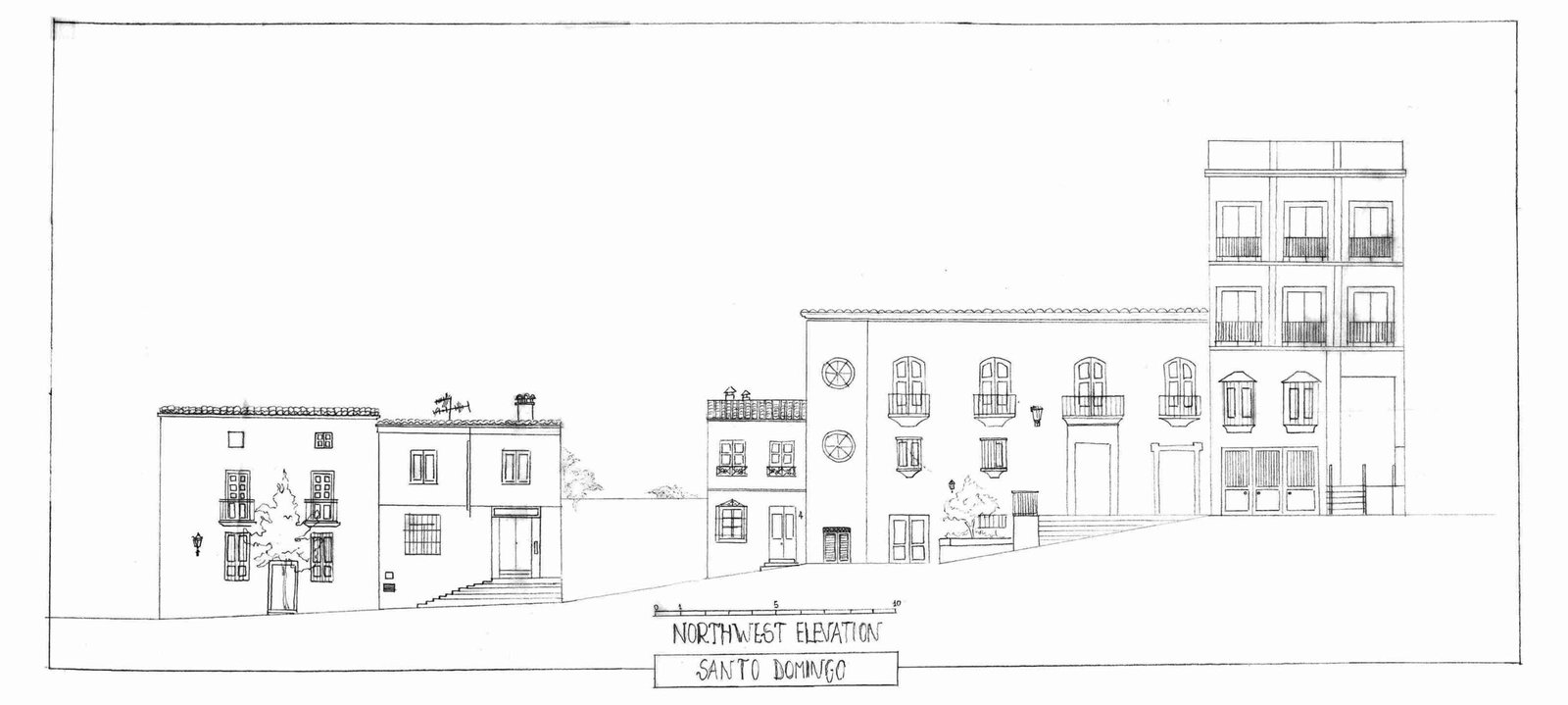
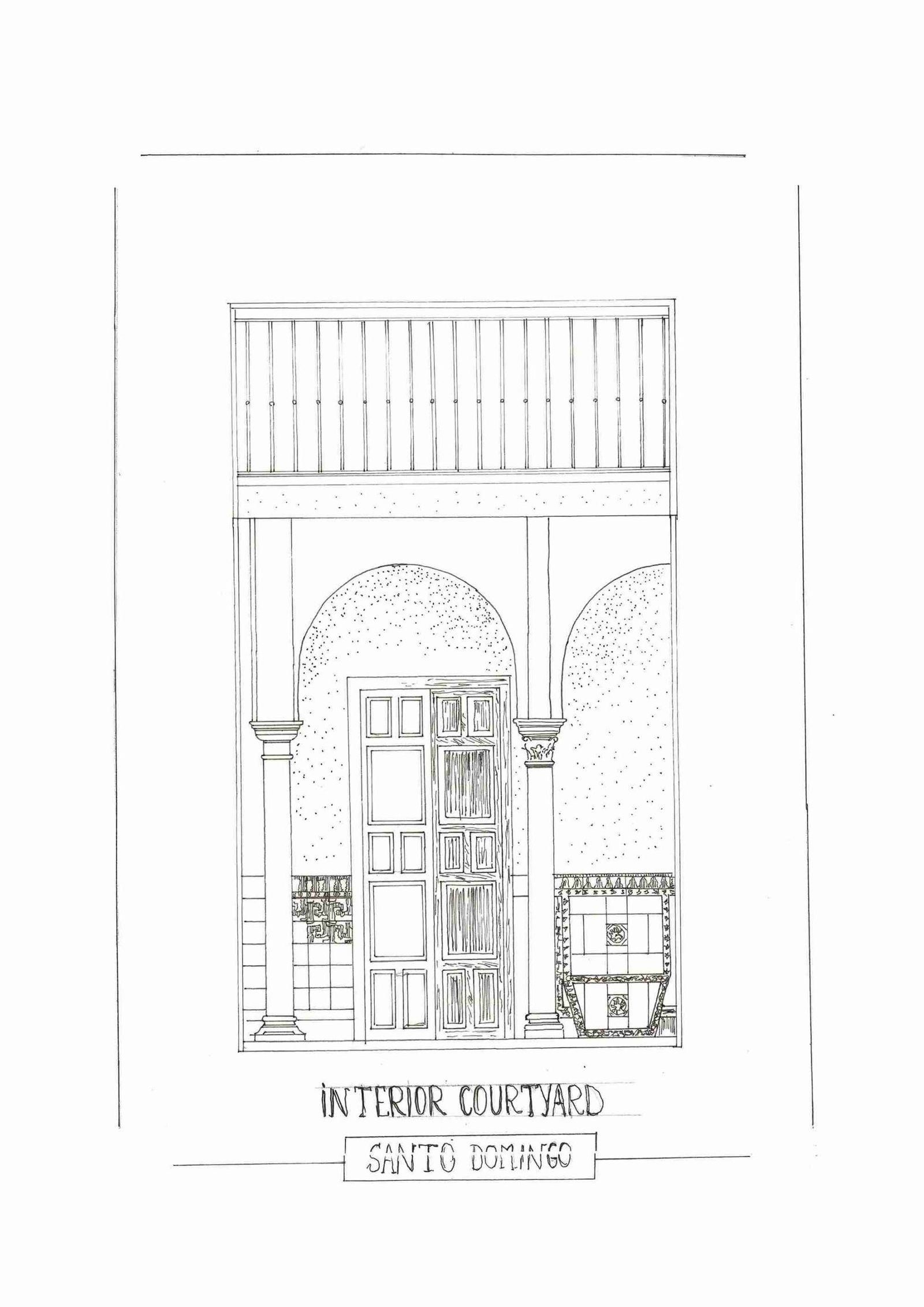
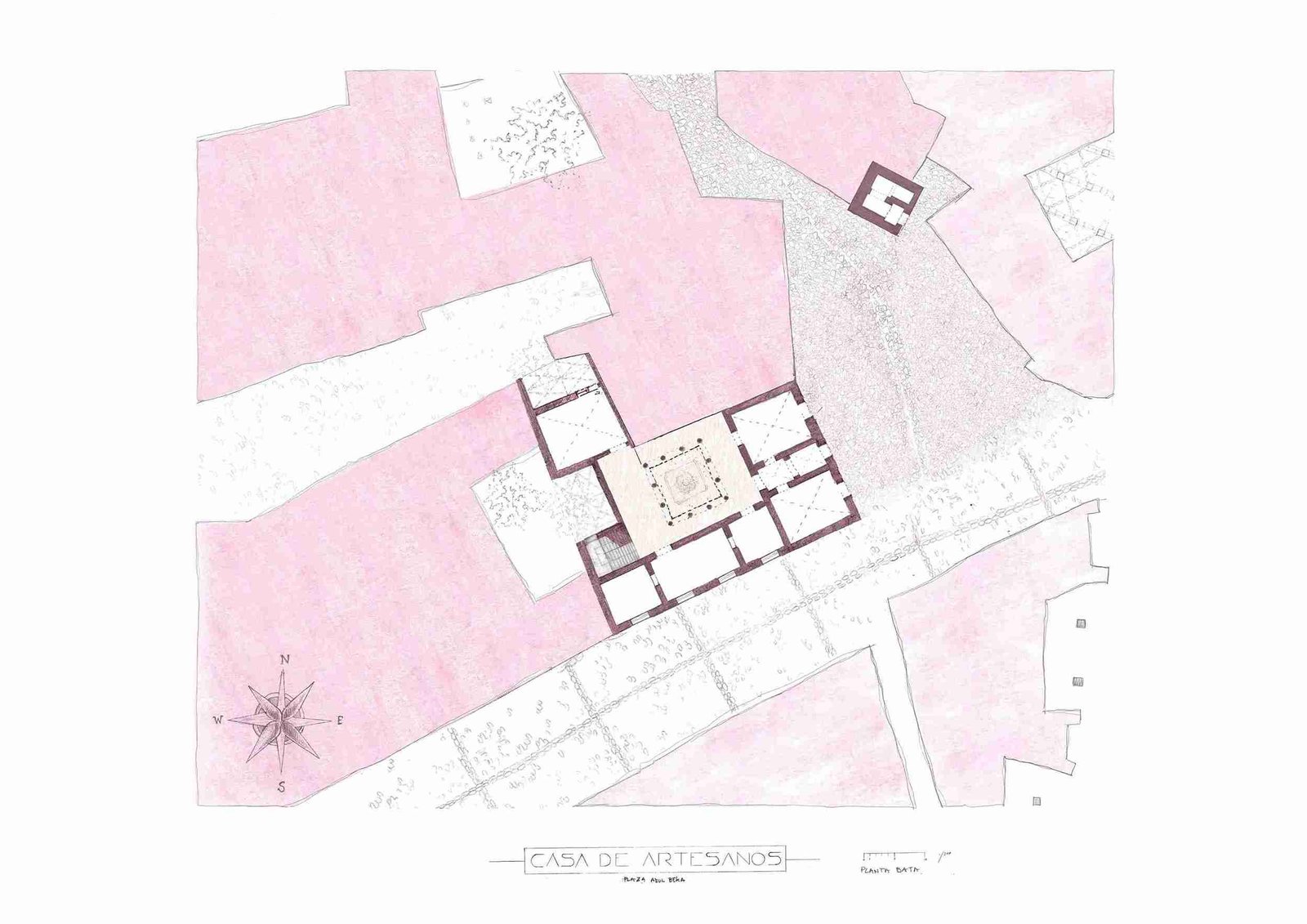
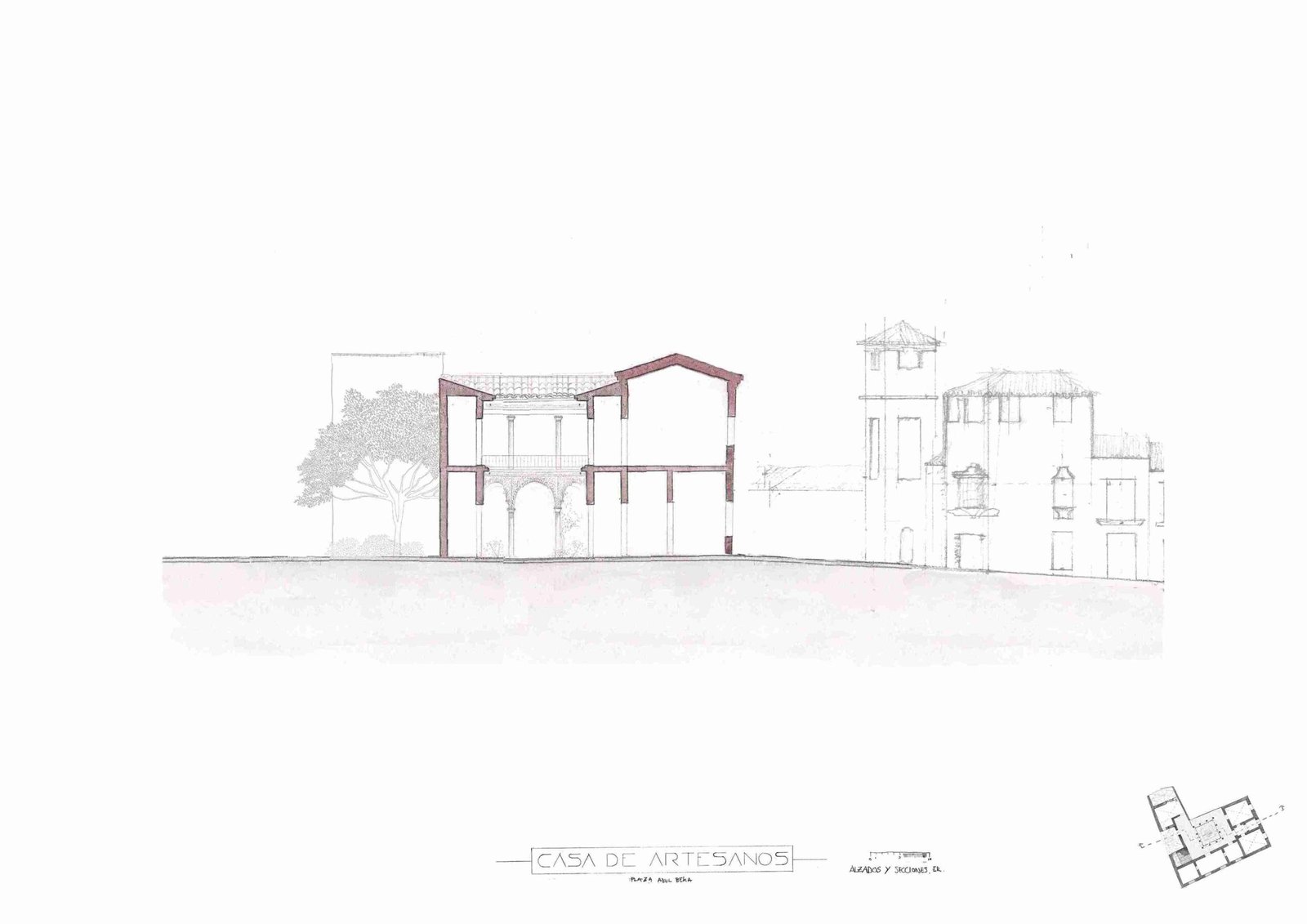
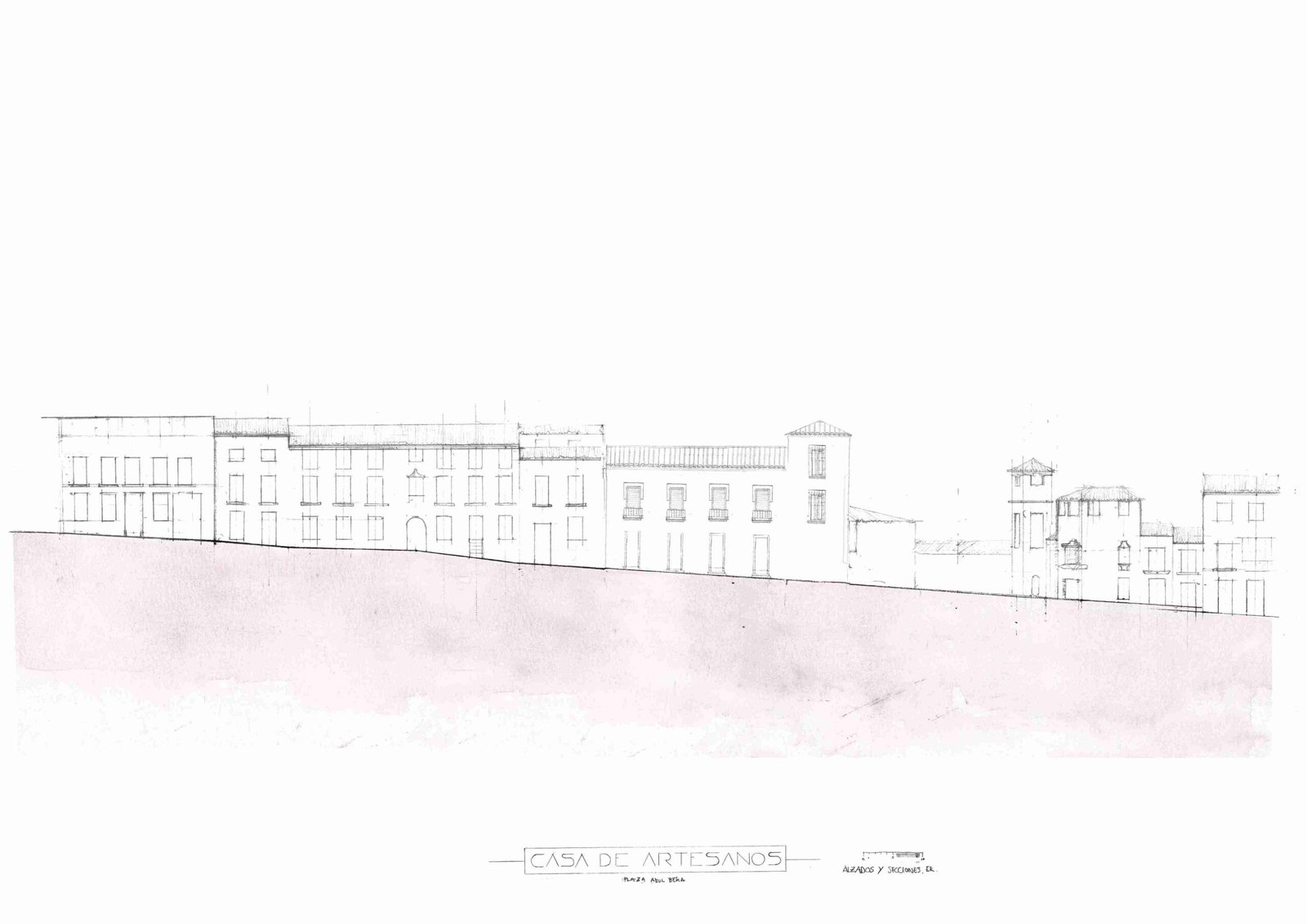
Both the initial documentation work and the final design proposal were publicly presented at the end of the Summer School in the Convento de Santo Domingo, in Ronda. Among those attending the exhibition were the Deputy Mayor and Councillor for Urban Planning, along with various representatives from the local community. The event concluded with an informal gathering that brought together participants, faculty members, and guests, marking the close of two weeks of intense work and international collaboration.