Lluc Mir

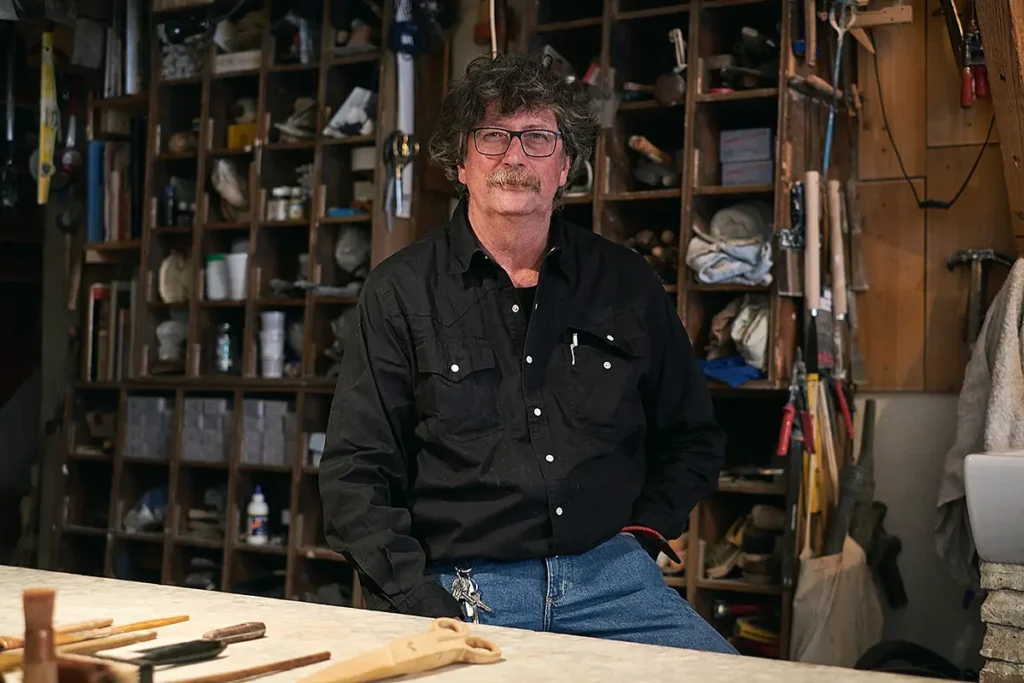
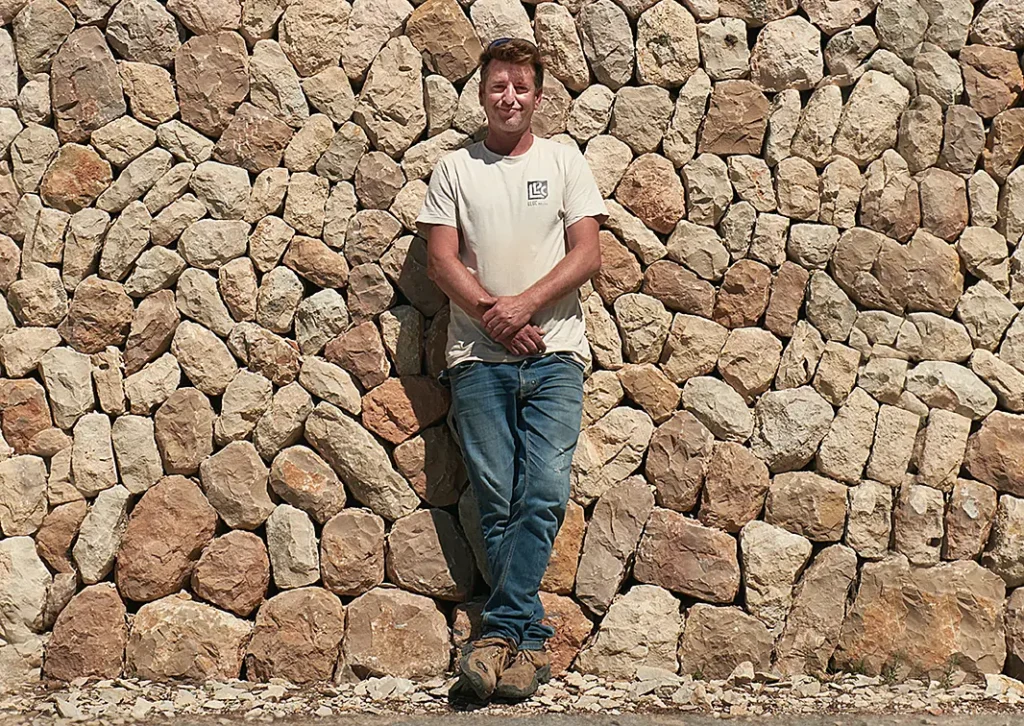
The Majorcan craftsman Lluc Mir Anguera is what is known in the region as a marger master, a specialist in the construction of dry stone walls that characterize and structure its most beautiful landscapes: the retaining elements that give a solution to the land’s existing unevenness, the divisions between croplands, erected with stone that has to be removed in order to be able to work them, simple enclosing elements for private properties, etc.

This technique, declared by the UNESCO as Intangible Cultural Heritage of Humanity, requires a great mastery of the craft, since the stability of these constructions entirely depends on the skilful placing of the stone without the need of using any kind of mortar.

Lluc commenced his professional training at the Escola de Margers, depending of the Consell de Mallorca (1998-2000), where he learnt the technical bases of the craft. After that, he continued his traineeship by the side of other masters until he acquired the rank of officer. Later on, he finished his training in masonry at the school of Artifex Balear, where he learnt about carving and sculpting, stereotomy and restoration. Twenty years of experience in the field of stonework, together with his particular interest in learning, researching and sharing his knowledge, have allowed him to continuously deepen in his professional training.

From his own business, which he started off in 2002, apart from working with dry stone, they work carrying out an ample variety of restoration projects and other works concerning the retrieval of constructions and landscapes, stone being always the protagonist. As well as stone paving and stone tiling of all sorts, barracas, lime kilns, stone arches and vaults, stone cladding for facades, masonry walls and limestone mortar, design and creation of stone pikes and fountains, sculpturelike elements as well as other types of works related to stone.

Lluc is the co-founder and president of the Gremi de Margers of Majorca, or “Dry Stone Masons Guild”, created in 2016 with the aim of protecting and disseminating the knowledge of this craft, essential to preserve the identity of the region. Moreover, he has been part of a group of experts who, together, have drafted the professional qualification in order to build with dry stone at a national level via the National Institute of Professional Qualifications, part of the Ministry of Education and Vocational Training, the Conselleria d’Educació of the Balearic Government and the Consell de Mallorca.

Miguel Ángel Balmaseda

The carpenter and cabinetmaker from Écija Miguel Ángel Balmaseda is dedicated to this craft as so were before him his father and grandfather, with whom he learnt all about the craft. When he was only nine years of age, he started helping out at his father’s workshop, combining this work with his studies until he finished the last year prior to university

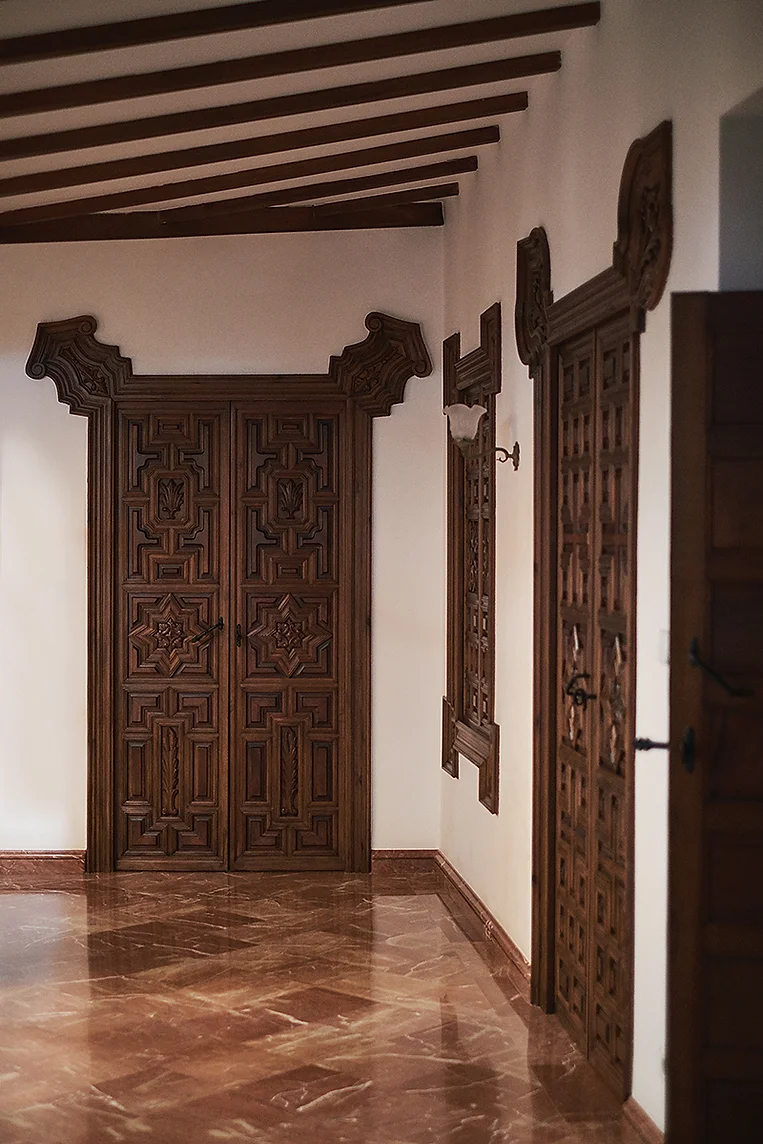
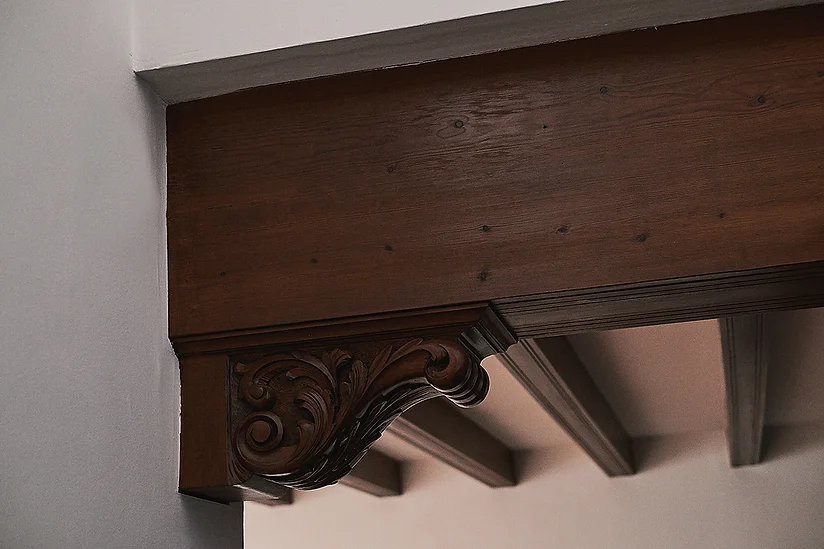
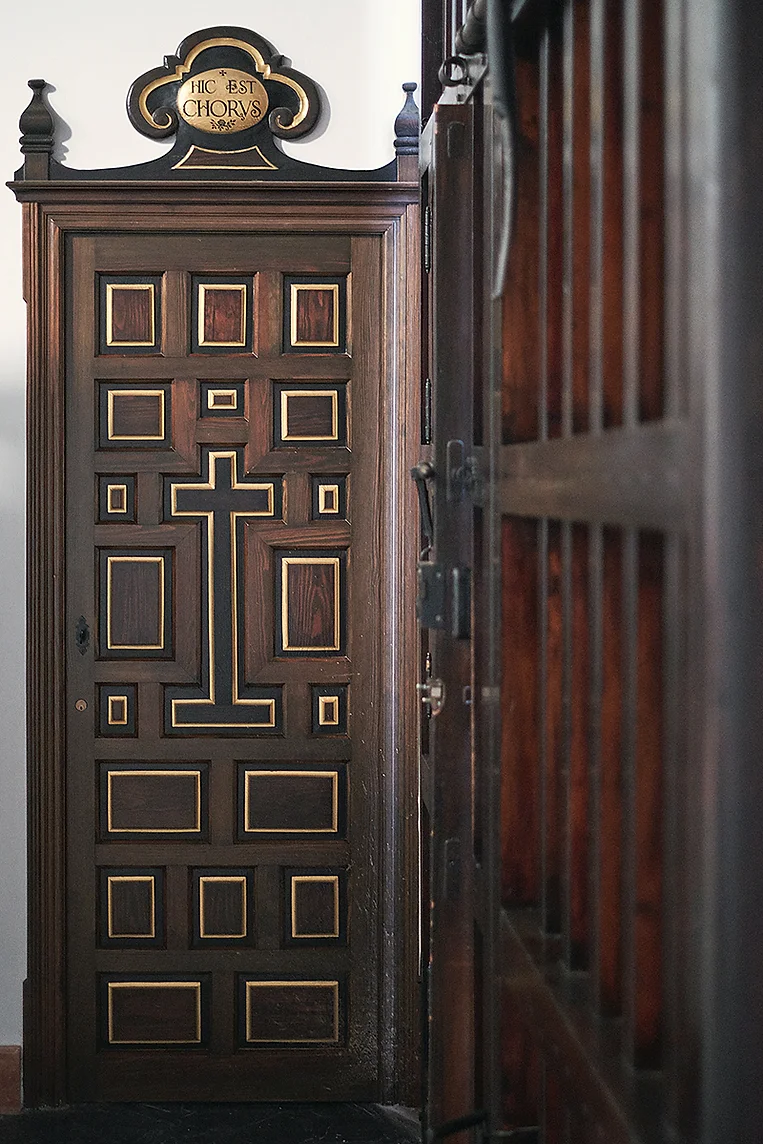
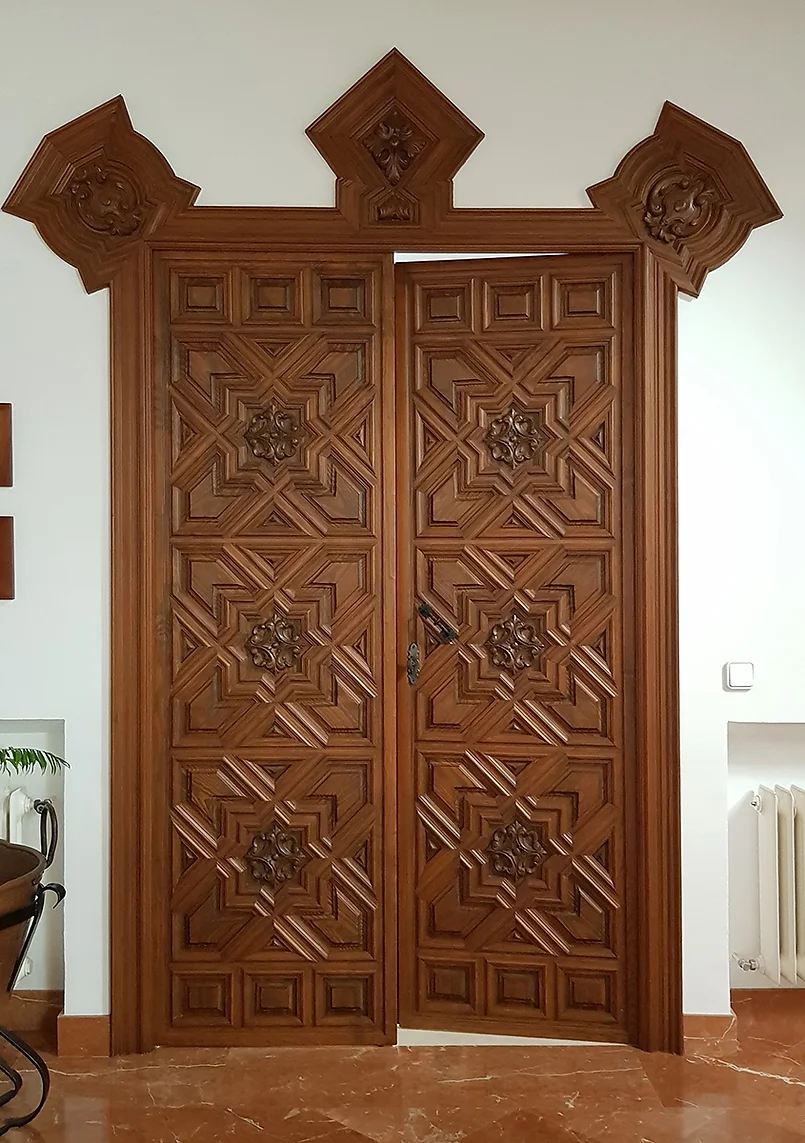
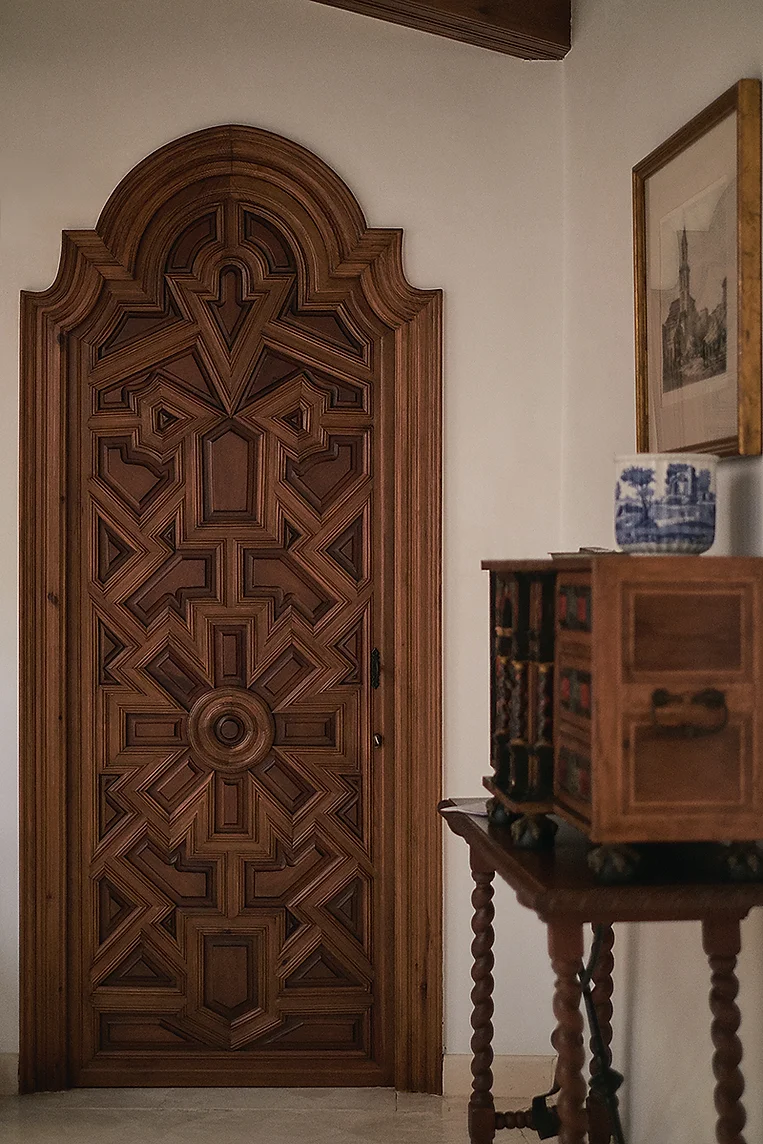
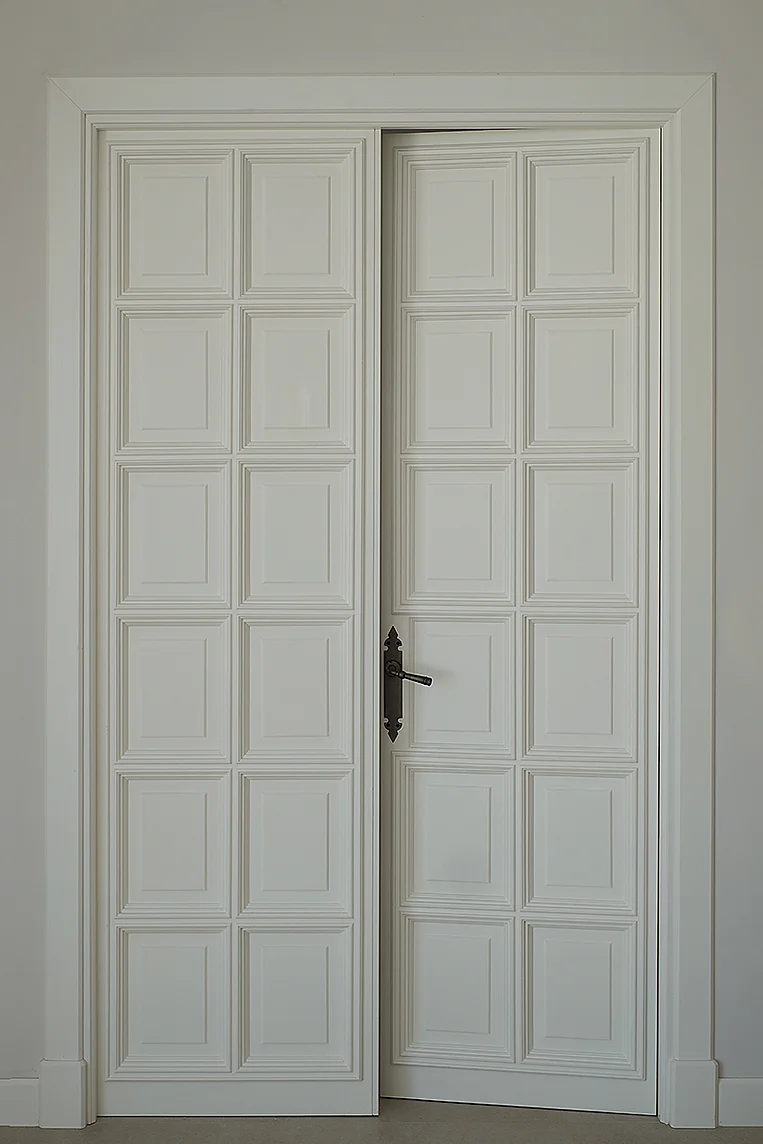
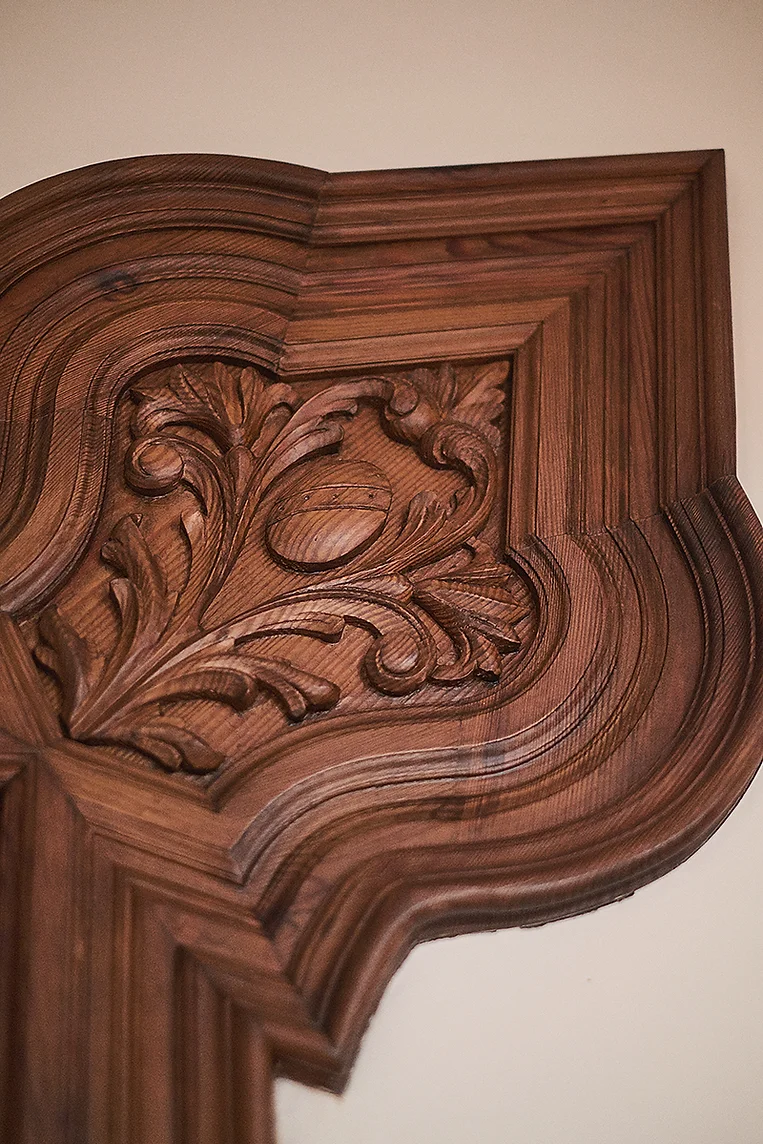
In his workshop he carries out beams, corbel, capitals, coffered ceilings, galleries, furniture, etc. However, like his ancestors, he stands out especially because of the manufacture of the most beautiful doors and windows, in particular a regional tradition of Écija: the characteristic doors with orejeras.

These doors, with their rich geometrical “chamfered” designs also known as ajunquillados, on occasions end up being of great complexity. The intricacy of its design depends on the number of centres or parts in which each of the doors is divided into. Average doors tend to have one-to-three centres, even though there are some cases where they reach five. In regards to the unique orejeras that can be found in the top part of their frames, and, on occasions, also in the centre of the top part of them, these elements take very varied forms and their profiles can be both straight and curved. It is also very typical of the place to paint the groove or central part of the mouldings of some of these doors with smoke-black pigment or very dark green.

Despite the work of a carpenter counting with a slight margin to adjust pieces, his predecessors instilled in him the motto “labra derecho, traza justo y trabajarás a gusto”, which translated, could be something along the lines of “carve straight, outline with precision and you will work happily”. Precision is key for a wellmanufactured piece of work. Today, this precision is easier to achieve, thanks to the implementation of certain simple tools and machinery which ease and speed up the work of this artisan, even if the craft has not really changed that much since the times when he learnt it. We can highlight the saw or cutting machine, the wood planer to shape the wood, the thicknesser which gives us the sections we want, and the spindle shaper to mould and groove.

Today, Miguel Ángel is one of the last depositaries of a unique technique which, for centuries, has conveyed the most attractive palaces and representative buildings of the locality with an extremely particular identity.

Luis Prieto

Luis Prieto, originally from Leon, started in the craft because of his family. His grandfather, Amador Prieto, ran his own business Droguería Prieto León, where he elaborated paints and all sorts of basic chemical products. His father, Agustín Prieto, was a painter in his own painting workshop, Agustín Prieto (“El Botas”).
He completed his training with studies in painting, drawing, stuccos, colorimetry, manufacture of colours and paints, restoration, etc., there where his endless desire to learn and investigate new techniques took him: Spain, Germany, Belgium, France… Including institutions like the Royal Van Der Kelen Institute of Painting in Brussels and the ones of Logelain and Les Ateliers du Beaucet, in France. Even more relevant were his many study trips where he was able to soak in the artisanal traditions of multiple countries in different continents, and his collaborations with other great European artisans such as Vincent Tripard, with whom he worked in the retrieval and application of earths and other natural pigments in the Roussillon, France, and with the great expert in those arts linked to limestone and gypsum Ignacio Gárate Rojas, with whom he collaborated for years in the development of his well-known manuals.

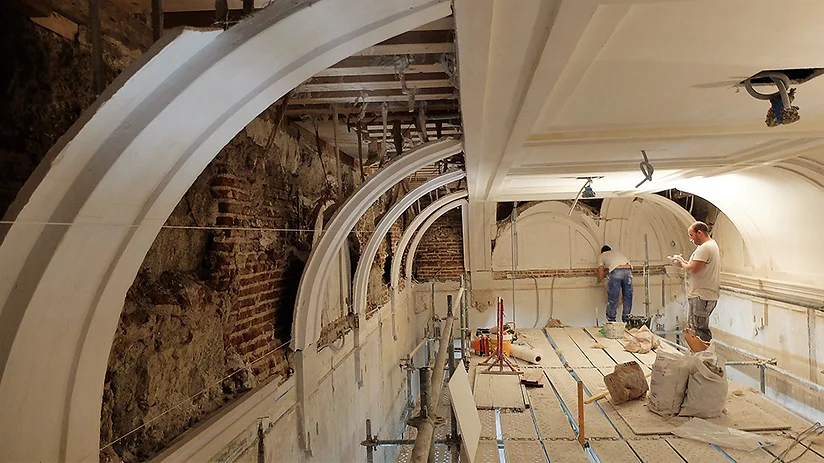
Luis has his workshop in the city centre of Madrid and he is dedicated to the elaboration of artisanal stuccos and cladding made of gypsum and limestone, as well as the manufacture of decorative paintings, making use of their self-made materials which are based on the use of natural pigments, especially those of mineral origin, known as soils, of which he possesses an important assortment. This is how he faces the progressive standardization of the colours used in today’s construction throughout the world, since most of the industrial pigments are commercialized only by a bunch of multinational companies, leading to a progressive loss in cultural and chromatic richness. He is a great advocate of the idea that the greatest modernity is found when we work taking into account our immense heritage, with the ancestral techniques and materials which have already been tested, investigating more deeply in the “natural” chemistry coming from artisanal empiricism. This is the reason why he works in order to retrieve the mines which had to offer colours, limestone, gypsum, as well as other traditional products: rubbers, resins, oils, starches, etc.

Among his infinite number of works, we can highlight those carried out for the Casa del Greco, in Toledo, the Romantic Museum in Madrid, the Museum Lázaro Galdiano, the Cerralbo Museum, the Marqués de Dos Aguas Palace (National Ceramics Museum) in Valencia, the Palace of Justice in Madrid, the Congress, the Conference Hall of the School of Mines in Madrid, the Monastery of Yuste in Caceres, the National Royal Academy of Medicine and the San Fernando Royal Academy of Fine Arts or the Convent of the Comendadoras de Santiago in Madrid, city where he has carried out the cladding of many facades of its city centre.

Anna Santolaria Tura

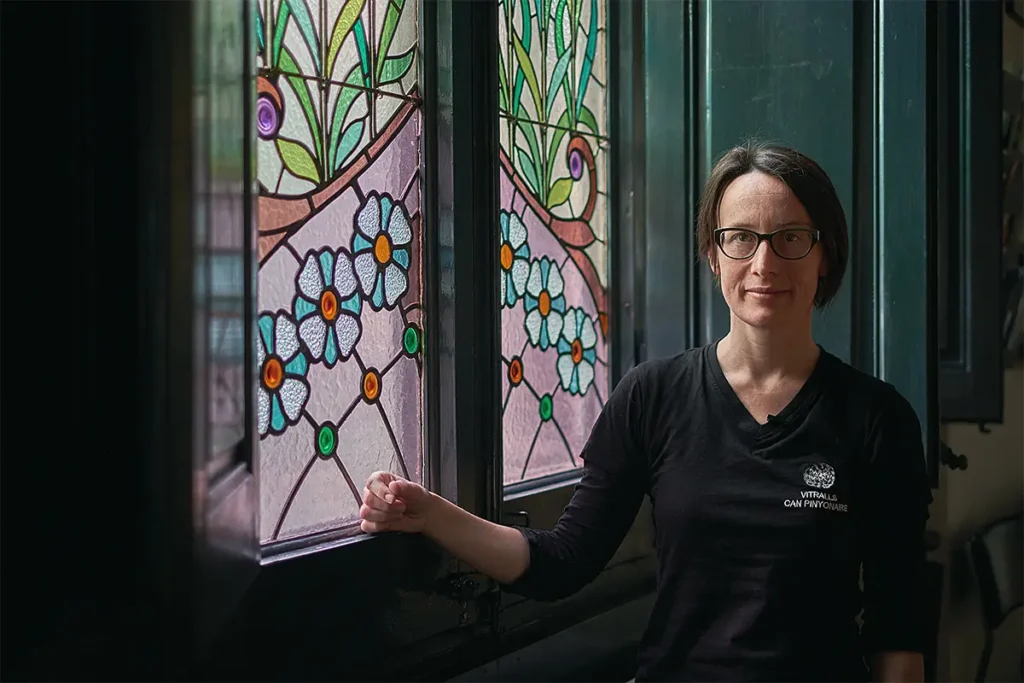
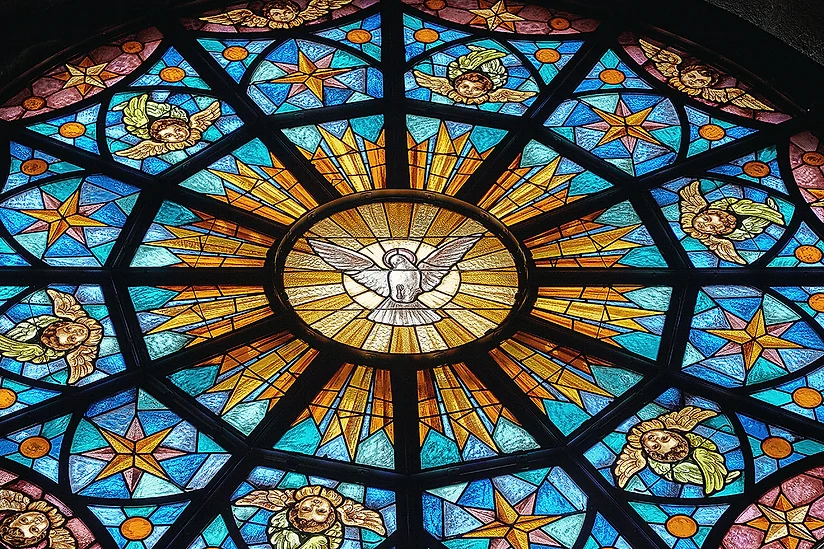
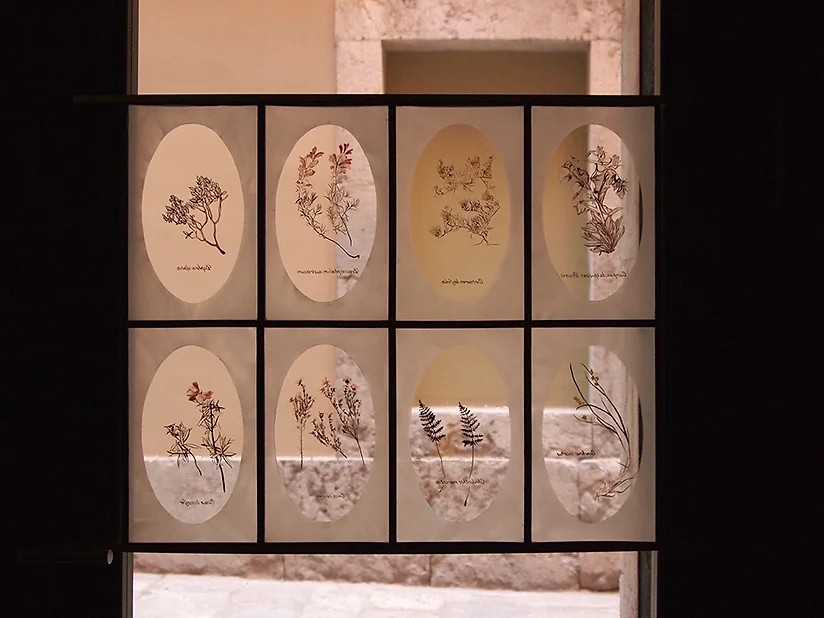
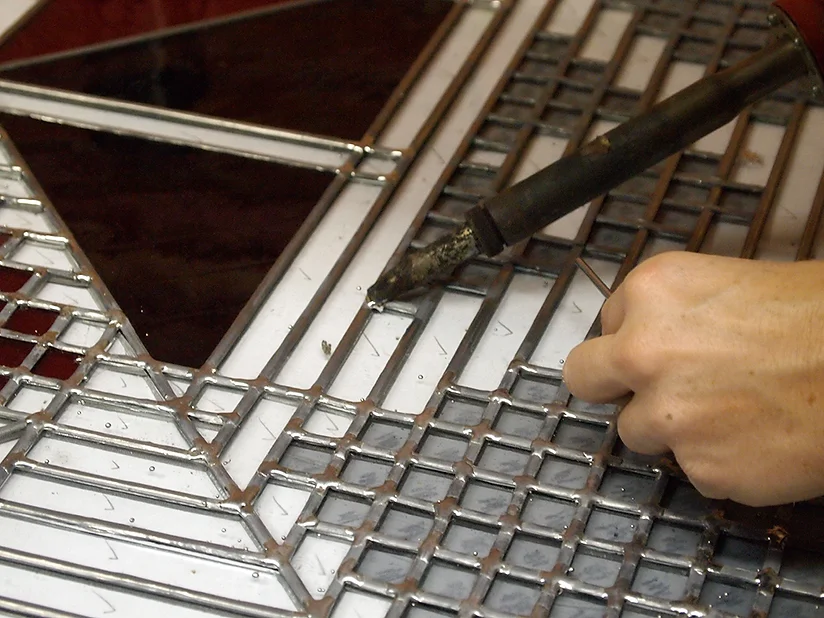
The stained glass master Anna Santolaria Tura founded in the year 2013 the stained glass workshop Can Pinyonaire, located in the heart of the old town in Girona.

Anna combined her professional training in the craft in the workshop of J. M. Bonet and in the Centro del Vidrio Foundation, both in Barcelona, with her studies in Fine Arts in the University of Barcelona and in Conservation of Glazed Windows in the University of York.

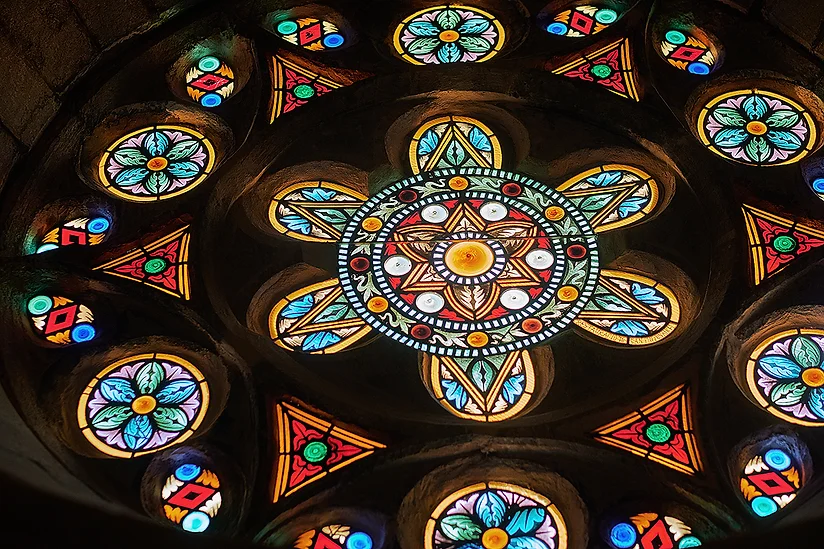
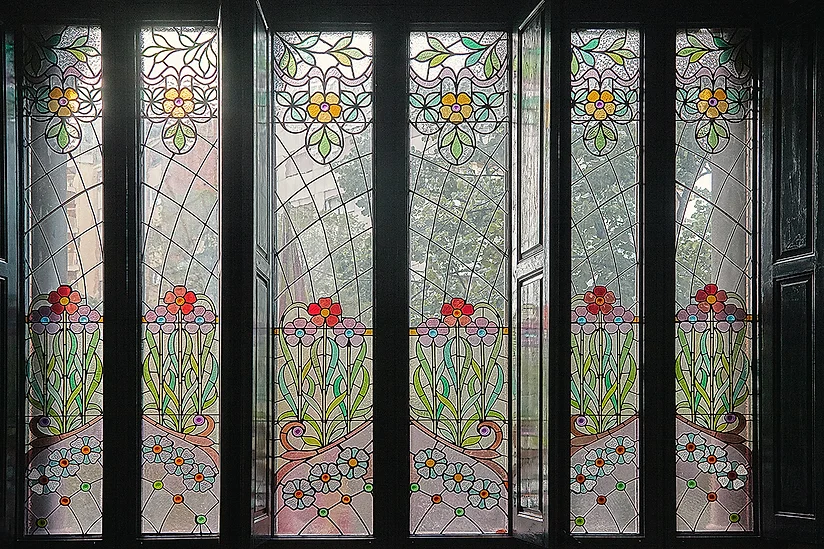
She has specialized both in the conservation and restoration of stained glass windows and the creation of new ones, carrying out both her own designs and collaborating with different artists from other disciplines. She has also replicated already-existing compositions, always based on traditional glazing techniques.

She has studied the tables of the glass stained elements which were found in the Cathedral of Girona and which gathers the outlines and even the holes of the nails which were used to build the glass stained windows of the aforementioned cathedral in the XIV century. It is a unique testimony in the entire world of the creation process regarding stained glass windows during the Middle Ages, which enabled her to get to know better the work carried out by the masters of the time.

Despite the fragmented nature of stained glass windows, its restorations always aim to re-establish the potential unity of the pieces, considering its double value – aesthetic and historic – for its best transmission for the future. She has collaborated in this genre of works with Barley Studios (Dunnington), York Glaziers Trust (York), Domkyrka Stained Glass Conservation Studio (Uppsala) and Naumburg Cathedral Studio (Naumburg), among others. She is a member of the Corpus Vitrearum Medii Aevi since 2017 and assesses the Catalan Corpus Vitrearum.

Among the artisan’s most outstanding works, it is worth mentioning that she has collaborated in the conservation and restoration projects of stained glass windows in many European workshops, having worked in the restoration of the stained glass windows of buildings as unique as: the Casa Batlló (Barcelona), the Cathedral in Naumburg (Germany), the Cathedrals in Lichfield and York (United Kingdom), the Cathedral in Upsala (Sweden), the Monastery of Santes Creus, in Tarragona, or the Church of Saint Mary of Vilafranca, in Vilafranca del Penedès. She has also created new glazed windows for both public and private buildings in many places throughout Europe.

Publication

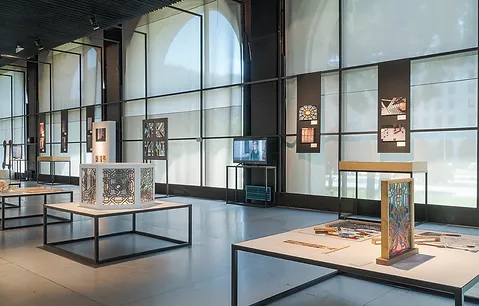
It was published on the occasion of the Awards Ceremony of the Richard H. Driehaus Architecture Competition and the Richard H. Driehaus Building Arts Awards 2019, as well as the inauguration of the exhibition New Traditional Architecture: MMXIX, which presented the works of the award recipients from both initiatives and was on display from 13 June to 28 July 2019 at the Arquería de los Nuevos Ministerios in Madrid.

Both initiatives are organized by INTBAU (International Network for Traditional Building, Architecture and Urbanism), with the collaboration of the Department of Building and Architecture of the Ministry of Public Works and Infrastructure, the Department of Beaux Arts of the Ministry of Culture and Sports, the Rafael Manzano Prize of New Traditional Architecture and the Council of Architecture Institutes of Spain.

Awards Ceremony

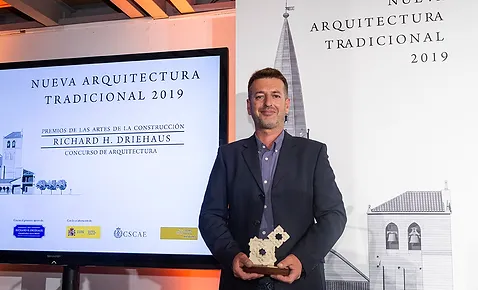
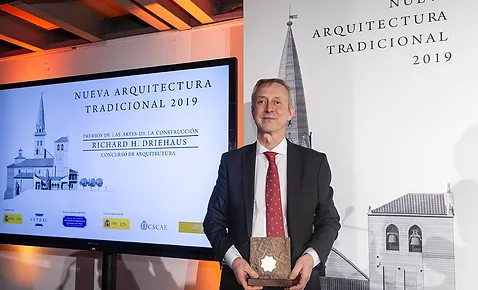
On Wednesday, 12 June, the Richard H. Driehaus Building Arts Awards ceremony took place at the Arquería de Nuevos Ministerios.

The event was presided over by Pedro Saura García, Secretary of State for Infrastructure, Transport and Housing; Javier Martín Ramiro, Director General for Architecture, Housing and Land; Richard H. Driehaus; Harriet Wennberg, Director of INTBAU; Laureano Matas, Secretary of the Spanish Council of Architects’ Associations; and Alejandro García Hermida, Director of the initiatives promoted by Driehaus in Spain and Portugal.

Exhibition New Traditional Architecture 2019

From 13 June to 28 July 2018, the exhibition New Traditional Architecture 2019 was open to the public at the Arquería de los Nuevos Ministerios, where the works of the award recipients were presented.

Secret Link