MODERN CLASSICISM: First International Conference on 20th-Century Classical Architecture

Key dates

10 November 2025: Deadline for submission of paper proposals

28 November 2025: Notification of acceptance of paper proposals

5th February 2026: Deadline for receipt of complete papers

19th to 21st February 2026: Conference dates

Presentation

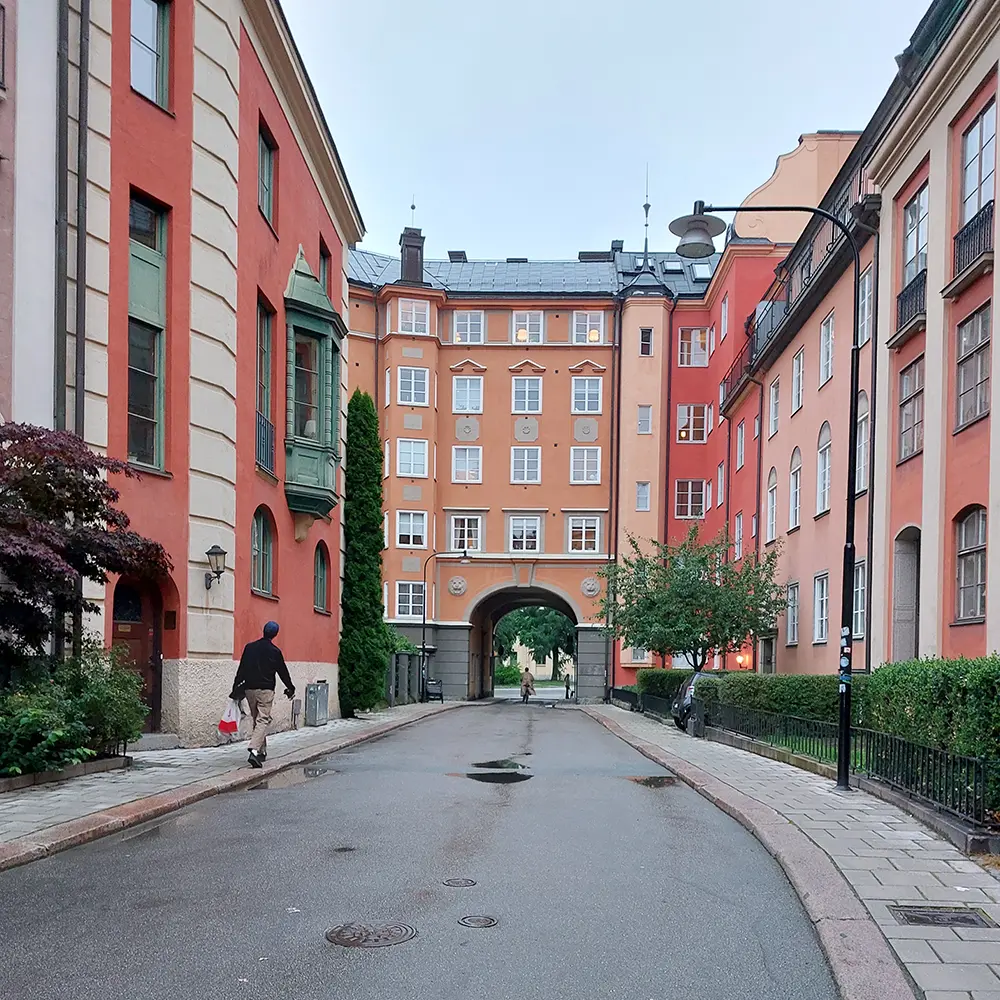
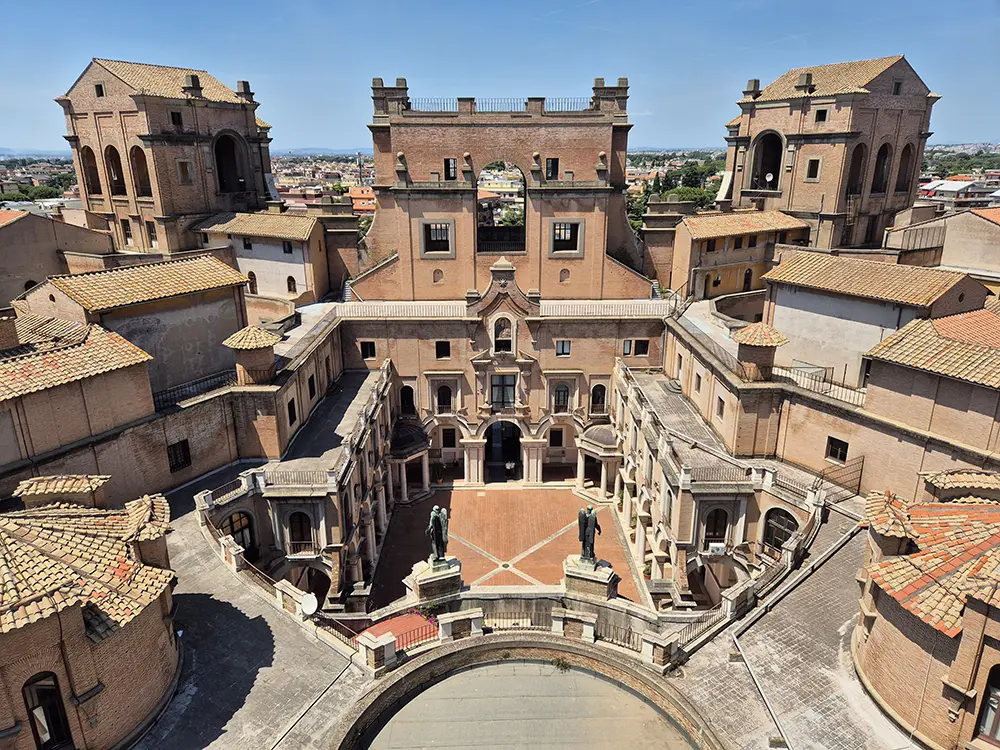
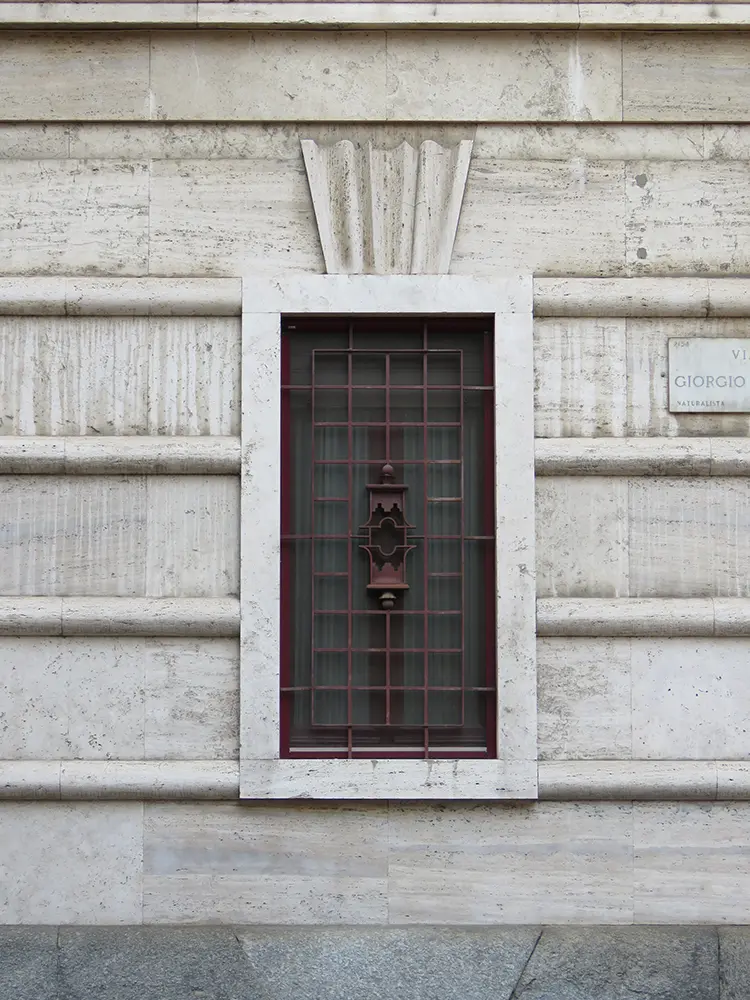
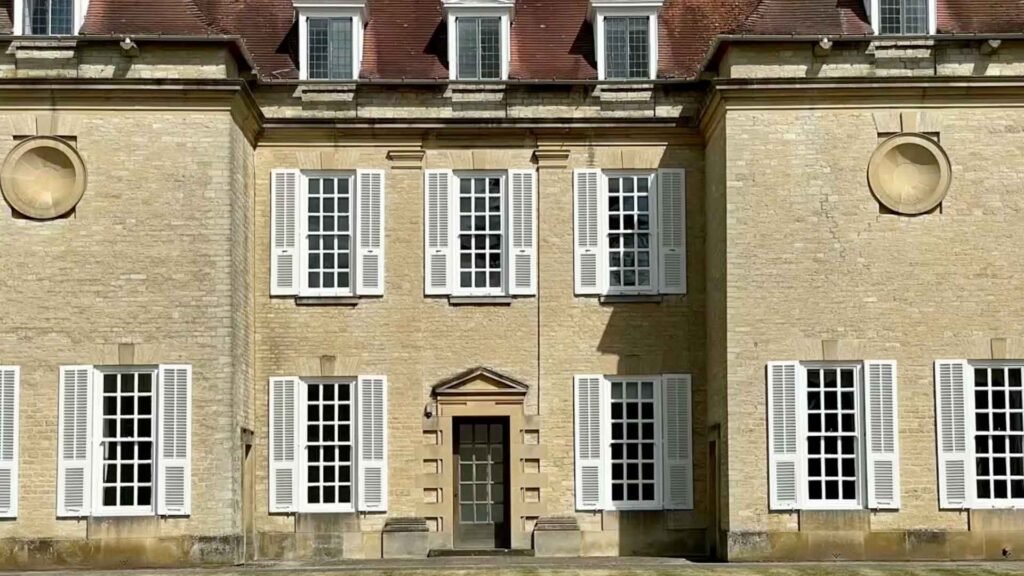
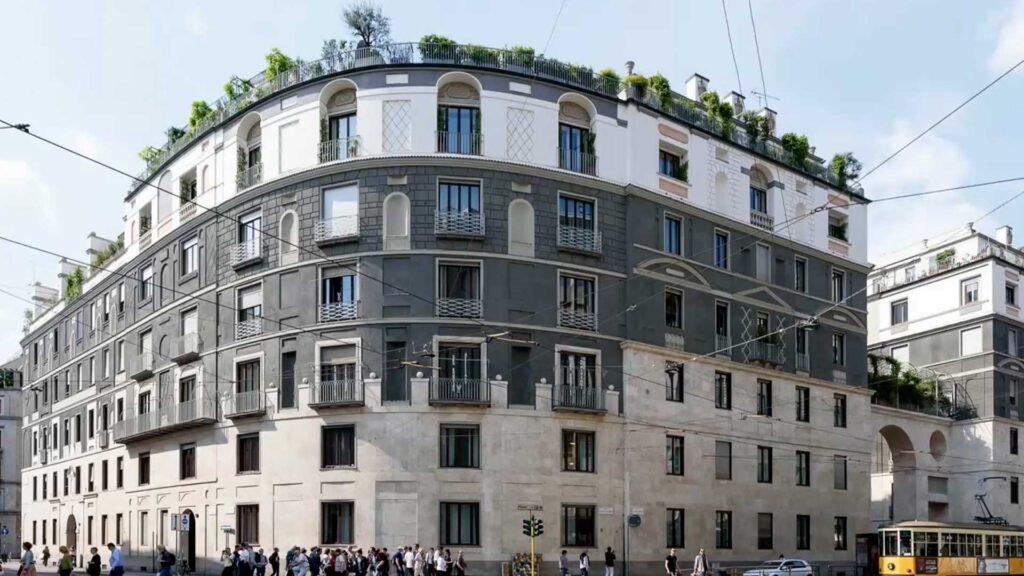
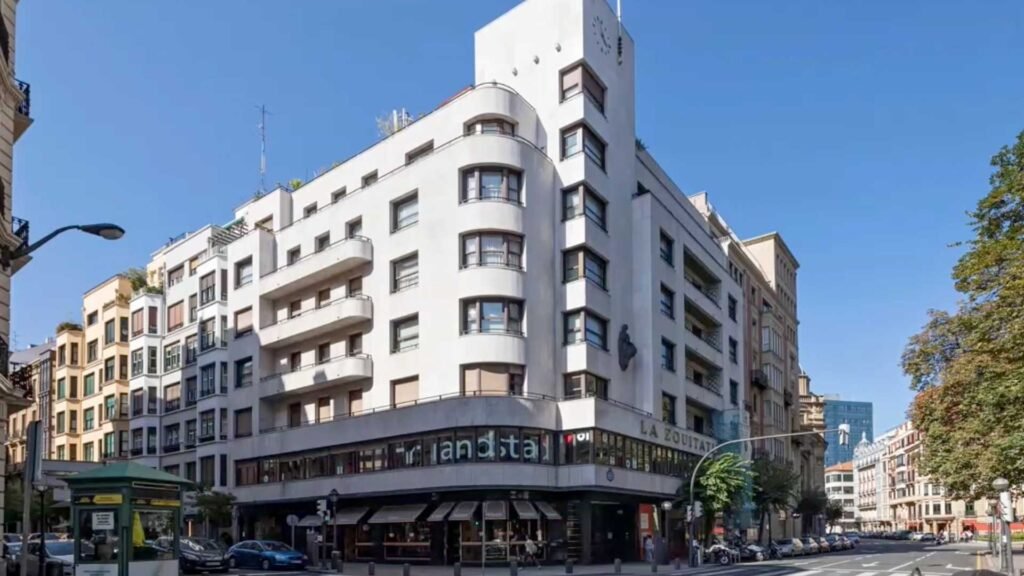
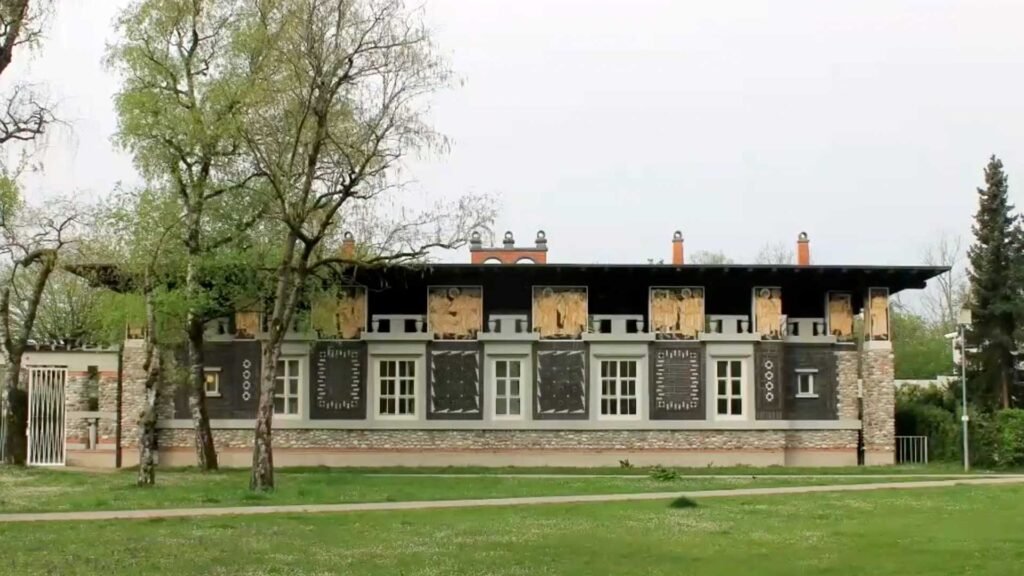
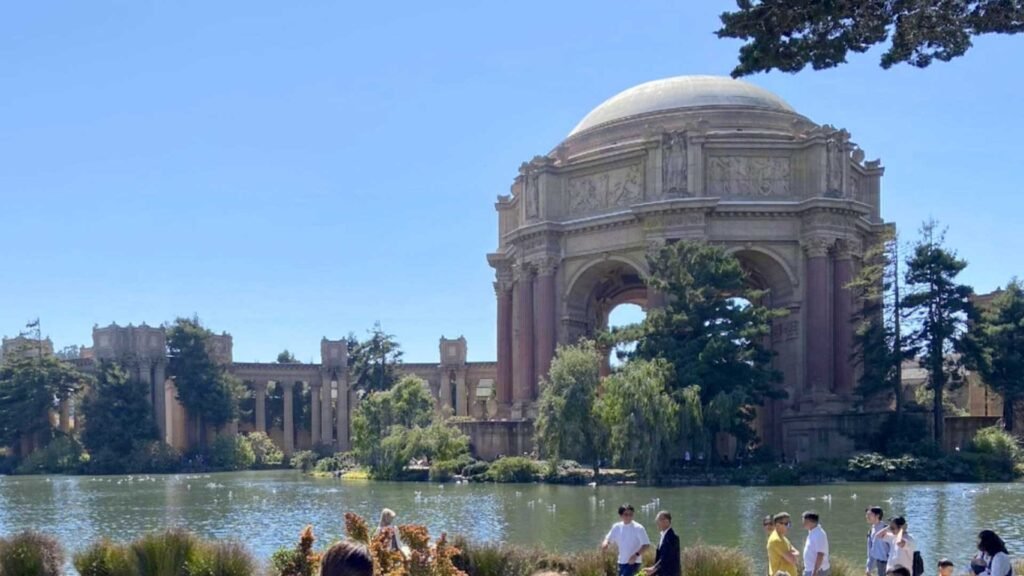
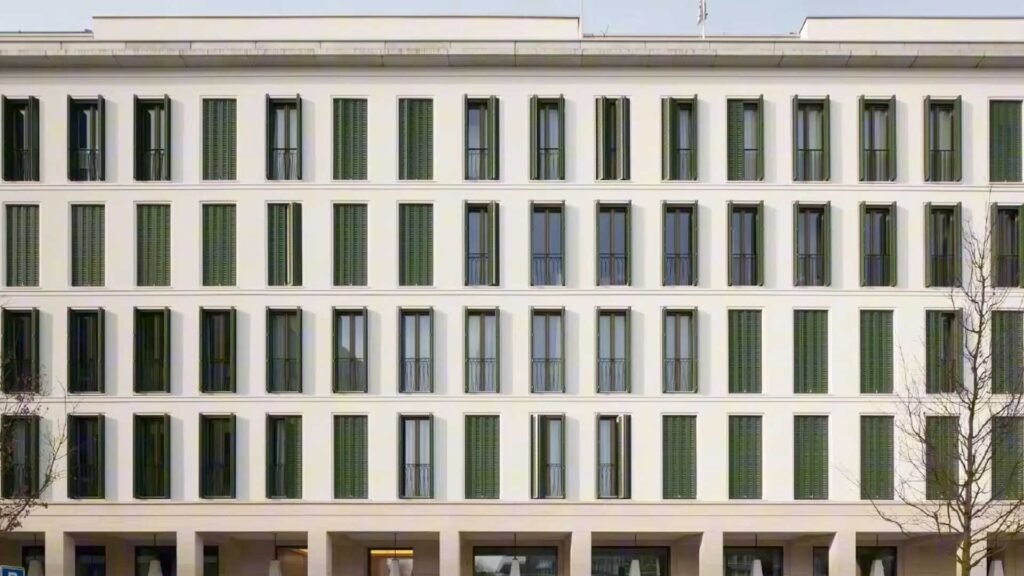
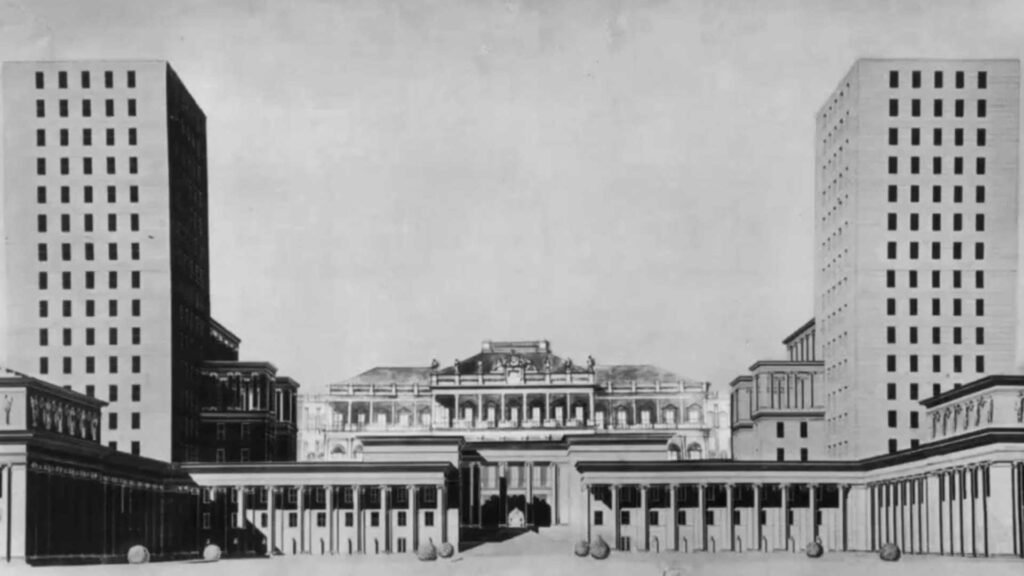
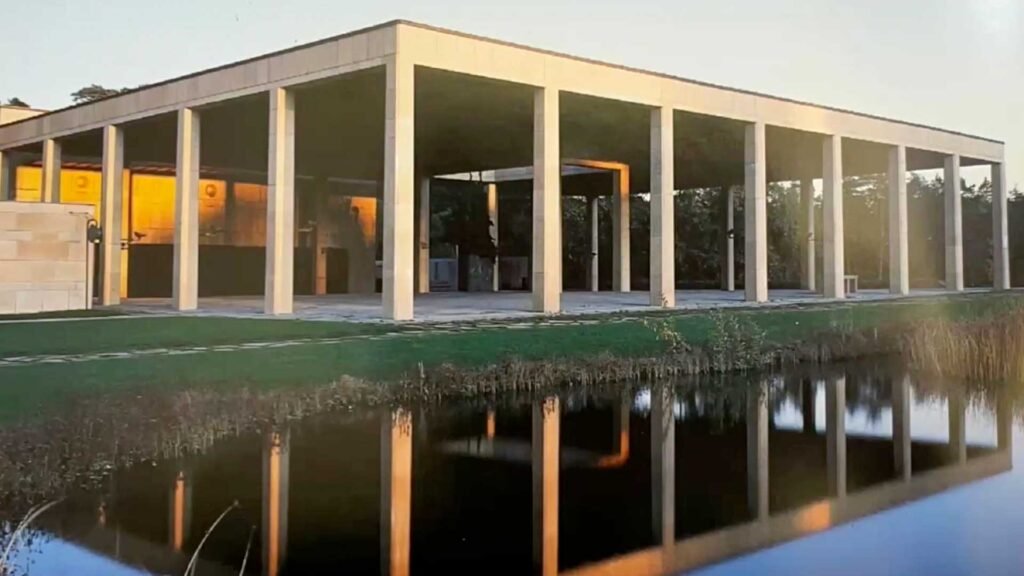
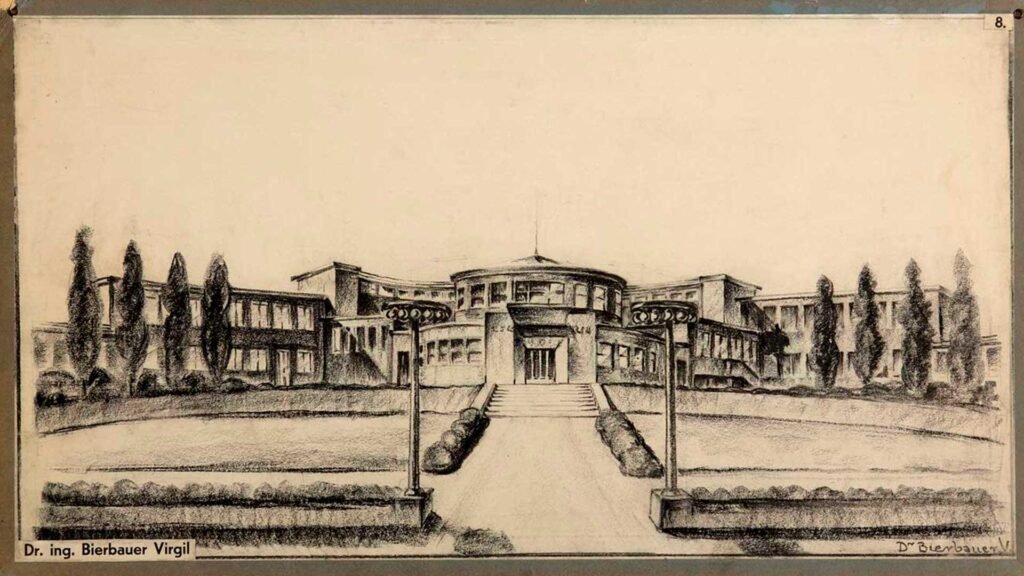
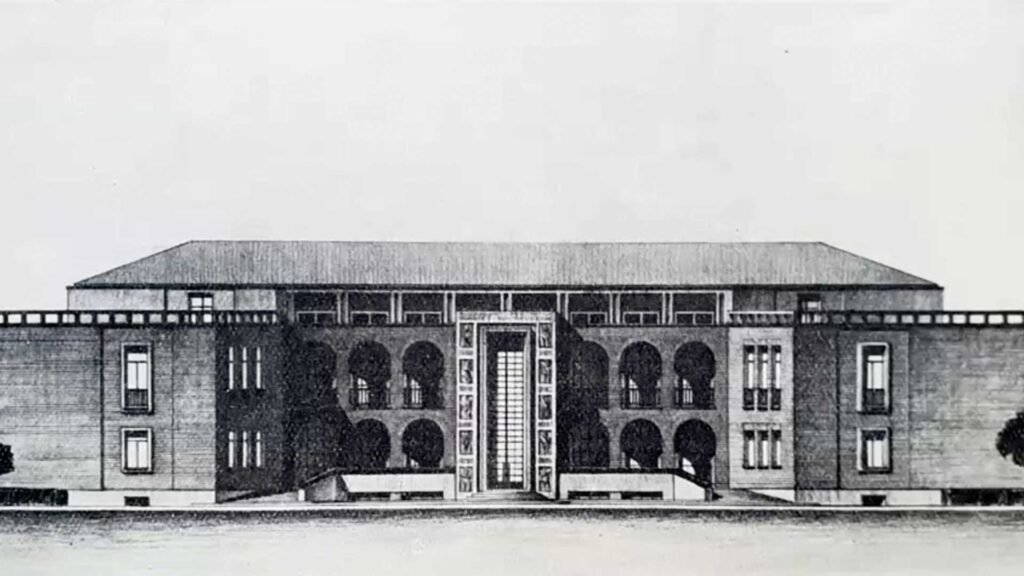
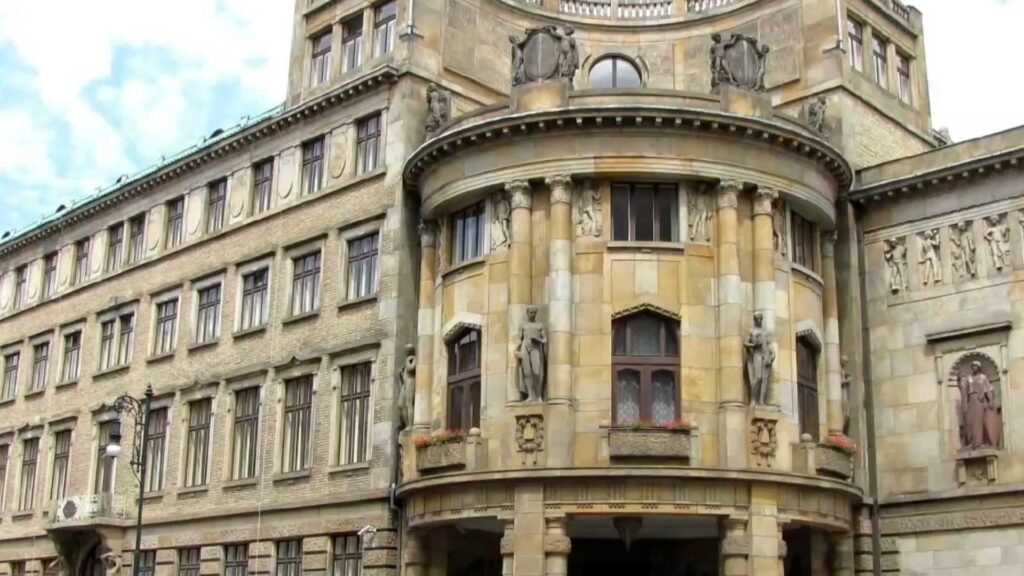
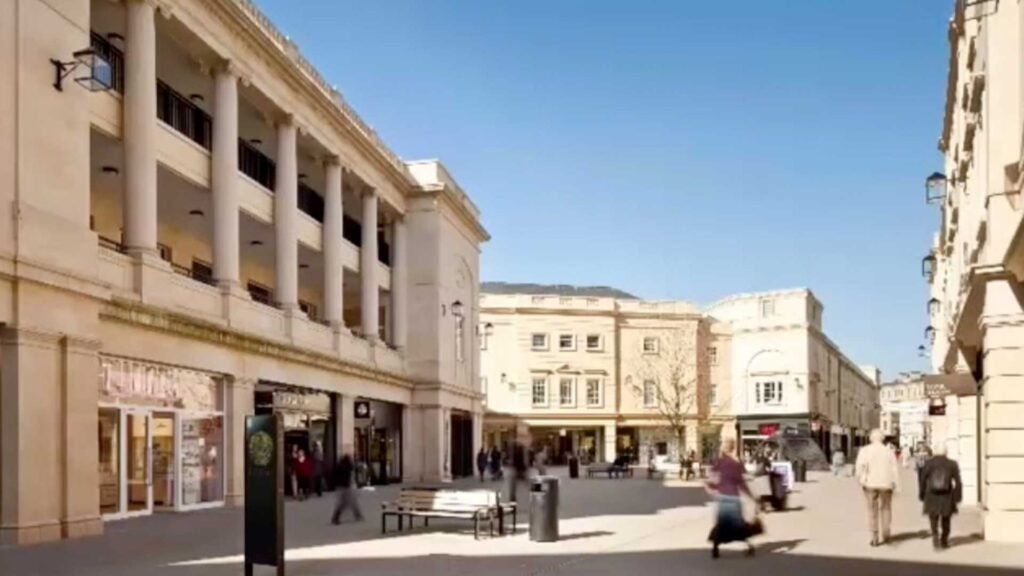
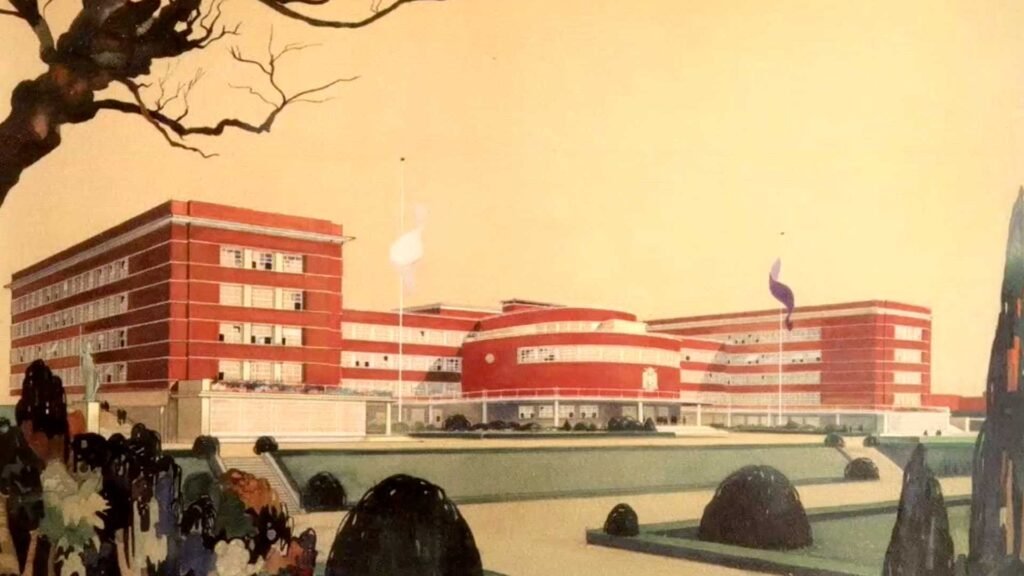
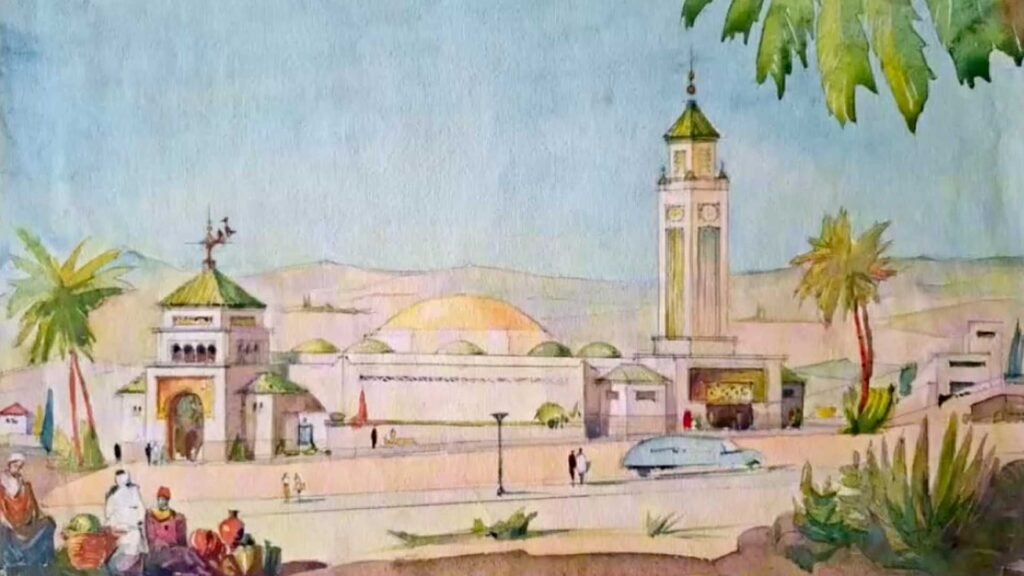
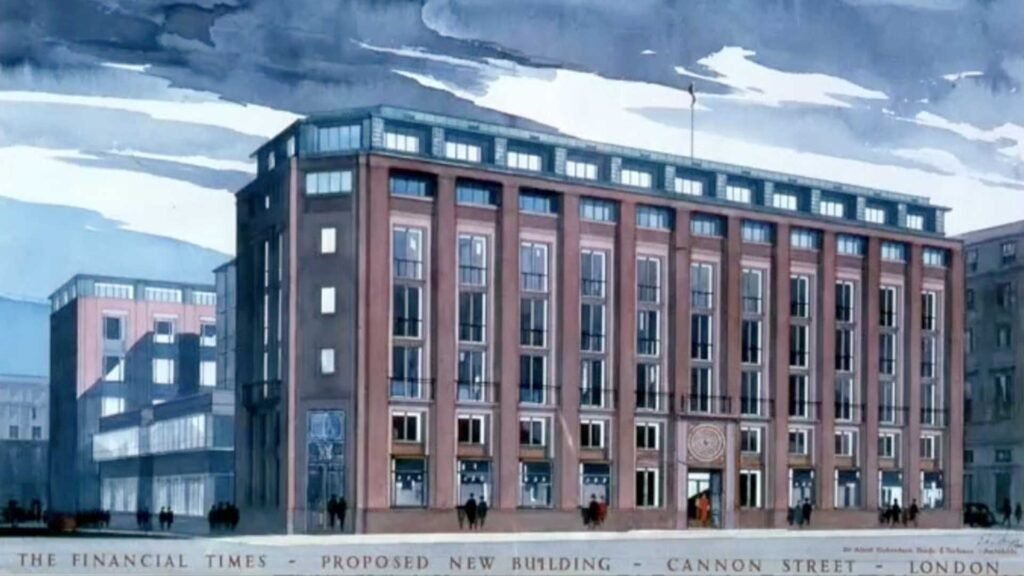
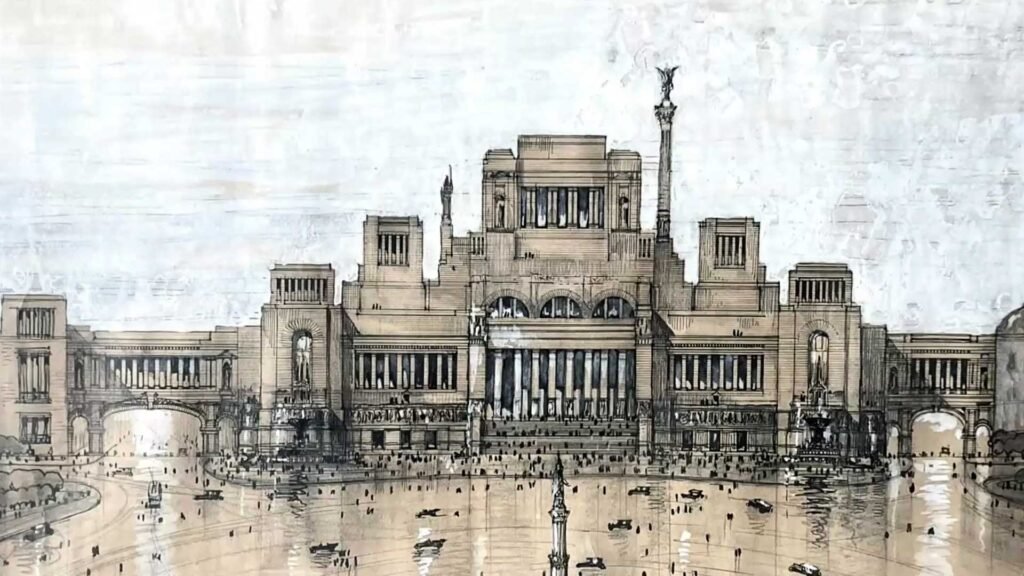
Manuals and histories of 20th-century architecture have paid very little attention to modern variations on the language of classicism, but, at least until the outbreak of the Second World War, classical architecture had a decisive presence throughout the world. Reflection on the principles of classicism and the reappearance of so-called ‘Postmodern Classicism’ from 1970 onwards, together with the subsequent more abstract approaches of the contextualists, present an image of 20th-century architecture in which classical language plays a fundamental role that has not yet been properly studied and analysed in the context of academic studies. The main objective of the 1st International Conference on 20th-Century Classical Architecture is the recognition, classification and critical evaluation of the different types of architectural classicism that were significant in the last century with a special focus on those authors and trends that were able to adapt classical language to the sensibilities and unprecedented conditions created by modern society.


The conference will be held in the Conference Room of the Madrid School of Architecture from 19 to 21 February 2026, where national and international experts will give lectures and presentations will be given on papers proposed by researchers registered for the conference and accepted by the Scientific Committee. Given the international nature of the conference, simultaneous translation between Spanish and English will be provided. It will be possible to follow the event live and recorded online, as the presentations will be recorded and published on the conference website in the weeks following the event, with the relevant subtitles. The conference will be followed by the publication of the proceedings in a bilingual format.

Topics

MODERNITY AND CLASSICISM

  • The nature of 20th-century classicism
  • Specifically modern characteristics, elements and expressive resources in 20th-century classicist architecture
  • Semantic and linguistic affinities between Modern Classicism and so-called ‘avant-garde architecture’

TYPES OF MODERN CLASSICISM

  • Cultural and regional varieties of Modern Classicism
  • Trends: Progressive Classicism, Metaphysical Classicism or Naked Classicism, Diagrammatic Classicism…
  • Architects and works of particular relevance in the panorama of modern classicism

THE HISTORIOGRAPHICAL DEBATE

  • Modern Classicism in the historiography of contemporary architecture
  • Controversies and debates surrounding modern architectural classicism
  • Historical sources for the study of modern architectural classicism

Registrations

Registration is free, but required, and can be completed to attend either in person or online.

As part of the registration process, participants may choose to reserve a copy of the Seminar Proceedings book. The volume will be sent after its publication, which is scheduled to take place during 2026. The price of the volume is €25, not including shipping to the address indicated by the participant.

Although attendance at the seminar is free of charge, interested participants may register for the optional activities offered, at a cost of €25 per day. These activities include an informal midday lunch and guided tours on Saturday. The tours will focus on some of the finest examples of Modern Classicism in Madrid. Places for the optional activities (tours and lunches) are limited and will be allocated on a first-come, first-served basis according to the order in which this reservation is completed.

Select the options you wish to include in your participation in the Congress:

Reserve a copy of the Seminar proceedings (€25).
They will be published after the Congress. Shipping costs are not included.

Add to cart

Lunch* on February 19 (25€)

Add to cart

Lunch* on February 20 (25€)

Add to cart

* Information on food intolerances and special diets

If you have any food intolerance or dietary restriction, please indicate it in the notes section when placing your order. A vegetarian option (not vegan) will be available. We cannot guarantee the absence of cross-contamination by traces, as this is a self-service food arrangement.

Program

The full program will be published in the coming weeks.

Thursday, February 19, 2026

Sala de Conferencias, Escuela Técnica Superior de Arquitectura, Universidad Politécnica de Madrid (Spain)

Morning session: Modernity and Classicism (I)

9.30 Welcome and reception of participants

10.00 Introduction

10.20 Exhibiting Classicism: A History of Contested Truths
Barry Bergdoll

10.50 Questions and answers

11.00 La otra cara del Zeitgeist: El lenguaje del Clasicismo Progresivo
David Rivera

11.30 Questions and answers

11.40 Coffee break

12.10 Louis I. Kahn, el último arquitecto del siglo XVIII
Pedro Moleón

12.40 Questions and answers

12.50 Nationless Classicism: The search for the architectural universal in Britain and America before the Second World War
David Frazer Lewis

13.05 Classical Roof Gardens in the Modern Metropolis Before 1939
Nathaniel Walker

13.20 El valor de la composición más allá del estilo. La arquitectura de Manuel Galíndez
Javier Cenicacelaya

13.35 Questions and answers

14.00 Lunch

Afternoon session: Forms of Modern Classicism (I)

15.30 Ars una, species mille: Clásico, moderno, vanguardista
Lucas Martí

16.00 Questions and answers

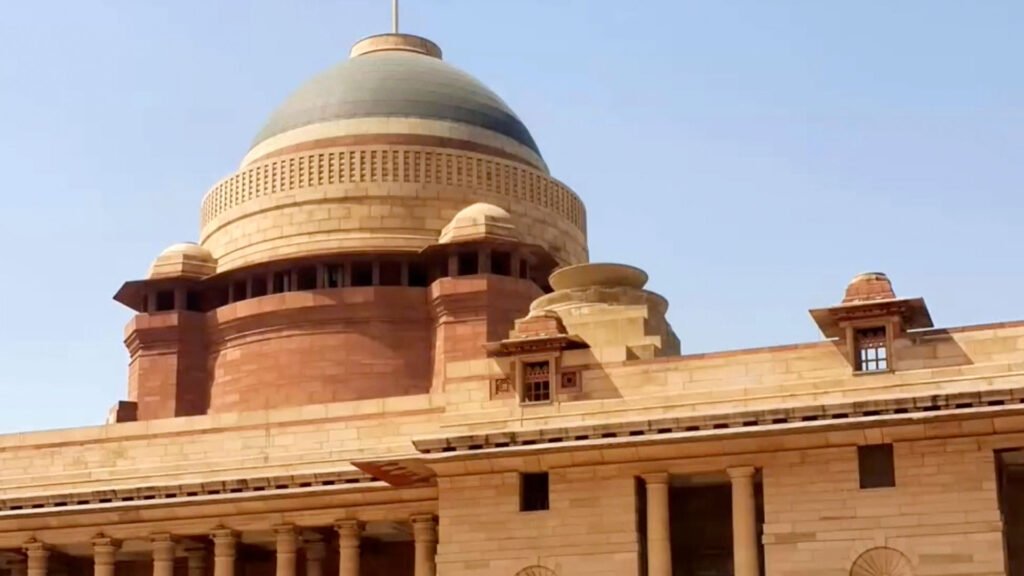
16.10 The politics of empire and resistance in the architecture of New Delhi
Swapna Liddle

16.40 Questions and answers

16.50 Coffee break

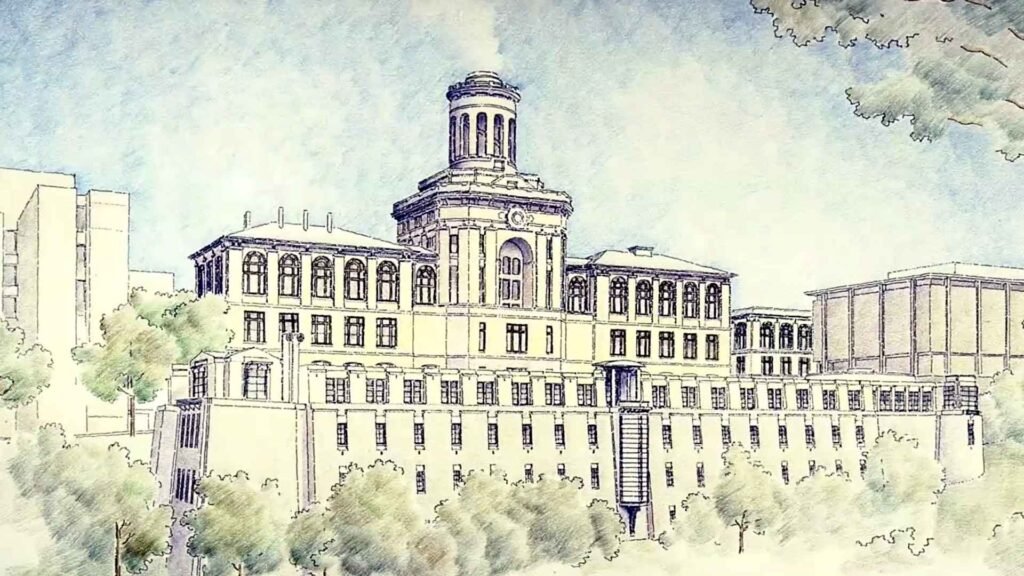
17.20 Henry Hornbostel and the American Renaissance
Michael Dennis

17.50 Questions and answers

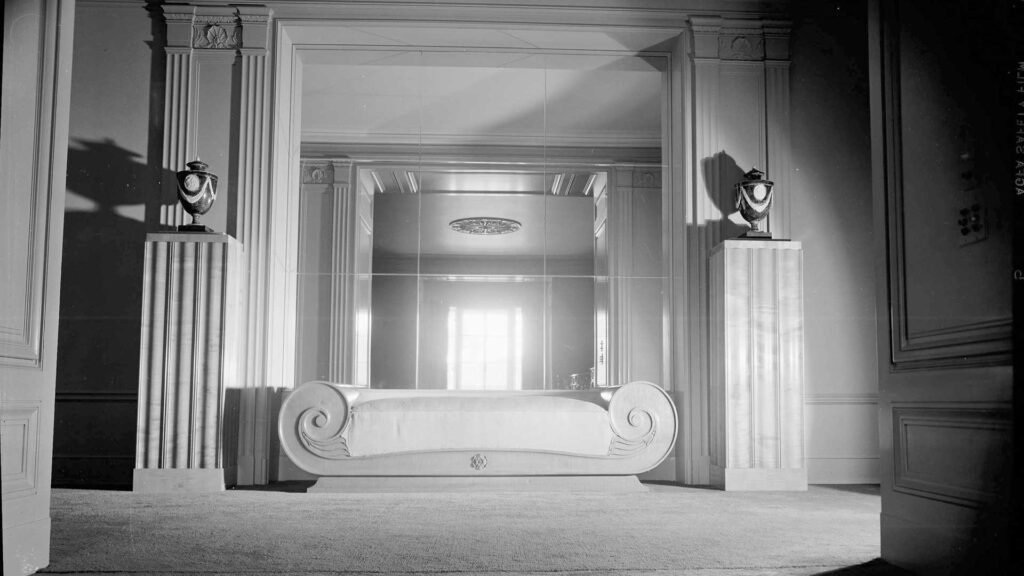
18.00 T.H. Robsjohn-Gibbings: The Last Champion of Organic Architecture
Cole M. Wagner

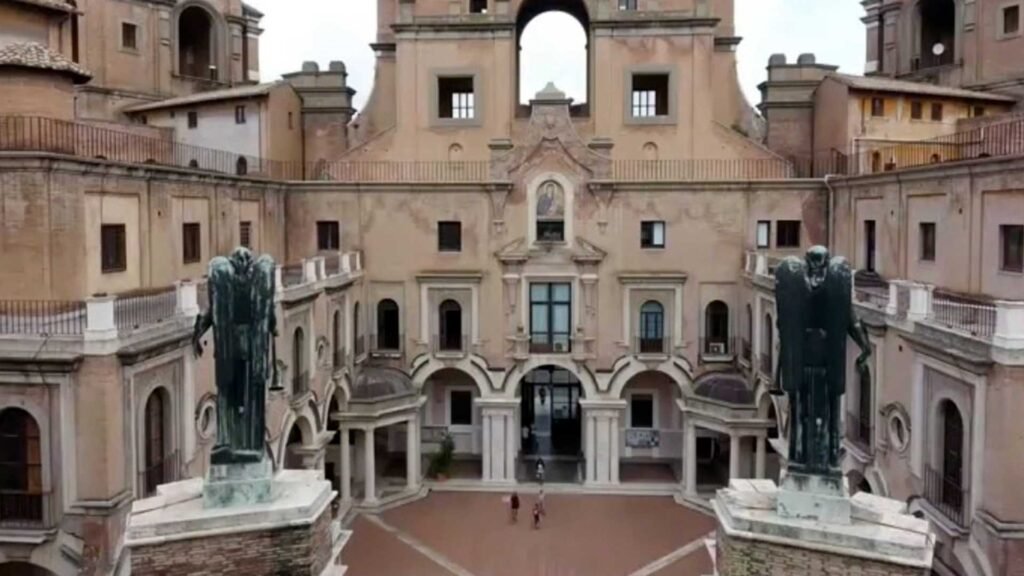
18.15 Armando Brasini’s Legacy and Contemporary Classical Architecture: Reframing Architectural History and Practice
Renata Jadresin-Milic

18.30 Metaphysical Order and Material Experiments: How Bernard Maybeck’s Progressive Classicism Transformed the Bay Area and Inspired Perennial Innovation
Paul Monson

18.45 Questions and answers

19.30 Closing of day 1

Friday, February 20, 2026

Sala de Conferencias, Escuela Técnica Superior de Arquitectura, Universidad Politécnica de Madrid (Spain)

Morning session: Forms of Modern Classicism (II)

10.00 Rational, classical, normal. A point of view and three projects
Vittorio Magnago Lampugnani

10.30 Questions and answers

10.40 Piacentini, Loos and America: Streets and Skies
Jean-François Lejeune

11.10 Questions and answers

11.20 En el límite del Clasicismo
José Ignacio Linazasoro

11.50 Questions and answers

12.00 Coffee break

12.30 Classical Ideas in a Modernist Periodical: Aligning ideas of Modernism and Classicism in the Hungarian Architectural Journal Tér és Forma
Ágnes Anna Sebestyén

12.45 The Turn to Classicism: Architecture for Motherhood and Childhood in Fascist Italy
Massimiliano Savorra

13.00 “Modern Revival of Civic Art”: Classicism, City Beautiful, and the American Vitruvius in the Czech Lands, 1900–1960
Martin Horáček

13.15 New Classical Architecture from progression to orthodoxy: the collision of modernism and tradition in late twentieth century architecture and politics.
Robert Adam

13.30 Questions and answers

14.00 Lunch

Morning session: Forms of Modern Classicism (III)

16.00 El Clasicismo Moderno en la Ciudad Universitaria de Madrid
Fernando Vela Cossío

16.30 Questions and answers

16.40 El Clasicismo Moderno ante otras tradiciones arquitectónicas
Alejandro García Hermida

17.10 Questions and answers

17.20 Coffee break

17.50 The George VI Style: Classicism and Modernism in Britain as national representation– architecture, typography and graphic art, 1937-1951
Alan Powers

18.05 El «clásico modernizado» de Antonio Palacios frente al orden de lo clásico de Luis Moya: dos actitudes arquitectónicas contrapuestas
Javier Mosteiro

18.20 Stalin Era Palladianism: Between Cultural Legitimacy and Constructive Efficiency
Fabien Bellat

18.35 El viejo Perret, el joven Fisac y otros protagonistas del “Clasicismo Superviviente” (1939-1972)
Pablo Álvarez Funes

18.50 Questions and answers

19.30 Closing of day 2

Saturday, February 21st, 2026

Visits

10:00 a.m. – 1:00 p.m. Tour of Gran Vía and Calle Alcalá (Palacio de Correos, Círculo de Bellas Artes, Banco del Río de la Plata, Banco de Vizcaya, Banco Mercantil e Industrial)

4:00 p.m. – 7:00 p.m. Tour of the area around Paseo de la Castellana (Maudes Hospital, Nuevos Ministerios, Church of San Agustín)

Submission of Proposals

Proposals should focus on the topics scheduled for the seminar. They must be at least 1,000 words in length and include an abstract, a clarification of the structure of the proposal, and a preview of the conclusions of the research carried out, as well as a selection of at least three high-quality images representative of the subject studied.

Once the proposal has been received, the organizing team will verify that its content aligns with the objectives of the Seminar. Proposals that meet these objectives will be submitted to a selection process by the Scientific Committee. A maximum of 30 proposals will be selected. If the proposal is accepted, the author will receive the necessary instructions for preparing the final papers, which must be accompanied by a text of between 3,000 and 5,000 words and a selection of between 5 and 20 high-quality images.

They must be sent to: info@culturasconstructivas.org

Key dates

10 November 2025: Deadline for submission of paper proposals

28 November 2025: Notification of acceptance of paper proposals

5th February 2026: Deadline for receipt of complete papers

Scientific and Organizing Committee

Direction

Alejandro García Hermida, Universidad Politécnica de Madrid, Traditional Building Cultures Foundation

Lucas Martí, PhD candidate at the Universidad Politécnica de Madrid

David Rivera, Universidad Politécnica de Madrid

Scientific Committee

Tim Benton, Open University

Barry Bergdoll, Columbia University

Guglielmo Bilancioni, Università di Genoa

Javier Cenicacelaya, Universidad del País Vasco

Gian Paolo Consoli, Università di Bari

Aritz Díez Oronoz, Universidad del País Vasco

Guillermo Gil Fernández, Traditional Building Cultures Foundation

Imanol Iparraguirre, PhD candidate at Universidad del País Vasco

Jean-François Lejeune, University of Miami

José Ignacio Linazasoro, PhD in Architecture

Ettore Mazzola, University of Notre Dame

Johan Mårtelius, Kungliga Tekniska Hogskola

Pedro Moleón, Real Academia de Bellas Artes de San Fernando

Luca Ortelli, École Polytechnique de Lausanne

William Pesson, Arcas Architecture

Witold Rybczynski, University of Pennsylvania

Frances Sands, Sir John Soane’s Museum

Markus Tubbesing, Fachhochschule Potsdam

Alejandro Valdivieso, Universidad Politécnica de Madrid

Fernando Vela Cossío, Polytechnic University of Madrid and CIAT-UPM

Nathaniel Walker, Catholic University of America

Organizing Institutions

Organized by:

This seminar is organised by the Traditional Building Cultures Foundation and the School of Architecture of the Universidad Politécnica de Madrid (ETSAM-UPM), with the support of the Richard H. Driehaus Foundation, the Master’s Degree in Real Estate Business Management (MDI-UPM), the Department of Architectural Composition (DCA- UPM) and the Degree in Interior Design (UPM), and the collaboration of INTBAU Spain.
With the collaboration of:

The conference is organized in collaboration with INTBAU Spain, INTBAU Portugal, the Hon. City Council of Écija, the Municipal History Museum of Écija, the Royal Academy of Sciences, Fine Arts and Humanities “Luis Vélez de Guevara,” and the Fundação Serra Henriques.
Secret Link