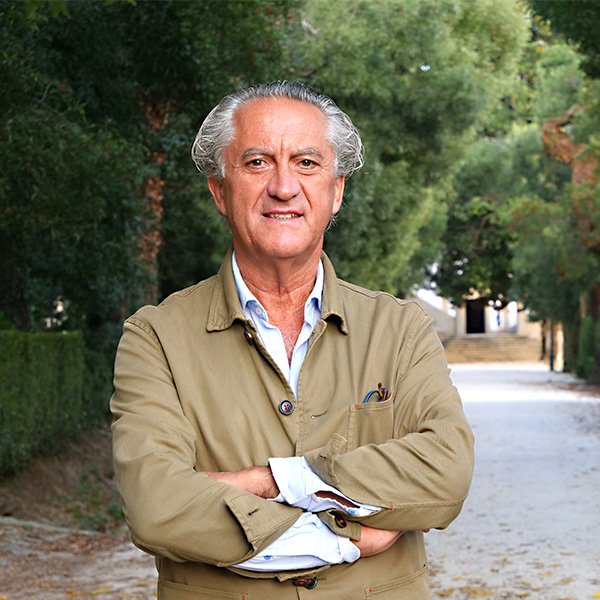
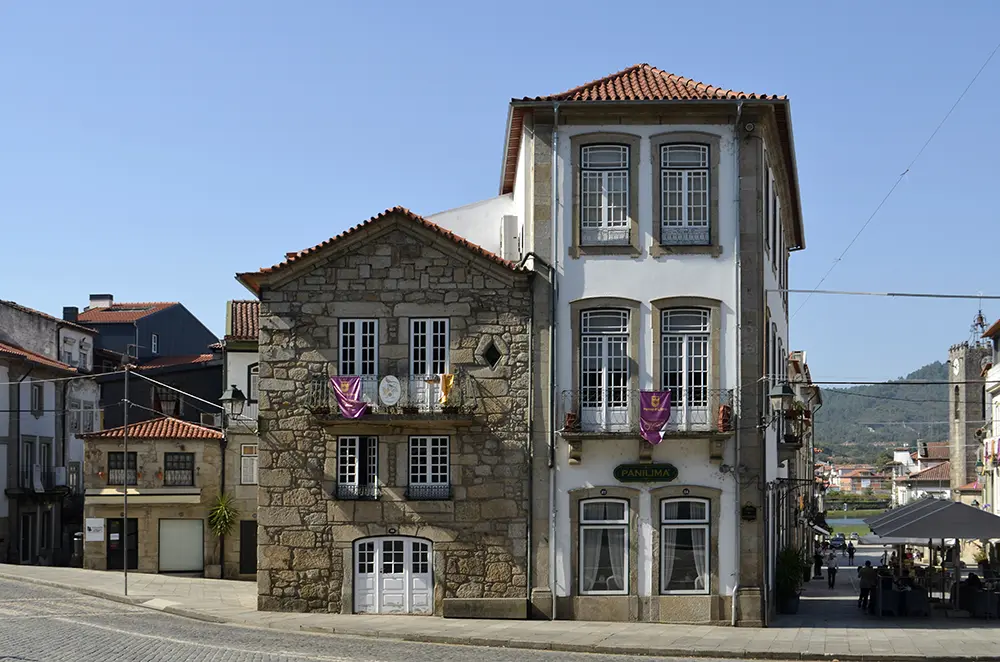
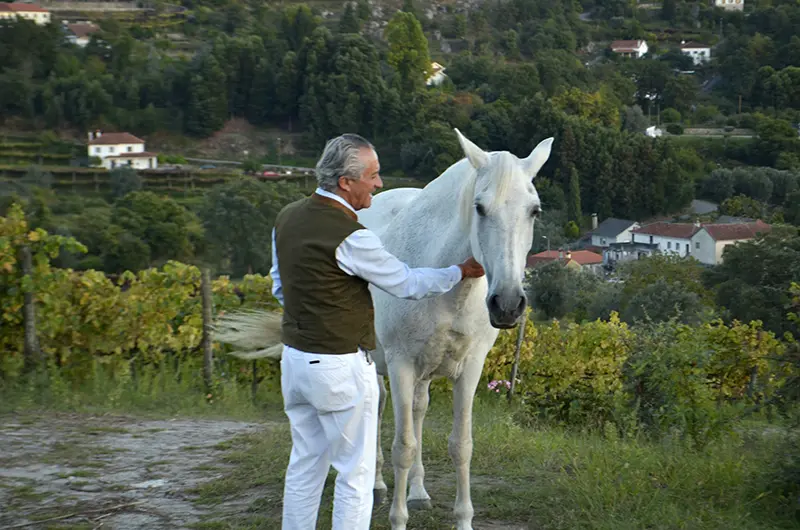
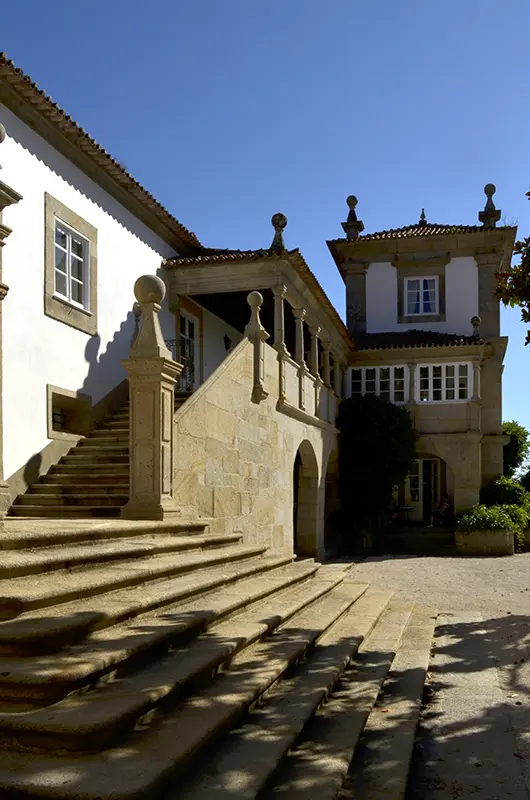
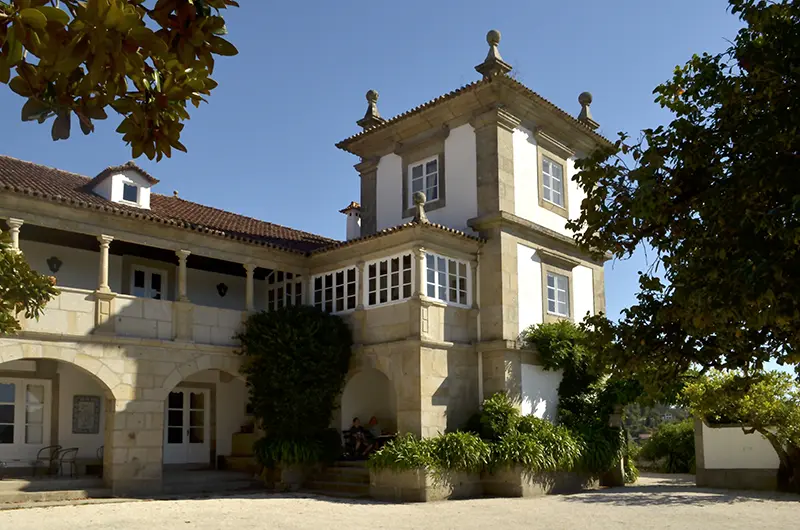
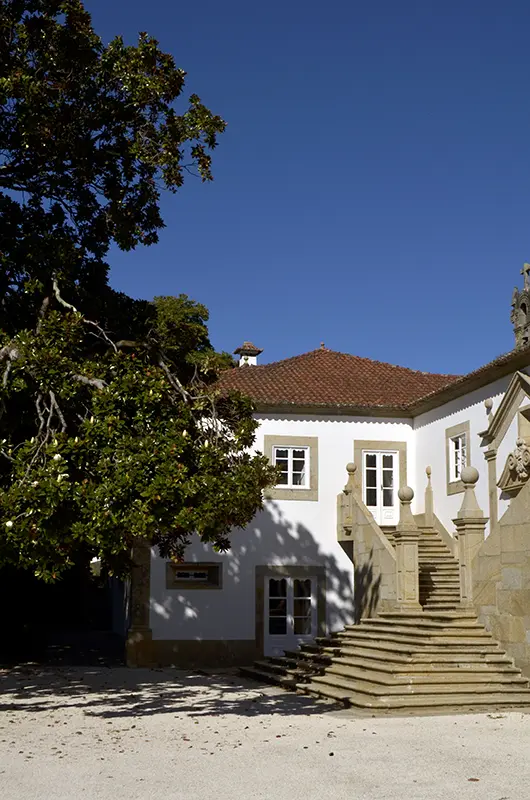
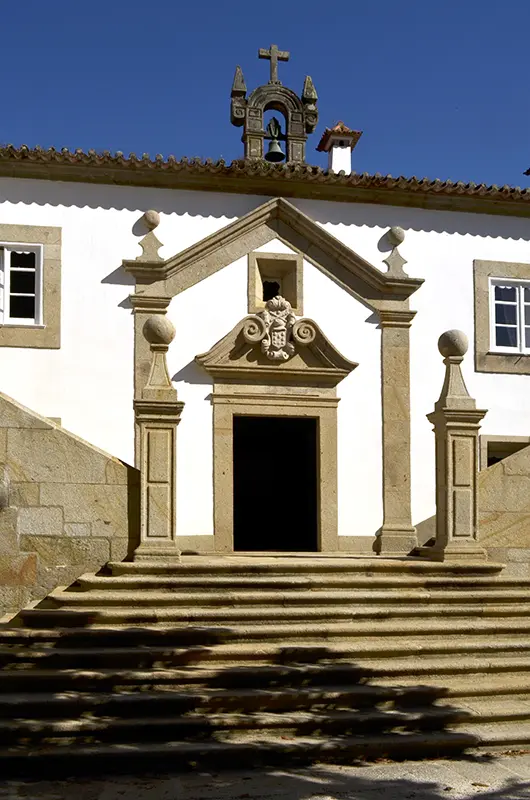
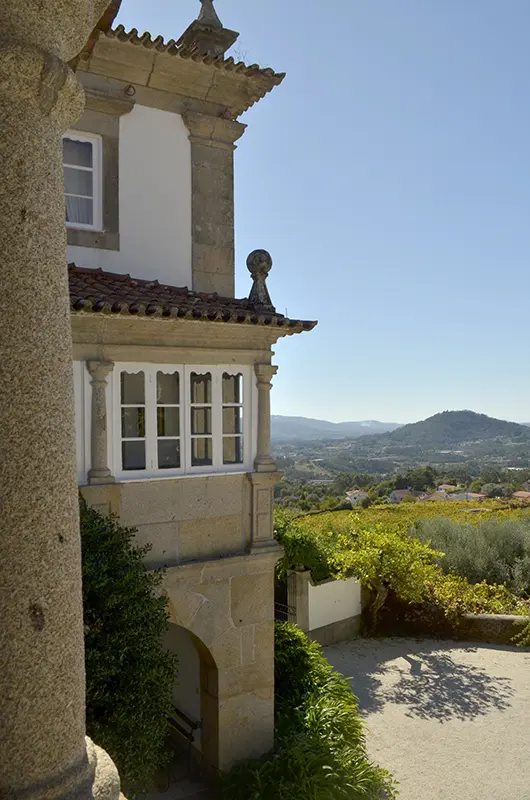
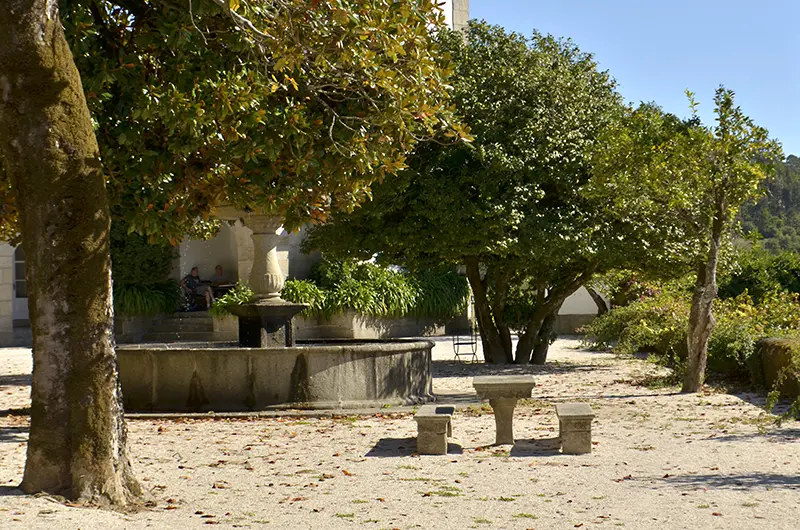
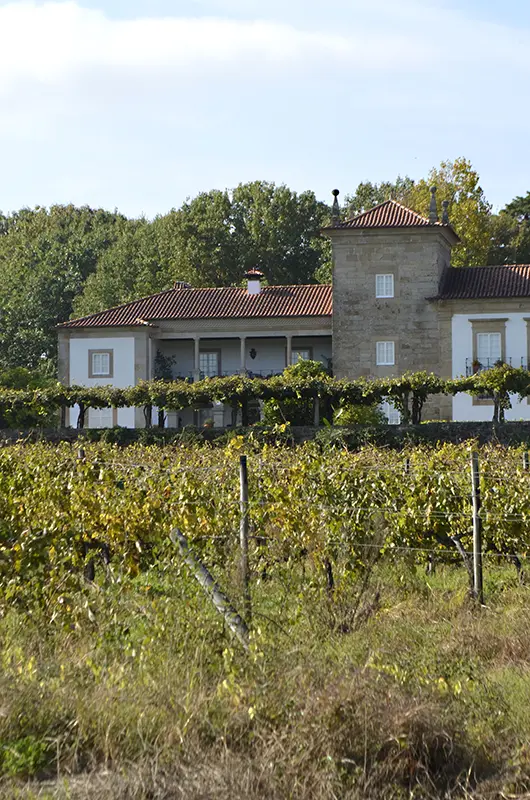
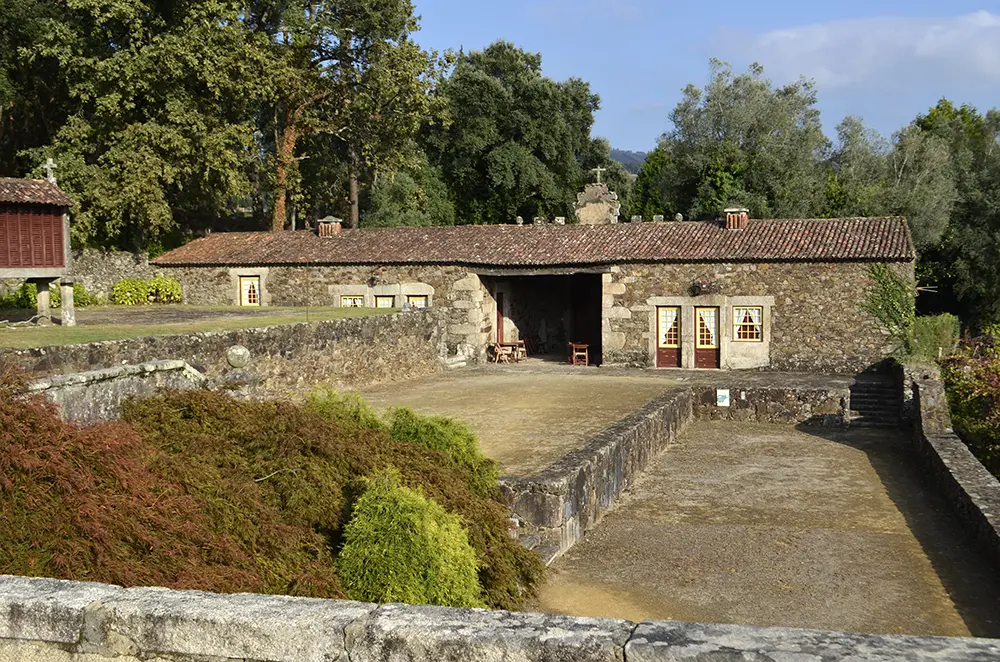
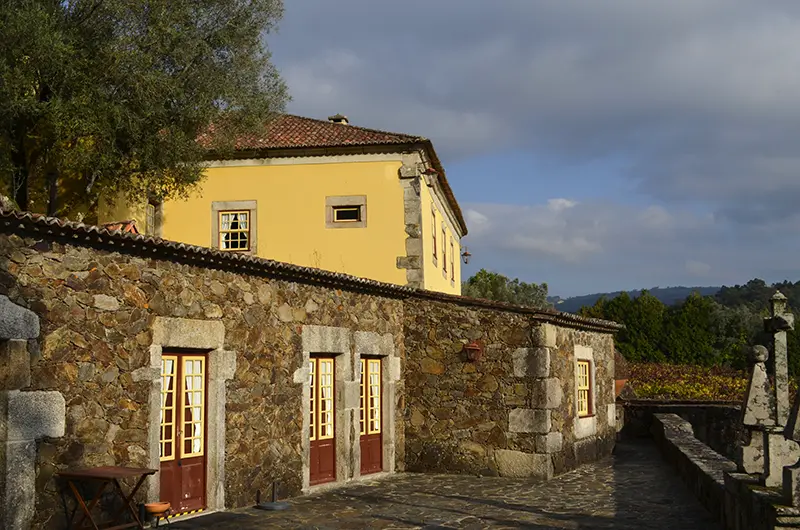
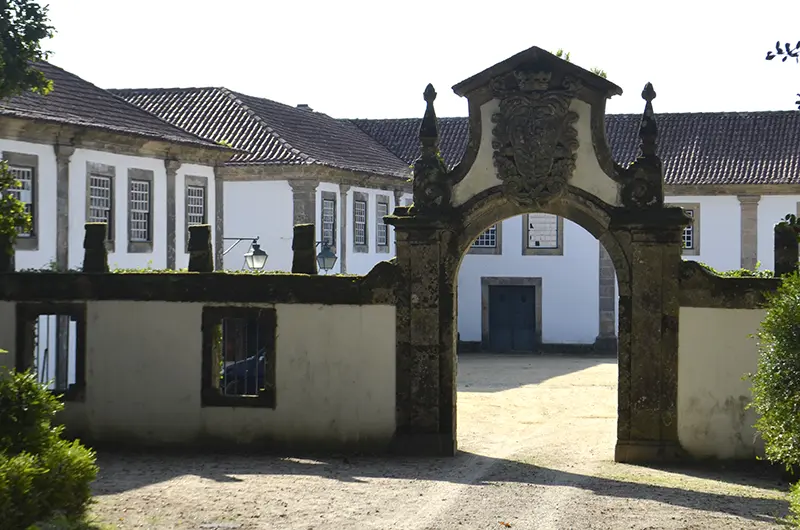
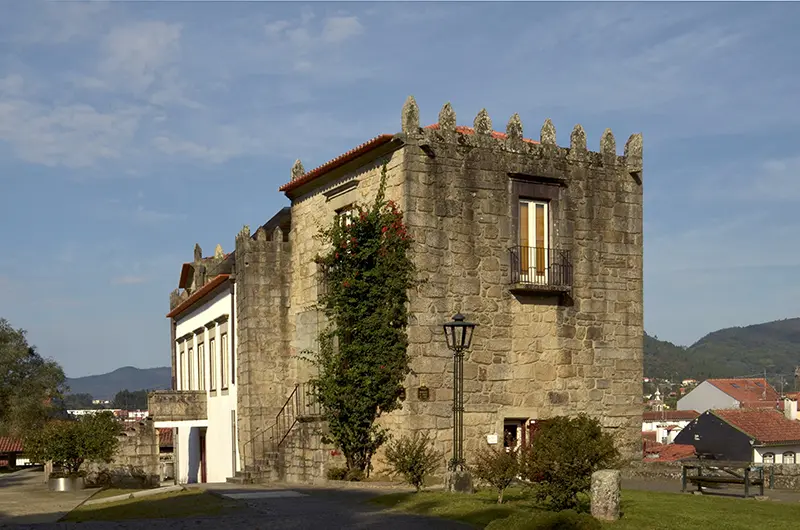
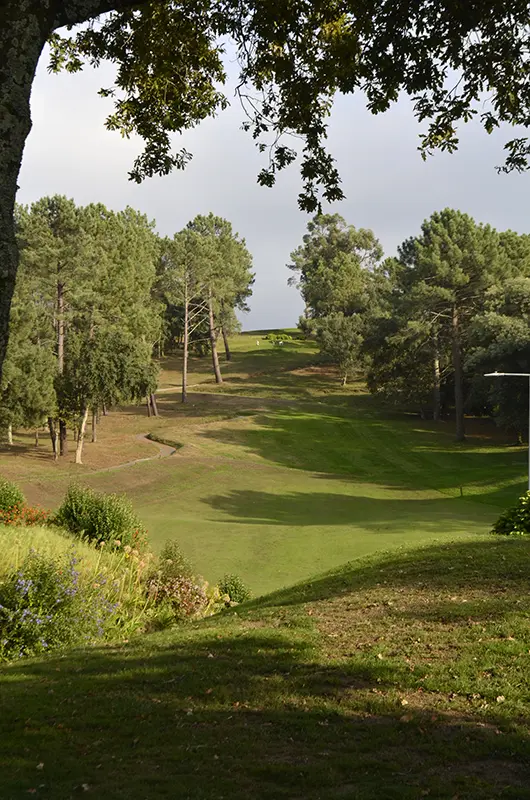
Born into an old Minho family, Francisco de Calheiros has devoted over four decades to the protection and restoration of Paço de Calheiros, an eighteenth-century manor house overlooking the Lima valley which has belonged to his family for generations. Under his stewardship the property recovered its original harmony through a restoration guided by respect for traditional local materials and building techniques. This rehabilitation has preserved not just the building and its historic gardens but also the farming practices, craft trades, and community life that gave it meaning. He has thereby established a model by which tourism, understood as a vehicle of cultural transmission, helps to conserve heritage and support social and economic life in the vicinity.
With the purpose of extending this experience to other owners and territories, he founded the TURIHAB association and created the Solares de Portugal network, which today groups more than 120 houses spread throughout the country. These dwellings, classified into three categories – (Casas antigas, Quintas e herdades, and Casas rústicas) -share the same objective: to keep alive the traditional Portuguese architecture and the hospitality that is an essential part of its culture. Thanks to this initiative, the historic residences of the network were integrated into a coherent set of accommodation and cultural experiences, where each owner assumes the role of host, narrator and custodian of the memory of his house and his territory.
His work has also embraced the preservation of public heritage. As president of the Lima Valley Association for Rural Development (ADRIL), he has for over thirty years promoted the application in Portugal of the European LEADER program, involving decentralized, participatory management of rural development. Under his leadership, ADRIL has funded dozens of farming, tourism, and cultural projects that have helped keep the local economy alive and strengthened social cohesion in the valley. His approach, based on cooperation between town halls, associations, professionals, and entrepreneurs, has put in place an exemplary model of local governance connecting the preservation of heritage with the wellbeing of the resident communities.
Francisco has understood that preserving heritage involves not just conserving its material forms but also assuring the continuity of the ways of life and human networks that make sense of it. Around Paço de Calheiros he has cultivated a close relationship with the adjoining village of Calheiros, helping it maintain the same population today as four decades ago, unlike other Portuguese villages affected by rural exodus. His work has also enabled many young people with training in tourism or agriculture to find job opportunities in their own region.
His vision has transcended national borders. From Solares de Portugal he has encouraged the creation of collaborative networks with related projects in Spain, Ireland, France, Italy, Germany and Slovenia, with the aim of promoting architectural and cultural heritage as part of a shared European legacy. In the latter country, with which he maintains a particularly close relationship, he was appointed Honorary Consul.
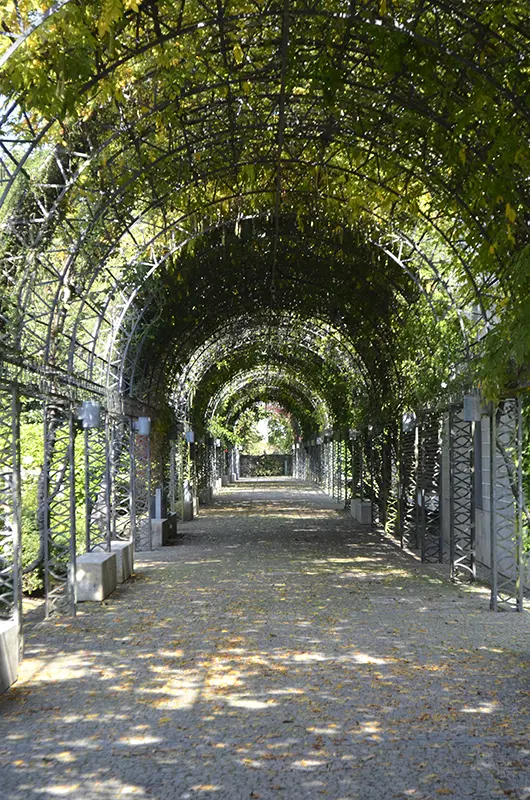
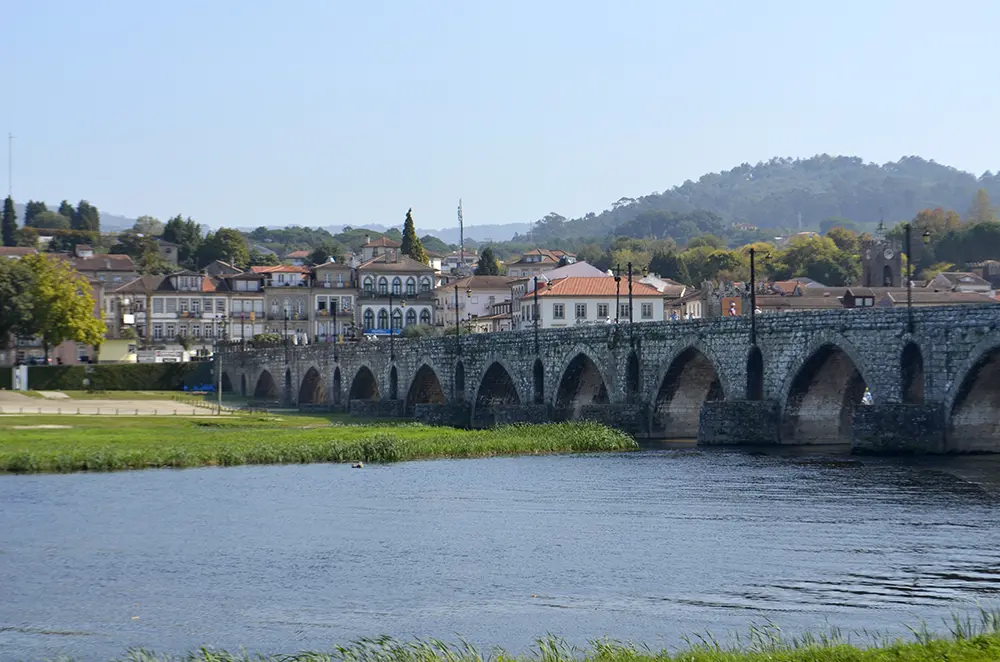
Moreover, inspired by models such as the International Garden Festival at Chaumont-sur-Loire, he sponsored the creation of the Ponte de Lima International Garden Festival, now a national benchmark in the field of landscape and art.
With these initiatives Francisco de Calheiros has shown that the preservation of heritage can be integrated into contemporary dynamics of development and generate prosperity through the continuity of the building and cultural traditions that invest it with meaning. His work is based on the firm conviction that the future of historic houses and rural landscapes depends on their continuing to be lived in, cared for, and understood by their inhabitants. With a pragmatic spirit and a deeply humanistic sensibility, Francisco has found a way of reconciling memory with the desire for progress, tradition with sustainable development, and local identity with a truly international calling.